
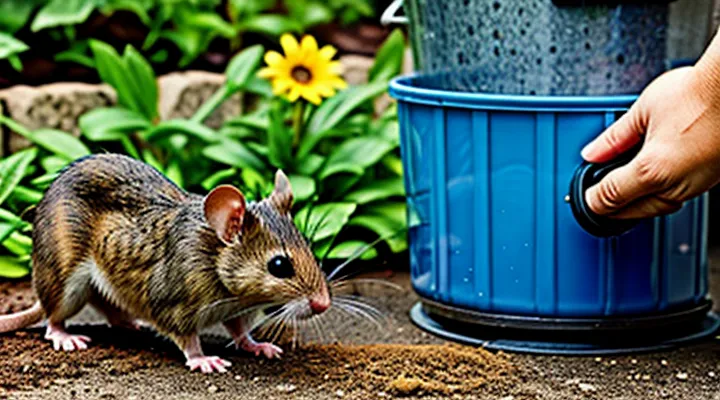
Understanding Mouse Behavior in the Garden
Signs of Mouse Presence
Droppings and Tracks
Mice leave distinctive evidence that reveals the extent of an infestation and guides effective, non‑chemical action. Fresh droppings appear as small, dark brown to black pellets, roughly the size of a grain of rice, often found near food sources, along plant stems, or under garden debris. Older droppings turn lighter and may crumble when disturbed. Tracks consist of fine, parallel scratches in soft soil or mulch, sometimes accompanied by cleared pathways where rodents have compacted the substrate.
Identifying these signs enables targeted measures:
- Locate droppings and tracks during early morning or after rain when footprints are most visible.
- Map the areas with the highest concentration to focus removal efforts.
- Remove and dispose of droppings with gloves and a sealed bag; avoid sweeping to prevent aerosolized particles.
- Disturb the soil around tracks to expose burrow entrances, then seal openings with heavy mulch, stones, or metal flashing.
- Install physical barriers such as fine‑mesh fencing or copper tape around vulnerable plants; rodents avoid crossing copper surfaces.
- Deploy natural predators—barn owls, hawks, or domestic cats—by providing perches or shelter near the affected zones.
- Use scent deterrents like peppermint oil or crushed garlic, applied to the perimeter of identified pathways; reapply after rain.
Continual monitoring of droppings and tracks confirms whether the population is declining. A reduction in pellet count and fewer fresh footprints indicate that the applied strategies are disrupting mouse activity without resorting to chemical treatments.
Gnaw Marks
Gnaw marks reveal the presence of rodents and indicate where they are accessing garden plants, irrigation lines, or structural components. Recognizing these signs allows immediate, targeted action before damage spreads.
Typical characteristics include parallel or crescent-shaped bite edges on stems, bark, wooden stakes, and plastic tubing. The size of the marks corresponds to the animal’s incisors; fresh gnawing leaves clean, shiny surfaces, while older marks appear rough and darkened.
Identifying gnaw marks helps locate entry points and feeding sites. Once detected, apply non‑chemical deterrents directly to the affected area:
- Install stainless‑steel mesh or hardware cloth around vulnerable stems and garden borders.
- Place copper or aluminum foil strips near gnaw sites; rodents dislike the metallic taste.
- Secure irrigation tubing with tight‑fitting clamps or replace exposed sections with rigid PVC.
- Fill gaps around garden beds with fine sand or crushed stone, eliminating shelter.
- Deploy motion‑activated ultrasonic emitters aimed at the identified zones.
Regular inspection, especially after rain or pruning, ensures early detection. Removing gnawed material and replacing it with intact sections reduces food availability and discourages further activity. Consistent mechanical barriers combined with habitat disruption provide an effective, chemical‑free strategy to control mouse populations in garden environments.
Burrows and Nests
Mice construct underground burrows and above‑ground nests that provide shelter, food storage, and a safe place for offspring. Burrows consist of a main tunnel, side chambers, and a shallow entrance, while nests are built from shredded plant material, compost, or debris in hidden corners of the garden.
Identify active sites by looking for fresh soil mounds, gnawed plant stems, droppings, and shredded vegetation. Follow these steps to eliminate the structures without chemicals:
- Locate each entrance and mark it with a flag or stone.
- Use a sturdy shovel or garden fork to collapse tunnels, turning the soil over to expose hidden chambers.
- Remove all nesting material, placing it in a sealed bag for disposal.
- Fill the collapsed burrow with coarse mulch, sand, or wire mesh to deter re‑excavation.
- Install a physical barrier such as hardware cloth (½‑inch mesh) around the perimeter of garden beds, securing it at least 12 inches below ground level.
Prevent future construction by maintaining a clean garden environment. Trim low‑lying foliage, keep compost bins sealed, and store firewood off the ground. Regularly inspect soil for fresh mounds and repeat the disruption process as needed to keep the area inhospitable to rodents.
Why Mice are Attracted to Gardens
Food Sources
Mice are drawn to readily available nourishment in garden beds, compost piles, and surrounding structures. Removing or securing these food supplies reduces the likelihood of infestation without resorting to toxic agents.
Typical attractants include:
- Fresh fruit fallen from trees or bushes
- Seeds and grains scattered during planting or harvesting
- Pet food left outdoors
- Birdseed spillage on the ground
- Decomposing organic matter in compost bins
- Vegetable scraps and fallen garden produce
Effective management steps:
- Harvest ripe fruit promptly and collect dropped pieces daily.
- Store seeds in sealed containers; distribute them directly into planting holes rather than scattering.
- Keep pet feeding stations inside shelters or on raised platforms with a solid base.
- Install bird feeders with trays that catch excess seed; clean the area beneath regularly.
- Use composters with tight-fitting lids and add a layer of coarse material (e.g., straw) to deter burrowing.
- Gather vegetable waste in compost bins immediately; avoid leaving scraps on soil surfaces.
By systematically eliminating these nutritional sources, mouse activity declines, allowing non‑chemical control methods such as physical barriers and habitat modification to achieve lasting results.
Shelter and Hiding Spots
Mice select concealed areas that provide protection from predators and weather. Typical locations include dense mulch, leaf piles, compost bins, fallen logs, rock crevices, and gaps beneath garden structures. Removing or altering these shelters reduces the attractiveness of the garden.
- Thin mulch to a depth of 2–3 inches and keep it dry.
- Rake leaf litter weekly; dispose of it away from planting beds.
- Store compost in sealed containers with tight‑fitting lids.
- Place logs and stones on raised beds, not directly on soil.
- Inspect garden sheds, sheds, and tool sheds for cracks; seal openings with hardware cloth or steel wool.
Physical barriers prevent mice from entering potential hideouts. Install mesh of ¼‑inch or smaller openings around raised beds and garden beds. Fit door sweeps on garden storage units. Use metal flashing at the base of fences to block burrowing.
Strategic placement of humane traps near identified shelters can capture individuals that have already established. Check traps daily, release captured mice far from the property, and reset the device promptly.
Consistent habitat management eliminates the conditions mice need for shelter, making the garden inhospitable without resorting to chemical interventions.
Water Access
Water sources draw mice into garden beds, making moisture management a primary factor in non‑chemical mouse control. Reducing unintended water access removes one of the most reliable incentives for rodents to establish foraging routes.
Practical steps to limit water availability:
- Repair irrigation lines, faucets, and faucet aerators that leak.
- Eliminate standing water in birdbaths, pet dishes, and puddles created by heavy rain.
- Install drip‑irrigation emitters that deliver water directly to plant roots, preventing surface saturation.
- Grade soil away from structures to promote runoff and avoid pooling.
- Use mulch that absorbs moisture without retaining excess water on the surface.
Controlled watering supports plant health while denying mice the persistent moisture they seek. Schedule irrigation early in the day, allowing excess water to evaporate before nightfall when rodents are most active. Select deep‑rooted plants that require less frequent watering, thereby decreasing overall garden humidity.
By systematically removing unnecessary water and regulating essential irrigation, gardeners create an environment that discourages mouse habitation without resorting to chemical interventions.
Non-Chemical Mouse Control Strategies
Garden Sanitation and Exclusion
Removing Food Sources
Eliminating accessible food eliminates the primary attraction for garden mice. When food residues disappear, rodents lose the incentive to forage among plants and soil, reducing population pressure without resorting to pesticides.
- Collect fallen fruit, nuts, and seeds daily; dispose of them in sealed containers.
- Store bird feed, pet kibble, and compost in airtight bins; place bins on raised platforms to prevent easy access.
- Harvest mature vegetables promptly; remove over‑ripe produce before it drops to the ground.
- Clean up spilled grains or mulch that can serve as a supplemental diet.
- Install wildlife‑proof feeders that release food only when a bird lands, preventing accidental mouse consumption.
Consistent removal of these resources deprives mice of sustenance, encouraging relocation to less hospitable areas and supporting a chemical‑free garden environment.
Eliminating Shelter
Mice thrive in garden areas that provide cover, nesting material, and easy access to food. Removing these shelters forces rodents to seek less favorable environments, reducing their presence without chemicals.
- Clear dense groundcover such as tall grass, weeds, and low‑lying shrubs. Maintain a lawn height of 2–3 inches to expose the soil surface.
- Trim back overgrown hedges and prune tree branches that touch the ground. Create a clear zone of at least 3 feet between foliage and structures.
- Eliminate debris piles, wood chips, and compost heaps that are not actively managed. Store organic waste in sealed containers and turn compost regularly to discourage nesting.
- Disassemble or relocate garden structures that offer hidden cavities, such as old sheds, birdhouses, or stacked stones. Seal gaps in foundations, fences, and raised beds with wire mesh or caulk.
- Remove potential nesting materials, including shredded paper, fabric scraps, and soft plant matter. Store gardening supplies in airtight containers.
Regular inspection of the garden perimeter identifies new shelter opportunities before mice can exploit them. Consistent maintenance of the above measures creates an open, inhospitable environment, effectively limiting rodent habitation while preserving plant health.
Fencing and Barriers
Physical exclusion provides the most reliable, chemical‑free method for preventing mice from entering garden areas. A properly designed fence creates a continuous barrier that rodents cannot cross, climb, or burrow under.
-
Materials:
- Galvanized hardware cloth (½‑inch mesh) resists corrosion and withstands gnawing.
- Welded wire mesh (¼‑inch openings) offers flexibility for irregular shapes.
- PVC or metal edging with a built‑in lip prevents climbing.
- Composite panels with smooth surfaces reduce grip.
-
Installation guidelines:
- Bury the lower edge 6–12 inches deep; add a 90‑degree outward flare to block digging.
- Overlap adjacent sections by at least 2 inches and secure with stainless‑steel staples.
- Tension the fence tightly to eliminate slack that mice could squeeze through.
- Attach a horizontal “crown” extending 4–6 inches above the top to deter climbing.
-
Supplementary barriers:
- Raised beds fitted with a bottom mesh liner stop burrowing from beneath.
- Mulch layers of coarse wood chips discourage nesting; replace regularly.
- Plant dense, low‑growth species (e.g., thyme, rosemary) along fence lines to create a secondary deterrent.
- Use garden netting over seed beds to block entry while allowing light and airflow.
-
Maintenance:
By combining durable fencing with complementary ground and plant barriers, gardeners can achieve effective mouse control without resorting to chemical treatments.
Natural Repellents
Plant-Based Deterrents
Plant-derived deterrents offer a practical alternative to synthetic pesticides for managing mouse activity in garden beds. Certain herbs and vegetables emit scents or produce textures that mice find unappealing, reducing the likelihood of burrowing and foraging.
- Mint (Mentha spp.) – strong menthol aroma repels rodents; plant in containers to prevent aggressive spreading.
- Lavender (Lavandula angustifolia) – volatile oils create an unpleasant environment; situate near entry points and raised beds.
- Rosemary (Rosmarinus officinalis) – woody fragrance deters; prune regularly to maintain potency.
- Garlic (Allium sativum) – crushed cloves release sulfur compounds; scatter crushed pieces around vulnerable plants.
- Marigold (Tagetes spp.) – bitter taste and pungent odor discourage gnawing; interplant with leafy vegetables.
Effective deployment requires strategic placement. Position deterrent plants along fence lines, garden borders, and beneath trellises where mice typically travel. Use dense plantings to limit ground cover access, and maintain healthy growth through regular watering and fertilization to preserve aromatic strength. Rotate crop locations annually to prevent mice from acclimating to a fixed scent profile.
Companion planting enhances results. Pair deterrent species with high‑value crops such as tomatoes or lettuce to create a barrier zone. Incorporate ground‑cover herbs like thyme (Thymus vulgaris) to fill gaps and obstruct nesting sites. Monitor soil moisture; overly damp conditions attract rodents, so ensure proper drainage.
Regular observation confirms efficacy. If mouse signs persist, increase the density of deterrent plants or introduce additional species such as catnip (Nepeta cataria) and onion (Allium cepa). Consistent maintenance sustains a chemical‑free environment that discourages rodent intrusion while enriching garden biodiversity.
Scent-Based Repellents
Scent-based repellents exploit rodents’ acute sense of smell to discourage them from entering garden beds. The approach avoids synthetic chemicals and relies on natural odors that mice find unpleasant or threatening.
- Peppermint oil: strong menthol scent, applied with cotton balls or diluted in water for spray.
- Castor oil: oily texture interferes with mice’s digestive system, mixed with water and sprayed around planting zones.
- Predator urine (fox, coyote): signals presence of a natural enemy, available in powdered or liquid form.
- Strong herbs (lavender, rosemary, thyme): fresh or dried plant material placed near entry points.
- Citrus peels: lemon or orange zest releases volatile compounds that repel rodents.
Application methods require consistent coverage. Soak cotton balls in peppermint or castor oil, position them 1–2 feet apart along garden borders, and replace every 5–7 days. Prepare a spray by mixing 10 ml essential oil with 1 liter water, add a few drops of dish‑soap to emulsify, and mist soil surface and plant bases weekly. Distribute dried herb bundles or citrus peels in mulch layers, refreshing them after heavy rain. For predator urine, follow product instructions—typically a thin layer applied to the perimeter and re‑applied after rain or irrigation.
Effectiveness depends on environmental factors. Rotate scents every two weeks to prevent habituation. Avoid direct contact of concentrated oils with edible plant parts; use barrier cloths if necessary. Monitor mouse activity daily; reduce or replace repellents if signs persist. Combining scent repellents with physical barriers, such as mesh fencing or raised beds, enhances overall control without resorting to chemical interventions.
Trapping Methods
Live Traps
Live traps provide a humane method for removing mice from garden beds while avoiding any chemical intervention. The devices capture rodents alive, allowing relocation away from cultivated areas.
- Choose a trap with a sturdy base and a smooth interior to prevent injury; common models include wooden box traps, metal cage traps, and reusable plastic traps.
- Position traps along established runways, near burrow entrances, or beside dense vegetation where mouse activity is evident.
- Use bait that appeals to mice but does not attract larger predators; effective options are peanut butter, rolled oats, or small pieces of fruit.
- Secure bait on a trigger mechanism that releases the door when the mouse steps onto a pressure plate or trips a spring‑loaded latch.
- Check traps at least twice daily; prolonged confinement can cause stress or dehydration.
- Release captured mice at least 200 m from the garden, preferably in a wooded area with natural cover.
- Clean traps with mild soap and water after each use to eliminate scent trails that could deter future captures.
Regular monitoring of trap performance and adjustment of placement based on observed activity increase success rates. Combining live traps with habitat modification—such as removing excess mulch and sealing entry points—creates a comprehensive, chemical‑free strategy for controlling garden mice.
Snap Traps
Snap traps provide immediate, chemical‑free removal of garden mice. The mechanism relies on a spring‑loaded bar that closes with sufficient force to kill the rodent instantly, eliminating the need for poisons or repellents.
When choosing a trap, prioritize the following features:
- Hardened steel jaws for reliable snap action.
- A sturdy base that resists tipping in soft soil.
- A clear trigger mechanism that minimizes accidental activation.
- A reusable design to reduce waste.
Correct placement determines success. Position traps along established runways, typically the edges of flower beds, near compost piles, or alongside garden fences. Place the trigger side facing the mouse’s expected direction of travel. Bury the base shallowly so that only the trigger protrudes above ground level, allowing mice to enter without detecting the device.
Bait selection influences capture rates. Use small portions of high‑protein foods such as peanut butter, sunflower seeds, or bits of cooked egg. Secure the bait to the trigger platform to prevent removal without activating the trap.
After a capture, handle the trap with gloves, dispose of the carcass in a sealed bag, and reset the device promptly. Clean the jaws with mild soap and water to remove residue, then inspect the spring for fatigue before reuse.
Regular monitoring and repositioning, combined with proper sanitation—removing food sources and sealing entry points—enhance the overall effectiveness of snap traps as a non‑toxic solution for garden mouse control.
Baiting Strategies
Effective baiting relies on selecting attractants that appeal to garden mice without introducing toxic substances. Natural foods such as unsalted peanuts, sunflower seeds, or small pieces of dried fruit provide strong olfactory cues. Position bait near known activity zones—under low‑lying foliage, along garden borders, or beside compost piles—where mice travel between shelter and foraging sites. Replace bait regularly to maintain freshness and prevent mold, which can deter rodents. Monitor placement daily; relocate or adjust if non‑target animals, such as birds or insects, interfere.
- Use biodegradable seed‑based bait blocks, compacted into small cubes that fit inside snap or live‑capture traps.
- Combine bait with a mechanical trap: set a wooden snap trap with a short length of twine attached to the bait, ensuring quick release when the mouse pulls the lure.
- Deploy a series of bait stations spaced 3–5 feet apart along mouse runways; each station holds a single bite‑sized portion of peanut butter mixed with rolled oats.
- Integrate bait with natural deterrents: place a few drops of peppermint oil on the bait surface to discourage other pests while still attracting mice.
- Rotate bait types weekly to prevent habituation, alternating between seeds, dried fruit, and small pieces of cheese‑free protein like cooked egg white.
Encouraging Natural Predators
Attracting Birds of Prey
Birds of prey naturally suppress rodent populations; encouraging their presence offers an effective, chemical‑free strategy for garden mouse control.
Install sturdy nesting boxes at least 12 feet above ground, facing south or southeast to receive morning sun. Use dimensions appropriate for target species—e.g., 12‑inch entrance for Cooper’s hawks, 15‑inch for red‑tailed hawks. Secure boxes to trees or posts with metal brackets to prevent predator access by squirrels.
Provide perches and hunting platforms: attach wooden dowels or metal rods to fence lines, tree trunks, or garden structures. Position them 6–10 feet high, spaced 15 feet apart, to create a flight corridor.
Maintain an open, clutter‑free environment that facilitates sightlines. Trim low hedges, remove dense groundcover, and keep grass at 4–6 inch height to expose rodents.
Support a reliable food source without relying on supplemental feeding that may attract unwanted species:
- Plant native tall grasses and seed‑bearing shrubs (e.g., goldenrod, coneflower) to host insects, a secondary prey for raptors.
- Preserve dead trees and snags for roosting.
- Install shallow water dishes, refilled daily, to meet hydration needs.
Avoid any use of rodenticides or insecticides that could poison birds of prey through secondary poisoning. Regularly monitor nesting boxes for occupancy, clean them in early spring, and repair damage promptly. These measures create a habitat that attracts and retains predatory birds, delivering sustained, non‑chemical mouse management in the garden.
Welcoming Other Wildlife
Encouraging beneficial wildlife creates natural pressure on garden rodents, reducing the need for chemical interventions. Predatory birds, hedgehogs, and ground‑dwelling beetles each target mice at different life stages, lowering population density through direct predation and competition.
- Install nesting boxes for owls and kestrels to attract raptors.
- Provide log piles, stone shelters, and dense groundcover for hedgehogs and shrews.
- Plant insect‑friendly flora such as daisies and yarrow to sustain beetle populations.
- Place shallow water sources away from vegetable beds to support amphibians that also consume small rodents.
Maintain a diverse habitat by rotating plant species, removing excess debris, and monitoring wildlife activity. Adjust shelter locations and food sources based on observed predator presence to sustain effective, chemical‑free rodent control.
Long-Term Prevention and Maintenance
Regular Garden Inspection
Regular garden inspection is a cornerstone of non‑chemical mouse management. Systematic checks reveal entry points, food sources, and nesting sites before populations expand.
Conduct inspections at least once a week during peak activity months. Walk the perimeter, examine raised beds, and inspect the base of any structures. Look for gnaw marks on wood, exposed wiring, and holes larger than 1 cm. Record each finding to track trends.
Key inspection tasks:
- Identify potential shelters: piles of debris, compost heaps, stone walls, and dense ground cover provide concealment. Clear debris, trim vegetation, and keep compost in sealed containers.
- Detect feeding opportunities: fallen fruit, seed heads, and spilled grain attract rodents. Remove waste promptly, store feed in airtight bins, and mulch sparingly near plant bases.
- Check for signs of activity: droppings, urine stains, shredded plant material, and gnawed roots indicate presence. Collect droppings safely for disposal and note the locations for targeted action.
- Assess structural integrity: gaps under fences, cracks in garden walls, and unsealed vents allow ingress. Seal openings with steel wool, hardware cloth, or caulk, prioritizing areas near the ground.
Document each inspection in a simple log: date, observed signs, remedial actions taken, and follow‑up dates. Consistent record‑keeping enables early intervention and prevents the need for chemical controls.
Seasonal Adjustments
Effective rodent control in a garden requires adjustments that correspond to the climate cycle. Each season presents distinct opportunities and challenges for discouraging mice without resorting to chemical measures.
Spring brings rapid vegetation growth, which creates cover and food sources. Reduce shelter by trimming low‑lying foliage and removing excess mulch. Install sturdy wire mesh around seed beds to prevent burrowing. Place metal or plastic barriers at the base of tree trunks to block climbing routes.
Summer intensifies foraging activity. Keep compost piles sealed and store feed in airtight containers. Elevate garden beds on raised platforms to limit ground access. Deploy motion‑activated ultrasonic devices near vulnerable zones; they operate continuously and do not affect plants.
Autumn introduces leaf litter and fallen fruit, both attractive to rodents. Rake leaves daily and collect dropped produce. Replace soft bedding materials with coarse sand or gravel around plant roots. Reinforce existing fences with a ¼‑inch galvanized wire to deter gnawing.
Winter reduces natural food supplies, prompting mice to seek shelter in garden structures. Seal cracks in garden sheds, toolboxes, and greenhouse frames. Store firewood off the ground and away from garden edges. Check and repair any gaps in irrigation tubing that could serve as entry points.
By aligning garden maintenance practices with seasonal patterns, gardeners can sustain a hostile environment for mice while preserving ecological balance and avoiding chemical interventions.
Community Collaboration
Community collaboration creates a unified front against garden rodents while avoiding chemical interventions. Neighbors pool labor, share tools, and exchange observations, turning isolated efforts into a coordinated strategy.
Joint actions improve habitat conditions that deter mice. Shared removal of dense ground cover, collective placement of physical barriers, and synchronized trimming of overgrown vegetation reduce shelter opportunities across adjoining plots. Regular neighborhood walks identify new activity sites, allowing prompt, collective response.
Practical steps for collaborative, chemical‑free mouse management:
- Organize a monthly meeting to review recent sightings and assess habitat modifications.
- Assign rotating responsibilities for tasks such as debris clearance, barrier installation, and trap checking.
- Maintain a shared inventory of non‑lethal devices (e.g., snap traps, live‑catch cages) and compost bins to ensure consistent availability.
- Use a digital map or spreadsheet to record locations of mouse activity, barrier placement, and trap results.
- Conduct joint educational sessions on proper trap handling and humane release procedures.
Effective communication channels sustain momentum. A neighborhood email list, a dedicated messaging group, or a simple bulletin board near the community garden provide quick updates and reminders. Clear documentation of actions and outcomes supports data‑driven adjustments to the plan.
When residents act together, garden spaces become less attractive to mice, predation pressure from natural enemies increases, and the need for chemical solutions diminishes. Consistent collaboration yields measurable reductions in rodent presence while preserving ecological balance.