
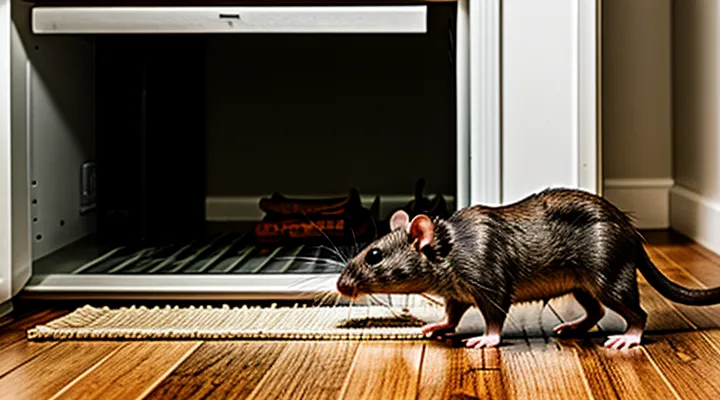
Common Access Routes for Rodents
Gaps and Cracks in Foundations
Rats exploit structural openings to infiltrate residential units. Small fissures in concrete slabs, uneven mortar joints, and unsealed expansion joints provide direct pathways from the soil to interior spaces. Moisture intrusion enlarges these voids, creating a continuous tunnel that rodents can navigate without detection.
Typical foundation breaches include:
- Cracks wider than ¼ inch in basement walls or footings
- Gaps around utility penetrations such as water lines, gas pipes, and electrical conduits
- Unfilled voids beneath slab edges where the foundation meets the exterior wall
- Deteriorated sealant around foundation vents and access panels
Addressing each opening with appropriate repair materials—epoxy injection for hairline cracks, hydraulic cement for larger fissures, and flexible sealants for pipe collars—eliminates the primary routes rats use to enter an apartment building.
Openings Around Pipes and Utilities
Rats exploit any gap left where plumbing, gas lines, or electrical conduits pass through walls, floors, or ceilings. These openings often measure only a few millimeters, yet they are sufficient for a determined rodent to squeeze through.
- Unsealed pipe collars allow direct entry from basements, crawl spaces, or exterior walls.
- Gaps around vent stacks or dryer exhausts connect interior rooms with the building’s exterior envelope.
- Utility chases that are not properly insulated create continuous pathways from the roof to the living area.
- Openings around water heaters, washing machines, and refrigerator water lines provide easy access to kitchen and bathroom zones.
Sealing these vulnerabilities requires durable materials that resist gnawing. Expandable foam sealant, stainless‑steel mesh, and cement‑based caulk effectively block rodent passage while maintaining compliance with building codes. Regular inspection of all utility penetrations, especially after renovations or repairs, prevents new gaps from forming. Prompt remediation of identified openings reduces the likelihood of infestation and limits the routes rats can use to infiltrate an apartment.
Damaged Roofs and Gutters
Rats exploit structural weaknesses in roofs and gutters to reach apartments. Cracks in roofing material, missing shingles, and damaged flashing create openings large enough for rodents to squeeze through. When gutters become detached or sag, they expose the eave area, allowing rats to climb from the roof to the building façade. Clogged gutters retain water, causing overflow that erodes roof edges and enlarges gaps. Over time, moisture damage softens wood, further widening entry points.
Common roof and gutter defects that facilitate rodent intrusion include:
- Broken or missing shingles
- Cracked or split flashing
- Gaps around vent pipes and skylights
- Detached or sagging gutter sections
- Accumulated debris causing water overflow
- Rotting soffit or eave boards
Preventive measures focus on eliminating these pathways. Replace damaged shingles and repair flashing to restore a continuous barrier. Secure gutters with brackets, ensure proper slope, and clear debris regularly. Seal all openings around vents, pipes, and skylights with steel wool and caulk. Inspect roof and gutter systems at least twice yearly, especially after severe weather, to detect and correct damage before rats can exploit it.
Unsealed Doors and Windows
Rats exploit any opening that lacks a proper seal, using it as a direct path into living spaces. Gaps around door frames, sliding‑door tracks, and window sashes provide sufficient clearance for a rodent to slip through, especially when weather stripping is worn or missing.
- Door gaps larger than ¼ inch allow entry; damaged or misaligned thresholds create additional openings.
- Sliding doors often have recessed tracks without brush seals, leaving a continuous void along the entire width.
- Window frames with cracked caulking, broken panes, or absent weather stripping expose the interior to rodent intrusion.
- Ventilation grilles without fine mesh or with loose fittings permit passage while maintaining airflow.
Effective prevention requires a systematic inspection of all entry points, followed by immediate sealing. Replace deteriorated weather stripping, install brush seals on sliding‑door tracks, apply high‑quality caulk to window frames, and fit metal or stainless‑steel mesh over vents. Regular maintenance eliminates the gaps rats rely on, reducing the likelihood of infestation.
Less Obvious Entry Methods
Through Vents and Chimneys
Rats exploit the network of openings that connect a building’s interior to the outside, and vents and chimneys are among the most accessible routes. These structures often contain gaps around flues, dampers, and mesh screens, providing entry points as small as 2 cm in diameter—sufficient for a mature rat.
Ventilation shafts typically consist of metal or plastic ductwork that passes through walls, ceilings, and roofs. Over time, corrosion, improper installation, or missing protective covers create voids. Rats can climb the exterior of ducts, squeeze through loose joints, and emerge inside the apartment through supply or exhaust vents. Once inside, they use the duct system to travel between rooms, accessing walls, insulation, and storage areas.
- Inspect all vent covers for cracks or missing sections.
- Install metal mesh with openings no larger than 6 mm.
- Seal gaps around ductwork with stainless‑steel wool and high‑temperature caulk.
- Ensure fire dampers close tightly and are free of debris.
Chimneys present a similar vulnerability. Many residential chimneys lack a proper cap, or the cap is damaged, allowing rats to climb the flue and drop into the fireplace or adjacent crawl space. Even with a functional cap, gaps around the chimney stack and the roof penetration can admit rodents. Rats are strong climbers; they can navigate the interior surface of the flue and use the chimney as a vertical highway to reach upper‑floor apartments.
Preventive actions for chimneys include:
- Fit a solid, predator‑proof chimney cap with a sealed perimeter.
- Apply heat‑resistant steel wool or wire mesh to the interior of the flue.
- Seal the chimney‑to‑roof interface with roofing cement and flashing.
- Conduct regular inspections after storms or after any maintenance work.
By systematically securing vents and chimneys—repairing damaged components, installing appropriate barriers, and sealing all peripheral gaps—residents significantly reduce the likelihood that rats will exploit these pathways to enter a dwelling.
Via Sewer and Drain Systems
Rats exploit sewer and drain networks to reach residential units. Openings where pipes penetrate walls, floors, or foundations provide direct pathways. Cracks around the pipe sleeves, poorly sealed joints, and missing or damaged gaskets create gaps large enough for a rat to squeeze through.
Typical entry points include:
- Pipe penetrations beneath kitchen sinks or bathroom fixtures where the drain pipe meets the wall.
- Basement floor drains that lack tight-fitting covers or have cracked lids.
- Sewer clean‑out openings left uncovered or loosely fitted.
- Vent stacks that extend through the roof and connect to the interior plumbing system.
Preventive measures focus on sealing all pipe openings. Use steel wool or copper mesh combined with expanding foam to fill gaps around pipe sleeves. Install metal or heavy‑duty plastic covers on floor drains and clean‑outs, securing them with screws. Regularly inspect the exterior of the building for displaced or broken sealants and repair them promptly.
Maintaining a barrier in the sewer and drainage infrastructure limits the ability of rodents to travel from municipal systems into the living space, reducing the risk of infestation.
Hitchhiking on Deliveries or Belongings
Rats often use incoming shipments as covert pathways into residential units. Packages, cardboard boxes, and grocery bags provide shelter, concealment, and a direct link from the exterior to the interior of an apartment building.
Typical vectors include:
- Unsealed cardboard boxes left on doorsteps or in building lobbies.
- Grocery bags with torn seams that allow rodents to slip inside.
- Furniture or appliances wrapped in plastic film, creating warm, dark spaces.
- Mail sacks and courier parcels that sit unattended for several hours.
Delivery personnel may inadvertently place items near cracks, utility shafts, or stairwell doors, creating additional entry points. Rats can climb onto pallets, ride inside the cargo, and emerge when the package is opened.
Preventive actions focus on eliminating shelter and access. Seal all entry gaps larger than a quarter‑inch, store deliveries in sealed containers, inspect boxes for holes before bringing them inside, and discard packaging promptly. Regularly clean communal areas to remove food residues that attract rodents. Implementing these steps reduces the likelihood that rats will hitch a ride on everyday belongings and gain entry to an apartment.
Scaling Walls and Trees to Upper Floors
Rats reach upper‑level apartments by exploiting vertical pathways that connect ground‑level habitats to higher floors. Their claws and flexible bodies enable them to ascend smooth surfaces when sufficient friction is present, and they can bridge gaps using nearby trees or vegetation as intermediate supports.
Key mechanisms include:
- Surface texture – Rough plaster, brick, or exposed concrete provides grip; painted or polished walls reduce traction, forcing rats to seek alternative routes.
- Structural openings – Gaps around pipe shafts, vent ducts, or utility conduits act as ladders, allowing direct movement from ground to ceiling levels.
- Tree proximity – Mature trees abutting the building create natural bridges; rats climb trunks, then leap onto balcony railings, window sills, or exterior cladding.
- External fixtures – Rooftop antennas, balconies, and scaffolding offer footholds that facilitate upward progression.
Preventive measures focus on eliminating these vertical conduits. Seal cracks larger than ¼ inch, install metal flashing around vent openings, and maintain a clear zone of at least three feet between trees and the building façade. Regular inspection of exterior cladding for loose panels or deteriorated mortar helps identify potential climbing routes before rats can exploit them.
Factors Attracting Rats to Residences
Food Sources and Waste Management
Rats are drawn to apartments that provide reliable nutrition and easy disposal of refuse. Open containers of pet food, unattended leftovers, and unsecured pantry items create a constant supply that encourages rodents to explore entry points. Even small crumbs left on countertops or floors can sustain a colony, prompting rats to probe cracks, gaps around pipes, and poorly sealed doors.
Improper waste handling amplifies the problem. Bins without tight-fitting lids allow odors to escape, signaling a food source to nearby rats. Overflowing trash, discarded packaging, and compost left in balconies or hallways serve as temporary feeding stations, reducing the distance rats must travel to reach an interior shelter. When waste is not removed promptly, rats become habituated to the building’s waste flow, increasing the likelihood of repeated incursions.
The combination of abundant food and lax waste control directly influences how rodents gain access:
- Cracked foundation or wall joints provide hidden pathways; the presence of food entices rats to test these openings.
- Gaps around utility lines and vent shafts are often left unsealed; persistent feeding activity encourages rats to enlarge such gaps.
- Door sweeps and weather stripping that are worn or missing allow rats to slip through, especially when they detect food odors nearby.
Preventive actions focus on eliminating attractants and securing waste:
- Store all food in airtight containers; clean surfaces after each meal.
- Keep pet food sealed and remove dishes after feeding.
- Use trash cans with locking lids; empty them daily and store them away from entry doors.
- Regularly inspect and repair cracks, gaps, and damaged screens.
- Install door sweeps and maintain weather stripping on all exterior doors.
By removing reliable nutrition and tightening waste management, the incentive for rats to explore and exploit structural weaknesses diminishes, reducing the frequency of their infiltration into residential units.
Shelter and Hiding Spots
Rats seek concealed areas that provide warmth, safety, and easy access to food sources. Once they breach a building’s exterior, they gravitate toward structural cavities and storage zones that remain undisturbed.
Typical shelter locations include:
- Wall voids and gaps behind drywall or plaster
- Ceiling joists and attic insulation
- Crawl spaces beneath flooring or concrete slabs
- Spaces behind appliances such as refrigerators, stoves, and dishwashers
- Under sinks and around plumbing stacks
- Closets, especially those storing seasonal clothing or linens
- Boxes, cardboard, and other clutter left in basements or storage rooms
- Vent ducts and HVAC openings that lack proper screening
These sites offer protection from predators, stable temperatures, and proximity to waste or food residues. Maintaining sealed entry points, eliminating clutter, and regularly inspecting hidden zones reduce the likelihood that rats will establish permanent hideouts within an apartment.
Water Access
Rats require a reliable water supply; the presence of accessible moisture often determines whether they venture into an apartment.
- Leaking pipes or faucets create continuous drips that accumulate in walls, cabinets, and beneath appliances.
- Condensation on cold surfaces, such as windowsills or air‑conditioning units, leaves puddles that attract rodents.
- Open pet water bowls or unattended drinking containers provide easy hydration.
- Uncovered trash bins, especially those holding food waste, retain liquid residues.
- Dishwasher or washing‑machine overflow can leave standing water in surrounding areas.
Moisture sources generate micro‑environments favorable for rats, prompting them to explore nearby openings. Gaps around plumbing fixtures, deteriorated sealant, and unsealed vent shafts become entry routes once rats detect water. Persistent dampness softens building materials, enlarging cracks and facilitating movement deeper into the unit.
Preventive actions focus on eliminating water availability. Repair all leaks promptly, replace corroded or cracked pipe sections, and apply waterproof sealant to joints. Install splash‑proof lids on pet bowls, empty them daily, and store them in sealed containers. Ensure trash cans have tight‑fitting lids and are emptied regularly. Maintain proper drainage around appliances, and inspect condensation‑prone areas for excess moisture. Regularly audit the apartment for hidden leaks or standing water to remove the primary incentive for rat intrusion.
Neighboring Infestations
Rats readily migrate from one dwelling to another when a nearby unit harbors an active infestation. Shared structural elements—such as wall cavities, floor joists, and ceiling spaces—provide continuous pathways. Openings around plumbing stacks, electrical conduits, and HVAC ducts connect apartments vertically and horizontally, allowing rodents to travel without exposure to the exterior.
Key mechanisms of inter‑unit movement include:
- Gaps larger than ¼ inch in baseboards, trim, or flooring, which rats can squeeze through.
- Unsealed service chases that link kitchens, bathrooms, and laundry rooms across neighboring flats.
- Cracks in foundation walls or exterior siding that intersect interior walls, creating hidden corridors.
- Overcrowded trash areas in hallways or stairwells that attract foraging rats, increasing the likelihood of spillover into adjacent apartments.
When a neighboring infestation remains untreated, pressure from population growth forces rats to seek new food sources and shelter, often directing them toward the nearest accessible entry point. Consequently, even well‑sealed apartments can become compromised if adjacent units lack proper rodent control.
Mitigation requires coordinated action: building management must conduct comprehensive inspections of shared infrastructure, seal all openings, and implement routine pest‑management protocols in every unit. Residents should report signs of activity promptly, maintain clean storage areas, and avoid providing easy access points such as pet food left outdoors or cluttered basements. A collective approach eliminates the corridor effect that enables rats to traverse an entire building.