
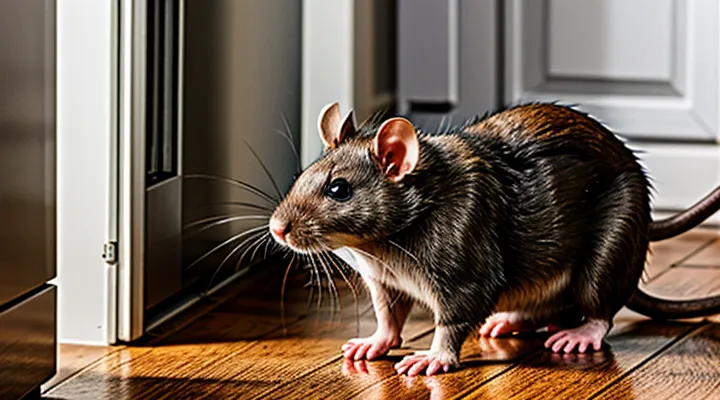
Common Entry Points for Rats
Exterior Access Points
Cracks and Gaps in Foundations
Rats frequently exploit imperfections in a building’s foundation to gain access to interior spaces. Small fissures, missing mortar, and gaps around utility penetrations create direct pathways from soil to walls, crawl spaces, and basements.
Typical foundation vulnerabilities include:
- Horizontal cracks larger than ¼ inch, especially those that extend through multiple courses of brick or block.
- Vertical seams where concrete footings meet masonry walls, often left unsealed during construction.
- Openings around pipe sleeves, drain lines, and vent stacks that lack proper flashing or caulking.
- Gaps beneath slab edges where the concrete meets the foundation wall, commonly found in older homes.
- Deteriorated or displaced foundation sealant, allowing rodents to push through softened material.
Mitigation measures:
- Inspect the perimeter of the foundation annually, focusing on visible cracks and joints.
- Apply epoxy or hydraulic cement to fill cracks wider than ¼ inch, ensuring a tight seal after the material cures.
- Install metal flashing around all pipe and conduit penetrations, securing it with stainless‑steel screws.
- Use stainless‑steel mesh or hardware cloth to cover larger openings before backfilling.
- Maintain a clear, graded landscape around the house to keep soil away from the foundation base, reducing pressure that can enlarge cracks.
By systematically sealing these entry points, homeowners limit rat infiltration and protect structural integrity.
Unsealed Vents and Pipes
Rats regularly exploit gaps in ventilation ducts and plumbing shafts because these openings provide direct routes from exterior spaces to interior rooms. Unsealed vents connect roof or attic areas to living spaces, while pipe penetrations often lead from basements or crawl spaces into kitchens, bathrooms, and utility rooms. The size of a typical rat opening—approximately one inch in diameter—matches the dimensions of many vent louvers, pipe sleeves, and utility chases that lack proper sealing.
Key characteristics that make unsealed vents and pipes attractive to rodents include:
- Continuous airflow that masks scent trails and eases movement.
- Warm, insulated environments within ducts that protect rats from extreme outdoor temperatures.
- Proximity to food sources, especially when vents serve kitchen exhaust or bathroom fans.
- Structural gaps that require no active effort to breach, allowing silent entry.
Signs of rat activity in these pathways are:
- Gnaw marks on vent covers, metal flanges, or pipe insulation.
- Accumulated droppings near vent grilles, fan housings, or pipe junctions.
- Scratching noises heard within walls or ceilings, particularly at night.
- Evidence of nesting material, such as shredded paper or fabric, lodged in vent ducts.
Effective mitigation involves sealing every potential opening. Recommended actions are:
- Install stainless‑steel mesh or hardware cloth with a minimum ¼‑inch aperture over all vent openings.
- Apply expanding polyurethane foam or cement mortar to gaps around pipe sleeves, ensuring a tight, weather‑resistant seal.
- Replace damaged vent covers with models that include built‑in rat‑proof screens.
- Conduct regular inspections of attic and basement vent systems, repairing any cracks or loose fittings promptly.
By eliminating unsealed vents and pipe penetrations, homeowners remove the most accessible pathways for rats, reducing the likelihood of infestation and protecting structural integrity and hygiene.
Damaged Roofs and Gutters
Rats exploit compromised roofing and gutter systems to gain access to interior spaces. Openings caused by missing shingles, cracked flashing, or broken eaves create unobstructed pathways, while clogged or detached gutters accumulate debris that provides shelter and a food source. The combination of shelter and easy entry encourages rodents to establish nests near the roofline and travel downward through walls, ceilings, and crawl spaces.
Structural damage creates direct routes:
- Gaps between roof decking and soffit allow rats to climb from trees or nearby structures.
- Loose or torn gutter sections expose interior cavities, offering protection from predators.
- Water leakage from damaged gutters softens surrounding wood, facilitating gnawing and enlargement of entry holes.
Visible indicators of rat activity linked to roof and gutter defects include gnaw marks on wood, droppings near eaves, shredded insulation, and audible scratching in attic spaces. Fresh urine stains on roof decking or gutter brackets confirm recent presence.
Effective control requires immediate repair and preventive measures:
- Replace missing or broken shingles, seal cracks in flashing, and reinforce soffit panels.
- Reattach or replace damaged gutters, ensuring proper slope for drainage.
- Install metal flashing or mesh over vent openings and roof penetrations.
- Trim vegetation within three feet of the roof to eliminate climbing pathways.
- Conduct regular inspections after storms to detect new damage promptly.
Prompt remediation of roof and gutter defects eliminates the primary access points rats use, reducing the likelihood of infestation throughout the home.
Open Doors and Windows
Open doors and windows provide the most direct pathways for rats to enter residential spaces. When a door is left ajar, rats can slip through gaps as small as ½ inch, exploiting the natural tendency to follow scent trails toward food and shelter. Unscreened windows create similar vulnerabilities; gaps around frames or damaged screens allow rodents to push their bodies inside, especially during cooler evenings when they seek warmth.
- Doors left open during deliveries or cleaning
- Windows without functional screens or with torn mesh
- Doorways lacking weatherstripping or tight seals
- Sliding doors with misaligned tracks
- Patio doors with gaps at the bottom or sides
Rats exploit these openings to access kitchens, pantries, and storage areas where food residues are present. Once inside, they can travel along walls, using ceiling joists and utility lines as routes to hidden nesting sites. Their presence often leads to contamination of surfaces, gnawing of electrical wiring, and damage to structural components.
Preventive actions focus on eliminating the physical routes that doors and windows provide. Install durable, fine-mesh screens on all exterior openings and repair any tears promptly. Fit self‑closing hinges on exterior doors and ensure weatherstripping remains intact. Use door sweeps to close the gap between the door bottom and the floor. Regularly inspect sliding and patio doors for alignment issues and adjust tracks as needed. Finally, keep entryways clear of debris and vegetation that could serve as a bridge for rodents.
By maintaining sealed, screened, and properly closed openings, homeowners reduce the likelihood that rats will exploit doors and windows as entry points, thereby limiting their overall presence within the dwelling.
Utility Line Openings
Utility line openings provide direct pathways for rats to infiltrate residential structures. Gaps around electrical conduits, cable bundles, and plumbing shafts often lack adequate sealing, creating accessible routes from exterior walls to interior spaces.
Rats exploit these openings because they:
- Offer concealed travel routes that bypass exterior barriers.
- Maintain a stable micro‑environment, protecting rodents from weather and predators.
- Connect to multiple rooms, facilitating rapid expansion of infestations.
Common locations where utility penetrations become entry points include:
- Service entrances for main power feeds, especially where conduit sleeves are recessed.
- Cable entry points near HVAC units, where flexible cords pass through drilled holes.
- Water and gas pipe junctions in basements, where pipe sleeves may be undersized.
- Telephone and internet lines that run through wall cavities without fire‑rated collars.
Effective mitigation requires:
- Inspection of all utility penetrations during construction or renovation.
- Installation of metal or heavy‑duty plastic sleeves that fit tightly around cables and pipes.
- Application of expanding foam or cement‑based sealants to fill residual gaps.
- Routine maintenance checks to detect wear, corrosion, or displacement of protective collars.
By addressing utility line openings systematically, homeowners reduce the likelihood of rodent intrusion and limit the spread of associated health and structural risks.
Interior Hotspots for Rat Activity
Kitchens and Pantries
Rats are drawn to kitchens and pantries because these areas provide easy access to food, water, and shelter. Food residues on countertops, crumbs on floors, and open containers create a reliable food source. Moisture from leaky pipes or dripping faucets supplies the water rats need to survive. Cluttered cabinets, stored boxes, and gaps behind appliances offer nesting sites protected from predators and human activity.
Typical indicators of rat activity in these spaces include:
- Droppings, dark and cylindrical, near food storage or waste bins
- Gnawed packaging, cords, or wooden structures
- Grease or urine stains along walls, baseboards, or behind appliances
- Scratching sounds within walls or ceiling voids, especially at night
Preventive measures focus on eliminating attractants and sealing entry points:
- Store dry goods in airtight containers made of metal or heavy-duty plastic.
- Clean spills immediately, sweep floors regularly, and dispose of waste in sealed bins.
- Repair leaks, dry damp areas, and ensure proper ventilation in cabinets.
- Inspect walls, floors, and utility penetrations; seal cracks with steel wool and caulk.
- Keep pantry shelving organized, avoid excessive stacking of boxes, and remove unnecessary clutter.
If signs of infestation appear, set snap traps or electronic devices near known pathways, and consider professional pest control to assess structural vulnerabilities and implement comprehensive eradication. Continuous sanitation and maintenance reduce the likelihood of rat populations establishing themselves in kitchen and pantry environments.
Basements and Crawl Spaces
Rats frequently occupy basements and crawl spaces because these areas provide shelter, stable temperatures, and easy access to food and water sources. Cracks in foundation walls, gaps around utility penetrations, and unsealed vents serve as entry points. Once inside, rodents exploit stored items, insulation, and plumbing leaks for nesting material and hydration.
Typical indicators of rat presence in these low‑lying zones include:
- Fresh droppings on floor surfaces or insulation
- Gnaw marks on wood, plastic, or metal components
- Scratching noises within walls or ceilings
- Grease trails along baseboards or pipework
- Burrows or nesting material such as shredded paper and fabric
Effective control measures focus on exclusion and sanitation. Seal foundation cracks with cement or steel wool, install tight-fitting metal flashing around vents, and repair leaking pipes. Remove food sources by storing waste in sealed containers and clearing debris that could serve as shelter. Regular inspections of basement and crawl‑space conditions help detect infestations early and prevent escalation.
Attics and Wall Voids
Rats are attracted to attics because the space provides shelter, warmth, and easy access to building structures. Insulation, exposed wiring, and stored items create a comfortable environment for nesting and foraging. Entry points often include gaps around roof vents, eaves, chimney flues, and poorly sealed skylights. Once inside, rats can travel along joists, rafters, and ductwork, reaching food storage areas and compromising structural integrity.
Wall voids offer similar advantages. Gaps around plumbing, electrical conduits, and foundation cracks allow rats to move between floors without detection. The voids protect rodents from predators and climate extremes while granting proximity to concealed food sources such as pantry items, pet food, or trash that may leak into the cavity. Signs of activity in wall spaces include:
- Scratching noises behind walls, especially at night
- Droppings accumulated near baseboards or vent openings
- Gnaw marks on wood, insulation, or wiring
- Unusual odors resembling ammonia
Both attic and wall infestations increase the risk of fire hazards from chewed electrical insulation, damage to structural components, and contamination of stored food. Effective control requires sealing all potential entry points with steel wool, metal flashing, or cement, and installing tight-fitting screens on vents. Regular inspection of roof and wall interfaces, combined with prompt removal of debris and proper waste management, reduces the likelihood of rat colonization. Professional trapping or baiting may be necessary when evidence indicates an established population.
Garages and Sheds
Rats frequently occupy garages and sheds because these structures provide shelter, food sources, and easy access to the rest of the house. The concrete or wooden floors, low traffic, and numerous hiding places create an ideal environment for nesting and foraging.
Typical indicators of rat activity in these outbuildings include:
- Droppings on the floor, shelving, or stored items
- Gnaw marks on wood, plastic, wiring, and insulation
- Grease or oily trails along walls and corners
- Scratching sounds heard at night
- Evidence of burrows or shallow holes near foundation walls
Factors that attract rodents to garages and sheds:
- Accumulated debris such as cardboard, paper, and garden waste
- Stored pet food, birdseed, or compost that offers a constant food supply
- Cluttered shelving that creates concealed pathways and nesting sites
- Gaps around doors, windows, and utility lines that serve as entry points
Effective control measures focus on exclusion, sanitation, and monitoring:
- Seal all openings larger than ½ inch with steel wool, metal flashing, or concrete caulk.
- Install self‑closing doors and weatherstripping to limit entry.
- Remove food sources: store items in metal containers with tight lids, keep feed in sealed bins, and clean up spills promptly.
- Organize storage to eliminate clutter, placing items on pallets or shelving that allow easy inspection.
- Set snap traps or electronic bait stations along walls, near known runways, and check them regularly.
- Conduct periodic inspections, especially after seasonal changes, to detect new activity early.
By maintaining a clean, organized environment and eliminating structural entry points, homeowners can significantly reduce the likelihood of rat infestations in garages and sheds.
Bathrooms and Laundry Rooms
Rats are drawn to bathrooms and laundry rooms because these areas provide water, shelter, and easy access to food residues. Moisture from sinks, showers, and washing machines creates an environment where rats can drink and maintain hydration without venturing far from their nests. Pipes and wall cavities often contain leaks that go unnoticed, supplying a continuous moisture source that supports rat activity.
Typical indicators of rat presence in these spaces include:
- Droppings near drains, cabinets, or behind appliances.
- Gnaw marks on plastic containers, hoses, and insulation.
- Grease or urine stains along baseboards and under sinks.
- Noises such as scratching or scurrying within walls or ceiling voids, especially at night.
Structural features that facilitate entry include:
- Gaps around pipe penetrations, often larger than a quarter‑inch.
- Unsealed cracks in tile grout or wall joints.
- Unscreened vent openings and dryer exhaust ducts.
- Over‑hanging laundry baskets or towels that provide climbing routes.
Effective control measures focus on eliminating access and reducing attractants:
- Seal all openings with steel wool, copper mesh, or cement‑based caulk.
- Repair leaks promptly; install drip‑catch trays beneath appliances.
- Store towels, clothing, and cleaning supplies in sealed containers.
- Keep drains clean by flushing with hot water and enzymatic cleaners.
- Position traps or bait stations near identified pathways, checking them regularly.
Maintaining dry, sealed, and clutter‑free bathroom and laundry environments significantly lowers the probability of rat colonization. Regular inspection of vulnerable points, combined with immediate remediation of moisture problems, prevents the establishment of permanent rodent populations.
Factors Attracting Rats Indoors
Food Sources
Improperly Stored Food
Improperly stored food creates an attractive food source that draws rats into various parts of a residence. When edible items are left uncovered, left out for extended periods, or placed in containers that do not seal tightly, rodents detect the odor and scent trails, prompting them to explore and establish activity zones.
Typical locations where rats are found because of food‑storage failures include:
- Kitchen countertops and backsplashes where crumbs accumulate.
- Open pantry shelves holding cereal, grains, or pet food.
- Refrigerator door bins lacking proper lids.
- Garbage cans without tight-fitting covers, especially under sinks.
- Dining‑area cabinets where wrapped snacks are stored loosely.
The presence of accessible food encourages rats to build nests nearby, often in wall cavities, attic insulation, or under floorboards. Continuous feeding leads to rapid population growth, increased droppings, and heightened risk of disease transmission.
Effective control requires eliminating food sources. Use airtight containers made of metal or heavy‑wall plastic, clean surfaces after each meal, and dispose of waste in sealed bins. Regular inspections of storage areas help detect early signs of rodent activity and prevent infestations from expanding throughout the home.
Pet Food
Rats frequently enter residential spaces where food is readily available, and pet provisions represent a consistent source of nutrition. The scent of protein‑rich kibble, the moisture in canned meals, and the accessibility of discarded wrappers create an environment that encourages rodent activity in kitchens, pantries, and utility rooms.
Dry kibble releases aromatic compounds that remain detectable for days, especially when stored in open containers. Wet food emits volatile odors that attract rodents from a greater distance. Treats containing fats or sugars intensify the attraction, while feeding stations placed near walls or under appliances provide easy pathways for rats to travel unnoticed.
Effective storage eliminates the primary lure. Use airtight, rigid containers made of metal or heavy‑wall plastic; avoid cardboard boxes that can be gnawed. Position containers on elevated shelves away from floor level, and keep them separated from other household waste. For wet food, refrigerate portions that will not be consumed within a few hours, and discard leftovers promptly.
Cleaning routines must remove residual crumbs and spills. Wipe feeding areas with a detergent solution after each meal, vacuum corners where droppings may accumulate, and dispose of pet‑food packaging in sealed bags. Replace water dishes daily, and consider using a water bottle with a secure cap instead of an open bowl.
Preventive actions
- Store all pet food in sealed, rodent‑proof containers.
- Keep feeding zones clean and free of debris.
- Limit exposure of wet food; refrigerate or discard unused portions quickly.
- Place food storage above ground level and away from walls.
- Remove packaging and waste in tightly sealed bags.
By controlling the availability and accessibility of pet nutrition, homeowners can significantly reduce the likelihood of rat presence throughout the dwelling.
Trash and Waste
Rats are drawn to any source of food, moisture, and shelter. In residential settings, improperly managed trash and waste provide the most reliable attractants, leading to rat activity in specific areas.
Common points of rat appearance linked to waste include:
- Kitchen garbage cans, especially those left open or unlined.
- Recycling bins that contain food residues, such as cardboard boxes with crumbs.
- Under‑sink cabinets where food scraps accumulate.
- Pantry shelves where discarded packaging is stored.
- Laundry rooms with damp clothes or discarded food wrappers.
- Outdoor dumpsters positioned close to doors or windows.
Rats exploit gaps around these containers, entering through cracks, gaps under doors, or unsealed vent openings. Once inside, they use the waste as a continuous food supply and as material for nesting. Regularly sealing containers, removing waste promptly, and eliminating entry points are essential measures to prevent rat infestation.
Water Sources
Leaky Pipes and Faucets
Leaking plumbing creates a constant source of moisture that attracts rats seeking water and shelter. Water droplets on pipes, drips from faucets, and damp insulation provide ideal conditions for nesting and foraging.
Rats exploit these sites in several ways:
- They gnaw through pipe insulation to reach the water supply, enlarging entry points and causing further leaks.
- They construct nests in the cavities created by damaged piping, often behind walls or under floors where moisture accumulates.
- They travel along wet surfaces to reach food sources, using the leak as a pathway between rooms.
Locations most commonly affected include kitchen cabinets, bathroom walls, and basements where pipe runs are exposed. Persistent drips in these areas signal a high likelihood of rat activity.
Repairing leaks promptly eliminates the water supply that sustains rat populations. Sealing pipe joints, replacing corroded faucets, and insulating exposed plumbing reduce moisture levels, deny rats access, and prevent further structural damage.
Regular inspection of plumbing fixtures, especially in low‑lying areas, helps identify early signs of leakage and potential rat presence before infestations become severe.
Pet Water Bowls
Pet water bowls can create conditions that attract rodents to specific areas of a residence. Open containers leave standing water, a resource that wild mice and rats readily seek. When bowls are placed on kitchen counters, under cabinets, or near pantry entrances, they provide a visible cue for rodents looking for hydration.
Key factors that influence rodent presence around water dishes include:
- Accessibility – Bowls without secure lids allow easy entry.
- Spillage – Dripping water moistens surrounding surfaces, creating a micro‑habitat favorable to pests.
- Location – Placement near food storage or waste bins increases the likelihood of combined food‑water attractants.
Mitigation strategies focus on eliminating these attractants:
- Use spill‑proof, sealed water dispensers that limit exposure.
- Position bowls on elevated, dry surfaces away from food preparation zones.
- Clean and dry the area around the bowl daily to remove residual moisture.
- Inspect for leaks or condensation on the container itself and repair promptly.
By controlling water availability and maintaining a dry environment, homeowners reduce the probability that rodents will be drawn to the same spaces where pet water bowls are kept. This approach limits rodent activity to less accessible zones, such as concealed wall voids or attic spaces, rather than the areas directly surrounding the pet’s hydration station.
Condensation
Condensation creates damp surfaces that provide shelter and food sources for rodents. Moisture accumulates on cold windows, poorly insulated walls, and unvented bathrooms, forming ideal habitats for rats seeking warmth and nesting material.
Typical locations where condensation‑related moisture attracts rats include:
- Kitchen backsplashes and under‑sink cabinets where steam settles.
- Bathroom walls and ceilings lacking proper ventilation.
- Basement corners with cold pipes or concrete walls.
- Attic spaces where roof leaks combine with temperature differentials.
- Window sills and frames that remain wet after nightly temperature drops.
Excess humidity also encourages growth of mold and insects, which serve as additional food for rats. Persistent dampness weakens building materials, creating gaps that rodents can exploit to enter interior spaces.
Control measures focus on eliminating condensation sources. Install exhaust fans in kitchens and bathrooms, seal air‑leak gaps around windows and doors, and insulate cold water pipes. Regularly wipe down wet surfaces, use dehumidifiers in high‑moisture rooms, and repair roof or wall leaks promptly. Reducing moisture removes the environmental conditions that draw rats into residential areas.
Shelter and Nesting Materials
Clutter and Debris
Clutter provides rats with shelter, nesting material, and concealment, turning otherwise unused spaces into viable habitats.
Accumulated items create pathways that connect hidden areas with food sources, allowing rats to move undetected throughout the dwelling.
Typical sources of clutter that attract rats include:
- Cardboard boxes left open or stacked near walls
- Piles of laundry or clothing in closets and under beds
- Unused appliances or furniture stored in basements or garages
- Stacks of newspapers, magazines, or junk mail on countertops or shelves
- Pet food left uncovered in kitchens, pantries, or utility rooms
These environments meet rats’ needs for warmth, protection from predators, and proximity to sustenance.
In kitchens, discarded packaging and disorganized storage bins hide crumbs and residues, providing a constant food supply.
Pantries filled with loosely packed cereal boxes or bulk goods create gaps that rats can exploit for entry and nesting.
Garages and basements often contain discarded building materials, insulation, or garden waste, which serve as temporary burrows and conceal movement between indoor and outdoor zones.
Attics with stored seasonal items, such as holiday decorations or boxes of clothing, offer elevated refuge and easy access to ceiling joists for nesting.
Eliminating clutter removes the structural support rats rely on, reducing the likelihood of infestation and limiting their ability to establish permanent colonies within the home.
Insulation
Rats commonly exploit gaps and voids in a house’s thermal barrier. Loose or damaged insulation creates openings that allow rodents to move between exterior walls and interior rooms.
When insulation settles or is improperly installed, it can leave:
- Unsealed seams around studs and joists
- Cracks in spray‑foam or batt material
- Gaps around utility penetrations (pipes, wires, ducts)
These openings provide shelter and concealment, especially in attics, crawl spaces, and wall cavities. Rodents use the material as nesting sites because it offers warmth and protection from predators.
If insulation is compressed, it loses its structural integrity, making it easier for rats to push through and enlarge passages. Regular inspection of insulation layers, combined with sealing of identified gaps, reduces the likelihood of rodent intrusion.
Effective prevention includes:
- Replacing deteriorated insulation with tightly fitted products.
- Applying steel wool or mesh to seal holes before reinstalling insulation.
- Using rodent‑resistant materials such as rigid foam boards in vulnerable areas.
Maintaining a continuous, intact insulation envelope limits the habitats rats seek within a residence.
Cardboard Boxes
Rats commonly exploit cardboard containers found throughout a residence. The material offers concealment, easy entry points, and a source of nesting material. When a box is left open or stored in damp, cluttered areas, it becomes an attractive shelter for foraging rodents.
The typical reasons cardboard attracts rats include:
- Soft texture that can be shredded for bedding.
- Gaps between flaps that serve as entry holes.
- Proximity to food sources when boxes hold groceries or waste.
- Warmth and humidity in basements, closets, or attics where boxes are stacked.
Evidence of rat presence in cardboard boxes appears as:
- Chewed edges or torn seams.
- Small droppings scattered inside or around the container.
- Gnaw marks on surrounding surfaces.
- Fresh urine stains with a musky odor.
Preventive measures focus on eliminating the box as a habitat:
- Store boxes in sealed plastic containers or metal shelving.
- Keep boxes off the floor; use pallets or raised platforms.
- Dispose of empty boxes promptly, especially after deliveries.
- Maintain low humidity and regular cleaning in storage zones.
- Inspect boxes weekly for damage and remove any that show signs of infestation.
Understanding the relationship between rats and cardboard assists homeowners in identifying vulnerable spots and implementing targeted controls, thereby reducing the likelihood of rodent intrusion throughout the dwelling.
Signs of Rat Presence
Visual Sightings
Live Rats
Live rats infiltrate residential structures by exploiting concealed spaces that provide shelter, food, and access routes. Their presence is most frequently detected in areas where structural gaps, moisture, or stored provisions exist.
Typical zones where rats establish activity include:
- Attic insulation and roof voids
- Basement walls and floor joists
- Wall cavities and behind drywall
- Crawl spaces beneath the foundation
- Kitchen cabinets, especially near garbage disposals
- Pantry shelves and stored grain products
- Behind appliances such as refrigerators and dishwashers
- Utility closets containing wiring or pipework
Evidence of live rats consists of fresh droppings, gnaw marks on wood or plastic, and the construction of nests from shredded paper, fabric, or insulation. Footprints may appear on dusty surfaces, and audible scurrying is common during nighttime hours.
Effective management requires sealing entry points larger than one‑quarter inch, eliminating food sources, and maintaining dry conditions. Regular inspection of the listed zones helps identify infestations before they expand, reducing the risk of damage and health hazards associated with active rodent populations.
Dead Rats
Dead rats are most often discovered in concealed, humid, or temperature‑stable areas where rodents seek shelter. Kitchens reveal carcasses behind appliances, inside wall cavities, or in pantry corners where food residue attracts infestation. Bathrooms present similar conditions; dead rodents may be found in vent shafts, under sinks, or within tile grout where moisture persists.
Basement and crawl‑space environments frequently host deceased rats. Concrete floors, insulation panels, and utility chases provide dark, undisturbed spaces ideal for decomposition. Attic insulation, roof trusses, and eaves are additional sites; limited airflow slows decay, prolonging odor emission.
Common locations include:
- Behind refrigerators, stoves, or dishwashers
- Inside wall voids adjacent to plumbing stacks
- Under floorboards or in subfloor insulation
- Within ceiling tiles or drop‑ceiling grids
- In garage storage boxes or stacked lumber
Presence of a dead rat signals potential health hazards. Decomposing tissue releases pathogens such as leptospira, salmonella, and hantavirus. Foul odor indicates bacterial activity, which can attract insects. Immediate removal, thorough disinfection, and sealing of entry points are required to prevent recurrence and protect occupants.
Droppings and Urine
Fresh Droppings
Fresh rat droppings are a reliable indicator of recent rodent activity inside a residence. Droppings appear where rats travel, feed, or nest, and their presence helps pinpoint infestation hotspots.
Typical locations for fresh droppings include:
- Kitchen countertops, under appliances, and behind the refrigerator
- Pantry shelves, especially near stored grain, cereal, or pet food
- Cabinets and drawers that are rarely opened
- Bathroom fixtures, such as under sinks and behind toilets
- Utility rooms, including laundry areas and furnace compartments
- Wall voids and ceiling joists accessed through small openings
- Attic corners, especially near insulation or stored items
The size, shape, and color of fresh droppings differentiate them from other pests. Rat droppings are ½ to ¾ inch long, cylindrical, and dark brown to black, losing moisture quickly after being deposited. Regular inspection of the listed areas enables early detection and prompt control measures.
Urine Trails and Stains
Rats leave urine trails and stains wherever they travel, creating a reliable indicator of their presence inside a dwelling. Urine is deposited on surfaces that provide easy access to food, water, or shelter, including kitchen countertops, pantry shelves, behind appliances, under sinks, and in wall voids. The liquid quickly evaporates, leaving a yellowish or brownish residue that may be visible on smooth materials such as tile, laminate, or painted wood.
- Detection: Fresh urine appears glossy and may emit a faint ammonia odor; older stains become dull and crusty. UV light reveals hidden deposits, as rat urine fluoresces under black‑light illumination. Sticky traps placed near suspected routes often capture droplets that confirm activity.
- Health risks: Rat urine contains pathogens such as Leptospira, Hantavirus, and Salmonella. Aerosolized particles from dried urine can be inhaled, leading to respiratory illness. Direct contact with contaminated surfaces may cause skin irritation or infection.
- Cleaning: Wear gloves and a mask. Soak the area with an enzymatic cleaner designed to break down protein‑based stains; allow contact time of at least 10 minutes before wiping. For porous materials, remove and replace affected sections, as complete decontamination is unlikely.
- Prevention: Seal entry points smaller than ½ inch, eliminate standing water, and store food in airtight containers. Regularly inspect low‑traffic zones—behind cabinets, in attics, and beneath HVAC ducts—for fresh urine marks. Prompt removal of identified stains reduces attractants and interrupts rat movement patterns.
Consistent monitoring of urine trails and immediate remediation are essential components of an effective rodent‑control strategy in residential environments.
Gnaw Marks
On Food Packaging
Rats commonly infiltrate food packaging in kitchens, pantries, and dining areas. Their presence on wrappers, boxes, and bags indicates breach points such as gaps in cabinets, unsealed containers, or damaged packaging material.
Typical signs of rat activity on food packaging include:
- Chewed edges or perforations in plastic or paper wrappers.
- Gnaw marks on cardboard boxes or cereal bags.
- Droppings embedded in or near sealed products.
- Unusual odors emanating from opened packages.
The primary pathways for rats to reach packaging are:
- Entry through small openings behind appliances, under doors, or around utility penetrations.
- Climbing along exposed wiring, pipes, or shelving to access stored goods.
- Transport of contaminated items from infested storage rooms to kitchen surfaces.
Effective control measures focus on eliminating access and securing food items:
- Install tight-fitting lids on containers and use metal or glass storage instead of cardboard.
- Seal all entry points with steel wool, caulk, or metal flashing.
- Maintain a clean environment by promptly removing crumbs, spills, and discarded packaging.
- Conduct regular inspections of pantry stock and discard any compromised products.
On Wires and Structures
Rats commonly use electrical wiring, plumbing lines, and structural elements as pathways throughout a residence. The combination of solid support, concealment, and proximity to heat sources makes these components ideal for movement and nesting.
Wiring and structural members provide several advantages. Rigid cables support the animal’s weight, allowing travel across ceilings and walls without exposure. Insulation surrounding wires offers protection from cold and predators. Access to plumbing delivers moisture, while proximity to outlets and appliances creates opportunities to gnaw on soft materials.
Typical locations include:
- Attic joists and ridge beams
- Wall studs and cavity spaces
- Electrical conduit and cable trays
- Exterior eaves, soffits, and vent shafts
- Underground utility lines that emerge inside the foundation
Evidence of activity appears as:
- Fresh gnaw marks on insulation or cable sheathing
- Small, dark droppings near junction boxes or behind panels
- Nests constructed from shredded paper, fabric, or insulation debris
- Chewed or displaced wiring connectors
The presence of rodents on these systems poses serious hazards. Damaged wiring can short‑circuit, increasing fire risk. Contamination from droppings and urine may compromise indoor air quality. Repeated gnawing can weaken structural members, leading to costly repairs.
Effective control measures focus on exclusion and monitoring:
- Seal gaps around entry points with steel wool, caulk, or metal flashing.
- Trim tree branches and vines that contact the roof or siding.
- Install conduit sleeves or metal plates over vulnerable wiring sections.
- Conduct quarterly inspections of attic and crawl‑space insulation for signs of gnawing.
- Deploy snap traps or electronic devices in identified travel routes, positioning them near junction boxes or conduit openings.
Regular maintenance of wiring and structural components reduces the likelihood of rodent intrusion and safeguards both the building’s integrity and its occupants’ safety.
Nests and Burrows
In Attics and Walls
Rats frequently occupy the upper sections of residential structures, exploiting attics and interior wall cavities as shelter and travel routes. These areas provide protection from predators, stable temperatures, and direct access to building utilities such as wiring, insulation, and ventilation ducts.
- Attics offer nesting material, insulation, and proximity to roof eaves, allowing easy entry through gaps around vent pipes, soffits, or damaged roofing.
- Wall voids connect to floor joists, electrical conduits, and plumbing, creating pathways between rooms and facilitating movement throughout the house.
- Both environments conceal droppings, gnaw marks, and urine stains, indicating population size and activity levels.
Effective control requires sealing entry points, removing food sources, and installing traps or bait stations within the identified zones. Regular inspection of insulation, roof sheathing, and wall interfaces helps detect early infestations before structural damage occurs.
Around Foundations
Rats frequently exploit the space surrounding a building’s foundation because it offers shelter, easy entry points, and proximity to food sources. Cracks in concrete, gaps around utility penetrations, and deteriorated mortar create pathways for rodents to move from soil to interior spaces. Moisture accumulation near the foundation attracts insects, which in turn draws rats seeking prey.
Common indicators of rat presence around foundations include:
- Fresh droppings on the ground or near entry holes
- Gnaw marks on wood, plastic, or insulation near the perimeter
- Burrows or shallow tunnels in soil adjacent to the structure
- Scattered nesting material such as shredded paper or fabric
Preventive measures focus on eliminating access and reducing habitat suitability. Seal all cracks larger than ¼ inch with cement or steel wool, install metal flashing around utility openings, and maintain a clear zone of at least 18 inches between stored items and the foundation wall. Ensure proper grading to direct water away from the building, and keep vegetation trimmed to limit cover for rodents.
If infestation signs appear, set snap traps or electronic devices in identified activity zones, and consider professional pest‑control services for comprehensive removal and exclusion strategies. Continuous monitoring of the perimeter will detect re‑entry attempts promptly.
Unexplained Pet Behavior
Rats frequently inhabit concealed sections of residential buildings, such as wall voids, attic insulation, and crawl‑space openings. Their presence is often invisible to occupants, yet it can provoke distinct reactions from household animals.
Pets sometimes display actions that lack an obvious stimulus. These responses frequently align with rodent movement, providing indirect evidence of infestation.
- sudden fixation on a specific spot or corner
- rapid, repeated pacing along a wall line
- intense sniffing followed by brief, sharp lunges toward empty air
- excessive grooming or scratching in a localized area
- unexplained vocalizations, especially high‑pitched squeals
Each behavior corresponds to sensory cues rodents generate: rustling, scent trails, and subtle vibrations within structural cavities. When a cat freezes and watches a wall, or a dog bolts toward a concealed gap, the animal is likely reacting to these cues.
Observation of such patterns should prompt targeted inspection. Focus on areas where pets concentrate their attention, examine for droppings, gnaw marks, or entry holes, and consider bait stations or traps. Professional pest assessment may be required if signs persist despite initial measures.