
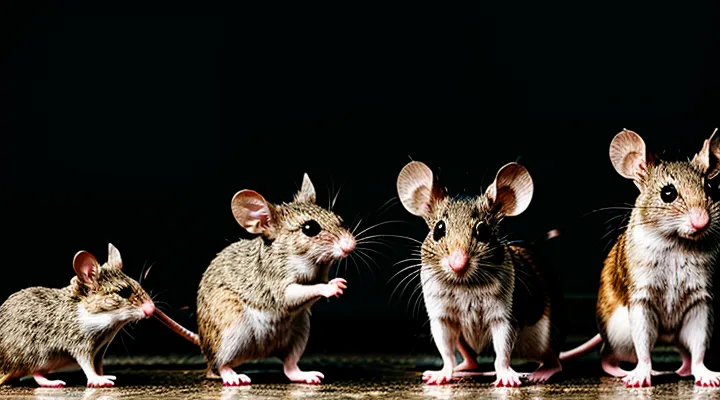
The Historical Intertwining of Mice and Humans
Early Coexistence and Domestication
Early human settlements attracted wild rodents that found shelter and food among stored grain. Archaeological layers from the Neolithic period contain mouse bones alongside pottery fragments, indicating that commensal populations established themselves shortly after agriculture began.
Evidence from ancient Near Eastern sites shows intentional efforts to control rodent numbers. Clay tablets record measures such as grain storage in sealed containers and the use of traps, reflecting an awareness of the mutual impact between humans and mice.
Domestication processes emerged when certain mouse populations adapted to human environments. Genetic analyses reveal reduced stress responses and altered breeding cycles in house mouse lineages compared with wild ancestors, traits that facilitated coexistence.
Key developments during this early phase include:
- Habitat modification: construction of granaries created stable niches.
- Selective pressure: humans favored less aggressive individuals by preferentially allowing their survival.
- Behavioral adaptation: mice developed reduced wariness of human presence, enhancing access to resources.
These interactions laid the groundwork for the long‑term ecological relationship observed today, where mice serve both as laboratory models and as persistent synanthropic species.
Impact on Ancient Civilizations
Rodent presence shaped early agricultural societies by consuming stored grains, prompting the development of granaries with sealed doors and elevated platforms. The need to protect food supplies led to architectural innovations that persisted for centuries.
Disease transmission linked to commensal mice contributed to population fluctuations. Archaeological evidence of plague‑related mortality in settlements such as Harappa and ancient Egypt indicates that rodent‑borne pathogens influenced demographic trends and prompted early public health measures, including waste management and pest control practices.
Cultural narratives reflect the relationship between humans and mice. Mythological figures such as the Egyptian goddess Bastet, depicted with feline companions that hunted rodents, illustrate societal awareness of pest threats. Literary references in Mesopotamian tablets describe mice as omens, revealing their symbolic importance.
Economic responses to rodent damage appear in administrative records. Taxation documents from the Roman Empire list expenditures for grain protection, while Chinese imperial edicts prescribe penalties for negligence in pest prevention, demonstrating state involvement in managing rodent impact.
Key outcomes of the mouse‑human interaction in antiquity include:
- Architectural adaptations for storage security
- Early epidemiological observations and responses
- Integration of rodents into myth and symbolism
- Institutional regulations addressing pest control
These factors collectively influenced the evolution of ancient civilizational structures, resource management, and cultural expression.
Biological and Behavioral Aspects of Mice
Species Relevant to Human Interaction
House Mouse («Mus musculus»)
The house mouse (Mus musculus) is a small rodent that thrives in human‑occupied environments worldwide. Its adaptability to diverse habitats, rapid reproductive cycle, and close genetic similarity to humans make it a primary model for biomedical research and a common urban pest.
Key biological traits include:
- Average body length 6–10 cm; weight 15–30 g.
- Gestation period ~19 days; litter size 5–10 pups.
- Short lifespan of 1–2 years, enabling multiple generations per decade.
- Genome fully sequenced; 98 % of protein‑coding genes share homology with human genes.
Research applications rely on the mouse’s genetic tractability. Inbred strains provide reproducible phenotypes for studies of genetics, immunology, neurobiology, and pharmacology. Gene‑editing technologies such as CRISPR/Cas9 are routinely applied to create disease models, accelerating the discovery of therapeutic targets.
Interactions with humans extend beyond laboratory use. House mice contaminate food supplies, damage structural components, and serve as reservoirs for pathogens including hantavirus, Salmonella spp., and Leptospira spp. Effective management combines sanitation, exclusion techniques, and, when necessary, targeted rodenticides that minimize non‑target exposure.
Overall, the species’ biological characteristics, genetic compatibility with humans, and impact on public health underscore its dual significance as both a scientific resource and a challenge for human habitation.
Other Common Rodent Species
Rodent species beyond the common house mouse contribute significantly to the ecological and health landscape that surrounds human populations. Their presence influences disease transmission, crop damage, and laboratory research, thereby shaping the broader dynamics of human‑rodent interaction.
- Norway rat (Rattus norvegicus) – thrives in urban sewers and grain storage; vector for leptospirosis, hantavirus, and plague; frequently used in toxicology and behavioral studies.
- Black rat (Rattus rattus) – prefers elevated habitats such as roofs and attics; carrier of murine typhus and Yersinia pestis; serves as a model for arbovirus research.
- Deermouse (Peromyscus maniculatus) – inhabits rural and forested areas; reservoir for hantavirus and Lyme‑disease‑causing Borrelia; employed in immunology and genetics.
- Ground squirrel (Spermophilus spp.) – occupies grasslands and agricultural fields; host for plague bacterium; provides data on social structure and thermoregulation.
- Vole (Microtus spp.) – found in moist meadows and farmlands; responsible for extensive vegetation loss; used to study population cycles and endocrine disruption.
These rodents intersect with human environments through shared food sources, overlapping habitats, and laboratory utilization. Understanding their biology, behavior, and pathogen load informs public‑health strategies, agricultural protection measures, and the selection of appropriate animal models for biomedical research.
Mouse Biology and Adaptations
Mice exhibit a compact body plan optimized for rapid movement and resource exploitation. Their skeletal structure combines lightweight vertebrae with robust limb muscles, enabling bursts of speed and agile navigation through confined spaces. The cranial cavity houses a proportionally large olfactory bulb, granting heightened scent detection that guides foraging and predator avoidance.
Physiological adaptations support survival in diverse environments:
- High basal metabolic rate sustains thermoregulation and sustained activity.
- Efficient renal concentrating ability conserves water during dehydration.
- Reproductive strategy includes a 4‑week gestation and litter sizes of up to 12, ensuring rapid population turnover.
Behavioral traits further enhance resilience:
- Social hierarchy establishes clear dominance patterns, reducing intra‑group conflict.
- Burrowing behavior creates stable microclimates, shielding occupants from temperature extremes and predators.
- Nest construction utilizes available materials, providing insulation and protection for offspring.
Genomic flexibility underlies these characteristics. A compact genome features extensive gene families related to detoxification enzymes, allowing mice to metabolize a wide range of plant secondary compounds and anthropogenic chemicals. Epigenetic regulation adjusts gene expression in response to environmental stressors, facilitating phenotypic plasticity across generations.
Collectively, these biological and adaptive features explain why mice thrive alongside human settlements, occupying niches from agricultural fields to urban interiors. Their capacity to exploit resources, reproduce swiftly, and adjust physiologically makes them a model organism for studying vertebrate biology and ecological interaction.
Social Structures and Communication
Research on laboratory rodents and human subjects reveals parallel social hierarchies that shape communication patterns. In both species, dominance hierarchies regulate access to resources, influence stress responses, and modulate vocal and chemical signaling.
Key similarities in social organization include:
- Hierarchical ranking established through agonistic encounters.
- Subordinate individuals exhibit reduced exploratory behavior and altered pheromone production.
- Dominant members emit more frequent ultrasonic vocalizations (mice) or possess higher speech prosody variability (humans).
Communication channels differ in modality but converge functionally. Mice rely on ultrasonic calls, scent marking, and tactile grooming to convey status, threat, or affiliation. Humans employ spoken language, facial expressions, and textual media, yet retain analogous functions: establishing rapport, signaling authority, and coordinating group activity.
Experimental findings demonstrate that manipulation of social rank in mice—through cage re‑arrangement or chemical blockade of oxytocin receptors—produces measurable changes in brain activity comparable to human neuroimaging results after social status alterations. These cross‑species observations support a unified framework for studying social structure and communication within the broader context of mouse‑human interaction.
Mice as Pests: Challenges and Solutions
Health Risks Associated with Mice
Disease Transmission
Mice serve as reservoirs for a wide range of pathogens capable of crossing species barriers and causing illness in humans. Transmission occurs through several well‑documented pathways.
- Direct contact with rodent urine, feces, or saliva.
- Inhalation of aerosolized particles contaminated with rodent excreta.
- Bite wounds inflicted by mice or by ectoparasites such as fleas and ticks that have fed on infected rodents.
- Consumption of food or water contaminated by rodent droppings.
Pathogens frequently transferred from mice to humans include:
- Bacteria – Leptospira spp. (leptospirosis), Salmonella spp. (salmonellosis), Yersinia pestis (plague).
- Viruses – Hantavirus (hemorrhagic fever with renal syndrome), Lymphocytic choriomeningitis virus (LCMV).
- Parasites – Toxoplasma gondii (toxoplasmosis), various helminths.
These agents contribute to significant morbidity and occasional mortality, particularly in densely populated urban settings where human‑rodent interactions intensify. Surveillance programs that monitor rodent populations for pathogen prevalence provide early warning of emerging threats. Integrated pest management, strict food‑handling protocols, and public education reduce exposure risk. Vaccines exist for limited diseases (e.g., plague); research continues on broader immunoprophylactic solutions.
Current investigations prioritize genomic characterization of rodent‑borne microbes, modeling of transmission dynamics, and evaluation of novel control technologies. Gaps remain in understanding asymptomatic carriage rates among wild mouse populations and the influence of climate change on pathogen distribution. Addressing these uncertainties will refine risk assessments and enhance preventive strategies.
Allergens and Asthma Triggers
Mouse‑derived proteins constitute a primary source of indoor allergens that exacerbate respiratory disease in humans. Scientific investigations link exposure to these proteins with increased prevalence of asthma symptoms, particularly in urban dwellings and research facilities.
Key mouse allergens include Mus m 1, a urinary protein, and Mus m 2, a serum albumin. Both proteins possess high stability, resist routine cleaning agents, and provoke IgE‑mediated responses in sensitized individuals. Laboratory analyses show that concentrations as low as 1 µg/m³ can trigger measurable airway inflammation.
Exposure occurs through several routes. Resident mice deposit urine and dander on bedding, carpets, and ventilation ducts, creating aerosolized particles that settle on surfaces. Occupational settings, such as animal‑care labs, generate higher airborne loads due to handling and cage cleaning. Pet owners who keep mice as companions encounter similar allergen reservoirs.
Sensitization initiates when inhaled proteins interact with airway epithelium, prompting Th2‑cell activation and cytokine release. Subsequent exposure amplifies bronchoconstriction, mucus production, and hyper‑responsiveness. Clinical data indicate a dose‑response relationship: higher indoor concentrations correlate with more frequent asthma exacerbations and reduced lung function.
Mitigation strategies focus on source reduction and environmental control. Integrated pest management—combining exclusion, trapping, and targeted rodenticide use—lowers resident mouse populations. Regular deep cleaning with HEPA‑filtered vacuums removes settled allergens. In severe cases, allergen‑specific immunotherapy provides long‑term desensitization, decreasing reliance on bronchodilators.
Economic Impact and Damage
Agricultural Losses
Mice cause measurable reductions in crop yields, directly affecting food supply and farm profitability. Field surveys indicate that grain losses range from 5 % to 15 % in temperate regions, with spikes above 20 % during peak infestation periods. Damage manifests as grain consumption, contamination with droppings, and structural harm to storage facilities.
Economic assessments attribute annual global losses to rodent activity at several billion dollars. The cost breakdown includes:
- Direct consumption of harvested produce.
- Degradation of grain quality requiring additional cleaning and processing.
- Increased expenditure on pest‑control operations and infrastructure repair.
Human responses to rodent pressure shape the scale of loss. Conventional measures—mechanical traps, chemical rodenticides, and habitat modification—reduce populations but introduce secondary effects such as pesticide residues and non‑target species impact. Integrated management strategies combine monitoring, sanitation, and targeted baiting to achieve sustainable reduction while minimizing environmental harm.
Research on mouse behavior and human‑mediated control highlights the importance of timing interventions to reproductive cycles. Early‑season targeting curtails population growth, limiting subsequent crop damage. Data‑driven forecasting models improve allocation of resources, allowing producers to anticipate peak activity and adjust protective actions accordingly.
Structural Damage to Buildings
Rodents infiltrate structures by exploiting gaps, vents, and utility conduits, creating pathways that bypass conventional barriers. Their presence initiates a cascade of physical deterioration that compromises building integrity.
- Gnawing on timber, insulation, and wiring weakens load‑bearing elements and creates fire hazards.
- Nest construction accumulates debris, fostering moisture retention and accelerating rot in wooden components.
- Excreta and urine corrode metal fasteners, degrade plaster, and promote mold growth, which further undermines material stability.
Human intervention focuses on early detection and systematic remediation. Routine visual inspections, infrared scanning, and acoustic monitoring identify activity before extensive damage occurs. Preventive measures include sealing entry points, installing rodent‑proof barriers, and maintaining environmental conditions that deter habitation.
- Seal cracks ≤ 3 mm with steel wool and caulk.
- Deploy bait stations and traps in concealed locations.
- Conduct quarterly maintenance of drainage and ventilation systems to eliminate water sources.
Structural compromise translates into elevated risk for occupants. weakened frameworks increase the likelihood of collapse under load, while compromised electrical systems raise fire potential. Financial implications encompass repair expenses, insurance claims, and downtime for commercial operations. Prompt, evidence‑based management mitigates these outcomes and preserves the longevity of the built environment.
Pest Control Strategies
Prevention and Exclusion Methods
Effective prevention of mouse incursions relies on eliminating access, reducing attractants, and applying targeted control tactics.
Sealing structural gaps blocks entry points. Inspect foundations, walls, roofs, and utility penetrations weekly. Install steel‑wool or copper mesh in vents, and reinforce door sweeps.
Sanitation removes food and shelter. Store dry goods in airtight containers, clean spills immediately, and dispose of waste in sealed receptacles. Maintain vegetation at least 30 cm from building exteriors to deter nesting.
Active control combines mechanical, chemical, and biological tools.
- Snap or electronic traps positioned along walls, behind appliances, and near suspected pathways.
- Bait stations containing anticoagulant or non‑anticoagulant rodenticides, placed out of reach of children and non‑target species.
- Rodent‑specific pheromone disruptors to interfere with breeding behavior.
Integrated pest management (IPM) coordinates these measures with regular monitoring. Deploy sticky boards or motion sensors to detect activity, record findings, and adjust interventions accordingly. Document trap counts and bait consumption to evaluate efficacy and prevent resistance buildup.
Community awareness reinforces technical actions. Provide residents with clear guidelines on waste handling, reporting sightings, and maintaining building integrity. Consistent application of exclusion, sanitation, and control methods reduces mouse presence and limits health risks associated with their interaction with humans.
Trapping and Baiting
Effective control of rodent populations requires precise methods that minimize collateral damage while achieving rapid reduction. Trapping and baiting constitute the primary techniques employed to limit mouse activity in residential, commercial, and agricultural settings. Their proper application reduces disease transmission, protects stored goods, and preserves structural integrity.
- Snap traps: mechanical action, immediate kill, reusable, suitable for high‑traffic areas.
- Live‑catch traps: cage design, allows relocation, requires frequent monitoring to prevent stress.
- Electronic traps: voltage‑based, quick incapacitation, low maintenance, suitable for sealed environments.
- Glue boards: adhesive surface, passive capture, best for confined spaces, requires careful disposal.
Bait selection influences success rates significantly. High‑calorie attractants such as peanut butter, grain mixes, or dried fruit generate strong olfactory cues. Protein sources—cooked meat or fish—enhance appeal in protein‑deficient populations. Placement near walls, behind appliances, and within concealed pathways maximizes exposure. Rotating bait types prevents habituation, while sealing non‑target access protects pets and children. Proper disposal of captured specimens and used baits maintains hygiene and prevents secondary infestations.
Integrated Pest Management («IPM») Approaches
Integrated Pest Management (IPM) provides a systematic framework for reducing mouse populations while minimizing risks to human health and the environment. The approach blends biological, physical, and chemical tactics, guided by continuous monitoring and threshold‑based decision making.
Key elements of an IPM program for rodent control include:
- Inspection and identification – locate activity sites, assess entry points, and determine species‑specific behavior.
- Sanitation – eliminate food and water sources, store commodities in sealed containers, and maintain clutter‑free areas.
- Exclusion – seal gaps larger than ¼ inch, install door sweeps, and repair structural defects to prevent ingress.
- Mechanical control – deploy snap traps, electronic devices, or live‑capture systems in high‑activity zones.
- Biological control – encourage natural predators such as barn owls or feral cats where appropriate and permissible.
- Chemical control – apply rodenticides selectively, following label instructions and safety protocols, only after non‑chemical measures have proved insufficient.
Monitoring continues after intervention, using tracking boards, chew cards, or digital sensors to verify reduction below established action thresholds. Data collection informs adjustments to tactics, ensuring long‑term suppression without unnecessary pesticide exposure.
Effective IPM implementation reduces disease transmission, protects food supplies, and limits structural damage, thereby aligning human welfare with responsible wildlife management.
Mice in Scientific Research
Mice as Model Organisms
Genetic Similarities to Humans
Mice share approximately 85 % of protein‑coding genes with humans, reflecting a deep evolutionary conservation of essential biological pathways. Orthologous gene pairs retain similar regulatory elements, enabling comparable expression patterns across tissues. This genetic overlap underlies the utility of murine models for investigating human physiology and disease mechanisms.
Key aspects of the genetic correspondence include:
- Conservation of core metabolic and signaling cascades (e.g., insulin, MAPK, Wnt pathways).
- Parallel organization of chromosomal regions, known as synteny, which preserves gene order and facilitates comparative genomics.
- Presence of homologous disease‑associated alleles, allowing direct translation of mutation effects from mouse to human phenotypes.
- Shared non‑coding regulatory sequences that modulate gene networks during development and aging.
These similarities provide a robust framework for extrapolating experimental findings in mice to human health, supporting precise modeling of genetic disorders, drug response, and therapeutic interventions.
Applications in Medical Research
Mice serve as indispensable platforms for translational investigations that bridge laboratory findings to human health. Their genetic tractability and physiological resemblance enable precise replication of human pathologies, providing a basis for mechanistic insight and therapeutic evaluation.
- Disease modeling: Engineered mouse strains replicate cancers, neurodegenerative disorders, metabolic syndromes, and infectious diseases. Phenotypic alignment with patient presentations permits identification of disease drivers and assessment of progression markers.
- Pharmacological screening: Preclinical trials employ mice to determine efficacy, dosage ranges, and toxicity profiles of candidate compounds. Controlled dosing and longitudinal monitoring generate data that inform human clinical protocols.
- Genomic editing: CRISPR‑mediated modifications in mice generate allelic variants identical to human mutations. Comparative analysis of gene function across species clarifies genotype‑phenotype relationships and supports precision‑medicine strategies.
- Immunological research: Murine immune systems, though distinct, share core pathways with humans. Studies of vaccine responses, checkpoint inhibition, and autoimmune mechanisms rely on mouse models to refine therapeutic targets and predict adverse reactions.
- Regenerative medicine: Mouse models of tissue injury evaluate stem‑cell engraftment, organoid integration, and scaffold performance, guiding translational approaches for human tissue repair.
Data derived from mouse experiments integrate with human cohort studies through bioinformatic pipelines, enhancing predictive modeling and risk assessment. Regulatory agencies recognize murine evidence as a prerequisite for advancing investigational new drugs, underscoring the model’s role in safeguarding patient safety while accelerating innovation.
Ethical Considerations in Research
Research that links rodent models with human health demands a rigorous ethical framework. The framework must protect animal welfare while ensuring the rights and safety of human participants.
Key ethical pillars include:
- Respect for animal well‑being, applying the three Rs: replacement, reduction, refinement.
- Informed consent for all human subjects, with clear communication of risks and benefits.
- Equitable selection of participants, avoiding exploitation of vulnerable groups.
- Independent review by institutional committees, ensuring compliance with legal and professional standards.
- Transparency in methodology and data reporting, facilitating reproducibility and public trust.
Animal welfare standards require that experiments use the minimum number of rodents necessary to achieve statistical validity. When possible, alternative methods such as in vitro systems or computational models replace live animals. If live subjects are indispensable, procedures must minimize pain, distress, and lasting harm, employing anesthesia, analgesia, and humane endpoints.
Human research protocols demand documented consent, thorough risk assessment, and continuous monitoring for adverse events. Participants must receive information in understandable language, with opportunities to withdraw without penalty. Data handling must preserve confidentiality while allowing legitimate scientific access.
Oversight bodies—animal care committees and human research ethics boards—conduct protocol reviews, site inspections, and audit trails. Their authority includes halting non‑compliant studies and mandating corrective actions. Regular training for investigators reinforces ethical awareness and procedural competence.
Finally, ethical responsibility extends to dissemination. Publishing complete methods, negative results, and raw data supports the broader scientific community and reduces unnecessary duplication of animal work. Open communication with the public strengthens societal confidence in inter‑species research.
Breakthroughs Attributed to Mouse Studies
Mouse models have supplied a reproducible platform for translating basic biology into clinical insight.
- Discovery of insulin: Experiments on pancreatic islets in mice confirmed the hormone’s glucose‑lowering effect, leading to the first effective diabetes treatment.
- Monoclonal antibody technology: Hybridoma techniques developed in mice generated antibodies that became the basis for targeted therapies in oncology, autoimmune disease, and infectious disease.
- Gene‑editing validation: Mouse embryos were the first mammalian system edited with CRISPR‑Cas9, proving the feasibility of precise genome manipulation for disease modeling and potential therapy.
- Cancer immunotherapy testing: Syngeneic mouse tumor models revealed checkpoint inhibition mechanisms, accelerating the approval of PD‑1/PD‑L1 inhibitors.
- Vaccine development: Mouse challenge studies established protective efficacy for polio, hepatitis B, and later SARS‑CoV‑2 vaccines, informing dosage and safety parameters.
- Neurobiology breakthroughs: Behavioral assays in mice identified molecular pathways of learning, memory, and neurodegeneration, guiding drug candidates for Alzheimer’s and Parkinson’s disease.
These advances illustrate how controlled rodent experimentation bridges fundamental discovery and human medicine, shaping therapeutic standards and informing future research strategies.
Cultural and Symbolic Representations of Mice
Mice in Folklore and Mythology
Mice appear repeatedly in traditional narratives, serving as symbols of survival, cunning, and transformation. In ancient Egyptian lore, the mouse was associated with the goddess Bastet, protector of households and granaries; her worshipers offered small rodents to avert pestilence. Greek mythology records the tale of Artemis and the mouse‑spirit Myrmex, who guided the hero Orpheus through hidden passages, illustrating the animal’s role as a liminal guide between worlds.
Across Asian cultures, mice embody both prosperity and mischief. Chinese folklore venerates the mouse as the first zodiac sign, representing resourcefulness and wealth, while Japanese folk tales such as "The Mouse’s Wedding" portray rodents as clever negotiators who outwit larger adversaries. Indigenous North American stories frequently depict the mouse as a trickster figure, teaching lessons about humility and the consequences of greed.
Key mythic motifs involving mice include:
- Guardianship of stored food – exemplified by Egyptian and agrarian European legends where mice protect or threaten grain supplies.
- Agents of divine retribution – seen in Biblical references to plagues and in Hindu tales where the mouse serves as the vehicle of the god Ganesha, delivering messages of balance.
- Catalysts for transformation – illustrated by Greek narratives where mice facilitate metamorphosis or reveal hidden truths.
These patterns underscore the mouse’s enduring presence in collective imagination, reflecting human concerns about scarcity, cunning, and the thin boundary between the mundane and the sacred.
Portrayal in Literature and Arts
The relationship between rodents and people appears repeatedly in narrative and visual media, where mice serve as proxies for human traits, social hierarchies, and existential anxieties. Authors and artists employ the small mammal to explore power dynamics, vulnerability, and resilience, creating a dialogue that reflects broader cultural attitudes toward coexistence and domination.
- Aesop’s fable “The Lion and the Mouse” – illustrates reciprocal assistance across species, establishing a moral framework that persists in later works.
- E.B. White’s “Stuart Little” – presents a mouse navigating a human household, highlighting adaptation and identity negotiation.
- Kurt Vonnegut’s “The Mouse and His Child” – uses mechanized mice to critique consumerism and the search for autonomy.
- Art Spiegelman’s graphic novel “Maus” – employs anthropomorphic rodents to encode historical trauma, transforming personal memory into a universal allegory.
- C.S. Lewis’s “The Chronicles of Narnia” (the talking mouse Reepicheep) – blends chivalric ideals with animal symbolism, reinforcing themes of courage and honor.
Visual and performing arts extend the motif through varied techniques:
- Albrecht Dürer’s “Young Hare” (1502) – captures the animal’s form with meticulous realism, inviting contemplation of the creature’s place within the natural order.
- Gustav Klimt’s “The Kiss” (1908), where a mouse motif appears in decorative borders, subtly referencing intimacy between species.
- Walt Disney’s “Cinderella” (1950) – animates mice as loyal helpers, reinforcing narratives of subservience and alliance.
- Studio Ghibli’s “The Secret World of Arrietty” (2010) – portrays a family of tiny humans living unnoticed, blurring the line between mouse and human perspectives.
- Contemporary installations such as Tania Bruguera’s “The White House” (2019) – employ live mice to comment on surveillance and confinement, translating biological vulnerability into political critique.
Repeated elements include anthropomorphism, the juxtaposition of size and agency, and the use of mice as symbols for marginalization or ingenuity. These portrayals shape public perception, reinforcing empathy toward small creatures while simultaneously using them as mirrors for human societal structures. The cumulative effect across literature and arts establishes a persistent, nuanced discourse on interspecies interaction.
Modern Perceptions and Stereotypes
Modern perceptions of mice are shaped by cultural narratives, media representations, and scientific discourse, each influencing how societies view the species and its connection to people.
Popular culture often depicts mice as mischievous pests or charming cartoon characters. These contrasting images create a dichotomy: on one hand, rodents are associated with disease and property damage; on the other, they serve as symbols of innocence and cleverness in children's media. The coexistence of these stereotypes affects public attitudes toward pest control policies and animal welfare legislation.
Scientific communities confront persistent misconceptions. Many lay audiences assume that laboratory mice perfectly model human biology, overlooking species‑specific genetic and physiological differences. This oversimplification can lead to unrealistic expectations about translational research outcomes. Conversely, the perception of mice as solely disease vectors can hinder support for studies that rely on rodent models for biomedical advances.
Media coverage frequently amplifies extreme scenarios. Headlines about “mouse‑borne pandemics” or “rodent invasions” generate fear, while stories about “mouse heroes” in laboratory breakthroughs celebrate their utility. Such polarized reporting reinforces binary stereotypes, obscuring nuanced understanding of the species’ ecological role and its contributions to scientific knowledge.
Key implications of these modern stereotypes include:
- Public health messaging that balances risk communication with factual data on rodent‑borne diseases.
- Educational initiatives that clarify the limitations and strengths of mouse models in translational research.
- Policy development that integrates humane pest management with recognition of mice’s ecological functions.
- Media practices that present balanced narratives, avoiding sensationalism while acknowledging scientific relevance.
Addressing entrenched stereotypes requires coordinated efforts across education, research communication, and regulatory frameworks, ensuring that perceptions align more closely with empirical evidence and ethical considerations.
Future of Human-Mouse Interactions
Evolving Pest Management Technologies
Rodent infestations affect public health, food security, and infrastructure, demanding precise control methods that minimize collateral damage. Traditional approaches—mechanical traps, poison baits, and exclusion barriers—provide limited coverage, often require frequent maintenance, and pose risks to non‑target species.
Current advancements integrate multiple tactics to improve efficacy while reducing environmental impact. Key technologies include:
- Smart sensor networks that detect mouse activity through motion, infrared, or acoustic signatures and transmit data to centralized dashboards for real‑time response.
- Automated bait dispensers equipped with RFID or weight sensors to deliver precise doses only when target species are present, preventing accidental exposure.
- RNA interference (RNAi) formulations that silence essential genes in rodents, delivering species‑specific lethality without chemical residues.
- Gene‑drive strategies designed to spread infertility traits through wild mouse populations, offering long‑term suppression after a single release.
- Habitat‑modification tools such as ultrasonic emitters and vibration devices calibrated to disrupt nesting behavior without harming other fauna.
Effectiveness assessments reveal higher capture rates and lower non‑target mortality when these tools operate within an integrated pest management framework. Regulatory agencies require thorough risk analyses for genetic and chemical innovations, emphasizing containment, reversibility, and public transparency.
Future development focuses on artificial‑intelligence algorithms that predict infestation hotspots from environmental data, biodegradable bait carriers that decompose after delivery, and collaborative platforms that enable property owners to share surveillance data securely. Continued investment in these technologies promises more sustainable coexistence between humans and rodent populations.
Advances in Research Applications
Recent developments have transformed how mouse models contribute to human biomedical research. Genome‑editing platforms such as CRISPR‑Cas9 enable precise alteration of orthologous genes, producing mouse lines that replicate human pathogenic variants with unprecedented fidelity. These models facilitate direct assessment of disease mechanisms and therapeutic efficacy, reducing reliance on less predictive systems.
Advanced imaging technologies integrate longitudinal in vivo monitoring of physiological processes across species. Multiphoton microscopy and high‑resolution PET/CT allow simultaneous visualization of cellular dynamics in mice and corresponding biomarkers in patients, establishing quantitative bridges between preclinical and clinical observations.
Data‑driven approaches now exploit large‑scale phenotypic databases linking mouse genotypes to human disease traits. Machine‑learning algorithms identify conserved pathways, prioritize drug targets, and predict off‑target effects before clinical trials. Integration of these insights accelerates translational pipelines and informs personalized medicine strategies.
Emerging organ‑on‑a‑chip platforms combine mouse‑derived cells with human tissue constructs, reproducing interspecies interactions in controlled microenvironments. Such systems support cross‑species toxicity testing, metabolic profiling, and investigation of immune responses, offering alternatives to traditional animal experiments while preserving translational relevance.
Understanding and Mitigating Ecological Impacts
Mice and human populations intersect across urban, agricultural, and natural landscapes, generating measurable ecological consequences. These consequences arise from pathogen exchange, competition for resources, and alterations to native species dynamics.
Key impact categories include:
- Transmission of zoonotic agents that affect public health and wildlife.
- Displacement of indigenous small mammals, leading to reduced biodiversity.
- Contamination of stored products, resulting in increased waste and chemical control measures.
- Modification of soil composition through foraging and nesting activities.
Effective mitigation requires coordinated actions:
- Implement integrated pest management (IPM) protocols that combine habitat modification, mechanical barriers, and targeted biocontrol agents.
- Deploy surveillance networks to detect disease outbreaks early and map mouse population density.
- Adopt secure storage designs for food and feed to limit access and reduce attractants.
- Restore native vegetation buffers that discourage mouse colonization while supporting alternative wildlife.
- Promote community education programs focused on sanitation practices and responsible waste disposal.
Continuous research and adaptive monitoring underpin these measures, ensuring that interventions remain responsive to shifting ecological patterns and emerging health risks.