
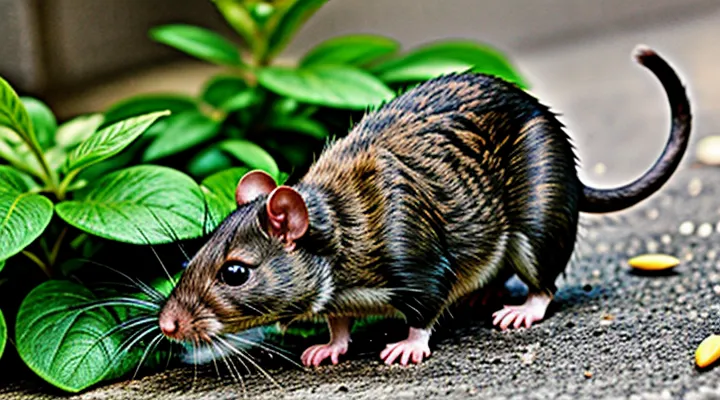
The Basics of Rat Diet
Essential Nutritional Requirements for Pet Rats
Pet rats require a diet that supplies adequate protein, essential fatty acids, carbohydrates, vitamins, minerals, and clean water. Protein should represent 14‑16 % of daily caloric intake, sourced from high‑quality animal or plant proteins such as cooked eggs, lean meat, or commercial rat pellets. Essential fatty acids, particularly omega‑3 and omega‑6, support skin health and neural function and are found in small amounts of seed oils and fish oil supplements. Carbohydrates provide energy; complex sources like whole grains and vegetables are preferable to simple sugars.
Key nutrients include:
- Vitamin A – supports vision and immune response; supplied by carrots, sweet potatoes, or fortified pellets.
- Vitamin D – regulates calcium metabolism; obtained from exposure to UV‑B light or fortified diets.
- Vitamin E – antioxidant protecting cell membranes; present in nuts and seeds in limited quantities.
- Calcium – essential for bone development; delivered through calcium‑rich vegetables, fortified foods, or calcium blocks.
- Phosphorus – balances calcium; found in meat, dairy, and grains.
- Magnesium, potassium, and iron – required for enzymatic activities; supplied by leafy greens, legumes, and whole grains.
Salted seeds introduce excessive sodium, often exceeding 0.5 % of the diet. Elevated sodium increases water loss, burdens renal function, and can lead to hypertension in small mammals. Moreover, salted seeds lack balanced proportions of protein, vitamins, and minerals, providing primarily fat and carbohydrate without the necessary micronutrients. Regular consumption may result in dehydration, reduced appetite for nutritionally complete foods, and long‑term health complications.
Optimal feeding practice recommends offering unsalted seeds only as occasional treats, limited to a few grams per week. Primary nutrition should consist of commercially formulated rat pellets meeting AAFCO standards, supplemented with fresh vegetables, occasional fruits, and a reliable water source. Monitoring body condition and adjusting portion sizes ensures that nutrient requirements remain satisfied without reliance on high‑sodium snacks.
Foods to Avoid
Toxic Foods
Rats are sensitive to dietary components that exceed physiological limits. Excessive sodium intake disrupts fluid balance, raises blood pressure, and can lead to renal failure. Salted seeds frequently contain sodium concentrations far above the levels recommended for rodent nutrition.
Key toxic effects of high‑salt foods include:
- Elevated plasma osmolarity, causing dehydration despite increased water consumption.
- Hypertensive stress on cardiovascular system, potentially shortening lifespan.
- Kidney overload, resulting in impaired filtration and toxin accumulation.
When salted seeds are offered, the sodium content often surpasses the safe threshold of 0.5 % of total diet weight. Regular consumption of such seeds can quickly accumulate harmful levels, especially in smaller or younger rats with limited renal capacity.
Guidelines for safe feeding:
- Limit total sodium to less than 0.2 % of daily caloric intake.
- Provide unsalted seed mixes or low‑sodium alternatives such as plain sunflower or pumpkin seeds.
- Monitor water intake; increased consumption may indicate hypernatremia.
- Replace salted treats with fresh vegetables, fruits, or commercially formulated rodent pellets that meet nutritional standards.
Adhering to these practices minimizes exposure to toxic sodium levels and supports optimal health in pet and laboratory rats.
Harmful Foods
Salted seeds present a significant risk for laboratory and pet rats. High sodium concentrations can disrupt fluid balance, leading to dehydration, hypertension, and kidney strain. Rats possess limited capacity to excrete excess salt, making even modestly salted treats potentially harmful.
Key concerns include:
- Elevated blood pressure, which accelerates cardiovascular disease.
- Increased thirst and urine output, causing electrolyte imbalance.
- Damage to renal tubules, reducing filtration efficiency.
- Potential for seizures due to altered neuronal excitability.
Safe dietary practices recommend plain, unsalted seeds or commercially formulated rodent foods that meet nutritional standards. Any introduction of salt‑laden items should be avoided to prevent acute toxicity and long‑term health complications.
Understanding Salt and Its Effects on Rats
The Role of Sodium in a Rat's Body
Sodium maintains extracellular fluid volume, ensuring proper osmotic pressure between blood and tissues. It participates in the generation and propagation of action potentials, enabling rapid communication between neurons and muscles. By regulating the activity of Na⁺/K⁺‑ATPase pumps, sodium supports the reabsorption of water in the renal tubules, influencing urine concentration and overall fluid balance. In acid‑base homeostasis, sodium buffers hydrogen ions through bicarbonate transport, contributing to stable pH levels. Additionally, sodium modulates the function of several transport proteins that move glucose, amino acids, and other nutrients across cell membranes.
- Fluid distribution and blood pressure control
- Nerve impulse conduction and muscle contraction
- Kidney water reabsorption and urine concentration
- Acid‑base equilibrium via bicarbonate exchange
- Co‑transport of nutrients across epithelial barriers
Rats require a limited amount of sodium to sustain these processes. Dietary guidelines for laboratory rodents typically recommend 0.1 %–0.2 % sodium by weight in feed. Exceeding this range, such as through the provision of heavily salted seeds, can lead to hypernatremia, hypertension, and renal strain. Chronic over‑consumption may impair neurological function and reduce growth rates. Monitoring sodium intake and providing water with appropriate electrolyte balance are essential for maintaining health and experimental reliability.
Risks of Excessive Salt Intake
Dehydration and Kidney Strain
Rats that consume seeds with added sodium are at risk of rapid fluid loss. Elevated salt intake increases plasma osmolarity, prompting the body to draw water from intracellular compartments into the bloodstream. This shift produces dehydration unless compensatory water intake matches the osmotic demand.
Dehydration places immediate stress on renal function. The kidneys must concentrate urine to conserve water, which raises glomerular filtration pressure and can damage nephrons over time. Persistent high‑salt diets intensify this workload, leading to:
Consequently, offering salted seeds to laboratory or pet rats compromises hydration balance and accelerates kidney strain, undermining long‑term health and experimental reliability.
Cardiovascular Issues
High dietary sodium from salted seeds can elevate systemic blood pressure in laboratory rats. Elevated pressure increases left‑ventricular wall thickness and promotes myocardial hypertrophy, which can impair cardiac output. Sodium‑induced fluid retention expands plasma volume, further stressing the circulatory system.
Key cardiovascular responses observed in rodents consuming salted seed diets include:
- Increased systolic and diastolic arterial pressure measured by tail‑cuff or telemetry.
- Left‑ventricular mass enlargement detected by echocardiography or post‑mortem histology.
- Endothelial dysfunction manifested as reduced nitric‑oxide‑mediated vasodilation.
- Enhanced arterial stiffness indicated by pulse‑wave velocity assessments.
Experimental protocols must control sodium concentration to avoid confounding effects on cardiovascular endpoints. Recommended practices:
- Quantify sodium content of seed batches before inclusion in feed.
- Limit total daily sodium intake to levels comparable with standard rodent chow, unless the study specifically investigates hypertension.
- Monitor blood pressure weekly using non‑invasive methods.
- Record heart weight to body weight ratios at termination to assess hypertrophy.
Long‑term exposure to high‑salt seed diets can accelerate atherosclerotic lesion formation in genetically susceptible rat strains. Researchers should consider these risks when designing nutrition studies that involve salted seeds, ensuring that cardiovascular health parameters are included in the data collection plan.
Behavioral Changes
Rats that receive salted seeds display distinct modifications in activity patterns, social interaction, and feeding behavior. Elevated sodium intake stimulates heightened locomotion, evident as increased exploration of the cage environment and more frequent rearing. Social dynamics shift, with some individuals exhibiting reduced grooming of conspecifics and occasional aggression during group feeding sessions. Appetite regulation changes, as the palatable salty flavor prompts rapid consumption of the seeds followed by a temporary decline in intake of standard chow. These behavioral alterations suggest that the addition of salted seeds influences both physiological drive and interpersonal conduct within the rodent colony.
Seeds in a Rat's Diet
Types of Seeds Suitable for Rats
Nutritional Benefits of Appropriate Seeds
Appropriate seeds supply rats with concentrated sources of essential nutrients that support growth, reproduction, and overall health. High‑protein seeds such as hemp and sunflower deliver amino acids necessary for tissue repair and enzyme synthesis. Rich‑fat seeds, including pumpkin and safflower, provide omega‑6 and omega‑3 fatty acids that contribute to neural development and inflammatory balance.
Key micronutrients found in suitable seeds include:
- Vitamin E, an antioxidant protecting cellular membranes from oxidative damage.
- Selenium, a trace element involved in thyroid hormone metabolism and immune function.
- Magnesium and phosphorus, minerals that aid bone mineralization and energy production.
Fiber content in seeds, particularly from hulled varieties, promotes gastrointestinal motility and fosters a beneficial gut microbiome. Adequate fiber reduces the risk of constipation and supports nutrient absorption.
Excess sodium, typical of salted seed products, raises blood pressure and can lead to renal strain in rodents. Therefore, unsalted, nutritionally balanced seeds represent a safe supplemental option, complementing a base diet of laboratory‑grade pellets and fresh vegetables.
The Problem with Salted Seeds
Why Salted Seeds Are Dangerous
Salted seeds present several health risks for rats. Excess sodium raises blood pressure, imposing strain on the cardiovascular system. Elevated pressure can damage small vessels in the brain and kidneys, accelerating organ failure.
High salt intake disrupts fluid balance. Rats compensate by drinking more water, which may lead to dehydration if water sources are limited. Excessive fluid loss concentrates electrolytes, increasing the likelihood of seizures and muscle tremors.
The renal system processes sodium through filtration and excretion. Chronic exposure overwhelms nephrons, causing hypertrophy and reduced filtration efficiency. Impaired kidney function diminishes the animal’s ability to eliminate waste products, leading to toxin accumulation.
Additional ingredients often accompany salted seeds, such as artificial flavorings, preservatives, and sugars. These compounds can irritate the gastrointestinal tract, provoke allergic reactions, and contribute to obesity.
Key dangers summarized:
- Hypertension and vascular damage
- Fluid imbalance and dehydration
- Electrolyte disturbances causing neurological signs
- Renal overload and reduced filtration capacity
- Gastrointestinal irritation from additives
Given the limited sodium tolerance of rodents, providing unsalted, nutritionally balanced seeds ensures optimal health and avoids the outlined complications.
Comparison: Plain vs. Salted Seeds
Plain seeds deliver essential fats, protein, and fiber without added electrolytes. Salted seeds introduce sodium, altering the nutritional balance.
Comparison
- Sodium content – plain seeds contain negligible sodium; salted seeds may contain 1 %–2 % sodium by weight.
- Caloric value – both varieties provide similar calories; added salt does not increase energy density.
- Palatability – rats often show a preference for salted seeds, which can lead to rapid consumption.
- Hydration demand – increased sodium intake raises water requirements, potentially stressing renal function.
- Health risk – chronic high sodium may contribute to hypertension, edema, and kidney strain in rodents.
Recommended practice: offer plain seeds as the primary grain source; limit salted seeds to occasional, minimal portions, ensuring ample fresh water is available. Regular monitoring of body weight and urinary output can detect adverse effects early.
Safe Alternatives and Healthy Treats
Recommended Seeds and Preparation
Rats can safely consume seeds when the salt content is carefully controlled. Selecting low‑sodium varieties reduces the risk of electrolyte imbalance and supports dental health.
Recommended seed types include:
- Sunflower kernels, unsalted, preferably hulled;
- Pumpkin seeds, raw, unsalted;
- Flaxseeds, ground, unsalted;
- Sesame seeds, raw, unsalted.
Preparation guidelines:
- Rinse seeds in cool water to remove surface residues.
- Pat dry with a clean cloth or paper towel.
- Lightly toast seeds at 150 °C for 5–7 minutes to enhance palatability; avoid adding salt or seasoning.
- Cool completely before offering to rats in a separate dish.
- Store remaining seeds in an airtight container at 4 °C to preserve freshness and prevent spoilage.
«Properly prepared, unsalted seeds provide essential fatty acids, protein, and fiber without compromising a rat’s sodium balance.»
Other Healthy Snack Options
Fruits and Vegetables
Rats that receive salted seeds require balanced nutrition to avoid excess sodium and maintain health. Fruits and vegetables provide essential vitamins, minerals, and fiber that complement seed diets.
Suitable produce includes:
- Apples, core removed, diced
- Blueberries, washed
- Carrots, grated
- Kale, finely chopped
- Zucchini, sliced
- Sweet potatoes, cooked and mashed
These items supply water, antioxidants, and low‑sodium nutrients. Introduce each new food in small quantities, monitor for digestive tolerance, and ensure fresh water is always available.
Avoid citrus fruits, grapes, and leafy greens high in oxalic acid, as they may cause irritation or renal stress. Limit high‑sugar fruits to prevent obesity and metabolic issues.
When formulating a diet that incorporates salted seeds, replace a portion of the seed volume with the listed vegetables and fruits. This strategy reduces overall sodium intake while delivering a broader nutrient spectrum.
Grains and Proteins
Rats receiving seeds that contain added salt require careful evaluation of the grain and protein components. Excess sodium can disrupt fluid balance, elevate blood pressure, and reduce appetite, making the nutritional matrix of the feed critical.
Common grains such as wheat, barley, and oats provide carbohydrate energy but differ in inherent sodium levels. Whole‑grain forms contain minimal salt, while processed varieties may include seasoning. Selecting unflavored, low‑sodium grains reduces the overall sodium load and preserves digestibility.
Proteins supplied by soy, peas, and lentils deliver essential amino acids for growth and tissue repair. These legumes contain negligible sodium, making them suitable partners for grain bases. Animal‑derived proteins, including egg white powder and dried insect meal, also exhibit low sodium content when unseasoned.
Recommended low‑sodium grain and protein sources:
- Wheat (whole, unseasoned)
- Barley (whole, unseasoned)
- Oats (plain, rolled)
- Soybean meal (dehulled, unsalted)
- Pea protein concentrate (unsalted)
- Lentil flour (unsalted)
- Egg white powder (unsalted)
- Dried insect meal (unsalted)
Formulating a seed mix involves combining the selected grains and proteins in ratios that meet the rat’s dietary requirements for energy, amino acids, and fiber while keeping total sodium below 0.2 % of the diet. Regular monitoring of body weight, water intake, and renal health confirms that the feed remains safe and nutritionally adequate.
Recognizing Signs of Salt Poisoning
Symptoms to Watch For
Immediate Symptoms
Providing rats with seeds that contain added salt can trigger rapid physiological changes. Elevated sodium intake raises plasma osmolarity, prompting the body to activate mechanisms that restore fluid balance.
Typical immediate signs include:
- Excessive drinking behavior
- Increased frequency of urination
- Swelling of the eyelids or facial tissues
- Nasal discharge or sneezing
- Restlessness and frequent pacing
- Slight tremors or muscle twitching
These reactions appear within minutes to a few hours after consumption and indicate that the animal’s homeostatic systems are responding to the sudden electrolyte load. Continuous monitoring is essential to determine whether symptoms progress to more severe conditions.
Long-Term Effects
Long‑term consumption of salted seeds by laboratory rats produces measurable physiological changes. Chronic sodium intake elevates plasma osmolarity, prompting renal adaptation that may progress to glomerular hyperfiltration and eventual nephropathy. Persistent hypertension frequently follows, increasing cardiac workload and predisposing to left‑ventricular hypertrophy.
Metabolic consequences include altered appetite regulation, with a tendency toward increased caloric intake and weight gain. Elevated serum sodium correlates with enhanced thirst drive, potentially leading to excessive water consumption and dilutional hyponatremia if fluid intake is not proportionally regulated.
Behavioral observations reveal heightened anxiety‑like responses in open‑field tests after several weeks of salted seed exposure. Cognitive performance, assessed by maze navigation, declines modestly, suggesting possible neurovascular effects of sustained hypertension.
Long‑term health monitoring should therefore incorporate:
- Blood pressure measurement at regular intervals
- Serum electrolyte profiling (sodium, potassium, chloride)
- Renal function tests (creatinine, BUN, urine protein)
- Cardiac imaging for structural changes
- Body weight and composition tracking
- Behavioral assays for anxiety and cognition
These parameters provide a comprehensive overview of the chronic impact of high‑sodium seed diets on rat physiology and welfare.
When to Seek Veterinary Care
Feeding pet rats salted seeds can introduce excess sodium, which may lead to dehydration, electrolyte imbalance, or hypertension. Monitoring the animal’s condition after such treats is essential.
Signs that warrant immediate veterinary attention include:
- Persistent lethargy or weakness
- Rapid, shallow breathing
- Unexplained vomiting or diarrhea
- Noticeable swelling around the eyes, paws, or abdomen
- Sudden loss of appetite lasting more than 24 hours
- Blood in urine or feces
- Seizure activity or uncontrolled shaking
«If any of these symptoms appear, contact a veterinarian without delay». Early intervention reduces the risk of serious complications and supports recovery. Regular health checks and a diet low in added salt help prevent emergencies.
Best Practices for Feeding Pet Rats
Balanced Diet Guidelines
Rats require a diet that supplies essential nutrients while limiting excess sodium. Salted seeds introduce a concentrated source of sodium that can upset the animal’s electrolyte balance and increase the risk of cardiovascular strain. Balanced diet guidelines for pet and laboratory rodents address this concern directly.
Key recommendations:
- Provide a commercial rodent pellet formulated to meet all macro‑ and micronutrient requirements; treat as the primary food source.
- Offer fresh vegetables and fruits in limited quantities to supply vitamins and fiber; avoid citrus and high‑acid produce.
- Include unsalted, raw seeds or nuts as occasional enrichment; restrict portions to no more than 5 % of total daily intake.
- Monitor sodium intake closely; any added salt should not exceed 0.3 % of the overall diet, a level rarely achieved with seasoned seeds.
- Observe water consumption; increased thirst may indicate excessive salt intake and should prompt dietary adjustment.
If salted seeds are introduced, they must be part of a controlled trial with veterinary supervision, ensuring that total sodium does not surpass the recommended threshold. Regular health checks, including blood pressure and renal function assessments, help detect early signs of salt‑related complications. Adhering to these guidelines maintains nutritional adequacy while preventing the adverse effects associated with high‑salt treats.
Monitoring Food Intake and Behavior
Assessing the feasibility of offering salted seeds to rats requires precise measurement of consumption and observation of behavioural responses. Reliable data support conclusions about palatability, health impacts, and potential aversive effects.
Key monitoring techniques include:
- Automated feeders that log each bite, providing timestamps and quantity per session.
- Video‑based tracking systems that record locomotor activity, grooming, and social interactions while the animal accesses the seed dispenser.
- Weekly body‑weight checks combined with caloric calculations to detect changes in energy balance.
- Blood‑sample analysis for electrolyte levels, offering biochemical confirmation of salt intake.
Interpretation focuses on patterns such as increased latency before the first bite, reduced total intake, or altered activity levels compared to a control diet. Consistent avoidance or abrupt cessation of consumption indicates aversion, whereas stable or elevated intake suggests acceptance. Correlating behavioural metrics with physiological markers clarifies whether salted seeds produce stress‑related responses.
Experimental designs should incorporate a baseline period with unsalted seeds, a matched control group, and sufficient replication to capture individual variability. Duration of exposure must allow detection of both acute and chronic effects, typically spanning several weeks. Data collected through the outlined methods enable rigorous evaluation of the dietary intervention without ambiguity.