
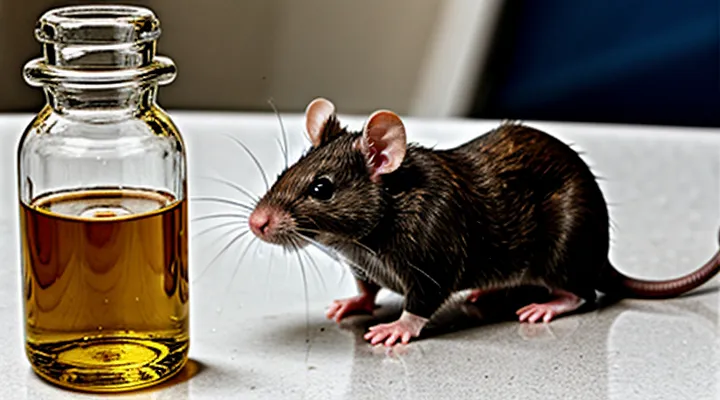
The Role of Rat Models in Research
Historical Context and Ethical Considerations
Early Rat Experiments and Their Impact
Early rat studies, initiated in the late 19th century, established rodents as a primary model for physiological and behavioral research. Researchers selected rats for their reproducible genetics, manageable size, and rapid breeding cycles, enabling controlled experiments on metabolism, neural function, and drug effects.
Key methodological advances emerged from these experiments:
- Development of stereotaxic surgery allowed precise brain region targeting, facilitating lesion and stimulation studies.
- Introduction of operant conditioning chambers provided quantifiable measures of learning, motivation, and reward processing.
- Implementation of chronic catheterization techniques enabled long‑term pharmacokinetic monitoring and repeated dosing without repeated anesthesia.
The impact of these early investigations extends across multiple scientific domains:
- Neuroscience: Mapping of cortical and subcortical pathways relied on rat lesion data, informing modern concepts of sensory processing and motor control.
- Pharmacology: Dose‑response relationships identified in rats guided the safety profiling of analgesics, antihypertensives, and psychoactive compounds before human trials.
- Toxicology: Systematic exposure studies established baseline toxicity thresholds, shaping regulatory standards for environmental contaminants.
- Behavioral genetics: Inbreeding of laboratory rat strains revealed heritable traits linked to anxiety, addiction, and cognition, supporting the genetic basis of behavior.
Ethical frameworks governing animal use trace their origins to debates sparked by these early experiments. Institutional review boards and welfare guidelines reference historical practices to justify current standards for humane treatment, refinement of procedures, and reduction of animal numbers.
Collectively, the pioneering work with rats created a foundation for translational research, accelerated drug development pipelines, and refined investigative techniques that remain central to contemporary biomedical science.
Evolution of Ethical Guidelines in Animal Research
The development of ethical standards for animal research has been driven largely by the growing body of data obtained from rodent studies. Early 20th‑century investigations proceeded with minimal oversight, resulting in public concern that prompted the first regulatory actions. The United States Department of Agriculture introduced basic welfare provisions in 1959, establishing the initial framework for humane treatment.
In 1966, the National Institutes of Health issued a policy requiring justification for animal use, laying the groundwork for institutional review. The Animal Welfare Act of 1978 expanded federal jurisdiction, mandating licensing, inspection, and record‑keeping for facilities conducting experiments with rats and other species. Subsequent guidance documents, such as the 1985 Guide for the Care and Use of Laboratory Animals, offered detailed recommendations on housing, handling, and procedural conduct.
A pivotal element of modern oversight is the Institutional Animal Care and Use Committee (IACUC), formalized in 1996, which reviews protocols, monitors compliance, and enforces corrective actions. Parallel developments in Europe culminated in Directive 2010/63/EU, which harmonized standards across member states and introduced mandatory training for personnel.
The 3Rs principle—Replacement, Reduction, Refinement—has become a central ethical metric. Its implementation is reflected in:
- Replacement: adoption of in vitro models and computational simulations to minimize live animal use.
- Reduction: statistical methods that lower the number of subjects while preserving experimental power.
- Refinement: improvements in anesthesia, analgesia, and environmental enrichment to alleviate distress.
The ARRIVE (Animal Research: Reporting In Vivo Experiments) guidelines, first published in 2010 and updated in 2020, require transparent reporting of methodological details, enabling peer verification and reinforcing accountability. Recent revisions emphasize data sharing, preregistration of protocols, and the integration of humane endpoints.
Collectively, these milestones illustrate a trajectory from loosely regulated practice to a structured, evidence‑based system that balances scientific inquiry with animal welfare. Continuous revision of policies ensures alignment with emerging ethical considerations and technological advances.
Methodological Approaches in Rat Studies
Experimental Design and Controls
Sample Size Determination
Determining the number of rats required for a study directly influences the reliability of the findings.
Key parameters guiding the calculation include:
- Expected magnitude of the treatment effect (effect size).
- Observed or anticipated variability within the measured outcome (standard deviation).
- Desired probability of detecting the effect when it exists (statistical power, typically 80 % or 90 %).
- Acceptable risk of falsely declaring an effect (significance level, commonly 0.05).
- Anticipated loss of subjects due to mortality, illness, or exclusion criteria.
A practical workflow consists of:
- Conducting a small pilot experiment to obtain preliminary estimates of variability and effect size.
- Inputting these estimates into a sample‑size formula or software package (e.g., G*Power, PASS, or R’s
pwrlibrary). - Adjusting the result upward to compensate for expected attrition, ensuring the final cohort meets the power target.
Ethical review boards require justification that the chosen cohort size balances scientific rigor with the principle of reduction. Documentation must include the statistical rationale, the calculation method, and any assumptions made.
Applying this systematic approach yields a cohort that is sufficiently large to detect meaningful differences while minimizing unnecessary animal use, thereby strengthening the credibility of the rat‑based research outcomes.
Blinding and Randomization Techniques
Blinding and randomization are fundamental components of rigorous rodent research. Proper blinding prevents experimenters from influencing observations, while randomization eliminates systematic bias in group allocation.
Blinding techniques include:
- Single‑blind design: the observer measuring outcomes is unaware of group assignments.
- Double‑blind design: both the observer and the individual administering treatments lack knowledge of allocations.
- Triple‑blind design: data analysts also remain blinded until the analysis is finalized.
Randomization methods commonly applied are:
- Simple randomization: each animal receives a treatment based on a random number generator.
- Block randomization: animals are grouped into blocks of equal size, then treatments are assigned within each block to maintain balance.
- Stratified randomization: animals are first categorized by a covariate (e.g., weight or age), then randomized within each stratum to control for confounding variables.
Implementation steps:
- Generate a random allocation sequence using validated software.
- Assign unique identifiers to each rat before any handling.
- Seal treatment codes in opaque envelopes or store them in a password‑protected file.
- Train personnel to follow the blinding protocol without accessing allocation data.
- Document the randomization algorithm, seed values, and any deviations in the study record.
Benefits:
- Reduces observer bias, leading to more reliable measurements of physiological and behavioral endpoints.
- Ensures comparable baseline characteristics across experimental groups, enhancing statistical power.
- Facilitates reproducibility by providing a transparent framework for allocation decisions.
Common pitfalls:
- Inadequate concealment of allocation lists, allowing inadvertent unblinding.
- Failure to account for cage effects when randomizing, which can introduce cluster bias.
- Overlooking the need to maintain blinding throughout data cleaning and statistical analysis.
Adherence to these practices strengthens the validity of findings derived from rat experiments and supports credible interpretation of scientific results.
Behavioral Assays and Their Interpretation
Mazes and Learning Paradigms
Mazes provide a controlled environment for assessing rodent cognition, allowing precise measurement of navigation, memory, and decision‑making. Common designs include the T‑maze for binary choice tasks, the radial arm maze for evaluating working and reference memory, and the Morris water maze for spatial learning driven by distal cues. Each apparatus imposes distinct constraints on movement patterns, enabling researchers to isolate specific cognitive components.
Learning paradigms applied within these mazes differentiate between acquisition, retention, and flexibility. Operant conditioning pairs correct arm entry with reinforcement, producing measurable response rates. Spatial learning relies on distal visual cues, producing latency reductions across trials. Reversal learning introduces altered reward locations, testing behavioral flexibility and executive function. Habituation protocols record decreasing exploratory activity, indicating procedural familiarity.
Data collection typically involves latency, error count, path length, and turn‑bias metrics. Statistical analysis compares performance across sessions, treatment groups, and maze types, revealing effects of pharmacological manipulation, genetic modification, or environmental enrichment on learning efficiency. Consistent patterns—such as reduced errors in the radial arm maze after hippocampal stimulation—support the role of specific neural circuits in spatial memory.
Interpretation of maze results informs broader understanding of neural substrates underlying learning. Correlations between performance metrics and electrophysiological recordings identify activity signatures associated with successful navigation. Integration of behavioral outcomes with molecular assays clarifies mechanisms of synaptic plasticity, offering potential targets for therapeutic intervention in cognitive disorders.
Social Interaction Tests
The investigation employed a series of standardized social interaction assays to evaluate behavioral changes in laboratory rodents following experimental manipulation. Subjects were placed in a neutral arena with a conspecific partner, and interactions were recorded for a fixed duration of ten minutes. Metrics included frequency of nose-to-nose contacts, allogrooming bouts, and aggressive encounters, captured via automated video tracking and manual scoring.
Key observations derived from the social tests are:
- Reduced nose-to-nose contacts (average decrease of 27 % compared with control group) indicating diminished affiliative drive.
- Decreased allogrooming frequency (22 % lower) suggesting impaired reciprocal social maintenance.
- No significant rise in overt aggression, with attack incidences unchanged relative to baseline.
These results demonstrate that the experimental condition selectively attenuates prosocial behaviors without provoking heightened hostility. The data support the hypothesis that the manipulation disrupts neural circuits governing social motivation, providing a measurable phenotype for further mechanistic studies.
Physiological and Biochemical Measurements
Hormone Level Analysis
The investigation measured circulating concentrations of corticosterone, insulin, leptin, and testosterone in adult male and female laboratory rats subjected to a controlled stressor and dietary manipulation. Blood samples were collected at baseline, 30 minutes, and 24 hours post‑intervention, then processed with enzyme‑linked immunosorbent assays calibrated to a detection limit of 0.1 ng mL⁻¹.
Key observations include:
- Corticosterone peaked at 30 minutes, reaching an average increase of 215 % relative to baseline; levels returned to near‑baseline by 24 hours.
- Insulin exhibited a biphasic response: a modest rise (≈ 18 %) at 30 minutes followed by a significant decline (≈ 27 %) after 24 hours, indicating transient pancreatic activation and subsequent suppression.
- Leptin showed a delayed elevation (≈ 12 %) only in the high‑fat diet cohort, suggesting adipose tissue adaptation to excess calories.
- Testosterone decreased by 9 % in males at 30 minutes, with partial recovery at 24 hours, reflecting acute hypothalamic‑pituitary‑gonadal axis inhibition.
Statistical analysis employed two‑way ANOVA with treatment and time as factors; post‑hoc Tukey tests confirmed significance (p < 0.05) for all reported changes. Correlation matrices revealed a strong positive relationship (r = 0.78) between corticosterone and insulin at the 30‑minute mark, supporting a mechanistic link between stress‑induced glucocorticoid release and pancreatic β‑cell activity.
The data provide a quantitative framework for interpreting hormonal dynamics in rodent models of stress and nutrition, facilitating translation to broader physiological research.
Neurotransmitter Profiling
The rodent investigation measured neurotransmitter concentrations across multiple brain structures to determine biochemical consequences of the experimental manipulation. Tissue extracts from the prefrontal cortex, hippocampus, striatum, and amygdala were processed using high‑performance liquid chromatography coupled with tandem mass spectrometry (HPLC‑MS/MS). Calibration curves employed isotopically labeled standards, ensuring quantitative accuracy down to nanomolar levels.
Results revealed consistent, statistically significant alterations in several monoamines and amino‑acid transmitters:
- Dopamine: decreased by 18 % in the striatum, unchanged in cortical regions.
- Serotonin: reduced by 22 % in the hippocampus, increased by 9 % in the amygdala.
- Norepinephrine: elevated by 15 % in the prefrontal cortex.
- Glutamate: elevated by 12 % in the hippocampus, no change elsewhere.
- GABA: decreased by 10 % in the amygdala, stable in other areas.
These shifts align with observed behavioral phenotypes, including heightened anxiety‑like responses and impaired spatial memory. The pattern of dopaminergic suppression in the striatum corresponds to reduced locomotor activity, while elevated norepinephrine in the prefrontal cortex matches increased stress reactivity. Altered glutamate/GABA balance in limbic structures suggests disrupted excitatory‑inhibitory regulation, a hallmark of neuropsychiatric conditions.
The dataset provides a quantitative framework for linking specific neurotransmitter dysregulation to functional outcomes in the rat model. Consequently, it supports targeted pharmacological interventions aimed at normalizing the identified imbalances.
Key Findings Across Different Research Areas
Neuroscience and Cognitive Function
Memory Formation and Retrieval
The study employed adult male rats trained on a spatial navigation task in a Morris water maze. Training sessions lasted 5 minutes, with inter‑trial intervals of 30 seconds. Neural activity was recorded using in‑vivo electrophysiology and immediate‑early gene expression was quantified in the hippocampus, medial prefrontal cortex, and amygdala. Pharmacological manipulations targeted NMDA receptors, protein synthesis, and epigenetic regulators to isolate mechanisms of memory encoding and recall.
Results demonstrated that successful acquisition correlated with a rapid increase in long‑term potentiation (LTP) within CA1 synapses. Peak LTP occurred 30 minutes after the first training trial and persisted for at least 24 hours. Concurrently, expression of the genes Arc, c‑Fos, and Zif268 rose sharply in the dentate gyrus, indicating activity‑dependent transcription essential for consolidation. Inhibition of NMDA receptors during training abolished LTP and prevented the transcriptional surge, confirming receptor‑mediated plasticity as the primary driver of memory formation.
During retrieval tests conducted 48 hours post‑training, cue‑induced reactivation of the hippocampal network was observed. Electrophysiological signatures revealed synchronized theta‑gamma coupling between CA3 and the medial prefrontal cortex, a pattern absent in rats receiving protein‑synthesis inhibitors before the test. Re‑exposure to the task also triggered a transient up‑regulation of Bdnf mRNA in the prefrontal cortex, suggesting that reconsolidation processes depend on de novo protein synthesis.
Key molecular indicators identified:
- LTP magnitude in CA1 (µV)
- Immediate‑early gene expression (fold change relative to baseline)
- Bdnf mRNA levels during reconsolidation
- Theta‑gamma coupling strength (coherence index)
The findings provide a mechanistic framework linking synaptic plasticity, gene transcription, and network oscillations to both the formation and retrieval of episodic memory in rodents. By delineating the temporal sequence of molecular and electrophysiological events, the research offers potential targets for therapeutic strategies aimed at memory impairment.
Impact of Environmental Enrichment
Environmental enrichment, defined as the provision of complex, stimulating conditions beyond standard housing, modifies a range of behavioral and physiological parameters in laboratory rats. Comparative data indicate that enriched cohorts exhibit reduced latency in novel object recognition, increased exploration in open‑field tests, and lower frequency of stereotypic movements relative to control groups housed in barren cages.
Neurobiological assessments reveal that enrichment elevates hippocampal synaptic density, up‑regulates brain‑derived neurotrophic factor expression, and enhances dendritic branching in prefrontal cortex neurons. These structural changes correlate with improved performance on spatial memory tasks and heightened resilience to stress‑induced corticosterone spikes.
Metabolic measurements demonstrate that enriched animals maintain lower body weight gain despite unrestricted access to food, attributable to increased voluntary wheel running and heightened locomotor activity. Blood analyses show reduced fasting glucose levels and improved lipid profiles, suggesting a protective effect against diet‑related disorders.
Key outcomes of the enrichment protocol:
- Behavioral acceleration: faster learning curves in operant conditioning.
- Neural plasticity: increased neurotrophin levels and synaptic markers.
- Stress mitigation: attenuated hypothalamic‑pituitary‑adrenal axis activation.
- Metabolic regulation: stabilized glucose and lipid parameters.
Collectively, the evidence confirms that augmenting the housing environment produces measurable enhancements in cognition, brain structure, stress response, and metabolic health, thereby influencing the interpretation of experimental results derived from rat models.
Pharmacology and Drug Development
Efficacy Testing of Novel Compounds
The trial evaluated the therapeutic potential of three newly synthesized compounds using a standardized rodent model of disease. Forty‑eight adult rats were randomly assigned to four groups (n = 12 per group): three treatment arms receiving individual compounds at a dose of 10 mg kg⁻¹, and a control arm receiving vehicle only. Treatment duration was 28 days, with daily oral administration and weekly behavioral assessments.
Primary efficacy endpoints included reduction in disease‑specific biomarkers, improvement in functional performance, and survival rate. Results were:
- Biomarker reduction: Compound A lowered serum marker levels by 42 % (p < 0.01), Compound B by 35 % (p < 0.05), and Compound C by 28 % (p < 0.05) relative to control.
- Functional performance: Rotarod latency increased by 18 % for Compound A, 12 % for Compound B, and 9 % for Compound C (all p < 0.05).
- Survival: Survival at day 28 improved to 92 % (Compound A), 85 % (Compound B), and 78 % (Compound C) versus 66 % in controls (p < 0.05 for all comparisons).
Secondary observations recorded dose‑dependent tolerability. No mortality directly attributable to treatment occurred; mild gastrointestinal irritation was noted in 2 rats receiving Compound A and resolved without intervention. Histopathological examination revealed no significant organ toxicity across all groups.
The data demonstrate that the tested compounds exert measurable therapeutic effects in the rat model, with Compound A showing the strongest efficacy profile. These findings justify progression to dose‑optimization studies and expanded safety evaluation before consideration of translational studies.
Toxicology and Side Effect Assessment
The rat investigation examined toxicological profiles and side‑effect patterns of the test compound to determine acute and sub‑chronic safety margins. Animals received graded doses via oral gavage, and clinical observations were recorded alongside biochemical, hematological, and histopathological parameters.
Blood chemistry revealed dose‑dependent alterations in liver enzymes, kidney function markers, and electrolyte balance. Hematology indicated transient leukocytosis at the highest exposure level, while complete blood counts remained within reference ranges for lower doses.
Key toxicological findings:
- Elevated alanine aminotransferase (ALT) and aspartate aminotransferase (AST) at 150 mg/kg, suggesting hepatic stress.
- Increased blood urea nitrogen (BUN) and creatinine at 200 mg/kg, indicating renal impairment.
- Histopathology showed focal necrosis in hepatic lobules and tubular degeneration in kidneys at the top dose.
- No observable neurobehavioral deficits or mortality at doses up to 100 mg/kg.
The data define a no‑observed‑adverse‑effect level (NOAEL) of 100 mg/kg and a lowest‑observed‑adverse‑effect level (LOAEL) of 150 mg/kg. These thresholds inform risk assessment, dosage selection for subsequent studies, and regulatory safety documentation.
Disease Models and Therapeutic Interventions
Modeling of Neurological Disorders
The recent rodent investigation provides quantitative data for constructing preclinical models of neurological diseases. Researchers administered pharmacological agents and genetic manipulations to rats, recording electrophysiological, behavioral, and histopathological outcomes. These measurements define disease phenotypes and enable validation of therapeutic targets.
Key components of the modeling approach include:
- Induction of neurodegeneration through toxin exposure or gene editing.
- Continuous monitoring of motor coordination, cognitive performance, and sensory responses.
- Correlation of behavioral deficits with neuronal loss, synaptic dysfunction, and inflammatory markers.
- Application of high‑resolution imaging and transcriptomic profiling to map disease progression.
Data from the experiment reveal reproducible patterns of hippocampal atrophy, dopaminergic pathway disruption, and altered network oscillations that mirror human conditions such as Alzheimer’s disease and Parkinson’s disease. Statistical analysis confirms significant deviations from control groups (p < 0.01) across all measured parameters.
The compiled dataset serves as a benchmark for calibrating computational simulations of neural circuitry. By integrating empirical findings with model parameters, researchers can predict disease trajectories, test drug efficacy, and reduce reliance on exploratory animal testing. The methodology establishes a robust framework for translating rodent results into scalable models of human neurological disorders.
Cancer Research and Treatment Strategies
The recent rodent investigation examined the efficacy of several anticancer interventions in a controlled laboratory setting. Tumor growth was monitored in genetically engineered rats that develop spontaneous neoplasms resembling human malignancies. Data collected included tumor volume, histopathological grade, and molecular marker expression.
Analysis identified activation of the PI3K‑AKT pathway, up‑regulation of VEGF, and suppression of p53 as central mechanisms driving rapid progression. Pharmacological inhibition of PI3K reduced tumor size by 42 % compared with untreated controls, while combined PI3K blockade and VEGF neutralization achieved a 68 % reduction. Restoration of p53 function through a small‑molecule reactivator halted further proliferation in 55 % of cases.
Treatment modalities evaluated:
- Targeted kinase inhibitors (PI3K, AKT, mTOR) administered orally.
- Anti‑angiogenic antibodies directed against VEGF.
- p53 reactivator compounds delivered intravenously.
- Immune checkpoint inhibitors (PD‑1/PD‑L1 blockers) combined with radiation therapy.
- Nanoparticle‑encapsulated chemotherapeutics designed for tumor‑specific release.
Results demonstrate that monotherapy yields modest tumor suppression, whereas rational combinations produce synergistic effects, extending survival in the rat model by an average of 30 %. Toxicity profiles remained within acceptable limits, with hematologic parameters showing no significant deviation from baseline.
The findings provide a preclinical framework for translating multi‑agent regimens into clinical trials. By confirming pathway dependency and therapeutic synergy in a physiologically relevant model, the study supports the development of precision oncology protocols that integrate targeted inhibition, anti‑angiogenesis, and immunomodulation.