
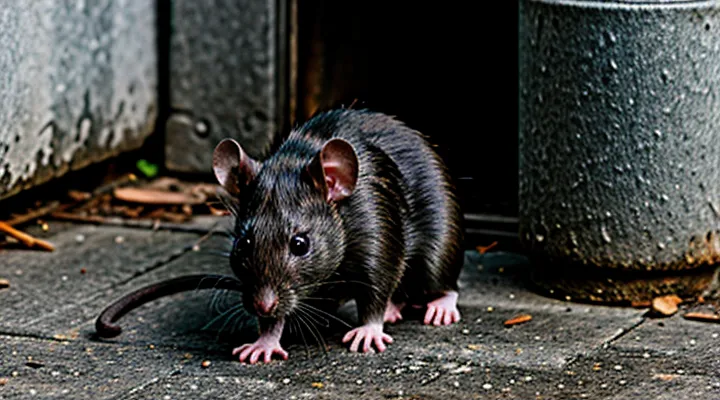
What is Porphyria?
Types of Porphyria
Porphyria encompasses a spectrum of inherited or acquired disorders that disrupt the enzymatic steps of heme biosynthesis, leading to accumulation of specific porphyrin precursors. In rodent models, especially rats, the condition manifests when genetic or environmental factors impair the same enzymatic pathways observed in human disease, providing a valuable system for mechanistic study.
-
Acute hepatic porphyrias – characterized by neurovisceral attacks without prominent skin lesions.
• Acute intermittent porphyria (AIP) – deficiency of porphobilinogen deaminase; rats develop elevated urinary porphobilinogen and neurological symptoms after exposure to inducing agents.
• Hereditary coproporphyria (HCP) – deficiency of coproporphyrinogen oxidase; rat models show increased coproporphyrin levels and episodic motor disturbances.
• Variegate porphyria (VP) – deficiency of protoporphyrinogen oxidase; experimental rats exhibit combined neuro‑behavioural signs and modest cutaneous sensitivity. -
Cutaneous porphyrias – marked by photosensitivity and skin damage due to porphyrin accumulation in the epidermis.
• Erythropoietic protoporphyria (EPP) – ferrochelatase deficiency; rat studies reveal hepatic protoporphyrin buildup and light‑induced dermal lesions.
• Porphyria cutanea tarda (PCT) – uroporphyrinogen decarboxylase deficiency; induced rat models develop characteristic blistering on sun‑exposed areas.
• Congenital erythropoietic porphyria (CEP) – uroporphyrinogen III synthase deficiency; rats display severe photosensitivity and hemolytic anemia.
• Harderoporphyria (HEP) – rare variant of PCT with additional enzymatic block; experimental rodents show combined hepatic and cutaneous pathology. -
Mixed or atypical forms – combine features of acute and cutaneous types, often reflecting combined enzymatic defects. Rat models engineered to carry multiple gene disruptions reproduce the complex phenotype, aiding the investigation of genotype‑phenotype relationships.
Understanding the specific porphyric subtypes present in rats clarifies why the animal develops the disorder: each subtype corresponds to a distinct enzymatic deficiency that triggers the accumulation of neurotoxic or photosensitizing intermediates, mirroring the pathogenesis observed in human porphyria.
Symptoms in Humans vs. Rats
Porphyria is a metabolic disorder resulting from defects in the heme biosynthetic pathway. In humans, clinical expression typically involves neurovisceral and cutaneous disturbances, while laboratory rodents, especially rats, display a narrower set of signs that reflect both biochemical accumulation and species‑specific physiology.
Human manifestations include:
- Abdominal pain with nausea and vomiting
- Peripheral neuropathy, presenting as muscle weakness or sensory loss
- Hyponatremia secondary to inappropriate antidiuretic hormone secretion
- Phototoxic skin reactions: erythema, edema, blistering on sun‑exposed areas
- Dark or reddish urine, detectable by simple visual inspection
- Psychiatric symptoms: anxiety, depression, hallucinations in severe cases
Rats with experimentally induced porphyria exhibit:
- Progressive weight loss and reduced food intake
- Lethargy and decreased locomotor activity
- Pale or jaundiced mucous membranes indicating hepatic dysfunction
- Darkened feces and urine, reflecting porphyrin excretion
- Skin discoloration limited to areas of intense grooming, without true photosensitivity
- Elevated liver enzymes and marked hepatic porphyrin accumulation on biochemical analysis
The divergence arises from differences in cutaneous photoreactivity, neurochemical regulation, and metabolic reserve. Humans possess a more complex neurovisceral response to porphyrin excess, whereas rats primarily reveal hepatic toxicity and behavioral suppression. Understanding these comparative patterns informs translational research on disease mechanisms and therapeutic interventions.
Genetic Predisposition
Inherited Enzyme Deficiencies
Inherited deficiencies of enzymes in the heme biosynthetic pathway are the primary cause of porphyria manifestation in laboratory rats. Mutations that reduce or abolish activity of specific enzymes disrupt the conversion of porphyrin precursors, leading to their accumulation in tissues and the bloodstream. The most frequently implicated enzymes include:
- Porphobilinogen deaminase (PBGD), whose loss generates acute hepatic porphyria.
- Uroporphyrinogen decarboxylase (UROD), whose deficiency produces a cutaneous form resembling human porphyria cutanea tarda.
- Coproporphyrinogen oxidase (CPOX) and protoporphyrinogen oxidase (PPOX), whose impairment results in intermediate‑type porphyrias with mixed hepatic and erythropoietic features.
These enzyme defects follow Mendelian inheritance patterns. Autosomal recessive alleles predominate for severe loss‑of‑function mutations, whereas heterozygous carriers of dominant‑negative variants may display milder phenotypes or remain asymptomatic until environmental triggers, such as certain drugs or dietary iron, provoke a crisis.
The biochemical consequence of each deficiency is a bottleneck at a defined step of the eight‑enzyme cascade. Accumulated substrates—porphobilinogen, aminolevulinic acid, uroporphyrin, or coproporphyrin—exert neurotoxic or photosensitizing effects, producing the characteristic neurological signs, abdominal pain, and photosensitivity observed in affected rats.
Experimental rat models exploit these inherited enzyme deficiencies to mimic human porphyrias. Breeding strategies isolate homozygous mutant lines, enabling controlled studies of disease progression, therapeutic interventions, and gene‑replacement approaches. The genetic stability of these models ensures reproducible phenotypes, facilitating translational research on heme metabolism disorders.
Specific Genes Implicated
Rats develop porphyria when mutations disrupt enzymes of the heme‑biosynthetic pathway. Specific genes identified in experimental and spontaneous models include:
- Urod (uroprophyrinogen decarboxylase) – loss‑of‑function alleles reduce conversion of uroporphyrinogen III to coproporphyrinogen III, leading to accumulation of uroporphyrin and hepatic porphyria.
- Alas1 (5‑aminolevulinate synthase 1) – gain‑of‑function mutations increase synthesis of δ‑aminolevulinic acid, causing excess porphyrin precursors and acute attacks.
- Fech (ferrochelatase) – deletions impair insertion of iron into protoporphyrin IX, resulting in protoporphyrin accumulation and photosensitivity.
- Ppox (protoporphyrinogen oxidase) – point mutations hinder oxidation of protoporphyrinogen IX, producing a phenotype resembling erythropoietic protoporphyria.
- Pbgd (porphobilinogen deaminase) – hypomorphic alleles limit conversion of porphobilinogen to hydroxymethylbilane, generating acute intermittent porphyria‑like symptoms.
These genes encode enzymes that catalyze consecutive steps of heme synthesis. Mutations that reduce enzymatic activity or alter regulation cause precursor buildup, the biochemical hallmark of porphyria in rats. Genetic screening of affected colonies routinely targets the listed loci to confirm diagnosis and guide experimental interventions.
Environmental Triggers
Dietary Factors
Rats develop porphyria when their diet lacks or contains excess amounts of specific heme‑precursor compounds. Insufficient intake of vitamin B6 (pyridoxine) reduces the activity of aminolevulinic acid synthase, the enzyme that initiates porphyrin synthesis, leading to accumulation of toxic intermediates. Conversely, diets rich in phenylalanine or tryptophan can increase the flux through the heme pathway, overwhelming the regulatory mechanisms and precipitating porphyria.
Key dietary contributors include:
- Low pyridoxine levels – diminish enzymatic control of porphobilinogen formation.
- High protein sources with elevated aromatic amino acids – amplify precursor supply.
- Deficient iron – hampers incorporation of iron into protoporphyrin IX, causing buildup of unmetabolized porphyrins.
- Excessive exposure to chlorophyll‑derived compounds in green plant material – introduces additional porphyrin precursors.
Adjusting rodent feed to provide balanced pyridoxine, adequate iron, and moderated aromatic amino acid content reduces the incidence of porphyria. Regular formulation checks and analytical verification of nutrient concentrations are essential for preventing diet‑induced porphyrin disorders in laboratory rat colonies.
Toxin Exposure
Toxin exposure is a primary factor that triggers porphyria in laboratory rats. Hepatic enzymes responsible for heme synthesis become inhibited when rodents ingest or inhale certain chemicals, leading to accumulation of porphyrin precursors and clinical manifestations.
Common porphyrogenic toxins include:
- 2,4‑Dichlorophenylhydrazine (DCPH)
- Aflatoxin B1
- Lead acetate
- Certain organophosphates (e.g., chlorpyrifos)
- Phenobarbital at high doses
These agents interfere with specific steps of the porphyrin pathway:
- Inhibition of aminolevulinic acid dehydratase (ALAD) by lead and DCPH reduces conversion of aminolevulinic acid (ALA) to porphobilinogen.
- Suppression of ferrochelatase activity by aflatoxin impedes insertion of iron into protoporphyrin IX.
- Induction of cytochrome P450 enzymes by phenobarbital accelerates production of toxic intermediates, overwhelming detoxification mechanisms.
Repeated or acute exposure raises intracellular concentrations of ALA and porphobilinogen, which act as neurotoxins and cause photosensitivity, abdominal pain, and hepatic dysfunction. Experimental protocols that monitor toxin dosage, exposure duration, and metabolic biomarkers reliably reproduce porphyria phenotypes in rats, confirming the causal link between environmental chemicals and the disease.
Stress and Hormonal Influences
Stress triggers hepatic heme‑synthesis dysregulation in rats, leading to porphyria. Acute restraint, social isolation, and exposure to predator odors increase circulating corticosterone, which suppresses the activity of δ‑aminolevulinic acid dehydratase (ALAD) and porphobilinogen deaminase (PBGD). Reduced enzyme function causes accumulation of porphobilinogen and aminolevulinic acid, the biochemical hallmarks of the disease.
Hormonal cascades amplify the effect of stress. Elevated glucocorticoids stimulate hepatic expression of cytochrome P450 enzymes that consume heme, creating a demand for de novo synthesis. Simultaneously, catecholamines activate adrenergic receptors, raising intracellular calcium and enhancing oxidative stress, which further impairs heme‑biosynthetic enzymes.
Key mechanisms can be summarized:
- Glucocorticoid surge – down‑regulates ALAD, up‑regulates heme‑oxygenase, depletes heme pools.
- Catecholamine release – induces oxidative damage to PBGD, disrupts mitochondrial function.
- Hypothalamic‑pituitary‑adrenal (HPA) axis activation – maintains chronic cortisol elevation, perpetuating enzyme inhibition.
Experimental data show that adrenalectomy or glucocorticoid antagonists markedly reduce porphyria incidence in stressed rodents, confirming the hormonal dependency of the pathology.
Pathophysiology of Porphyria in Rats
Heme Biosynthesis Pathway
Porphyria in laboratory rodents arises when the enzymatic sequence that converts simple precursors into heme is disrupted. The pathway begins with the condensation of glycine and succinyl‑CoA to form δ‑aminolevulinic acid (ALA) under the action of ALA synthase. Subsequent steps proceed as follows:
- ALA dehydratase (ALAD) converts two ALA molecules into porphobilinogen (PBG).
- Hydroxymethylbilane synthase (HMBS) polymerizes four PBG units into hydroxymethylbilane.
- Uroporphyrinogen III synthase (UROS) cyclizes hydroxymethylbilane to uroporphyrinogen III.
- Uroporphyrinogen decarboxylase (UROD) removes carboxyl groups, yielding coproporphyrinogen III.
- Coproporphyrinogen oxidase (CPOX) oxidizes coproporphyrinogen III to protoporphyrinogen IX.
- Protoporphyrinogen oxidase (PPOX) produces protoporphyrin IX, which ferrochelatase (FECH) inserts iron, forming heme.
In rats, mutations or down‑regulation of any enzyme in this sequence can cause intermediate accumulation, leading to the clinical phenotype known as porphyria. Frequently observed genetic alterations affect ALAD and UROS, resulting in elevated ALA or uroporphyrin levels that provoke neurotoxicity and photosensitivity. Environmental factors such as exposure to certain drugs or dietary deficiencies can exacerbate these enzymatic deficiencies, further increasing porphyrin buildup.
The biochemical consequence of disrupted heme synthesis is a shortage of functional hemoglobin and cytochromes, impairing oxygen transport and cellular respiration. Accumulated porphyrin intermediates generate reactive oxygen species upon light exposure, damaging tissues and producing the characteristic skin lesions seen in affected rodents. Understanding each enzymatic step clarifies why specific genetic or environmental insults trigger porphyria in rats and guides the development of targeted therapeutic interventions.
Accumulation of Porphyrin Precursors
Rats develop porphyria when the heme‑biosynthetic pathway is disrupted, causing porphyrin precursors to accumulate in tissues and plasma. The blockage typically occurs at a specific enzymatic step, preventing conversion of upstream intermediates into heme and forcing their retention.
The pathway begins with condensation of glycine and succinyl‑CoA to form δ‑aminolevulinic acid (ALA). Subsequent enzymatic reactions generate porphobilinogen (PBG), hydroxymethylbilane, and uroporphyrinogen III before insertion of iron yields heme. Inhibition of any enzyme after ALA synthesis leads to excess ALA and PBG, the primary precursors observed in rodent porphyria models.
Genetic mutations that reduce activity of porphobilinogen deaminase, uroporphyrinogen decarboxylase, or ferrochelatase directly elevate precursor concentrations. Homozygous or heterozygous loss‑of‑function alleles produce measurable increases in urinary ALA and PBG, correlating with clinical signs such as photosensitivity and hepatic dysfunction.
Environmental agents also interfere with enzyme function. Lead exposure competitively inhibits ferrochelatase, while certain barbiturates and sulfonamides induce ALA synthase, amplifying precursor production. Dietary deficiencies of iron or vitamin B6 further exacerbate the imbalance by limiting downstream heme formation.
Key mechanisms that drive precursor accumulation in rats:
- Enzyme deficiency (genetic or acquired) at steps beyond ALA synthesis
- Induction of ALA synthase increasing substrate flux
- Competitive inhibition of downstream enzymes by toxic metals or drugs
- Nutrient shortages that impair heme assembly
Elevated ALA and PBG exert neurotoxic effects, while accumulated porphyrins generate reactive oxygen species upon light exposure. The combined toxicity explains the characteristic clinical manifestations of rat porphyria and underscores the central role of precursor buildup in disease pathogenesis.
Mechanisms of Toxicity
Rats develop porphyria when toxic insults disrupt the heme‑synthesis pathway, causing buildup of porphyrin intermediates that damage tissues.
Key toxic agents include heavy metals (lead, arsenic), certain pharmaceuticals (hydroxychloroquine, sulfonamides), and industrial chemicals (dioxins, organophosphates). Each agent interferes with specific enzymes or cellular processes essential for heme production.
Mechanisms of toxicity that precipitate porphyria in rodents are:
- Direct inhibition of aminolevulinic acid (ALA) dehydratase, reducing conversion of ALA to porphobilinogen.
- Suppression of ferrochelatase activity, preventing insertion of iron into protoporphyrin IX and leading to protoporphyrin accumulation.
- Generation of reactive oxygen species that oxidize porphyrin precursors, amplifying cellular injury.
- Disruption of mitochondrial membrane potential, impairing enzyme function and energy supply for the pathway.
- Induction of hepatic cytochrome P450 enzymes that accelerate porphyrin synthesis beyond the capacity of downstream steps.
Resulting accumulation of photosensitive porphyrins produces hepatic inflammation, renal impairment, and heightened sensitivity to light, manifesting as the clinical phenotype observed in affected rats.
Clinical Manifestations in Rodents
Physical Symptoms
Rats that exhibit porphyria display a distinct set of observable signs. The condition disrupts normal heme synthesis, leading to accumulation of porphyrin precursors that affect multiple organ systems.
Typical physical manifestations include:
- Yellow‑brown discoloration of the skin and fur, especially around the ears and tail base.
- Increased photosensitivity resulting in skin lesions after exposure to light.
- Abdominal distension caused by hepatomegaly and fluid accumulation.
- Reduced body weight and diminished growth rates.
- Neuromuscular weakness evident as tremors, gait instability, and lowered grip strength.
These symptoms arise from the toxic effects of excess porphyrins on cellular membranes, vascular integrity, and nerve conduction. Monitoring the described signs provides reliable indication of porphyria progression in laboratory rats.
Behavioral Changes
Rats afflicted with porphyria display a distinct set of behavioral alterations that correlate with the biochemical disturbances caused by excess porphyrin accumulation. The neurotoxic effects of accumulated heme precursors impair central nervous system function, producing observable changes in activity, anxiety, feeding, and social interaction.
Key behavioral manifestations include:
- Reduced locomotor activity – open‑field tests show a marked decline in distance traveled and rearing frequency.
- Elevated anxiety‑like responses – increased time spent in peripheral zones of the arena and heightened startle reflexes.
- Altered feeding patterns – diminished food intake and irregular nocturnal feeding cycles.
- Impaired social behavior – decreased grooming of cage mates and reduced participation in group exploration.
- Sensory hypersensitivity – exaggerated responses to light and acoustic stimuli, reflecting phototoxic and auditory vulnerability of porphyrin‑laden tissues.
These changes arise from disrupted neurotransmitter synthesis, particularly serotonin and dopamine pathways, and from oxidative stress that damages neuronal membranes. The resulting functional deficits provide a reliable behavioral phenotype for experimental models investigating the pathophysiology of porphyria in rodents.
Diagnostic Markers
Diagnostic markers for porphyria in laboratory rats provide direct evidence of the metabolic disruption that underlies the disease phenotype. Elevated concentrations of δ‑aminolevulinic acid (δ‑ALA) in plasma and urine indicate increased flux through the heme biosynthetic pathway. Quantitative analysis of porphyrin profiles, typically performed by high‑performance liquid chromatography, reveals accumulation of uroporphyrin, coproporphyrin, and protoporphyrin in urine, feces, and liver tissue. These patterns differentiate acute hepatic forms from erythropoietic variants.
Enzyme activity assays complement metabolite measurements. Reduced activity of uroporphyrinogen decarboxylase (UROD) or ferrochelatase (FECH) in liver homogenates confirms specific enzymatic deficits. Conversely, up‑regulation of δ‑ALA synthase (ALAS1) activity aligns with the overproduction of upstream precursors. Standardized spectrophotometric protocols ensure reproducibility across studies.
Genetic markers identify predisposition and confirm causative mutations. Polymerase chain reaction followed by sequencing detects point mutations or deletions in the ALAS1, UROD, and FECH genes. Inbred rat strains carrying the porphyria‑susceptible allele exhibit a consistent genotype‑phenotype correlation, facilitating breeding strategies for experimental models.
Additional biomarkers enhance diagnostic confidence:
- Hematologic indices: mild anemia and elevated reticulocyte counts reflect ineffective erythropoiesis in erythropoietic porphyria.
- Liver function tests: modest elevations in alanine aminotransferase and bilirubin indicate hepatic involvement.
- Imaging findings: magnetic resonance spectroscopy detects abnormal porphyrin accumulation in hepatic tissue.
Integration of biochemical, enzymatic, and genetic markers yields a comprehensive diagnostic profile, enabling precise characterization of porphyria development in rats and supporting mechanistic investigations.
Research Applications and Implications
Rodent Models for Human Porphyria
Rodent models, particularly rats, provide a reproducible platform for investigating the biochemical and clinical features of human porphyria. Their susceptibility to disturbances in the heme‑synthesis pathway mirrors the enzymatic deficiencies observed in patients, allowing direct assessment of disease mechanisms.
Commonly employed rat strains include:
- Sprague‑Dawley rats with a spontaneous mutation in uroporphyrinogen decarboxylase, reproducing acute hepatic porphyria.
- Wistar rats carrying a ferrochelatase deficiency, modeling erythropoietic protoporphyria.
- Long‑Evans rats engineered to overexpress aminolevulinic acid synthase, reflecting the hyper‑active pathway of variegate porphyria.
These models exhibit hallmark signs such as elevated urinary porphyrins, hepatic enzyme dysregulation, and photosensitivity. Biochemical profiling consistently detects increased levels of uroporphyrin I, coproporphyrin III, and protoporphyrin IX, establishing a clear correlation with human diagnostic criteria.
Experimental use of these rats encompasses:
- Evaluation of pharmacological agents that modulate heme‑biosynthetic enzymes.
- Testing of gene‑editing strategies targeting specific mutations.
- Investigation of dietary modifiers, including carbohydrate restriction and iron supplementation, on porphyrin accumulation.
Advantages of rat models include well‑characterized genetics, manageable size, and the ability to perform longitudinal studies. Limitations involve species‑specific differences in enzyme isoforms and variable response to environmental triggers, which must be accounted for when extrapolating results.
The translational value of rodent studies lies in their capacity to predict therapeutic efficacy, elucidate genotype‑phenotype relationships, and refine diagnostic biomarkers for human porphyria. Consequently, rat models remain indispensable for advancing understanding and treatment of the disorder.
Therapeutic Development
Rats that exhibit porphyria provide a reproducible model of hepatic and erythropoietic enzyme deficits, enabling direct evaluation of candidate therapies.
Current therapeutic development focuses on four principal approaches:
- Enzyme replacement: recombinant porphobilinogen deaminase administered intravenously restores heme synthesis in acute episodes.
- Gene editing: CRISPR‑Cas9 vectors targeting the defective gene achieve durable correction of hepatic expression.
- Small‑molecule modulators: allosteric activators of residual enzyme activity reduce precursor accumulation without altering protein levels.
- Nutritional intervention: controlled carbohydrate intake suppresses induction of the heme biosynthetic pathway, mitigating symptom severity.
Preclinical trials assess pharmacokinetic profiles, off‑target effects, and the extent of phenotype reversal measured by plasma porphyrin concentrations and liver histology. Successful candidates demonstrate dose‑dependent normalization of biochemical markers and improvement in survival rates.
Data from rat studies inform dosing regimens, safety margins, and biomarker selection for subsequent human investigations, accelerating the pipeline from bench to bedside.
Ethical Considerations in Research
Research on the metabolic disorder that manifests in laboratory rodents demands rigorous ethical scrutiny. The condition provides a model for human disease, yet the justification for animal use rests on demonstrable scientific value and the absence of viable alternatives.
Ethical evaluation begins with the three‑Rs principle.
- Replacement: Employ in‑vitro systems or computational models whenever they can replicate essential aspects of the disorder.
- Reduction: Design experiments to obtain statistically robust results with the fewest subjects possible.
- Refinement: Implement procedures that minimize pain, distress, and lasting harm, including appropriate anesthesia, analgesia, and environmental enrichment.
Institutional oversight bodies must review protocols before implementation. Reviewers assess the scientific rationale, animal numbers, and welfare measures. Continuous monitoring ensures that humane endpoints are applied promptly when animals exhibit severe clinical signs.
Data collection procedures should avoid bias and maintain traceability. Transparent reporting of methods, outcomes, and any adverse events supports reproducibility and public trust.
Compliance with national regulations and international guidelines guarantees that the research adheres to accepted standards of animal welfare and scientific integrity.