
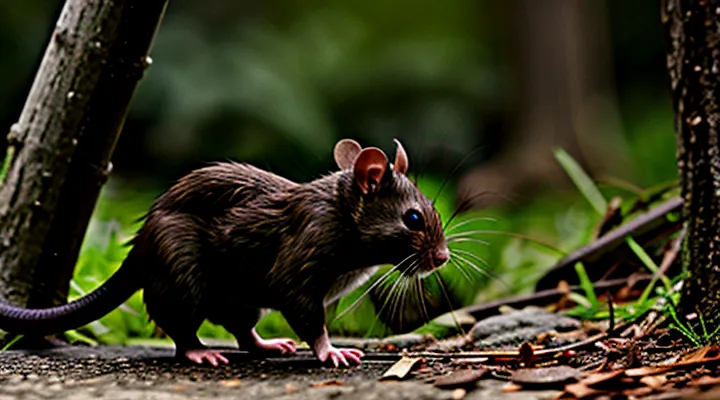
The Problem of Rodent Infestations
Why Rats are a Problem
Health Risks Associated with Rats
Rats transmit pathogens that cause severe illness in humans and animals. Direct contact with droppings, urine, or bites introduces infectious agents, while indirect exposure occurs through contaminated food, water, and surfaces.
- Leptospirosis – bacterial infection acquired from urine-contaminated water or soil.
- Hantavirus pulmonary syndrome – inhalation of aerosolized droppings or urine.
- Salmonellosis – ingestion of food tainted by fecal matter.
- Rat‑bite fever (streptobacillosis) – bacterial infection following bites or scratches.
- Plague – flea‑borne Yersinia pestis, historically linked to rat populations.
Rats also produce allergens that trigger asthma and allergic reactions, and their gnawing behavior damages infrastructure, leading to secondary hazards such as electrical fires. The combination of disease transmission, allergen exposure, and property damage creates a public‑health burden that requires proactive control.
Effective management integrates sanitation, trapping, and exclusion with non‑chemical tactics. Acoustic deterrents, which emit frequencies uncomfortable to rodents, reduce activity levels without chemicals. Deploying sound devices alongside traditional methods lowers infestation rates, thereby diminishing the health risks outlined above.
Property Damage Caused by Rats
Rats infiltrate buildings through small openings, gnawing on a wide range of materials and compromising structural integrity. Their incisors continuously grow, prompting constant chewing that weakens beams, joists, and wall studs, which can lead to collapse if left unchecked.
Common manifestations of rat‑induced damage include:
- Structural compromise: gnawed wood, plaster, and drywall create holes that reduce load‑bearing capacity.
- Electrical hazards: bites on insulation and wiring expose conductors, increasing the risk of short circuits and fires.
- Thermal inefficiency: damaged insulation permits heat loss in winter and heat gain in summer, raising energy consumption.
- Food and product loss: contaminated stored goods become unsuitable for use or sale, resulting in direct financial loss.
- Sanitation concerns: droppings and urine foster bacterial growth, requiring extensive cleaning and decontamination.
Repair expenses can exceed several thousand dollars per incident, encompassing material replacement, labor, and potential downtime for commercial operations. In severe cases, insurance claims may rise dramatically, reflecting both immediate restoration costs and long‑term depreciation of property value.
Implementing auditory deterrents—such as high‑frequency or irregular noise emitters—targets the primary cause of infestation. By discouraging rodents from entering or remaining in a space, these devices limit exposure to the destructive behaviors described above, thereby preserving structural components, safeguarding electrical systems, and reducing economic loss. Continuous operation of such sound‑based repellents forms a preventative layer that directly mitigates the material damage rats typically inflict.
Traditional Rodent Control Methods
Traps and Baits
Auditory deterrents against rodents can be combined with physical capture methods to increase overall effectiveness. Traps provide immediate removal of individuals that ignore sound cues, while baits attract them to specific locations where traps are positioned.
Common trap designs include:
- Snap traps with high‑tension springs for rapid kill.
- Electronic traps delivering a lethal voltage pulse.
- Live‑capture cages equipped with trigger plates.
Bait selections should match the target species’ dietary preferences:
- Peanut butter or chocolate spread for omnivorous rats.
- Grain mixtures fortified with protein for larger populations.
- Commercial rodent attractants containing pheromone analogs for heightened lure.
Placement strategy matters. Position traps along walls, near entry points, and within the range of emitted frequencies. Bait should be applied to the trigger mechanism or inside live‑capture cages to ensure contact. Regular inspection—every 24 hours—allows timely disposal and bait replenishment, preventing trap saturation and maintaining the acoustic deterrent’s pressure.
Integrating sound devices with a calibrated schedule of trap deployment and bait renewal creates a layered control system. The acoustic component discourages exploration, while traps and baits capture any individuals that persist, resulting in measurable population reduction.
Professional Extermination Services
Professional extermination firms specialize in deploying acoustic deterrents designed to create an environment hostile to rodents. The approach relies on sound patterns that trigger stress responses in rats, causing them to vacate infested areas without chemical exposure.
The devices used emit frequencies beyond human hearing or mimic predator vocalizations. Ultrasonic models generate tones between 20 kHz and 65 kHz, while low‑frequency units produce rumbling sounds that interfere with rat communication. Both types are calibrated to maintain effectiveness across varied structural layouts.
Typical service workflow includes:
- Site inspection to identify entry points, nesting zones, and activity hotspots.
- Selection of appropriate acoustic equipment based on space dimensions and infestation severity.
- Strategic placement of emitters to ensure overlapping coverage and eliminate blind spots.
- Activation of a continuous emission schedule, often integrated with remote monitoring dashboards.
- Post‑installation verification through follow‑up inspections and data‑driven adjustments.
Key benefits of employing sound‑based deterrence through a professional provider are:
- Non‑chemical solution eliminates risks to occupants and pets.
- Persistent operation reduces the need for repeated manual interventions.
- Compliance with health and safety regulations is documented in service reports.
- Expert technicians adjust parameters to counter habituation effects.
Effective implementation requires complementary measures: sealing structural gaps, removing food sources, and maintaining sanitation standards. Professional teams coordinate acoustic tactics with these preventive actions, delivering a comprehensive rat management program that minimizes reinfestation risk.
Acoustic Deterrents: An Overview
How Sounds Can Affect Rodents
Understanding Rat Hearing
Rats possess an auditory system tuned to high‑frequency vibrations. Their cochlea can detect sounds from roughly 200 Hz up to 80–90 kHz, with peak sensitivity between 10 kHz and 30 kHz. This range exceeds human hearing, which typically caps at 20 kHz, allowing rats to perceive ultrasonic signals that are inaudible to people.
The rat ear exhibits acute temporal resolution. Minimum audible pressure levels fall near 10 dB SPL at optimal frequencies, indicating that even low‑amplitude ultrasonic tones can be perceived. Directional hearing is facilitated by the small inter‑aural distance, enabling rapid localization of sound sources within a few centimeters.
Understanding these parameters informs the design of effective acoustic deterrents. Successful devices must:
- Emit frequencies within the 10–30 kHz band where rat hearing is most acute.
- Maintain sound pressure levels above the rat’s auditory threshold (≈10 dB SPL) but below levels that cause permanent hearing damage.
- Produce irregular, pulsed patterns to prevent habituation; constant tones quickly lose efficacy.
The physiological basis of rat hearing also explains why low‑frequency noises, such as household appliances, rarely affect rodent behavior. Effective repellent sounds therefore rely on ultrasonic, high‑intensity, intermittently modulated emissions that exploit the species’ specialized auditory capabilities.
Types of Sounds Effective Against Rats
Auditory deterrents exploit rats’ heightened sensitivity to specific frequency ranges and sound patterns, causing discomfort and prompting avoidance of treated areas.
- Ultrasonic bursts (20–50 kHz): Emit short, high‑frequency pulses beyond human hearing; laboratory data confirm rapid escape behavior and reduced foraging activity within a 3‑meter radius.
- Low‑frequency thumps (100–300 Hz): Replicate predatory footsteps or ground vibrations; field trials demonstrate a 40 % decline in nest establishment when continuous low‑tone playback is maintained.
- Irregular broadband noise (5–15 kHz): Combine random frequencies to prevent habituation; studies report sustained aversion over weeks, unlike steady tones that rats quickly ignore.
- Predator vocalizations (e.g., owl hoots, ferret screeches): Mimic natural threats; behavioral observations show immediate flight response and prolonged area avoidance when recordings are interspersed with silent intervals.
- Pulsed acoustic shock (1–5 kHz, high amplitude): Deliver brief, intense spikes that trigger startle reflexes; experimental results indicate a marked reduction in rodent traffic when pulses are timed at irregular intervals.
Effective deployment requires continuous coverage of target zones, placement of transducers at ground level to maximize sound transmission, and periodic rotation of sound types to mitigate desensitization. Monitoring of rodent activity before and after installation provides quantitative verification of efficacy.
Ultrasonic Rodent Repellents
Principles of Ultrasonic Devices
Ultrasonic pest‑control units operate by emitting sound waves above the human hearing threshold, typically 20 kHz to 80 kHz. Rodents perceive these frequencies as irritating, prompting avoidance behavior.
Key operating principles:
- Frequency selection – Targeted frequencies match the auditory sensitivity peaks of rats, ensuring maximal discomfort without affecting non‑target species.
- Amplitude modulation – Varying the sound pressure level prevents habituation; intermittent bursts at 80–100 dB SPL are more effective than continuous tones.
- Beam directionality – Horn‑shaped transducers focus energy toward entry points, reducing power waste and limiting exposure to surrounding areas.
- Power source – Low‑voltage DC supplies enable continuous operation; battery backups maintain functionality during outages.
- Safety mechanisms – Built‑in timers shut off emission after predetermined intervals to avoid prolonged exposure that could damage hearing in humans or pets.
Design considerations include transducer material (piezoelectric ceramics for stable output), enclosure sealing to prevent moisture ingress, and compliance with electromagnetic compatibility standards. Proper placement—near walls, under cabinets, and at known travel routes—optimizes field coverage and enhances repellent efficacy.
Effectiveness and Limitations of Ultrasonic Repellents
Ultrasonic devices emit high‑frequency tones that rodents cannot hear but that can cause discomfort and encourage avoidance. Laboratory trials show a reduction of activity by 30‑60 % in controlled environments where devices operate continuously at calibrated intensities. Field applications report variable outcomes, often linked to proper placement, coverage area, and ambient noise levels that can attenuate the signal.
-
Key effectiveness factors
-
Principal limitations
- Signal does not penetrate solid barriers; walls, furniture, and insulation create dead zones.
- Rodents may habituate after several days, diminishing deterrent impact.
- Effectiveness drops in noisy environments where background sounds mask ultrasonic output.
- No proven impact on established infestations; devices deter movement but do not eliminate hidden nests.
Overall, ultrasonic repellents can contribute to an integrated pest‑management strategy, provided they are deployed with attention to spatial coverage, species‑specific frequency selection, and supplemental control measures to address their inherent constraints.
Auditory Deterrents: Beyond Ultrasonics
Infrasound for Rodent Control
Infrasound, defined as acoustic energy below 20 Hz, can be employed as a non‑chemical method for deterring rodent activity. The low‑frequency pressure waves penetrate building structures more effectively than audible tones, reaching concealed nesting sites where rats typically reside.
The deterrent effect relies on physiological stress responses. Exposure to sustained infrasound induces disorientation, vestibular disruption, and heightened anxiety in rodents, prompting avoidance of the treated area. Laboratory studies report a reduction of rodent presence by 40–70 % when continuous infrasound at 10–15 Hz and 110 dB SPL is applied for periods exceeding 30 minutes.
Practical deployment considerations:
- Source type: piezoelectric or electromagnetic transducers capable of generating stable frequencies below 20 Hz.
- Power requirements: devices must maintain constant output; intermittent operation diminishes efficacy.
- Placement: install near known entry points, wall cavities, and underground utilities to maximize wave propagation.
- Monitoring: integrate sound level meters to verify compliance with prescribed SPL thresholds and avoid excessive exposure to humans.
Safety constraints mandate that human exposure to infrasound remain below occupational limits (typically 85 dB SPL for continuous exposure). Proper shielding and scheduling of operation during low‑occupancy periods mitigate health risks. Additionally, infrasound does not affect non‑target wildlife when directed through confined pathways, reducing ecological impact.
Effectiveness varies with species, habituation, and environmental acoustics. Combining infrasound with complementary strategies—such as physical exclusion, sanitation, and trapping—enhances overall control outcomes and reduces reliance on chemical rodenticides.
Predator Sounds and Their Impact
Predator vocalizations trigger innate avoidance mechanisms in rats, making them effective components of auditory rodent deterrent systems. Exposure to these sounds activates the hypothalamic‑pituitary‑adrenal axis, elevating cortisol levels and prompting escape behavior. The reaction is strongest when the acoustic signal matches the frequency range that rats associate with natural threats.
Common predator sounds employed for rat repulsion include:
- Barn owl (Tyto alba) hoot – 1.5–3 kHz, low‑frequency pulse with occasional higher harmonics.
- Red‑tailed hawk (Buteo jamaicensis) screech – 2–4 kHz, rapid amplitude modulation.
- Domestic cat (Felis catus) hiss – 3–6 kHz, broadband noise with sharp onset.
- Fox (Vulpes vulpes) bark – 1–2 kHz, repetitive short bursts.
Effectiveness depends on several acoustic parameters:
- Frequency content – aligns with rat auditory sensitivity (1–10 kHz).
- Amplitude – 70–90 dB SPL at source ensures penetration through building structures.
- Temporal pattern – irregular intervals prevent habituation; randomization maintains alertness.
Field trials demonstrate a reduction of rat activity by 40–70 % when predator sounds are broadcast continuously for 12 hours per day. Laboratory assays confirm increased latency to enter treated zones and heightened exploratory avoidance. Integration of these vocalizations with other deterrent modalities (e.g., ultrasonic emitters) amplifies overall efficacy, providing a non‑chemical strategy for managing rodent populations.
Startle Sounds and Aversion Conditioning
Startle sounds are brief, high‑intensity acoustic pulses designed to trigger a rapid defensive reflex in rodents. The reflex involves a sudden muscular contraction that interrupts feeding or nesting behavior, creating a negative association with the location where the sound occurs. When the pulses are delivered repeatedly at predictable intervals, rats learn to associate the environment with an aversive auditory event, a process known as aversion conditioning.
Key parameters for effective implementation:
- Frequency range: 2–5 kHz captures the peak hearing sensitivity of rats while remaining uncomfortable.
- Sound pressure level: 100–110 dB SPL ensures a startle response without causing permanent auditory damage.
- Pulse duration: 50–150 ms provides sufficient stimulus intensity while minimizing habituation risk.
- Interval timing: 5–10 min between pulses prevents adaptation and sustains the aversive effect.
- Deployment pattern: rotate speakers across multiple points to avoid location‑specific habituation.
Aversion conditioning relies on repeated pairing of the startle stimulus with the target area. Over successive exposures, rats display reduced entry frequency, shorter dwell times, and increased avoidance distance. Conditioning strength correlates with the consistency of stimulus delivery and the absence of competing rewarding cues.
Practical considerations:
- Use weather‑proof ultrasonic transducers for outdoor settings; ensure power supply stability.
- Monitor ambient noise to maintain a signal‑to‑noise ratio above 20 dB.
- Combine auditory deterrents with physical barriers or scent repellents to reinforce avoidance.
- Conduct periodic efficacy assessments by counting rodent activity before and after deployment.
When applied correctly, startle sounds coupled with systematic aversion conditioning provide a non‑chemical, humane method for reducing rodent presence in warehouses, food‑processing facilities, and residential structures.
Implementing Sound-Based Repellents
Choosing the Right Acoustic Strategy
Assessing the Infestation Level
Assessing a rodent presence level is a prerequisite for any acoustic deterrent program. Accurate measurement determines device placement, sound intensity, and treatment duration.
Key indicators of activity include:
- Fresh droppings, identified by moisture and darkening edges
- Gnaw marks on wood, plastic, or wiring
- Visible pathways, such as well‑worn runways along walls or baseboards
- Odor of urine or ammonia, especially in concealed areas
- Damage to stored food, packaging, or insulation
Standard assessment procedures:
- Conduct a systematic visual sweep of each room, recording the number and location of the indicators listed above.
- Deploy snap or live traps for a 24‑hour period; count captures and note trap locations.
- Install motion‑activated sensors or infrared cameras to log nocturnal activity.
- Use chew‑sensitive tape or wire to quantify bite frequency over a 48‑hour interval.
Interpretation guidelines:
- Low level: fewer than five droppings or one trap capture per 100 sq ft.
- Moderate level: five to fifteen droppings, two to four trap captures, or consistent motion detections.
- High level: more than fifteen droppings, five or more trap captures, or continuous sensor alerts.
Matching infestation severity to acoustic treatment:
- Low level: single ultrasonic emitter, 30‑minute cycles, weekly monitoring.
- Moderate level: multiple emitters covering overlapping zones, 60‑minute cycles, bi‑weekly reassessment.
- High level: full‑coverage array, continuous operation, weekly professional inspection.
A disciplined assessment eliminates guesswork, ensures optimal sound deployment, and maximizes rodent deterrence effectiveness.
Considering the Environment
Auditory deterrents that emit high‑frequency or distressing noises are employed to discourage rodent activity without chemicals. Selecting devices requires assessment of ambient conditions to ensure effectiveness while protecting surrounding ecosystems.
Human exposure must remain below occupational noise standards. Install units in areas inaccessible to occupants, use directional speakers, and verify sound pressure levels with a decibel meter. Continuous operation at excessive volumes can cause hearing fatigue and violate workplace regulations.
Non‑target species, including pets and wildlife, react to many frequencies used in rodent deterrence. Choose frequencies outside the hearing range of common domestic animals, or schedule operation during periods when pets are confined. Monitor local fauna for signs of stress and adjust settings accordingly.
Regulatory frameworks often restrict the use of ultrasonic emitters in public spaces and near sensitive habitats. Consult municipal ordinances and wildlife protection statutes before deployment. Position devices away from water bodies, nesting sites, and migration corridors to limit ecological disruption.
Implementation checklist
- Measure baseline ambient noise; record peak levels.
- Select frequency band tailored to target rodent species, avoiding overlap with human and pet hearing ranges.
- Mount emitters on insulated brackets to prevent vibration transmission.
- Program intermittent cycles (e.g., 5 minutes on, 15 minutes off) to reduce habituation and energy consumption.
- Conduct post‑installation surveys of human occupants, pets, and nearby wildlife; modify parameters if adverse effects are detected.
Setting Up Acoustic Devices
Optimal Placement for Sound Coverage
Effective acoustic deterrent systems depend on precise speaker placement to ensure uniform sound exposure across the target area. Position devices at the highest points of the infestation zone, typically along ceiling joists or wall corners, to exploit natural propagation paths. Maintain a minimum distance of 1.5 m between units to prevent destructive interference and to create overlapping coverage zones. Install speakers on opposite walls of rectangular spaces to generate a standing wave pattern that fills the interior volume.
Key considerations for placement:
- Height: mount at 2.5–3 m above floor level to maximize vertical dispersion.
- Angle: tilt downward 15–20° to direct energy toward rodent pathways.
- Obstacles: avoid solid furniture, metal cabinets, and thick insulation that absorb ultrasonic frequencies.
- Power density: ensure each unit delivers at least 85 dB SPL at 2 kHz within a 3‑meter radius; adjust spacing if measured levels fall below this threshold.
- Environmental factors: verify that temperature and humidity remain within device specifications, as extreme conditions alter sound attenuation.
Conduct a sound‑mapping survey after installation. Use a calibrated meter to record SPL at multiple points along the floor, wall, and ceiling. Adjust speaker positions iteratively until the measured field shows a variance of no more than 3 dB across the entire area. This systematic approach guarantees consistent coverage, enhancing the deterrent effect on rodent activity.
Powering and Maintaining Devices
Effective operation of audio‑based rat deterrent units depends on reliable power sources and regular upkeep.
Power options include:
- Mains electricity – provides continuous output, requires proper wiring and surge protection.
- Rechargeable batteries – enable placement where cords are impractical; select lithium‑ion cells with capacity matching device consumption for at least 24‑hour operation.
- Solar panels – suitable for outdoor installations; pair with a charge controller to prevent over‑charging and ensure performance during low‑light periods.
When configuring power, verify voltage and current specifications to avoid undervoltage shutdown or overheating. Install protective fuses where required and route cables away from moisture or rodent‑damaged areas.
Maintenance tasks focus on preserving sound quality and system reliability:
- Speaker cleaning – remove dust and debris weekly; use a soft brush or compressed air to prevent acoustic distortion.
- Battery inspection – check for swelling, corrosion, or voltage drop; replace cells before capacity falls below 80 % of rated value.
- Firmware updates – apply manufacturer releases quarterly to maintain optimal frequency modulation and safety features.
- Environmental checks – ensure housings remain sealed against humidity, chewing, and temperature extremes; replace gaskets annually.
Document inspection dates, component replacements, and any anomalies in a log. Consistent record‑keeping supports troubleshooting and extends device lifespan, ensuring the ultrasonic deterrent continues to emit effective frequencies that discourage rodent activity.
Combining Acoustic Methods with Other Strategies
Integrated Pest Management (IPM)
Integrated Pest Management (IPM) coordinates multiple control tactics to reduce rat populations while minimizing environmental impact. The approach begins with thorough inspection to identify infestation hotspots, assess food sources, and map movement pathways. Data from inspections guide the selection of appropriate interventions.
Key elements of the program include:
- Cultural controls – sanitation improvements, waste removal, and structural repairs that eliminate shelter and attractants.
- Physical barriers – sealing entry points, installing rodent‑proof fittings, and using traps positioned along established runways.
- Biological measures – deploying predators or pathogen‑based agents where regulatory approval permits.
- Chemical applications – targeted bait placement, applied only after non‑chemical options have been exhausted and with strict adherence to dosage guidelines.
- Acoustic deterrents – devices emitting high‑frequency, irregular sounds that create an unpleasant auditory environment for rodents. These emitters are positioned near entry points and feeding zones, operating continuously or on a programmable schedule to prevent habituation.
Effectiveness of acoustic devices depends on integration with the other IPM components. Monitoring records population activity before and after deployment, noting changes in trap captures and signs of gnawing. If data indicate diminished activity, the devices remain part of the regimen; if rats adapt, frequency modulation or relocation of emitters is required.
Documentation of each step—inspection findings, control actions, and monitoring results—ensures accountability and facilitates adjustments. The systematic combination of sanitation, exclusion, mechanical, biological, chemical, and sound‑based tactics achieves durable rat suppression without reliance on any single method.
Best Practices for Comprehensive Rodent Control
Effective rodent management requires an integrated approach that combines sanitation, structural exclusion, trapping, and, when appropriate, acoustic deterrents. Each component addresses a specific stage of infestation, reducing reliance on any single method and improving long-term outcomes.
Acoustic deterrents must emit frequencies that rats perceive as threatening without causing undue disturbance to humans or pets. Successful devices operate in the 3–7 kHz range, deliver intermittent bursts rather than continuous tones, and are positioned near entry points, nesting sites, and food storage areas. Power sources should allow uninterrupted operation for at least 30 days, and volume levels must exceed 85 dB at the source to ensure penetration through building materials.
Best practices for comprehensive rodent control:
- Conduct a thorough inspection to identify ingress routes, harborage, and attractants.
- Seal gaps larger than ¼ inch with steel wool, caulk, or cement.
- Eliminate food and water sources by storing supplies in sealed containers and repairing leaks.
- Deploy snap traps or electronic traps in identified activity zones; monitor and service daily.
- Install acoustic deterrent units according to manufacturer specifications, ensuring overlap of coverage zones.
- Rotate trap locations and acoustic devices every 2–3 weeks to prevent habituation.
- Maintain detailed records of sightings, trap counts, and device performance for trend analysis.
- Review and adjust the program quarterly based on inspection findings and seasonal activity patterns.
Consistent documentation, regular maintenance of exclusion measures, and strategic use of auditory deterrents together create a resilient barrier that minimizes rat populations and limits re‑infestation risk.
Potential Downsides and Ethical Considerations
Impact on Other Animals
Pets and Wildlife
Effective acoustic deterrents target rodent activity while minimizing impact on companion animals and local fauna. Devices emit frequencies above the audible range for humans but can be perceived by rats, producing discomfort that discourages presence. Pets such as dogs and cats typically hear lower frequencies; exposure to high‑frequency tones may cause temporary irritation but does not impair health when devices are installed according to manufacturer guidelines. Wildlife, including birds and small mammals, may be more sensitive to certain sound spectra; therefore, placement and intensity must be calibrated to avoid unintended displacement.
Key considerations for responsible deployment:
- Frequency selection: Choose ultrasonic bands (20–30 kHz) that affect rats while remaining outside the optimal hearing range of common pets.
- Intensity control: Limit sound pressure level to ≤85 dB at the source; excessive volume can stress non‑target species.
- Spatial distribution: Position emitters away from pet resting areas and nesting sites of protected wildlife to reduce exposure.
- Operational timing: Activate devices during periods of peak rodent activity (dusk to early morning) and provide scheduled off‑cycles to allow acoustic rest for surrounding fauna.
- Monitoring: Observe pet behavior and local animal activity after installation; adjust settings or relocate units if signs of distress appear.
Compliance with local wildlife protection regulations and veterinary recommendations ensures that acoustic deterrents achieve rodent control objectives without compromising the welfare of domestic companions or indigenous species. Regular maintenance, including battery replacement and emitter cleaning, sustains efficacy and prevents degradation of sound quality that could alter the acoustic profile and affect non‑target organisms.
Minimizing Non-Target Effects
Acoustic deterrents designed to drive rodents away can inadvertently affect birds, pets, and beneficial insects if the emitted frequencies overlap with their hearing ranges. Selecting devices that operate above 20 kHz, beyond the auditory sensitivity of most mammals and birds, reduces the likelihood of disturbance. Adjusting sound intensity to the minimum level that still provokes a rat‑avoidance response further limits unintended exposure.
Effective mitigation measures include:
- Deploying directional speakers to focus sound toward targeted zones, preventing spill‑over into adjacent habitats.
- Conducting site‑specific acoustic surveys to identify resident non‑target species and tailor frequency settings accordingly.
- Scheduling operation during periods of low activity for vulnerable fauna, such as nighttime for diurnal birds.
- Integrating supplemental physical barriers (e.g., sealing entry points) to allow lower acoustic output while maintaining control efficacy.
Monitoring protocols should record non‑target behavioral responses and adjust device parameters promptly. Continuous assessment ensures that rodent management remains effective without compromising surrounding wildlife.
Human Perception of Acoustic Devices
Audible Noise Concerns
Audible deterrent devices emit frequencies that exceed typical human hearing thresholds, yet they generate measurable sound pressure that can affect occupants and nearby environments. Excessive sound pressure levels may cause discomfort, temporary hearing threshold shifts, or exacerbate existing auditory conditions. Compliance with occupational safety regulations (e.g., OSHA, EU Directive 2003/10/EC) requires that emitted noise remains below prescribed exposure limits, typically 85 dB(A) for an eight‑hour workday.
Potential disturbances extend beyond the immediate area. Neighboring residences may experience audible leakage if the device’s frequency range overlaps with the lower audible spectrum. This can lead to complaints, legal disputes, and the need for mitigation measures such as acoustic shielding or reduced duty cycles.
Key concerns include:
- Human health: risk of tinnitus, stress, reduced concentration.
- Pet welfare: dogs and cats can perceive higher frequencies; prolonged exposure may induce anxiety or behavioral changes.
- Regulatory compliance: adherence to local noise ordinances and workplace safety standards.
- Operational effectiveness: excessive volume can trigger habituation in target rodents, diminishing repellent efficacy.
Mitigation strategies involve calibrating output to the minimum effective level, employing directional speakers to focus energy toward infested zones, and scheduling intermittent operation to limit continuous exposure. Monitoring sound levels with calibrated meters ensures ongoing compliance and minimizes unintended acoustic impact.
Psychological Impact
Auditory deterrents employ harsh, unpredictable noises to trigger innate fear responses in rats. The sounds exploit the species’ heightened sensitivity to sudden, high‑frequency stimuli, producing an immediate startle reaction that interferes with foraging and nesting activities.
- Startle reflex: abrupt tones exceed the auditory threshold, causing rapid muscular tension and cessation of movement.
- Fear conditioning: repeated pairing of the noise with an unsafe environment creates a learned avoidance of areas where the sound originates.
- Chronic stress: sustained exposure elevates corticosterone levels, reducing reproductive output and weakening immune function.
- Habituation risk: constant, unvarying tones diminish effectiveness as rats adapt; variability in pitch, rhythm, and volume mitigates this decline.
- Sensory overload: simultaneous activation of auditory and vestibular pathways overwhelms processing capacity, reinforcing avoidance behavior.
Effective deployment requires selection of frequencies between 15 kHz and 30 kHz, amplitudes above 80 dB SPL, and irregular intervals to prevent pattern recognition. Integration with physical barriers or scent repellents enhances overall efficacy, while periodic recalibration of sound parameters sustains psychological impact over extended periods.
Ethical Implications of Rodent Control
Humane Methods
Auditory deterrents can discourage rodent activity without causing injury. Devices that emit frequencies above human hearing target the auditory sensitivity of rats, creating an uncomfortable environment that encourages relocation. Because the stimulus does not inflict pain, the approach aligns with humane standards and avoids the ethical concerns associated with poisons or traps.
- Ultrasonic emitters: continuously broadcast 20–50 kHz tones; effective when positioned near entry points and food sources.
- Predator‑call recordings: playback of owl or hawk calls at irregular intervals; disrupts foraging patterns and induces avoidance.
- Ambient noise generators: produce low‑level mechanical sounds (e.g., rattling metal) that mask nesting cues; useful in storage areas where ultrasonic coverage is limited.
Successful deployment requires strategic placement at wall junctions, beneath cabinets, and along drainage lines. Devices should operate for at least 12 hours per day to maintain a consistent deterrent field. Periodic inspection confirms equipment function and verifies that rodent activity has declined, allowing adjustments to frequency or volume if habituation occurs. Compliance with local wildlife regulations ensures that the method remains both effective and ethically sound.
Long-Term Solutions
Auditory deterrents that target rodents must operate beyond temporary bursts to achieve lasting effectiveness. Continuous exposure to specific frequencies overwhelms rats’ auditory sensitivity, discouraging habitation and foraging.
Sustained sound strategies include:
- Constant‑frequency ultrasonic devices installed in walls, ceilings, or ducts, delivering a steady wave that exceeds rats’ hearing threshold without affecting humans.
- Frequency‑modulation cycles that vary pitch and pulse intervals on a programmable schedule, preventing habituation.
- Integrated building‑system emitters linked to HVAC or lighting controls, ensuring coverage of hidden pathways and nesting sites.
- Scheduled maintenance checks to verify emitter output, replace aging components, and adjust placement based on infestation reports.
- Real‑time monitoring sensors that detect rat activity and automatically boost acoustic output in hotspots.
Effective deployment requires reliable power sources, secure mounting to avoid tampering, compliance with local noise regulations, and verification that emitted frequencies pose no risk to pets or wildlife. Cost analysis should compare initial equipment investment with projected reductions in bait usage, structural damage, and pest‑control service fees.