
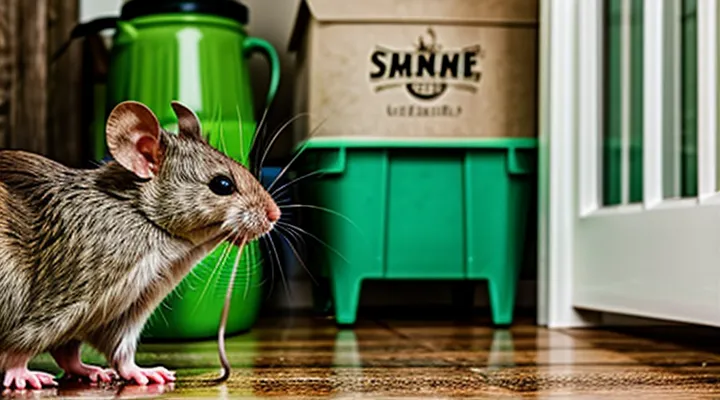
Understanding the Foe: Signs and Risks
Identifying Rat and Mouse Infestations
Common Signs of Rodent Activity
Rodent presence is rarely invisible; specific indicators reveal active infestations. Recognizing these signs early enables effective, non‑chemical control measures.
- Gnaw marks on wood, plastic, or wiring, typically at a 45‑degree angle.
- Small, dark droppings resembling grain, often found along walls, in cabinets, or near food containers.
- Nests constructed from shredded paper, fabric, insulation, or dried plant matter, usually hidden in corners, behind appliances, or within wall voids.
- Scratching noises in attics, ceilings, or crawl spaces, especially at night when rodents are most active.
- Grease or urine trails that appear as smudged lines along baseboards, pipes, or the exterior of cabinets.
- Unexplained food depletion or packaging damage, indicating foraging activity.
- Burrows or holes in insulation, drywall, or foundation walls, typically ½‑inch wide for mice and up to 1‑inch for rats.
Each indicator confirms ongoing activity and should prompt immediate natural remediation steps, such as sealing entry points, removing food sources, and deploying humane traps. Prompt action prevents population growth and reduces health risks associated with rodent‑borne pathogens.
Where to Look for Rodents
Rats and mice hide in locations that offer food, water, shelter, and easy travel routes. Inspect these areas systematically to locate activity.
- Kitchen cabinets and pantry shelves: crumbs, spilled food, and packaging provide sustenance. Check the backs of shelves and inside door hinges.
- Under appliances: refrigerators, stoves, and dishwashers create warm, dark spaces. Look for gnaw marks on wiring and insulation.
- Wall voids and ceilings: rodents travel through gaps around pipes, vents, and electrical conduits. Examine for droppings, urine stains, or shredded insulation.
- Basement and crawl spaces: dampness and clutter attract pests. Search for nests built from shredded paper, fabric, or insulation material.
- Attic insulation: loose insulation offers nesting material. Identify entry points near roof vents, eaves, and chimneys.
- Storage closets and garage shelves: boxes, seasonal items, and pet food are potential food sources. Move items away from walls to reveal hidden tracks.
- Behind furniture: sofas, bookshelves, and dressers create concealed pathways. Lift furniture to inspect floorboards for burrows or droppings.
Signs of presence include fresh droppings (dark, rice‑shaped), gnaw marks on wood or plastic, and faint musky odors. Use a flashlight and a mirror to view tight spaces. Document each location before implementing natural control measures.
Differentiating Between Rats and Mice
Accurate identification of the rodent species determines the choice of natural control measures. Rats and mice share many habits, yet key distinctions affect trap sizing, bait selection, and placement strategies.
- Size: rats typically exceed 9 inches (body length) and weigh 300–500 g; mice remain under 4 inches and weigh 15–30 g.
- Tail: rat tails are thick, hair‑covered, and proportionally shorter than the body; mouse tails are slender, hair‑less, and equal to or longer than the body.
- Ears: rats possess small, rounded ears hidden by fur; mice display large, exposed ears relative to head size.
- Head shape: rats have blunt, heavy skulls; mice feature pointed, delicate snouts.
- Droppings: rat feces are ½ inch long, dark, and spindle‑shaped; mouse droppings measure ¼ inch, smooth, and rod‑shaped.
Behavioral and ecological traits also diverge.
- Habitat: rats favor basements, sewers, and outdoor burrows; mice occupy attic spaces, wall voids, and indoor cabinets.
- Activity: rats are primarily nocturnal and travel in established runways; mice are more flexible, moving both day and night, often following food sources.
- Reproduction: rats produce 6–12 offspring per litter, with three litters annually; mice generate 5–10 offspring, up to ten litters per year.
- Gnawing: rats leave coarse, irregular chew marks on wood and plastic; mice create finer, parallel grooves on softer materials.
These differences dictate practical actions. Use larger, heavy‑duty traps for rats, positioned along established runways near walls. Deploy snap or live traps sized for mice in concealed indoor locations, such as behind appliances. Apply natural repellents—peppermint oil, crushed garlic, or ultrasonic devices—preferentially where the target species nests. Adjust bait type and quantity to match the animal’s size and feeding habits, ensuring that non‑target wildlife remains unaffected.
Health and Property Risks
Diseases Transmitted by Rodents
Rodents living in residential spaces carry pathogens that can cause serious illness in humans. Direct contact with droppings, urine, saliva, or bites provides the primary route of infection, while aerosolized particles from dried waste create an additional hazard.
Common rodent‑borne diseases include:
- Leptospirosis – bacterial infection transmitted through contaminated water or soil; symptoms range from fever to kidney failure.
- Hantavirus Pulmonary Syndrome – virus spread by inhaling dust contaminated with rodent excreta; leads to severe respiratory distress.
- Salmonellosis – bacterial gastroenteritis resulting from ingestion of food tainted by rodent feces.
- Rat‑bite fever (Streptobacillosis) – bacterial infection following a bite or scratch; causes fever, rash, and joint pain.
- Lymphocytic choriomeningitis (LCM) – virus carried by house mice; may cause meningitis, encephalitis, or flu‑like illness.
- Plague – Yersinia pestis transmitted by fleas that have fed on infected rodents; can progress to bubonic or pneumonic forms if untreated.
Preventing these illnesses hinges on reducing rodent presence without relying on chemical poisons. Natural home‑based strategies—such as sealing entry points, removing food sources, employing peppermint oil or ultrasonic deterrents, and maintaining clean, clutter‑free environments—disrupt the conditions rodents need to thrive. Consistent application of these measures lowers pathogen exposure and safeguards household health.
Damage to Property and Food Contamination
Rats and mice inflict significant damage on residential structures and compromise food safety. Their gnawing habit weakens beams, breaches insulation, and chews electrical wiring, creating fire hazards and costly repairs.
- Structural components: wood framing, drywall, and baseboards.
- Insulation: shredded fibers reduce thermal efficiency.
- Electrical systems: exposed wires may short, leading to outages or sparks.
- Stored goods: clothing, paper, and personal items become shredded or contaminated.
Rodent activity also contaminates food supplies. Droppings, urine, and saliva introduce pathogens such as Salmonella, Hantavirus, and Leptospira into pantry items. Contamination routes include:
- Direct contact with stored grains, cereals, and canned goods.
- Indirect spread via contaminated surfaces and utensils.
- Spoilage accelerated by bacterial growth, resulting in economic loss and health risk.
Implementing eco‑friendly rodent control at home addresses both damage and contamination. Sealing entry points eliminates access, while natural repellents—peppermint oil, dried herbs, and ultrasonic devices—discourage activity without toxic residues. Live traps and predatory birds reduce populations, decreasing the likelihood of structural harm and foodborne illness.
Adopting these non‑chemical measures protects property integrity and preserves food quality, offering a sustainable solution to rodent‑related challenges.
Natural Rodent Control Strategies
Prevention is Key: Rodent-Proofing Your Home
Sealing Entry Points
Sealing entry points prevents rodents from entering living spaces and eliminates the need for chemical controls. Begin by inspecting the exterior for gaps larger than a quarter inch. Common locations include foundation cracks, utility openings, vents, and gaps around doors and windows. Use a flashlight to reveal hidden cracks behind siding and under decks.
Replace damaged weatherstripping on doors and windows. Apply silicone‑based caulk to seal seams around trim, baseboards, and pipe penetrations. For larger openings, install hardware cloth or metal flashing, securing it with stainless‑steel screws to resist gnawing.
When dealing with irregular gaps, pack steel wool tightly and cover it with expanding foam. The combination deters chewing and fills voids permanently. Verify that vents and chimneys retain proper airflow by fitting mesh screens that resist rodent intrusion without restricting ventilation.
Regular maintenance reinforces the barrier. Re‑check sealed areas after severe weather or seasonal temperature changes. Repair any new cracks promptly to maintain an impenetrable perimeter. By systematically closing all potential access routes, the home becomes inhospitable to rats and mice, supporting a natural, long‑term pest‑free environment.
Eliminating Food Sources
Rats and mice persist when food is readily available. Removing edible attractants cuts off the primary incentive for infestation and forces the pests to seek shelter elsewhere, where other control measures become effective.
Store all dry goods—cereals, grains, pet food, nuts—in airtight containers made of metal or heavy‑wall plastic. Check seals regularly for cracks or loose lids. Keep pantry shelves clean; wipe spills immediately and discard expired items.
Maintain a strict cleaning routine in kitchens and dining areas. Sweep floors after each meal, vacuum crumbs from corners, and mop surfaces with a mild detergent. Empty trash bins nightly; use bins with tight‑fitting lids and line them with biodegradable bags that can be sealed before removal.
Secure outdoor feeding stations. Place bird feeders and pet bowls at least three meters from the house, elevate them on sturdy platforms, and clean up dropped feed each day. Cover compost piles with a solid lid or fine mesh to block rodent access.
Eliminate hidden food sources:
- Inspect garage, shed, and basement for stored cardboard boxes, paper bags, or broken containers that may harbor crumbs.
- Remove fruit fallen from trees or vines; prune branches that touch the building.
- Seal cracks and gaps around utility lines, vents, and foundation walls to prevent rodents from entering storage spaces.
By denying rodents consistent nutrition, the population declines naturally, reducing the need for chemical interventions and supporting long‑term prevention.
Maintaining a Clean Environment
A spotless home deprives rats and mice of shelter and food, forcing them to seek more hospitable locations.
- Sweep floors daily to remove crumbs and debris.
- Vacuum upholstery, curtains, and under furniture weekly.
- Wipe countertops and table surfaces after meals with a disinfectant.
- Clean pet feeding areas each night, discarding leftover food.
Proper waste handling eliminates a reliable food source. Transfer kitchen refuse to sealed containers, emptying them before odors develop. Store garbage bins outdoors or in a locked area, and clean the interior of bins regularly with hot, soapy water.
Food storage must be rodent‑proof. Keep dry goods in airtight containers made of glass, metal, or heavy‑wall plastic. Inspect pantry shelves for spills, and rotate stock to prevent spoilage. Seal cracks and gaps around cabinets, baseboards, and entry points to block hidden pathways.
Routine maintenance of these practices creates an environment where rodents cannot thrive, supporting a natural, chemical‑free approach to pest control.
Natural Deterrents and Repellents
Essential Oils for Rodent Repellence
Essential oils provide a chemical-free option for discouraging rats and mice in residential settings. Their strong aromas interfere with rodents’ olfactory receptors, reducing the likelihood of entry and habitation.
- Peppermint oil – high menthol content, strong scent that rodents avoid.
- Eucalyptus oil – contains cineole, unpleasant to rodents.
- Lavender oil – aromatic profile that repels small mammals.
- Citronella oil – citrus notes act as a deterrent.
- Clove oil – eugenol component irritates rodent sensory pathways.
Application methods:
- Dilute 10‑15 drops of oil in 250 ml of water; spray around entry points, baseboards, and hidden corners.
- Soak cotton balls with undiluted oil; place them in cabinets, under appliances, and near burrows; replace every 3‑4 days.
- Mix 5 drops of oil with a tablespoon of carrier oil (e.g., almond or coconut); apply to wooden surfaces where rodents travel.
Safety and efficacy considerations:
- Test a small area first to prevent damage to finishes.
- Keep oils away from pets and children; some species react adversely to concentrated vapors.
- Combine oil treatment with sealing cracks and removing food sources for optimal results.
- Reapply regularly, especially after cleaning or ventilation, to maintain potency.
Using these oils as part of a broader natural rodent control strategy can significantly lower infestations without resorting to chemicals.
Botanical Solutions: Plants That Deter Rodents
Plants that repel rodents provide a chemical barrier without chemicals. Their strong aromas and natural compounds discourage rats and mice from entering treated areas.
- Peppermint (Mentha piperita) – Leaves and essential oil release menthol, a volatile that irritates rodent sensory receptors. Soak cotton balls in diluted oil and place them near entry points, storage areas, and cabinets.
- Lavender (Lavandula angustifolia) – Flowers and foliage emit linalool, a scent that rodents find unpleasant. Plant lavender in garden borders or use dried sprigs in indoor closets.
- Rosemary (Rosmarinus officinalis) – Contains camphor and rosmarinic acid, both repellent to small mammals. Grow rosemary in pots near windowsills or scatter fresh stems in pantry corners.
- Marigold (Tagetes spp.) – Produces thiophenes that act as natural insect and rodent deterrents. Plant marigolds around the foundation of the house or keep potted plants on balconies.
- Catnip (Nepeta cataria) – While attractive to felines, the nepetalactone compound repels rodents. Distribute dried catnip in attic spaces and crawl spaces.
- Eucalyptus (Eucalyptus globulus) – Leaves emit eucalyptol, a potent odor that rodents avoid. Place shredded eucalyptus leaves in storage boxes or use a few drops of eucalyptus oil on cotton swabs.
Implementing these botanical measures reduces the likelihood of infestations. Combine plant placement with proper sanitation to strengthen the natural defense against rats and mice.
Other Natural Deterrent Methods
Natural deterrents complement conventional rodent control by creating an environment that rodents find hostile. Implementing multiple strategies simultaneously increases effectiveness and reduces reliance on chemicals.
- Peppermint oil: Soak cotton balls with pure peppermint oil and place them near entry points, cabinets, and pantry shelves. The strong menthol scent irritates the olfactory receptors of rats and mice, prompting avoidance.
- Cayenne or chili powder: Sprinkle a thin layer along baseboards, behind appliances, and in gaps. Capsaicin causes discomfort when inhaled or ingested, discouraging repeated visits.
- Predator urine: Commercially available extracts from foxes, coyotes, or owls mimic the presence of natural enemies. Apply the liquid to outdoor perimeters and interior corners where rodents travel.
- Mint and rosemary plants: Grow these herbs in garden beds and indoor pots. Their volatile compounds emit a repellent aroma that deters rodents from nesting nearby.
- Steel wool or copper mesh: Pack tightly into holes, vents, and cracks. The abrasive texture prevents gnawing and blocks access without introducing toxic materials.
- Natural baited traps: Use wooden snap traps baited with peanut butter, sunflower seeds, or dried fruit. The appealing food source draws rodents into a humane capture mechanism, allowing removal without poison.
- Cat litter: Distribute a shallow tray of used cat litter in concealed areas. The scent of feline waste signals predator presence, reducing rodent activity.
Seal all openings larger than a quarter-inch, maintain a clutter‑free storage area, and eliminate food residues. Consistent application of these natural methods creates a hostile habitat, leading to long‑term reduction of rat and mouse populations without chemical intervention.
Trapping and Removal (Humane Options)
Live Traps and Release Strategies
Live traps provide a humane alternative to lethal devices by capturing rodents without causing injury. Construct the trap from sturdy wire mesh or a commercially available snap‑freezer model, ensuring the entrance size matches the target species. Bait the interior with high‑protein foods such as peanut butter, sunflower seeds, or bits of cooked chicken to attract both rats and mice. Position traps along established runways—near walls, behind appliances, or in dark corners—where rodent activity is evident.
When a capture occurs, handle the trap with thick gloves to prevent bites and stress. Transfer the animal to a release container that allows ventilation but prevents escape. Transport the container at least two miles from the residence, preferably to a wooded or agricultural area with natural cover and abundant food sources. Release the rodent at dusk, lowering the container gently to the ground and allowing it to exit independently.
Key considerations for successful release:
- Verify local regulations; some jurisdictions restrict the relocation of pest species.
- Release only healthy individuals; injured rodents may not survive and could attract predators.
- Avoid releasing near other homes or farms to prevent spreading infestations.
- Clean and disinfect traps after each use to eliminate scent trails that could deter future captures.
DIY Natural Bait Options
Natural rodent control at home relies on baits that repel or incapacitate pests without chemicals. The following do‑it‑yourself mixtures use readily available ingredients and can be prepared in minutes.
- Peppermint oil trap – Mix 10 ml peppermint essential oil with 250 ml water, add a few drops of dish soap, and soak cotton balls. Place the soaked balls in areas where activity is observed; the strong scent disrupts rodent olfactory cues.
- Cayenne‑pepper paste – Combine equal parts cayenne pepper powder and powdered garlic with a small amount of honey to form a thick paste. Apply thin layers on the edges of cabinets, behind appliances, and along baseboards. The irritant compounds cause discomfort, deterring entry.
- Garlic‑vinegar spray – Blend 2 cups white vinegar, 1 cup crushed garlic cloves, and 1 cup water. Let the mixture steep for 24 hours, strain, and transfer to a spray bottle. Lightly mist entry points and interior walls; the acidic and sulfurous vapors are unappealing to rodents.
- Steel‑wool bait station – Fill a small, ventilated container with a handful of steel wool and a few pieces of dried fruit or nut. The steel wool blocks chewing, while the food lure attracts the animal into the trap where it becomes unable to escape.
When deploying baits, keep them out of reach of children and pets. Position each bait near known pathways, such as behind refrigerators, under sinks, and within wall voids. Replace or refresh baits every 3–5 days to maintain potency, and monitor for signs of activity—droppings, gnaw marks, or nesting material. Consistent inspection and timely bait renewal sustain the effectiveness of a natural rodent‑management program.
Safe Disposal of Trapped Rodents
When a rodent trap catches a rat or mouse, the disposal method must protect health, prevent disease spread, and avoid attracting other pests. Use sturdy, sealable containers such as a heavy‑duty plastic bag, a rigid box with a lid, or a disposable metal can. Place the trapped animal directly into the container, then seal it tightly to contain odors and fluids.
- Wear disposable gloves throughout the process.
- Transfer the sealed container to a trash receptacle that is emptied regularly.
- If municipal regulations require it, double‑bag the container before disposal.
- Clean and disinfect the trap with a solution of one part bleach to nine parts water, then rinse and let dry.
- Store gloves and cleaning supplies away from food preparation areas.
After disposal, wash hands thoroughly with soap and water, and sanitize any surfaces that may have contacted the rodent. Following these steps eliminates health risks while maintaining a natural, chemical‑free approach to rodent control.
Advanced Natural Solutions
Introducing Natural Predators
Natural predators provide a chemical‑free means of reducing rodent activity in residential settings. By introducing or encouraging species that hunt rats and mice, homeowners can create a hostile environment for pests without relying on poisons or traps.
- Domestic cats: keep a healthy adult cat indoors or allow supervised outdoor access; cats instinctively stalk and kill small mammals.
- Ferrets: train a ferret to hunt in controlled indoor areas; their agility makes them effective at locating hidden rodents.
- Small raptors (e.g., barn owls, kestrels): install nesting boxes or perch platforms on the property; these birds hunt rodents at night and during daylight hours.
To attract wild predators, modify the landscape. Provide nesting cavities for owls, install perches for hawks, and maintain a buffer of native shrubs that offer cover. Avoid excessive lighting and keep vegetation trimmed to create clear hunting corridors.
Safety measures are essential. Ensure cats and ferrets receive regular veterinary care, including vaccinations and parasite control. Verify local regulations before installing raptor housing, as some species are protected. Keep predator access away from children’s play areas to prevent accidental encounters.
Combine predator presence with standard preventive actions: seal cracks, store food in sealed containers, and eliminate clutter. When predators are part of an integrated approach, rodent populations decline more rapidly and sustainably.
Ultrasonic Rodent Repellers (Natural Considerations)
Ultrasonic rodent repellers emit high‑frequency sound waves that are inaudible to humans but distress rodents, prompting them to vacate treated areas. The devices draw power from standard outlets, allowing continuous operation without chemicals or traps. Their effectiveness depends on proper placement, frequency range, and environmental factors.
Key natural considerations for optimal performance include:
- Coverage area – select a unit whose advertised radius matches the room size; overlapping devices may be necessary for larger spaces.
- Obstructions – furniture, walls, and curtains absorb ultrasonic waves; position the emitter in open sight lines and avoid placement behind dense objects.
- Humidity and temperature – high moisture levels dampen sound transmission; dehumidify damp basements or bathrooms before installation.
- Rodent habituation – rodents can adapt to a single frequency; choose models that cycle through multiple tones or allow manual frequency adjustment.
- Pet safety – while most pets tolerate ultrasonic emissions, sensitive animals such as hamsters or reptiles should be kept away from active units.
Maintenance requires periodic cleaning of the emitter surface to prevent dust buildup, which can attenuate sound output. Replace batteries in cordless models according to manufacturer guidelines, and verify that the device powers on after each power interruption. Monitoring rodent activity for several weeks confirms whether the repeller achieves the desired reduction; persistent presence may indicate inadequate coverage or the need for complementary natural methods such as sealing entry points and removing food sources.
Post-Elimination and Long-Term Prevention
Cleaning and Sanitizing After an Infestation
Disinfecting Contaminated Areas
Disinfecting areas contaminated by rodents is essential for preventing disease spread and discouraging reinfestation. Begin by removing all visible debris, droppings, and nesting material with disposable gloves. Place waste in sealed bags and discard according to local regulations.
Next, select a natural disinfectant that is effective against bacteria, viruses, and parasites commonly carried by rats and mice. Options include:
- Diluted white vinegar (1 part vinegar to 1 part water) applied with a spray bottle.
- Hydrogen peroxide solution (3% concentration) applied directly or mixed with water at a 1:1 ratio.
- Tea tree oil diluted to 0.5% in water, providing antimicrobial properties without toxic residues.
Apply the chosen solution to all surfaces that may have been contacted by rodents: floors, countertops, cabinets, and walls. Allow the disinfectant to remain wet for at least five minutes before wiping with a clean cloth. Repeat the process in high‑traffic zones weekly until no fresh signs of activity appear.
Finally, ensure adequate ventilation during and after treatment to accelerate drying and reduce lingering odors that could attract pests. Store any remaining disinfectant in sealed containers away from children and pets. Regular disinfection, combined with other natural control measures, creates an environment hostile to rodents and safeguards household health.
Odor Removal Techniques
Effective odor control is essential when managing rodent infestations without chemicals. Clean surfaces promptly after sightings to prevent lingering scent trails that attract further activity. Use hot water and a mild, unscented detergent to scrub floors, countertops, and any exposed structures. Rinse thoroughly and dry completely to eliminate moisture that can mask odors.
Ventilation removes volatile compounds released by droppings and urine. Open windows and doors for at least 30 minutes each day. Install exhaust fans in kitchens, basements, and utility rooms to draw stale air outward. Position portable air purifiers equipped with activated‑carbon filters near known problem areas; replace filters according to manufacturer guidelines.
Natural absorbents neutralize odors without toxic residues. Apply a generous layer of baking soda to carpets, upholstery, and storage bins; let sit for several hours before vacuuming. Sprinkle diatomaceous earth in corners and crawl spaces; its porous structure traps moisture and odors while deterring rodents.
Essential oils provide both scent masking and repellent properties. Mix 10 drops of peppermint or eucalyptus oil with one cup of water in a spray bottle; mist affected zones twice daily. Combine with white vinegar in a 1:1 ratio for a stronger de‑odorizing solution, especially in confined spaces such as closets or attics.
When dealing with accumulated waste, remove it safely. Place droppings in a sealed plastic bag, add a disinfectant solution (e.g., 1 part bleach to 9 parts water), and let stand for ten minutes before disposal. Follow this protocol for all contaminated materials, then wash hands thoroughly.
Summary of practical steps:
- Scrub all surfaces with hot water and mild detergent.
- Increase airflow through windows, fans, and carbon‑filter purifiers.
- Apply baking soda or diatomaceous earth to absorb odors.
- Use peppermint, eucalyptus, or vinegar sprays for masking and deterrence.
- Dispose of waste with bleach solution and sealed containment.
These measures eliminate lingering smells, disrupt rodent communication, and support a chemical‑free environment.
Ongoing Vigilance and Maintenance
Regular Inspections for Reinfestation
Regular inspections break the cycle of rodent return by catching early activity before populations expand. Conduct a visual sweep of all potential entry points, food storage areas, and nesting sites at least once a month, increasing to weekly during warm months when breeding accelerates.
During each inspection, verify the condition of doors, windows, and utility openings. Seal gaps larger than a quarter‑inch with steel wool, caulk, or hardware cloth. Examine the exterior foundation for cracks, and repair any damage promptly. In the kitchen, look for torn packaging, spilled grain, or crumbs that could attract foragers.
Identify signs of renewed presence:
- Fresh droppings or urine stains
- Gnaw marks on wood, plastic, or wiring
- Scratching noises in walls or ceilings
- Small piles of shredded material
- Unusual odors resembling ammonia
Record findings in a log, noting location, type of evidence, and date. Use the log to track patterns and prioritize areas that require immediate sealing or intensified trapping.
If evidence appears, act without delay: reinforce barriers, replace compromised food containers with rodent‑proof alternatives, and deploy natural deterrents such as peppermint oil or dried herbs near the affected zones. Follow up within 48 hours to confirm that the corrective measures have halted activity.
Maintain the inspection routine even after a successful eradication. Consistent monitoring prevents hidden survivors from reestablishing a colony and ensures long‑term control without chemical intervention.
Maintaining a Rodent-Unfriendly Environment
A rodent‑unfriendly environment prevents infestations by eliminating shelter, food, and access points. Sealing gaps, maintaining cleanliness, and controlling vegetation create conditions that deter rats and mice without chemicals.
- Inspect walls, floors, and foundations; caulk cracks larger than ¼ inch.
- Install door sweeps and tightly fitting screens on windows and vents.
- Use metal flashing or copper mesh to protect gaps around pipes and wires.
- Store food in airtight containers; clean crumbs and spills immediately.
- Dispose of garbage in sealed bins; empty receptacles regularly.
- Remove clutter such as piles of newspapers, cardboard, or unused fabrics.
- Trim tree branches and shrubs away from the house; keep grass short and mulch away from foundations.
- Eliminate standing water; fix leaks in kitchens, bathrooms, and basements.
Consistent application of these measures sustains an environment where rodents cannot establish nests or find sustenance, supporting a natural, long‑term solution to household pest problems.