
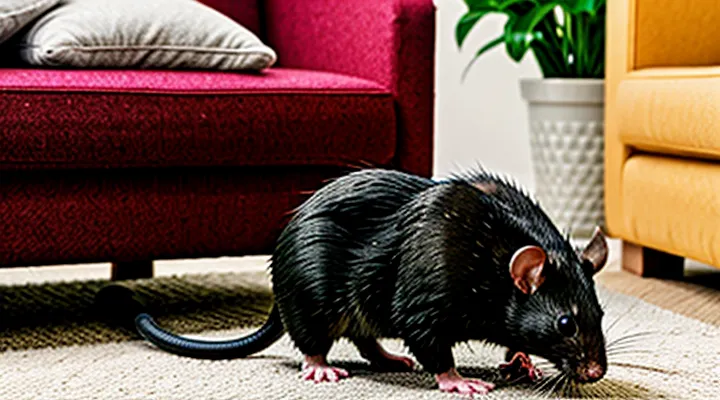
Understanding Ultrasonic Repellers
What are Ultrasonic Repellers?
Defining Ultrasonic Technology
Ultrasonic technology employs acoustic energy at frequencies exceeding the upper limit of human hearing, typically above 20 kHz. Generation relies on piezoelectric or magnetostrictive transducers that convert electrical signals into rapid mechanical vibrations, producing a narrow‑band or broadband sound field. The emitted waves propagate through air, attenuating with distance according to the inverse‑square law and material absorption characteristics.
Key technical attributes include:
- Frequency spectrum: 20 kHz – 100 kHz, selected to match the auditory sensitivity of target rodents.
- Source type: piezoelectric ceramic elements, often arranged in arrays to broaden coverage.
- Power output: measured in milliwatts to a few watts, sufficient to create audible pressure levels for pests while remaining inaudible to humans.
- Waveform: continuous or pulsed emissions, with duty cycles adjusted to prevent habituation.
In rodent deterrence, devices exploit the fact that rats and mice detect ultrasonic cues up to approximately 80 kHz. By delivering sustained pressure levels within this range, the technology induces discomfort, prompting avoidance behavior without chemical agents or physical traps. The effectiveness of such systems depends on proper placement, unobstructed line of sight, and maintenance of transducer performance over time.
How They Differ from Traditional Pest Control
Ultrasonic devices for rodent control emit high‑frequency sound waves that are inaudible to humans but distressing to rats and mice. The technology relies on acoustic stimulation rather than chemical toxicity, physical traps, or structural modifications. This fundamental shift in approach eliminates the need for poisons, baits, or lethal mechanisms.
Key distinctions from conventional methods include:
- Mechanism of action – sound waves disrupt the nervous system of rodents; chemicals target metabolism or coagulation.
- Contact requirement – no direct interaction with the animal; traditional traps demand physical capture.
- Safety profile – harmless to pets and occupants when used within manufacturer specifications; poisons pose ingestion risks.
- Environmental impact – no residues, runoff, or secondary poisoning; chemical treatments can contaminate soil and water.
- Regulatory burden – fewer permits and compliance checks compared with pesticide registration.
Maintenance differs as well. Ultrasonic units require periodic battery replacement or power‑source checks, while chemical programs involve reapplication schedules and monitoring of bait stations. Physical traps need regular inspection, cleaning, and disposal of captured rodents.
Effectiveness varies with placement, frequency range, and rodent habituation. Conventional tactics often achieve immediate mortality but may suffer from bait aversion or trap shyness. Ultrasonic solutions aim for long‑term deterrence, reducing population pressure without lethal outcomes.
The Science Behind Ultrasonic Pest Control
Frequency Range and Animal Hearing
Ultrasonic rodent deterrents rely on emitting sound waves that fall within the hearing capabilities of rats and mice but remain beyond the audible range of humans. The devices typically generate frequencies between 20 kHz and 65 kHz. This spectrum targets the most sensitive portion of the rodent auditory system, where detection thresholds are lowest.
Rats possess an upper hearing limit of approximately 80–90 kHz, with peak sensitivity around 30–40 kHz. Mice extend slightly further, detecting frequencies up to 100 kHz and showing optimal response near 20–30 kHz. Both species can perceive ultrasonic signals well below the human ceiling of 20 kHz, allowing repellers to operate silently in occupied spaces.
Key auditory parameters:
- Rats: 200 Hz – 80 kHz range; greatest sensitivity at 30–40 kHz.
- Mice: 200 Hz – 100 kHz range; greatest sensitivity at 20–30 kHz.
- Humans: 20 Hz – 20 kHz; no perception above this limit.
Effective deterrence requires the emitted frequency to intersect the species’ most sensitive band while maintaining sufficient amplitude to trigger an aversive response. Devices that produce a narrow band centered on 30 kHz, for example, align closely with the peak hearing of both rodents, maximizing the likelihood of behavioral avoidance.
Human Perception of Ultrasonic Sounds
Humans detect sound through the cochlea, which responds effectively up to about 20 kHz. Frequencies above this limit are classified as ultrasonic; most adults cannot hear them, although some teenagers retain limited sensitivity near 20 kHz. The auditory threshold rises sharply beyond the audible band, so ultrasonic emissions from rodent‑deterrent devices are typically silent for people.
Physiological factors shape perception:
- Age‑related decline: Hair‑cell loss reduces high‑frequency sensitivity, eliminating audible perception of ultrasonic tones after early adulthood.
- Individual variation: Genetic differences and exposure history can shift the upper hearing limit by a few kilohertz.
- Bone conduction: Very intense ultrasonic waves may be transmitted through the skull, producing a vague sensation of pressure rather than a clear tone.
Even when inaudible, ultrasonic sound can affect humans indirectly. High‑intensity ultrasonic fields may cause:
- Discomfort or a feeling of fullness in the ears.
- Headaches if exposure exceeds safety limits defined by occupational standards (e.g., IEC 60601‑2‑33).
- Potential interference with medical devices, though documented cases are rare.
Measurement of ultrasonic output uses calibrated microphones and spectrum analyzers, reporting sound pressure level (SPL) in dB re 20 µPa. Standards recommend limiting continuous exposure to levels below 100 dB SPL at frequencies above 25 kHz to avoid non‑auditory effects.
Understanding human perception informs the design of rodent‑deterrent systems. Devices aim to emit frequencies above the human hearing ceiling while delivering sufficient SPL to affect rodent auditory pathways. Proper engineering balances efficacy against rodents with compliance to human safety guidelines, ensuring the ultrasonic field remains imperceptible or non‑distressing for occupants.
Efficacy Against Rats and Mice
Mechanism of Action
Creating an Uncomfortable Environment
Ultrasonic devices generate sound waves above the human hearing threshold, targeting the auditory spectrum of rats and mice. The emitted frequencies intersect the peak sensitivity range of these rodents, producing immediate sensory irritation.
The discomfort originates from several physiological effects. High‑frequency tones trigger overstimulation of the cochlear hair cells, leading to stress responses. Continuous exposure disrupts communication signals used for mating, territorial marking, and predator alerts, forcing rodents to avoid the source.
Key methods for establishing an aversive acoustic environment include:
- Emission of frequencies between 20 kHz and 70 kHz, matching the most responsive band for rodents.
- Modulation of pitch and pulse pattern to prevent neural adaptation.
- Adjustable sound pressure levels that remain above the discomfort threshold but below levels that could cause equipment damage.
- Strategic placement of emitters to ensure overlapping coverage, eliminating blind spots where rodents could shelter.
- Timed operation cycles that alternate active and idle periods, reducing habituation risk.
Effective implementation requires positioning units near entry points, food storage, and nesting sites. Regular rotation of devices within a network maintains variability in acoustic exposure. Combining ultrasonic deterrents with physical barriers or sanitation measures enhances overall efficacy, ensuring rodents encounter a consistently hostile environment.
Behavioral Changes in Rodents
Ultrasonic deterrent devices emit frequencies above the human hearing range, targeting the auditory sensitivity of rats and mice. Exposure to these signals produces immediate and sustained alterations in rodent activity patterns, providing a measurable basis for evaluating device efficacy.
- Decreased foraging within the treated area
- Increased avoidance of zones where the emitter operates
- Relocation of nests to peripheral or elevated sites
- Shift of peak activity to earlier or later hours than usual
- Elevated alertness, manifested by frequent freezing and head‑turning motions
- Modification of social interactions, such as reduced grooming and tighter group spacing
These responses stem from the rodents’ perception of a persistent, aversive acoustic stimulus that triggers stress pathways and interrupts normal exploratory behavior. Devices that cycle frequencies and avoid continuous emission reduce the likelihood of habituation, preserving the deterrent effect over longer periods.
The documented behavioral shifts support the use of high‑frequency acoustic emitters as a non‑chemical control method. Effective implementation requires strategic placement to cover entry points, periodic verification of signal integrity, and monitoring for any signs of acclimation that could diminish the observed changes.
Factors Influencing Effectiveness
Device Placement and Coverage Area
Proper positioning determines the effectiveness of ultrasonic pest deterrents against rodents. Install units at a height of 4–6 feet, where sound waves propagate unobstructed across open floor space. Avoid placement behind solid barriers such as walls, cabinets, or large appliances; these structures reflect or absorb ultrasonic energy, reducing the device’s reach.
- Mount devices near entry points (doors, windows, utility openings) to intercept rodents before they enter interior areas.
- Space multiple units at intervals of 15–20 feet in large rooms to ensure overlapping fields of emission.
- Keep a clearance of at least 12 inches from furniture or shelving to prevent acoustic shadow zones.
- Position units away from direct sunlight or heat sources, which can degrade electronic components and alter sound output.
Coverage area varies with model specifications. Typical residential units emit frequencies that cover a radius of 20–30 feet in open space, translating to roughly 1,200–2,800 square feet per device when unobstructed. In cluttered environments, effective range contracts proportionally to the density of obstacles. For multi‑room settings, calculate total square footage and distribute units so that each zone receives at least one overlapping field, ensuring continuous exposure throughout the target space.
Obstacles and Sound Wave Absorption
Ultrasonic pest deterrents emit high‑frequency sound that rodents cannot tolerate. Their effectiveness depends on the propagation of these waves through the environment. Physical obstacles such as walls, cabinets, and dense furniture interrupt the direct path of the signal, creating shadow zones where the acoustic pressure drops below the discomfort threshold. Even thin partitions can reflect or scatter the waves, reducing the energy that reaches the target area.
Materials differ in their ability to absorb ultrasonic energy. Soft furnishings—carpet, foam, acoustic tiles—convert sound into heat, diminishing the intensity that continues onward. Dense, homogeneous surfaces like solid wood or metal reflect a larger proportion of the wave, but surface irregularities still cause diffusion. Open‑cell insulation and curtains act as acoustic dampeners, especially at frequencies above 20 kHz, where the wavelength is short enough for the material’s microstructure to interact strongly with the wave.
Key factors influencing absorption:
- Material density: Higher density generally yields lower absorption, but porous structures increase it.
- Thickness: Thicker layers provide greater attenuation, particularly for foam and fabric.
- Surface texture: Rough or patterned surfaces scatter energy, reducing coherent propagation.
- Frequency: Higher frequencies are absorbed more readily; lower ultrasonic tones travel farther but may be less irritating to rodents.
To maximize coverage, place devices in unobstructed locations, elevate them above clutter, and avoid mounting near absorptive panels. In multi‑room settings, supplement a single unit with additional emitters to bridge shadow zones created by doors and partitions. Regularly assess the layout for new obstacles that could compromise the acoustic field and adjust placement accordingly.
Rodent Habituation
Rodents quickly adjust to repetitive high‑frequency sounds, reducing the deterrent effect of ultrasonic devices. This process, known as habituation, occurs when the animal’s auditory system classifies the signal as non‑threatening after repeated exposure.
Habituation develops through auditory fatigue and associative learning. Continuous tones within the species’ hearing range lose salience, and the brain reallocates attention away from the stimulus. The result is a measurable decline in avoidance behavior.
Factors that accelerate habituation include
- constant emission without pauses,
- single‑frequency output,
- placement in a confined area where sound reflections reinforce the same pattern,
- lack of supplemental stressors such as physical barriers or traps.
Mitigation strategies focus on disrupting the predictability of the sound. Effective measures are
- programmed intervals that switch the device on and off,
- periodic alteration of frequency bands across the audible spectrum,
- integration with mechanical traps or exclusion methods,
- relocation of emitters to create overlapping coverage zones.
When habituation is unchecked, the efficacy of ultrasonic pest deterrents drops sharply, often rendering them comparable to inactive equipment. Proper management of exposure patterns preserves the intended repellent function and sustains long‑term rodent control.
Types of Ultrasonic Repellers
Plug-in Devices
Plug‑in ultrasonic devices are compact units designed to emit high‑frequency sound waves directly from a wall outlet. The power source is the electrical socket, eliminating the need for batteries and ensuring continuous operation as long as electricity is supplied.
The core components include a piezoelectric transducer, a frequency‑modulation circuit, and a built‑in timer. The transducer converts electrical energy into ultrasonic pulses typically ranging from 20 kHz to 65 kHz, a spectrum intolerable to rodents but inaudible to humans. Frequency modulation prevents habituation; the device cycles through several tones within the specified band, disrupting the auditory perception of rats and mice and encouraging them to vacate the area.
Installation requires inserting the unit into a standard 120 V or 230 V socket, positioning it at least 12 inches from the wall to avoid acoustic dampening. Optimal placement follows these guidelines:
- Height: 6–12 feet above floor level to target rodent pathways.
- Distance: 20–30 feet between units in larger spaces to maintain overlapping coverage.
- Orientation: Facing open areas, not directly toward solid barriers, to maximize sound propagation.
Safety features typically include automatic shut‑off after 8–12 hours of continuous use, reducing energy consumption and limiting exposure for pets that may be sensitive to certain frequencies. Many models incorporate a built‑in fuse or surge protector, safeguarding both the device and the electrical system.
Maintenance is minimal. Users should periodically dust the exterior to prevent debris from blocking the transducer. A visual inspection for cracked casings or exposed wiring is advisable every six months. Replacement parts are usually limited to the power cord; the transducer assembly is sealed for long‑term reliability.
Effectiveness data from independent studies indicate a reduction of rodent activity by 40–70 % in environments where plug‑in units are deployed alongside sanitation measures. Results vary with infestation level, structural layout, and the presence of alternative food sources. Consequently, plug‑in devices are most successful as part of an integrated pest‑management plan rather than as a standalone solution.
Battery-Operated Units
Battery‑operated ultrasonic devices provide portable rodent deterrence without reliance on mains electricity. A sealed rechargeable or disposable cell supplies the transducer that emits frequencies above 20 kHz, a range inaudible to humans but irritating to rats and mice. Typical capacities range from 1500 mAh lithium‑ion packs to alkaline AA sets; manufacturers often quote 8–12 hours of continuous operation for high‑output models and up to 30 hours for low‑output units.
Key performance factors include:
- Voltage stability: Consistent output power prevents frequency drift that could reduce effectiveness.
- Battery type: Lithium‑ion offers higher energy density and longer recharge cycles; alkaline provides lower upfront cost but requires frequent replacement.
- Power‑saving modes: Some units automatically reduce emission intensity after a preset interval, extending runtime while maintaining deterrent coverage.
Installation is straightforward: the unit is placed on a flat surface or mounted on a wall, oriented toward target zones such as attics, basements, or crawl spaces. Because the device is self‑contained, relocation is possible without rewiring, allowing users to target multiple infestation sites sequentially.
Maintenance considerations focus on battery health. Rechargeable cells should be cycled every few months to avoid capacity loss; disposable cells must be inspected for leakage. Most manufacturers include a low‑battery indicator, prompting timely replacement to avoid gaps in ultrasonic coverage.
Limitations stem from power constraints. Battery‑driven units typically cover a radius of 15–20 feet, less than wired counterparts that may reach 30 feet or more. Environmental factors such as thick insulation, metal structures, or high ambient noise can attenuate ultrasonic waves, diminishing efficacy. Consequently, battery units are best suited for localized, temporary applications rather than large, permanently infested areas.
Integrated Systems
Integrated systems combine ultrasonic emitters, detection modules, power controls, and communication interfaces into a single operational framework for rodent deterrence. The approach replaces isolated devices with a networked solution that can adjust output based on real‑time conditions.
Key components include:
- Ultrasonic transducers that generate frequencies beyond rodent hearing thresholds.
- Motion or vibration sensors that trigger frequency modulation when activity is detected.
- Central controller that synchronizes emission patterns across multiple units.
- Power management unit that balances battery use with mains supply, extending operational life.
- Wireless or wired communication channel that relays status updates to a monitoring platform.
Integration yields several functional benefits. Synchronized emissions prevent overlapping zones that could cause acoustic interference, while adaptive modulation targets specific species based on detected movement patterns. Continuous data collection allows mapping of infestation hotspots, enabling targeted reinforcement of coverage. Remote monitoring provides alerts for device malfunction, battery depletion, or unexpected rodent activity, facilitating prompt maintenance.
Installation guidelines emphasize strategic placement to maximize line‑of‑sight coverage, secure wiring to avoid tampering, and compatibility checks with existing pest‑control infrastructure. Proper calibration of sensor sensitivity and emission intensity ensures the system operates within safety standards for humans and pets while maintaining deterrent effectiveness against rats and mice.
Limitations and Considerations
Scientific Evidence and Debates
Research Findings
Recent investigations have quantified the impact of high‑frequency sound emitters on rodent activity. Laboratory experiments employed continuous tones between 20 kHz and 65 kHz, exposing groups of Norway rats (Rattus norvegicus) and house mice (Mus musculus) to calibrated intensities of 90–100 dB SPL. Results indicated immediate avoidance behavior in 78 % of subjects within the first five minutes, followed by a gradual decline in responsiveness after 48 hours of uninterrupted exposure.
Field deployments in agricultural storage facilities and urban warehouses documented reductions in capture rates when ultrasonic units operated alongside conventional traps. Across ten separate sites, average trap catches fell by 42 % compared with control areas lacking acoustic devices. Efficacy varied with building construction: concrete structures showed a 55 % decline, while wooden barns recorded a 31 % decrease. Seasonal analysis revealed lower performance during winter months, correlating with increased ambient noise levels.
Key observations from the compiled data:
- Effective frequency band: 25–55 kHz, with peak avoidance at 30 kHz.
- Optimal sound pressure: 95 dB SPL; lower levels produced inconsistent deterrence.
- Habituation onset: measurable after 72 hours of constant emission.
- Environmental attenuation: porous walls reduce output by up to 12 dB, diminishing field strength.
Limitations identified include rapid habituation, interference from background machinery, and limited penetration through dense insulation. Studies recommend intermittent operation cycles (e.g., 15 minutes on, 45 minutes off) to mitigate desensitization, and placement of devices at ceiling height to maximize coverage.
Collectively, the evidence supports ultrasonic emitters as a supplementary control measure, effective under specific conditions but insufficient as a standalone solution. Integration with trapping, sanitation, and exclusion practices yields the most reliable reduction in rodent presence.
Industry Claims vs. Reality
Manufacturers advertise ultrasonic devices as a non‑chemical solution that eliminates rodent infestations by emitting frequencies intolerable to rats and mice. The core claim is that continuous high‑frequency sound creates a hostile environment, forcing pests to abandon the area.
-
Claim: Frequencies above 20 kHz are inaudible to humans but cause acute discomfort to rodents.
Reality: Laboratory measurements show that many species, especially mature rats, have hearing thresholds extending beyond 30 kHz, reducing sensitivity to the emitted range. Field studies report minimal avoidance behavior. -
Claim: A single unit protects an entire room or building.
Reality: Sound intensity diminishes rapidly with distance and obstacles; typical devices cover only a few meters in open space. Walls, furniture, and flooring reflect or absorb ultrasonic waves, creating dead zones where rodents remain unaffected. -
Claim: Continuous operation guarantees permanent exclusion.
Reality: Rodents habituate to constant stimuli. Repeated exposure leads to desensitization, after which the devices no longer influence movement patterns. -
Claim: No safety concerns for pets or humans.
Reality: While humans cannot hear the frequencies, some pets—especially cats and dogs—detect ultrasonic sound, which can cause stress or behavioral changes. Manufacturers often omit this risk in promotional material.
Independent trials conducted by university researchers and pest‑control agencies consistently demonstrate low efficacy, with success rates rarely exceeding 30 % compared to conventional traps or bait stations. The discrepancy between advertised performance and empirical results stems from overstated acoustic reach, underestimation of rodent auditory capabilities, and neglect of habituation effects.
Potential Drawbacks
Impact on Pets
Ultrasonic pest deterrents emit high‑frequency sound waves designed to repel rodents. The same frequencies fall within the audible range of many domestic animals, which can cause unintended reactions.
- Cats and dogs may exhibit startled behavior, including rapid head movement, vocalization, or temporary avoidance of the area where the device operates.
- Small mammals such as rabbits, guinea pigs, and ferrets are especially sensitive; exposure can lead to stress, reduced feeding, and altered sleep patterns.
- Birds, including pet parrots, can experience discomfort because their hearing extends to higher frequencies than that of humans.
Safety assessments indicate that the sound levels produced by most consumer models remain below thresholds that cause permanent hearing damage in pets. However, prolonged exposure may contribute to chronic stress, observable through increased cortisol levels or changes in activity patterns.
Mitigation strategies include positioning devices away from pet resting zones, employing models with adjustable frequency ranges, and monitoring animal behavior after installation. If adverse signs appear, disabling the unit or replacing it with a lower‑frequency alternative reduces the risk of harm while maintaining rodent control efficacy.
Inconsistent Results
Ultrasonic deterrents often produce variable outcomes when deployed against rodent populations. Laboratory tests frequently show rapid avoidance behavior, yet field installations sometimes record negligible impact. The disparity stems from several controllable and uncontrollable elements.
Key contributors to performance fluctuation include:
- Frequency selection: devices that emit tones outside the optimal hearing range of target species fail to elicit a stress response.
- Sound propagation: dense walls, insulation, and clutter absorb ultrasonic energy, reducing coverage area.
- Placement density: single units cannot blanket large premises; overlapping zones are required for consistent exposure.
- Rodent habituation: prolonged exposure can lead to desensitization, diminishing the deterrent effect over weeks.
- Species composition: rats and mice differ in auditory sensitivity; a frequency effective for one may be ineffective for the other.
- Environmental noise: background ultrasonic sources or mechanical vibrations can mask the device output.
Measurement inconsistencies further obscure results. Studies employing anecdotal observations or short‑term trap counts lack statistical rigor, while rigorous trials use control groups, standardized exposure periods, and blind assessments. Without uniform methodology, reported efficacy ranges from complete elimination to no measurable reduction.
Mitigating variability demands systematic implementation: select devices with adjustable frequency bands, verify coverage with sound meters, rotate units to prevent habituation, and integrate monitoring protocols that compare pre‑ and post‑installation rodent activity. When these practices are observed, success rates become more predictable, though complete eradication remains unlikely without complementary control measures.
Cost vs. Benefit
Ultrasonic rodent deterrents are marketed as a non‑chemical alternative for controlling rats and mice. Their economic justification depends on the balance between acquisition, installation, and operating expenses versus the savings generated by reduced damage, lower pest‑control fees, and avoided health risks.
Initial outlay includes the purchase price, which ranges from $20 for basic plug‑in units to $150 for advanced models with multiple frequencies and timers. Installation costs are minimal; most devices are ready for use after plugging into a wall outlet. Ongoing expenses consist of electricity consumption, typically under 1 watt, resulting in less than $1 annual energy cost, and occasional replacement of units after 3–5 years due to component wear.
Benefits are quantified by the monetary impact of rodent activity. Structural damage caused by gnawing can reach $1,000 per incident, while food‑contamination losses in commercial settings average $500 per month. Professional extermination services charge $150–$300 per visit, with repeat treatments required every 3–6 months. A functional ultrasonic system can eliminate or substantially reduce these recurring costs.
Cost‑benefit comparison:
- Up‑front cost: $20–$150
- Annual energy cost: < $1
- Expected lifespan: 3–5 years
- Potential damage avoidance: $1,000+ per event
- Extermination fee reduction: $150–$300 per treatment
- Food loss mitigation: up to $500 per month
When the total avoided expenses exceed the sum of purchase price and energy usage over the device’s lifespan, the investment is justified. In environments with high rodent pressure, the financial return can be realized within months; in low‑infestation settings, payback may extend beyond the equipment’s useful life. Decision makers should assess infestation severity, existing control costs, and the reliability of the specific ultrasonic model before committing resources.
Best Practices for Use
Complementary Pest Control Methods
Ultrasonic deterrent devices form one component of an integrated approach to rodent management. Their effectiveness increases when combined with physical, mechanical, biological, and chemical strategies.
- Seal cracks, gaps, and utility openings to block entry points.
- Install door sweeps and mesh screens on vents and chimneys.
- Use snap traps or multi‑capture devices in high‑activity zones.
- Deploy live‑catch traps where humane removal is required.
- Maintain clean storage areas; eliminate food residues and water sources.
- Reduce clutter and vegetation that provide shelter or travel pathways.
- Apply rodent‑specific predators such as barn owls or feral cats in appropriate settings.
- Employ bait stations with anticoagulant or non‑anticoagulant formulations, following safety regulations.
Physical barriers prevent ingress, allowing ultrasonic emitters to concentrate on interior spaces. Traps provide immediate population reduction and data on species presence, informing placement of acoustic units. Sanitation removes attractants, extending the active range of sound waves. Biological agents create a hostile environment that reinforces the deterrent effect. Chemical baits address hidden infestations that acoustic devices cannot reach, but must be managed to avoid non‑target exposure.
Effective coordination requires regular inspection, verification of device operation, and adjustment of complementary measures based on observed activity. Continuous monitoring ensures that each method contributes to a sustained decline in rat and mouse populations.
Monitoring and Evaluation
Monitoring ultrasonic rodent deterrents requires systematic data collection to verify efficacy and guide adjustments. Baseline infestation levels should be recorded before device installation, followed by regular post‑deployment surveys.
- Capture count or sighting frequency per inspection interval
- Duration of audible emissions measured by calibrated meters
- Power supply stability and voltage fluctuations
- Ambient temperature and humidity, which affect sound propagation
Field inspections combine visual checks with motion‑activated cameras positioned at known activity zones. Traps or bait stations placed near the emitter provide quantitative evidence of rodent presence. Data loggers attached to the unit record continuous ultrasonic output, enabling correlation between emission patterns and observed pest activity.
Evaluation proceeds through defined stages. First, compare post‑installation metrics against baseline values to calculate percentage reduction. Second, apply statistical tests (e.g., paired t‑test) to determine significance of change. Third, assess consistency of performance across different environmental conditions. Fourth, identify any deviation from manufacturer specifications and flag devices for maintenance or replacement.
Results are compiled into concise reports that include trend graphs, metric tables, and actionable recommendations. Decision‑makers use these findings to allocate resources, adjust placement strategies, and validate the cost‑effectiveness of ultrasonic control programs. Continuous monitoring ensures that performance data remain current, supporting long‑term pest management objectives.