
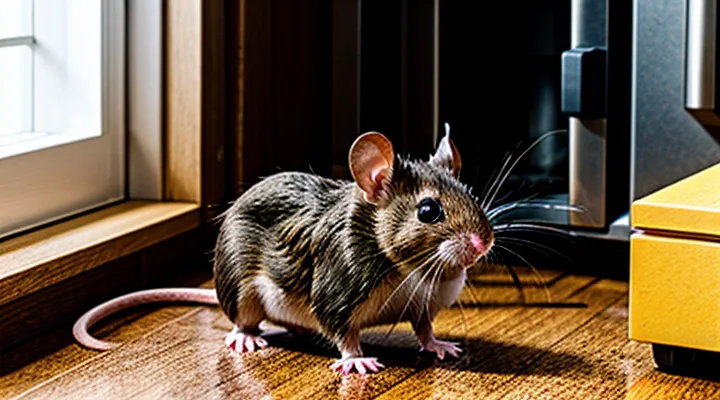
The Unseen Threat: Understanding Mouse Behavior
Why Mice Invade Homes
Seeking Shelter and Warmth
Mice constantly search for protected spaces that retain heat, especially during colder months. They exploit gaps behind appliances, insulation gaps, and cluttered storage areas where temperature remains stable. Access to such micro‑habitats reduces the energy needed for thermoregulation, allowing rodents to conserve resources and increase survival odds.
Eliminating these refuges deprives mice of essential warmth, forcing them to expose themselves to unfavorable conditions and increasing the likelihood of detection. Folk practices that target shelter and heat focus on denying entry points, removing potential nesting materials, and disrupting ambient temperature gradients within the dwelling.
- Seal cracks and holes larger than ¼ inch with steel wool, caulk, or expanding foam.
- Install door sweeps and weatherstripping to block gaps under entryways.
- Clear attic and basement insulation of debris, storing items in sealed containers.
- Reduce indoor clutter; keep piles of paper, fabric, or cardboard away from walls.
- Place natural deterrents such as dried peppermint leaves or crushed chili in suspected nesting zones; the strong scent and irritant properties discourage settlement.
- Maintain consistent indoor temperature; avoid localized heating sources that create warm pockets near walls or baseboards.
By systematically removing shelter opportunities and limiting warm micro‑environments, traditional household measures effectively reduce mouse presence without reliance on chemical agents.
Food Sources and Availability
Food left accessible in kitchens, pantries, and storage areas creates a reliable attractant for house mice. When grains, cereal, pet feed, or fruit are stored in open containers, mice can locate the scent from considerable distances, establishing a foraging route that persists as long as the resource remains. The presence of crumbs on countertops or the occasional spill on the floor provides opportunistic feeding points, encouraging repeated visits and breeding activity. Reducing the quantity and visibility of edible material directly diminishes the incentive for rodents to enter a dwelling.
- Store dry goods in airtight, metal or heavy‑plastic containers; seal lids tightly after each use.
- Keep countertops clear; wipe surfaces immediately after meals, removing crumbs and residue.
- Place pet food in sealed feeders; remove uneaten portions after each feeding.
- Dispose of garbage in containers with secure lids; empty bins regularly to prevent odor buildup.
- Clean pantry shelves periodically with a damp cloth to eliminate lingering food particles.
These practices, rooted in long‑standing household wisdom, limit the nutritional support that sustains mouse populations, making the environment less appealing and increasing the effectiveness of traditional deterrents.
Traditional Wisdom: Folk Remedies Against Mice
Repellents from the Garden and Pantry
Herbs and Spices
Herbs and spices have long served as natural deterrents against house mice. Their strong aromas interfere with the rodents’ keen sense of smell, creating an environment mice avoid.
Common options include:
- Peppermint oil – concentrated scent overwhelms mouse olfactory receptors; apply a few drops on cotton balls and place them in corners, behind appliances, and near entry points.
- Clove – the pungent, spicy fragrance repels rodents; crush whole cloves and scatter them in cabinets, pantry shelves, and under sinks.
- Cinnamon – warm, sweet odor discourages mice; sprinkle ground cinnamon on countertops, inside drawers, and along baseboards.
- Garlic – strong sulfur compounds act as a repellent; crush cloves and distribute the pieces in storage areas, or prepare a diluted solution for spray application.
- Bay leaves – aromatic leaves create an unpleasant scent when crushed; tuck whole leaves into pantry containers, cereal boxes, and grain bins.
- Eucalyptus – oil emits a sharp, mentholated smell that mice find hostile; soak cotton pads in eucalyptus oil and position them where activity is observed.
Effective deployment follows a simple protocol: identify locations where mice travel or nest, place the chosen herb or spice in a sealed container or on an absorbent medium, and replace items regularly—approximately every two weeks—to maintain potency. Avoid direct contact with food surfaces; use barriers such as parchment paper or glass jars to prevent contamination.
Safety considerations are straightforward. Most herbs and spices are non‑toxic to humans and pets when used in small quantities, but essential oils should be kept out of reach of children and animals, as concentrated forms can cause irritation. Ensure adequate ventilation when applying oils to prevent respiratory discomfort.
Integrating these botanical agents with other folk practices—such as sealing cracks, maintaining clean storage, and eliminating water sources—creates a multi‑layered defense that reduces mouse presence without reliance on chemical poisons.
Essential Oils and Aromatic Plants
Essential oils and aromatic plants have long been employed as natural deterrents against house rodents. Their volatile compounds interfere with the olfactory receptors that mice rely on for navigation, feeding, and nesting, prompting avoidance of treated areas.
Commonly cited agents include:
- Peppermint oil – high concentration of menthol disrupts scent trails.
- Eucalyptus oil – rich in eucalyptol, creates an environment perceived as hostile.
- Clove oil – eugenol exerts a strong, irritating aroma.
- Citronella – citronellal masks food odors and repels rodents.
- Lavender – linalool produces a scent that mice find unpleasant.
Application methods vary according to the plant material and the target location. For oils, a few drops diluted in water can be sprayed onto baseboards, entry points, and pantry shelves; cotton balls soaked in undiluted oil may be placed in concealed corners and replaced weekly. Dried herbs such as rosemary, thyme, or bay leaves can be tucked into fabric sachets and positioned near potential nesting sites. When using fresh plant material, crushing leaves releases essential oils directly onto surfaces.
Effectiveness depends on concentration, frequency of reapplication, and environmental factors such as ventilation. Oils degrade quickly; re‑treating every 3–5 days maintains a persistent scent barrier. Over‑saturation can attract insects or cause irritation to humans and pets, so precise dosing is essential.
Safety considerations include testing a small area for surface damage, avoiding direct contact with skin, and keeping treated items out of reach of children and animals. Some oils, notably clove and eucalyptus, may cause respiratory irritation in sensitive individuals; protective gloves and masks are advisable during handling.
Integrating essential oils with other traditional measures—such as sealing cracks, removing food sources, and deploying traps—creates a comprehensive, low‑toxicity strategy for discouraging mice from inhabiting residential spaces.
Physical Barriers and Deterrents
Strategic Placement of Objects
Strategic placement of deterrent objects forms a core component of traditional rodent control within households. Positioning items that emit strong odors, generate vibrations, or obstruct travel routes reduces mouse activity by exploiting their natural aversions.
- Place dried lavender bundles or sachets near pantry doorframes, under sink cabinets, and along baseboard seams; the scent interferes with mice’s olfactory tracking.
- Install small metal plates or copper strips across gaps beneath appliances; the metallic surface creates an uncomfortable texture that rodents avoid.
- Hang lightweight wind chimes or rattling ornaments from ceiling joists in attic corners and storage closets; intermittent noise triggers a startle response.
- Arrange tightly packed cedar chips or shavings in wall voids, behind radiators, and inside crawl spaces; the resinous aroma repels mice while filling potential nesting sites.
- Position rolled newspaper or fabric tubes at entry points to utility conduits; the dense material blocks passage and discourages exploration.
Consistent application of these placements creates a layered defense that limits access, discourages foraging, and prevents colonization. The method requires periodic inspection and repositioning to maintain effectiveness as mice adapt to static configurations.
Sound-Based Methods
Mice respond sharply to specific acoustic stimuli, making sound-based deterrents a practical component of household rodent control. Devices that emit frequencies beyond human hearing exploit the heightened auditory sensitivity of rodents, creating an uncomfortable environment that discourages nesting and foraging.
- Ultrasonic emitters generate continuous or intermittent tones between 20 kHz and 65 kHz, targeting the frequency range most irritating to mice.
- Recorded predator vocalizations, such as owl hoots or cat meows, simulate natural threats and trigger avoidance behavior.
- Broadband white‑noise generators raise ambient sound levels, masking the subtle noises mice use to communicate and locate food sources.
Effective deployment requires strategic placement near entry points, pantry shelves, and concealed nesting zones. Devices should operate for several hours each night, aligning with peak rodent activity. Regular battery replacement or power‑source checks prevent lapses in coverage. Users must verify that the equipment complies with local safety standards to avoid interference with pets or electronic appliances.
Limitations include reduced efficacy in cluttered spaces where sound is absorbed, and the potential for habituation if the same frequency is used continuously. Rotating frequencies or combining acoustic methods with physical barriers enhances long‑term success.
The Science Behind the Superstition: Efficacy and Limitations
Evaluating Traditional Methods
Anecdotal Evidence vs. Scientific Proof
Home mouse deterrents often rely on stories passed down through generations. Residents report that placing peppermint oil-soaked cotton, scattering dried chilies, or hanging small bells near entry points reduces rodent activity. These accounts lack systematic verification, making them anecdotal.
Controlled experiments have measured mouse responses to specific stimuli. Laboratory tests show that concentrated peppermint oil can trigger avoidance behavior, but the effect diminishes after repeated exposure. Ultrasonic devices produce frequencies above human hearing; trials indicate a short‑term startle response, yet rodents habituate within days, rendering the devices ineffective for long periods. Physical barriers such as steel wool or copper mesh consistently prevent passage, a result confirmed by both field observations and engineering analyses.
The contrast between folk claims and empirical data can be summarized:
- Peppermint oil – anecdotal success; scientific studies confirm temporary aversion.
- Ultrasonic emitters – widely endorsed in folklore; research demonstrates rapid habituation.
- Noise makers (bells, rattles) – traditional belief in constant disturbance; measurements show limited impact on nocturnal rodents.
- Spice powders (cayenne, cloves) – common household remedy; laboratory assays reveal mild irritant effect, insufficient for sustained exclusion.
- Physical sealing – universally advised; proven to block entry when installed correctly.
Reliance on untested practices may lead to false security. Evidence‑based strategies prioritize sealing gaps, maintaining cleanliness, and using proven repellents in conjunction with structural measures. Combining scientifically validated methods with careful observation of household conditions yields the most reliable reduction in mouse presence.
Safety Concerns and Best Practices
Mice are sensitive to strong odors, sounds, and sudden movements, which folk traditions exploit through natural repellents and homemade devices. While these methods can reduce rodent activity, they also introduce safety issues that require careful management.
Safety concerns include:
- Toxicity of essential oils or plant extracts when applied in concentrated form; inhalation or skin contact may irritate occupants, especially children and pets.
- Fire hazards from candles, incense, or heated oil lamps used as deterrents; unattended flames can ignite nearby materials.
- Mechanical injury from improvised traps built with wire, string, or household tools; sharp edges or tensioned components pose a risk of cuts or bruises.
- Structural damage caused by sealing cracks with brittle materials that crack under pressure, creating new entry points or weakening walls.
Best practices for implementing traditional mouse deterrents safely:
- Choose non‑toxic substances such as diluted vinegar, citrus peels, or dried herbs; apply in well‑ventilated areas and keep concentrations below irritation thresholds.
- Replace open flames with passive devices like sachets of dried lavender or peppermint, stored in sealed containers to limit exposure.
- Construct traps using smooth, rounded edges; test tension before placement and position traps out of reach of children and pets.
- Inspect the building envelope regularly; seal gaps with flexible caulk or steel wool backed by sealant, ensuring material compatibility with surrounding structures.
- Document each deterrent’s location and maintenance schedule; replace or refresh repellents according to manufacturer or tradition guidelines.
- Combine folk methods with integrated pest‑management principles: maintain cleanliness, eliminate food sources, and monitor activity levels to assess effectiveness.
Adhering to these guidelines minimizes health risks while preserving the cultural efficacy of traditional mouse‑repelling practices.
When Folk Methods Fall Short
Recognizing Persistent Infestations
Mice populations that remain active despite basic deterrents reveal themselves through specific, repeatable patterns. Recurrent droppings in corners, along walls, or near food storage indicate ongoing activity; each pellet measures about 3‑5 mm and appears in clusters. Gnaw marks on wiring, furniture, or structural timber that reappear after repair signal a persistent presence. Persistent odors of urine, especially in concealed spaces such as crawl spaces or attic insulation, confirm continuous habitation.
Observing movement paths provides additional evidence. Smear marks or oily trails on baseboards and behind appliances trace established runways. Repeated sightings of live mice, even after traps have been set, demonstrate that the colony has adapted to conventional devices.
When these indicators appear frequently over several weeks, the infestation has likely become entrenched. Effective response requires a systematic assessment:
- Document droppings, gnaw sites, and sightings with dates.
- Inspect hidden areas (behind appliances, under sinks, within wall voids).
- Evaluate the integrity of existing barriers and traps.
Recognizing these signs early prevents escalation, allowing targeted folk protection methods to be applied before the problem spreads further.
Integrating Modern Solutions
Modern homeowners can supplement age‑old deterrents with technology that targets mouse behavior without compromising safety. Electronic emitters generate ultrasonic frequencies that rodents find uncomfortable; placement near walls, cabinets, and entry points maximizes coverage. Smart traps equipped with motion sensors record capture events and transmit data to mobile applications, allowing owners to monitor activity in real time and adjust placement promptly.
Sealing structural gaps remains essential, yet contemporary materials—such as expandable polyurethane foam and self‑adhesive steel mesh—provide faster, more durable barriers than conventional caulking. Infrared motion detectors linked to automated lighting systems create intermittent illumination that disrupts nocturnal foraging patterns, discouraging incursions without altering household ambiance.
Integrating these tools with traditional practices yields a layered defense:
- Ultrasonic emitters installed alongside aromatic herbs (e.g., peppermint, cloves) to reinforce auditory and olfactory deterrence.
- Smart traps positioned near conventional snap devices, enabling rapid identification of high‑traffic zones.
- Digital monitoring dashboards that log sightings, correlate them with weather or seasonal data, and suggest targeted sealing actions.
- Automated ventilation controls that reduce humidity levels, complementing the drying effect of traditional desiccants.
Adopting a systematic approach—combining real‑time data, durable sealing products, and sensory deterrents—enhances the effectiveness of long‑standing folk methods while minimizing reliance on chemical poisons. The result is a resilient, low‑maintenance strategy that aligns contemporary convenience with proven household wisdom.