
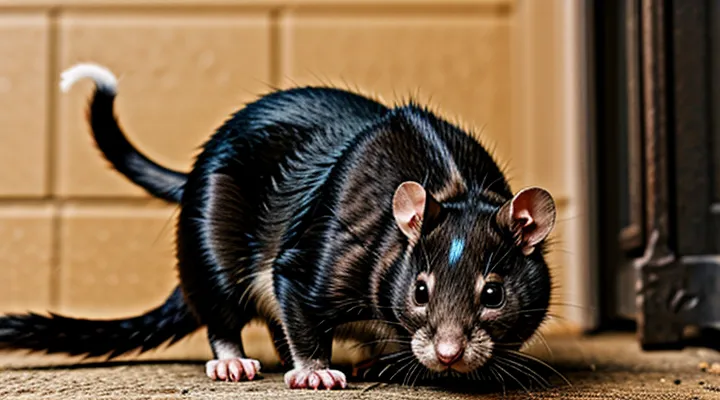
Understanding Rabies
What is Rabies?
Viral Agent
The rabies virus, a single‑stranded RNA pathogen of the Rhabdoviridae family, is the etiological agent responsible for the fatal encephalitic disease observed in mammals, including domesticated rats kept for exhibition or companionship. Transmission occurs through saliva introduced via bites, scratches, or mucosal contact with infected tissue. In fancy rats, the virus can persist in the central nervous system for weeks before clinical signs emerge, making early detection challenging.
Key virological features relevant to rat husbandry:
- Enveloped virion with a characteristic bullet shape, facilitating entry into neuronal cells.
- Glycoprotein G mediates attachment to nicotinic acetylcholine receptors, enabling retrograde axonal transport to the brain.
- Replication confined to neuronal tissue; peripheral replication is minimal, reducing environmental shedding.
- Incubation period ranges from 2 weeks to several months, dependent on inoculation site and viral load.
Preventive measures focus on interrupting exposure pathways and maintaining immunological barriers:
- Prohibit contact between rats and wildlife known to harbor rabies, such as bats, raccoons, and foxes.
- Implement strict quarantine for newly acquired animals; observe for neurological abnormalities for at least 30 days.
- Ensure all personnel handling rats are vaccinated against rabies; maintain up‑to‑date immunization records.
- Employ barrier housing with sealed enclosures to eliminate accidental bites from stray animals.
- Conduct regular health assessments by a veterinarian experienced with exotic rodents; request diagnostic testing (e.g., PCR of saliva or brain tissue) if suspicion arises.
Understanding the viral agent’s biology and transmission dynamics informs effective risk mitigation, safeguarding both the animal population and public health.
Transmission Routes
Rabies spreads among domesticated rats primarily through direct exposure to infected saliva, neural tissue, or brain material. The virus cannot persist in the environment without a host, making contact with a contagious animal the central hazard.
- Bite wounds that introduce saliva from a rabid animal into the rat’s tissue.
- Scratch injuries contaminated with infected saliva.
- Inoculation through mucous membranes when a rat contacts saliva or brain debris, for example during grooming or aggressive encounters.
- Ingestion of contaminated material, such as brain tissue from a dead rabid animal, although this route is rare in controlled settings.
Preventive measures focus on eliminating these exposure pathways: maintain strict separation from wildlife, enforce quarantine for new rats, and ensure all animals in the household are vaccinated according to veterinary guidelines. Continuous monitoring for bite or scratch incidents allows rapid response, reducing the likelihood of viral transmission.
Rabies in Rodents
General Susceptibility
Fancy rats exhibit a baseline susceptibility to rabies comparable to other small mammals, though the overall incidence remains low. The virus can infect rats through bites from rabid wildlife, contaminated saliva, or exposure to infected tissue. Species‑specific factors—such as limited expression of neuronal receptors that facilitate viral entry—reduce the likelihood of successful infection, yet do not eliminate risk entirely.
Key determinants of susceptibility include:
- Exposure intensity: Direct contact with a rabid animal or its bodily fluids increases infection probability.
- Immune status: Rats with compromised immunity, due to stress, disease, or poor nutrition, show higher vulnerability.
- Age and health: Juvenile or geriatric individuals, and those with respiratory or systemic ailments, are more prone to viral replication.
- Environmental conditions: Overcrowded housing, inadequate sanitation, and lack of vector control elevate exposure opportunities.
Understanding these variables allows owners and veterinarians to assess risk accurately and implement targeted preventive measures.
Specifics for Rats
Rats can contract rabies through bites or scratches from infected carnivores, primarily wild foxes, raccoons, or feral cats. The virus enters the nervous system and progresses rapidly, making early detection critical for pet rodents.
Typical signs in affected rats include sudden aggression, excessive salivation, paralysis of the hind limbs, and loss of coordination. These symptoms develop within days of exposure and often culminate in death.
Effective control relies on strict management practices:
- Keep rats in indoor enclosures that prevent contact with wildlife.
- Implement a quarantine period of at least 30 days for new arrivals.
- Ensure all caretakers practice hand hygiene and wear gloves when handling animals.
- Maintain up‑to‑date vaccinations for domestic dogs and cats that share the household.
- Regularly inspect cages for signs of injury or illness and isolate any compromised individuals immediately.
If a rat shows possible rabies exposure, consult a veterinarian without delay. The professional will assess clinical signs, consider post‑exposure prophylaxis for the animal, and report the case to local health authorities to prevent further spread.
Rabies Risks for Fancy Rats
Wild Animal Interactions
Outdoor Exposure
Outdoor exposure places fancy rats in direct contact with wildlife that can carry the rabies virus. When rats roam or are housed in unenclosed gardens, they may encounter bats, raccoons, foxes, or stray dogs, all of which are recognized reservoirs for the disease. Even brief encounters, such as a bite or a scratch, can introduce the virus into a rat’s nervous system, leading to rapid disease progression and high mortality.
Key risk factors associated with outdoor environments include:
- Lack of physical barriers that prevent entry of wild mammals.
- Presence of standing water or food sources that attract rabies‑susceptible species.
- Seasonal spikes in wildlife activity, especially during dusk and night hours.
- Inadequate supervision, allowing rats to wander beyond the protected area.
Effective prevention relies on eliminating or minimizing these hazards. Recommended measures are:
- Install secure, mesh‑covered enclosures that deny access to predators and stray animals.
- Remove food scraps and water sources that could draw wildlife into the vicinity.
- Conduct regular health checks for signs of bite wounds or neurological changes.
- Maintain a vaccination program for rats where licensed vaccines are available, following veterinary guidance.
- Schedule outdoor activities during daylight when rabies‑carrying mammals are less active, and supervise rats at all times.
Implementing these controls reduces the probability of rabies transmission and safeguards the health of pet rats kept for exhibition or companionship.
Indoor Vector Introduction
Indoor vector introduction refers to the accidental entry of organisms capable of transmitting rabies‑related pathogens into a domestic environment where ornamental rats are housed. Common pathways include open windows, unsecured doors, and ventilation systems that allow wildlife such as bats, stray cats, or feral dogs to access the interior. In addition, ectoparasites carried by these animals—fleas, ticks, and mites—can survive briefly on surfaces and become secondary carriers.
The presence of such vectors creates direct exposure risks for pet rats. Bats are recognized reservoirs of rabies virus; contact with bat saliva, urine, or feces can contaminate cages, feeding equipment, or bedding. Stray mammals that have encountered rabies‑infected wildlife may shed virus in oral secretions, posing a threat during brief encounters. Ectoparasites may transfer viral particles mechanically, extending the window of infection beyond the initial animal contact.
Effective control measures focus on exclusion, monitoring, and sanitation:
- Install fine mesh screens on all openings; seal gaps around doors and vents.
- Use pet‑safe traps or deterrents to prevent entry of stray mammals.
- Conduct regular visual inspections for signs of bats or other wildlife in attics and crawl spaces.
- Maintain a strict cleaning schedule: disinfect cages, feeding bowls, and surrounding surfaces with a 10 % bleach solution after any suspected exposure.
- Apply veterinarian‑approved ectoparasite preventatives to the rats and surrounding environment.
By limiting vector access and implementing rigorous hygiene protocols, caretakers reduce the probability of rabies transmission to indoor ornamental rats and safeguard both animal and human health.
Misconceptions and Realities
Low Incidence
Rabies cases among domesticated fancy rats are exceptionally rare. Surveillance data from veterinary public‑health agencies show fewer than one confirmed infection per million rats annually in regions with established vaccination programs for wildlife reservoirs. The scarcity of reports reflects both the species’ low susceptibility to the virus and the limited exposure to infected carnivores in typical household environments.
Factors contributing to the low occurrence include:
- Natural resistance: laboratory studies indicate that rats possess innate immune mechanisms that hinder rabies virus replication.
- Controlled housing: owners generally keep rats indoors, reducing contact with stray dogs, foxes, or bats that commonly transmit the disease.
- Prompt veterinary care: routine health checks and immediate isolation of symptomatic animals limit potential spread.
Despite the minimal incidence, preventive measures remain advisable. Maintaining secure enclosures, avoiding direct interaction with wild mammals, and ensuring that surrounding wildlife are vaccinated where programs exist, further diminish the already low risk. Regular observation for neurological signs and immediate veterinary consultation if abnormal behavior appears provide an additional safety net.
The combination of biological resistance and responsible husbandry results in a negligible rabies threat to fancy rats, allowing owners to focus on other health considerations without undue concern about this zoonotic disease.
Potential for Transmission
Rabies can be transmitted from domesticated fancy rats through direct contact with infected saliva or neural tissue. The virus reaches the peripheral nervous system after a bite, then travels to the brain, where replication occurs before spreading to salivary glands. Consequently, any exposure that allows virus‑laden saliva to enter broken skin or mucous membranes poses a transmission risk.
Key factors influencing the likelihood of spread include:
- Bite severity – deeper punctures increase viral inoculum.
- Saliva exposure – licking of open wounds or mucosal surfaces.
- Animal health status – rats showing neurological signs (e.g., paralysis, excessive salivation) are more likely to be infectious.
- Environment – overcrowded cages and inadequate sanitation facilitate virus persistence.
Human infection remains rare because rabies prevalence in laboratory‑bred or pet rat colonies is low. Nevertheless, documented cases confirm that transmission is possible when proper protective measures are ignored. Veterinarians recommend immediate wound cleansing with soap and water, followed by post‑exposure prophylaxis when exposure criteria are met.
Preventive actions focus on minimizing contact with potentially infected rats:
- Maintain closed, rodent‑specific facilities to prevent contact with wildlife reservoirs.
- Conduct regular health screenings, including neurological examinations.
- Employ personal protective equipment (gloves, eye protection) during handling, especially when rats exhibit abnormal behavior.
- Ensure vaccination of companion animals that might interact with rodents.
Understanding these transmission pathways enables owners and professionals to assess risk accurately and implement targeted control strategies.
Prevention Strategies
Environmental Control
Securing Enclosures
Securing enclosures is essential for minimizing rabies exposure in pet rats. Proper barriers prevent contact with wildlife that may carry the virus, reduce stress‑induced immune suppression, and limit opportunities for bites or scratches.
Key measures include:
- Solid, chew‑resistant panels made of metal or thick acrylic; avoid wire mesh with openings larger than ¼ inch.
- Tight-fitting lids equipped with latch mechanisms; ensure no gaps around hinges or vents.
- Elevated platforms or raised cages to keep rats above ground‑dwelling rodents and stray cats.
- Regular inspection for damage, rust, or loose fittings; repair or replace compromised components immediately.
- Use of sealed entry points for feeding and cleaning; employ small access doors with secure closures.
Implementing these practices creates a controlled environment that substantially lowers the probability of rabies transmission to fancy rats and their caretakers.
Pest Management
Rabies poses a genuine health threat to domesticated fancy rats and can spread to humans and other animals through bites or contaminated saliva. Effective pest management reduces this risk by controlling rodent populations, maintaining sanitary environments, and monitoring animal health.
Key components of a control program include:
- Routine health inspections to detect clinical signs such as excessive salivation, aggression, or paralysis.
- Immediate isolation of symptomatic individuals and prompt veterinary evaluation.
- Implementation of secure housing that prevents escape and limits contact with wildlife reservoirs known to carry the virus.
- Regular cleaning of cages, feeding stations, and surrounding areas to remove urine, feces, and debris that attract pests.
- Use of traps or exclusion methods to eliminate stray rodents that could introduce the disease.
- Vaccination of susceptible species where authorized, coordinated with veterinary professionals.
Integrated pest management (IPM) principles guide the selection of low‑toxicity measures, emphasizing prevention, monitoring, and targeted intervention. By applying these practices, owners minimize rabies exposure while preserving the welfare of their pet rats.
Handling and Care Practices
Safe Interaction
Rabies is a neurotropic virus transmitted through the bite or saliva of infected mammals. Although documented cases in domesticated rats are extremely scarce, the possibility of exposure exists when rats encounter wild carriers or contaminated environments. Consequently, handling practices must minimize direct contact with potentially infectious material.
- Wash hands thoroughly before and after each handling session.
- Use disposable gloves when cleaning cages or conducting health examinations.
- Avoid contact with saliva, blood, or urine; wear protective eyewear if splashes are possible.
- Restrict rat access to outdoor areas where wild animals may roam.
- Keep cages sealed and free of debris that could attract stray mammals.
Veterinarians advise regular health checks to detect signs of illness promptly. If a rat exhibits unusual behavior, paralysis, or excessive salivation, isolate the animal and seek professional evaluation immediately. Maintaining up‑to‑date immunizations for pets that interact with rodents, such as dogs and cats, further reduces cross‑species transmission risk.
Implementing these measures creates a controlled environment that protects both the animal and the handler from rabies exposure while preserving the benefits of close human‑rat interaction.
Recognizing Symptoms
Rabbits, guinea pigs, and other small mammals are not typical rabies reservoirs, yet fancy rats can contract the virus through bites from infected wildlife. Early detection hinges on vigilant observation of behavior and physical condition.
- Sudden aggression toward handlers or conspecifics, especially when previously docile.
- Unexplained hyperactivity or restlessness, including frantic running and erratic climbing.
- Noticeable difficulty swallowing, manifested as excessive drooling or frothy saliva at the mouth corners.
- Unusual vocalizations, such as high‑pitched squeaks that differ from normal communication patterns.
- Progressive weakness in hind limbs, leading to tremors, loss of coordination, or partial paralysis.
- Disorientation, manifested by circling, inability to navigate familiar cage structures, or failure to respond to stimuli.
- Fever or elevated body temperature detectable with a rectal thermometer, often accompanying other signs.
Observation should be continuous, with any combination of the above prompting immediate isolation of the affected rat and urgent veterinary consultation. Early identification enables prompt post‑exposure prophylaxis for both the animal and potentially exposed humans, reducing the risk of fatal outcomes.
Veterinary Consultation
Routine Check-ups
Routine veterinary examinations are essential for early detection of rabies exposure in pet rats. Veterinarians assess vaccination status, observe behavior, and inspect for neurological signs that may indicate infection. Prompt identification reduces transmission risk to humans and other animals.
Key components of a standard check‑up include:
- Verification of up‑to‑date rabies vaccination or documentation of exposure risk assessment.
- Physical examination focusing on salivation, tremors, aggression, or paralysis.
- Neurological evaluation using reflex testing and gait observation.
- Laboratory sampling (blood, saliva) when clinical signs suggest possible infection.
Frequency of examinations should align with regional rabies prevalence and the rat’s exposure history. In areas with documented cases, quarterly visits provide sufficient monitoring; in low‑risk zones, semi‑annual appointments are adequate.
Owners must report any contact with wildlife, bites, or unexplained illness immediately. Accurate records of vaccination dates, test results, and clinical observations enable veterinarians to implement targeted prophylaxis and containment measures.
Post-Exposure Protocols
After a potential rabies exposure involving a fancy rat, immediate decontamination of the wound is essential. Flush the area with copious amounts of clean water and mild soap for at least five minutes, then apply an antiseptic solution. Promptly seek professional medical assessment; delay increases the likelihood of viral progression.
- Verify the rat’s vaccination status, if known, and report the incident to local animal control or public‑health authorities.
- Initiate rabies post‑exposure prophylaxis (PEP) according to national guidelines: administer rabies immune globulin (RIG) once, infiltrating half of the dose around the wound site and the remainder intramuscularly.
- Begin the rabies vaccine series on day 0, followed by doses on days 3, 7, 14, and 28 (or as specified by the chosen vaccine protocol).
- Document all interventions, including timestamps, product lot numbers, and administered volumes.
- Monitor the animal, if still alive, for clinical signs for at least ten days; report any abnormalities immediately.
Continued follow‑up visits ensure the vaccination schedule remains on track and allow assessment of adverse reactions. Maintain a comprehensive record for both the patient and the animal, facilitating future epidemiological investigations and confirming compliance with regulatory requirements.