
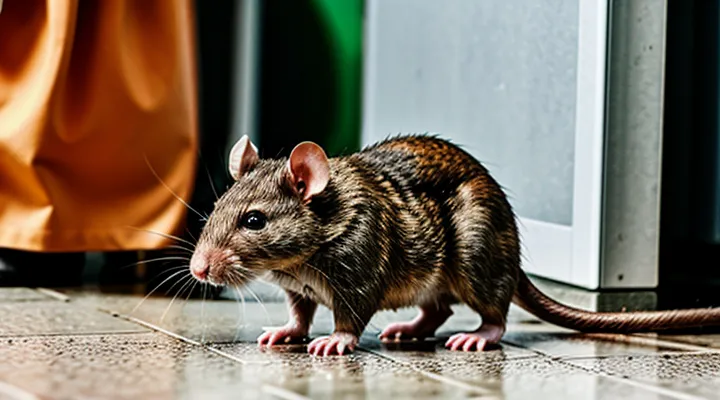
Communication Through Scent
Pheromones and Their Role
Pheromones are volatile chemical signals released by an animal’s exocrine glands that influence the physiology or behavior of conspecifics. In rodents, the urinary bladder and scent glands produce a complex mixture of compounds that convey information about age, reproductive status, and territorial boundaries.
When a rat encounters a human, the animal may interpret the person’s scent as a novel or threatening presence. Urine deposited on the individual contains a high concentration of pheromonal markers that signal alarm or dominance. The act of spraying serves to:
- broadcast a warning to other rats in the vicinity,
- assert the emitter’s rank within the local hierarchy,
- create a chemical imprint that deters further intrusion.
Laboratory studies show that removal of urinary pheromones reduces aggressive marking, while exposure to synthetic analogues provokes immediate urination in captive rats. Consequently, the presence of pheromonal cues in a person’s odor profile can trigger the instinctive response of a rat to mark the source with urine.
Territorial Marking
Rats sometimes release urine on a human when they perceive the person as an intruder in their established area. This response is a form of territorial marking, a behavior that signals ownership and deters potential competitors.
Territorial marking in rats involves depositing scent cues, primarily urine, in locations that define the boundaries of their nest or foraging space. The scent conveys information about the individual’s identity, reproductive status, and dominance level, prompting other rodents to avoid the marked zone.
Common triggers for this behavior include:
- Introduction of an unfamiliar person into the cage or nesting area.
- Sudden changes in the environment that alter perceived boundaries.
- Handling that restricts the rat’s movement, creating a sense of confinement.
- Presence of a dominant or aggressive rat that exerts pressure on subordinates.
Understanding the motive behind the urination helps caregivers prevent it. Strategies such as gradual acclimation, minimizing abrupt disturbances, and providing ample nesting material reduce the rat’s need to assert dominance through scent marking. Maintaining consistent cage arrangements also reinforces a stable territorial map, lowering the likelihood of urine‑based warnings directed at humans.
Explaining Urination Incidents
Fear and Stress Responses
Rats often urinate on a human when they perceive an immediate threat. The behavior is a direct manifestation of the animal’s fear‑induced stress response, which activates the sympathetic nervous system and triggers a cascade of hormonal changes.
The primary mechanisms involved are:
- Release of adrenaline and cortisol, which heighten alertness and prepare the body for rapid action.
- Activation of the hypothalamic‑pituitary‑adrenal (HPA) axis, leading to increased bladder pressure and reduced sphincter control.
- Engagement of the fight‑or‑flight circuitry, causing involuntary muscular contractions that expel urine as a defensive signal.
These physiological processes serve two functions. First, the sudden discharge creates an unpleasant odor that may discourage a predator or aggressor. Second, the act signals distress to conspecifics, alerting the colony to danger.
Understanding this chain of events clarifies why a rat resorts to urination when confronted by a person, linking the observable behavior to well‑documented stress pathways.
Submissive Behavior
Rats exhibit a specific submissive response that includes marking the ground with urine when they perceive a dominant individual. When a human approaches a rat with a posture that the animal interprets as threatening—such as looming height, rapid movements, or direct eye contact—the rat may adopt a low‑body stance, flatten its ears, and release a small amount of urine onto the nearest surface, often the person’s clothing or skin. This behavior signals deference and attempts to reduce aggression from the perceived dominant party.
The physiological basis involves activation of the hypothalamic‑pituitary‑adrenal axis, which triggers a release of stress hormones and a reflexive urination response. The act is not random elimination; it is a conditioned signal that the rat has recognized the human as a higher‑ranking entity and is submitting to avoid confrontation.
Practical implications for handling rodents include:
- Approaching from the side rather than directly overhead to reduce perceived dominance.
- Moving slowly, keeping hands low and avoiding direct stare.
- Allowing the rat to initiate contact, thereby granting it control over the interaction.
- Providing enrichment that encourages confidence, such as tunnels and nesting material, which can diminish submissive urination over time.
Understanding this submissive signaling mechanism helps prevent unwanted urination incidents and promotes safer, less stressful interactions between humans and rats.
Accidental Contact
Rats may release urine on a human when the animal is startled, restrained, or inadvertently brushed against. The sudden proximity triggers a defensive reflex; the bladder contracts to eliminate waste and to mark the perceived threat. This response does not indicate intentional aggression, but a physiological reaction to stress.
Typical scenarios include:
- A pet rat being lifted without proper support, causing the animal to feel insecure.
- A wild rat encountered in a confined space, such as a crawl‑space or attic, where handling is clumsy.
- Accidental contact during cleaning or pest‑control activities, where the rat is forced to flee and involuntarily urinates.
The urine discharge serves two purposes: it empties the bladder and it leaves a scent that signals danger to other rodents. Because the act is reflexive, the amount of urine can vary from a small spray to a larger spatter, depending on the level of agitation and the size of the rat.
Preventive measures focus on minimizing surprise and handling errors. Secure containment, gentle support of the animal’s hindquarters, and slow, deliberate movements reduce the likelihood of an involuntary urination event. When accidental contact occurs, immediate cleaning with disinfectant prevents odor buildup and potential disease transmission.
Common Misconceptions
Deliberate Aggression
Rats sometimes direct urine at a human as a purposeful act of aggression, not as an accidental spill. This behavior signals dominance, deters perceived threats, and reinforces the animal’s position within its social hierarchy.
When a rat perceives a person as an intruder, competitor, or source of stress, it may employ urination to mark the individual with a pungent scent. The act conveys a clear warning: the rat claims the area and expects the opponent to withdraw. Such aggression is deliberate, often accompanied by other hostile signals such as teeth baring, lunging, or vocalizations.
Key conditions that increase the likelihood of intentional urination include:
- Territory encroachment: the person enters a space the rat defends.
- Elevated stress: loud noises, sudden movements, or unfamiliar scents trigger defensive aggression.
- Hierarchical challenges: a dominant rat confronts a subordinate or an unfamiliar human.
- Prior negative interactions: previous handling or threats condition the rat to respond aggressively.
- Presence of predators or predators’ cues: rat associates human scent with danger and retaliates.
Management relies on reducing perceived threats and interrupting the aggression cycle. Strategies involve:
- Limiting direct contact and allowing the rat to retreat.
- Providing ample hiding places and enrichment to lower stress.
- Handling the animal calmly, using protective gloves to avoid scent transfer.
- Maintaining a consistent environment to prevent territorial disputes.
- Consulting a veterinarian or behavior specialist if aggression persists, as underlying health issues may exacerbate hostile responses.
Targeting Individuals
Rats urinate to mark territory, communicate status, and deter perceived threats. When a rat directs urine at a specific person, it interprets that individual as a significant stimulus requiring a targeted response.
The decision to aim urine at a particular person depends on several cues:
- Scent profile: Human odor, sweat composition, or residual food aromas attract rat attention and can be associated with dominance or competition.
- Recent interactions: Prior handling, aggression, or confinement creates a memory that the rat may associate with the individual, prompting defensive marking.
- Stress signals: Elevated heart rate, rapid breathing, or sudden movements generate vibrations and pheromones that rats perceive as threatening, increasing the likelihood of targeted urination.
- Food association: If a person regularly provides food, the rat may use urine to claim exclusive access or to signal ownership of the resource.
Targeted urination serves as a warning and a deterrent. The spray can irritate skin, spread pathogens, and reinforce the rat’s perception of control over the environment.
Preventive measures focus on reducing the cues that trigger targeting:
- Minimize strong personal odors by washing hands and clothing after handling food.
- Avoid direct eye contact and sudden gestures when near rats.
- Limit repeated exposure to the same individual, especially if prior encounters involved stress or aggression.
- Keep feeding stations clean and separate from human activity zones.
Understanding the specific triggers that cause rats to aim urine at an individual enables effective management and reduces the risk of repeated incidents.
Preventing Unwanted Interactions
Handling Rats Safely
Rats urinate on people primarily when they perceive a threat, experience stress, or attempt to mark territory. The act signals agitation and can happen during direct contact or when the animal feels restrained.
Protective measures reduce the likelihood of exposure. Wear disposable gloves, a lab coat or long‑sleeve shirt, and eye protection. Keep the handling area well‑ventilated and free of sudden noises or movements that could startle the rodent.
Effective handling follows a clear sequence:
- Approach the cage calmly, speak softly, and avoid abrupt gestures.
- Open the cage slowly, allowing the rat to exit voluntarily if possible.
- Grasp the animal behind the forepaws, supporting the neck and torso with one hand while the other stabilizes the body.
- Maintain a secure but gentle grip; release only after the procedure is complete.
- Return the rat to its enclosure, close the door, and dispose of gloves and any contaminated materials immediately.
Additional precautions:
- Clean the cage regularly to remove urine scent cues that may heighten stress.
- Provide hiding spots and nesting material to promote a sense of security.
- Limit handling sessions to the minimum duration required for the task.
Following these protocols minimizes the chance of accidental urination and ensures safe interaction with laboratory or pet rats.
Creating a Safe Environment
Rats may urinate on people when they feel threatened, stressed, or confined. Preventing such incidents begins with a environment that reduces stressors and limits access to humans.
A secure setting includes:
- Sealing entry points: inspect walls, floors, and ceilings for gaps larger than a quarter inch; install steel wool or metal mesh to block tunnels.
- Controlling food sources: store grains, pet food, and waste in airtight containers; clean up spills immediately.
- Maintaining cleanliness: remove droppings, urine stains, and nesting material daily; use disinfectants that do not attract rodents.
- Providing adequate space: avoid overcrowding cages or enclosures; ensure each animal has sufficient room to move and hide.
- Monitoring health: schedule regular veterinary checks; treat urinary tract infections promptly to reduce discomfort‑driven aggression.
When a rat perceives safety, the likelihood of defensive urination declines. Implementing these measures creates a predictable, low‑stress habitat that protects both animals and handlers.