
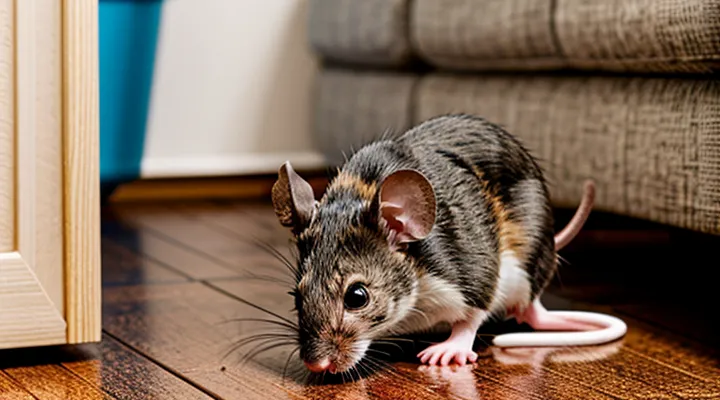
Understanding Mouse Odor
What Causes Mouse Odor?
Urine and Feces
Mouse urine and feces contain ammonia, urea, and bacterial by‑products that generate a persistent, pungent smell. These substances adhere to fabrics, insulation, and wood, releasing odor long after the animal has left.
Visible droppings, dark streaks, and a sharp, acrid scent indicate contamination. Ultraviolet illumination reveals fresh urine stains that are otherwise invisible.
Effective removal requires a systematic approach:
- Wear disposable gloves and a mask to avoid direct contact.
- Remove contaminated items; dispose of absorbent materials that cannot be thoroughly cleaned.
- Soak affected surfaces with an enzymatic cleaner designed to break down organic waste; allow the product to work for the recommended dwell time.
- Rinse with warm water, then apply a solution of one part household bleach to ten parts water to eradicate remaining bacteria.
- Dry the area completely; use a fan or dehumidifier to prevent moisture buildup.
Long‑term odor control depends on eliminating the source. Seal cracks, gaps, and utility openings with steel wool and caulk. Install snap traps or humane catch‑and‑release devices in known pathways. Conduct monthly inspections of storage spaces, attics, and crawl spaces, and clean any new deposits promptly.
By addressing urine and feces directly, employing enzymatic and disinfecting agents, and enforcing strict exclusion measures, mouse‑related odor can be eradicated permanently from a private residence.
Decomposing Carcasses
Decomposing mouse remains generate volatile organic compounds that cause persistent odor in residential environments. The breakdown process releases ammonia, sulfur‑containing gases, and fatty acids, each contributing to the characteristic smell. Prompt removal of carcasses prevents these compounds from accumulating and permeating furnishings, walls, and ventilation systems.
Effective control requires three actions:
- Locate and extract all deceased rodents, including hidden deposits behind appliances, within insulation, and under flooring.
- Clean the affected area with an enzymatic cleaner that hydrolyzes protein residues, neutralizing odor‑producing molecules.
- Apply a sealed, low‑odor antimicrobial treatment to inhibit further microbial activity and prevent re‑emission of volatile compounds.
After removal, ventilate the space for at least thirty minutes, then employ an air purifier equipped with activated carbon to adsorb residual gases. Repeat the cleaning cycle weekly for one month to ensure complete eradication of lingering odor sources. Continuous monitoring of humidity levels, keeping indoor relative humidity below sixty percent, reduces bacterial proliferation and limits future decomposition‑related smells.
Health Risks Associated with Mouse Odor
Mouse odor in a private residence creates measurable health hazards. The odor originates from urine, feces, and associated microbial growth, each releasing volatile compounds that affect occupants.
- Respiratory irritation: inhalation of ammonia and bacterial by‑products triggers coughing, wheezing, and shortness of breath, especially in individuals with asthma or chronic bronchitis.
- Allergic sensitization: protein fragments in mouse dander and droppings provoke IgE‑mediated responses, leading to sneezing, nasal congestion, and skin rashes.
- Infectious disease exposure: pathogens such as Hantavirus, Salmonella, and Leptospira survive in contaminated bedding, posing risks of severe systemic infection when aerosolized or ingested.
- Toxicological impact: prolonged exposure to high concentrations of ammonia can damage mucous membranes and impair lung function, increasing susceptibility to secondary infections.
The underlying mechanism involves the breakdown of organic material by bacteria, releasing ammonia, mercaptans, and other noxious gases. These substances persist in carpets, insulation, and wall voids, where they accumulate unnoticed until ventilation is inadequate.
Mitigation requires thorough removal of all mouse residues, followed by deep cleaning with enzymatic agents capable of neutralizing protein‑based allergens. Air filtration equipped with HEPA and activated‑carbon media reduces airborne contaminants, while maintaining low indoor humidity limits microbial proliferation. Continuous monitoring of indoor air quality confirms the elimination of hazardous compounds and protects resident health.
Initial Steps for Odor Removal
Locating the Source
Visual Inspection
«Visual inspection» is the initial step in permanently eradicating rodent odor from a residence. The process involves a systematic survey of all interior spaces, focusing on areas where mice are likely to nest, travel, or leave waste.
- Examine ceilings, walls, and baseboards for gnaw marks, shredded materials, or discoloration.
- Inspect kitchen cabinets, pantry shelves, and food storage containers for droppings, urine stains, or chewed packaging.
- Check under appliances, behind furniture, and within crawl spaces for hidden nests or accumulated debris.
- Identify any lingering dampness or mold, as moisture encourages bacterial growth that intensifies odor.
- Record the precise locations of all findings to prioritize cleaning and sealing actions.
A thorough visual assessment reveals the exact sources of scent, enabling targeted remediation and preventing future recurrence.
Trapping and Extermination
Effective mouse odor control requires eliminating the source of the smell. Trapping and extermination address the primary cause by removing live rodents and preventing future infestations.
Live mice produce urine, feces, and glandular secretions that permeate fabrics, carpets, and structural cavities. When the animals are captured and disposed of, these odor‑producing materials cease to accumulate. Immediate removal also stops the release of pheromones that attract additional rodents, reducing the likelihood of recurring odor.
Key actions for trapping and extermination:
- Select appropriate traps: snap traps for rapid kill, electronic traps for humane dispatch, or multi‑catch live traps for relocation.
- Position traps along walls, behind appliances, and near known travel routes. Mice prefer concealed pathways; placement at 2‑3 cm from the baseboard maximizes contact.
- Use attractants such as peanut butter, dried fruit, or specialized rodent bait. Apply a pea‑sized amount to ensure focus on the trap rather than spillage.
- Check traps daily. Dispose of deceased rodents in sealed bags and discard according to local regulations.
- After each capture, clean the immediate area with a solution of 1 part distilled white vinegar to neutralize residual scent markers.
For persistent problems, integrate extermination with integrated pest management (IPM) strategies. Seal entry points using steel wool and caulking, install door sweeps, and maintain a clutter‑free environment to eliminate shelter. Regular inspection of stored food containers and prompt repair of leaks remove secondary attractants that support rodent populations.
Consistent application of these trapping and extermination measures, combined with thorough sanitation, ensures long‑term elimination of mouse‑related odor from a private residence.
Cleaning and Disinfection
Personal Protective Equipment
Personal protective equipment (PPE) is essential when addressing persistent rodent odor in a residence. Proper gear shields the wearer from ammonia, bacterial contaminants, and aggressive cleaning agents that are commonly employed to eradicate the smell.
- Heavy‑duty nitrile gloves protect hands from chemical exposure and direct contact with contaminated surfaces.
- Respiratory protection, such as an N95 or higher‑efficiency particulate respirator, filters airborne particles and volatile compounds released during decontamination.
- Safety goggles or full‑face shields prevent ocular irritation from splashes and aerosolized substances.
- Disposable coveralls with sealed seams create a barrier for the torso and limbs, reducing skin absorption risk.
- Slip‑resistant boots or shoe covers maintain hygiene and prevent the spread of contaminants to other areas.
Selection criteria for each item include chemical resistance, appropriate filtration rating, and secure fit to eliminate gaps. Donning procedures require a systematic order: coveralls first, followed by gloves, respirator, and eye protection. Doffing must occur in a designated area, with contaminated PPE placed in sealed bags for proper disposal. Regular inspection of equipment ensures integrity; damaged components should be replaced immediately.
«Wear protective gear at all times» when performing odor‑elimination tasks to maintain health safety and achieve lasting results.
Cleaning Solutions and Methods
Effective odor control begins with comprehensive removal of biological residues left by rodents. Residual urine, feces, and glandular secretions embed in porous materials and release volatile compounds long after the animal has departed.
Chemical cleaners designed for protein breakdown target the source of the smell. Enzyme‑based detergents hydrolyze amino acids, neutralizing odor molecules at the molecular level. Oxidizing agents such as hydrogen peroxide and peroxy‑acids oxidize organic matter, converting it to harmless by‑products. Apply these solutions to hard surfaces, then rinse thoroughly to prevent residue buildup.
Natural alternatives provide safe, low‑cost options. Diluted «white vinegar» (one part vinegar to four parts water) dissolves mineral deposits and disrupts odor‑producing bacteria. A paste of «baking soda» and water absorbs moisture and traps lingering smells; allow to dry before vacuuming. For fabric‑based items, a spray of «hydrogen peroxide» (3 % solution) followed by a brief air‑dry cycle eliminates embedded odor without damaging fibers.
Key cleaning methods include:
- Remove all visible debris with a disposable vacuum equipped with a HEPA filter.
- Scrub floors, baseboards, and walls using an enzyme cleaner; allow a minimum of 15 minutes of contact time.
- Treat upholstery, mattresses, and curtains with a spray of vinegar solution; blot excess moisture and air‑dry completely.
- Steam‑clean carpets and rugs to penetrate deep layers; follow with a baking‑soda sprinkling and overnight dwell time.
- Install continuous ventilation by opening windows or operating exhaust fans for at least 30 minutes after each cleaning cycle.
Consistent application of these solutions and methods eliminates the source of rodent odor, ensuring a lasting, odor‑free living environment.
Ventilating the Area
Ventilation removes lingering odor molecules by diluting them with fresh air and encouraging natural evaporation. Proper airflow prevents the scent from settling in carpets, upholstery, and wall cavities, thereby reducing the need for repeated cleaning.
- Open all available windows for at least 30 minutes daily; cross‑ventilation creates a pressure gradient that expels contaminated air.
- Install exhaust fans in kitchens, bathrooms, and utility rooms; set them to run continuously for several hours after any cleaning activity.
- Position portable air‑circulation units near the source of the smell; select models equipped with activated‑carbon filters to adsorb volatile compounds.
- Use ceiling or floor fans to direct stale air toward open windows or exhaust outlets; ensure fans operate on a low to medium speed to avoid redistributing odor particles.
- Seal gaps around doors and vents after ventilation to maintain the achieved air quality; apply weather‑stripping or draft‑excluders as needed.
Regularly monitoring indoor humidity levels supports ventilation effectiveness; keep relative humidity between 30 % and 50 % to discourage microbial growth that can amplify odor. Implementing these measures creates a sustained environment where mouse‑related smells are consistently removed, contributing to a permanently fresh residential atmosphere.
Advanced Odor Elimination Techniques
Odor Absorbers
Activated Charcoal
Activated charcoal, a highly porous form of carbon, exhibits strong adsorption capacity for volatile organic compounds, including the sulfur‑containing molecules responsible for rodent odor. The extensive surface area traps odor molecules, preventing their release into the indoor environment and thereby reducing the lingering scent associated with mouse presence.
Effective deployment of activated charcoal in a residence requires strategic placement and regular maintenance. Recommended actions include:
- Positioning sealed sachets or open‑bowl containers of «activated charcoal» near identified odor sources such as pantry corners, under appliances, and within crawl spaces.
- Replacing the material every 30 days to sustain adsorption efficiency, as saturation diminishes odor‑binding performance.
- Complementing charcoal use with thorough cleaning of affected areas, removing urine stains and fecal deposits that can generate new odor compounds.
When integrated into a comprehensive odor‑control regimen, activated charcoal contributes to lasting elimination of mouse‑related smells, supporting a permanently fresh indoor atmosphere.
Baking Soda
Baking soda neutralizes mouse odor by absorbing moisture and reacting with acidic compounds that cause the smell. Its alkaline nature breaks down the volatile substances produced by rodent urine and feces, rendering them odorless.
Application steps:
- Sweep or vacuum the affected area to remove debris and loose particles.
- Sprinkle a generous layer of baking soda over the surface, ensuring full coverage of corners, cracks, and crevices where residue may linger.
- Allow the powder to sit for at least 12 hours; longer exposure increases absorption efficiency.
- Vacuum the dried powder thoroughly, repeating the process if the odor persists.
For persistent contamination, combine baking soda with a mild detergent:
- Mix one cup of baking soda with two cups of warm water.
- Dampen a cloth with the solution, wipe the affected surfaces, and let them air‑dry.
- After drying, repeat the dry‑sprinkle method described above.
Safety considerations:
- Baking soda is non‑toxic and safe for pets and children when used as directed.
- Avoid excessive inhalation of fine particles; ventilate the room during and after treatment.
- Store the powder in a sealed container to prevent moisture absorption, which reduces effectiveness.
Regular maintenance:
- Sprinkle a thin layer of baking soda on high‑traffic areas monthly to prevent odor buildup.
- Promptly clean any new rodent traces with the detergent‑baking soda mixture to maintain a neutral environment.
By integrating these procedures, mouse odor can be eliminated permanently without reliance on harsh chemicals.
Commercial Odor Eliminators
Commercial odor eliminators provide a reliable means of permanently removing rodent scent from residential interiors. These products are formulated to neutralize volatile organic compounds released by mice, rather than merely masking the smell.
Key categories include:
- Aerosol sprays that disperse active agents across surfaces.
- Foggers that fill rooms with fine particles for deep penetration.
- Enzymatic cleaners that break down organic residues at a molecular level.
- Ozone generators that oxidize odor molecules in the air.
- Activated‑carbon filters that adsorb lingering gases.
Effectiveness depends on the underlying mechanism. Neutralizers chemically alter odor molecules, enzymes hydrolyze protein‑based residues, while ozone and carbon adsorption target airborne contaminants. Selecting an appropriate product requires evaluation of:
- Certified efficacy against rodent odor.
- Coverage area matched to room size.
- Residual activity duration.
- Safety certifications for indoor use.
- Compatibility with household occupants and pets.
Application protocol:
- Remove visible debris and clean surfaces with a mild detergent.
- Ensure adequate ventilation before and after treatment.
- Apply the chosen product according to manufacturer‑specified dosage.
- Repeat treatment after any new mouse activity is detected.
Safety measures include wearing gloves and eye protection, avoiding direct inhalation, and confirming that the product is labelled safe for use around children and pets. Follow label instructions for re‑application intervals to maintain odor‑free conditions.
Maintenance involves periodic replacement of consumable components such as carbon cartridges, routine fogger cycles in high‑risk areas, and monitoring of odor levels to verify continued efficacy.
Air Purification
HEPA Filters
HEPA filters provide a mechanical barrier that removes airborne particles as small as 0.3 µm with 99.97 % efficiency. Many odor‑producing compounds from rodent activity attach to dust, dander or skin flakes; trapping these carriers reduces the concentration of malodorous substances in indoor air.
Key factors for selecting an appropriate filter include:
- Minimum efficiency rating of 99.97 % (True HEPA) or higher.
- Compatibility with existing HVAC units or portable purifiers.
- Frame dimensions that match the equipment’s filter slot.
- Low pressure drop to maintain airflow without overloading the system.
Installation should target areas where mouse odor accumulates, such as basements, storage rooms, or near entry points. Integrating a HEPA filter into the central heating, ventilation and air‑conditioning system ensures continuous circulation through the entire dwelling. For localized treatment, place a portable air purifier equipped with a certified HEPA cartridge directly in the affected space; operate the unit continuously or at least during periods of high occupancy.
Maintenance protocol requires monitoring filter condition. Visual inspection for discoloration or a noticeable increase in airflow resistance indicates saturation. Replace the filter according to the manufacturer’s schedule, typically every 6–12 months, or sooner if odor levels rise despite operation.
HEPA filtration alone does not eradicate the source of the smell. Combine air cleaning with sealing of entry gaps, removal of nesting material, and thorough surface cleaning using enzymatic cleaners. This integrated approach maximizes the likelihood of long‑term odor elimination in a private residence.
Ozone Generators (Use with Caution)
Ozone generators produce high‑level ozone (O₃) that oxidizes organic molecules responsible for rodent odor. The process breaks down volatile compounds, converting them into harmless carbon dioxide and water, thereby removing the source of the smell rather than merely masking it.
Effective application requires the following steps:
- Seal all openings in the affected area to contain ozone.
- Place the generator centrally, ensuring unobstructed airflow.
- Operate the device for a duration proportional to the room volume (approximately 0.5 hour per 100 ft³ at 5 ppm concentration).
- After the cycle, ventilate the space for at least 30 minutes before re‑entry.
Cautionary measures are essential because ozone is a respiratory irritant:
- Do not occupy the room while the generator is active.
- Use a timer or remote control to avoid accidental exposure.
- Verify that pets, especially rodents, are removed from the environment before treatment.
- Employ an ozone detector to confirm levels have returned to safe limits (<0.05 ppm) before habitation.
When executed correctly, ozone treatment can eradicate lingering mouse odor permanently, provided that the source of the contamination (e.g., droppings, nesting material) has been removed prior to treatment. « Ozone eliminates odor at the molecular level, not merely at the sensory level ». Regular maintenance of ventilation systems and prompt cleanup of future infestations will sustain the odor‑free condition.
Professional Services
When to Call an Expert
Eliminating persistent rodent odor often requires professional intervention when standard cleaning methods fail. Recognize the following signs that indicate expert assistance is necessary:
- Odor remains after thorough vacuuming, steam cleaning, and enzymatic treatment.
- Evidence of hidden nesting material, such as shredded insulation or deep‑wall cavities, that cannot be accessed safely.
- Recurring scent despite repeated application of odor‑neutralizing products.
- Presence of extensive urine stains on porous surfaces (carpet, wood, drywall) that have absorbed deeply.
- Health concerns arise, including respiratory irritation or allergic reactions among occupants.
Engaging a certified pest‑control specialist ensures comprehensive identification of contamination sources, proper removal of concealed debris, and application of industrial‑grade deodorizers. Professionals also provide verification of complete odor eradication through objective testing methods, reducing the risk of re‑contamination. Contact an expert promptly when any of the listed conditions are observed to achieve lasting elimination of mouse odor in a private residence.
Types of Professional Treatments
Professional treatments for persistent rodent odor in a residence focus on thorough neutralization, deep penetration, and long‑term prevention.
- Chemical odor neutralizers employ surfactants and odor‑binding agents that react with volatile compounds, rendering them non‑detectable. Application includes spraying or fogging surfaces and ventilation ducts.
- Ozone generators produce controlled ozone concentrations that oxidize odor molecules. Certified technicians schedule cycles to avoid overexposure, followed by thorough aeration.
- Bio‑enzymatic cleaners contain microorganisms that metabolize organic residues. These solutions are applied to contaminated insulation, upholstery, and flooring, allowing enzymatic action to continue for weeks.
- UV‑C light sanitation targets microbial growth that can contribute to foul smells. Portable units are positioned to treat hidden cavities and HVAC components.
- Professional pest‑control services integrate odor‑control protocols with extermination, using specialized foams and powders designed to bind odorants while eliminating rodents.
- Thermal fogging disperses heated aerosolized deodorizing compounds into hard‑to‑reach areas, ensuring deep saturation of porous materials.
Selection of a treatment depends on the extent of contamination, material composition, and occupancy considerations. Certified providers assess the environment, recommend a combination of methods, and schedule follow‑up inspections to verify lasting odor elimination.
Preventing Future Mouse Infestations and Odors
Sealing Entry Points
Inspecting the Exterior
Inspecting the exterior of a residence is the first decisive action when aiming for lasting eradication of mouse odor. Identifying entry points and sources of contamination prevents re‑infestation and stops persistent smells from reappearing.
A systematic exterior inspection includes:
- Visual scan of foundation walls, looking for gaps larger than a quarter‑inch, cracks, and deteriorated sealant.
- Examination of utility penetrations such as water, gas, and electrical lines; sealing any openings with steel wool and caulk.
- Assessment of roof eaves, soffits, and vent covers for damaged screens or loose flashing that could admit rodents.
- Review of exterior lighting fixtures and trash receptacles; ensuring lids fit tightly and are free of debris that attracts mice.
- Evaluation of landscaping features: trimming overgrown shrubs, removing piles of mulch or firewood that rest against the house, and maintaining a clear perimeter at least two feet from the foundation.
After locating vulnerabilities, apply appropriate remediation:
- Use metal mesh or hardware cloth of at least ¼‑inch gauge to cover gaps; secure with stainless‑steel screws to resist corrosion.
- Apply expanding polyurethane foam to seal cracks, then reinforce with a layer of cement or mortar for durability.
- Install tight‑fitting, weather‑proof vent covers; replace any rusted or cracked components.
- Position trash bins on a raised platform away from the building, and fit them with odor‑blocking lids.
A thorough exterior inspection, followed by robust sealing measures, eliminates the pathways that allow mice to enter and deposit odor‑causing waste. Maintaining this barrier ensures the odor does not return, achieving permanent resolution.
Interior Vulnerabilities
Interior vulnerabilities create pathways for mouse scent to infiltrate and persist within a dwelling. Structural gaps, inadequate sealing, and porous materials allow odor molecules to migrate from hidden nests into living spaces.
- Unsealed cracks around baseboards, door frames, and utility penetrations
- Damaged or missing insulation in walls, ceilings, and attics
- Open or poorly filtered ventilation ducts that recirculate contaminated air
- Accumulated debris in crawl spaces, under furniture, or behind appliances
- Improper storage of food items that attract rodents and retain odor
Addressing each weakness eliminates the source of scent and prevents re‑contamination. Seal all openings with appropriate caulk or expanding foam; replace compromised insulation with low‑odor, dense-fill options; install high‑efficiency filters in HVAC systems and ensure regular maintenance; clean and declutter concealed areas, removing debris and disinfecting surfaces; store food in airtight containers and maintain strict hygiene standards. Implementing these measures removes the structural foundation that sustains mouse odor, delivering a lasting, odor‑free environment.
Maintaining a Clean Environment
Food Storage
Effective food storage eliminates the primary source of rodent odor in residential environments. By preventing access to edible waste, the attraction that drives mice to inhabit kitchens is removed, thereby halting odor production at its origin.
- Use airtight, polymer or glass containers with screw‑top lids for all dry goods.
- Keep perishable items refrigerated or frozen; maintain temperatures below 4 °C for fresh produce.
- Label containers with purchase dates; practice a first‑in‑first‑out rotation to avoid spoilage.
- Clean storage areas weekly, removing crumbs and spills with a disinfectant solution.
- Install sealed shelving or pantry doors that close flush with the wall, eliminating gaps.
Secure storage eliminates residual scent trails that mice follow. When food is inaccessible, mice are forced to seek alternative habitats, reducing the likelihood of nesting within the home and the associated ammonia‑rich urine odor.
Additional safeguards reinforce the primary measures. Discard expired items promptly, as decomposition intensifies odor cues. Place natural deterrents such as dried peppermint or cedar shavings at the perimeter of storage zones; these substances mask food scents without introducing chemical residues.
Consistent implementation of these protocols results in a permanent reduction of rodent‑related odor, ensuring a hygienic and odor‑free living space.
Waste Management
Effective waste management directly influences the permanent removal of rodent odor in a residence. Proper handling of discarded food, packaging, and litter eliminates the primary attractants that sustain mouse populations and the associated malodour.
Identify all waste sources within the household. Locate kitchen bins, pantry leftovers, pet food containers, and garage trash. Ensure each container is sealed, emptied regularly, and cleaned to prevent residue buildup.
- Use airtight containers with secure lids for food waste.
- Empty kitchen bins at least once daily; larger bins require weekly removal to a municipal collection point.
- Store pet food in sealed, opaque containers; discard uneaten portions after 24 hours.
- Keep compost bins outdoors, away from the house, and employ a double‑layer system to contain smells.
Adopt disposal practices that prevent leakage. Position bins on non‑absorbent surfaces, line them with heavy‑duty bags, and tie bags tightly before removal. Schedule a strict pickup routine aligned with local waste services to avoid prolonged storage.
After waste removal, clean affected areas with enzymatic cleaners that break down protein residues. Apply a neutralising agent to surfaces where mice have travelled, then ventilate rooms for several hours to disperse lingering odours. Consistent application of these waste management protocols ensures that rodent odour does not reappear, maintaining a permanently fresh indoor environment.
Regular Inspections
Identifying Early Signs
Early detection prevents the odor from becoming entrenched. Recognizable indicators appear before the smell dominates a dwelling.
- Small, dark droppings near baseboards, cabinets, or pantry shelves suggest active rodent movement.
- Fresh urine spots emit a sharp, ammonia‑like scent, often detectable near hidden entry points.
- Gnawed fibers, chewed wiring, or shredded insulation reveal nesting activity.
- Visible nesting material—soft debris, shredded paper, or shredded fabric—signals a developing colony.
- Unusual tracks in dust, especially paired footprints, confirm recent presence.
Inspection methods enhance identification. Visual surveys under adequate lighting reveal droppings and damage. Ultraviolet lamps expose urine stains invisible to the naked eye. Sticky monitoring pads placed along walls capture passing rodents, confirming activity without reliance on odor alone. Prompt documentation of each sign supports targeted remediation, reducing the likelihood of persistent odor.
Proactive Measures
Proactive measures prevent mouse odor from establishing a persistent presence in a residence.
- Seal all potential entry points with steel wool, caulk, or metal flashing; rodents cannot penetrate reinforced barriers.
- Store food in airtight containers; remove crumbs and spills promptly to eliminate attractants.
- Maintain a regular cleaning schedule for floors, countertops, and hidden corners; use enzymatic cleaners that break down organic residues.
- Install odor‑absorbing materials such as activated charcoal or baking‑soda trays in areas prone to moisture.
- Control indoor humidity below 50 % to discourage bacterial growth that amplifies scent.
- Conduct monthly inspections of insulation, crawl spaces, and storage areas; remove any droppings or nesting material immediately.
Consistent application of these steps disrupts the conditions that cause lingering mouse odor, ensuring a permanently fresh indoor environment.