
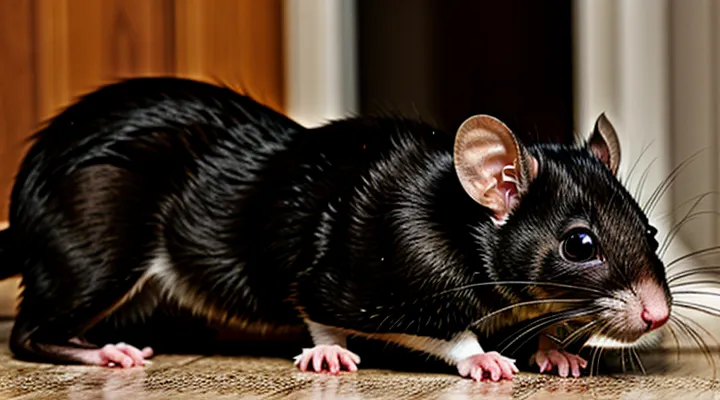
Understanding Rat Hair Loss
The Normal Shedding Cycle
Fancy rats undergo a predictable molting process that renews their coat and maintains skin health. The cycle begins with a brief period of increased activity in the hair follicles, during which old hairs loosen and new growth initiates. This phase typically lasts 5–7 days and is marked by visible clumps of fur on the cage floor or in the animal’s nest.
The second stage involves the shedding of loosened hairs while the newly formed coat thickens. Rats often groom more intensively during this time, distributing the detached fur throughout their environment. Shedding recurs roughly every 4–6 weeks under stable conditions, though seasonal temperature shifts can accelerate the rhythm.
Key characteristics of a normal shedding cycle include:
- Uniform hair loss without bald patches
- Absence of skin irritation, redness, or scab formation
- Consistent grooming behavior that does not become obsessive
- Stable body weight and appetite throughout the period
When any of these indicators deviate, the fur loss may stem from pathology rather than routine molting, prompting veterinary assessment and targeted preventive measures.
When Hair Loss Becomes a Concern
Hair loss in fancy rats may appear harmless at first, but certain patterns signal underlying health issues that require immediate attention. Rapid thinning over a few days, patchy baldness on the abdomen, ears, or tail, and accompanying skin changes such as redness, scabbing, or a greasy texture indicate that the problem has progressed beyond normal shedding.
When these signs emerge, the following criteria help determine the seriousness of the condition:
- Loss of more than 30 % of the coat surface in a single region.
- Presence of open wounds, ulcerations, or persistent moisture.
- Behavioral changes, including reduced activity, loss of appetite, or excessive scratching.
- Concurrent symptoms such as sneezing, watery eyes, or abnormal stool.
If any of these indicators are observed, veterinary consultation becomes essential. Early diagnosis can identify common causes—parasitic infestations, fungal infections, nutritional deficiencies, hormonal imbalances, or stress‑related dermatological disorders—and allow targeted treatment before secondary infections develop.
Preventive measures remain effective only when owners monitor coat condition regularly. Routine grooming, balanced diet rich in essential fatty acids, proper enclosure sanitation, and stress‑free handling reduce the likelihood of severe alopecia. Prompt veterinary assessment at the first sign of abnormal fur loss protects the animal’s health and preserves its characteristic appearance.
Common Causes of Hair Loss in Fancy Rats
Parasitic Infestations
Mites
Mite infestation ranks among the most frequent reasons for hair loss in pet rats. These ectoparasites attach to the skin, feed on blood, and provoke irritation that leads to alopecia, especially in areas with dense fur.
Common rat mites include Radfordia spp. and Myobia spp. Adults are microscopic, oval‑shaped, and move quickly through the coat. Their life cycle—egg, larva, nymph, adult—occurs entirely on the host, allowing rapid population growth. Visible signs encompass patchy hair loss, scaly skin, redness, and excessive scratching. In severe cases, secondary bacterial infections develop.
Diagnosis relies on direct observation of live mites or eggs using a fine‑toothed comb and a magnifying lens. Skin scrapings examined under a microscope provide definitive identification. Veterinary consultation is advisable when symptoms persist despite basic hygiene measures.
Treatment protocols involve topical acaricides such as selamectin or ivermectin, applied according to veterinary dosing guidelines. Oral antiparasitic agents may be used for systemic control. All bedding, cages, and accessories must be cleaned, disinfected, or replaced to eliminate residual stages.
Prevention measures:
- Maintain clean, dry bedding; replace weekly.
- Perform weekly grooming sessions with a soft brush to detect early infestations.
- Quarantine new rats for at least two weeks; treat prophylactically if mites are suspected.
- Avoid overcrowding; provide at least 200 cm² cage floor per animal.
- Use a pet‑safe environmental spray or powder periodically to suppress mite populations.
Consistent hygiene, vigilant monitoring, and prompt veterinary intervention reduce the likelihood of mite‑induced fur loss and support overall rat health.
Fleas
Fleas are external parasites that feed on the blood of fancy rats, provoking intense scratching and localized inflammation. The mechanical trauma and allergic reaction to flea saliva damage hair follicles, resulting in patchy hair loss.
Typical indicators of a flea problem include:
- Small, dark moving specks on the coat or bedding
- Red, raised skin lesions, especially around the neck, tail base, and hindquarters
- Excessive grooming or self‑inflicted wounds
- Visible flea feces (tiny black specks) on the fur or cage surfaces
The flea life cycle—egg, larva, pupa, adult—occurs primarily off the host. Eggs deposited on the rat or in the cage fall to the substrate, hatch into larvae that feed on organic debris, then spin cocoons before emerging as adults. A single adult can lay 20–50 eggs per day, so an unchecked infestation expands rapidly.
Effective control requires an integrated approach:
- Clean the cage thoroughly; replace bedding weekly and wash all accessories with hot water.
- Apply a veterinarian‑approved topical or oral flea treatment to each rat, following dosage guidelines.
- Treat the surrounding environment with an insect growth regulator to interrupt development stages.
- Inspect new rats and quarantine them for at least two weeks before introduction to the colony.
Consistent monitoring and prompt treatment prevent flea‑induced fur loss and maintain the health of fancy rats.
Lice
Lice are external parasites that attach to the skin and fur of fancy rats, feeding on blood and irritating the epidermis. Their presence disrupts normal hair growth, leading to localized thinning and, in severe cases, extensive fur loss.
The most common species affecting rats are Polyplax spp. and Maoripsyllus spp. Adult lice crawl on the coat, lay eggs (nits) close to the skin, and hatch within a week. Continuous feeding provokes inflammation, prompting the animal to scratch and bite the affected area. Repeated trauma damages follicles, while secondary bacterial infection accelerates hair shedding.
Visible indicators of infestation include:
- Small, mobile specks moving across the fur
- Pale or darkened spots where nits are attached to hair shafts
- Excessive scratching, grooming, or self‑inflicted wounds
- Patchy hair loss, often starting at the neck, tail base, or hindquarters
Effective treatment relies on rapid eradication of the parasite and restoration of skin health. Recommended interventions are:
- Topical insecticidal preparations formulated for rodents (e.g., pyrethrin‑based sprays) applied according to label dosage.
- Systemic antiparasitic agents such as ivermectin, administered under veterinary guidance.
- Thorough cleaning of the cage, bedding, and accessories with a diluted bleach solution or commercial disinfectant, followed by a complete dry cycle.
- Post‑treatment monitoring for residual nits and re‑infestation.
Prevention focuses on minimizing exposure and maintaining a hygienic environment. Key practices include:
- Isolating new arrivals for at least two weeks while inspecting for ectoparasites.
- Conducting weekly visual examinations of the coat, especially in high‑traffic areas.
- Replacing bedding regularly and washing all accessories with hot water.
- Limiting contact with wild rodents and avoiding the use of untreated organic materials that may harbor lice.
By integrating prompt detection, appropriate therapeutics, and rigorous husbandry, owners can substantially reduce the risk of lice‑induced fur loss in their ornamental rats.
Fungal Infections
Ringworm
Ringworm, a dermatophyte infection caused by fungi such as Trichophyton and Microsporum, frequently appears as a primary factor in coat deterioration among ornamental rats. The pathogen colonizes keratinized tissues, leading to localized alopecia, scaling, and sometimes crust formation. Infected areas often exhibit a circular pattern with a raised border, which may be mistaken for trauma‑induced hair loss if not examined closely.
Transmission occurs through direct contact with contaminated fur, bedding, or equipment, as well as via asymptomatic carriers. The fungus thrives in warm, humid environments, making poorly ventilated cages a common source of outbreaks. Diagnosis relies on microscopic examination of hair plucks or skin scrapings and culture on selective media; rapid identification prevents unnecessary antibiotic use.
Effective management combines topical antifungal agents (e.g., miconazole or terbinafine creams) with environmental decontamination. Treat the affected rat twice daily for at least two weeks, extending the regimen until new hair fully covers the lesions. Simultaneously, replace bedding, sanitize cage surfaces with a diluted bleach solution (1 % sodium hypochlorite), and isolate the animal to limit spread.
Prevention measures include:
- Maintaining cage humidity below 60 % and ensuring adequate airflow.
- Providing clean, absorbent bedding that is changed weekly.
- Conducting routine health inspections for early signs of dermatological issues.
- Limiting contact between new arrivals and established colonies until a quarantine period of at least three weeks is completed.
- Using disposable gloves when handling rats with visible skin lesions.
By recognizing ringworm as a common etiology of fur loss and implementing targeted treatment alongside strict hygiene protocols, owners can preserve the coat health of their fancy rats and reduce the likelihood of recurrent infections.
Bacterial Infections
Bacterial infections represent a primary medical factor behind fur loss in ornamental rats. Pathogens invade the dermal layer, provoke inflammation, and damage hair follicles, resulting in localized or extensive alopecia.
Typical bacterial agents include:
- Staphylococcus aureus
- Pseudomonas aeruginosa
- Klebsiella pneumoniae
- Escherichia coli (opportunistic strains)
Infection progresses through colonization of the skin surface, breach of the epidermal barrier, and subsequent destruction of follicular structures. Visible signs comprise erythema, pustules, crusting, and progressive hair shedding. Laboratory confirmation requires aseptic swab collection, culture on selective media, and, when necessary, polymerase chain reaction for species identification.
Preventive measures focus on environmental control and proactive health management:
- Maintain cage bedding at low humidity and replace it weekly.
- Disinfect feeding dishes, water bottles, and accessories with a diluted chlorhexidine solution.
- Quarantine new arrivals for at least two weeks, monitor for skin lesions, and perform bacterial cultures before integration.
- Provide a balanced diet rich in vitamins A, E, and zinc to support skin integrity.
- Conduct regular physical examinations, noting any early signs of dermatitis or hair loss.
Prompt antimicrobial therapy, guided by sensitivity testing, halts bacterial proliferation and promotes regrowth of healthy fur. Continuous adherence to hygiene protocols reduces recurrence and safeguards overall coat condition.
Allergic Reactions
Food Allergies
Food allergies in fancy rats can trigger dermatological reactions that manifest as fur loss. Allergens introduced through diet provoke immune responses, leading to inflammation of the skin, excessive scratching, and subsequent hair shedding. Common dietary triggers include wheat, soy, dairy, and certain protein sources such as beef or chicken.
Symptoms indicating an allergic reaction encompass localized bald patches, redness, scabs, and a persistent odor from infected skin. Behavioral changes—excessive grooming, restlessness, and reduced appetite—often accompany the physical signs.
Identifying the offending ingredient requires systematic elimination. A recommended protocol involves:
- Switching to a hypoallergenic base diet free of common allergens.
- Introducing a single novel protein source after a two‑week observation period.
- Monitoring skin condition and behavior daily.
- Re‑introducing eliminated foods one at a time to confirm sensitivity.
Prevention strategies focus on consistent nutrition and environmental control:
- Provide a balanced, limited‑ingredient diet formulated for small rodents.
- Avoid treats containing unknown or processed ingredients.
- Keep feeding areas clean to prevent mold or bacterial growth.
- Conduct regular health checks with a veterinarian experienced in exotic pets.
When an allergy is confirmed, maintain the identified safe diet indefinitely and consider supplementing with omega‑3 fatty acids to support skin health. Prompt veterinary intervention for secondary infections can prevent further fur damage and promote recovery.
Environmental Allergies
Environmental allergens are a frequent trigger for coat deterioration in ornamental rats. Dust mites, mold spores, pollen, and chemical irritants can provoke cutaneous hypersensitivity, leading to itching, inflammation, and subsequent hair loss.
Typical allergens affecting pet rats include:
- House dust containing mite debris
- Damp areas with visible mold growth
- Seasonal pollen infiltrating cages
- Cleaning products with strong fragrances or solvents
- Smoke and aerosol particles from nearby combustion sources
Allergic reactions manifest as localized redness, excessive grooming, and patchy alopecia. Persistent scratching may exacerbate skin trauma, creating secondary infections that further degrade fur quality.
Prevention strategies focus on minimizing exposure and supporting skin health:
- Maintain low humidity (40‑55 %) and ensure proper ventilation to deter mold development.
- Use HEPA‑filtered bedding and avoid powdered wood shavings; opt for plain paper or aspen substrates.
- Wash hands and change clothing before handling rats after outdoor activities.
- Select fragrance‑free, hypoallergenic cleaning agents; rinse cage components thoroughly after each use.
- Provide a balanced diet rich in omega‑3 fatty acids and vitamin E to reinforce the skin barrier.
- Conduct regular health checks; consult a veterinarian promptly if dermatitis appears, allowing early intervention with antihistamines or topical therapies.
Implementing these measures reduces allergen load, stabilizes the integumentary system, and helps maintain a dense, healthy coat in fancy rats.
Nutritional Deficiencies
Protein Deficiency
Protein deficiency directly compromises hair quality in pet rats. Insufficient dietary amino acids limit keratin production, weakening the hair shaft and increasing breakage. The result is thinning coat, patchy bald spots, and excessive shedding.
The condition manifests as dull, brittle fur that breaks easily during grooming. Affected rats often display slower growth of new hair, visible gaps in the coat, and may develop skin irritation where hair loss occurs.
Preventing protein deficiency requires a balanced diet that meets the species‑specific amino acid requirements. Essential actions include:
- Providing a commercial rat chow formulated with at least 20 % protein from high‑quality sources such as soy, whey, or animal meat.
- Supplementing with fresh protein foods (e.g., boiled egg, cooked chicken, mealworms) no more than two to three times per week.
- Monitoring the overall nutrient profile to ensure adequate levels of taurine, methionine, and lysine, which are critical for hair synthesis.
- Conducting regular weight checks and coat assessments to detect early signs of nutritional shortfall.
If a rat shows signs of fur loss, adjust the diet promptly and consult a veterinarian for a comprehensive health evaluation. Adequate protein intake restores keratin synthesis, promotes regrowth of a healthy coat, and reduces the risk of recurring hair loss.
Vitamin Deficiencies
Vitamin deficiency directly affects the integrity of a fancy rat’s coat. Inadequate intake of essential nutrients impairs keratin production, reduces hair follicle vitality, and accelerates shedding.
Key vitamins whose scarcity leads to fur loss include:
- Vitamin A – deficiency results in dry, brittle hair and impaired skin regeneration.
- Vitamin B‑complex (especially B2, B6, B12) – shortage causes dull coat, slow hair growth, and increased breakage.
- Vitamin C – insufficient levels weaken collagen, leading to flaky skin and uneven fur.
- Vitamin D – lack disrupts calcium balance, indirectly influencing hair strength.
- Vitamin E – low antioxidant protection accelerates oxidative damage to hair follicles.
Preventive actions focus on balanced nutrition and targeted supplementation:
- Provide a commercial rodent diet formulated with complete vitamin profiles; verify that the label lists adequate percentages of the above vitamins.
- Supplement with a high‑quality multivitamin formulated for small mammals, following manufacturer dosage guidelines to avoid hypervitaminosis.
- Offer fresh vegetables rich in vitamins A and C (e.g., carrots, bell peppers, leafy greens) in daily rations.
- Include occasional sources of vitamin D, such as UV‑exposed fortified foods, while monitoring exposure to prevent excess.
- Ensure consistent access to clean water; dehydration can hinder nutrient absorption and exacerbate deficiency symptoms.
Regular observation of coat condition, combined with dietary verification, allows early detection of vitamin‑related issues and supports long‑term fur health in fancy rats.
Hormonal Imbalances
Thyroid Issues
Thyroid dysfunction is a recognized factor in hair loss among fancy rats. The gland regulates metabolism, growth, and skin health; when hormone production deviates from normal ranges, the coat becomes thin, brittle, and prone to shedding.
Typical signs of thyroid imbalance include:
- Gradual thinning of fur, especially on the back and tail
- Patchy alopecia that does not respond to grooming
- Lethargy, weight fluctuations, and reduced appetite
- Skin that feels dry or scaly
Veterinary assessment relies on serum measurements of total T4 and free T4, supplemented by thyroid‑stimulating hormone (TSH) levels when needed. Confirmed hypothyroidism or hyperthyroidism warrants pharmacologic intervention: levothyroxine for low hormone states, antithyroid drugs for excess production. Dosage adjustments follow regular blood‑test monitoring to maintain euthyroid status.
Preventive measures focus on early detection and stable hormone balance:
- Schedule routine health checks at least twice yearly for breeding or show rats
- Record body weight and coat condition; note any sudden changes
- Provide a diet rich in iodine, selenium, and vitamin A, essential for thyroid synthesis
- Minimize stressors such as overcrowding, temperature extremes, and abrupt environmental changes
- Keep a log of medication doses and laboratory results to ensure consistent treatment
Addressing thyroid issues promptly restores normal hair growth and reduces the risk of secondary skin infections, supporting overall wellbeing in ornamental rats.
Adrenal Issues
Adrenal disorders are a common internal factor behind coat thinning and hair loss in ornamental rats. Overproduction of cortisol, typical of chronic stress or adrenal hyperfunction, disrupts the hair growth cycle by shortening the anagen (growth) phase and accelerating catagen (regression). Elevated catecholamines from adrenal overactivity can cause vasoconstriction of skin vessels, reducing nutrient delivery to follicles and leading to patchy alopecia. Conversely, adrenal insufficiency lowers circulating glucocorticoids, impairing the skin’s ability to repair damage and increasing susceptibility to infections that further damage fur.
Signs that point to adrenal involvement include:
- Symmetrical hair loss on the back, neck, or tail base
- Thin, brittle whiskers
- Increased aggression or lethargy, reflecting hormonal imbalance
- Weight fluctuations unrelated to diet
Diagnostic confirmation requires blood serum analysis for cortisol, ACTH, and catecholamine levels, complemented by ultrasound examination of the adrenal glands to detect enlargement or atrophy.
Preventive measures focus on stabilizing adrenal function:
- Provide a low‑stress environment: consistent lighting, minimal loud noises, and regular handling routines.
- Offer a balanced diet rich in vitamin C, B‑complex vitamins, and omega‑3 fatty acids to support adrenal health.
- Supplement with adaptogenic herbs such as ashwagandha or Rhodiola in veterinarian‑approved doses.
- Schedule routine health checks every three months to monitor hormone levels and gland size.
- Avoid exposure to endocrine‑disrupting chemicals, including certain pesticides and scented cleaning agents.
Early identification of adrenal abnormalities and prompt therapeutic intervention—typically glucocorticoid replacement for insufficiency or pharmacologic suppression for hyperfunction—restore normal hormone balance, halt hair loss, and promote regrowth of a healthy coat.
Stress and Behavioral Causes
Overgrooming
Overgrooming refers to compulsive licking, chewing, or scratching that removes hair and damages skin. In ornamental rats, persistent self‑grooming creates visible patches of alopecia and can progress to infection if left unchecked.
Common triggers for excessive grooming include:
- Chronic stress from overcrowding, sudden changes, or lack of stimulation.
- Infestations such as mites, lice, or fleas that cause itching.
- Dermatological conditions like dermatitis or fungal infections.
- Nutritional imbalances, especially deficiencies in essential fatty acids and vitamins.
- Environmental irritants, for example rough bedding or harsh cleaning agents.
Preventive actions focus on eliminating the underlying causes and providing a supportive habitat:
- Maintain a stable social group and enrich the cage with tunnels, chew toys, and climbing structures.
- Conduct routine health examinations; treat parasites promptly with veterinarian‑approved products.
- Supply a balanced diet rich in omega‑3 fatty acids, vitamin E, and high‑quality protein.
- Use soft, dust‑free bedding and avoid chemicals with strong odors.
- Monitor temperature and humidity to keep conditions within the species‑specific comfort range.
- Observe grooming behavior daily; intervene when a rat spends more than a few minutes continuously on one spot.
Early detection relies on recognizing specific signs:
- Localized hair loss with reddened or raw skin.
- Scabs, crusts, or foul odor indicating secondary infection.
- Repetitive focus on a single body area for extended periods.
- Changes in activity level or appetite that may signal discomfort.
Addressing overgrooming promptly reduces fur loss, preserves skin integrity, and supports overall health in fancy rats.
Bar Rubbing
Bar rubbing, the habit of a rat repeatedly rubbing its body against cage bars, directly damages the coat. The friction removes hair shafts, creates uneven patches, and can irritate the skin, making the animal more prone to secondary infections that exacerbate hair loss.
Mechanisms through which bar rubbing leads to fur loss include:
- Mechanical abrasion that severs hair at the root.
- Skin inflammation caused by constant pressure and micro‑trauma.
- Increased grooming attempts that strip weakened hair.
- Stress‑induced hormonal changes that slow hair regeneration.
Prevention focuses on eliminating the stimulus for the behavior and protecting the coat:
- Provide a cage layout with smooth, rounded bars or replace metal bars with acrylic panels.
- Enrich the environment with tunnels, chew toys, and climbing structures to redirect activity.
- Maintain optimal humidity and temperature to keep skin supple and less prone to irritation.
- Conduct regular health checks to identify pain, dental issues, or neurological conditions that may trigger excessive rubbing.
- Apply a light, pet‑safe barrier (e.g., a silicone sleeve) on high‑traffic bars if redesign is not feasible.
Consistent implementation of these measures reduces mechanical damage, lowers stress levels, and supports healthy hair growth in ornamental rats.
Age-Related Hair Thinning
Age‑related hair thinning in ornamental rats manifests as sparse, fine fur that appears first on the back, tail base, and facial whisker pads. The condition results from a gradual decline in follicular activity as the animal ages.
The thinning process is driven by reduced mitotic activity in the hair matrix, diminished production of keratin, and altered hormonal balance, particularly lower levels of growth‑promoting hormones such as IGF‑1. Age‑linked vascular changes also limit nutrient delivery to the skin, further impairing hair regeneration.
Contributing factors include inadequate protein intake, chronic low‑grade inflammation, and hereditary predisposition. Environmental stressors such as temperature extremes and poor cage hygiene accelerate follicular degeneration.
Prevention measures:
- Provide a diet containing 18‑20 % high‑quality animal protein and essential fatty acids.
- Supplement with omega‑3 oils and vitamin E to support skin health.
- Maintain ambient temperature between 18‑22 °C and humidity around 50 % to reduce skin drying.
- Rotate bedding material to prevent irritant buildup and ensure regular cleaning to limit bacterial load.
- Conduct quarterly health checks, focusing on coat condition, skin elasticity, and weight trends.
Early detection of thinning patches allows timely dietary adjustment and environmental management, reducing the likelihood of extensive fur loss as the rat advances in age.
Genetic Predisposition
Genetic predisposition refers to inherited traits that increase the likelihood of fur loss in ornamental rats. Specific alleles affect hair follicle development, keratin structure, and pigment production, leading to thinning, breakage, or complete alopecia.
Mutations in genes such as Fgf5, Krt71, and Eda disrupt the normal cycle of hair growth. Altered signaling pathways cause premature catagen entry, reduced anagen duration, or malformed shafts. Inbreeding amplifies these mutations, resulting in a higher incidence of coat abnormalities within particular lines.
Breed records demonstrate that certain color morphs and hair types consistently exhibit higher rates of hair loss. Pedigree analysis shows autosomal recessive inheritance for several alopecia‑associated alleles, confirming that carriers can pass the condition to offspring even when they appear phenotypically normal.
Preventive measures focus on managing the genetic risk:
- Conduct DNA screening for known alopecia‑related mutations before breeding.
- Exclude confirmed carriers from mating programs.
- Prioritize outcrossing to introduce genetic diversity.
- Maintain detailed lineage documentation to trace inheritance patterns.
- Monitor litters for early signs of coat deterioration and adjust breeding decisions accordingly.
Implementing these strategies reduces the prevalence of genetically driven fur loss and supports the long‑term health of fancy rat populations.
Medical Conditions
Tumors
Tumors are a documented cause of alopecia in ornamental rats. Malignant or benign growths can disrupt normal hair follicle function by invading dermal tissue, compressing blood vessels, or secreting cytokines that interfere with the hair growth cycle. Clinical signs often include localized thinning, patchy hair loss, and occasionally ulceration over the tumor site. Diagnosis requires physical examination, palpation of masses, and confirmation through imaging or histopathology.
Prevention focuses on early detection and health management:
- Conduct weekly visual inspections of the coat and skin for irregular patches or lumps.
- Weigh rats regularly; sudden weight loss may indicate an underlying neoplasm.
- Maintain a balanced diet rich in antioxidants and essential fatty acids to support immune competence.
- Provide a clean, low‑stress environment to reduce chronic inflammation, a factor that can promote tumor development.
- Schedule routine veterinary check‑ups, including skin assessments, at least twice a year.
If a tumor is identified, surgical removal, chemotherapy, or radiation may be recommended depending on type, size, and location. Prompt intervention can halt further hair loss and improve overall prognosis.
Kidney Disease
Kidney disease is a frequent internal disorder that contributes to coat deterioration in fancy rats. Impaired renal function reduces the ability to eliminate metabolic waste, leading to elevated blood urea nitrogen and creatinine levels. Accumulated toxins irritate the skin, provoke pruritus, and disrupt normal hair follicle cycles, resulting in patchy alopecia and brittle fur.
Clinical signs of renal involvement include excessive drinking, increased urine output, weight loss, lethargy, and a dull, poorly conditioned coat. Early detection relies on routine observation of water consumption and urination patterns, followed by veterinary assessment using blood chemistry and urinalysis to confirm elevated renal markers.
Preventive actions focus on supporting renal health and minimizing stress on the urinary system:
- Provide a balanced, low‑protein diet formulated for small rodents, avoiding excessive salts and phosphorus.
- Ensure constant access to fresh, clean water to promote adequate hydration.
- Limit exposure to environmental toxins, such as heavy metals or contaminated bedding.
- Schedule regular veterinary examinations, including renal function panels, at least twice yearly.
- Monitor weight and coat condition weekly, adjusting diet or water intake promptly when changes occur.
Implementing these measures reduces the likelihood of renal impairment and helps maintain a healthy, glossy coat in ornamental rats.
Diagnosing Hair Loss in Your Fancy Rat
Observing Symptoms
Observing the early signs of coat deterioration in decorative rats enables timely intervention and reduces the risk of extensive hair loss. Owners should examine the animal daily, focusing on the following indicators:
- Thinning patches on the back, flanks, or tail base
- Bald spots that appear irregular or circular
- Excessive scratching or grooming that leaves visible skin irritation
- Redness, scabbing, or crust formation on previously fur-covered areas
- Unusual odor emanating from the skin, suggesting secondary infection
In addition to visual assessment, tactile inspection provides valuable information. Run a gentle hand over the fur; a rough or gritty texture often precedes visible loss. Note any areas where hair feels brittle or separates easily from the skin. Observe behavioral changes such as increased irritability or reduced activity, which may correlate with discomfort from underlying dermatological issues.
Documenting each symptom with date and severity creates a record that aids veterinary diagnosis. Photographic evidence enhances communication with professionals, allowing them to track progression and recommend specific treatments. Prompt recognition of these signs forms the foundation of effective prevention strategies for fur loss in fancy rats.
Veterinary Examination
Skin Scrapes
Skin scrapes refer to superficial abrasions or lesions that develop when a rat’s delicate skin contacts rough surfaces, sharp objects, or aggressive grooming. These injuries expose the epidermis, disrupt hair follicles, and trigger localized inflammation.
When the skin barrier is compromised, hair shafts detach prematurely, and the surrounding area may appear thinned or bald. Repeated trauma prevents regrowth, leading to persistent patches of hair loss that can spread if the underlying cause remains unaddressed.
Common sources of skin scrapes include:
- Wire mesh cages with protruding edges
- Hardened bedding material that shifts into sharp clumps
- Rough grooming tools or excessive handling pressure
- Aggressive interactions between cage mates
Preventive actions focus on environment and handling:
- Choose cages with smooth, rounded corners and inspect for sharp metal points.
- Use soft, low‑dust bedding such as paper or aspen shavings; replace it regularly to avoid compacted clumps.
- Trim nails of both rats and handlers to reduce accidental scratching.
- Observe social dynamics; separate individuals that display persistent fighting or over‑grooming.
If a scrape occurs, immediate care reduces the risk of fur loss:
- Clean the wound with sterile saline to remove debris.
- Apply a thin layer of a veterinary‑approved topical antiseptic.
- Monitor for signs of infection—redness, swelling, or discharge—and consult a veterinarian if symptoms progress.
- Maintain a stable, low‑stress environment to support healing and hair regrowth.
Addressing skin scrapes promptly and maintaining a safe habitat significantly lowers the likelihood of hair loss in ornamental rats.
Fungal Cultures
Fungal cultures are a primary diagnostic tool when investigating fur loss in ornamental rats. Laboratory growth of skin scrapings, whisker samples, or bedding swabs confirms the presence of dermatophytes, yeasts, or molds that can damage hair follicles and cause alopecia.
Common fungal agents include Trichophyton mentagrophytes, Microsporum canis, and Candida albicans. These organisms colonize moist environments, spread through direct contact, and thrive in cages with inadequate ventilation or excessive humidity. Infection manifests as patchy hair loss, scaling, and sometimes secondary bacterial invasion.
Diagnosis relies on culturing specimens on selective media such as Sabouraud dextrose agar. Incubation at 25‑30 °C for 5‑7 days yields characteristic colony morphology; microscopic examination confirms species. Culture results guide targeted antifungal therapy and help differentiate fungal from parasitic or nutritional causes.
Prevention focuses on environmental management and early detection:
- Maintain cage humidity below 60 % and ensure good airflow.
- Clean and disinfect cages weekly with a dilute bleach solution or veterinary‑approved antifungal disinfectant.
- Provide dry, absorbent bedding; replace it promptly if damp.
- Quarantine new arrivals for at least two weeks, performing fungal cultures before integration.
- Conduct routine skin examinations; collect samples at the first sign of hair loss.
Implementing these measures reduces fungal colonization, limits fur deterioration, and supports overall health in fancy rats.
Blood Tests
Blood tests provide direct insight into physiological conditions that can trigger fur loss in fancy rats. By examining cellular and biochemical markers, veterinarians can separate dermatological symptoms from underlying systemic problems.
Typical analyses include:
- Complete blood count (CBC) – detects anemia, infection, or inflammation.
- Serum chemistry panel – reveals liver or kidney dysfunction that may affect coat health.
- Thyroid hormone assay – identifies hypo‑ or hyperthyroidism, both linked to hair shedding.
- Cortisol measurement – assesses stress‑related hormonal imbalance.
- Parasite serology – confirms hidden infections such as Mycoplasma or viral agents.
Interpretation of results guides preventive actions. Nutrient deficiencies uncovered by low serum protein or vitamin levels call for diet reformulation and targeted supplementation. Hormonal irregularities require pharmaceutical correction or environmental modification to reduce stress. Organ impairment identified through elevated enzymes prompts early therapeutic intervention, limiting secondary skin effects.
Routine screening schedules depend on age, breeding status, and previous health issues. Initial baseline testing at weaning establishes reference values; subsequent evaluations every six months or after any episode of coat thinning ensure timely detection of emerging disorders.
Accurate blood sampling techniques—using appropriate anticoagulants, minimal restraint, and proper storage—preserve sample integrity and produce reliable data for diagnosing and preventing fur loss in these small mammals.
Preventing Hair Loss in Fancy Rats
Optimal Diet and Nutrition
High-Quality Rat Pellets
High‑quality rat pellets provide a balanced nutrient profile that directly supports coat health. Adequate protein supplies the amino acids necessary for keratin synthesis, while essential fatty acids, particularly omega‑3 and omega‑6, maintain skin moisture and elasticity. Vitamins A and E act as antioxidants, protecting hair follicles from oxidative stress, and B‑complex vitamins facilitate cell turnover. Minerals such as zinc and copper are critical for pigment formation and hair shaft strength.
Consistent feeding of premium pellets reduces the risk of dietary deficiencies that can trigger hair loss. Formulations with low dust levels prevent respiratory irritation, which can lead to scratching and secondary fur damage. Absence of artificial colors and flavors eliminates potential allergens that may provoke dermatitis and subsequent coat shedding.
Key nutritional components in premium pellets:
- Protein ≥ 20 %
- Omega‑3/omega‑6 fatty acids ≥ 2 %
- Vitamin A ≥ 5,000 IU/kg
- Vitamin E ≥ 100 IU/kg
- B‑complex vitamins (B1, B2, B6, B12)
- Zinc ≥ 80 ppm, copper ≥ 10 ppm
- Low ash and calcium/phosphorus ratio ≈ 1:1
- Minimal dust, no artificial additives
Implementing these dietary standards, alongside regular health checks, forms an effective strategy for preventing fur loss in fancy rats.
Fresh Fruits and Vegetables
Fresh produce supplies vitamins, minerals, and antioxidants that directly affect the integumentary system of ornamental rats. Vitamin C, beta‑carotene, and vitamin E contribute to collagen synthesis and protect follicular cells from oxidative stress, while potassium and magnesium support overall metabolic balance.
- Vitamin C sources: bell peppers, broccoli, strawberries.
- Beta‑carotene sources: carrots, sweet potatoes, pumpkin.
- Vitamin E sources: spinach, kale, avocado.
- Hydration and fiber: cucumber, celery, zucchini.
Improper handling of fruits and vegetables introduces hazards. Pesticide residues can irritate skin and trigger inflammatory reactions that manifest as hair thinning. High‑sugar items such as grapes or ripe bananas may cause gastrointestinal upset, leading to nutrient malabsorption and secondary coat deterioration. Excess moisture from watery produce can promote diarrhea, weakening the animal’s ability to retain essential nutrients.
To incorporate fresh produce safely, follow these steps: select organic or thoroughly washed items; peel and remove seeds from citrus and stone fruits; cut portions to bite‑size pieces; limit servings to no more than 10 % of total daily intake; rotate varieties to prevent nutrient excesses; observe the rat for any signs of digestive disturbance or skin irritation after introduction. Consistent application of these practices reduces the likelihood that diet‑related factors will contribute to fur loss while supplying the nutrients required for a healthy, glossy coat.
Protein Sources
Adequate protein intake directly influences coat integrity in ornamental rats. Insufficient or low‑quality protein limits the supply of amino acids required for keratin synthesis, leading to thinning fur and increased shedding.
Key protein sources suitable for pet rats include:
- Animal‑derived products: cooked chicken breast, boiled egg whites, low‑fat turkey, and fish such as sardines (deboned and cooked). These foods provide complete amino acid profiles with high biological value.
- Commercial rodent pellets: formulations labeled “high protein” (≥18 % protein) contain blended animal and plant proteins designed for optimal growth and coat health.
- Soy‑based options: tofu, tempeh, and soy protein isolate offer plant‑derived complete proteins when processed to reduce antinutrients. Use in moderation to avoid excessive phytoestrogen exposure.
- Insect protein: dried mealworms or cricket powder deliver digestible protein and essential fatty acids, supporting skin hydration and fur density.
When integrating these sources, maintain a daily protein contribution of roughly 15‑20 % of total caloric intake. Balance with adequate fat (4‑6 % of diet) and fiber to ensure digestive health, which indirectly affects coat condition. Avoid over‑reliance on single‑source diets; rotate proteins to prevent amino acid deficiencies and reduce the risk of allergenic reactions.
Monitor body condition and coat appearance regularly. A sudden decline in fur quality may indicate inadequate protein quality, excess carbohydrate load, or underlying health issues requiring veterinary assessment. Adjust the diet promptly by increasing high‑quality protein portions and eliminating low‑protein fillers.
Maintaining a Clean Environment
Regular Cage Cleaning
Regular cage cleaning directly reduces the risk of fur loss in fancy rats by removing sources of irritation and infection. Accumulated urine, feces, and food debris create a moist environment that encourages bacterial growth and fungal spores. These microorganisms can infiltrate the skin, causing dermatitis, which often manifests as patchy hair loss. By cleaning the cage at least once daily, owners limit moisture buildup and prevent pathogen proliferation.
A clean enclosure also eliminates parasites such as mites and lice that thrive in dirty bedding. These ectoparasites bite the skin, provoke inflammation, and trigger premature shedding. Removing soiled bedding and replacing it with fresh, absorbent material removes the habitat that supports the pests, thereby protecting the coat.
Consistent cleaning supports proper ventilation. Dust and fur clumps can obstruct airflow, raising humidity levels and softening the skin. Higher humidity weakens hair follicles, making the coat more vulnerable to breakage. Routine removal of debris keeps air circulation optimal and maintains a stable microclimate within the cage.
Practical cleaning protocol:
- Spot‑clean urine and droppings every few hours.
- Replace all bedding weekly, or sooner if damp.
- Wash food dishes and water bottles with mild, rat‑safe detergent daily.
- Disinfect the cage interior with a diluted, non‑toxic solution (e.g., 1 % hydrogen peroxide) once a week.
- Inspect for signs of parasites or skin irritation during each cleaning session.
Adhering to these steps minimizes environmental stressors that contribute to coat deterioration, thereby supporting healthy fur growth in fancy rats.
Appropriate Bedding
Appropriate bedding is a primary factor in maintaining healthy skin and coat condition in fancy rats. Low‑quality substrates can irritate the skin, provoke allergic reactions, and retain moisture, all of which contribute to hair loss.
Problematic materials include pine or cedar shavings, which release aromatic oils that cause irritation, and overly dusty wood products that increase respiratory stress. Cotton wool and loosely packed fibers retain humidity, fostering fungal growth that damages fur.
Suitable bedding options are:
- Paper‑based products (e.g., shredded paper, recycled cardboard) – low dust, absorbent, easy to replace.
- Aspen shavings – aromatic‑free, moderate absorbency, minimal respiratory impact.
- Hemp or corncob pellets – low‑dust, high absorbency, biodegradable.
- Kiln‑dried hardwood shavings (non‑pine, non‑cedar) – dry, low odor, stable structure.
Effective prevention requires regular maintenance. Replace bedding every 3–5 days, monitor for damp spots or mold, and keep the enclosure well ventilated. Clean the cage thoroughly before adding fresh substrate to eliminate residual allergens. Consistent use of the recommended materials and upkeep minimizes skin irritation and supports a full, healthy coat.
Stress Reduction Techniques
Adequate Enrichment
Adequate enrichment supplies mental stimulation and physical activity that support healthy coat maintenance in fancy rats. Enrichment reduces chronic stress, which otherwise triggers excessive grooming, biting, or barbering that damages fur.
- Provide chewable items such as untreated wood blocks, cardboard tubes, and natural branches to satisfy gnawing urges.
- Install climbing structures, tunnels, and platforms to encourage locomotion and weight‑bearing exercise.
- Offer foraging opportunities with hidden treats inside paper rolls or puzzle feeders, prompting natural searching behavior.
- Rotate toys and accessories weekly to prevent habituation and maintain interest.
Insufficient enrichment leads to boredom, heightened cortisol levels, and self‑injurious grooming. Rats deprived of appropriate stimuli may develop skin lesions that exacerbate hair loss and create entry points for infection.
Implement enrichment by:
- Assessing cage space and allocating at least 100 cm² of floor area per rat for activity zones.
- Selecting a minimum of three distinct enrichment categories (chew, climb, forage) and placing them at varied heights.
- Monitoring interaction daily; adjust or replace items that are ignored for more engaging alternatives.
- Cleaning and sanitizing enrichment objects regularly to avoid bacterial buildup.
Consistent provision of varied, species‑appropriate enrichment directly mitigates fur‑loss risk and promotes overall well‑being.
Proper Socialization
Proper socialization introduces a rat to a variety of sights, sounds, and gentle handling, establishing a baseline of confidence that reduces fear‑driven reactions. When a rat feels secure, physiological stress markers decline, and the skin’s regenerative processes operate more efficiently, decreasing the likelihood of hair loss.
Stress‑induced fur loss often manifests as patchy thinning or excessive grooming. By habituating rats to routine interaction, owners create predictable environments that prevent the chronic anxiety known to trigger these symptoms. Consistent, positive contact also encourages natural grooming behaviors without self‑damage.
Effective socialization steps:
- Begin with brief, calm sessions lasting 2–3 minutes; extend duration gradually as the rat remains relaxed.
- Use a soft voice and gentle strokes on the neck and back, avoiding sudden movements.
- Introduce the rat to a variety of harmless objects (e.g., cardboard tunnels, plastic toys) to foster curiosity.
- Rotate handling partners weekly to prevent dependence on a single caretaker.
- Provide a stable cage layout; rearrange items only after the rat demonstrates adaptability.
Regular observation of coat condition and behavior confirms progress. If hair thinning persists despite consistent socialization, veterinary assessment should follow to rule out underlying medical causes.
Regular Veterinary Check-ups
Regular veterinary examinations are essential for identifying the underlying factors that cause fur loss in fancy rats and for implementing effective preventive strategies.
During a routine appointment, a veterinarian can:
- Inspect the skin for parasites, fungal infections, and wounds.
- Perform diagnostic tests to detect nutritional deficiencies or hormonal disorders.
- Evaluate the rat’s overall health, including organ function and immune status.
- Provide guidance on proper housing conditions and hygiene practices.
Early detection through these examinations enables prompt treatment, which reduces the severity of hair loss and prevents secondary complications. Veterinarians also recommend:
- Balanced diets formulated for the specific needs of fancy rats.
- Scheduled deworming and flea control programs.
- Regular grooming to remove excess hair and monitor skin condition.
- Adjustments to environmental factors such as temperature, humidity, and bedding material.
Consistent veterinary care creates a proactive health management plan, directly addressing the causes of fur loss and supporting long‑term coat health in fancy rats.
Parasite Control Programs
Parasite infestations are a primary factor behind fur loss in ornamental rats, and systematic control programs are essential for maintaining coat health. Effective programs combine regular monitoring, targeted treatment, and environmental management to interrupt the life cycles of mites, fleas, lice, and ear parasites that cause alopecia, skin irritation, and secondary infections.
Routine health examinations should include visual checks for crusted skin, hair thinning, and ear debris, followed by microscopic analysis of skin scrapings when abnormalities are observed. Early detection allows prompt administration of approved acaricides or insecticides, reducing the risk of extensive fur damage.
An integrated control strategy incorporates the following elements:
- Quarantine of new arrivals for a minimum of two weeks, with daily inspection and prophylactic treatment if parasites are suspected.
- Sanitation procedures that involve weekly cleaning of cages, bedding replacement, and disinfection of feeding accessories using agents proven safe for rodents.
- Chemical control employing veterinarian‑prescribed products applied according to label instructions, rotating active ingredients to prevent resistance.
- Environmental management that eliminates hidden reservoirs such as cracks, crevices, and upholstery where parasites may persist, and maintains low humidity levels that discourage mite proliferation.
- Record‑keeping of infestation incidents, treatment dates, and product usage to assess program effectiveness and adjust protocols.
Consistent application of these measures minimizes parasite load, preserves the integrity of the rats’ fur, and supports overall welfare.
Addressing Allergens
Allergenic factors contribute directly to hair loss in ornamental rats. Skin inflammation triggered by dust mites, mold spores, or powdered bedding irritates follicles, leading to thinning or shedding. Rats with heightened immune responses may develop pruritic lesions that accelerate fur loss.
Effective allergen management requires systematic actions:
- Replace cellulose or wood‑shaving bedding with low‑dust alternatives such as paper or fleece.
- Maintain humidity below 50 % and ensure proper ventilation to deter mold growth.
- Clean cages weekly with hypoallergenic, fragrance‑free detergents; rinse thoroughly.
- Limit exposure to household chemicals, scented candles, and strong cleaning agents.
- Conduct regular health checks; observe for redness, scratching, or bald patches and record changes.
- Consult a veterinarian for allergy testing and, if necessary, prescribe antihistamines or corticosteroids approved for rodents.
Monitoring environmental conditions and implementing these controls reduces allergen load, supporting healthier coats and minimizing further hair loss.
Environmental Enrichment
Environmental enrichment provides rats with physical, sensory, and mental stimulation that directly influences coat health. Adequate stimulation reduces chronic stress, a known trigger for excessive grooming and subsequent fur loss.
- Multi‑level cage structures enable climbing and exploration.
- Safe chewable materials, such as untreated wood blocks, satisfy natural gnawing behavior.
- Varied textures (fabric tunnels, paper rolls) encourage tactile interaction.
- Rotating toys prevent habituation and maintain interest.
When enrichment is insufficient, rats experience boredom and anxiety. These emotional states often manifest as compulsive grooming, which strips hair and damages the skin barrier. The resulting patches of missing fur increase susceptibility to infections and skin disorders.
Preventive strategy:
- Assess cage layout weekly; ensure at least three distinct activity zones.
- Introduce new objects every 7‑10 days, removing worn items promptly.
- Monitor grooming patterns; intervene if a rat spends more than 15 minutes per session on self‑cleaning.
- Maintain a clean environment; remove debris that could irritate the skin.
Consistent application of these measures stabilizes stress levels, supports normal grooming rhythms, and preserves a healthy coat in fancy rats.
Monitoring for Behavioral Changes
Monitoring behavioral changes provides early indication of factors that trigger fur loss in fancy rats. Sudden alterations in activity level, grooming habits, or social interaction often precede dermatological problems. Observers should record the following parameters at least once daily:
- Frequency and duration of self‑grooming; excessive or absent grooming may signal skin irritation or systemic stress.
- Appetite and water intake; reduced consumption can reflect underlying illness that affects coat health.
- Mobility patterns; limping, reluctance to climb, or increased lethargy suggest pain or neurological issues that may lead to neglect of fur maintenance.
- Social behavior; aggression, withdrawal, or hyper‑vigilance may indicate environmental stressors influencing skin condition.
Consistent documentation enables pattern recognition and timely veterinary consultation. Video surveillance or time‑lapse recordings supplement manual notes, capturing subtle shifts that may escape brief observation periods. When abnormal behaviors are identified, corrective actions include adjusting cage enrichment, optimizing temperature and humidity, reviewing diet for deficiencies, and eliminating potential allergens. Prompt response to behavioral cues reduces the risk of progressive fur loss and supports overall well‑being.