
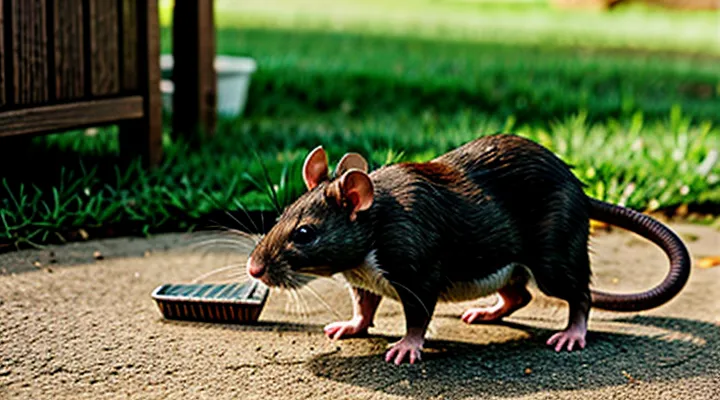
Understanding the Rat Problem
Identifying Rat Infestations
Common Signs of Rats
Detecting rodent activity is the first critical step before any control measures are implemented. Accurate identification of infestation relies on recognizing specific indicators that rats leave behind.
- Dark, pellet‑shaped droppings, typically ¼ to ½ inch long, found near food sources, along walls, or in hidden corners.
- Gnaw marks on wood, plastic, insulation, or wiring; teeth leave clean, crescent‑shaped cuts.
- Chewed or scattered food packaging, grain, and pet food.
- Grease‑filled runways and smudge marks along walls, created by the animal’s oily fur.
- Nests constructed from shredded paper, fabric, insulation, or dried vegetation, often located in concealed areas such as attics, crawl spaces, or beneath appliances.
- Audible evidence: scratching, scurrying, or squeaking noises, especially at night when rats are most active.
- Strong, musky odor emanating from urine or nesting material, noticeable in poorly ventilated spaces.
- Burrows or holes in foundation walls, fences, or ground, typically ½ to ¾ inch in diameter.
Observing any combination of these signs confirms the presence of rats and justifies immediate remediation efforts.
Areas Prone to Rat Activity
Rats concentrate their activity in locations that provide food, water, shelter, and easy travel routes. Recognizing these hotspots is essential for any effective rat control program.
Typical indoor zones include kitchens where food residues accumulate, pantries with stored grains, and dining areas with occasional crumbs. Structural voids such as attics, basements, crawl spaces, and wall cavities offer protection from predators and temperature extremes. Utility shafts, pipe chases, and HVAC ducts serve as concealed pathways connecting multiple rooms.
Outdoor environments that attract rodents feature garbage receptacles, compost piles, and pet feeding stations. Dense vegetation, garden beds, and mulch create cover for nesting. Foundation cracks, drainage gaps, and sewer line entrances provide direct access to the interior of a building.
- Kitchen counters and sink areas
- Pantry shelves and cabinets
- Attic insulation and rafters
- Basement walls and floor joists
- Crawl‑space openings
- Wall voids and ceiling spaces
- Utility shafts and pipe chases
- Garbage bins and compost piles
- Garden beds and mulch layers
- Foundation cracks and sewer connections
Targeting these specific areas with inspection, sanitation, and exclusion measures dramatically reduces the likelihood of rat infestation.
Risks Associated with Rats
Health Hazards from Rats
Rats carry a wide range of pathogens that threaten human health. Direct contact with urine, feces, or saliva can transmit bacterial infections such as leptospirosis, salmonellosis, and hantavirus pulmonary syndrome. These illnesses may cause fever, kidney damage, respiratory distress, or severe gastrointestinal symptoms.
Contamination of food supplies occurs when rodents gnaw packaging, deposit droppings, or leave hair and dander on consumables. This leads to foodborne outbreaks and increases the risk of allergic reactions.
Parasites commonly associated with rats include fleas, mites, and ticks, which can bite humans and spread diseases like plague and typhus. Rodent bites themselves may become infected, resulting in cellulitis or abscess formation.
Structural damage caused by gnawing can expose insulation and wiring, creating fire hazards and releasing toxic dust. The presence of rodent nests also promotes mold growth, aggravating asthma and other respiratory conditions.
Key health hazards:
- Bacterial infections (leptospirosis, salmonellosis, hantavirus)
- Viral diseases (hantavirus pulmonary syndrome, Lassa fever)
- Parasitic infestations (fleas, mites, ticks)
- Food contamination and allergic reactions
- Bite‑related wounds and secondary infections
- Respiratory problems from mold and dust
Mitigating these risks requires prompt elimination of rodent activity, sealing entry points, and maintaining sanitation standards throughout the property. Regular monitoring and professional intervention reduce exposure to the outlined hazards.
Property Damage Caused by Rats
Rats inflict extensive damage on residential and commercial properties, compromising structural integrity, electrical systems, and hygiene standards. Their incisors continuously gnaw on building materials, weakening support beams, joists, and insulation. Repeated chewing creates holes that allow further entry of pests and exposure to weather elements.
- Structural components – wood framing, drywall, and insulation suffer perforations that reduce load‑bearing capacity and increase repair costs.
- Electrical wiring – insulation on copper or aluminum conductors is stripped, heightening fire risk and causing circuit failures.
- Plumbing – soft tubing and rubber seals are chewed, leading to leaks, water loss, and potential mold growth.
- Food stores – stored grains, canned goods, and pantry items become contaminated by gnaw marks, saliva, urine, and feces, rendering them unsafe for consumption.
- Health hazards – droppings and urine disseminate pathogens such as Hantavirus, Leptospira, and Salmonella, creating indoor air quality concerns and increasing disease transmission risk.
Damage assessment informs the selection of appropriate rat control measures, ensuring that remediation addresses both the immediate harm and the conditions that facilitate reinfestation. Prompt identification and repair of compromised elements reduce long‑term expenses and protect occupants from health threats.
Prevention Strategies
Sealing Entry Points
Inspecting Your Property
Inspecting a property is the initial step in any effective rat control program. A thorough examination identifies entry points, nesting sites, and food sources that support infestation, allowing targeted interventions rather than random measures.
Key actions during the inspection:
- Walk the exterior perimeter; look for gaps larger than ¼ inch in walls, foundations, vents, and utility openings. Seal all openings with steel wool, metal flashing, or cement.
- Examine the roof and eaves for broken tiles, missing flashing, or debris that can shelter rodents; repair or remove damaged material.
- Check the attic, crawl spaces, and basements for droppings, gnaw marks, and shredded insulation; clean debris and install traps or bait stations where activity is evident.
- Survey interior rooms, especially kitchens, pantries, and storage areas; store food in sealed containers, eliminate standing water, and keep garbage bins tightly closed.
- Inspect plumbing and drainage lines for leaks or cracks; repair to prevent water accumulation that attracts rats.
- Document all findings, prioritize high‑risk zones, and develop a remediation plan that combines exclusion, sanitation, and, if necessary, trapping or baiting.
Materials for Exclusion
Excluding rats from a property begins with sealing every potential entry point using materials that resist gnawing and withstand environmental conditions.
- Steel wool, tightly packed, blocks gaps as small as ¼ inch and deters chewing.
- Copper or stainless‑steel mesh (hardware cloth) with ¼‑inch openings provides durable coverage for larger openings.
- Sheet metal or metal flashing, cut to size, offers permanent protection for vents, roof edges, and foundation cracks.
- Concrete or cement mortar fills cracks and voids in foundations, walls, and flooring.
- Expanding polyurethane foam, applied in conjunction with mesh, fills irregular spaces while maintaining a barrier.
- Door sweeps and weatherstripping seal gaps beneath exterior doors and garage entries.
- PVC or metal pipe sleeves encase utility conduit, preventing rodents from traveling along pipes.
Selection criteria focus on rodent gnaw resistance, aperture size, and exposure to moisture or temperature fluctuations. Materials with metal components outperform plastic when subjected to repeated chewing. For openings smaller than ¼ inch, combine steel wool with a mesh overlay to prevent displacement.
Installation requires overlapping seams by at least one inch, securing fasteners with corrosion‑resistant screws, and applying a compatible sealant to all joints. Verify that the barrier extends beyond the exterior surface by a few centimeters to eliminate hidden voids.
Regular inspection identifies wear, corrosion, or displacement. Replace compromised sections promptly to maintain an uninterrupted exclusion system. Continuous monitoring preserves the integrity of the barrier and reduces the likelihood of reinfestation.
Eliminating Food and Water Sources
Proper Food Storage
Proper food storage directly limits rat attraction and supports effective pest control on a property. Secure containers and controlled access prevent rodents from locating and contaminating food sources, reducing the likelihood of infestation.
Key practices for safe food handling include:
- Use airtight, rodent‑proof containers made of metal or heavy‑wall plastic.
- Store dry goods, pet food, and grains at least six inches off the floor and away from walls.
- Keep all waste, including food scraps, in sealed bins with tight‑fitting lids.
- Clean spills immediately; avoid leaving crumbs on countertops or floors.
- Rotate stock regularly to eliminate stale or expired items that may emit odors.
Regular inspection reinforces these measures. Check seals for damage, verify that lids remain secure, and monitor storage areas for signs of gnawing or droppings. Promptly repair compromised containers and remove any contaminated material. Consistent enforcement of these protocols minimizes food availability for rats, enhancing overall eradication efforts.
Managing Waste and Debris
Effective rat control begins with strict waste management. Food residues, packaging, and organic debris provide the primary attraction for rodents; eliminating these sources removes the incentive for infestation.
Maintain a sealed waste system by:
- Using containers with tight-fitting lids and reinforcing seams to prevent gnawing.
- Positioning dumpsters at least 10 feet from building foundations and elevating them on platforms to deter climbing.
- Emptying trash daily during warm months, and at least twice weekly in cooler periods.
- Disposing of compost in sealed bins, avoiding open piles that expose food scraps.
- Removing fallen fruit, nuts, and garden debris promptly, storing them in locked containers.
Regularly inspect and clear clutter in storage areas, attics, and crawl spaces. Replace broken insulation, repair holes in walls, and seal gaps around utility penetrations. Consistent waste elimination reduces rodent activity and supports broader rat removal measures.
Maintaining a Clean Environment
Garden and Yard Maintenance
Effective garden and yard upkeep directly supports strategies for eliminating rodents from a property. Maintaining a tidy exterior reduces shelter and food sources that attract rats, thereby enhancing the efficacy of control measures.
- Keep grass, weeds, and shrubs trimmed to a height of no more than six inches. Short vegetation limits concealment and forces rodents into open areas where traps and baits are more visible.
- Remove piles of leaves, branches, and other organic debris. Accumulated material provides nesting material and hides entry points.
- Store compost in sealed containers with tight-fitting lids. Open compost bins release odors that draw rats; sealed units prevent access while still allowing decomposition.
- Eliminate standing water by draining puddles, fixing leaks, and directing rain runoff away from foundations. Moisture sources encourage rodent activity and support insects that serve as secondary food.
- Secure all outdoor food storage, including pet feed, birdseed, and garden produce. Use metal or heavy‑duty plastic containers with lockable lids to deny rodents easy access.
- Inspect and seal gaps around foundations, utility lines, and drainage pipes. Install steel mesh or concrete sealant to block entry points that rats exploit.
Regular inspection of the perimeter for signs of burrowing or gnaw marks enables early detection and prompt intervention. Integrating these maintenance practices with trapping, baiting, and professional assessment creates a comprehensive approach to rodent eradication.
Indoor Housekeeping Tips
Effective indoor housekeeping directly supports rat control efforts. Secure all food items in airtight containers; avoid leaving pet food or crumbs on countertops. Promptly clean spills and remove waste from the premises; dispose of garbage in sealed bins with tight-fitting lids. Maintain a clutter‑free environment by discarding unnecessary cardboard, paper, and fabric that can serve as nesting material. Regularly inspect walls, ceilings, and floor joists for signs of damage and seal any openings with steel wool or metal mesh.
- Store seasonal items in plastic bins rather than cardboard boxes.
- Sweep and vacuum daily in kitchens, dining areas, and pantry shelves.
- Keep recycling containers closed and empty them frequently.
- Repair leaky pipes and eliminate standing water that may attract rodents.
- Conduct monthly visual checks for gnaw marks, droppings, or burrows.
These practices reduce food availability, eliminate shelter, and limit entry routes, thereby enhancing overall rat eradication measures.
Direct Removal Methods
Trapping Options
Snap Traps
Snap traps are a mechanical solution widely employed in rat control programs. The device consists of a spring‑loaded bar that delivers a rapid, lethal force when the baited trigger is activated. This method provides immediate results, allowing property owners to confirm removal without delay.
Effective deployment requires attention to placement and bait selection. Rats travel along walls, beneath appliances, and within concealed pathways; positioning traps perpendicular to these routes maximizes contact. Preferred baits include high‑protein items such as peanut butter, dried fruit, or small pieces of meat, which attract rodents quickly. Traps should be set with the trigger end facing the wall, ensuring the animal approaches from the side rather than the front.
Key considerations for safe and efficient use:
- Use gloves when handling traps to avoid contaminating the trigger mechanism.
- Place traps out of reach of children and non‑target wildlife; consider lockable bait stations in high‑traffic areas.
- Check traps daily; dispose of captured rodents in sealed containers and sanitize the area with a disinfectant.
- Rotate trap locations regularly to prevent rats from learning avoidance patterns.
When integrated with complementary tactics—such as sealing entry points and maintaining a clean environment—snap traps contribute to a comprehensive rat eradication strategy that reduces infestation levels while minimizing reliance on chemical controls.
Live Traps
Live traps provide a humane solution for removing rats from residential or commercial premises. The device consists of a sturdy cage with a trigger mechanism that closes the door once a rat enters, allowing capture without injury. This method eliminates the need for poisons, reducing health risks to occupants and pets.
Key considerations when selecting a live trap include:
- Size: cage interior must accommodate adult rats (minimum 12 × 8 × 8 inches).
- Material: metal construction resists chewing; plastic models are lighter but may be damaged.
- Trigger sensitivity: adjustable trigger ensures reliable closure without false activations.
- Ease of cleaning: smooth surfaces and removable doors simplify sanitation between uses.
Effective placement maximizes capture rates. Position traps along established runways, near walls, behind appliances, or close to known gnawing sites. Bait with high‑fat foods such as peanut butter, dried fruit, or canned meat, and secure the lure to prevent premature removal. Check traps at least twice daily; prolonged confinement can cause stress or injury to the animal.
After capture, relocate the rat at least one mile from the property, preferably in a wooded area with natural shelter. Wear gloves, place the cage on a flat surface, and release the animal gently. Follow local wildlife regulations, which may require permits or specific disposal methods. Clean and disinfect the trap after each use to prevent disease transmission and maintain effectiveness in ongoing rat control efforts.
Electronic Traps
Electronic traps provide a rapid, electrically‑induced solution for eliminating rats that have entered a building. The device detects the presence of a rodent through infrared sensors or pressure plates and delivers a high‑voltage shock that kills the animal instantly, preventing further damage and disease transmission.
The operation relies on a closed circuit that activates only when a rat contacts the trigger mechanism. Power is supplied by mains electricity or rechargeable batteries, ensuring consistent performance even during outages. The shock voltage is calibrated to be lethal to rodents while remaining safe for humans and pets when the unit is properly installed.
Key benefits
- Immediate kill eliminates the need for repeated inspections.
- No chemical baits, reducing risk of secondary poisoning.
- Reusable components lower long‑term expense.
- Silent operation avoids disturbance in residential or commercial settings.
Critical considerations
- Placement near walls, along travel paths, and away from non‑target species.
- Secure mounting to prevent accidental contact by children or animals.
- Regular cleaning of the detection surface to maintain sensor accuracy.
- Initial purchase price higher than snap traps; evaluate budget constraints.
Effective deployment pairs electronic traps with exclusion techniques such as sealing entry points and maintaining sanitation. Monitoring captured data, often displayed on a built‑in counter, helps assess infestation levels and adjust trap density accordingly. Integrating these devices into a comprehensive rat control program maximizes removal efficiency while minimizing health hazards.
Trap Placement and Baiting
Effective rat control depends on precise trap positioning and appropriate bait selection. Place traps along walls, behind appliances, and in areas where droppings or gnaw marks are evident. Rats prefer established pathways; positioning devices perpendicular to these routes maximizes contact. Ensure traps are set at a height of 2‑4 inches from the floor, matching the animal’s natural travel line.
Select bait that appeals to the target species and remains attractive under local conditions. Common choices include:
- Peanut butter mixed with oats
- Fresh fruit pieces (apple, banana) secured to the trap
- Commercial rodent attractants containing grain or meat essence
Rotate bait every 2‑3 days to maintain potency. Secure bait firmly to prevent removal without triggering the trap. When using live‑capture devices, add a small amount of water or a scent‑enhancing additive to increase lure efficiency.
Inspect traps daily, record capture locations, and adjust placement based on observed activity patterns. Replace failed or tampered traps promptly to prevent population rebound. Consistent monitoring and strategic bait management create a sustainable reduction in rodent presence.
Baits and Poisons
Types of Rodenticides
Rodenticides represent a critical component of any comprehensive rat‑control program. Their effectiveness depends on active ingredients, delivery methods, and safety considerations.
- Anticoagulants – interfere with blood clotting, causing internal hemorrhage. First‑generation compounds (warfarin, chlorophacinone) require multiple feedings; second‑generation agents (bromadiolone, difethialone) act after a single dose and are effective against resistant populations.
- Bromethalin – a neurotoxin that disrupts cellular energy production. It produces rapid mortality and is less prone to resistance, but poses higher toxicity to non‑target wildlife.
- Zinc phosphide – releases phosphine gas upon ingestion, leading to acute respiratory failure. Suitable for outdoor settings where bait stations are inaccessible to pets, yet requires strict handling protocols.
- Cholecalciferol (vitamin D3) – induces fatal hypercalcemia. It offers a humane death process and lower secondary poisoning risk, though it may be less attractive to some rat species.
- Strychnine – a potent central nervous system stimulant. Its use is heavily regulated due to severe secondary poisoning hazards and is generally discouraged in residential environments.
Selection criteria include target species behavior, presence of children or domestic animals, local resistance patterns, and regulatory restrictions. Bait stations should be tamper‑proof, placed along walls or near known activity zones, and inspected regularly for consumption and debris. Disposal of dead rodents must follow local health guidelines to prevent secondary exposure.
Integrating rodenticides with habitat modification, exclusion techniques, and mechanical traps enhances overall success and reduces reliance on chemical agents alone. Continuous monitoring ensures that the chosen formulation remains effective and that any signs of resistance are addressed promptly.
Safe Handling and Application
Effective rat control requires strict adherence to safety protocols during handling and deployment of control measures. Personnel must wear protective gloves, goggles, and respiratory protection when interacting with toxic baits or mechanical devices. Clothing should be dedicated to the task and laundered separately to avoid cross‑contamination. All equipment must be inspected for damage before each use; compromised traps or broken bait stations present unnecessary hazards.
When applying chemical baits, follow label instructions precisely. Measure the exact quantity specified for the target area, avoiding excess that could expose non‑target animals or occupants. Place bait stations in concealed locations inaccessible to children and pets, such as behind appliances or within wall voids. Secure stations to prevent displacement by wind or other animals. After placement, record the location, date, and product batch number for accountability and future reference.
Mechanical traps demand careful positioning and regular monitoring. Set traps along established rodent pathways, near walls, or adjacent to food sources. Use snap or electric traps that deliver rapid, humane incapacitation, reducing the risk of prolonged suffering and contamination. Check traps at least twice daily; dispose of deceased rodents in sealed, double‑layered bags, then place in an approved waste container. Clean and disinfect traps after each capture to maintain efficacy and prevent disease transmission.
Finally, implement an exclusion plan to complement active control measures. Seal entry points larger than ¼ inch with steel wool, cement, or metal flashing. Repair structural damage promptly, and maintain a clean environment to deter re‑infestation. Documentation of all exclusion actions supports ongoing evaluation of the overall rat management program.
Risks to Pets and Children
Implementing rodent control on a residence introduces specific hazards for animals and youngsters. Contact with poison baits, traps, or contaminated surfaces can result in acute toxicity, injury, or secondary exposure.
- Anticoagulant baits: ingestion causes internal bleeding; secondary poisoning occurs when pets or children handle a poisoned rodent.
- Snap traps: rapid closure can crush paws or fingers; improper placement may lead to accidental triggering.
- Glue boards: adhesive surfaces cause skin irritation, eye injury, or respiratory distress if a pet or child becomes stuck.
- Rodent droppings and urine: contain pathogens such as Leptospira, Hantavirus, and Salmonella; inhalation or skin contact leads to infection.
- Chemical repellents: aerosol sprays contain irritants; direct inhalation may provoke respiratory irritation or allergic reactions.
Mitigation measures include securing baits in tamper‑proof dispensers, positioning traps out of reach of non‑target occupants, using pet‑safe enzymatic cleaners for contaminated areas, and supervising children during any rodent‑control activity. Regular inspection of the property after treatment ensures that no hazardous materials remain accessible.
Professional Pest Control
When to Call an Exterminator
Rats can cause structural damage, contaminate food, and transmit disease. Homeowners often attempt DIY traps, sealing entry points, and sanitation improvements. Professional intervention becomes necessary when these measures fail or the infestation reaches a level that threatens health and safety.
- Visible activity in multiple rooms, indicating a colony larger than a few individuals.
- Continuous gnaw marks on wiring, insulation, or structural beams.
- Presence of droppings, urine stains, or strong musky odor despite cleaning efforts.
- Damage to stored food supplies or evidence of consumption in sealed containers.
- Repeated trap failures or rapid replacement of captured rodents.
- Concerns about disease transmission to occupants, especially children, elderly, or immunocompromised individuals.
- Legal or insurance requirements that mandate professional pest control documentation.
When any of these conditions appear, contact a licensed exterminator. Professionals can perform comprehensive inspections, identify hidden nests, apply baiting systems safely, and implement long‑term exclusion techniques that exceed the capabilities of typical homeowner tools. Prompt professional action reduces the risk of extensive property damage and health hazards.
What to Expect from Professionals
Professional rat‑removal services begin with a thorough on‑site inspection. Technicians identify entry points, assess the extent of infestation, and document evidence such as droppings, gnaw marks, and active nests. The inspection report includes a clear description of the problem areas and recommended actions.
A written treatment plan follows the inspection. The plan outlines specific control methods—traps, bait stations, exclusion measures—and explains how each will be deployed. It also specifies the timeline for implementation, safety precautions for occupants and pets, and any required preparations, such as sealing food sources or removing clutter.
Licensed contractors use certified equipment and approved rodenticides. They follow regulatory guidelines for placement, dosage, and disposal. All materials are labeled, and safety data sheets are provided upon request.
Clients receive a cost estimate that separates labor, materials, and any follow‑up visits. The estimate includes a guarantee period during which the provider will revisit the property at no additional charge if rat activity persists.
After treatment, the service includes a post‑intervention inspection. Technicians verify trap captures, inspect bait stations, and reassess entry points. They deliver a concise summary of results and recommend long‑term prevention steps, such as sealing gaps, installing door sweeps, and maintaining sanitation standards.
Ongoing support is offered through scheduled monitoring visits or a hotline for emergency re‑treatment. Documentation of each visit is recorded in a service log that the property owner can access for reference.
Post-Removal Actions
Sanitation and Cleanup
Disinfecting Infested Areas
Effective disinfection of areas contaminated by rodent activity is essential to prevent disease transmission and to prepare the site for further pest‑control measures. Begin by removing all visible debris, droppings, and nesting material. Use disposable gloves and a mask to protect against pathogens such as hantavirus, leptospirosis, and salmonella. Place contaminated items in sealed bags before disposal.
Next, select an appropriate disinfectant. EPA‑registered products labeled for rodent‑borne pathogens, such as quaternary ammonium compounds, bleach solutions (1 part household bleach to 9 parts water), or hydrogen peroxide‑based cleaners, provide reliable antimicrobial action. Apply the solution generously to surfaces, cracks, and crevices where urine or feces have accumulated. Allow the contact time specified on the label—typically 10–15 minutes—to ensure complete pathogen inactivation.
After the dwell time, rinse or wipe down the treated surfaces with clean water if the disinfectant leaves a residue that could attract pests. Dry the area thoroughly to discourage re‑infestation. For porous materials that cannot be adequately disinfected, consider removal and replacement.
Implementing these steps reduces health risks and creates a sanitary environment for subsequent rat‑removal strategies. The process should be repeated after any new signs of activity until the property is verified as free of rodent contamination.
Removing Dead Rodents
Removing dead rodents from a property is a critical component of any rat‑control program. Dead animals attract flies, emit odor, and can release pathogens that jeopardize human health and contaminate food supplies. Prompt, safe disposal prevents secondary infestations and reduces the risk of disease transmission.
When a dead rat is discovered, follow these steps:
- Wear protective equipment – gloves, disposable boot covers, and a mask protect against direct contact with fluids and airborne particles.
- Isolate the area – close doors and windows, and restrict access to prevent accidental contact.
- Place the carcass in a sealed container – a heavy‑duty plastic bag or a rigid box with a tight‑fitting lid contains odors and prevents leakage.
- Label the container – include the date of collection and a warning label such as “Biological Hazard.”
- Dispose according to local regulations – many jurisdictions require placement in a designated animal waste bin, hand‑over to a licensed waste‑removal service, or burial at a depth of at least 12 inches away from water sources.
- Sanitize the site – apply a disinfectant approved for rodent pathogens, focusing on surfaces, floors, and any materials that may have contacted the carcass. Allow the solution to remain on the surface for the recommended contact time before wiping or rinsing.
- Ventilate and deodorize – open windows, use fans, and apply an odor‑neutralizing agent to eliminate residual smells that could attract other pests.
After removal, inspect the surrounding area for signs of additional mortality, such as fresh droppings or gnaw marks. Replace any compromised food storage containers, repair structural gaps that allow rodent entry, and consider installing traps or bait stations to reduce future populations. Consistent adherence to these procedures maintains a hygienic environment and supports the overall effectiveness of rat‑removal efforts.
Ongoing Monitoring
Regular Inspections
Regular inspections provide the systematic detection of rodent activity and the verification of control measures. Early identification of droppings, gnaw marks, nests, or fresh tracks prevents population growth and limits property damage.
Inspections should occur at least once a month in high‑risk areas and quarterly in low‑risk zones. Seasonal peaks, such as autumn, merit additional visits. Scheduling aligns with weather changes that influence rodent behavior.
During each inspection, personnel examine interior and exterior locations where food, water, or shelter are available. They check:
- Attic and roof voids for gnaw‑ed insulation or nesting material.
- Crawl spaces and foundations for entry holes and burrows.
- Kitchen, pantry, and garbage areas for spillage and unsecured containers.
- Utility lines, vents, and pipe penetrations for gaps larger than ¼ inch.
- Existing traps and bait stations for activity and proper placement.
A concise checklist guides the process, ensuring consistency across visits. Documentation records the date, inspected zones, observed signs, and corrective actions taken. Photographs accompany entries when evidence is present.
Follow‑up actions include sealing identified openings, repositioning or replenishing traps, and adjusting bait strategies. Continuous record analysis highlights trends, enabling proactive adjustments to the overall rat control program.
Preventive Measures Reinforcement
Effective rat control begins with solid preventive foundations. Seal all potential entry points by installing steel wool or metal flashing in gaps around pipes, vents, and foundation cracks. Replace deteriorated weather stripping on doors and windows, and ensure that door sweeps contact the floor without gaps. Use concrete or metal mesh to block openings under utility lines and crawl spaces.
Maintain a clean environment that deprives rodents of food and shelter. Store garbage in sealed containers and remove waste daily. Keep indoor and outdoor food sources—pet feed, birdseed, compost—inside airtight bins. Eliminate standing water and fix leaks to reduce humidity that attracts rats.
Manage vegetation and debris around the building. Trim shrubs, trees, and vines that touch the structure, creating a barrier of at least three feet. Remove piles of wood, leaves, and other organic matter that can serve as nesting sites. Keep lawn height low and ensure proper drainage to prevent moisture accumulation.
Strengthen structural components that can become access routes. Install metal flashing around the perimeter of the foundation, especially where the building meets the ground. Fit rodent-resistant hardware—copper or stainless-steel fasteners—in areas prone to gnawing. Apply rodent-proof sealants to gaps around electrical conduits and HVAC ducts.
Implement regular monitoring to verify the integrity of preventive measures. Place snap traps or electronic monitoring devices along known travel paths and inspect them weekly. Record any signs of activity—droppings, gnaw marks, or burrows—and address breaches immediately.
By reinforcing these preventive actions, the likelihood of rat intrusion diminishes, supporting long‑term success of any removal program.