
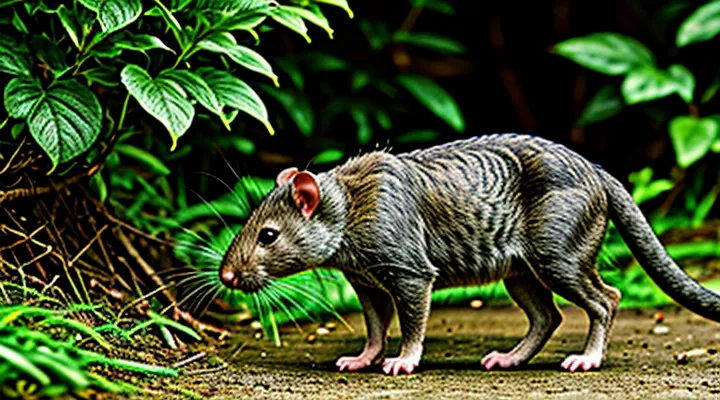
Defining «Large Wild Rats»
Key Species and Their Characteristics
Large rodent taxa that exceed the dimensions of typical urban rats occupy diverse habitats and exhibit specialized behaviors. Each species demonstrates distinct morphological and ecological adaptations that shape its role within ecosystems.
- Rattus norvegicus (Norwegian or brown rat) – body length up to 30 cm, weight 300–500 g; prefers riparian zones, agricultural fields, and sewers; omnivorous diet includes seeds, insects, and carrion; forms hierarchical colonies with defined burrow networks; breeding season peaks in spring, litter size 6–12.
- Rattus rattus (Black rat) – length 20–25 cm, weight 150–250 g; thrives in tropical forests and human dwellings; arboreal foraging on fruits, nuts, and arthropods; exhibits matriarchal social groups, with females leading nest construction; multiple litters per year, each 5–9 young.
- Rattus tanezumi (Asian house rat) – length 18–22 cm, weight 120–250 g; inhabits grasslands and cultivated landscapes across Southeast Asia; primarily grain and plant matter consumer; displays flexible social structure, ranging from solitary to small family units; rapid reproductive cycle, gestation 21 days, litters of 4–8.
- Rattus exulans (Pacific rat) – length 15–20 cm, weight 80–150 g; restricted to islands of the Pacific and Indian Oceans; diet emphasizes coastal invertebrates and seabird eggs; solitary or paired territories with minimal overlap; low reproductive output, typically 2–4 offspring per litter, reflecting limited island resources.
- Rattus argentiventer (Silver‑back rat) – length 25–30 cm, weight 350–450 g; occupies Southeast Asian rainforests and swamp edges; omnivorous with a preference for tubers and aquatic insects; forms loose colonies with occasional cooperative foraging; breeding synchronized with rainy season, producing 5–10 young.
These species illustrate how size, habitat preference, dietary breadth, and social organization converge to define the ecological impact of large wild rats. Their reproductive strategies and territorial behaviors contribute to population dynamics that influence seed dispersal, predation pressure, and disease transmission across varied ecosystems.
Geographic Distribution
Large wild rat species occupy a broad swath of the Old World tropics and subtropics, extending from the Indian subcontinent through Southeast Asia to the islands of Indonesia, Papua New Guinea, and northern Australia. Their range reaches the coastal lowlands of East Africa and the arid savannas of the Horn of Africa, where suitable habitats intersect with river systems and cultivated fields.
In South and Southeast Asia, populations thrive in monsoon‑driven floodplains, mangrove swamps, and secondary forest edges. The archipelagic region supports several endemic lineages on islands such as Borneo, Sulawesi, and the Philippines, where isolation has produced distinct morphological forms. In Oceania, the northern coast of Queensland and the Cape York Peninsula host the most northerly extents, where warm, humid conditions and abundant ground cover favor their survival.
Distribution correlates strongly with climatic variables—temperature above 20 °C and annual precipitation exceeding 1,000 mm provide the moisture required for foraging and burrowing. Soil composition influences burrow stability, while proximity to human settlements expands range through access to refuse and agricultural by‑products. Seasonal floods temporarily enlarge habitat availability, allowing rapid colonization of newly exposed floodplain soils.
Key distribution patterns:
- Concentration in riverine corridors and low‑lying wetlands.
- Presence on islands with historical land bridges or human‑mediated introductions.
- Expansion into agricultural mosaics where crop residues are plentiful.
- Limited penetration into arid interiors lacking reliable water sources.
Behavioral Traits
Social Structures and Dynamics
Large wild rats exhibit complex social organization that influences foraging efficiency, predator avoidance, and reproductive success. Groups typically form around a dominant individual, often a mature male, whose presence stabilizes hierarchy and reduces intra‑group aggression. Subordinate members occupy defined ranks, which are reflected in grooming patterns, feeding order, and access to nesting sites.
Key elements of rat social dynamics include:
- Dominance hierarchy: Linear ranking established through frequent aggressive encounters; rank determines priority for resources.
- Alloparental care: Subordinates assist in nest construction and offspring provisioning, enhancing litter survival.
- Territorial overlap: Adjacent groups maintain overlapping foraging ranges while defending core burrow systems, creating a mosaic of semi‑exclusive territories.
- Communication networks: Scent marking, ultrasonic vocalizations, and tactile signals convey status, reproductive readiness, and alarm cues.
Group composition fluctuates seasonally. Breeding peaks increase male competition, leading to temporary coalition formation among lower‑rank males that challenge the dominant individual. Post‑breeding dispersal reduces group size as juveniles seek new territories, contributing to gene flow across populations.
Stability of social structures depends on resource distribution. Abundant food sources support larger, more cohesive groups, whereas scarce resources promote fragmentation and heightened aggression. Monitoring these dynamics provides insight into the ecological impact of large rat populations and informs management strategies aimed at mitigating human‑wildlife conflict.
Colony Organization
Large feral rats that reach considerable body size form colonies that exhibit distinct spatial and social structures. Individuals occupy defined zones within a shared burrow system, with dominant adults maintaining peripheral entrances while subordinate members reside deeper in the network. This arrangement reduces conflict over resources and facilitates rapid detection of predators.
Colony composition follows a hierarchical pattern:
- Alpha pair: primary breeders, responsible for most offspring production.
- Subordinate adults: assist in nest maintenance, provide additional care to young, and may inherit breeding status.
- Juveniles: remain in the natal area until reaching sexual maturity, then disperse to establish new colonies or integrate into existing ones.
- Transient individuals: non‑resident rats that temporarily join colonies for foraging or mating opportunities.
Communication relies on multimodal signals. Scent markings deposited at tunnel junctions convey individual identity and reproductive status. Vocalizations, primarily ultrasonic calls, coordinate group movements during foraging excursions and alert members to threats. Tactile interactions, such as grooming, reinforce social bonds and hierarchy.
Reproductive output is synchronized with seasonal resource abundance. Breeding peaks occur when food availability supports rapid offspring growth, leading to multiple litters per year in optimal conditions. Females within the dominant pair produce larger litters, while subordinate females contribute smaller broods that supplement colony size.
Territorial boundaries are delineated by external burrow entrances and pheromone‑laden latrine sites. Guarding behavior concentrates at these points, with dominant rats patrolling to deter intruders. Intrusion by external individuals triggers aggressive displays, including chattering vocalizations and rapid lunges, which maintain colony integrity.
Overall, colony organization integrates spatial zoning, hierarchical breeding, multimodal communication, and territorial defense to optimize survival and reproductive success in environments where large wild rats thrive.
Communication Methods
Large feral rats rely on a multimodal communication system that coordinates social interaction, resource defense, and predator avoidance. Vocal output includes low‑frequency growls and high‑frequency squeaks, the latter often exceeding 30 kHz and detectable only by conspecifics equipped with ultrasonic hearing. These calls convey agitation, submission, or territorial claims, and are emitted in rapid bursts during confrontations.
Scent marking provides a persistent channel for information exchange. Glandular secretions deposited on burrow entrances, nesting material, and foraging paths contain pheromones that encode individual identity, reproductive status, and recent occupancy. Chemical cues persist for hours to days, allowing distant or absent rats to assess habitat suitability and hierarchy without direct contact.
Tactile signaling occurs during close‑range encounters. Whisker brushing, grooming, and body‑pressing transmit affiliative or aggressive intent. These behaviors are especially prevalent among kin groups, reinforcing social bonds and synchronizing activities such as cooperative nest construction.
Visual cues, though limited by nocturnal habits, supplement other modalities. Ear positioning, tail posture, and rapid locomotor displays serve as instant alerts to imminent threats or to initiate pursuit during mating chases.
Key functional aspects of the communication repertoire:
- Territory maintenance: ultrasonic calls and scent marks delineate occupied ranges, reducing overlap and costly physical disputes.
- Mate attraction: pheromonal profiles signal fertility, while vocalizations attract receptive individuals during breeding peaks.
- Predator detection: alarm squeaks propagate through colonies, prompting immediate retreat to burrows; tactile alarm through foot‑stomping reinforces the warning.
- Social cohesion: grooming and whisker contact sustain group stability, influencing foraging efficiency and disease transmission dynamics.
The integration of acoustic, chemical, tactile, and visual signals enables large wild rats to adapt to fluctuating resource distribution and predator pressure, shaping population structure across diverse habitats.
Dominance Hierarchies
Dominance hierarchies in large feral rodent populations establish predictable patterns of social interaction that regulate access to food, shelter, and mates. Individuals occupy positions ranging from alpha to subordinate, with rank determined by a combination of physical size, age, and prior contest outcomes. The hierarchy remains relatively stable over short periods but can shift rapidly after mortality events or immigration of new adults.
Key functions of the hierarchy include:
- Allocation of high‑quality foraging sites to dominant individuals, reducing competition for lower‑ranking members.
- Prioritization of breeding opportunities, where alphas achieve greater reproductive success and influence gene flow.
- Modulation of aggression levels; subordinate rats exhibit reduced overt conflict, lowering injury risk and associated pathogen exposure.
Ecological consequences arise from the hierarchical structure. Concentrated resource use by dominant rats can create localized over‑exploitation, affecting seed dispersal and soil turnover. Subordinate individuals, forced to exploit marginal habitats, increase the spatial reach of the population and may encounter novel food sources or predators, thereby influencing ecosystem dynamics. Hierarchical stress gradients also affect physiological stress markers, which correlate with immunocompetence and disease transmission patterns across the colony.
Research employing radio‑telemetry and behavioral observation confirms that hierarchy strength predicts movement corridors, home‑range overlap, and seasonal adjustments in social organization. Management interventions targeting dominant individuals produce measurable changes in population density and resource distribution, demonstrating the hierarchy’s central role in shaping the ecological footprint of large wild rat communities.
Foraging and Diet
Large wild rats exhibit opportunistic foraging strategies that maximize caloric intake while minimizing exposure to predators. Individuals select food sources based on availability, nutritional value, and risk assessment, employing tactile and olfactory cues to locate edible items.
- Seeds, grains, and nuts constitute the primary plant-derived portion of the diet.
- Invertebrates, including insects, earthworms, and mollusks, provide protein and essential micronutrients.
- Small vertebrates, such as amphibians and juvenile reptiles, are consumed opportunistically.
- Anthropogenic waste, particularly discarded food and organic refuse, supplements natural intake in urbanized habitats.
Seasonal fluctuations drive dietary shifts. During spring, abundant sprouts and insects dominate consumption; summer sees increased seed and fruit intake; autumn prompts reliance on stored seeds and high-fat nuts; winter forces reliance on cached resources and human-sourced waste. Foraging routes expand in response to scarcity, with individuals traveling greater distances and utilizing diverse microhabitats, from forest floor litter to sewer systems.
Energetic demands of reproductive cycles intensify protein intake, prompting heightened predation on invertebrates and small vertebrates. Post‑reproductive individuals reduce foraging range, focusing on high‑energy reserves to support survival during periods of reduced food availability.
These feeding behaviors influence ecosystem processes. Seed predation and dispersal affect plant community composition, while predation on invertebrates regulates soil arthropod populations. Waste consumption links urban waste management to wildlife health, with implications for disease transmission and population dynamics.
Food Preferences
Large feral rats occupying open habitats exhibit a diet that reflects both opportunistic feeding and selective preferences driven by nutrient availability. Their consumption patterns influence seed dispersal, invertebrate populations, and nutrient cycling across ecosystems.
- Grains and cereals (wheat, barley, rice) constitute the primary carbohydrate source.
- Seeds of native grasses and herbaceous plants provide essential fats and proteins.
- Invertebrates (beetles, larvae, earthworms) supply high‑quality protein and micronutrients.
- Fruit and berries contribute sugars and antioxidants during ripening periods.
- Carrion and occasional small vertebrates offer supplemental protein during scarcity.
Seasonal shifts modify intake ratios. In spring, abundant seedlings and insects increase protein consumption, while summer sees a rise in fruit and seed intake. Autumn prompts greater reliance on stored grains and nuts, and winter forces a shift toward carrion and stored food caches.
Foraging occurs primarily at ground level, with nocturnal activity reducing predation risk. Rats employ tactile exploration and olfactory cues to locate concealed food items, and they exhibit food hoarding behavior that can affect local resource distribution. Their ability to digest a wide range of plant and animal matter enables survival in fluctuating environments and contributes to their role as adaptable omnivores within their ecological niche.
Hunting and Scavenging Techniques
Large feral rodents that exceed typical laboratory sizes exhibit sophisticated hunting and scavenging strategies that influence predator‑prey dynamics and nutrient cycling.
These animals rely on acute olfactory and auditory senses to locate live prey such as insects, amphibians, and small vertebrates. Rapid bursts of locomotion, generated by well‑developed hind‑limb musculature, enable short‑range pursuits. Coordinated attacks often involve multiple individuals that flank or herd the target, increasing capture success.
Scavenging behavior complements active hunting. Individuals regularly exploit carrion from larger mammals, birds, and reptiles. The following techniques characterize their scavenging repertoire:
- Chemical detection: Sensitive nasal receptors identify volatile compounds released by decaying tissue.
- Tactile assessment: Whisker contact evaluates firmness and accessibility of carcasses hidden beneath debris.
- Temporal opportunism: Rapid consumption of fresh remains reduces competition with larger scavengers.
- Cache utilization: Excess food is stored in underground burrows, providing a reserve during periods of scarcity.
- Inter‑species theft: Individuals may pilfer leftovers from predator kills, relying on stealth and speed.
Social organization enhances both hunting and scavenging efficiency. Hierarchical groups allocate specific roles—explorers scout for resources, while dominant members secure and distribute captured or found food. This division of labor minimizes intra‑group conflict and maximizes overall intake.
Environmental factors shape technique selection. In densely vegetated habitats, ambush predation dominates; in open areas, pursuit predation increases. Seasonal fluctuations in prey abundance drive a shift toward greater scavenging reliance during winter months.
Collectively, these behaviors demonstrate adaptive flexibility, allowing large wild rats to exploit a broad spectrum of food sources and maintain ecological presence across diverse ecosystems.
Adaptations for Resource Acquisition
Large feral rodents exhibit a suite of morphological, sensory, and behavioral modifications that enhance their ability to locate, capture, and process food in diverse habitats. Muscular forelimbs and robust incisors allow the animals to breach hard substrates such as seed coats, bark, and underground storage structures. Enlarged olfactory epithelium and high‑density nasal receptors detect volatile compounds from decaying matter, fruit, and invertebrate prey, extending foraging range beyond visual limits.
Key adaptations for resource acquisition include:
- Dental specialization: Continuously growing incisors with self‑sharpening edges facilitate gnawing on woody material and competition for limited caches.
- Cognitive flexibility: Spatial memory circuits support cache retrieval and route optimization, reducing travel time between feeding sites.
- Social foraging dynamics: Hierarchical communication signals coordinate group exploitation of abundant resources while limiting intra‑specific competition.
- Metabolic efficiency: Elevated basal metabolic rates and efficient nutrient absorption enable rapid energy turnover during periods of high food demand.
These traits collectively permit large wild rats to exploit a broad spectrum of nutritional sources, from seeds and fruits to carrion and anthropogenic waste, sustaining population growth across fragmented and urbanized landscapes.
Reproductive Strategies
Large wild rats display a suite of reproductive adaptations that maximize fitness under fluctuating resource availability and predation pressure. Seasonal breeding peaks align with periods of abundant food, typically in late spring and early summer, when females enter estrus synchronously across populations. This temporal clustering reduces the interval between successive litters and enhances offspring survival through cooperative vigilance.
Females produce litters ranging from three to ten pups, with gestation lasting approximately 21–23 days. Litter size correlates positively with maternal body condition and ambient temperature; well‑fed females in warm habitats tend to generate larger broods. Post‑natal development proceeds rapidly; pups achieve independence within four weeks, allowing females to initiate a new reproductive cycle shortly thereafter.
Reproductive strategies incorporate both opportunistic and territorial components. Males adopt a polygynous system, defending overlapping home ranges that intersect multiple female territories. Aggressive encounters are brief, and chemical communication via scent marks mediates spacing without extensive physical conflict. In densely populated areas, sneaker males employ stealth mating tactics, infiltrating female burrows during periods of reduced male vigilance.
Parental investment is primarily maternal. Females construct insulated nesting chambers, regulate microclimate through selective bedding, and provide continuous thermoregulation and nourishment. Paternal care is minimal; males contribute indirectly by maintaining scent‑marked boundaries that deter rival intruders and reduce nest predation risk.
Environmental variables shape reproductive output through phenotypic plasticity. Drought conditions trigger delayed estrus and reduced litter size, while high‑quality habitats support multiple breeding cycles per year. Population density influences sex ratios; overcrowding often results in a higher proportion of male offspring, a pattern consistent with the Trivers–Willard hypothesis.
Key reproductive tactics can be summarized:
- Seasonal synchronization of estrus with resource peaks
- Variable litter size linked to maternal condition
- Polygynous male territoriality supplemented by sneaker strategies
- Exclusive maternal care with nest construction and thermoregulation
- Density‑dependent sex ratio adjustments
These mechanisms collectively enable large wild rats to sustain high reproductive rates, maintain population stability, and exploit diverse ecological niches.
Breeding Seasons and Cycles
Large wild rats exhibit distinct reproductive timing that aligns with seasonal resource availability. In temperate zones, breeding peaks during spring and early summer when vegetation and insect populations rise, providing abundant protein for lactating females. In tropical regions, reproductive activity often intensifies during the rainy season, when food abundance and humidity support higher survival rates for offspring.
The reproductive cycle begins with estrus triggered by photoperiod changes or rainfall patterns, depending on latitude. Females enter estrus every 4–6 days during the breeding season, allowing multiple conceptions within a single year. Gestation lasts approximately 21–23 days, after which litters of 5–9 pups are born. Neonates reach adult size in 6–8 weeks, and weaning occurs around 3 weeks, enabling rapid population turnover.
Key characteristics of the breeding cycle include:
- Seasonal onset linked to environmental cues (day length, precipitation).
- Short estrous intervals permitting frequent mating.
- Brief gestation period (≈22 days).
- Large litter sizes relative to body mass.
- Early maturation allowing multiple breeding cycles per year.
Population density influences reproductive output; high density can suppress estrus through pheromonal communication, while low density often results in elevated breeding rates. These dynamics integrate with habitat use, predator pressure, and disease transmission, shaping the overall ecology of sizable wild rodent populations.
Parental Care
Parental care in large feral rodents is characterized by intensive investment from both sexes, with females typically providing the majority of direct offspring maintenance. After parturition, mothers construct insulated nests using shredded vegetation and debris, ensuring thermal stability and protection from predators. Neonates receive frequent grooming, which removes ectoparasites and stimulates circulation, while the mother regulates litter temperature through huddling behavior.
Key components of parental care include:
- Nutritional provisioning: Mothers deliver nutrient‑rich milk for the first three weeks, after which juveniles are gradually introduced to solid foraged material. This transition reduces dependency and prepares offspring for independent foraging.
- Territorial defense: Adults patrol the immediate vicinity of the nest, emitting ultrasonic alarm calls when potential threats approach. Aggressive encounters deter conspecific rivals and aerial predators.
- Social learning: Juveniles observe maternal handling of food items and predator avoidance tactics, acquiring skills essential for survival in heterogeneous habitats.
Ecological consequences of this care strategy are evident in population dynamics. High offspring survival rates contribute to rapid colonization of disturbed environments, while the energetic cost of care limits litter size, balancing reproductive output with resource availability. Environmental variables such as temperature extremes and food scarcity modulate the duration and intensity of care; in cooler climates, mothers extend nursing periods, whereas abundant resources allow earlier weaning.
Variability among species reflects adaptive responses to local conditions. In arid regions, females increase nest depth to mitigate heat loss, whereas in temperate zones, males participate more actively in nest defense, reducing female predation risk. Hormonal regulation, primarily prolactin and oxytocin, orchestrates maternal behaviors, with elevated levels correlating with increased grooming frequency and reduced aggression toward juveniles.
Overall, parental care in these sizable wild rats integrates physiological, behavioral, and ecological dimensions, ensuring offspring development while influencing community structure and habitat utilization.
Population Growth Factors
Population growth in large wild rats is driven by a combination of ecological and biological variables that directly affect survival and reproduction. Food abundance determines the energy available for breeding females and juvenile development; seasonal surpluses lead to rapid increases, while scarcity imposes mortality and limits litter size. Predation intensity shapes mortality rates; reduced predator presence, whether through habitat alteration or predator control, permits higher survivorship and accelerated population expansion.
Disease prevalence influences demographic trends; outbreaks can cause abrupt declines, whereas low pathogen loads support sustained growth. Habitat quality, including shelter availability and nesting sites, regulates exposure to environmental stressors and predation, thereby affecting reproductive success. Climate conditions, such as temperature and precipitation patterns, modify food production cycles and pathogen activity, creating favorable or adverse periods for population expansion.
Human activities modify several of these factors simultaneously. Agricultural waste provides supplemental nutrition, urban infrastructure offers shelter, and pest control measures alter mortality. Competition with other rodent species or invasive mammals can suppress growth, while removal of competitors facilitates expansion.
Key determinants can be summarized:
- Food resource density and seasonal variability
- Predator abundance and hunting pressure
- Pathogen load and immune competence
- Shelter and nesting site availability
- Climatic variables influencing resource cycles
- Anthropogenic waste, habitat modification, and control programs
- Inter‑specific competition dynamics
Understanding the interaction among these elements enables accurate prediction of population trajectories and informs management strategies aimed at mitigating ecological impacts.
Defensive Mechanisms
Large feral rats develop multiple defensive strategies that increase survival in open habitats and dense burrow networks. Morphological adaptations include robust incisors capable of delivering powerful bites, and thickened dermal layers that reduce injury from predators’ claws and teeth.
Behavioral responses are rapid and coordinated. When threatened, individuals emit high‑frequency alarm vocalizations that alert conspecifics and trigger collective flight. Simultaneously, they adopt a crouched posture, lowering their center of gravity to enhance agility and facilitate swift escape through narrow tunnels.
Physiological mechanisms complement physical and behavioral defenses. Elevated adrenal cortisol levels prepare muscles for sustained exertion, while melanocyte‑derived skin pigments provide camouflage against the earthy tones of their environment.
Key defensive mechanisms:
- Aggressive bite with reinforced jaw musculature
- Alarm calls synchronized across colonies
- Burrow‑centric evasion, utilizing complex tunnel systems
- Cryptic coloration matching substrate
- Stress‑induced metabolic boost for rapid movement
These traits interact to reduce predation risk and support the species’ ecological dominance across varied landscapes.
Predator Avoidance
Large wild rodents exhibit a suite of predator‑avoidance mechanisms that shape their daily movements and population dynamics. Individuals maintain constant vigilance, scanning for aerial and terrestrial threats while foraging. This heightened alertness reduces exposure time on open ground and prompts rapid retreat to concealed microhabitats.
Key behavioral adaptations include:
- Temporal avoidance: Predominant activity occurs during crepuscular and nocturnal periods when visual predators are less effective.
- Spatial refuge selection: Preference for dense vegetation, rocky outcrops, and complex burrow systems provides multiple escape routes.
- Alarm signaling: High‑frequency squeaks and foot‑stomps alert conspecifics, triggering collective flight to safety.
- Group cohesion: Small colonies coordinate movement, reducing individual predation risk through dilution and confusion effects.
- Predator inspection: Brief, controlled approaches to potential threats allow assessment of danger level and adjustment of escape strategies.
Morphological traits support these behaviors. Robust hind limbs enable swift bursts of speed; flexible snouts facilitate navigation through narrow tunnels; and thickened fur offers limited protection against bites. Chemical cues, such as urine marking near burrow entrances, reinforce territorial boundaries and deter opportunistic predators.
Ecologically, predator avoidance influences habitat use patterns. Areas with abundant cover and complex substrate support higher densities of large wild rats, while open fields show reduced occupancy. Seasonal shifts in predator communities drive corresponding changes in activity timing and shelter construction, ensuring sustained survival across varying risk landscapes.
Aggression and Territoriality
Aggression among large wild rats serves as a primary mechanism for establishing and maintaining dominance hierarchies. Physical confrontations, vocalizations, and scent marking convey individual strength and deter rivals. High‑intensity bouts often involve biting, wrestling, and rapid tail flicks, while low‑intensity encounters rely on threat displays such as upright posture and aggressive squeaks. These behaviors reduce the frequency of lethal fights by clarifying social rank early in interactions.
Territoriality regulates spatial use of resources. Rats delineate home ranges through continuous deposition of urine and glandular secretions along boundary corridors. Overlapping zones trigger increased aggression, prompting individuals to patrol borders and repel intruders. Seasonal fluctuations in food abundance and shelter availability modify territory size; dense vegetation or abundant refuse expands usable area, whereas scarcity compresses ranges and intensifies competition.
Key ecological consequences of aggression and territoriality include:
- Stabilization of population density by limiting local recruitment.
- Redistribution of individuals across heterogeneous habitats, enhancing gene flow.
- Modulation of disease transmission patterns via altered contact rates.
- Influence on predator–prey dynamics, as aggressive individuals occupy riskier, resource‑rich patches.
Physiological correlates underpin these behaviors. Elevated cortisol and testosterone levels accompany heightened aggression, while olfactory receptors attuned to pheromonal cues facilitate rapid assessment of rival presence. Neural circuits involving the amygdala and hypothalamus coordinate motor responses during confrontations.
Environmental disturbances, such as urban expansion or agricultural clearing, reshape territorial boundaries. Rats adapt by establishing new scent networks and adjusting aggression thresholds to accommodate novel competitors and altered resource distributions. Persistent high aggression in fragmented habitats can lead to increased mortality and reduced reproductive success, ultimately affecting community structure.
Overall, aggression and territoriality function as integral components of the behavioral ecology of large wild rats, shaping individual fitness, population dynamics, and ecosystem interactions.
Escape Behaviors
Large wild rats exhibit a repertoire of escape behaviors that enhance survival in open habitats and fragmented landscapes. These responses are triggered by predator detection, sudden disturbances, or human encroachment and are coordinated through sensory inputs and rapid motor output.
Key escape strategies include:
- Burst locomotion: short, high‑intensity sprints reaching speeds of 8 m s⁻¹, often followed by abrupt changes in direction to evade capture.
- Burrow entry: immediate descent into pre‑existing tunnel networks, facilitated by strong forelimb digging and flexible spine articulation.
- Climbing: vertical ascent on vegetation, fences, or debris, enabled by elongated claws and a prehensile tail that provides balance.
- Water immersion: submergence in streams or puddles for a brief period, exploiting dense fur for buoyancy and reducing scent cues.
- Acoustic masking: emission of high‑frequency squeals that interfere with predator echolocation or distract attention from the fleeing individual.
Physiological adaptations support these tactics. Elevated adrenaline levels increase cardiac output and muscle glycogen mobilization, while a robust vestibular system maintains equilibrium during rapid turns. Visual acuity, particularly in low‑light conditions, allows early threat detection, and whisker mechanoreceptors furnish precise spatial information near obstacles.
Social dynamics influence escape patterns. Solitary individuals rely primarily on sprinting and burrow use, whereas groups often employ coordinated dispersal, where one rat initiates flight and others follow, reducing individual predation risk through the dilution effect.
Environmental variables modulate behavior. Dense underbrush favors climbing and lateral evasion, while open fields promote straight‑line bursts. Seasonal shifts in temperature affect muscle performance, with colder periods prompting increased reliance on burrow refuge.
Overall, escape behaviors in large feral rodents represent an integrated suite of locomotor, morphological, and physiological mechanisms that respond adaptively to immediate threats and habitat structure.
Ecology and Habitat
Habitat Preferences and Adaptations
Large wild rodent species that reach body masses of several hundred grams exhibit distinct habitat preferences shaped by resource distribution, predator pressure, and microclimatic conditions. Populations concentrate in riparian corridors where dense vegetation provides cover and abundant invertebrate prey, in cultivated fields that supply grain and tuber residues, and along the edges of human settlements where waste streams generate reliable food sources. Within each environment, individuals select microhabitats that balance shelter availability with exposure to foraging opportunities.
Adaptations that enable persistence across these varied settings fall into three functional categories:
- Morphological traits: robust incisors and reinforced jaw musculature allow consumption of hard seeds and fibrous plant material; elongated hind limbs enhance locomotion on uneven ground and facilitate rapid escape through narrow burrows.
- Physiological mechanisms: elevated basal metabolic rates support sustained activity in cool, moist habitats; renal adaptations conserve water during foraging in arid field margins.
- Behavioral strategies: nocturnal foraging reduces competition with diurnal mammals and lowers predation risk; flexible social organization permits solitary hunting in dense cover and communal nesting in open fields; seasonal burrow remodeling improves thermoregulation and flood avoidance.
These habitat‑specific preferences and corresponding adaptations collectively determine the ecological success of large wild rats across heterogeneous landscapes.
Urban Environments
Large feral rats thrive in city landscapes by exploiting structural complexity and abundant waste. Their presence reflects a suite of behavioral adaptations that enable persistent populations despite frequent disturbance.
- Opportunistic foraging: individuals consume refuse, pet food, and small invertebrates, shifting diet composition with seasonal changes in waste generation.
- Flexible nesting: nests are constructed in sub‑floor voids, sewer systems, and abandoned infrastructure, providing protection from predators and temperature extremes.
- Social organization: colonies exhibit hierarchical dominance, with dominant males defending territories while subordinate members disperse to locate new resources.
- Reproductive strategy: short gestation and high litter size produce rapid population growth; breeding peaks align with periods of increased food availability.
Ecologically, urban settings modify rat behavior through altered predator assemblages, reduced natural competitors, and microclimatic variations. Sewer networks serve as corridors, facilitating gene flow across neighborhoods and supporting metapopulation dynamics. Elevated temperatures in built environments accelerate metabolic rates, shortening development time and increasing turnover.
Human–rat interactions intensify in densely populated districts. Waste management practices directly influence colony size; regular collection reduces food access, while irregular disposal creates hotspots. Infrastructure maintenance—sealing entry points and repairing pipe integrity—limits nesting opportunities. Public health considerations focus on pathogen transmission, with rats acting as reservoirs for bacteria, viruses, and parasites that can infiltrate domestic settings.
Effective urban rat management combines environmental sanitation, structural exclusion, and targeted population control. Monitoring programs that assess trap success, waste patterns, and habitat suitability provide data for adaptive strategies, ensuring long‑term reduction of rat‑related impacts in metropolitan areas.
Rural and Natural Habitats
Large feral rodents inhabiting expansive agricultural and undisturbed ecosystems occupy a range of environments that provide shelter, food, and breeding opportunities. Fields of cereal crops, pastures, orchards, and hedgerows supply abundant seeds and vegetative material, while natural grasslands, scrub, and riparian zones offer dense cover and nesting sites. The combination of cultivated and wild vegetation creates a mosaic of microhabitats that support year‑round activity.
Resource abundance drives foraging strategies. In cultivated areas, rats exploit stored grains, harvested residues, and livestock feed, often forming temporary foraging groups that disperse after depletion. In natural settings, they consume seeds, roots, insects, and occasional amphibians, adjusting diet composition according to seasonal availability. Opportunistic feeding reduces competition with specialist herbivores and enables survival during crop cycles and droughts.
Predation pressure varies across habitats. Open fields expose rodents to avian predators such as hawks and owls, while dense shrubland and riparian thickets provide refuge from mammals like foxes and mustelids. Behavioral adaptations—including nocturnal activity, heightened vigilance, and rapid burrow construction—mitigate predation risk and facilitate coexistence with diverse predator assemblages.
Ecological impact manifests through seed dispersal, soil disturbance, and trophic interactions. By transporting seeds away from parent plants, rats contribute to plant colonization in marginal zones. Burrowing activity aerates soil, enhances water infiltration, and creates microhabitats for invertebrates. Their presence links primary production to higher trophic levels, sustaining predator populations and influencing community dynamics.
Typical characteristics of rural and natural habitats supporting large wild rats:
- Mixed land use (agriculture adjacent to natural vegetation)
- Continuous ground cover (grass, low shrubs, leaf litter)
- Access to water sources (streams, irrigation ditches, seasonal ponds)
- Minimal human disturbance during peak activity periods (nighttime)
- Availability of structural complexity for nesting (burrows, dense thickets)
These habitat features collectively shape the behavioral patterns and ecological roles of sizable wild rat populations across rural landscapes and pristine environments.
Burrowing and Nesting Habits
Burrowing activity of the continent’s largest feral rodents demonstrates a complex spatial strategy that balances predator avoidance, thermoregulation, and resource access. Primary tunnels extend 2–5 m horizontally, often intersecting at shallow angles to create a network of escape routes. Soil displacement per burrow averages 30–45 kg, reflecting the species’ strong incisors and muscular forelimbs.
Nesting chambers are situated at the deepest points of the system, typically 30–70 cm below the surface. Chamber dimensions range from 0.4 to 0.9 m in diameter, sufficient to accommodate a breeding pair and up to twelve offspring. Bedding material consists of shredded plant matter, dried grasses, and collected animal fibers, providing insulation and moisture control.
Key aspects of burrow architecture include:
- Multi‑level design: surface tunnels, intermediate shafts, and deep nesting rooms.
- Structural reinforcement: compacted soil walls and occasional root integration.
- Seasonal modification: deeper chambers in winter, expanded ventilation shafts in summer.
These behaviors shape local soil composition, influence plant community dynamics, and affect the distribution of sympatric species that exploit abandoned tunnels for shelter.
Role in Ecosystems
Large feral rats, exceeding 300 g in adult body mass, exert multiple influences on terrestrial ecosystems through trophic interactions, habitat modification, and disease dynamics. Their omnivorous diet includes seeds, invertebrates, carrion, and anthropogenic waste, allowing them to affect plant regeneration, invertebrate populations, and nutrient cycling.
- Consumption of seeds and fruits leads to dispersal across heterogeneous landscapes; gut passage often enhances germination rates for certain plant species.
- Predation on insects, snails, and small vertebrates reduces prey densities, shaping community composition and potentially limiting pest outbreaks.
- Scavenging of carrion accelerates decomposition, releasing nutrients that support microbial activity and primary production.
- Burrowing and surface foraging disturb soil structure, increasing aeration, mixing organic layers, and creating microhabitats utilized by other fauna.
- Presence in food webs provides a substantial prey base for raptors, snakes, mustelids, and carnivorous mammals, linking primary production to higher trophic levels.
- Hosting of parasites and pathogens influences disease transmission cycles, affecting both wildlife and human populations in proximity to rat colonies.
These functional attributes integrate large wild rats into ecosystem processes, contributing to energy flow, material redistribution, and population regulation across diverse habitats.
As Prey
Large feral rats serve as a substantial food source for a diverse assemblage of predators across temperate and tropical biomes. Mammalian hunters such as foxes, coyotes, and mustelids regularly target adult individuals, while smaller carnivores—including mongooses and raccoons—focus on juveniles. Avian predators, notably owls, hawks, and corvids, exploit nocturnal activity patterns, capturing rats during foraging bouts. Reptilian and amphibian species, such as large snakes and aquatic salamanders, add additional predation pressure in riparian zones.
Predation exerts selective pressure that shapes rat behavior and morphology. Individuals exhibit heightened vigilance, employing erratic sprint bursts and zig‑zag escape routes when confronted with visual or auditory cues of danger. Burrow architecture incorporates multiple entrances and deep chambers, providing refuge from surface hunters. Social groups often coordinate alarm calls, prompting collective flight toward concealed tunnels.
Ecologically, the consumption of large rats transfers energy from primary consumers to higher trophic levels, supporting predator population stability. Seasonal fluctuations in rat abundance directly influence reproductive success and territorial dynamics of dependent predators, creating feedback loops that regulate both prey and predator densities. Consequently, fluctuations in rat populations can cascade through food webs, affecting biodiversity and ecosystem resilience.
Key predator categories include:
- Mammals: foxes, coyotes, weasels, ferrets, raccoons
- Birds: barn owls, great horned owls, hawks, corvids
- Reptiles: boas, pythons, water snakes
- Amphibians: large salamanders, aquatic frogs
These interactions underscore the pivotal role of large wild rodents as a nutritional cornerstone for many carnivorous species.
As Predators and Scavengers
Large feral rodents exhibit both predatory and scavenging strategies that shape their ecological niche. Their capacity to capture live prey supplements the energy obtained from plant material and enhances survival in habitats where resources fluctuate.
Predatory behavior relies on opportunistic ambush and active pursuit. Typical prey includes:
- Juvenile birds nesting in low vegetation
- Small amphibians and reptiles found near water sources
- Invertebrates such as beetles, orthopterans, and large arthropods
- Nestlings of other small mammals when accessible
Hunting is facilitated by acute tactile whisker sensitivity, rapid bite force, and a flexible jaw capable of delivering fatal bites to prey up to one‑third the rat’s body mass. Observational studies document short chase sequences followed by a swift bite to the neck or spinal region, resulting in immediate incapacitation.
Scavenging complements predation by allowing exploitation of carrion left by larger carnivores or by natural mortality. Rats locate decomposing tissue through olfactory cues and can consume a wide range of organic matter, including:
- Mammalian carcasses in varying stages of decay
- Avian remains left after predation by raptors
- Fish discarded by human activity in coastal zones
This dual feeding mode accelerates nutrient recycling; carcass consumption reduces the duration of decomposition, limiting pathogen proliferation and returning nitrogen and phosphorus to the soil more rapidly.
Interactions with sympatric species reflect the rats’ role as both competitor and opportunist. Their predation pressure can suppress populations of ground‑dwelling invertebrates, while scavenging may diminish food availability for obligate carrion feeders such as vultures and certain beetles. By occupying this niche, large wild rats influence trophic dynamics, contribute to energy flow, and affect community composition across urban, agricultural, and natural ecosystems.
Impact on Flora
Large feral rodents exert measurable pressure on plant assemblages across temperate and tropical habitats. Their foraging behavior removes foliage, shoots, and fruits, reducing above‑ground biomass and altering competitive hierarchies among herbaceous species. Seed predation by these mammals lowers recruitment rates of opportunistic plants, while selective consumption favors those with defensive structures such as thorns or tough seed coats.
The same individuals contribute to plant propagation through inadvertent transport of viable seeds attached to fur or ingested and later excreted. This mechanism expands the geographic range of tolerant species, often establishing seedlings in disturbed microhabitats created by rat activity.
Physical disturbance accompanies their presence. Repeated trampling compacts soil, impedes seedling emergence, and fragments leaf litter layers. Burrowing activity mixes organic and mineral substrates, increasing aeration but also exposing roots to erosion. The resulting soil turnover modifies moisture retention and nutrient availability, influencing species composition at the ground level.
Additional indirect effects arise from waste deposition. Urine and feces enrich localized patches with nitrogen, phosphorus, and potassium, creating nutrient hotspots that accelerate growth of nitrophilous plants while suppressing those adapted to low‑nutrient conditions. Pathogen carriage by these mammals can introduce fungal spores and bacterial agents into plant tissues, occasionally triggering disease outbreaks that reduce vigor or cause mortality.
Key impacts can be summarized:
- Direct herbivory reduces leaf area index and seed output.
- Seed dispersal extends distribution of adaptable species.
- Soil compaction and burrow‑induced aeration reshape seedbed conditions.
- Localized nutrient enrichment favors fast‑growing flora.
- Vectoring of plant pathogens introduces additional stress factors.
Human-Wildlife Interactions
Large feral rats that attain considerable body mass interact with human populations across urban, peri‑urban, and agricultural landscapes. These interactions arise from overlapping resource needs, habitat encroachment, and opportunistic foraging behavior exhibited by the rodents.
Direct consequences include property damage, contamination of food stores, and transmission of zoonotic pathogens such as Leptospira, hantaviruses, and Salmonella. Incidental contact during waste collection, pest control operations, or recreational activities creates pathways for disease spillover. Behavioral traits—high reproductive rates, flexible diet, and nocturnal foraging—amplify exposure risk in densely populated areas.
Mitigation relies on coordinated actions that address both rodent ecology and human practices. Effective measures comprise:
- Secure storage of waste and food waste in rodent‑proof containers.
- Structural modifications to buildings, including sealing entry points and installing metal mesh on ventilation openings.
- Habitat alteration through removal of dense vegetation, debris piles, and standing water that provide shelter and water sources.
- Community education programs that emphasize proper sanitation, early reporting of infestations, and safe handling of trapped animals.
- Integrated pest management that combines trapping, baiting, and biological control while monitoring population dynamics to prevent resurgence.
Long‑term coexistence depends on continuous assessment of rodent population trends, pathogen surveillance, and adaptive management strategies that reflect changes in land use and human behavior.
Disease Transmission
Large feral rats exhibit social structures and foraging patterns that facilitate the acquisition and spread of a wide range of pathogens. High population densities, extensive home ranges, and frequent contact with contaminated food sources create conditions for efficient pathogen maintenance and dissemination.
Key disease agents associated with these rodents include:
- Bacteria: Salmonella spp., Leptospira spp., Yersinia pestis
- Viruses: Hantavirus, Lassa virus, Rabies virus variants
- Parasites: Toxoplasma gondii, Echinococcus spp., various intestinal nematodes
Transmission routes are primarily:
- Direct contact with saliva, urine, or feces during grooming, mating, or aggressive interactions.
- Indirect exposure through contaminated water, soil, or food items that have been tainted by rodent excreta.
- Vector-mediated spread, where ectoparasites such as fleas and ticks acquire pathogens from the rats and subsequently bite other hosts.
Ecological factors influencing disease dynamics encompass seasonal fluctuations in food availability, which drive movement into human‑occupied habitats, and climatic conditions that affect pathogen survival outside the host. Dense burrow systems provide microenvironments that protect microorganisms from desiccation, extending the window for transmission.
Effective management requires integrated surveillance of rodent populations, targeted reduction of habitat overlap, and strict biosecurity measures in agricultural and urban settings. Monitoring pathogen prevalence in rodent communities offers early warning for potential outbreaks affecting public health and livestock productivity.
Agricultural Pests
Large wild rats frequently invade cultivated fields, where their foraging and nesting habits generate substantial crop loss. Their nocturnal activity aligns with peak plant vulnerability, allowing individuals to consume seedlings, tubers, and grain kernels before growers can intervene. Social organization promotes rapid colonization: established colonies expand outward from a central burrow system, exploiting adjacent plots with minimal delay.
Key damage mechanisms include:
- Direct consumption of foliage, roots, and stored produce.
- Contamination of harvests with urine, feces, and pathogens.
- Structural undermining of irrigation channels and drainage through burrowing.
- Induction of secondary pest outbreaks by creating entry points for insects and fungi.
Ecological traits that enhance pest status are:
- High reproductive rate, with litters of up to twelve offspring every three weeks under favorable conditions.
- Omnivorous diet, enabling adaptation to diverse crop types.
- Strong scent-marking and territoriality, which facilitate colony cohesion and resource defense.
- Ability to travel long distances along hedgerows, waterways, and human transport routes.
Effective mitigation relies on integrated measures:
- Habitat modification—removing debris, managing vegetation edges, and sealing entry points to limit shelter.
- Population control—targeted trapping, bait stations, and, where legally permissible, rodenticides applied according to strict dosage guidelines.
- Monitoring—regular field surveys, motion‑activated cameras, and tracking of gnaw marks to detect early infestation.
- Biological interventions—encouraging predatory birds, owls, and feral cats to increase natural mortality rates.
Understanding the behavioral ecology of these rodents informs precise timing of interventions, reduces unnecessary pesticide use, and supports sustainable agricultural production.
Urban Nuisance
Large feral rodents that exceed typical city rat sizes create distinct challenges in built environments. Their increased body mass allows them to breach standard waste containers, exploit larger burrow openings, and displace smaller conspecifics, intensifying competition for food and shelter within urban ecosystems.
Key nuisance characteristics include:
- Structural damage: gnawing on insulation, electrical wiring, and concrete foundations leads to costly repairs and heightened fire risk.
- Health hazards: elevated pathogen loads, including leptospirosis and hantavirus, arise from dense colonies that thrive on abundant refuse.
- Food contamination: direct contact with stored goods and waste streams introduces bacterial and viral agents into human consumption pathways.
- Noise and odor: vocalizations and extensive latrine sites produce persistent disturbances and foul smells in residential and commercial districts.
Behavioral adaptations underpin these impacts. Larger individuals exhibit bold foraging, reduced neophobia, and expanded home ranges that intersect multiple property lines. Their ability to navigate complex sewer networks facilitates rapid colonization of new sites following disturbance or removal efforts.
Mitigation strategies rely on integrated pest management: sealing entry points, reducing accessible food sources, applying targeted baiting, and monitoring population dynamics through trap counts and genetic sampling. Effective control reduces infrastructure loss, limits disease transmission, and restores urban livability.
Conservation and Management
Population Monitoring Techniques
Accurate assessment of population dynamics underpins research on the behavior and ecological role of sizable wild rodents. Reliable estimates guide management decisions, clarify species interactions, and reveal responses to environmental change.
Direct observation involves systematic transect walks, point counts, and night‑time visual surveys. Observers record sightings, activity patterns, and group composition, providing immediate behavioral context. Repeated surveys at fixed intervals generate temporal trends.
Capture‑mark‑recapture (CMR) remains a cornerstone technique. Individuals are trapped, marked with ear tags, subdermal transponders, or dye, and released. Subsequent recaptures yield encounter histories that feed into statistical models (e.g., Lincoln‑Petersen, Jolly‑Seber) to calculate abundance, survival, and recruitment rates.
Remote sensing tools augment field effort. Motion‑activated camera stations placed along burrow entrances and foraging pathways capture presence, movement speed, and social interactions without human disturbance. Infrared and thermal imaging extend detection to low‑light conditions.
Genetic sampling extracts population information from tissue, hair, or fecal material. DNA microsatellite or single‑nucleotide‑polymorphism analyses quantify relatedness, gene flow, and effective population size. Non‑invasive collection minimizes stress on target animals.
Integrating data streams through hierarchical modeling reconciles disparate sources, accounts for detection probability, and produces robust population estimates. Geographic information systems map distribution patterns, linking density hotspots to habitat features such as vegetation cover, water availability, and human infrastructure.
- Systematic visual surveys
- Capture‑mark‑recapture protocols
- Camera trap deployment
- Genetic marker analysis
- Spatially explicit hierarchical modeling
Collectively, these methods deliver precise, repeatable metrics essential for elucidating the demographic foundations of large wild rat ecology.
Control and Mitigation Strategies
Effective management of large feral rat populations requires integrated approaches that address behavior, habitat preferences, and population dynamics. Strategies combine direct removal, habitat modification, and population suppression to reduce damage to agriculture, infrastructure, and public health.
Direct removal methods include:
- Trapping with snap or live-catch devices positioned along established runways and foraging zones.
- Professional extermination using rodenticides applied in bait stations, with careful placement to minimize non‑target exposure.
- Predator encouragement, such as installing perches for raptors or encouraging feral cat activity in heavily infested areas.
Habitat modification focuses on limiting resources that sustain high densities:
- Securing waste containers, compost piles, and feed storage with rodent‑proof lids.
- Removing vegetative cover and debris that provide shelter, especially near building foundations.
- Implementing drainage improvements to eliminate standing water that attracts rats for drinking.
Population suppression techniques aim to lower reproductive output:
- Deploying contraceptive baits that interfere with fertility, reducing litter size over successive generations.
- Conducting systematic removal during peak breeding seasons to disrupt breeding cycles.
- Monitoring population indices with track plates and motion‑activated cameras to adjust intervention intensity.
Successful programs integrate these components within a coordinated monitoring framework. Regular data collection on activity patterns, population estimates, and environmental conditions informs adaptive management, ensuring that control measures remain effective as rat behavior and ecological contexts evolve.
Research and Future Directions
Research on sizable wild rodent populations has progressed from descriptive field observations to integrative approaches that combine genetics, telemetry, and ecosystem modeling. Recent work emphasizes three core objectives: quantifying spatial dynamics, elucidating social organization, and assessing the species’ impact on nutrient cycling and disease transmission. Advanced tracking devices now capture fine‑scale movement patterns, revealing habitat corridors that link fragmented urban and rural landscapes. Genomic analyses identify population structure and adaptive traits linked to resource exploitation and predator avoidance. Experimental manipulations of food availability and predator cues clarify behavioral plasticity under changing environmental pressures.
Future investigations should address the following priorities:
- Long‑term monitoring: Establish multi‑site observation networks to detect temporal trends in abundance, range expansion, and community interactions.
- Cross‑disciplinary synthesis: Integrate climate projections, land‑use change models, and pathogen surveillance to forecast ecological consequences of population growth.
- Management trials: Test targeted habitat modifications, such as green infrastructure designs, to mitigate human‑wildlife conflicts while preserving ecosystem services.
- Ethical data collection: Develop non‑invasive sampling protocols that reduce stress and mortality, ensuring compliance with animal welfare standards.
Funding agencies are encouraged to allocate resources toward collaborative consortia that combine field ecology, molecular biology, and spatial analytics. Such coordinated efforts will generate predictive frameworks capable of informing urban planning, public health strategies, and biodiversity conservation policies.