
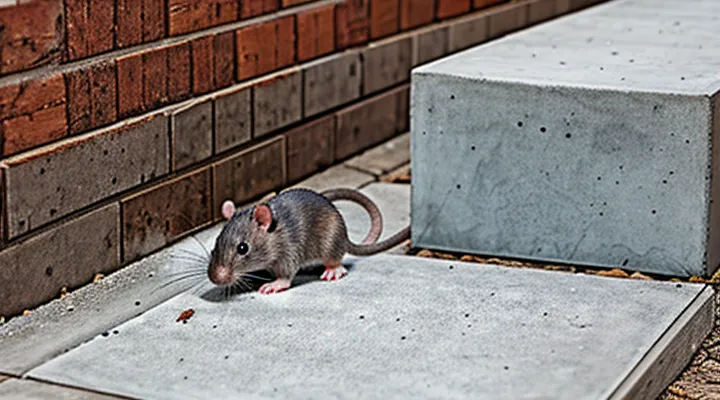
Why Rats Gnaw
Constant Tooth Growth
Rats possess incisors that erupt continuously throughout life. The growth rate averages 0.2 mm per day, driven by stem cells in the dental papilla. This perpetual eruption compensates for wear caused by gnawing.
The enamel of the upper incisors is limited to the front edge, while the dentin extends backward. As the rodent chews, the softer dentin wears more quickly, preserving a sharp, chisel‑like edge. The mandible’s musculature exerts forces up to 30 N, sufficient to fracture wood, plastic, and thin metal sheets.
When rats encounter exceptionally hard substrates such as concrete, the constant tooth growth enables them to attempt penetration, but several factors limit success:
- Concrete hardness exceeds the material strength of rodent incisors; micro‑fractures develop in the enamel after a few millimeters of contact.
- The energy required to advance through dense cementitious matrices surpasses the bite force that a rat can sustain.
- Continuous eruption does not replace structural loss; once enamel cracks, the tooth’s functional integrity declines rapidly.
Consequently, rats can create superficial scratches or shallow pits in concrete, but they cannot gnaw through it to reach interior spaces. Their relentless dental growth primarily supports consumption of softer, fibrous, or moderately tough foods, rather than demolition of rigid construction materials.
Instinctual Needs
Rats possess a continuous dental growth cycle that obliges them to gnaw objects to keep incisors at functional length. This physiological imperative drives the selection of materials that can be worn down without excessive effort.
The primary instinctual motivations behind gnawing include:
- Dental maintenance: preventing over‑growth that would impair feeding.
- Exploration: testing structural integrity of surroundings to locate shelter or escape routes.
- Nest construction: shaping and enlarging cavities for breeding and storage.
- Territory marking: creating audible or vibrational cues that signal presence to conspecifics.
Hard substrates such as brick, stone, and concrete present significant resistance. Rats’ incisors generate forces of approximately 30–40 N, sufficient to abrade softer masonry but inadequate for fully penetrating reinforced concrete. Laboratory trials show rats can create superficial scratches on unreinforced cement, producing wear patterns after weeks of repeated contact. Reinforced sections remain intact, as steel rebar distributes stress beyond the bite capacity of the animal.
Field observations confirm that rats exploit cracks, joints, and weathered edges where material hardness is reduced. When presented with solid concrete slabs, individuals concentrate effort on pre‑existing fissures, expanding them rather than initiating new openings. This behavior aligns with the instinct to conserve energy while satisfying the need for material manipulation.
Consequently, the ability of rats to gnaw concrete is limited by the material’s compressive strength and the presence of structural weaknesses. Their instinctual drives ensure persistent gnawing activity, yet successful penetration of truly hard, unblemished concrete remains rare.
What Rats Can Gnaw
Common Materials
Rats possess continuously growing incisors that enable them to gnaw a wide range of substances. Their ability to damage structures depends on the hardness, brittleness, and composition of the material encountered.
Concrete and cementitious products are highly resistant to rodent chewing. The mineral matrix and aggregate particles exceed the bite force that rats can generate, preventing penetration. Minor surface erosion may occur where cracks expose loose aggregates, but the bulk material remains intact.
Brick, fired clay, and stone share similar resistance. Their compressive strength and lack of fibrous content make them unsuitable for sustained gnawing. Rats may exploit mortar joints, which are softer, but the bricks themselves are rarely compromised.
Metals, including steel, aluminum, and copper, present a formidable barrier. The elasticity and tensile strength of these alloys exceed the mechanical capability of rodent incisors. Thin sheets or wiring can be chewed if they are exposed and unprotected, but solid structural members are not vulnerable.
Wood is a common target. Softwoods such as pine and fir are readily gnawed, especially when untreated or weathered. Hardwood species offer greater resistance, yet prolonged access can still result in damage due to the rats’ persistent chewing behavior.
Plastic varies in susceptibility. Polyethylene, polypropylene, and PVC are relatively soft and can be chewed, particularly when thin or unreinforced. Rigid polymers, such as acrylic or polycarbonate, resist bite penetration, though surface scratches may appear.
Glass is brittle and lacks the structural integrity needed for gnawing. Rats cannot generate sufficient force to fracture tempered or laminated glass. Small shards may be broken if the glass is already compromised, but intact panes remain unaffected.
Fiber‑reinforced composites combine hard matrix material with reinforcing fibers. The matrix may be chewed, while the fibers provide additional resistance. Overall, the composite’s durability depends on the proportion of each component.
In summary, rats efficiently gnaw soft, fibrous, or low‑hardness materials—wood, certain plastics, and exposed mortar—while concrete, brick, metal, hard plastics, and glass present barriers that exceed their chewing capability. Preventive measures should focus on protecting vulnerable interfaces, such as joints, seams, and untreated wooden elements.
Wood
Rats possess continuously growing incisors that require regular abrasion to prevent overgrowth. Their natural gnawing behavior targets materials that can be worn down with moderate effort, providing both dental maintenance and access to shelter or food sources.
Wood offers a combination of softness, fibrous structure, and accessibility that aligns with rat gnawing preferences. The cellular composition of timber yields relatively low resistance compared to mineral substrates, allowing rats to create entry holes, chew through beams, and damage structural components with minimal force.
Hard substances such as concrete, brick, or metal present substantially higher shear strength and fracture toughness. Rats can produce shallow scratches on these surfaces, but the effort required exceeds the energy return gained from gnawing, resulting in infrequent or aborted attempts. Consequently, rat activity concentrates on softer building materials, with wood serving as the primary target.
Practical measures to limit rat damage to wooden elements include:
- Sealing gaps larger than ¼ inch with metal flashing or cement.
- Installing steel mesh or hardware cloth around vulnerable timber.
- Maintaining a dry environment to deter nesting.
- Using rodent‑resistant wood treatments that reduce palatability.
Understanding the material preferences of rats clarifies why wooden structures experience the greatest gnawing impact, while concrete and other hard materials remain largely resistant.
Plastic
Rats possess continuously growing incisors that require regular gnawing to prevent overgrowth. The behavior targets materials whose hardness exceeds the animal’s bite force only marginally; softer or semi‑rigid substances are readily chewed.
Plastic exhibits a wide range of hardness, from flexible films to rigid polymers such as polyethylene, polypropylene, and polycarbonate. These materials possess tensile strengths far below those of cementitious composites, allowing a rat’s incisors to penetrate and slice through them with minimal effort. The lack of crystalline lattice in most plastics eliminates the resistance encountered in concrete, which relies on aggregate interlock and cement paste cohesion.
Field observations confirm frequent damage to plastic components in urban and agricultural settings:
- Polyethylene feed troughs develop bite marks along edges.
- PVC pipe sleeves show perforations after months of exposure.
- Polycarbonate storage lids are sliced to create entry points.
The susceptibility of plastic to rat gnawing stems from its low modulus of elasticity and the ability of incisors to generate concentrated stress at the cutting edge. Unlike concrete, which requires sustained, high‑energy force to fracture, plastic yields under the brief, high‑pressure contact typical of rodent chewing.
Implications for pest‑management strategies include:
- Selecting plastics with higher impact resistance (e.g., polycarbonate) for critical barriers.
- Reinforcing plastic surfaces with metal strips or concrete sleeves to deter penetration.
- Monitoring plastic installations regularly for early signs of gnawing and repairing damage promptly.
Understanding the material properties that facilitate rat gnawing informs the design of more resilient infrastructure and reduces the likelihood of structural compromise caused by rodent activity.
Electrical Wires
Rats possess incisors capable of cutting through many substances, yet their bite force and enamel wear limit the range of materials they can damage. Electrical wiring, typically composed of copper or aluminum conductors insulated with polymer sheathing, falls within the spectrum of substrates that rats can gnaw. The metal core is too hard for continuous chewing, but the plastic jacket is soft enough for rodents to bite, especially when the insulation is thin or aged.
When a rat chews the sheath, several risks arise:
- Exposure of live conductors, leading to short circuits or fire hazards.
- Disruption of circuit continuity, causing equipment malfunction.
- Generation of electrical arcs that may ignite surrounding materials.
Rats are attracted to wiring for three reasons: heat emitted from conductors, the presence of scent markers left by other rodents, and the structural gaps that allow easy access. Their gnawing behavior is opportunistic; they will bite any accessible polymer that offers resistance lower than bone or concrete.
Mitigation strategies include:
- Installing steel‑mesh conduit or metal armored cable, which resists rodent penetration.
- Applying rodent‑deterrent coatings, such as bittering agents or petroleum‑based sprays, to the outer jacket.
- Sealing entry points with metal flashing, cement, or expanding foam to eliminate pathways.
- Conducting regular inspections of exposed wiring, focusing on attic spaces, crawl‑spaces, and wall cavities.
Understanding the limits of rat dentition clarifies why they can compromise electrical systems while leaving concrete structures largely untouched. Proper material selection and preventive barriers protect both the wiring integrity and the surrounding infrastructure from rodent damage.
Unexpected Materials
Rats maintain continuously growing incisors, which they keep sharp by gnawing. The force generated by their jaw muscles reaches up to 30 N, sufficient to fracture brittle substrates and to abrade tougher ones. Consequently, rats are capable of biting through materials that are not traditionally associated with rodent damage.
Typical gnawing targets include wood, plastic, and soft insulation. Unexpected materials that rats can damage include:
- Concrete and cement blocks – rats concentrate bites on edge points, creating micro‑cracks that expand under repeated pressure.
- Brick and masonry – similar to concrete, rats exploit mortar joints and weak spots.
- Glass and glazed ceramics – sharp incisors can chip edges, especially when glass is thin or tempered.
- Thin metal sheets – soft alloys such as aluminum or copper can be worn down after prolonged gnawing.
- Electrical wiring insulation – polymer sheaths soften under bite pressure, exposing conductors.
- Porcelain fixtures – rats may chip decorative tiles or sink basins when accessing food sources.
- Stone countertops – repeated gnawing creates shallow pits that compromise surface integrity.
The ability to affect these materials arises from a combination of constant incisor growth, self‑sharpening geometry, and the application of sustained mechanical stress. Even though some substrates, such as hardened steel, resist rat gnawing, many construction and household elements contain vulnerable zones where rats can initiate damage.
Damage to unexpected materials has practical consequences. Cracked concrete may compromise structural support; breached wiring insulation creates fire hazards; chipped glass or porcelain leads to sanitation issues. Recognizing the full range of materials susceptible to rat gnawing informs inspection protocols and mitigation strategies, ensuring that prevention measures address not only obvious targets but also these less obvious vulnerabilities.
Metal
Rats possess continuously growing incisors that maintain sharpness through constant gnawing. The bite force of a typical Norway rat reaches 30–40 N, sufficient to wear down soft metals but inadequate to breach hardened alloys.
The ability to damage metal depends on material hardness, thickness, and exposure time. Thin, low‑carbon steel, aluminum, and copper exhibit visible wear after weeks of persistent gnawing. Hardened steel, stainless steel, and titanium resist rat teeth under normal conditions; only extreme corrosion or pre‑existing cracks allow penetration.
- Soft steel (≤0.3 mm thickness) – noticeable gnaw marks, possible perforation.
- Aluminum (≤0.5 mm) – surface scoring, eventual hole formation.
- Copper (≤0.4 mm) – edge rounding, occasional breach.
- Hardened steel, stainless steel, titanium – no measurable damage in typical scenarios.
Rats exploit metal components when they serve as structural supports for nests, food containers, or access points. Protective measures include using thicker gauge metal, applying hard‑coated finishes, and sealing gaps with non‑metallic barriers. Regular inspection of metal fixtures in rodent‑prone areas reveals early signs of gnawing, allowing timely replacement or reinforcement.
Certain Types of Concrete
Rats possess continuously growing incisors capable of exerting significant bite forces, yet their ability to penetrate concrete depends on the material’s composition, density, and condition. Concrete variants differ in hardness, porosity, and reinforcement, which directly affect rodent gnawing potential.
- Standard Portland cement concrete (≈2,800–3,000 psi compressive strength): dense matrix, low porosity; rats rarely breach intact surfaces, but existing cracks or poorly cured zones provide entry points.
- High‑strength concrete (≥5,000 psi): increased aggregate packing and reduced micro‑voids; resistance to gnawing exceeds that of standard mixes, even when minor fissures are present.
- Fiber‑reinforced concrete: synthetic or steel fibers improve tensile strength and crack control; fibers impede tooth penetration and limit enlargement of fissures.
- Lightweight aggregate concrete: lower density, higher porosity; susceptible to gnawing where surface wear exposes aggregate, especially under damp conditions that soften the matrix.
- Self‑compacting concrete: high flowability reduces voids; surface hardness comparable to standard mixes, offering similar resistance.
Key factors influencing rat damage:
- Surface integrity: intact, cured concrete resists gnawing; any surface degradation—spalling, erosion, or moisture‑induced softening—creates vulnerable zones.
- Moisture content: elevated humidity softens the cement paste, lowering hardness and facilitating tooth penetration.
- Temperature fluctuations: repeated freeze‑thaw cycles generate micro‑cracks, which rats can exploit to initiate gnawing.
- Presence of reinforcement: steel rebar or fibers act as barriers, limiting propagation of gnawed channels.
In practice, rats seldom chew through well‑maintained, high‑strength concrete. Preventive measures focus on eliminating cracks, controlling moisture, and selecting concrete mixes with enhanced tensile properties when designing structures exposed to rodent activity.
Softened Stone
Rats possess continuously growing incisors that require regular wear. Their ability to gnaw depends on the material’s resistance to fracture and the energy required to remove particles. Concrete, brick, and similar substrates present high compressive strength and low fracture toughness, limiting the extent of rat damage. Softened stone, by contrast, exhibits reduced hardness and increased porosity, altering the interaction with rodent incisors.
Softened stone characteristics relevant to gnawing:
- Lower Mohs hardness (typically 3–4) compared to hard stone (6–7).
- Higher moisture content, which weakens intergranular bonds.
- Presence of micro‑cracks that propagate under repeated loading.
- Greater susceptibility to abrasion from enamel edges.
When a rat gnaws softened stone, the following mechanisms occur:
- Enamel tips apply shear stress at contact points.
- Micro‑cracks open, allowing particles to be dislodged.
- Moisture facilitates crack growth, reducing the force needed for each bite.
- Repeated cycles produce a noticeable cavity within a relatively short time frame.
Experimental observations show that rats can create tunnels through softened stone sections up to several centimeters thick within weeks, whereas comparable hard stone remains largely intact. The reduced fracture toughness and increased brittleness of softened stone make it a material that rats can effectively compromise, unlike the dense matrix of concrete or traditional masonry.
The Myth of Concrete Gnawing
Distinguishing Actual Gnawing from Damage
Rats can bite through some construction materials, but not all hard surfaces. Concrete that contains sand, aggregate, or weakened mortar may yield to persistent gnawing, while fully cured, dense concrete resists rodent teeth. Identifying genuine gnaw marks requires a comparison of bite characteristics with known rodent dentition.
Key indicators that differentiate rat gnawing from other damage:
- Parallel, shallow grooves spaced approximately 0.5 cm apart, matching the width of a rat’s incisors.
- Roughened edges with a characteristic “V” or “U” cross‑section, reflecting the chisel‑like action of rodent teeth.
- Presence of fresh, dark‑brown droppings or urine stains near the affected area.
- Observable gnaw pads or chew marks on adjacent softer materials (e.g., insulation, wiring) that lead toward the concrete surface.
Contrasting signs of non‑gnaw damage include:
- Linear cracks that follow structural stress patterns, often wider at the origin and tapering outward.
- Crumbling or spalling caused by moisture infiltration, freeze‑thaw cycles, or chemical corrosion.
- Absence of rodent activity indicators such as burrows, gnaw pads, or droppings.
Inspection protocols strengthen the diagnosis. Use a magnifying glass or portable microscope to examine groove morphology. Conduct a baited trap survey to confirm rat presence. Apply a moisture meter to rule out water‑related deterioration. When the evidence aligns with rodent gnaw signatures, remediation should focus on sealing entry points, reinforcing vulnerable concrete sections with metal mesh or hardened mortar, and implementing an integrated pest‑management program.
Factors Influencing Damage
Rats cause damage to hard substrates when several conditions align. The likelihood and severity of gnawing depend on biological, environmental, and structural factors.
- Species and size: Larger, more robust species possess stronger jaw muscles and can exert greater bite forces.
- Age and health: Young, rapidly growing individuals gnaw more to wear down teeth; malnourished rats increase gnawing to obtain nutrients.
- Dietary scarcity: Limited access to soft food drives rats to seek alternative materials for nutrition and dental maintenance.
- Moisture content: Damp concrete or masonry softens under humidity, reducing resistance to chewing.
- Temperature extremes: Cold hardens material, making it harder to gnaw; warm conditions can weaken bonds, facilitating damage.
- Structural flaws: Cracks, joints, and thin sections concentrate stress, allowing rats to concentrate bite forces.
- Surface texture: Rough or porous finishes provide grip, enhancing the effectiveness of gnawing motions.
- Predator presence: High predation pressure accelerates gnawing activity as rats seek quick escape routes and shelter.
- Population density: Crowded colonies increase competition for resources, intensifying exploratory gnawing behavior.
Understanding these variables helps predict where rat‑induced damage to concrete, brick, or metal is most probable and informs targeted mitigation strategies.
Concrete Hardness and Age
Concrete develops hardness through a chemical reaction called hydration. During the first 24 hours the material retains a relatively low compressive strength, often between 5 and 10 MPa. By day 3 strength typically reaches 15–20 MPa, and at day 7 it approaches 25–30 MPa. The standard benchmark, measured at 28 days, ranges from 30 MPa for residential mixes to 50 MPa or more for commercial formulations. Strength continues to increase slowly beyond this point, with additional gains of 5–10 % after one year of service.
The surface hardness of cured concrete correlates with compressive strength. A Rockwell hardness of approximately 80–90 HRB corresponds to a 30 MPa mix, while mixes exceeding 50 MPa achieve 100 HRB or higher. These values reflect the resistance of the material to localized indentation, a key factor in a rodent’s ability to bite through the surface.
Rat incisors consist of enamel (≈ 2.5 GPa) backed by dentin (≈ 0.5 GPa). The enamel‑dentin interface creates a self‑sharpening edge capable of cutting materials softer than the enamel hardness. Concrete that remains below 30 MPa after curing presents a surface hardness comparable to dentin, allowing rats to produce shallow gouges. Once the concrete exceeds 40 MPa, surface hardness surpasses dentin and approaches enamel, making penetration unlikely without prolonged effort.
Key points for assessing rat gnawing risk:
- 1‑day concrete: 5–10 MPa, low surface hardness, high susceptibility.
- 3‑day concrete: 15–20 MPa, moderate susceptibility.
- 7‑day concrete: 25–30 MPa, borderline resistance.
- 28‑day concrete: 30–50 MPa, substantial resistance.
- Mature concrete (> 1 year): > 30 MPa, surface hardness typically exceeds rodent incisors.
Increasing the mix design with higher cement content, supplementary pozzolans, or low‑water‑to‑cement ratios accelerates strength gain, thereby reducing the window during which rats can damage the material. Proper curing—maintaining moisture and temperature—ensures the anticipated hardness trajectory and limits rodent access.
Presence of Food or Shelter
Rats turn to concrete, brick, or metal when neither readily available food nor adequate shelter satisfies their physiological needs. Their incisors continuously grow; without sufficient chewing material, dental problems arise, prompting them to test any hard surface that may yield a bite.
When food sources are abundant near a structure, rats limit gnawing to minor maintenance of entry points. Conversely, scarcity of edible material forces individuals to explore alternative routes, often enlarging cracks in foundations, walls, or flooring to reach hidden caches.
Shelter considerations follow a similar pattern. Secure burrows or nesting boxes reduce the incentive to breach hard surfaces. In environments lacking protected spaces, rats exploit structural weaknesses, widening gaps to create temporary refuges. Persistent exposure to moisture, temperature fluctuations, or predation risk intensifies this behavior.
Typical triggers for hard‑material gnawing include:
- Absence of nearby food stores
- Limited access to insulated nesting areas
- Presence of small openings that can be expanded
- Need to repair or enlarge existing entryways for ventilation or escape
Mitigation strategies focus on eliminating food attractants and providing designated shelter modules, thereby decreasing the likelihood that rats will target concrete, stone, or metal components.
Existing Cracks or Weaknesses
Rats possess continuously growing incisors that exert significant pressure, allowing them to enlarge any opening that already exists in a structure. When concrete or masonry contains micro‑cracks, hairline fissures, or areas where reinforcement has corroded, the animals can insert their teeth and gradually widen the gap. The process begins with the rat testing the integrity of the material; a slight give indicates a weak spot, and repeated gnawing enlarges the aperture enough for entry or passage.
Key factors that facilitate this behavior include:
- Pre‑existing micro‑cracks caused by thermal cycling or settlement.
- Corroded rebar that creates voids within the concrete matrix.
- Improper curing leaving porous zones vulnerable to bite forces.
- Surface delamination where layers separate under stress.
Once a crack reaches a depth of a few millimeters, rats can exploit it to access interior spaces, piping, or insulation. Their bite force, measured at approximately 30–50 N, is sufficient to dislodge concrete particles from weakened zones. Repeated gnawing accelerates crack propagation, potentially leading to structural compromise if unchecked.
Preventive measures focus on eliminating these entry points. Regular inspections should identify and seal fissures with epoxy or hydraulic cement, replace corroded reinforcement, and ensure proper concrete curing. By maintaining a continuous, flaw‑free surface, the likelihood of rat‑induced damage to hard materials decreases markedly.
Preventing Rat Gnawing
Rodent-Proofing Strategies
Rats possess incisors capable of gnawing through many construction materials, including certain types of concrete, brick, and stone. Their ability to breach hard surfaces creates pathways for entry, damage to structural integrity, and contamination of stored goods. Effective rodent-proofing therefore requires a combination of physical barriers, material selection, and maintenance practices.
- Install metal or steel mesh with openings no larger than ¼ inch around foundation walls, vent openings, and utility penetrations. Stainless steel offers corrosion resistance and durability.
- Apply cementitious sealants or epoxy coatings to exposed concrete surfaces where cracks or joints are present. These compounds harden to a density that exceeds the bite force of typical rodents.
- Use concrete mixes enriched with polymer additives that increase compressive strength and reduce brittleness. Hardened polymer‑modified concrete resists chipping and gouging.
- Seal all pipe sleeves, cable conduits, and HVAC ducts with rigid metal collars or expandable foam that expands to fill gaps and hardens to a non‑chewable state.
- Conduct regular inspections of foundation and wall seams. Promptly repair hairline fissures with hydraulic cement, which expands upon setting and creates a tight seal.
- Deploy perimeter barriers such as buried stainless‑steel flashing placed 6 inches below grade around the building footprint. The flashing extends outward 12 inches to deter burrowing.
- Install heavy‑duty door sweeps and floor thresholds made of solid aluminum or reinforced steel, ensuring a continuous seal when doors are closed.
Maintenance protocols reinforce these measures. Keep vegetation trimmed at least 12 inches from the building envelope to prevent rodents from using roots as leverage. Remove debris, wood piles, and excess mulch that provide nesting material near structural walls. Rotate and replace damaged mesh or sealant sections promptly to avoid compromised sections becoming entry points.
By integrating reinforced barriers, high‑strength materials, and systematic inspection, facilities can significantly reduce the risk of rats penetrating concrete and other hard substrates, preserving structural safety and hygiene.
Sealing Entry Points
Rats can gnaw through many building materials, but they rarely breach solid concrete without a pre‑existing gap. The most effective defense is to eliminate every opening that could accommodate a rodent’s head and teeth.
Identify and close all potential entry points:
- Gaps around utility pipes (diameter ≤¼ in). Fit steel‑wool inserts, then seal with high‑strength silicone or epoxy.
- Cracks in foundation walls or slabs. Clean debris, apply a two‑part polyurethane filler, and finish with a cementitious overlay.
- Openings under doors and windows. Install heavy‑duty sweep bars and reinforce with metal flashing.
- Holes in vent stacks, chimney flues, and crawl‑space vents. Use stainless‑steel mesh with a minimum ¼‑in aperture, secured with stainless screws.
Select sealants that resist rodent chewing. Products based on polymer‑modified cement or reinforced silicone maintain integrity under repeated pressure. Apply sealant in layers: a base coat to fill voids, followed by a top coat that bonds to the surrounding surface.
Regular inspection is required. After seasonal changes, re‑examine seams, especially where condensation or temperature fluctuations cause material movement. Replace any compromised sealant promptly to prevent re‑entry.
By systematically locating and fortifying every ingress route with chew‑resistant materials, the likelihood of rats accessing interior spaces—whether concrete walls are compromised or not—drops dramatically. This preventive strategy reduces reliance on reactive pest control and protects structural integrity.
Using Rodent-Resistant Materials
Rats possess incisors capable of cutting through many construction components, yet their ability to bite concrete, steel, and similar substrates is limited by material hardness and thickness. When exposure to soft mortar, cracks, or exposed aggregate occurs, rodents may exploit these weaknesses, creating entry points and structural damage.
Rodent‑resistant materials mitigate this risk by combining high compressive strength with surface characteristics that discourage gnawing. Effective options include:
- Reinforced concrete with dense aggregate – minimizes micro‑cracks and presents a uniform, hard surface.
- Steel plates or mesh – resists bite penetration; thickness of 3 mm or greater prevents tooth wear.
- Fiber‑reinforced polymer (FRP) panels – offer high tensile strength and smooth finish that reduces chewing traction.
- Ceramic tiles with low porosity – hard glaze limits tooth grip and prevents moisture ingress.
- Hard‑grade PVC or HDPE sheathing – flexible yet tough, suitable for pipe encasement where concrete is impractical.
Installation guidelines focus on eliminating gaps and ensuring continuous coverage. Seal joints with rodent‑grade caulk, embed metal flashing at corners, and apply protective coatings to exposed edges. Regular inspection of seams, especially after settlement or seismic activity, identifies emerging vulnerabilities before rodents exploit them.
Maintenance practices reinforce material performance. Remove debris that creates footholds, repair fissures promptly with compatible repair mortar, and replace worn protective layers annually in high‑traffic zones. Consistent application of these measures reduces the probability of rodent intrusion, preserving structural integrity without reliance on chemical deterrents.
Environmental Control
Rats are capable of gnawing materials that appear impenetrable, including concrete, when environmental pressures compel them to seek new entry points or nesting sites. Moisture infiltration weakens cement matrices, while temperature fluctuations expand micro‑cracks, creating accessible pathways for incisors. Scarcity of softer food sources or nesting media intensifies the urge to breach hard surfaces.
Effective environmental control relies on altering the conditions that motivate gnawing. Strategies include:
- Eliminating water leaks and damp zones that degrade concrete integrity.
- Reducing clutter and debris that provide shelter or foraging opportunities.
- Maintaining a clean perimeter free of spilled grain, garbage, or pet food.
- Installing physical barriers such as steel mesh, concrete sealants, or metal flashing around vulnerable openings.
- Conducting regular inspections to identify and repair fissures before they enlarge.
Continuous monitoring of structural health and rodent activity enables timely intervention. Recording signs of gnaw marks, droppings, or burrows supports targeted remediation and prevents escalation of damage.
Eliminating Food Sources
Rats will target any material that provides access to nourishment. When food is abundant, they invest energy in gnawing through barriers, including concrete, brick, and metal. Removing the incentive eliminates the need for such destructive behavior.
Key actions to deprive rodents of sustenance:
- Seal all entry points to kitchens, pantries, and storage rooms. Use steel wool or cement‑based sealant rather than soft caulking that rats can bite through.
- Store dry goods in airtight, rodent‑proof containers made of heavy‑wall plastic or glass.
- Clean spills immediately and dispose of waste in sealed, metal bins. Compost piles should be covered and located away from structures.
- Eliminate outdoor feeding sources: secure garbage cans with tight‑fitting lids, remove fallen fruit, and avoid birdseed feeders that are accessible to rodents.
- Conduct regular inspections of equipment and piping for leaks or residue that could attract rats.
By systematically eliminating these food opportunities, the motivation for rats to gnaw through hard substrates diminishes. The reduced pressure on structural elements translates into fewer breaches and lower maintenance costs.
Maintaining Cleanliness
Rats can bite through some hard substances, including thin concrete slabs, mortar, and certain plastics, especially when food sources are scarce or nests are nearby. Their incisors continuously grow, prompting them to gnaw on any material that offers resistance. This behavior creates hidden pathways for infestation and introduces contaminants into living spaces. Maintaining cleanliness directly limits the incentives that drive rodents to seek out and damage hard surfaces.
Key practices for preserving a hygienic environment and deterring gnawing activity:
- Store food in sealed, rodent‑proof containers; eliminate crumbs and spills promptly.
- Remove standing water and fix leaks; moisture attracts rats and supports their burrowing.
- Dispose of garbage in tightly sealed bins; empty them regularly to prevent odor buildup.
- Clean behind appliances, under sinks, and in crawl spaces where debris can accumulate.
- Inspect and seal gaps larger than ¼ inch in walls, floors, and foundations; use steel wool, cement, or metal mesh for reinforcement.
Regular inspections complement cleaning routines. Look for gnaw marks, droppings, or urine stains on concrete surfaces, especially near utility lines and entry points. Promptly repair any identified damage with reinforced concrete or metal inserts to restore structural integrity and close off access routes.
By consistently removing food, water, and shelter opportunities, and by fortifying vulnerable hard materials, a clean environment becomes inhospitable to rats, reducing the likelihood that they will attempt to chew through concrete or other sturdy substrates.
The Impact of Rat Damage
Structural Integrity Concerns
Rats possess continuously growing incisors capable of exerting considerable bite force, which can compromise structural components composed of concrete, brick, stone, or reinforced masonry. When gnawing penetrates protective layers, micro‑cracks develop, allowing moisture ingress and accelerating corrosion of embedded steel reinforcement. Over time, these localized defects may propagate, reducing load‑bearing capacity and increasing the risk of sudden failure under normal service loads.
Key concerns include:
- Formation of stress concentrations at gnawed points, weakening the material’s compressive strength.
- Creation of pathways for water, chemicals, and pests that accelerate deterioration.
- Undermining of anchorage zones for bolts, rebar, or post‑tensioning ducts, compromising connection integrity.
- Difficulty detecting early damage due to the concealed nature of gnaw marks within dense substrates.
Mitigation strategies rely on material selection, design detailing, and maintenance practices. Use of hardened concrete mixes with low porosity, incorporation of metal or polymer reinforcement cages, and installation of protective metal plates or concrete sleeves around vulnerable zones deter rodent intrusion. Regular visual inspections, ultrasonic testing, and core sampling identify incipient gnaw damage before it jeopardizes structural performance. Prompt repair—removing compromised material, reinstating reinforcement, and applying sealants—restores load capacity and extends service life.
Health Risks Associated with Infestations
Rats can breach concrete, brick, and stone, creating fissures that expose occupants to hidden hazards. The resulting openings permit dust, mold spores, and degraded building materials to circulate within living spaces.
Pathogens transferred directly by rats include Salmonella, Leptospira, Hantavirus, and Streptobacillus moniliformis. Contamination occurs through urine, feces, saliva, and bite wounds, leading to gastrointestinal illness, renal failure, hemorrhagic fever, and severe bacterial infections.
Structural damage caused by gnawing releases particulate matter from compromised substrates. Cracks in concrete may liberate silica dust; broken plaster can release lead‑based paint chips; damaged tile can expose asbestos fibers. Inhalation of these particles produces chronic respiratory disorders, including silicosis, lead poisoning, and asbestos‑related malignancies.
Key health risks associated with rat‑induced infestations:
- Gastrointestinal and systemic infections from rodent‑borne microbes.
- Allergic reactions and asthma triggered by rodent dander and urine proteins.
- Respiratory disease from inhaled dust, mold, lead, or asbestos released by structural breaches.
- Psychological stress and reduced quality of life due to persistent infestation signs.