
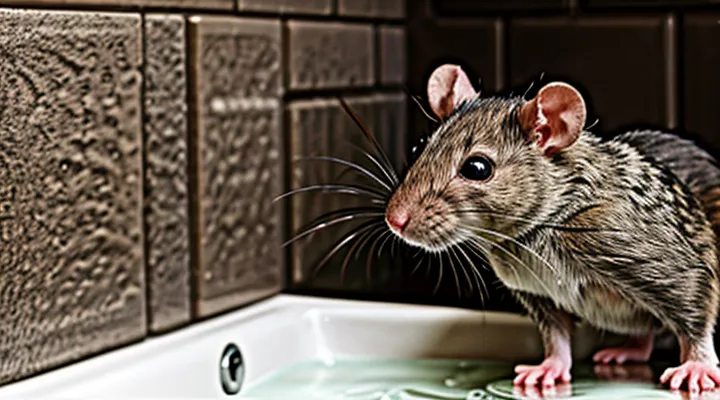
Why Tail Hygiene Matters for Your Rat«s Health
Understanding «Ringtail» and Other Tail Conditions
Causes of Dirty or Oily Tails
Rats develop dirty or oily tails when natural secretions, environmental contaminants, or health issues accumulate on the skin.
- Sebaceous gland activity: Excess oil from the tail’s glands creates a greasy coating that attracts dust and debris.
- Urine and fecal contact: Inadequate cage hygiene or a damaged litter box leads to direct exposure, resulting in staining and odor.
- Skin infections: Bacterial or fungal growth thrives in moist, oily environments, causing discoloration and a sticky texture.
- Parasite infestation: Mites or fleas feed on tail skin, leaving behind excrement and irritants that darken the fur.
- Dietary factors: High‑fat diets increase lipid production, while insufficient water intake reduces natural cleaning through grooming.
Each factor contributes to tail grime, and identifying the underlying cause is essential before selecting an appropriate cleaning method.
Preventing Health Issues Through Proper Washing
Effective cleaning of a rat’s tail reduces the risk of dermatitis, fungal growth, and bacterial infection. The tail’s thin skin and abundant blood vessels make it vulnerable to moisture‑related problems; regular, gentle washing removes debris and maintains barrier integrity.
- Use lukewarm water (30‑32 °C) and a mild, fragrance‑free soap formulated for small mammals.
- Apply the solution with a soft cloth, avoiding vigorous rubbing that could damage the delicate epidermis.
- Rinse thoroughly to eliminate all soap residues, which can irritate the skin.
- Pat the tail dry with a lint‑free towel; do not air‑dry, as prolonged humidity encourages microbial proliferation.
Monitoring the tail after each wash helps identify early signs of trouble. Look for redness, swelling, crusted patches, or a foul odor. If any symptom appears, isolate the animal, consult a veterinarian, and adjust the washing frequency.
A schedule of once‑weekly washes for healthy adults, and twice‑weekly for juveniles or animals with a history of skin issues, balances cleanliness with the need to preserve natural oils. Over‑washing strips protective lipids, leading to dryness and increased susceptibility to infection; under‑washing allows buildup of waste and pathogens. Adjust the routine based on environmental conditions such as humidity and cage cleanliness.
Incorporating these practices into routine husbandry safeguards the rat’s tail health, prevents secondary complications, and supports overall wellbeing.
Essential Supplies for a Rat Tail Wash
Gathering Your Tools
Soft Bristle Toothbrush or Cotton Swabs
When cleaning a rat’s tail, the choice of instrument determines both safety and effectiveness. A soft‑bristle toothbrush and cotton swabs provide the gentle action required to remove debris without damaging delicate skin or fur.
A soft‑bristle toothbrush should be used as follows:
- Wet the brush with lukewarm water; avoid hot or cold extremes.
- Apply a mild, pet‑safe cleanser to the bristles, not directly to the tail.
- Gently glide the brush along the length of the tail, using short strokes that follow the natural direction of hair growth.
- Rinse the tail with clean water, ensuring no soap residue remains.
- Pat the tail dry with a clean towel, avoiding vigorous rubbing.
Cotton swabs are suitable for targeted cleaning tasks:
- Moisten the swab with the same lukewarm, mild solution used for the brush.
- Rotate the swab lightly to lift dirt from the base of the tail, where fur may be denser.
- Work along the underside of the tail, where a brush may not reach effectively.
- Replace the swab when it becomes saturated to prevent re‑depositing grime.
- Finish with a brief rinse and gentle pat‑dry, as with the brush method.
Both tools complement each other: the toothbrush covers the main surface, while cotton swabs address tight or hard‑to‑reach areas. Selecting the appropriate instrument for each portion of the tail ensures thorough cleaning without compromising the animal’s skin integrity.
Mild, Rat-Safe Shampoo or Soap
A mild, rat‑safe shampoo or soap is essential for effective tail cleaning without compromising skin integrity. Formulations should be free of harsh detergents, fragrances, and dyes that can irritate the delicate fur and underlying skin. Preferred ingredients include:
- Unscented castile soap or a gentle, veterinary‑approved cleanser.
- Aloe vera or chamomile extracts for soothing properties.
- Low‑pH (around 5.5–6.5) to match the natural acidity of rodent skin.
- No added moisturizers that contain lanolin or petroleum‑based compounds.
When selecting a product, verify that the label specifies suitability for small mammals or laboratory rodents. Avoid human shampoos containing sulfates, parabens, or essential oils, as these may cause dermatitis or allergic reactions.
Application steps:
- Dilute the cleanser in lukewarm water at a ratio of approximately 1 part shampoo to 10 parts water.
- Submerge only the tail, keeping the rest of the body dry to prevent excess moisture exposure.
- Gently massage the solution through the fur for 15–20 seconds, ensuring coverage of the base and tip.
- Rinse thoroughly with clean lukewarm water to remove all residue.
- Pat the tail dry with a soft, lint‑free towel; avoid rubbing, which can damage the hair shaft.
Store the shampoo in a cool, dark place to preserve its stability. Replace the product after six months or sooner if the scent changes, indicating potential degradation. Regular use of a mild, rat‑compatible cleanser maintains tail hygiene, reduces the risk of infections, and supports overall health.
Small Basin or Sink
A small basin or sink provides the controlled environment needed for safe and effective tail cleaning in rats. Its dimensions should accommodate a single animal without forcing the tail against hard surfaces; a 4‑inch by 6‑inch interior is typically sufficient. Transparent or light‑colored walls allow clear observation of water level and tail position throughout the procedure.
Material selection influences temperature stability and hygiene. Stainless steel resists corrosion, retains heat, and can be sterilized in a dishwasher. Plastic basins are lightweight and inexpensive but may warp under repeated hot water exposure; choose food‑grade, BPA‑free polymers if opting for plastic.
Key functional aspects:
- Temperature regulation – Fill the basin with lukewarm water (30‑32 °C). Water that is too hot risks burns; water that is too cold can cause vasoconstriction and stress.
- Depth control – Maintain a water depth of 1‑2 cm. This submerges the tail while keeping the rest of the body dry, preventing hypothermia.
- Stability – Place the basin on a non‑slip mat or secure it to the work surface to avoid movement that could startle the animal.
- Cleaning protocol – After each use, rinse with hot water, apply a mild sanitizer, and dry thoroughly before the next session to prevent bacterial buildup.
When preparing the basin, pre‑wet the tail gently with a soft cloth before immersing it. This reduces surface tension and helps remove debris without excessive pulling. The confined space of a small sink also limits the amount of water required, making the process more economical and easier to maintain at the desired temperature.
Lukewarm Water
Lukewarm water provides the optimal temperature for cleaning a rat’s tail without causing thermal shock. Water that is too cold can constrict blood vessels, while water that is too hot may burn delicate skin and fur. Maintaining a temperature between 30 °C and 35 °C (86 °F‑95 °F) preserves circulation and keeps the animal comfortable.
The temperature range matches the rat’s normal body heat, preventing sudden changes that could trigger stress responses. Warmth relaxes the skin, allowing soap to spread evenly and dirt to loosen more effectively. The gentle heat also encourages natural grooming behavior, supporting a smoother cleaning process.
To achieve the correct temperature, follow these steps:
- Fill a shallow basin with clean tap water.
- Use a thermometer to verify the temperature is within the 30 °C‑35 °C range.
- If the water is cooler, warm it gradually by adding small amounts of hot water, checking the temperature after each addition.
- If the water exceeds 35 °C, add cool water in small increments until the target range is reached.
Applying lukewarm water before any cleaning agent ensures that the soap dissolves properly and that the rat’s tail remains supple throughout the procedure. This temperature control is a critical element of safe and effective tail hygiene.
Soft Towel
A soft towel is essential for safely drying a rat’s tail after washing. Its gentle fibers prevent skin irritation while absorbing moisture efficiently.
- Choose a towel made of 100 % cotton or a low‑pile microfiber; both provide a smooth surface that does not snag delicate fur.
- Before use, ensure the towel is clean and free of detergents, which could cause dermatitis.
- After rinsing the tail, press the towel lightly against the skin; avoid rubbing, which can damage the thin epidermis.
- Rotate the towel to a dry section as moisture is absorbed, maintaining a consistently dry surface.
- If the tail remains damp after a single pass, replace the towel with a fresh, dry piece to prevent bacterial growth.
The softness of the towel also allows for gentle handling, reducing stress for the animal. Regularly launder the towel at high temperature to eliminate residual microbes, then air‑dry before the next cleaning session.
Preparing Your Workspace
Choosing a Quiet Location
A calm environment reduces a rat’s stress during tail cleaning, preventing sudden movements that can cause injury or impede thorough washing.
Select a space with minimal ambient noise, away from doors, appliances, and high‑traffic areas. Ensure the surface is non‑slippery and easy to disinfect, such as a tiled countertop or a dedicated pet‑care table. Maintain a stable temperature—neither too cold nor too warm—to keep the animal comfortable throughout the procedure.
- Isolate the area from other pets and children.
- Use a soft, absorbent cloth or paper towel to protect the floor.
- Keep all necessary tools (warm water, mild soap, towels) within arm’s reach to avoid leaving the rat unattended.
- Verify adequate lighting for clear visibility of the tail’s condition.
A properly chosen quiet location streamlines the washing process, promotes the rat’s cooperation, and facilitates safe, effective hygiene.
Ensuring Proper Lighting
Proper lighting is essential when cleaning a rat’s tail, as it allows you to see fine debris, skin irritation, and any injuries that may be hidden under fur. Insufficient illumination can lead to missed spots, incomplete cleaning, and potential harm to the animal.
- Use a bright, white light source positioned at a 45‑degree angle to the tail. This angle reduces shadows and highlights surface details.
- Prefer LED lamps with a color temperature of 5,000–6,500 K; they render colors accurately, making redness or inflammation easy to spot.
- Ensure the light is diffused rather than harsh. A diffuser or a softbox eliminates glare that can startle the rat and obscure the view.
- Maintain a consistent light level throughout the procedure. Fluctuating brightness can cause eye strain and reduce precision.
- Keep the workspace free of reflective surfaces. Mirrors or metal trays can bounce light unpredictably, creating confusing reflections.
When the lighting setup meets these criteria, you can inspect the tail thoroughly, remove dirt with a gentle stream of lukewarm water, and apply any necessary ointments without overlooking problem areas. Proper illumination therefore directly supports safe and effective tail hygiene.
The Step-by-Step Guide to Washing a Rat«s Tail
Handling Your Rat Gently
Techniques for Calm Restraint
Effective tail cleaning begins with a calm, secure hold on the rat. The following techniques minimize stress and prevent injury.
- Wrap the rat gently in a soft towel, leaving the tail exposed. The fabric distributes pressure evenly and discourages sudden movements.
- Position the animal on a flat surface, supporting the body with one hand while the other stabilizes the tail near its base. Keep fingers relaxed to avoid pinching.
- Use a fingertip pinch on the skin just behind the tail vertebrae; this creates a mild, temporary immobilization without crushing tissue.
- Apply a light, steady pressure on the back legs with the palm, guiding the rat into a slightly crouched posture. This reduces the urge to sprint.
- Introduce a calming scent, such as a few drops of lavender oil diluted in water, on the towel. The scent promotes relaxation during the procedure.
Maintain a quiet environment, limit handling time, and release the rat immediately after washing. These steps ensure a smooth cleaning process while safeguarding the animal’s well‑being.
Reassuring Your Pet
When cleaning a rat’s tail, the animal may feel vulnerable. Speak in a calm, steady voice throughout the process. Keep the environment quiet; sudden noises can startle the pet and increase stress.
Maintain gentle contact. Hold the rat’s body securely but without excessive pressure, allowing the tail to be exposed without pulling. Use lukewarm water and a mild, rodent‑safe cleanser. Apply the solution with a soft cloth, moving slowly to avoid startling reflexes.
Reassurance techniques:
- Offer a favorite treat before beginning, then again after the tail is rinsed.
- Stroke the back and ears while washing the tail, reinforcing a sense of safety.
- Pause briefly after each rinse to let the rat settle, then continue.
- Observe the rat’s breathing; if rapid or irregular, pause and provide extra soothing words.
Finish by drying the tail with a low‑heat hair dryer set on “cool” or by gently patting with a soft towel. Return the rat to its familiar cage promptly, ensuring the bedding is warm and the hiding places are accessible. These steps minimize anxiety and help the rat associate tail cleaning with a predictable, calm routine.
The Washing Process
Wetting the Tail
Wetting the tail is the first physical step in cleaning a rat’s hind limb. Use lukewarm water (approximately 30‑32 °C) to prevent vasoconstriction and minimize stress. Apply water gently with a soft pipette or squeeze bottle, ensuring the entire length of the tail is fully saturated before any soap is introduced.
- Hold the rat securely but without excessive pressure; support the body with one hand and the tail with the other.
- Direct a thin stream of water onto the tail, starting at the tip and moving toward the base.
- Maintain continuous flow for 5–10 seconds to displace debris and loosen surface oils.
- Verify that all scales are visibly wet; if dry patches remain, repeat the application briefly.
Avoid submerging the tail in deep water, as prolonged immersion can cause edema. After wetting, immediately proceed to the next phase—applying a mild, rodent‑safe cleanser—while the tail remains moist, ensuring the cleaning solution spreads evenly.
Applying Shampoo
When cleaning a rat’s tail, the shampoo application step determines whether the skin remains healthy and the fur retains its natural condition. Choose a mild, pet‑safe detergent without fragrances or harsh chemicals. Dilute the product according to the manufacturer’s instructions, typically one part shampoo to ten parts lukewarm water, to prevent excessive dryness.
Apply the solution with a soft, disposable applicator such as a cotton swab or a small fingertip gloved in nitrile. Gently spread the lather along the length of the tail, ensuring coverage of the base, midsection, and tip. Avoid forcing the liquid into the delicate hair follicles; a light, sweeping motion suffices.
After the shampoo contacts the tail for 15–20 seconds, rinse thoroughly with lukewarm water. Continuous flushing removes residue that could cause irritation. Pat the area dry with a clean, absorbent towel; do not rub, as friction may damage the thin skin.
Key points for effective shampoo use:
- Use a hypoallergenic, veterinary‑approved formula.
- Maintain a dilution ratio of 1:10 (shampoo:water).
- Apply with a soft applicator, moving from base to tip.
- Limit contact time to no more than 20 seconds.
- Rinse completely with lukewarm water.
- Dry by gentle patting, never rubbing.
Following these precise actions ensures the tail remains clean without compromising the animal’s welfare.
Gentle Scrubbing Techniques
Gentle scrubbing protects the delicate skin and fine hair of a rat’s tail while removing dirt and residue. Use a soft, non‑abrasive sponge or a fingertip wrapped in a thin cloth. Moisten the tool with lukewarm water and a mild, unscented pet shampoo; avoid harsh chemicals that can irritate.
Apply light pressure, moving in short, overlapping strokes from the base toward the tip. The motion should be smooth, never dragging or pulling the hair. Rinse promptly with clean water to prevent soap buildup, ensuring the water temperature remains comfortable for the animal.
Key points for effective gentle scrubbing:
- Choose a sponge with a smooth surface; avoid textured or scrubby pads.
- Limit the scrub to 5–10 seconds per segment of the tail.
- Keep the water level low to prevent submerging the entire tail, which can cause stress.
- After cleaning, pat the tail dry with a soft towel; do not rub vigorously.
Consistent, careful cleaning maintains tail health, reduces the risk of infection, and preserves the natural appearance of the fur. Regular inspection after each wash helps detect early signs of injury or irritation.
Focusing on Grooves and Crevices
A rat’s tail contains numerous narrow channels and indentations that readily accumulate dirt, urine residue, and skin flakes. Neglecting these areas can lead to irritation, odor, and bacterial growth, compromising the animal’s health.
The tail’s epidermis is thin, while the grooves create pockets where moisture persists. Cleaning must reach into each recess without damaging the delicate skin.
Required items
- Soft, lint‑free cloth or cotton pad
- Mild, pet‑safe shampoo diluted to a thin solution
- Small, soft‑bristled brush (e.g., baby‑hair brush)
- Warm water at 37 °C (98.6 °F)
Procedure
- Fill a shallow dish with the warm, diluted shampoo solution.
- Submerge the tail briefly—no longer than 10 seconds—to loosen surface debris.
- Hold the tail firmly but gently; use the soft brush to sweep along each groove, moving from base to tip.
- Apply the cloth or cotton pad, rolling it inside the crevices to lift trapped particles.
- Rinse the tail under a slow stream of lukewarm water, ensuring all soap residues exit the channels.
- Pat the tail dry with a clean towel; avoid rubbing, which could irritate the skin.
After cleaning, inspect the tail for lingering moisture. If any dampness remains in the indentations, use a hair dryer on the lowest heat setting, keeping it at least 6 inches away, to prevent overheating. Regular attention to the tail’s grooves and crevices will maintain hygiene, reduce infection risk, and support overall well‑being.
Avoiding Harsh Pressure
When cleaning a rat’s tail, gentle pressure prevents tissue damage and maintains skin integrity. Excess force can rupture delicate blood vessels, cause bruising, or strip protective fur.
Apply the following practices:
- Hold the tail near the base with a thumb and forefinger, leaving the distal end free.
- Use a soft, damp cloth or a low‑flow syringe to deliver water.
- Press the cloth lightly against the fur; avoid squeezing the tail itself.
- Move the cloth in short, overlapping strokes, allowing water to flow naturally.
Signs that pressure is too strong include immediate reddening, swelling, or the rat pulling away abruptly. If any of these occur, pause, let the animal rest, and resume with reduced force.
Choosing a narrow‑bore nozzle (no larger than 2 mm) ensures a steady stream without excessive impact. Temperature should be lukewarm; hot water can increase sensitivity and amplify the effect of pressure.
Consistent use of light, controlled motion preserves the tail’s natural barrier, reduces stress, and supports overall hygiene.
Thorough Rinsing
Thorough rinsing removes residue that can cause irritation or infection. Use lukewarm water, never hot, to prevent skin damage.
- Hold the tail gently but firmly to avoid pulling.
- Direct a steady stream of water over the entire length, ensuring water reaches the base and tip.
- Move the tail back and forth while the water flows to dislodge trapped particles.
- Continue until no suds are visible and the water runs clear.
After rinsing, pat the tail dry with a soft, lint‑free towel. Check for remaining moisture in folds; any damp area can harbor bacteria. If needed, repeat the rinse for a few seconds to guarantee complete removal of cleaning agents.
Ensuring All Soap is Removed
When rinsing a rat’s tail after cleaning, complete removal of detergent is critical to prevent skin irritation and infection. Residual soap can disrupt the natural moisture balance of the fur and underlying skin, leading to dryness or bacterial overgrowth.
To guarantee that no soap remains, follow these precise actions:
- Use a gentle, lukewarm stream of water aimed directly at the tail. Adjust the flow so it is strong enough to dislodge suds but not so forceful as to cause stress.
- Rotate the tail slowly while water runs over it, ensuring all sides receive equal exposure.
- Observe the water for clarity; clear runoff indicates that the soap has been flushed out. If bubbles persist, continue rinsing.
- Pat the tail dry with a clean, lint‑free towel. Press gently rather than rubbing, which could embed any remaining soap deeper into the fur.
- Inspect the tail visually and by touch. The fur should feel dry and smooth, and the skin should appear free of residue.
A final check involves wiping a small section of the tail with a damp cotton swab. If the swab shows no foam, the tail is free of detergent. This verification step eliminates the risk of hidden soap pockets.
Preventing Skin Irritation
Cleaning a rat’s tail without causing dermal irritation requires attention to moisture, temperature, and product selection. Wet fur retains water longer than skin; excess moisture creates a breeding ground for bacteria and can soften the delicate epidermis. Use lukewarm water—approximately 37 °C—to avoid thermal shock while maintaining an environment that discourages microbial growth.
Before rinsing, gently remove debris with a soft, damp cloth. This step eliminates external irritants and reduces friction during washing. Apply a mild, fragrance‑free cleanser formulated for small mammals; avoid soaps containing sulfates or harsh detergents, which strip natural oils and increase permeability. Dilute the cleanser according to manufacturer guidelines, typically one part concentrate to ten parts water, to limit exposure.
During the wash, limit contact time to 30–45 seconds. Prolonged immersion saturates the tail’s skin, leading to maceration. After rinsing, immediately pat the tail dry with a lint‑free paper towel. Do not rub; gentle pressure prevents micro‑abrasions. Follow with a brief airflow from a low‑speed, cool setting—no heat—to evaporate residual moisture without overheating the tissue.
If the tail shows signs of redness, swelling, or crusting, apply a thin layer of a veterinary‑approved barrier ointment containing lanolin or aloe. Re‑evaluate cleaning frequency; weekly washes are sufficient for most pet rats, while more frequent cleaning increases irritation risk.
Key practices for irritation prevention:
- Use lukewarm water (≈ 37 °C).
- Select a mild, fragrance‑free cleanser; dilute as instructed.
- Limit soak time to 30–45 seconds.
- Pat dry with lint‑free paper; avoid rubbing.
- Apply cool airflow to finish drying.
- Monitor for redness or swelling; treat promptly with barrier ointment.
Consistent adherence to these measures maintains tail health and minimizes skin irritation during routine grooming.
Drying the Tail Properly
Patting Dry with a Soft Towel
Patting the tail with a soft towel removes excess moisture that can cause skin irritation or promote bacterial growth. A microfiber or fleece cloth provides gentle absorption without scratching the delicate fur.
Use the following technique:
- Hold the rat securely but gently, supporting the body with one hand.
- Place the towel over the tail, allowing the fabric to conform to the shape.
- Apply light pressure, moving the towel in short, overlapping strokes from the base toward the tip.
- Rotate the towel as needed to expose damp sections, ensuring each area receives a brief pat.
- Continue until the tail feels dry to the touch; avoid rubbing, which can damage hair follicles.
Select a towel that is clean, lint‑free, and free of strong fragrances. Replace the cloth after each grooming session to prevent cross‑contamination. The brief, controlled drying step completes the cleaning process and helps maintain healthy tail skin.
Air Drying Considerations
When washing a rat’s tail, the drying phase influences skin health and infection risk. Air‑drying should occur in a clean, well‑ventilated area free of drafts that could chill the animal. Maintain ambient temperature between 20 °C and 24 °C (68 °F–75 °F); lower temperatures prolong drying and may encourage microbial growth, while higher temperatures can cause skin irritation.
Key factors for effective air drying:
- Airflow: Gentle, constant circulation removes moisture without creating a chilling breeze. Use a low‑speed fan positioned at a safe distance.
- Humidity: Keep relative humidity below 60 %. Excess moisture slows evaporation and creates a breeding ground for bacteria.
- Surface: Place the rat on a soft, absorbent towel or a paper‑based pad that does not retain water. Avoid porous fabrics that can stay damp.
- Time: Expect 5–10 minutes for complete drying of a typical adult tail. Extend the period for larger or heavily soiled tails, but monitor for signs of discomfort.
- Safety: Do not apply heat lamps, hair dryers, or direct sunlight. Elevated temperatures can scorch delicate skin and accelerate dehydration.
After the tail is fully dry, inspect for residual moisture or lesions before returning the rat to its enclosure. Consistent adherence to these air‑drying guidelines supports optimal recovery and minimizes health complications.
Avoiding Excessive Heat
When cleaning a rat’s tail, temperature control prevents tissue damage and preserves fur integrity. Water that is too hot can burn delicate skin, shrink hair shafts, and cause stress that may lead to injury.
- Use lukewarm water, approximately 30–32 °C (86–90 °F). Test the temperature with a thermometer or by touching the water with the back of your hand; it should feel comfortably warm, not hot.
- Fill a shallow container rather than submerging the tail in deep water. This limits exposure and helps maintain a stable temperature.
- Keep the washing period brief, typically no longer than 15 seconds per tail. Prolonged contact increases heat transfer and raises the risk of overheating.
- If the water cools during the process, replace it with fresh lukewarm water rather than reheating the same batch. Reheating can create uneven temperatures.
- After rinsing, gently pat the tail dry with a soft, absorbent cloth. Avoid using a hair dryer or any source of direct heat; let the tail air‑dry at room temperature.
Monitoring water temperature and limiting exposure time are the most reliable methods to avoid excessive heat while washing a rat’s tail.
Post-Wash Care and Maintenance
Inspecting the Tail for Any Concerns
Checking for Redness or Irritation
When cleaning a rat’s tail, examine the skin before and after rinsing. Look for any area that deviates from the normal pink‑to‑light‑brown color. Red patches, swelling, or a glossy appearance indicate irritation. Scrape gently with a fingertip; a raised edge or flaky surface signals inflammation. Record findings to adjust cleaning frequency or select a milder solution.
Typical signs of trouble:
- Uniform pink coloration – healthy
- Localized redness – possible irritation
- Swelling or thickened skin – early infection
- Dry, scaly patches – over‑drying or dermatitis
- Excessive moisture with a yellow tint – bacterial growth
If any abnormal condition appears, pause washing, apply a veterinarian‑approved topical treatment, and monitor for improvement before resuming routine cleaning.
Observing for Lingering Dirt
After rinsing a rat’s tail, inspect the surface before drying. Residual debris can cause skin irritation, infection, or attract parasites.
- Look for dark specks or crusty patches that remain after water removal.
- Feel the tail gently; a gritty texture indicates unfinished cleaning.
- Observe the fur at the base; clumped fur often hides dirt in the undercoat.
- Check for a faint odor; a lingering musty scent suggests organic matter is still present.
If any of these signs appear, repeat the washing cycle with lukewarm water and a mild, pet‑safe cleanser. Focus on the ventral side, where grime accumulates most often. Rinse thoroughly, then repeat the inspection. Only when the tail appears uniformly clean, smooth, and odorless should you proceed to dry it with a soft towel or low‑heat blower. This systematic observation ensures the tail remains healthy and free from contamination.
Frequency of Tail Washing
Factors Influencing Wash Schedule
When planning a cleaning routine for a rat’s tail, several variables determine the optimal interval. Understanding these variables prevents skin irritation, reduces stress, and supports overall health.
- Age – Juvenile rats shed more frequently; weekly washes often suffice. Adult rats may require cleaning only when visible soiling occurs.
- Health status – Rats with dermatological conditions, parasites, or injuries need immediate attention; otherwise, a regular schedule can be less frequent.
- Environmental humidity – High moisture levels promote fungal growth, prompting more frequent washing. Dry climates allow longer gaps between washes.
- Housing cleanliness – Cages with dense bedding or frequent spills increase tail contamination, necessitating sooner cleaning.
- Activity level – Rats that explore outdoors or engage in extensive climbing accumulate dirt faster than sedentary individuals.
- Fur condition – Dense or oily fur retains debris; regular grooming may reduce the need for full tail washes.
- Seasonal changes – Summer heat and sweat elevate the risk of odor and bacterial buildup, while winter’s lower temperatures often lessen the need for frequent washing.
- Owner’s schedule – Consistency matters; selecting a realistic interval that can be maintained reduces missed appointments and stress for the animal.
Balancing these factors yields a tailored wash schedule that protects the rat’s tail without overexposing it to water and handling stress. Adjust the routine as any condition changes to maintain optimal hygiene.
Recognizing When a Wash is Needed
A rat’s tail accumulates debris, oil, and urine when the animal spends time in a dirty cage, on wet bedding, or after a grooming session that leaves residue. Visible dirt, a sticky film, or a change in color from pink to dull gray signals the need for cleaning. An unpleasant odor emanating from the tail also indicates bacterial growth that should be addressed promptly.
Behavioral cues provide additional information. Rats that constantly lick or bite their tails may be attempting to remove irritants; persistent scratching or rubbing against objects can be a sign of discomfort. Sudden loss of the tail’s smooth texture, such as rough patches or flaking skin, warrants immediate attention.
Environmental factors influence the frequency of washing. High humidity, frequent spills, or the presence of dust‑producing substrates increase the likelihood of tail contamination. Regular inspection—at least once daily—helps identify problems before they develop into infections.
Key indicators that a wash is required:
- Visible grime or blood stains
- Sticky or oily residue
- Off‑white or grayish discoloration
- Foul smell localized to the tail
- Excessive licking, biting, or scratching
- Rough or flaky skin texture
- Recent exposure to wet or dirty environments
When any of these signs appear, prepare a shallow basin of lukewarm water with a mild, rodent‑safe soap, gently submerge the tail for a brief period, and rinse thoroughly. Dry the area with a soft towel and monitor the rat for improvement over the next 24‑48 hours. If redness, swelling, or discharge persists, consult a veterinarian.
Tips for Maintaining Tail Health Between Washes
Environmental Cleanliness
Maintaining a clean environment is essential when performing a rat‑tail wash. A sterile workspace reduces the risk of bacterial transfer to the animal’s skin and prevents contamination of surrounding surfaces.
- Use a dedicated container made of glass or food‑grade plastic; rinse it with hot water before each session.
- Fill the container with lukewarm water (35‑37 °C) that has been filtered or boiled and cooled to eliminate pathogens.
- Place a non‑abrasive mat or disposable paper underneath the animal to catch drips and keep the work area dry.
- Keep cleaning agents, such as mild, fragrance‑free detergents, separate from the washing station; store them in sealed containers away from food sources.
During the wash, hold the rat gently but securely to avoid stress. Submerge the tail for no more than 30 seconds, applying a thin layer of the detergent with a soft brush. Rinse thoroughly with the prepared water, ensuring no soap residue remains. Immediately dry the tail with a lint‑free cloth and return the animal to a clean cage.
After the procedure, disinfect the container and any reusable tools with a 1 % bleach solution, then rinse with sterile water. Dispose of used water in a sealed container before discarding it in a sanitary waste bin. Replace the mat or paper and sanitize the surrounding surface with an alcohol‑based wipe.
Consistent application of these environmental controls protects the rat’s health, preserves the integrity of the washing process, and upholds overall laboratory or household hygiene standards.
Diet and Hydration
A rat’s nutritional intake directly affects the condition of its tail skin. High‑quality protein, balanced fats, and adequate fiber maintain epidermal integrity, reducing the likelihood of cracks or lesions that complicate cleaning. Fresh vegetables, limited fruit, and a stable supply of commercial rodent pellets provide essential vitamins and minerals, particularly vitamin E and zinc, which support skin resilience.
Proper hydration ensures the tail remains supple and prevents dryness that can hinder effective washing. Access to clean, fresh water at all times is mandatory; water bottles should be inspected daily for leaks or contamination. Monitoring consumption helps detect early health issues that might impair the cleaning process.
- Offer water in a bottle with a stainless‑steel spout to avoid bacterial growth.
- Replace water and clean the bottle weekly.
- Provide a diet with 15‑20 % protein, 5‑8 % fat, and 3‑5 % fiber.
- Include leafy greens for vitamin C and antioxidants.
- Observe the tail for signs of dehydration, such as brittleness or discoloration.