
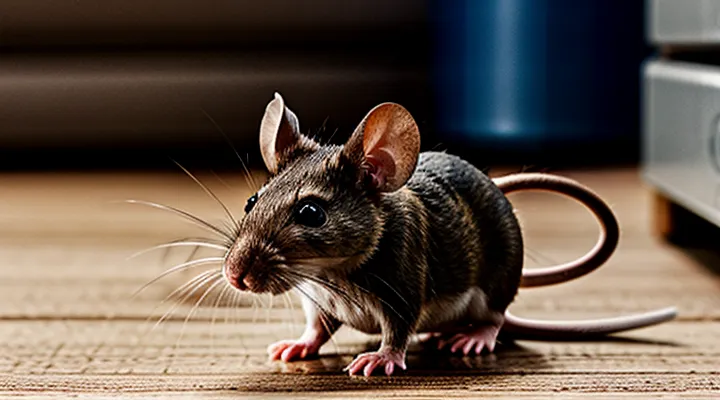
«The Importance of Identification»
«Why Accurate Identification Matters»
«Health Risks and Disease Transmission»
Mice and rats carry distinct pathogen profiles; recognizing which species is present helps target preventive measures.
-
Mice commonly transmit:
- Hantavirus (especially the Sin Nombre strain)
- Salmonella spp. from contaminated droppings
- Lymphocytic choriomeningitis virus (LCMV)
-
Rats are vectors for:
- Leptospira spp., causing leptospirosis through urine contact
- Rat‑borne hantavirus (e.g., Seoul virus)
- Yersinia pestis, the bacterium behind plague
- Bartonella spp., leading to febrile illnesses
Key health‑risk differences stem from size, habitat, and behavior. Mice frequent indoor pantry spaces, leaving droppings and urine on food surfaces, while rats occupy basements, sewers, and outdoor garbage zones, contaminating water sources and larger debris.
Practical steps to manage exposure:
- Identify species by size (mice ≤ 10 cm body length, rats ≥ 20 cm) and tail length (mice tails roughly equal to body length, rats tails longer).
- Inspect droppings: mouse feces are ~3 mm, dark, and pointed; rat feces are 6–12 mm, blunt.
- Wear disposable gloves and a mask when cleaning contaminated areas.
- Disinfect surfaces with a 1:10 bleach solution for at least 10 minutes.
- Seal food containers, eliminate water sources, and repair structural gaps to prevent entry.
Understanding these distinctions reduces the likelihood of disease transmission and informs appropriate control strategies.
«Property Damage and Economic Impact»
Accurate identification of rodents directly influences the scale of property damage and the associated financial burden. Mistaking a mouse for a rat often leads to inappropriate control methods, which can exacerbate structural deterioration and inflate repair expenses.
Typical damage includes:
- gnawed wiring, insulation, and structural timbers;
- compromised HVAC ducts and ventilation filters;
- contamination of stored goods and food preparation areas;
- water pipe corrosion caused by rodent urine.
Economic repercussions extend beyond immediate repairs:
- replacement of damaged electrical components;
- loss of inventory due to contamination;
- increased pest‑management fees when treatment targets the wrong species;
- higher insurance premiums and potential regulatory penalties for health‑code violations.
Implementing precise differentiation allows pest‑control professionals to select species‑specific baits and traps, reducing material waste and limiting exposure time. Consequently, property owners experience lower repair costs, fewer product losses, and a more predictable budgeting process for ongoing rodent management.
«Effective Pest Control Strategies»
Accurate identification of rodent species determines the choice of control measures, because mice and rats differ in size, behavior, and susceptibility to products. Misidentifying a mouse as a rat can lead to ineffective traps and wasted baits, while treating a rat as a mouse may leave a larger infestation unchecked.
Effective pest control relies on a systematic approach:
- Conduct a physical inspection: note tail length, ear size, and droppings to separate the two rodents.
- Deploy species‑specific traps: snap traps sized for mice, larger cage traps for rats; place them along walls where gnaw marks are visible.
- Use targeted bait formulations: low‑dose anticoagulants for mice, higher‑dose options for rats; ensure bait stations are tamper‑proof.
- Eliminate food and water sources: store grain, pet food, and waste in sealed containers; repair leaks that provide drinking water.
- Seal entry points: install steel wool or metal flashing around gaps larger than ¼ inch for mice, larger openings for rats.
- Establish a monitoring schedule: check traps and stations weekly, record captures, and adjust placement based on activity patterns.
Integrating these steps creates a cohesive program that reduces rodent populations while minimizing non‑target impacts. Continuous evaluation and adaptation maintain long‑term effectiveness.
«Key Physical Characteristics»
«Size and Body Shape»
«Overall Body Length»
Overall body length provides a reliable metric for separating mice from rats. Measure from the tip of the nose to the base of the tail, excluding the tail itself, because tail length varies independently of body size.
Typical measurements:
- House mouse (Mus musculus): 6–10 cm.
- Common rat (Rattus norvegicus): 18–25 cm.
- Larger rat species (e.g., Rattus rattus): up to 30 cm.
When a specimen falls within the 6–10 cm range, classify it as a mouse; lengths exceeding 15 cm indicate a rat. Use a ruler or calipers for accuracy, and record the measurement before making a final identification.
«Body Proportion and Build»
Mice possess a compact body that is roughly three to four times longer than its tail, while rats exhibit a body-to-tail ratio closer to one‑to‑one. The mouse’s head is small, triangular, and proportionally larger relative to its body; the rat’s head is broader, with a more pronounced snout.
Weight provides another clear indicator. A typical house mouse weighs 15–30 g, whereas a common rat ranges from 250 g to over 500 g. The difference is evident even when the animals are observed side by side.
Body shape distinguishes the two species further:
- Mice display a slender, agile frame with a relatively thin neck and a smooth, streamlined silhouette.
- Rats feature a bulkier torso, thicker neck, and visibly larger musculature, especially around the shoulders and hindquarters.
Tail characteristics reinforce identification. Mouse tails are covered with fine hair, appear slightly scaly, and end in a tapered tip. Rat tails are hairless, uniformly thick, and often display a darker, more robust appearance.
These proportional and structural cues enable reliable visual separation of mice from rats without reliance on behavioral observation.
«Tail Examination»
«Tail Length Relative to Body»
Tail length offers a reliable metric for separating mice from rats. In most species, the tail is proportionally longer than the body in mice, while rats display a shorter, stubbier tail relative to their torso.
- House mouse (Mus musculus): tail length typically equals 75‑100 % of head‑body length.
- Common rat (Rattus norvegicus): tail length usually measures 40‑60 % of head‑body length.
- Deer mouse (Peromyscus maniculatus): tail length often exceeds body length, reaching 110‑130 %.
- Brown rat (Rattus rattus): tail length approximates 50‑70 % of body length.
When evaluating an unknown specimen, measure from the base of the tail to the tip, then compare that figure to the distance from the nose to the base of the tail. A ratio above roughly 0.75 suggests a mouse; a ratio below 0.65 indicates a rat. Use a flexible ruler or digital caliper for accuracy, and record measurements to the nearest millimeter. Consistent ratios across multiple individuals confirm the identification.
«Presence of Hair and Scaliness»
Mice possess a coat of fine, soft hair that covers most of the body, including the tail. The fur feels delicate to the touch and hides the underlying skin, making the animal appear uniformly smooth. In contrast, rats display coarser hair, especially on the back, while the belly and tail are dominated by visible, thick scales. The tail of a rat is almost entirely hairless and feels rough, whereas a mouse tail is slender, lightly furred, and smooth.
Practical identification based on hair and scaliness:
- Run a fingertip along the back: mouse fur is uniformly soft; rat fur feels rougher.
- Examine the belly: mouse skin is barely visible; rat skin shows distinct, raised scales.
- Feel the tail: mouse tail is covered with fine hair and yields a smooth surface; rat tail is mostly naked, presenting a gritty texture.
These tactile cues enable quick differentiation without requiring visual comparison.
«Ear and Snout Features»
«Ear Size and Shape»
Mice have proportionally larger ears relative to head size than rats. Their ear pinnae extend outward and are typically rounded, measuring about 10–12 mm in length for a common house mouse. Rat ears are smaller in proportion, more triangular, and usually measure 15–20 mm in a typical brown rat. The shape difference is consistent across adult specimens, regardless of coat color.
Key visual cues:
- Mouse ears: rounded edges, visible ear canal, often covered with fine hair.
- Rat ears: pointed tips, less hair, sometimes partially concealed by larger skull.
When examining a live or captured rodent, observe the ear-to-head ratio. A mouse’s ear will appear to dominate the head silhouette, while a rat’s ear will seem tucked behind a broader cranium. This distinction remains reliable even when other body features overlap.
«Snout Pointiness and Length»
The shape of the snout provides a reliable visual cue when telling a mouse apart from a rat. Mice possess a sharply tapered, almost triangular snout that ends in a distinct point. Rats display a broader, blunter snout with a rounded tip.
Key differences in snout morphology:
- Pointiness – Mouse snouts are markedly pointed; rat snouts appear less acute.
- Length proportion – The mouse snout is short relative to head width, creating a compact profile. Rat snouts are longer, extending farther forward and contributing to a more elongated facial silhouette.
- Profile outline – In lateral view, a mouse’s snout forms a steep, V‑shaped line, while a rat’s profile shows a gentle, curved contour.
These traits remain consistent across common species and persist regardless of age or minor variations in fur coloration. Observing snout pointiness and length alongside other anatomical markers enables accurate field identification.
«Fur Color and Texture»
«Common Color Variations»
Color patterns differ markedly between the two rodents and can be relied upon for quick identification. Mice typically display a limited palette, while rats exhibit broader, often darker, variations.
-
House mouse (Mus musculus):
- Light brown to gray dorsal coat, sometimes pinkish‑white underparts.
- Occasionally a “agouti” pattern with darker stripes on a lighter background.
- Rarely pure black or albino individuals, which are easily recognizable.
-
Norway rat (Rattus norvegicus) and roof rat (Rattus rattus):
When observing a specimen, note the overall hue of the back, the contrast between dorsal and ventral areas, and any consistent striping. A light‑colored, uniformly gray or pinkish mouse contrasts with the typically darker, more varied rat coat. These color cues, combined with size and tail characteristics, provide reliable, practical differentiation in the field.
«Feel of the Fur»
The fur of a mouse feels noticeably finer than that of a rat. When pressed between thumb and forefinger, mouse hair slides smoothly, resembling soft silk, while rat hair resists, presenting a rougher, denser surface.
Key tactile distinctions:
- Hair length – Mouse fur is shorter, typically 2–4 mm; rat fur reaches 5–7 mm.
- Texture – Mouse hair is delicate, almost velvety; rat hair is coarse, comparable to fine sandpaper.
- Density – Mouse coats appear sparse, allowing the skin to be felt through the hair; rat coats are thick, masking the underlying skin.
- Body region variation – Mice exhibit uniform softness across the body; rats display a mix of smooth underfur and harsher guard hairs, especially on the back and tail.
By running a fingertip along the animal’s back, the difference becomes evident: a mouse yields a gentle glide, whereas a rat produces intermittent resistance from the guard hairs. This tactile cue, combined with size and tail characteristics, provides reliable identification without visual inspection.
«Behavioral and Environmental Clues»
«Droppings and Urine Stains»
«Size and Shape of Droppings»
Droppings provide a reliable visual cue for separating mouse activity from rat activity.
- Mouse feces measure approximately 0.2‑0.5 inches (5‑12 mm) in length, are spindle‑shaped, and taper to a point at both ends. Their surface appears smooth, and they lack a distinct tip.
- Rat feces range from 0.5‑1.0 inches (12‑25 mm) in length, are thicker, and display a blunt, rounded tip on one side. The cross‑section is more cylindrical, and the exterior may show a slightly rough texture.
When examining a sample, note the length, tapering, and tip shape. Short, uniformly tapered pellets indicate mouse presence, while longer, thicker pellets with a blunt end point to rats. Consistent observation of these dimensions enables accurate identification of the species responsible for the contamination.
«Location of Droppings»
Droppings provide reliable clues when separating mice from rats because each species prefers distinct foraging zones.
- Mouse droppings appear near walls, behind appliances, inside cabinets, and on low‑lying surfaces such as baseboards. They are often found in clusters along concealed pathways that rodents use to travel close to the floor.
- Rat droppings are located in deeper concealment spots: behind insulation, within crawl spaces, in attics, and along higher routes such as rafters or open ducts. They may also be scattered near food storage areas where rats forage for larger quantities.
The size and shape of the droppings reinforce the location evidence. Mouse feces are 3–6 mm long, slender, and have pointed ends; rat feces measure 12–20 mm, are thicker, and end bluntly. When droppings are discovered, assess both the dimensional characteristics and the surrounding environment to reach a conclusive identification.
«Visualizing Urine Stains with UV Light»
When identifying rodent species, urine traces provide reliable clues. Under ultraviolet illumination, mouse and rat urine fluoresce differently, allowing rapid visual separation without capture.
- Mouse urine emits a faint blue‑green glow; intensity remains low even after drying.
- Rat urine produces a bright yellow‑green fluorescence; the glow persists longer and is more pronounced on porous surfaces.
Practical procedure:
- Equip a handheld UV lamp emitting 365 nm wavelength.
- Scan suspected areas (floorboards, cabinets, traps) in a darkened environment.
- Observe fluorescence color and brightness; record the dominant hue.
- Correlate findings with known patterns: clusters of faint blue‑green spots indicate mouse activity; clusters of vivid yellow‑green spots indicate rat activity.
Additional considerations:
- Use a black cloth to cover surrounding surfaces; it prevents background light from masking fluorescence.
- Clean the lamp lens with alcohol before each use to maintain consistent output.
- Document findings with a camera equipped for UV photography; images support verification and future reference.
By applying UV visualization, field personnel can differentiate mouse from rat infestations swiftly, reducing misidentification and guiding appropriate control measures.
«Gnaw Marks»
«Size and Depth of Gnaw Marks»
When evaluating gnaw damage, focus on two measurable attributes: the width of the bite and the depth of the cut. These parameters differ consistently between small rodents and larger ones, providing a reliable indicator of the culprit.
- Width: Mouse incisors produce openings roughly 2–4 mm across, while rat incisors leave marks 6–10 mm wide. Measure the narrowest point of the groove; a width under 5 mm strongly suggests a mouse.
- Depth: Mouse gnaw marks are shallow, typically 1–2 mm deep, because their jaws generate less force. Rat gnawing penetrates 3–5 mm or more, often exposing underlying fibers or creating a noticeable notch in softer materials.
- Shape: Both species create V‑shaped cuts, but the angle of the V is tighter in mouse marks (steeper walls) and broader in rat marks (flatter walls).
Inspect the affected area with a ruler or caliper. Record the dimensions, compare them with the ranges above, and match the pattern to the corresponding rodent. This systematic approach eliminates guesswork and speeds identification.
«Preferred Materials for Gnawing»
Mice and rats exhibit distinct gnawing preferences, a factor that assists in reliable identification. Mice favor lightweight, soft‑textured items that can be quickly broken, while rats select sturdier, bulkier substrates that accommodate stronger jaw force.
Typical materials preferred by mice:
- Dried wheat or oat kernels
- Thin cardboard edges
- Soft plastic strips (e.g., cling film)
- Cotton fibers
Typical materials preferred by rats:
- Hardwood blocks or thick wooden dowels
- Concrete or cement fragments
- Thick rubber tubing
- Metal wire mesh
Observing which of these substances shows evidence of damage—such as clean bite marks versus ragged chew patterns—provides a practical criterion for separating the two rodent species in field or domestic settings.
«Nests and Burrows»
«Location and Construction Materials»
Mice and rats occupy distinct niches within structures; recognizing these patterns speeds identification.
- Mice favor interior spaces: wall voids, ceiling cavities, pantry shelves, and equipment racks.
- Rats prefer exterior or semi‑exposed sites: underground burrows, crawl spaces, sewer lines, and large openings near ground level.
Construction materials influence species selection. Mice can infiltrate small gaps in plaster, drywall, and vinyl siding, exploiting cracks as narrow as ¼ inch. Rats require larger breaches, commonly entering through gaps in concrete foundations, damaged brickwork, or poorly sealed metal vent pipes.
Inspecting premises involves systematic examination of vulnerable points. Begin at ground level, check for gnaw marks on wooden joists, concrete foundations, and metal flashing. Move upward to assess insulation panels, wiring conduits, and ceiling tiles for chew evidence or droppings. Document each opening size; openings under ¼ inch indicate mouse activity, while openings exceeding ½ inch suggest rat presence.
Remediation focuses on sealing identified entryways with appropriate materials: steel wool plus caulk for mouse holes, concrete repair or metal flashing for rat passages. Regular maintenance of these barriers prevents re‑infestation and clarifies ongoing species monitoring.
«Size of Entry and Exit Points»
When inspecting holes, gaps, or openings, the dimensions of the passage provide a reliable indicator of the occupant’s species. Mice can pass through openings as small as 0.5 cm (approximately ¼ inch) in diameter, while rats require a minimum width of about 2 cm (≈ ¾ inch). The height of the opening follows a similar pattern: a mouse can navigate a clearance of 1 cm, whereas a rat needs at least 4 cm.
Practical steps for evaluating entry and exit points:
- Measure the narrowest dimension of each opening with a ruler or caliper.
- Compare the measurement to the thresholds: ≤ 0.5 cm suggests mouse activity; ≥ 2 cm indicates rat activity.
- Inspect the surrounding material for gnaw marks. Mice produce finer, shallow bites; rats leave deeper, broader gouges.
- Seal any opening that exceeds mouse limits but falls below rat limits if only mouse presence is acceptable; use steel wool, copper mesh, or concrete to block larger gaps.
Consistently applying these size criteria reduces misidentification and guides appropriate control measures.
«Sound and Activity Patterns»
«Typical Noises and Their Intensity»
Auditory signals provide reliable clues when separating small rodents from larger ones.
Mice produce a suite of faint sounds that rarely exceed 45 dB at a one‑meter distance. Typical noises include:
- High‑pitched squeaks lasting less than half a second, often heard during brief encounters.
- Soft rustling of bedding or nesting material, audible only in quiet environments.
- Subtle foot‑pad thumps when moving quickly across hard surfaces, each thump registering around 30 dB.
Rats generate louder, lower‑frequency noises that can reach 70 dB at the same distance. Common sounds are:
- Deep, resonant squeals ranging from 200 Hz to 500 Hz, persisting for several seconds during agitation.
- Pronounced scurrying on hard floors, producing repetitive thuds of 50–60 dB.
- Audible gnawing on wood or plastic, a steady, crunchy noise often exceeding 55 dB.
Recognizing these patterns enables rapid assessment of rodent presence without visual confirmation. Soft, high‑pitched noises point to mice; louder, deeper sounds indicate rats. Adjusting monitoring equipment to capture the relevant decibel range improves detection accuracy and informs targeted control measures.
«Nocturnal vs. Diurnal Habits»
Mice typically exhibit strict nocturnal activity, emerging after sunset and remaining active throughout the night. Rats display a more flexible schedule; many species are crepuscular, concentrating activity at dawn and dusk, while urban rats often become partially diurnal, foraging during daylight when food sources are plentiful.
Key observational cues:
- Timing of movement: Spotting a small rodent moving on a kitchen counter between 9 a.m. and 3 p.m. suggests a rat, whereas a mouse is unlikely to be active at that hour.
- Location of nests: Mice construct nests in concealed, dark areas such as wall voids or storage boxes, accessed primarily at night. Rats prefer larger burrows or hidden underground chambers, but may also occupy open daylight shelters like basements.
- Feeding patterns: Mice consume food shortly after dark, leaving fresh crumbs in the evening. Rats often leave evidence of scavenging during early morning or late afternoon, such as torn packaging left near light sources.
When setting traps, align deployment with these habits. Place snap traps or bait stations near mouse pathways during nighttime hours, securing them before dusk. For rats, position devices in areas frequented at dawn or dusk, and consider using motion‑activated deterrents that operate in low‑light conditions. Adjust inspection schedules accordingly: conduct mouse surveys after dark, rat surveys in the early morning and late afternoon.
«Advanced Identification Techniques»
«Track and Footprint Analysis»
«Number of Toes and Pad Patterns»
When separating mice from rats, the count of toes on each paw offers a reliable criterion. Mice possess four toes on the forepaws and five on the hind paws; rats display five toes on both forepaws and hind paws. This difference is visible without magnification and persists across adult and juvenile specimens.
Pad arrangement further distinguishes the two rodents:
- Forefoot pads: mice have a reduced, narrow thenar pad; rats have a well‑developed, broader thenar pad covering most of the forefoot surface.
- Plantar pads: rats exhibit a large central pad with a distinct heel pad; mice show a smaller central pad and a less pronounced heel pad.
- Texture: rat pads are thicker and more rugged, providing a sturdier grip; mouse pads are smoother and thinner.
Observing toe number together with pad pattern yields a quick, accurate identification in field or laboratory settings.
«Size of Tracks»
Track dimensions provide a clear, objective basis for telling mice apart from rats. Rodent footprints differ markedly in width, length, and depth, reflecting the animals’ body size and gait.
- Mouse tracks
- Width: 0.2–0.4 cm (≈ 0.08–0.16 in)
- Length: 0.5–0.8 cm (≈ 0.20–0.31 in)
- Depth: shallow, often barely indenting soft soil or dust
- Rat tracks
- Width: 0.5–0.8 cm (≈ 0.20–0.31 in)
- Length: 1.0–1.5 cm (≈ 0.39–0.59 in)
- Depth: deeper impressions, sometimes revealing claw marks
When evaluating ambiguous prints, consider the following points:
- Measure the longest axis; a length under 1 cm almost always indicates a mouse.
- Compare width to length; mouse tracks are proportionally narrower.
- Observe depth; rat prints press more deeply into loose substrate.
- Look for accompanying tail drag marks; rats frequently leave faint tail impressions, whereas mice rarely do.
Consistent measurement of these parameters enables reliable identification of the species responsible for the tracks.
«Odor Detection»
«Distinctive Smells Associated with Each Pest»
Rodents leave scent trails that differ in intensity, composition, and lingering quality. Detecting these odors provides a reliable cue when visual identification is difficult.
Mice produce a faint, sweet‑musky odor. Their urine contains low‑concentration ammonia, which evaporates quickly and leaves only a subtle trace. The scent is often described as slightly musty, similar to fresh grain or nesting material. Because mice are small, the total amount of secretions is limited, so the smell dissipates within a short distance from the source.
Rats emit a markedly stronger odor. Their urine is rich in ammonia and contains additional fatty acids that create an oily, acrid smell. The scent persists longer and can be detected several meters away from a droppings pile or a nesting site. Rat odor is frequently compared to the smell of urine mixed with a faintly metallic or sour note, reflecting the animal’s larger glandular output.
Key olfactory distinctions:
- Intensity: mouse scent – light, quickly fading; rat scent – robust, long‑lasting.
- Character: mouse – sweet‑musky, grain‑like; rat – pungent, oily, ammonia‑rich.
- Detection range: mouse – detectable within a few centimeters; rat – detectable up to several meters.
- Persistence: mouse droppings lose odor within hours; rat droppings retain odor for days.
Recognizing these differences allows accurate assessment of the pest present, even when visual confirmation is unavailable.
«Using Lures and Traps for Observation»
«Selecting Appropriate Bait»
When setting traps, choose bait that exploits the dietary preferences of each rodent. Proper selection reduces false captures and clarifies which species is present.
- High‑fat foods – peanut butter, bacon grease, or cheese attract rats more reliably than mice. Rats prefer richer, oilier substances.
- Grain‑based items – rolled oats, wheat kernels, or sunflower seeds are favored by mice. These low‑fat options entice smaller rodents.
- Protein sources – dried insects or pet food pellets work for both, but rats respond more strongly to larger pieces, while mice take smaller crumbs.
- Sweet attractants – honey, syrup, or candy can lure mice, especially when combined with a grain base; rats generally ignore pure sweetness unless mixed with fat.
Place bait directly on the trigger mechanism to ensure the target interacts with the trap. Use a single bait type per station to avoid cross‑attraction. Rotate bait every few days to prevent habituation. By matching bait composition to the known feeding habits of mice and rats, you obtain clearer evidence of which animal is active in the area.
«Analyzing Trapped Specimens»
When a rodent is captured, the first step toward accurate identification is a systematic examination of its physical traits. Record the specimen’s condition, noting any damage that might obscure key features, and preserve it in a manner that prevents shrinkage or discoloration.
Key external characteristics distinguish the two common house‑bound rodents:
- Overall length: Mice typically measure 2–4 inches (5–10 cm) from nose to base of tail; rats range from 6–10 inches (15–25 cm).
- Tail proportion: A mouse’s tail is roughly equal to its body length, often slender and hairless. A rat’s tail is shorter relative to body length, thicker, and may show visible scales.
- Ears: Mice possess large, rounded ears that can exceed half the head width. Rats have smaller, more proportionally sized ears set lower on the head.
- Snout and muzzle: Mice display a pointed, delicate snout; rats show a blunt, heavier muzzle.
- Feet: Mouse hind feet are small with a noticeable plantar pad; rat hind feet are broader with a more robust pad.
Measurements provide quantitative confirmation:
- Head‑body length (excluding tail).
- Tail length; calculate the tail‑to‑body ratio.
- Weight; mice seldom exceed 30 g, while rats commonly surpass 150 g.
- Skull dimensions (if a skull is available); rat cranial width exceeds that of a mouse.
Environmental clues support the visual assessment. Mice favor higher elevations, such as attic spaces, and are often found near food packaging. Rats prefer ground‑level habitats, including basements, sewers, and outdoor burrows.
Document each specimen with photographs from multiple angles, a written record of measurements, and notes on capture location. This data set enables reliable differentiation, informs pest‑management decisions, and contributes to broader ecological monitoring.
«Preventative Measures and Control»
«Exclusion Techniques»
«Sealing Entry Points»
Sealing entry points is a critical step in managing rodent infestations because mice and rats exploit different structural vulnerabilities. Identifying and closing these gaps reduces the likelihood of misidentifying the species based on damage patterns alone.
Mice typically enter through openings as small as ¼ inch, while rats require gaps of at least ½ inch. Therefore, inspection should prioritize the smallest cracks, gaps around utility penetrations, and gaps under doors. Common access points include:
- Gaps around pipe sleeves and conduit entries
- Openings at the base of wall cabinets and shelving units
- Unsealed seams in foundation walls and crawl‑space vents
- Spaces beneath exterior siding, especially where weather‑stripping is missing
- Holes around vent fans, dryer exhausts, and attic vents
After locating potential entry points, apply the following sealing protocol:
- Clean the area to remove debris and nesting material.
- Use steel wool or copper mesh to fill gaps smaller than ¼ inch; these materials are resistant to chewing.
- Cover the filler with a durable sealant such as silicone caulk, expanding polyurethane foam, or cement mortar, depending on the substrate.
- For larger openings (½ inch to 2 inches), install hardware cloth (¼‑inch mesh) secured with screws, then apply sealant over the edges.
- Inspect exterior doors and windows; install door sweeps and adjust weather‑stripping to eliminate under‑door spaces.
- Verify that vent covers are fitted tightly; replace damaged screens with metal mesh that rats cannot gnaw through.
Regular maintenance checks—monthly for interior gaps and quarterly for exterior structures—ensure that new entry points are detected promptly. By concentrating on the size thresholds that differentiate mouse and rat access, homeowners can limit the presence of each species and avoid confusion caused by overlapping damage signs.
«Using Rodent-Proof Materials»
Choosing the right barrier material is essential for preventing unwanted entry and for observing the size of any damage, which in turn helps separate mouse activity from rat activity. Steel mesh with apertures no larger than ¼ in. blocks mice while allowing rats to test larger gaps; any gnaw marks on such mesh indicate a rat, whereas intact mesh suggests a mouse problem elsewhere.
Durable options include:
- ¼‑in. stainless‑steel hardware cloth – resists chewing, visible wear shows larger rodents.
- ½‑in. copper‑coated wire mesh – corrosion‑resistant, suitable for outdoor vents.
- Rigid polycarbonate panels – clear for inspection, deflects both species; cracks reveal larger bite forces typical of rats.
- Cement‑filled gaps – eliminates hollow spaces; only rats can force larger openings in concrete.
Installation tips:
- Seal all openings larger than ¼ in. with steel mesh before applying secondary coverings.
- Position polycarbonate sheets at points where visual monitoring is needed, such as pantry doors.
- Reinforce corners and joints with copper‑coated wire to prevent rats from exploiting weak angles.
- Replace damaged sections promptly; a fresh bite pattern provides immediate identification data.
By employing materials that limit entry size and display distinct wear, observers can quickly infer whether a mouse or a rat is responsible for any intrusion.
«Sanitation Practices»
«Proper Food Storage»
Proper food storage reduces the likelihood of attracting rodents and helps differentiate between mouse and rat activity. Mice prefer small, easily accessible crumbs, whereas rats target larger food sources that are left uncovered for extended periods. Securing food eliminates the primary lure for both species and creates a clearer pattern of evidence when distinguishing them.
Effective storage practices include:
- Seal all containers with airtight lids made of metal or thick plastic.
- Store dry goods in bulk containers that cannot be chewed through.
- Keep pet food in locked cabinets or refrigerated units.
- Clean spills immediately and dispose of waste in sealed bins.
- Rotate stock regularly to avoid stale or spoiled items that emit strong odors.
When food is consistently protected, signs such as gnaw marks on packaging, droppings near entry points, or footprints in flour become more reliable indicators of the specific rodent present. This systematic approach simplifies identification and supports targeted control measures.
«Waste Management»
Effective waste handling reduces rodent activity and clarifies species identification. Mice prefer small, concealed food sources; rats target larger, bulkier waste. Secure trash in sealed containers with tight-fitting lids to deter rats, while using bite‑proof packaging for grain and seed stores limits mouse access.
Observing waste‑related evidence distinguishes the two rodents:
- Droppings: 0.3‑0.5 cm, pointed, found near food packages → mouse; 2‑3 cm, blunt, near dumpsters or grease traps → rat.
- Gnaw marks: 2‑3 mm holes in packaging, fine edges → mouse; 5‑10 mm, rough edges on wood or plastic → rat.
- Nest material: shredded paper, cotton, or fabric in wall voids → mouse; shredded insulation, cardboard, or large debris near sewer lines → rat.
Implementing routine waste audits, tightening container seals, and removing spillage promptly eliminates attractants. Consistent application of these measures yields reliable species differentiation and long‑term rodent control.
«Professional Pest Control Assistance»
«When to Call an Expert»
Distinguishing a small rodent from a larger one can be straightforward, but certain situations demand professional assistance. Below are the indicators that an expert should be consulted.
- The animal is found inside walls, ceilings, or other concealed spaces where removal poses safety risks.
- Visible damage includes gnawed electrical wiring, plumbing, or structural components, suggesting a severe infestation.
- The presence of droppings, urine stains, or strong odor is extensive, indicating a large population that cannot be managed with basic traps.
- The rodent exhibits aggressive behavior, repeatedly evading traps, or shows signs of disease (e.g., sudden illness among occupants).
- Legal or regulatory requirements apply, such as in food‑handling facilities, schools, or hospitals, where certified pest control is mandated.
- The identification of the species remains unclear despite visual inspection, making accurate classification essential for appropriate control measures.
When any of these conditions occur, contact a licensed pest‑management professional. They will conduct a thorough inspection, confirm species identification, assess the extent of the problem, and implement a targeted eradication plan that complies with health and safety standards.
«Integrated Pest Management Approaches»
Integrated pest management (IPM) relies on accurate species identification to apply the most effective control measures. Distinguishing a mouse from a rat begins with visual cues, tail length, body size, and behavior, which guide the selection of monitoring tools, exclusion techniques, and treatment options.
Key identification points:
- Tail: mouse tail roughly equal to body length, slender; rat tail thicker, shorter relative to body.
- Size: mouse body 2–4 inches, rat body 6–10 inches.
- Ears: mouse ears proportionally large; rat ears smaller.
- Nose: mouse nose pointed; rat nose blunter.
- Droppings: mouse pellets ¼‑inch, rod‑shaped; rat pellets ½‑inch, cylindrical.
IPM components tailored to each rodent:
- Monitoring – Deploy snap traps or live‑catch traps sized for the target; use species‑specific bait to confirm presence.
- Exclusion – Seal entry points larger than ¼ inch for mice, larger than ½ inch for rats; install metal flashing around vents and utility openings.
- Sanitation – Remove food residues that attract mice; eliminate larger waste piles and water sources that draw rats.
- Mechanical control – Position traps along walls where rodents travel; adjust trap placement based on observed tail and droppings patterns.
- Biological control – Encourage natural predators such as barn owls for rats; limit use for mice due to lower predator efficiency.
- Chemical control – Apply rodenticides in tamper‑proof stations; select formulations targeting the identified species to reduce non‑target exposure.
- Evaluation – Review trap catch data weekly; compare species ratios to adjust exclusion and sanitation measures.
Accurate identification informs each IPM step, reduces unnecessary pesticide use, and improves long‑term suppression of the specific rodent population.