
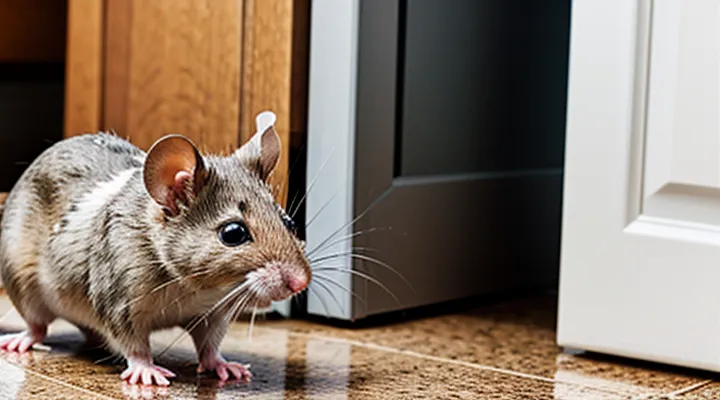
Understanding the Mouse Problem
Signs of a Mouse Infestation
Mice leave unmistakable evidence that a household is compromised. Their presence can be confirmed by observing specific indicators that require immediate attention.
Typical signs include:
- Gnaw marks on wood, plastic, or wiring, often at right angles.
- Small, dark droppings approximately the size of a grain of rice, found along walls, behind appliances, or in pantry corners.
- Faint, musky odor that intensifies in confined spaces such as cabinets or basements.
- Nests constructed from shredded paper, fabric, or insulation, typically hidden in concealed areas.
- Scratching sounds in attic spaces or walls, especially during nighttime hours.
- Visible tracks in dusty areas, revealed by footprints or tail drag marks.
Identifying these clues promptly enables the implementation of non‑chemical control measures, preventing further damage and health risks.
Why Chemical-Free Solutions Are Preferable
Health Concerns
Rodent infestations pose direct health risks that persist even when chemical agents are avoided. The presence of mice introduces pathogens, allergens, and structural damage that can compromise human well‑being.
Mice carry bacteria such as Salmonella and Leptospira, viruses including hantavirus, and parasites like fleas and mites. These organisms contaminate food, surfaces, and air, creating routes for infection. Direct contact with droppings or urine can trigger gastrointestinal illness, respiratory infections, and febrile diseases.
Allergic reactions arise from mouse dander, urine proteins, and fecal particles that become airborne. Sensitive individuals may experience sneezing, watery eyes, skin irritation, or asthma exacerbations. Continuous exposure increases the likelihood of chronic respiratory conditions.
Physical control tools—snap traps, live‑catch cages, and ultrasonic repellents—eliminate rodents without toxic residues, but they introduce secondary hazards. Improper placement of snap traps can cause accidental injury to children or pets. Live‑catch cages require careful handling to prevent stress‑induced disease spread. Ultrasonic devices emit high‑frequency sounds that may affect hearing in some users, particularly those with pre‑existing auditory sensitivities.
Key health considerations when opting for non‑chemical rodent removal:
- Pathogen exposure: Regular cleaning of captured rodents and contaminated areas reduces infection risk.
- Allergen control: Use HEPA filtration and frequent vacuuming to remove airborne particles.
- Safety of traps: Position devices out of reach of non‑target occupants; inspect and dispose of captured mice promptly.
- Device emissions: Verify that ultrasonic units comply with safety standards and monitor for any auditory discomfort.
Addressing these concerns ensures that rodent elimination strategies protect occupants while avoiding chemical contamination.
Pet and Child Safety
Effective mouse control without chemicals requires measures that protect both pets and children. Physical barriers, such as steel‑wool or copper mesh, seal cracks and openings, preventing rodents from entering while posing no toxic risk. Installing snap or electronic traps in inaccessible locations reduces accidental contact; place devices behind appliances or inside cabinets where children and animals cannot reach them.
Key safety practices include:
- Use child‑proof latch mechanisms on cabinets storing traps or bait alternatives.
- Choose traps with enclosed chambers to contain captured mice and eliminate handling hazards.
- Position devices at least three feet above floor level or behind furniture to limit reach.
- Employ motion‑activated deterrents, such as ultrasonic emitters, mounted out of direct line of sight.
- Regularly inspect and maintain sealing materials; replace worn sections promptly.
When selecting deterrents, prioritize options that emit no audible or visual stimuli harmful to pets. Ultrasonic units should be tested for species‑specific tolerance, as some small animals may be sensitive. Avoid any product labeled “chemical” or “poison” regardless of concentration, as ingestion or contact poses significant health risks to children and household animals.
Routine cleaning removes food residues that attract rodents, reducing reliance on any control device. Store food in airtight containers, promptly dispose of waste, and keep floors free of crumbs. These practices create an environment hostile to mice while maintaining a safe living space for vulnerable household members.
Preventing Mouse Entry
Sealing Entry Points
Inspecting Your Home’s Exterior
A thorough examination of the building’s outer envelope is essential for preventing mouse intrusion without resorting to poisons or sprays. By identifying and correcting entry points, you remove the most common invitation for rodents.
Begin at ground level. Walk around the foundation, looking for cracks, gaps around utility lines, and openings where pipes or wires enter the house. Use a flashlight to reveal hairline fissures; seal them with steel wool followed by caulk or concrete patch. Inspect the sill plates and crawl‑space vents, ensuring screens are intact and mesh is fine enough to block small rodents.
Next, assess the perimeter landscaping. Trim shrubs, vines, and tree branches that touch the roof or walls, as they provide bridges for mice to reach the structure. Keep the lawn mowed short and remove leaf litter, compost piles, and wood debris that create shelter near the foundation.
Examine exterior doors and windows. Verify that weatherstripping is in good condition and that door sweeps hang flush against the threshold. Check for gaps around sliding glass doors and install tight‑fitting screens if necessary.
Finally, evaluate storage areas and outbuildings. Secure garbage cans with tight lids, store firewood at least two feet off the ground and away from the house, and keep pet food indoors.
Key inspection actions:
- Seal all visible cracks and holes in foundation, walls, and vents.
- Trim vegetation that contacts the building.
- Maintain a clean, debris‑free perimeter.
- Ensure doors, windows, and screens are properly sealed.
- Store potential food sources and shelter materials away from the house.
Implementing these measures creates a physical barrier that deters mice from entering, supporting a chemical‑free approach to rodent control.
Addressing Cracks and Gaps
Mice gain indoor access through any opening larger than a quarter‑inch. Detecting these openings begins with a systematic visual inspection of the building envelope. Examine the foundation, interior walls, baseboards, and areas where utilities enter the home. Pay particular attention to gaps around pipes, vents, and wiring sleeves.
Seal identified openings using materials that resist gnawing. Apply steel wool tightly into narrow cracks, then cover with caulk or expanding foam to prevent mice from pushing the filler aside. For larger gaps, install hardware cloth or sheet metal secured with screws, then apply a weather‑resistant sealant over the edges. Door sweeps and window flashing eliminate entry points at movable openings.
Maintain the barrier over time. Periodically check seals for wear, especially after seasonal temperature changes that cause building movement. Replace degraded caulk or foam promptly, and replenish steel wool where it shows signs of compression.
Typical sealing actions
- Insert steel wool into gaps ≤ ¼ in, then coat with silicone caulk.
- Fit hardware cloth (½ in mesh) over openings ≥ ¼ in, fasten with screws, and seal edges.
- Apply expanding polyurethane foam to irregular cracks, trim excess once cured.
- Install door sweeps and window seal strips, verify proper alignment.
Consistent attention to cracks and gaps removes the primary pathway mice use to infiltrate a residence, thereby reducing reliance on chemical control methods.
Eliminating Attractants
Food Storage Best Practices
Proper food storage directly reduces the likelihood of rodent infestations by eliminating easy sources of nutrition. When food is sealed, organized, and kept in unsuitable locations for mice, the incentive for these pests to enter living spaces diminishes sharply.
- Store dry goods in airtight containers made of glass, metal, or heavy‑wall plastic; avoid cardboard boxes that can be chewed through.
- Keep pantry shelves free of spills; clean crumbs and residue immediately after each use.
- Place perishable items in the refrigerator or freezer, and ensure lids are tightly closed.
- Rotate supplies regularly; discard expired or stale products that emit strong odors.
- Position food storage units away from walls and baseboards, creating a clear perimeter that discourages nesting.
- Use metal shelving or non‑porous surfaces that are difficult for rodents to gnaw.
By maintaining these practices, households remove the primary attractant for mice without resorting to chemical deterrents, thereby supporting a sustainable, pest‑free environment.
Managing Clutter
Clutter creates hiding places, nesting sites, and travel routes that encourage rodent activity. Eliminating unnecessary items reduces shelter availability and forces mice to seek environments that are easier to monitor and control.
- Remove items stored directly on the floor; place boxes, clothing, and toys on shelves or in sealed containers.
- Keep storage areas well‑ventilated; avoid piling paper, fabric, or cardboard where moisture can accumulate.
- Declutter under furniture and appliances; use short‑leg tables or lift equipment to expose hidden spaces.
- Dispose of broken or damaged items promptly; they provide easy entry points for rodents.
Routine upkeep sustains the benefits of a clutter‑free home. Conduct weekly visual checks for debris, repair cracks in walls or floors, and maintain sealed waste containers. By limiting accessible shelter, the environment becomes inhospitable to mice without resorting to chemical interventions.
Proper Waste Disposal
Proper waste management directly reduces the attraction of mice to residential spaces. Food remnants, greasy containers, and decomposing organic matter emit odors that signal a reliable food source, prompting rodents to explore and establish nests. By eliminating these cues, homeowners remove a primary incentive for mouse activity without resorting to chemical deterrents.
Effective waste disposal involves several precise actions:
- Store garbage in sealed, airtight containers made of metal or heavy‑wall plastic. Ensure lids close tightly each time waste is added.
- Empty indoor bins daily, especially in kitchens and dining areas, to prevent accumulation.
- Transfer waste to outdoor receptacles only after the container is fully sealed. Keep outdoor bins at least three feet from the building’s foundation.
- Clean the interior of containers regularly with hot water and detergent to remove residue.
- Use compost bins that are rodent‑proof, featuring secure lids and mesh screens; locate them away from the house.
Consistent implementation of these measures deprives mice of easy access to food, thereby supporting broader non‑chemical control strategies. Maintaining a clean waste environment complements other practices such as sealing entry points and reducing clutter, creating a comprehensive approach to mouse prevention.
Non-Toxic Trapping Methods
Live Traps
Setting and Baiting Live Traps
Live traps provide a humane alternative to chemical control, allowing homeowners to capture mice alive and release them away from the residence. Effective use of these devices depends on proper placement, appropriate bait, and consistent monitoring.
Select traps that close securely and feature a trigger mechanism sensitive enough for small rodents. Stainless‑steel or heavy‑duty plastic models resist gnawing and endure repeated use. Before deployment, inspect each trap for damage and ensure the latch operates smoothly.
Bait selection influences capture rates. Preferred options include:
- Peanut butter – strong scent and texture encourage chewing.
- Sunflower seeds – high fat content appeals to foraging mice.
- Small pieces of cheese – aromatic and easy to attach.
- Softened oatmeal mixed with honey – moist and sweet, suitable for shy individuals.
Apply a thin layer of bait to the trigger platform, avoiding excess that could allow the mouse to access food without activating the trap. Position traps along established pathways: behind appliances, within wall voids, near baseboards, and close to suspected entry points. Align the trigger end toward the wall to guide the mouse into the capture chamber.
Check traps at least once daily. Remove captured mice promptly, wearing gloves to prevent bites and contamination. Release each animal at least two miles from the home, preferably in a wooded or agricultural area where survival prospects are higher. After release, reset the trap with fresh bait and relocate if recurring activity is observed.
Maintain a clean environment to deter reinfestation. Seal cracks, install door sweeps, and store food in airtight containers. Regularly rotate trap locations to cover new activity zones, ensuring continuous, chemical‑free control of the mouse population.
Releasing Mice Safely
Capturing rodents without poison requires a humane trap that closes securely and allows the animal to remain unharmed. Once trapped, keep the mouse in the device until it can be moved to an appropriate outdoor environment.
- Choose a release site at least 200 meters from the residence, preferably near natural cover such as brush or a field.
- Transport the trap in a sturdy box to prevent accidental opening.
- Release the mouse during daylight when predators are less active; open the trap gently and step back immediately.
- Wear disposable gloves to avoid transferring scents that may attract other mice to the home.
- Clean the trap with hot water and mild detergent after each use; disinfect with a diluted bleach solution if needed.
After release, inspect the interior for entry points. Seal gaps around pipes, vents, and foundation cracks with steel wool, caulk, or metal flashing. Maintain a tidy interior by storing food in sealed containers and disposing of waste promptly. These actions reduce the likelihood of re‑infestation while eliminating the need for chemical interventions.
Snap Traps (Chemical-Free)
Safe Placement of Snap Traps
Snap traps are most effective when positioned where mice travel but where humans and pets cannot easily reach them. Place each trap perpendicular to the wall, with the trigger end facing the wall, because rodents prefer to run along edges. Position traps behind appliances, under cabinets, and inside closets, focusing on dark, narrow pathways. Keep traps at least six inches above floor level to reduce the risk of accidental contact by children or non‑target animals.
Safety considerations include:
- Securing traps on stable surfaces to prevent tipping.
- Using bait that does not attract pets, such as small pieces of peanut butter or dried fruit.
- Inspecting trap locations daily; remove captured mice promptly and dispose of traps according to local regulations.
- Storing unused traps out of reach of children and pets, preferably in a locked cabinet.
- Wearing disposable gloves when handling traps to avoid direct contact with rodent fluids.
Proper placement and vigilant monitoring maximize removal of mice while maintaining a safe environment without chemical interventions.
Effective Bait Choices
Effective bait selection is a cornerstone of chemical‑free mouse control. Choosing attractants that align with rodents’ natural preferences maximizes trap success while preserving a safe indoor environment.
- Peanut butter – strong scent, high fat content, adheres to trap surfaces.
- Sunflower seeds – bright flavor, easy to portion, low allergen risk.
- Dried fruit (e.g., raisins, apricots) – sweet aroma, appeals to omnivorous diet.
- Small pieces of cooked meat – potent protein source, effective for bold individuals.
- Oats mixed with honey – combination of grain and sweetness, suitable for shy mice.
When selecting bait, consider the following criteria:
- Freshness – stale items lose potency, reducing capture rates.
- Size – bite‑sized portions prevent premature removal and ensure contact with the trigger mechanism.
- Placement – position bait near walls, behind appliances, and in concealed pathways where mouse activity is observed.
- Safety – avoid allergens or toxic substances that could affect pets or children; use food‑grade materials only.
Regularly inspect traps, replace depleted bait, and rotate attractants to prevent habituation. Consistent application of these practices sustains high capture efficiency without resorting to chemical agents.
Natural Deterrents and Repellents
Essential Oils
Peppermint Oil
Peppermint oil is a widely used non‑chemical option for deterring mice. The oil’s strong menthol scent overwhelms a rodent’s sensitive olfactory system, causing discomfort and prompting avoidance of treated areas.
Typical applications include:
- Soak cotton balls in undiluted peppermint oil and place them in corners, behind appliances, and near entry points.
- Mix 10‑15 drops of oil with ½ cup of water in a spray bottle; mist cracks, baseboards, and pantry shelves every few days.
- Add a few drops to wooden shavings or shredded newspaper, then distribute the material around the home’s perimeter.
Effectiveness depends on regular renewal of the scent, as it dissipates quickly. Peppermint oil poses no toxicity risk to humans or pets when used as directed, but it may irritate skin or eyes; gloves and protective eyewear are advisable during handling.
Limitations:
- Does not eradicate existing infestations; it only discourages further activity.
- Strong aroma may be undesirable for some occupants.
- Requires consistent reapplication to maintain repellent strength.
When combined with proper sanitation—sealing food containers, repairing cracks, and eliminating clutter—peppermint oil contributes to a chemical‑free strategy for reducing mouse presence in residential spaces.
Other Effective Scents
Exploring additional olfactory deterrents expands the toolkit for non‑chemical mouse control. Several natural aromas create an environment that mice avoid, complementing primary strategies such as peppermint.
- Clove oil – strong, spicy fragrance interferes with rodent scent receptors; apply a few drops on cotton balls and place them in corners, under appliances, and near entry points.
- Cayenne pepper – capsaicin irritates nasal passages; sprinkle a thin layer along baseboards and in crawl spaces, refresh after cleaning.
- Eucalyptus oil – menthol‑like scent masks food odors; soak cotton pads in diluted oil (1 ml oil per 100 ml water) and position them in hidden areas.
- Garlic powder – sulfur compounds repel rodents; dust a light coating on shelves and in pantry shelves, replace every two weeks.
- Citrus peels – acidic aroma deters mice; distribute fresh orange or lemon peels in drawers and near trash cans, replace when dried.
- Rosemary leaves – woody scent disrupts rodent navigation; place dried sprigs in closets and under sinks, refresh quarterly.
Effectiveness depends on consistent placement and periodic renewal of the scent source. Combining multiple aromas in a single area often yields stronger deterrence, as mice encounter a varied sensory barrier that discourages habitation.
Home Remedies
Using Vinegar
Vinegar creates an environment that mice find unpleasant because its strong odor masks familiar scent trails and disrupts their sense of smell. The acetic acid in white distilled vinegar interferes with the pheromone markers that rodents use to navigate and claim territory, prompting them to avoid treated areas.
Application methods:
- Mix equal parts white vinegar and water in a spray bottle.
- Saturate cotton balls or cloth strips with the solution and place them in corners, behind appliances, and near entry points.
- Spray the mixture directly onto surfaces where droppings, gnaw marks, or nesting material are visible.
- Reapply every 48 hours, especially after cleaning or when the scent fades.
Advantages:
- Non‑toxic to humans and pets when used as directed.
- Inexpensive and readily available.
- Easy to prepare and apply without specialized equipment.
Limitations:
- Effectiveness declines as the odor dissipates, requiring regular reapplication.
- Does not kill mice; it only deters movement and may not eliminate an established infestation.
- Strong smell may be unpleasant for some occupants.
Integration with other non‑chemical strategies improves results. Seal cracks and gaps, remove food sources, and maintain a tidy environment while using vinegar as a repellent. Consistent monitoring and replacement of treated materials sustain the deterrent effect and reduce the likelihood of mouse activity.
Other Natural Options
Natural mouse control methods focus on deterrence and habitat modification rather than toxic substances. Effective strategies include sealing entry points, removing food sources, and creating an environment that discourages rodent activity.
- Physical barriers: Install steel wool or copper mesh in cracks and gaps; rodents cannot gnaw through these materials.
- Habitat reduction: Keep storage areas tidy, elevate pantry items, and store grains in airtight containers to eliminate accessible nourishment.
- Predator cues: Place cotton balls soaked in peppermint oil, cloves, or dried lavender near suspected pathways; strong scents mask mouse pheromones and discourage movement.
- Ultrasonic devices: Emit high‑frequency sound waves beyond human hearing; continuous operation disrupts rodent communication and deters nesting.
- Natural predators: Encourage outdoor birds of prey, such as owls and hawks, by installing nesting boxes; indoor cats can also provide controlled predation.
Implementing these measures in combination creates a hostile setting for mice, reducing population pressure without resorting to chemical poisons. Regular inspection and maintenance sustain the effectiveness of the non‑toxic approach.
Ultrasonic Repellents
How They Work
Non‑chemical mouse control relies on physical barriers, behavioral disruption, and environmental management. Each method targets a specific aspect of rodent activity.
-
Snap traps: A spring‑loaded bar stores kinetic energy. When a mouse contacts the trigger plate, the spring releases, delivering a rapid, forceful strike that breaks the spine. The sudden impact causes immediate death, preventing escape.
-
Live‑catch traps: A hinged door remains closed by a latch. The mouse enters seeking bait, steps on a pressure plate, and the latch releases, sealing the door. The enclosure confines the animal without harming it, allowing relocation.
-
Ultrasonic emitters: A transducer generates sound waves above 20 kHz, beyond human hearing. Rodents detect the frequency as uncomfortable, leading to avoidance of the area. Continuous emission maintains a hostile acoustic environment.
-
Exclusion sealing: Steel wool, copper mesh, or expanding foam fill gaps around pipes, vents, and foundation cracks. The material creates a physical blockade that rodents cannot bite through or squeeze past, eliminating entry points.
-
Habitat modification: Removing food sources, storing grain in airtight containers, and eliminating clutter reduce attractants. With fewer resources, mice are less likely to establish a nest, decreasing population pressure.
-
Predator cues: Synthetic cat urine or predator scent pads release pheromones that signal danger. Mice interpret the chemicals as evidence of a predator’s presence, prompting avoidance behavior.
All mechanisms function without chemical agents, relying on mechanical force, acoustic deterrence, physical obstruction, or natural fear responses to achieve mouse control.
Limitations and Effectiveness
Non‑chemical approaches to mouse control rely on physical barriers, habitat modification, and trapping. Their effectiveness varies with the severity of infestation, building layout, and resident commitment.
Physical barriers such as steel wool, copper mesh, and sealed entry points prevent ingress. When installed correctly, they can reduce new entries by up to 90 %. Limitations include the need for thorough inspection of all potential gaps, which may be time‑consuming, and the possibility of damage from weather or wear that reopens pathways.
Habitat modification removes food, water, and shelter sources. Storing food in airtight containers, fixing leaks, and decluttering reduce attractants. This strategy can lower mouse activity by 50–70 % in well‑maintained homes. Its drawback is reliance on consistent household practices; lapses quickly restore favorable conditions for rodents.
Traps provide direct removal. Snap traps and electronic devices yield immediate reductions, often eliminating 80 % of a small population within a week. Limitations include the need for strategic placement, regular checking, and humane disposal of captured rodents. Live‑catch traps require subsequent release far from the residence, which may violate local wildlife regulations.
Overall, non‑chemical methods achieve substantial control when applied comprehensively and maintained diligently. Isolated use—such as sealing a single hole while neglecting food storage—produces limited results. Combining barriers, habitat management, and regular trapping offers the most reliable reduction of mouse presence without resorting to poisons.
Maintaining a Mouse-Free Home
Regular Inspections
Regular inspections identify mouse activity before infestations become visible. By examining walls, ceilings, and storage areas weekly, homeowners discover gnaw marks, droppings, and nesting material early enough to intervene without resorting to chemicals.
Effective inspection focuses on three zones:
- Structural gaps: openings larger than ¼ inch around pipes, vents, and utility lines.
- Food sources: unsecured containers, crumbs on counters, and pet feeding stations left unattended.
- Concealed spaces: attics, crawl spaces, and behind appliances where rodents hide.
Documenting findings on a simple log helps track patterns. When a new entry point appears, seal it with steel wool, copper mesh, or weather‑resistant caulk. Replace damaged insulation and repair torn screens promptly to eliminate shelter.
Consistent monitoring also validates the success of non‑chemical measures. If no fresh signs emerge after two weeks, the current prevention strategy remains effective; otherwise, repeat the inspection cycle and address any newly uncovered vulnerabilities.
Ongoing Prevention Strategies
Effective, long‑term mouse control without resorting to poisons relies on disciplined habitat management and continuous monitoring.
Seal all potential entryways. Inspect walls, foundations, and utility penetrations; install steel wool or copper mesh behind caulking to block gnaw‑proof gaps. Replace damaged weatherstripping on doors and windows, and ensure vent covers are fitted with fine mesh.
Maintain a food‑free environment. Store grains, cereals, and pet feed in airtight containers made of metal or thick plastic. Clean countertops and floors after meals, and promptly dispose of waste in sealed bins. Eliminate standing water by fixing leaks and using drip‑free trays.
Reduce shelter opportunities. Keep storage areas organized, lift boxes off the floor, and discard clutter that can serve as nesting material. Trim vegetation away from the building’s perimeter; prune tree branches and shrubs to create a clear zone of at least three feet.
Implement mechanical deterrents. Position snap traps or humane catch‑and‑release devices along walls where activity is observed. Check traps daily, reset or relocate them as needed, and record capture locations to identify hotspots.
Conduct regular inspections. Schedule quarterly walkthroughs to verify the integrity of seals, assess food storage practices, and look for fresh droppings or gnaw marks. Document findings and address deficiencies promptly.
Engage occupants. Educate family members or tenants about proper waste handling, the importance of reporting sightings, and the correct use of traps. Consistent cooperation reinforces preventative measures.
By integrating these practices into routine household upkeep, mouse populations can be suppressed sustainably, eliminating the need for chemical interventions.
When to Seek Professional Help (Non-Chemical)
Mice infestations can often be managed with traps, sealing entry points, and habitat modification, but certain situations require the expertise of a professional pest‑control service that employs non‑chemical methods.
- Repeated sightings despite consistent use of snap or live traps indicate hidden nests or multiple access routes that only a specialist can locate.
- Damage to structural components, insulation, or wiring suggests a large population that poses safety risks and may need comprehensive assessment.
- Presence of baby mice (pups) reveals an established breeding colony; removal without proper handling can exacerbate the problem.
- In multi‑unit dwellings, neighboring apartments may harbor mice, creating cross‑contamination that exceeds the scope of individual homeowner actions.
- When attempts to seal cracks, gaps, and vents have failed, a professional can perform detailed inspections using infrared cameras or ultrasonic detectors to identify concealed entryways.
Engaging a certified provider ensures that non‑toxic solutions—such as exclusion techniques, mechanical trapping systems, and habitat alteration—are applied correctly, reducing the likelihood of recurrence while maintaining a chemical‑free environment.