
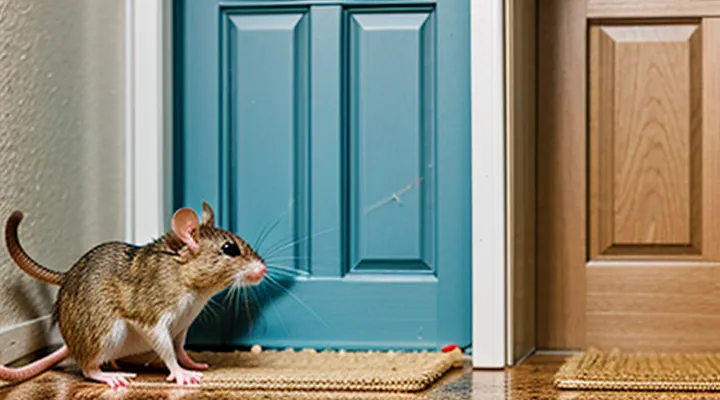
Understanding the Mouse Problem
Signs of Mouse Infestation
Droppings and Urine Trails
Mice leave small, dark pellets about the size of a grain of rice, typically found along walls, near food sources, and in hidden corners. Fresh droppings appear glossy and may turn brown as they dry. Urine trails are invisible but can be detected by a faint, musky odor or by using a blacklight, which makes the wet spots fluoresce.
Identifying these signs serves two purposes: confirming infestation and locating activity pathways. Once spots are mapped, targeted interventions become more effective.
Cleaning protocol
- Wear disposable gloves and a mask.
- Place droppings in a sealed bag; avoid sweeping to prevent aerosolization.
- Apply a disinfectant containing bleach (1 part bleach to 9 parts water) to the area; let stand for at least five minutes.
- Dispose of cleaning materials in a sealed container.
Preventive actions based on evidence of droppings and urine
- Seal entry points identified near the droppings.
- Remove food residues that attract mice.
- Place snap traps or live‑catch traps along the documented routes.
- Apply natural repellents, such as peppermint oil, directly onto surfaces where urine has been found, as the scent disrupts the scent‑marking behavior.
Regular inspection of droppings and urine trails, combined with prompt sanitation, reduces health hazards and limits mouse movement within the living space.
Gnaw Marks
Gnaw marks are the primary visual evidence of mouse activity in a dwelling. They appear as shallow, parallel grooves on wood, plastic, cardboard, and wiring, typically 2‑4 mm wide and 1‑2 mm deep. The pattern reflects the animal’s incisors, which continuously grow and require regular chewing to stay sharp.
Location of gnaw marks reveals entry points and foraging routes. Common sites include baseboards, cabinet doors, the backs of appliances, and the undersides of shelves. Marks on electrical cords indicate a risk of short circuits and fire. Identifying the material and position of each mark helps prioritize repair and sealing efforts.
Effective response begins with sealing identified openings. Use steel wool or copper mesh backed by caulk to block holes larger than ¼ inch, as mice can squeeze through smaller gaps. Replace damaged sections of wiring or insulation with rodent‑resistant alternatives. Apply a non‑toxic deterrent, such as peppermint oil‑infused cotton balls, near persistent gnaw sites to discourage further chewing.
Continuous monitoring reduces recurrence. Inspect high‑traffic areas weekly for fresh marks; replace compromised barriers promptly. Maintaining a clutter‑free environment eliminates hiding places, limits food access, and diminishes the incentive for mice to gnaw.
Scratching and Scurrying Noises
Mice generate scratching and scurrying sounds when moving through walls, ceilings, and floor cavities. The noises are sharp, intermittent, and often occur at night when rodents are most active. Typical locations include kitchens, pantry walls, and areas near stored food.
Identifying the source requires systematic observation. Listen from different rooms to pinpoint the area with the loudest activity. Use a flashlight to inspect walls, baseboards, and cabinets for gnaw marks, droppings, or shredded material. Follow the direction of the sound to locate potential entry points such as gaps around pipes, vents, or door frames.
Effective measures to stop the noises focus on eliminating access and reducing the population:
- Seal cracks and holes with steel wool, caulk, or expanding foam.
- Install snap traps or electronic traps in the identified zones.
- Place bait stations in concealed locations, ensuring they are out of reach of children and pets.
- Deploy ultrasonic repellents, positioning units near entry points and feeding areas.
- Maintain a clean environment: store food in airtight containers, remove crumbs, and empty trash regularly.
Monitoring after intervention confirms success. If scratching persists, repeat inspection, reinforce sealed areas, and consider professional pest control for persistent infestations.
Unpleasant Odors
Mice leave behind urine, feces, and dead bodies, all of which generate strong, lingering smells that signal a infestation and attract additional pests. These odors can permeate carpets, upholstery, and walls, making living spaces uncomfortable and prompting health concerns.
- Identify sources: inspect corners, hidden compartments, and behind appliances for dark stains or droppings that emit a musky scent.
- Clean promptly: use a disinfectant containing enzymatic cleaners to break down organic matter; rinse with a solution of water and white vinegar to neutralize odors.
- Seal entry points: caulk cracks, install steel mesh over vents, and use door sweeps to prevent rodents from re-entering and reproducing the smell.
- Deploy odor‑absorbing agents: place activated charcoal bags, baking soda containers, or silica gel packets in affected rooms to capture volatile compounds.
- Maintain ventilation: run exhaust fans, open windows when weather permits, and use air purifiers equipped with HEPA and carbon filters to circulate fresh air and filter odor particles.
Eliminating the odor eliminates the visual cue that draws mice back, reinforcing other control measures and preserving a clean, odor‑free apartment.
Why Mice are Attracted to Apartments
Food Sources
Mice locate apartments by detecting readily available nourishment. Eliminating or securing these supplies removes the primary incentive for entry and persistence.
Common attractants include:
- Open pantry items such as cereal, grains, nuts, and dried fruit.
- Unsealed containers holding pet food, birdseed, or fish flakes.
- Crumbs and spills on countertops, floors, and behind appliances.
- Garbage bags or bins without tight-fitting lids.
- Food residues in dishwashers, refrigerators, and microwaves.
Effective control measures:
- Store dry goods in airtight containers made of metal or heavy‑wall plastic.
- Transfer pet feed to sealed bins and remove leftovers after each meal.
- Sweep and vacuum daily; wipe surfaces with a damp cloth after cooking.
- Empty trash daily, compress bags, and keep bin lids closed.
- Clean appliance interiors regularly; run a cycle with hot water and detergent to dissolve buildup.
By systematically removing these food sources, the likelihood of mouse activity declines sharply, supporting long‑term prevention without reliance on chemical repellents.
Shelter and Warmth
Mice seek locations that provide protection from predators and stable temperatures. In an apartment, shelter often exists in wall voids, behind appliances, or within piles of stored items, while warmth is generated by heating systems, electronics, and insulated spaces. Both conditions create an inviting environment that encourages infestation.
To eliminate these attractions, follow these precise measures:
- Inspect and seal gaps around pipes, vents, and wiring with steel wool or caulk; rodents cannot chew through metal.
- Remove clutter from closets, basements, and storage rooms; keep only essential items in sealed containers.
- Relocate firewood, laundry baskets, and cardboard boxes away from walls; store them on pallets or in sealed plastic bins.
- Ensure heating ducts and radiators are covered with metal mesh to prevent nesting.
- Install door sweeps on exterior doors to block entry points that also serve as warm corridors.
- Maintain indoor temperature at a moderate level; avoid excessive heating that creates localized heat sources.
- Regularly clean behind appliances, moving them forward to expose hidden spaces where mice might nest.
By systematically reducing available shelter and limiting sources of warmth, the apartment becomes hostile to rodent habitation, decreasing the likelihood of a mouse problem.
Easy Access Points
Mice enter apartments through openings that are often unnoticed. Identifying these easy access points is the first step in eliminating infestations.
Typical entry routes include:
- Gaps around utility pipes and cables, especially where they pass through walls or floors.
- Cracks in foundation walls, basement slabs, or exterior siding.
- Openings around door frames, especially the space beneath the door.
- Unsealed vents, dryer exhausts, and chimney flues.
- Holes in window screens or damaged window frames.
- Gaps around plumbing fixtures, such as under sinks and behind toilets.
To block these routes, follow a systematic approach:
- Conduct a visual inspection, using a flashlight to locate cracks and holes no larger than a quarter‑inch.
- Apply steel wool or copper mesh to fill small gaps, then seal with caulk or expanding foam.
- Install metal flashing or hardware cloth (½‑inch mesh) over larger openings before applying cement or plaster.
- Fit door sweeps to the bottom of exterior doors, ensuring a tight seal when closed.
- Replace damaged screens and repair window frames with weather‑stripping.
- Cover vent openings with stainless‑steel mesh, securing it with screws or heavy‑duty tape.
Regularly verify the integrity of sealed areas, especially after renovations or seasonal temperature changes. Prompt maintenance of these barriers prevents mice from re‑establishing a pathway into the living space.
Preventive Measures
Sealing Entry Points
Inspecting Walls and Floors
Inspecting walls and floors is a fundamental step in preventing rodent intrusion within a residence. Mice travel through tiny openings; gaps, cracks, and holes in structural surfaces provide direct access to food sources and shelter.
Begin by examining the perimeter of each room. Look for:
- Cracks wider than ¼ inch in drywall, plaster, or baseboards.
- Gaps around utility penetrations such as pipes, cables, and vent ducts.
- Loose or damaged floorboards, especially in wood or laminate flooring.
- Unsealed seams where flooring meets walls, cabinets, or thresholds.
Use a flashlight to reveal hidden damage behind furniture and under appliances. A thin, flexible probe (e.g., a steel rod or a sturdy wire) can test the integrity of suspect openings. Any opening that allows the insertion of a pencil eraser should be sealed.
Seal identified entry points with appropriate materials:
- Expandable foam or caulk for small cracks.
- Steel wool or copper mesh backed by sealant for larger gaps.
- Plywood or metal flashing for damaged floor sections.
After sealing, re‑inspect the same areas to confirm that repairs hold and no new gaps have formed. Regular checks—monthly during colder months and quarterly otherwise—maintain a barrier that discourages mouse activity.
Addressing Gaps Around Pipes and Wires
Mice exploit any opening that connects interior space with walls, floors, or ceilings. Gaps around plumbing, electrical conduits, and cable bundles provide easy access points. Properly sealing these gaps eliminates a primary route of entry and forces rodents to look elsewhere.
Identify all penetrations by inspecting visible pipe sleeves, vent stacks, and where wires enter the unit. Use a flashlight to reveal hidden cracks behind cabinets and under appliances. Mark each location before beginning repairs.
Apply the following measures:
- Expandable foam sealant – inject into irregular openings larger than ¼ in. The foam expands, fills voids, and hardens into a durable barrier.
- Steel wool – pack tightly into narrow gaps (≤ ¼ in.) before covering with caulk; steel wool resists chewing.
- Silicone or acrylic caulk – smooth over foam or steel wool, creating a seamless seal around round pipe collars and cable clamps.
- Metal flashing or copper mesh – wrap around larger pipe sections where foam may degrade; secure with screws or zip ties.
- Pipe sleeves – install PVC or rigid metal sleeves for vent pipes that pass through walls, then seal the sleeve edges with caulk.
After sealing, verify integrity by pressing a thin sheet of paper against each joint; any movement indicates remaining gaps. Reapply sealant as needed, especially after renovations or appliance relocation. Consistent maintenance of these barriers sustains an environment that deters mouse intrusion.
Sealing Cracks in Foundations
Sealing foundation cracks blocks one of the primary entry routes for rodents, reducing the likelihood of an infestation in a residential unit. Cracks often appear around utility penetrations, where pipes and wiring pass through walls, as well as along the perimeter where the slab meets the soil. Even hairline openings can accommodate a mouse’s small body, making thorough sealing essential.
Identify all gaps by inspecting the interior perimeter, checking for visible openings, and using a flashlight to examine the area where the floor meets the walls. Exterior inspection should include the basement or crawl space, looking for water stains or displaced mortar that indicate movement.
Effective sealing involves the following steps:
- Clean the crack surface to remove dust, debris, and loose material.
- Apply a high-quality, waterproof sealant designed for masonry, such as polyurethane or silicone‑based caulk.
- For larger gaps (over ¼ inch), insert a backer rod or steel wool before applying sealant to fill the void and provide additional resistance.
- Smooth the sealant to ensure complete contact with surrounding material and allow it to cure according to the manufacturer’s instructions.
- Perform a final inspection after curing to confirm no residual openings remain.
Regular maintenance, including re‑checking sealed areas after seasonal temperature shifts or minor foundation settling, sustains the barrier and helps keep the apartment free from mouse intrusion.
Maintaining Cleanliness
Proper Food Storage
Storing food correctly eliminates a primary attractant for rodents in a dwelling. Seal all dry goods—cereals, grains, nuts, and pet food—in airtight, plastic or glass containers with tight‑fitting lids. Keep these containers on shelves rather than on the floor to reduce accidental spills and make inspection easier.
Maintain a clean pantry environment. Dispose of expired items promptly, and wipe down shelves after each use. Use a small, dedicated trash can with a lid for food waste, and empty it daily to prevent odor buildup.
- Use containers rated “rodent‑proof” or “food‑grade” with snap‑lock closures.
- Store bulk purchases in smaller, resealable bags before placing them in larger containers.
- Position containers away from walls and appliances to avoid hidden gaps.
- Label containers with purchase dates to rotate stock efficiently.
- Keep the kitchen floor free of crumbs; sweep and mop after meals.
These practices create a hostile feeding zone for mice, forcing them to seek alternative sources and reducing the likelihood of infestation.
Regular Waste Disposal
Proper waste management reduces food sources that attract rodents and limits shelter opportunities.
Store trash in containers with tight‑fitting lids. Replace lids if they become warped or cracked. Clean the interior of bins weekly with a disinfectant solution to eliminate residue.
Schedule waste removal at least once a week. Empty containers before the scheduled pickup to prevent overflow. Transport full bins to the collection point promptly; avoid leaving bags on the balcony or floor for extended periods.
Separate organic waste from dry refuse. Compost material should be kept in a sealed bin with a secure lid and placed away from the apartment entrance.
Maintain the area around the waste station. Sweep crumbs, wipe spills, and keep the floor dry. Inspect the surrounding wall and floor for gaps; seal openings larger than ¼ inch with steel wool or caulk.
Implement the following routine:
- Inspect bin seals daily; replace damaged lids immediately.
- Remove all food scraps before placing waste in the container.
- Place bins against a wall to reduce exposure to wind and rain.
- Use a trash can with a foot‑operated lid to minimize hand contact.
- Record the date of each waste removal to ensure consistent scheduling.
Consistent adherence to these practices eliminates accessible food, discourages nesting, and supports an environment hostile to mice.
Cleaning Up Spills and Crumbs
Keeping surfaces free of liquid residues and food particles removes the primary attractants that draw rodents into living spaces. Mice locate meals by scent; even minor spills can create a scent trail that guides them from walls to cabinets.
- Wipe counters, tables, and stovetops immediately after use. Use a disposable cloth or a clean rag soaked in a mild detergent solution; discard the cloth after each job to avoid spreading odors.
- Sweep floors after each meal. A soft‑bristle broom captures crumbs that a vacuum may miss, especially in corners and under appliances.
- Mop hard‑floor surfaces with a solution containing a small amount of vinegar or citrus essential oil. The acidity and scent deter rodents while removing sticky residues.
- Empty trash bins daily. Seal bags tightly and store containers away from the kitchen doorway.
- Clean pet feeding areas after each feeding. Rinse bowls, dry surfaces, and store pet food in airtight containers.
Prompt removal of spills prevents moisture buildup, which otherwise creates a hospitable micro‑environment for mice. Regularly inspecting hidden zones—behind the refrigerator, under the sink, and inside pantry shelves—ensures that unnoticed crumbs do not accumulate. By maintaining a consistently clean environment, the incentive for mice to enter an apartment is significantly reduced.
Eliminating Water Sources
Fixing Leaky Faucets and Pipes
Leaking faucets and pipes create moisture that attracts rodents to an apartment. Eliminating these water sources reduces the likelihood of mice establishing a presence.
- Turn off the water supply before any repair to prevent further leakage and water accumulation.
- Inspect faucet connections for worn washers or O‑rings; replace them with new rubber components to restore a tight seal.
- Examine pipe joints for corrosion or cracks. Apply pipe‑thread sealant or replace damaged sections with appropriate fittings.
- Tighten loose nuts and bolts using an adjustable wrench, ensuring connections are firm but not over‑torqued.
- Test each repaired fixture by running water at normal pressure; observe for drips or moisture on surrounding surfaces.
- Install a drip‑catch tray beneath sinks and laundry appliances; empty it regularly to avoid standing water.
Addressing hidden leaks behind walls or under flooring requires cutting access panels, locating the source, and sealing or replacing the compromised pipe segment. Use a pipe‑repair clamp for temporary fixes, but plan a permanent replacement within a reasonable timeframe.
Regular maintenance—checking for condensation, verifying seal integrity, and promptly fixing any new drips—prevents water buildup that could lure mice. By ensuring a dry environment, the apartment becomes less inviting to these pests.
Drying Wet Areas
Dry areas discourage mice because moisture attracts food sources and provides nesting material. Eliminating dampness removes a major incentive for rodent activity.
Identify and repair water intrusions. Check pipes, faucets, and appliances for leaks; replace faulty seals and tighten connections promptly. Inspect walls, ceilings, and windows for condensation or seepage after rainstorms.
Increase airflow in susceptible rooms. Open windows when weather permits, install exhaust fans in kitchens and bathrooms, and keep interior doors open to promote circulation.
Use mechanical drying equipment. Position a dehumidifier in basements, laundry rooms, or any space that remains humid after washing or cooking. Set the unit to maintain relative humidity below 50 %. Run a portable fan to accelerate evaporation on wet surfaces.
Apply absorbent materials. Lay silica gel packs, charcoal briquettes, or moisture‑absorbing crystals on countertops, shelves, and under sinks. Replace them regularly according to manufacturer guidelines.
Remove standing water immediately. Wipe spills, mop floors, and dry dishes promptly. Empty pet water bowls nightly and store them in a dry area.
Maintain regular inspections. Conduct monthly visual checks for damp spots, mold growth, or water stains. Document findings and address issues before they become persistent.
By systematically drying wet zones, the apartment becomes less appealing to rodents, supporting broader pest‑prevention measures.
Effective Repellent Strategies
Natural and Humane Methods
Peppermint Oil
Peppermint oil is a natural rodent deterrent that relies on a strong, volatile scent. The menthol and menthone compounds irritate the nasal passages and sensory receptors of mice, prompting them to avoid treated areas.
Application methods:
- Soak cotton balls in pure peppermint oil and place them in corners, behind appliances, and within wall voids. Replace every 7–10 days to maintain potency.
- Mix 10–15 drops of peppermint oil with 200 ml of water in a spray bottle. Add a teaspoon of dish soap to emulsify, then spray along baseboards, entry points, and pantry shelves. Reapply weekly or after cleaning.
- Insert a few drops onto felt pads or fabric strips, then tuck them into gaps under cabinets and behind radiators.
Effectiveness factors:
- Concentration matters; diluted solutions lose repellent strength, while undiluted oil may damage certain plastics or paints.
- Mice can become habituated if exposure is intermittent; consistent replenishment prevents acclimation.
- Combining peppermint oil with other deterrents—such as steel wool blockers or ultrasonic devices—enhances overall success.
Safety considerations:
- Keep oil out of reach of children and pets; ingestion can cause gastrointestinal irritation.
- Test a small, hidden surface before widespread use to ensure no discoloration or material degradation.
- Store the oil in a sealed, dark container at room temperature to preserve aromatic compounds.
Limitations:
- Peppermint oil does not eliminate an existing infestation; it only discourages entry and movement.
- Heavy infestations require professional pest control alongside preventive measures.
Regular monitoring of mouse activity, combined with systematic placement of peppermint oil treatments, provides a low‑toxicity, cost‑effective strategy for keeping rodents out of a living space.
Cotton Balls Soaked in Essential Oils
Cotton balls saturated with essential oils provide a low‑cost, non‑chemical option for deterring mice in residential units. The strong scent overwhelms the rodents’ sensitive olfactory system, making treated areas unattractive for nesting and foraging.
Effective oils include:
- Peppermint (Mentha piperita) – high volatility, strong menthol aroma.
- Clove (Syzygium aromaticum) – contains eugenol, a potent repellent.
- Eucalyptus (Eucalyptus globulus) – sharp camphor fragrance.
- Citronella (Cymbopogon nardus) – bright, citrus‑type odor.
Preparation and placement:
- Soak each cotton ball in 5–10 ml of a single oil or a 1:1 blend of two oils.
- Allow excess liquid to drain; the ball should be damp, not dripping.
- Position balls near entry points, behind appliances, inside cabinets, and along walls where droppings have been observed.
- Secure balls with tape or place them in small perforated containers to prevent direct contact with food surfaces.
Maintenance guidelines:
- Replace cotton balls every 3–5 days, or sooner if the scent fades.
- Rotate oil types weekly to prevent habituation.
- Avoid placing balls in areas with pets or children; ensure ventilation to minimize inhalation risks.
When applied consistently, oil‑infused cotton balls create an environment that discourages mouse activity without resorting to traps or poisons.
Ultrasonic Devices
Ultrasonic devices emit high‑frequency sound waves that rodents cannot tolerate. The sound is inaudible to humans but creates a hostile environment for mice, prompting them to leave the area.
Effective use of ultrasonic repellents requires attention to several factors:
- Frequency range: Choose models operating between 20 kHz and 65 kHz; lower frequencies target larger pests, while higher frequencies are more effective against mice.
- Coverage area: Verify the advertised square‑footage and install units so that their radii overlap, eliminating blind spots.
- Placement: Position devices on flat surfaces, away from walls and furniture that could block sound propagation. Ceiling mounts work well in rooms with high ceilings.
- Power source: Plug‑in units provide continuous operation, while battery‑powered models may lose effectiveness after a few weeks of use.
- Safety: Ensure the device complies with local electromagnetic emission standards to avoid interference with medical equipment.
Limitations must be acknowledged. Ultrasonic waves do not penetrate solid objects; walls, cabinets, and thick furniture attenuate the signal. Consequently, devices lose potency in cluttered spaces or multi‑room layouts unless additional units are deployed. Mice may become habituated after several weeks, reducing deterrent effect. Regularly rotate device locations or supplement with traps and sealing of entry points to maintain pressure on the infestation.
Maintenance involves cleaning the speaker grille to prevent dust buildup, which can diminish output strength. Replace batteries promptly, and inspect the unit for physical damage before each season of use.
When integrated with proper sanitation, structural sealing, and, if necessary, mechanical trapping, ultrasonic devices contribute a non‑chemical, low‑maintenance component of a comprehensive mouse‑control strategy in an apartment setting.
Live Traps and Release
Live traps provide a humane alternative to lethal methods, allowing capture and relocation of rodents without poison. Choose traps constructed of metal or heavy-duty plastic with a spring‑loaded door that closes securely when a mouse enters. Models featuring a bait cup and a clear front panel simplify monitoring.
Placement determines success. Position traps along established runways—near walls, behind appliances, and close to food sources. Align the trigger end with the direction the mouse typically approaches; this maximizes the chance of activation on the first encounter. Set a single trap per 10‑square‑foot area to avoid competition among captured animals.
Bait selection influences capture rates. Use high‑fat items such as peanut butter, sunflower seeds, or small pieces of cheese. Apply a pea‑sized amount to the bait cup, ensuring the mouse must fully enter the chamber to reach it. Replace stale bait daily to maintain attractiveness.
Check traps at least twice daily. A captured mouse should be released within 24 hours to reduce stress. Wear disposable gloves, transport the trap to a suitable release site—ideally a wooded area or field at least one mile from the apartment—to prevent immediate return. Open the trap slowly, allowing the animal to exit on its own.
Legal and ethical considerations vary by jurisdiction. Verify local regulations regarding relocation of wildlife; some regions prohibit release of captured mice outside designated zones. If relocation is prohibited, consider contacting a professional pest‑control service that offers humane removal.
After release, reinforce preventive measures to avoid re‑infestation. Seal entry points with steel wool and caulk, store food in airtight containers, and maintain a clean environment free of crumbs and standing water. Regular inspection of trap locations ensures early detection of new activity, preserving the effectiveness of live‑capture strategies.
Trapping Methods
Snap Traps
Snap traps provide a rapid, low‑cost method for eliminating rodents in a dwelling. They consist of a spring‑loaded bar that delivers an instantaneous strike when a mouse contacts the trigger mechanism, causing immediate death and preventing further damage to food supplies and wiring.
Effective use requires strategic placement. Position traps along walls, behind appliances, and near known activity zones such as droppings or gnawed material. Mice travel close to surfaces; placing traps perpendicular to the wall, with the trigger end facing the wall, maximizes contact probability.
Key considerations when selecting snap traps:
- Sturdy construction to withstand repeated activation.
- Sensitive trigger to react to light touches.
- Secure, tamper‑proof housing to protect children and pets.
- Replaceable bait compartments for easy loading.
Bait selection influences capture rates. Preferred attractants include a small amount of peanut butter, cheese, or dried fruit. Apply a pea‑sized amount directly to the trigger platform to avoid spillage that could deter rodents.
Maintenance procedures:
- Check traps daily; remove captured mice promptly to reduce odor and disease risk.
- Wear disposable gloves when handling trapped rodents.
- Dispose of carcasses in sealed bags, then place in an outdoor trash receptacle.
- Reset or replace traps after each capture to maintain continuous pressure on the infestation.
Safety measures:
- Keep traps out of reach of children and non‑target animals.
- Store unused traps in a locked container.
- Use clear signage if traps are placed in shared areas of a multi‑unit building.
Integrating snap traps with complementary tactics—such as sealing entry points, eliminating food sources, and maintaining cleanliness—creates a comprehensive approach that quickly reduces mouse populations and discourages re‑infestation.
Glue Traps (with caution)
Glue traps provide a quick method for capturing mice when other measures fail. The adhesive surface immobilizes the rodent within minutes, allowing immediate removal.
Advantages
- Immediate result without chemicals.
- Low cost and easy storage.
- No need for bait preparation.
Safety precautions
- Place traps in concealed areas such as behind appliances, inside wall voids, or along baseboard edges to avoid accidental contact with children and pets.
- Use tamper‑resistant containers or mount traps on a thin board that can be lifted for inspection.
- Wear disposable gloves when handling captured mice to prevent disease transmission.
Placement strategy
- Identify mouse pathways: near food sources, near entry points, and along walls where rodents travel.
- Position traps perpendicular to the wall, with the adhesive side facing the expected direction of travel.
- Space traps 10–12 inches apart in high‑traffic zones; increase density in severe infestations.
Disposal protocol
- Seal the trap in a plastic bag immediately after capture.
- Dispose of the sealed bag in an outdoor trash container.
- Clean surrounding surfaces with a disinfectant to eliminate residual scent.
Limitations
- Non‑selective; may capture non‑target insects.
- Ethical concerns due to prolonged suffering; consider humane alternatives when possible.
Glue traps can be effective when used sparingly and with strict adherence to safety guidelines, serving as a supplementary tool in a comprehensive mouse‑control plan.
Chemical Repellents (Use with Extreme Caution)
Baits and Poisons (Last Resort)
When non‑chemical measures fail, bait and poison become a final option for controlling a mouse infestation in an apartment. Their use demands precise planning, strict adherence to safety guidelines, and awareness of legal restrictions.
Select products specifically labeled for indoor rodents. Common formulations include anticoagulant blocks, acute toxins, and bait stations pre‑loaded with regulated poison. Choose a type that matches the severity of the problem and the presence of non‑target animals or children.
Placement follows a systematic pattern:
- Identify active runways, typically along walls, behind appliances, and near food storage.
- Position bait stations at 1‑ to 2‑foot intervals along these paths, keeping them out of reach of pets and occupants.
- Avoid direct contact with food preparation surfaces; use tamper‑resistant containers when possible.
- Replace consumable baits promptly to maintain attractiveness.
Safety considerations are non‑negotiable:
- Wear disposable gloves when handling any toxic product.
- Store unused bait in sealed containers, away from living areas.
- Record the exact locations of each station to facilitate monitoring and removal.
- Dispose of dead rodents according to local health department instructions, using sealed bags and double‑bagging.
Regulatory compliance varies by jurisdiction. Verify that the selected poison is approved for residential use, and that the quantity does not exceed permitted limits. Some municipalities require a licensed pest‑control professional to apply certain formulations.
Monitoring continues until no new activity is observed for at least three weeks. At that point, remove all bait stations, clean the area thoroughly, and reinforce preventive measures such as sealing entry points and maintaining proper sanitation.
Professional Pest Control
Professional pest‑control services address mouse infestations through systematic inspection, targeted treatment, and preventive measures. Technicians begin with a thorough survey of entry points, nesting sites, and activity trails, documenting conditions that support rodent populations. Precise identification of species and infestation level guides the selection of appropriate control tactics.
Key components of a professional program include:
- Exclusion – sealing gaps, repairing utilities, and installing barrier screens to block access.
- Baiting – deploying tamper‑resistant, regulated rodenticides in secured stations, positioned according to activity patterns.
- Trapping – placing snap, electronic, or live traps in high‑traffic zones, monitoring capture rates, and adjusting placement as needed.
- Sanitation – removing food residues, securing waste containers, and advising occupants on clutter reduction to eliminate attractants.
- Ongoing monitoring – installing detection devices, conducting follow‑up visits, and updating exclusion work to sustain results.
Professional teams combine these actions with client education, ensuring residents understand practices that reinforce treatment effectiveness. Selecting a licensed provider guarantees compliance with safety standards, proper handling of toxic substances, and documented performance guarantees. Regular service contracts reduce recurrence risk by maintaining exclusion integrity and adapting strategies to changes in building use or structural modifications.
Post-Repellent Actions
Ongoing Monitoring
Regular Inspections
Regular inspections are essential for maintaining a mouse‑free apartment. Consistent monitoring identifies entry points, nesting sites, and food sources before an infestation escalates.
During each inspection, focus on the following areas:
- Gaps around pipes, vents, and utility lines; seal with steel wool or caulk.
- Cracks in walls, baseboards, and flooring; repair with appropriate filler.
- Behind appliances, under sinks, and inside cabinets; look for droppings, gnaw marks, and shredded material.
- Storage rooms and pantry shelves; ensure food is in airtight containers and surfaces are clean.
- Exterior perimeters, especially near garbage disposals and pet doors; check for holes or loose screens.
Schedule inspections at least once every two weeks when a problem is suspected, and monthly during winter months when rodents seek indoor shelter. Use a flashlight and a magnifying glass to detect subtle signs. Document findings, prioritize repairs, and follow up within 48 hours to close identified gaps.
Prompt corrective action after each inspection prevents population growth, reduces the need for chemical controls, and protects property integrity.
Maintaining Prevention Methods
Maintaining an effective mouse deterrent program requires continuous attention to the apartment’s structural integrity, cleanliness, and monitoring tools.
- Seal cracks, gaps, and utility openings with steel wool, caulk, or metal mesh. Re‑inspect after renovations or seasonal temperature changes.
- Store food in airtight containers; promptly clean spills and crumbs from countertops, floors, and appliances.
- Keep garbage bins closed and dispose of waste regularly.
- Position snap traps or electronic devices along walls, behind appliances, and near known travel routes. Check traps daily, replace bait, and dispose of captures according to local health guidelines.
- Deploy non‑lethal deterrents such as ultrasonic emitters or peppermint oil pads; verify functionality each month.
Schedule quarterly walkthroughs to document any new entry points, assess trap performance, and evaluate sanitation standards. Record observations in a simple log to identify trends and guide corrective actions. When signs of infestation reappear despite routine measures, enlist a licensed pest‑control professional for targeted treatment and advice on fortifying vulnerable areas.
Consistent application of these practices sustains the initial repellent effort, preventing mouse populations from reestablishing in the living space.
Cleaning and Sanitization
Disinfecting Infested Areas
Disinfecting areas that have housed mice is essential to eliminate pathogens, prevent lingering odors, and reduce the likelihood of re‑infestation. Begin by clearing debris, droppings, and gnawed material with disposable gloves and a sturdy scoop. Dispose of waste in sealed bags to avoid spreading contaminants. Apply a disinfectant approved for indoor use—such as a 1 % bleach solution (one part bleach to nine parts water) or an EPA‑registered sanitizer—directly onto surfaces, ensuring full coverage of floors, countertops, and any crevices where residue may remain. Allow the solution to remain wet for the contact time specified on the product label, typically five to ten minutes, then wipe with clean disposable cloths and discard them. After drying, ventilate the space for at least fifteen minutes to disperse fumes.
Key steps for effective sanitation:
- Wear protective gloves and a mask; remove clothing before leaving the area.
- Sweep or vacuum with a HEPA‑rated filter to capture fine particles.
- Scrub surfaces with the chosen disinfectant, respecting manufacturer’s dwell time.
- Rinse with clean water only if the product label requires it.
- Seal the treated area until it is completely dry, then restore normal use.
Consistent application of these procedures after each mouse sighting removes health hazards and supports long‑term pest deterrence.
Preventing Future Infestations
Effective prevention of mouse re‑infestation relies on eliminating access, reducing attractants, and maintaining vigilance. Seal all potential entry points, including gaps around pipes, vents, and window frames, using steel wool, caulk, or metal mesh. Store food in airtight containers and keep countertops free of crumbs. Dispose of waste promptly in sealed bins.
Implement a regular inspection schedule. Examine walls, cabinets, and behind appliances monthly for signs of gnaw marks or droppings. Replace damaged wiring or insulation that may provide shelter. Maintain a clean environment by sweeping floors and vacuuming corners where debris accumulates.
Adopt the following practical measures:
- Install door sweeps and weather stripping on all exterior doors.
- Apply mouse‑proof screens to vents and utility openings.
- Use snap traps or electronic devices in high‑traffic areas, checking them weekly and disposing of captures safely.
- Rotate trap placement every few weeks to prevent habituation.
- Conduct a quarterly deep‑clean, focusing on pantry shelves, behind appliances, and storage closets.
Document any findings and actions taken. A simple log of inspected locations, repairs made, and trap results creates a reference that highlights trends and prompts timely intervention before a new infestation can establish.