
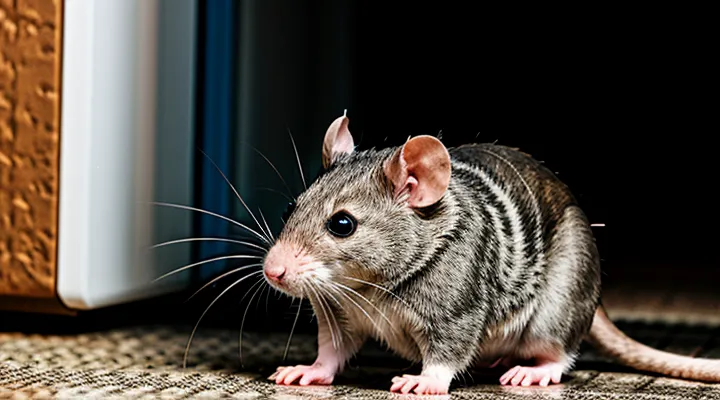
Recognizing the Signs of a Cold in Your Rat
Common Symptoms to Look For
Respiratory Indicators
Rats with upper‑respiratory infections display specific signs that indicate the severity of the condition and guide intervention.
- Breathing rate: Normal adult rats breathe 70–150 breaths per minute. Rates consistently above this range suggest distress.
- Respiratory effort: Observe chest wall movement. Shallow, rapid breaths or pronounced abdominal effort indicate compromised airflow.
- Nasal and oral discharge: Clear, watery secretions are typical early; thick, yellow‑green mucus signals bacterial involvement.
- Audible sounds: Wheezing, rattling, or clicking during inhalation or exhalation reflects airway obstruction.
- Posture and behavior: A rat that hunches, drags its hind limbs, or shows reduced activity often experiences reduced oxygen intake.
Accurate assessment requires gentle handling to avoid stress‑induced tachypnea. Use a stopwatch to count breaths for 30 seconds, then multiply by two for a per‑minute value. Compare the result with the normal range for the rat’s age and size.
If any indicator exceeds normal limits, increase ambient temperature to 22–24 °C, provide humidified air, and seek veterinary care promptly. Continuous monitoring every 2–4 hours during the acute phase ensures timely detection of deterioration.
Behavioral Changes
When a rat contracts a respiratory infection, its behavior often shifts noticeably. Reduced activity signals discomfort; the animal may spend more time resting in the corner of the cage and avoid climbing or exploring. Loss of appetite accompanies this lethargy, with the rat eating less or refusing food altogether. Social interaction declines; a sick rat may withdraw from cage mates, showing less interest in grooming or play.
Additional changes can indicate worsening condition. Rapid, shallow breathing or audible wheezing suggests airway obstruction. Persistent coughing or sneezing, especially when combined with nasal discharge, reflects irritation of the respiratory tract. The rat may exhibit trembling or shivering, reflecting fever or chills. If the animal begins to urinate or defecate outside the usual spot, it may be a sign of weakness or loss of coordination.
Recognizing these signs enables timely intervention. Owners should:
- Monitor activity level and note any prolonged inactivity.
- Observe food and water intake daily.
- Check for abnormal breathing sounds or nasal discharge.
- Record changes in social behavior toward cage mates.
- Seek veterinary care if respiration becomes labored, appetite does not improve within 24‑48 hours, or the rat shows signs of severe distress.
Prompt attention to behavioral alterations can prevent complications and support recovery.
Physical Manifestations
Physical manifestations of a respiratory infection in a pet rat are readily observable and require prompt attention. Fever, detectable by a slight increase in body temperature measured with a rectal thermometer, indicates systemic response to the pathogen. Nasal discharge appears as clear, watery fluid that may become thick and colored as the condition progresses. Sneezing episodes, often accompanied by audible sounds, reflect irritation of the nasal passages.
- Shivering or tremors, especially when the animal is at rest, suggest discomfort and possible hypothermia.
- Reduced activity levels, manifested by prolonged periods of stillness or reluctance to explore the cage, signal fatigue.
- Loss of appetite, evident when the rat declines to chew food or water, leads to rapid weight loss.
- Watery eyes, sometimes accompanied by crust formation, indicate mucosal involvement.
- Labored breathing, characterized by audible wheezing, rapid respiratory rate, or visible effort of the chest muscles, points to lower airway involvement.
Skin temperature may feel cooler than normal when the rat is ill, providing an additional tactile cue. Monitoring these signs enables timely veterinary intervention and supports recovery.
Differentiating from Other Illnesses
Allergies vs. Colds
Rats suffering from respiratory problems often present symptoms that can be mistaken for allergic reactions. Correct identification is essential for effective care.
Allergic responses in rats typically involve:
- Sudden onset after exposure to a specific irritant (e.g., dust, bedding, food additives).
- Itching, excessive grooming, or skin lesions.
- Swelling around the eyes or muzzle without nasal discharge.
- Normal body temperature and stable appetite.
Viral or bacterial colds display a different pattern:
- Progressive development over several days.
- Nasal discharge that may be clear, then yellow or green.
- Sneezing, wheezing, or audible breathing difficulty.
- Reduced appetite, weight loss, and possible fever.
Diagnostic approach:
- Observe the timeline of symptom appearance. Immediate reaction suggests allergy; gradual worsening points to infection.
- Examine discharge characteristics. Clear, watery fluid aligns with allergy; colored mucus indicates infection.
- Conduct a physical exam focusing on temperature and weight changes. Fever and weight loss support a cold diagnosis.
- If uncertainty remains, obtain a sample of nasal discharge for laboratory analysis to identify bacterial or viral agents.
Treatment differs markedly. Allergic reactions respond to:
- Removal of the offending allergen.
- Antihistamines administered under veterinary guidance.
- Topical soothing agents for skin irritation.
Colds require:
- Supportive care such as warm, humidified environment.
- Fluid supplementation to prevent dehydration.
- Antibiotics only when bacterial infection is confirmed.
- Antiviral medication in rare, veterinarian‑prescribed cases.
Preventive measures apply to both conditions. Regular cleaning of cages, use of low‑dust bedding, and proper ventilation reduce allergen load and pathogen spread. Monitoring diet for potential food allergens and ensuring up‑to‑date vaccinations further protect respiratory health.
Respiratory Infections
Respiratory infections are a common cause of illness in pet rats and can progress rapidly if left untreated. Prompt identification and appropriate care are essential for recovery.
Typical clinical signs include:
- Sneezing or nasal discharge
- Labored breathing or wheezing
- Reduced activity and appetite
- Wet or crusty fur around the nose and mouth
- Coughing or gagging
Diagnosis relies on a physical examination, auscultation of the chest, and, when necessary, radiographs or laboratory cultures to determine the causative agent (bacterial, viral, or fungal).
Effective treatment protocol:
- Initiate antimicrobial therapy based on culture results or empirical coverage for common bacterial pathogens such as Streptococcus spp. and Klebsiella spp.
- Provide supportive care: humidified environment, warmed bedding, and forced‑air ventilation to ease breathing.
- Administer analgesics and anti‑inflammatory agents to reduce discomfort and airway swelling.
- Ensure adequate hydration through subcutaneous fluids if oral intake declines.
- Re‑evaluate after 48–72 hours; adjust medication if clinical improvement stalls.
Prevention strategies focus on environmental hygiene and stress reduction:
- Clean cages weekly; replace bedding with dust‑free material.
- Maintain ambient temperature between 18–22 °C to avoid respiratory stress.
- Quarantine new arrivals for at least two weeks and observe for signs of infection.
- Provide a balanced diet rich in vitamin C to support immune function.
Early intervention, targeted antimicrobial therapy, and meticulous husbandry together minimize morbidity and promote full recovery in rats suffering from respiratory infections.
Providing Care for a Rat with a Cold
Home Remedies and Supportive Care
Creating a Comfortable Environment
A rat suffering from low body temperature requires a stable, warm setting that minimizes stress and promotes recovery. The enclosure should be insulated from drafts; place it on a solid surface away from windows, doors, and air vents. Use a low‑wattage heating pad designed for small animals, covering only a portion of the floor so the rat can move to a cooler spot if needed. Verify temperature with a digital thermometer, aiming for 24‑26 °C (75‑79 °F).
Bedding must retain heat while staying dry. Select thick, non‑scratchable material such as shredded paper or fleece, and change it regularly to prevent moisture buildup. Provide a small, covered nest box or hideaway; a ceramic or wooden shelter filled with soft material offers additional insulation.
Nutrition and hydration support thermoregulation. Offer high‑calorie, easily digestible foods like soft pellets or a mashed fruit blend, and ensure fresh water is always accessible. Warm water (not hot) encourages drinking without causing burns.
Key actions for a comfortable environment
- Eliminate drafts and maintain ambient temperature at 24‑26 °C.
- Install a safe heating pad covering 30‑40 % of the cage floor.
- Use thick, dry bedding and replace it daily.
- Provide a closed nest box with soft lining.
- Supply warm, high‑energy food and water at room temperature.
Monitor the rat’s behavior and body condition twice daily. Adjust heating, bedding, or food portions if the animal appears lethargic, shivering, or overly warm. Consistent observation ensures the environment remains optimal for recovery.
Nutritional Support
When a rat shows signs of a respiratory illness, immediate attention to nutrition can accelerate recovery and prevent complications. The animal’s metabolic rate remains high, so maintaining energy intake is critical.
Provide a diet that is both palatable and easy to digest. Offer freshly softened rodent pellets mixed with warm water to create a semi‑liquid mash. Add small portions of boiled, skinless chicken or low‑fat turkey, ensuring the meat is finely shredded. Introduce a limited amount of plain, unsweetened canned pumpkin for fiber and gentle gastrointestinal support. Avoid processed foods, sugary treats, and high‑fat snacks, as they can overwhelm a weakened digestive system.
Maintain hydration by supplying fresh, warm water at all times. Consider a syringe‑fed electrolyte solution if the rat refuses to drink, using a veterinary‑approved formula diluted to the recommended concentration. Monitor fluid intake closely; a drop in consumption signals the need for veterinary intervention.
Supplements may aid recovery, but they must be administered under professional guidance. Vitamin C is unnecessary for rats, but a modest dose of a broad‑spectrum rodent vitamin supplement can address potential deficiencies during illness. Probiotic powders mixed into the mash can help stabilize gut flora.
Key actions for nutritional support:
- Soften standard pellets with warm water; feed 2–3 times per day.
- Add boiled, shredded lean meat (≈10 % of total calories).
- Include a teaspoon of plain canned pumpkin per serving.
- Provide warm, fresh water continuously; use syringe feeding if needed.
- Consult a veterinarian before adding vitamins or probiotics.
Track the rat’s weight and appetite daily. A stable or increasing weight, coupled with regular eating, indicates that nutritional measures are effective. Persistent loss of appetite or weight decline warrants prompt veterinary assessment.
Hydration Strategies
A rat with a respiratory infection quickly becomes dehydrated due to fever, nasal discharge, and reduced food intake. Prompt fluid replacement prevents kidney strain, supports immune function, and improves recovery speed.
- Offer water with a syringe (1 ml ≈ 20 drops) directly into the cheek pouch every 30 minutes; limit each dose to 0.5 ml to avoid aspiration.
- Provide low‑sodium broth warmed to body temperature; feed 1–2 ml every 2 hours to deliver electrolytes and calories.
- Use water‑rich gel packs formulated for small mammals; place a small piece in the cage to encourage licking.
- Add pediatric electrolyte solution (1 part) to water (10 parts) for severe dehydration; monitor for signs of over‑correction such as diarrhea.
- Record intake at each feeding; if consumption falls below 5 ml per 24 hours, seek veterinary intervention.
Maintain a humid environment (50–60 % relative humidity) to reduce evaporative loss from nasal passages. Keep the cage temperature stable at 22–24 °C, avoiding drafts that increase respiratory effort. Regularly check skin turgor and eye clarity; rapid improvement in these indicators confirms effective hydration.
When to Seek Veterinary Attention
Red Flag Symptoms
When a pet rat develops a respiratory infection, certain clinical signs demand immediate veterinary evaluation. Delay can lead to rapid deterioration because rats have limited physiological reserves.
- Sudden loss of appetite or refusal to eat
- Marked lethargy or inability to move normally
- Labored breathing, audible wheezing, or open‑mouth respiration
- Nasal or ocular discharge that is thick, colored, or foul‑smelling
- Persistent fever detectable by a rectal thermometer above 102 °F (38.9 °C)
- Rapid weight loss measured over a few days
- Bloody or foamy sputum from the nose or mouth
- Swelling or redness around the eyes, ears, or snout
- Uncontrolled bleeding from any site
Each of these indicators signals a systemic response that exceeds the body's capacity to recover without professional care. Loss of appetite and weight loss deprive the rat of essential nutrients, accelerating weakness. Respiratory distress reflects airway obstruction or pneumonia, conditions that can become fatal within hours. Fever, discharge, and bleeding point to infection spreading beyond the upper airway, potentially affecting internal organs. Prompt veterinary intervention—often involving antibiotics, supportive fluids, and environmental modifications—offers the best chance for recovery. Ignoring these red flags compromises the rat’s health and may result in irreversible damage or death.
Preparing for a Vet Visit
When a rat shows signs of a respiratory infection, a veterinary appointment requires precise preparation to ensure accurate diagnosis and effective treatment.
Gather the animal’s recent health information. Record the onset of symptoms, temperature fluctuations, changes in appetite, water intake, and activity level. Note any recent stressors such as cage cleaning, new bedding, or exposure to drafts.
Observe the rat’s condition before the visit. Measure body temperature with a gentle rectal probe (rats normally run 37‑39 °C). Document breathing rate, nasal discharge, and any audible wheezing. Photograph the nasal area if discharge is visible; the images help the veterinarian assess severity.
Prepare transport. Use a small, well‑ventilated carrier lined with soft, non‑abrasive material. Keep the carrier away from direct sunlight and drafts. Place a familiar chew toy or piece of bedding to reduce stress during travel.
Assemble required documents. Bring the rat’s identification tag, any previous veterinary records, and a list of current medications or supplements. Include the name and dosage of any over‑the‑counter treatments administered.
Plan post‑appointment care. Write down the prescribed medication schedule, dosage, and administration method. Arrange a quiet recovery area with stable temperature (20‑24 °C) and adequate humidity to ease breathing. Ensure fresh water and easily accessible food are available.
By following these steps, you provide the veterinarian with comprehensive data, reduce the animal’s stress, and lay the groundwork for swift recovery.
Understanding Treatment Options
Rats with respiratory infections often exhibit nasal discharge, sneezing, reduced activity, and loss of appetite. Prompt identification of these signs enables timely intervention.
A veterinarian should perform a physical examination, possibly supplemented by radiographs or laboratory tests to differentiate bacterial from viral agents and to detect secondary complications such as pneumonia.
Treatment options include:
- Supportive care – warm, dry housing; increased bedding depth; humidified environment to ease breathing.
- Fluid therapy – subcutaneous or oral electrolyte solutions to prevent dehydration.
- Nutritional support – high‑calorie, easily digestible foods or syringe feeding if oral intake declines.
- Pharmacological agents –
- Antibiotics targeting common bacterial pathogens (e.g., enrofloxacin, trimethoprim‑sulfamethoxazole).
- Anti‑inflamatory drugs (e.g., meloxicam) to reduce swelling and discomfort.
- Mucolytic or bronchodilator preparations for severe airway obstruction, administered under veterinary guidance.
Environmental adjustments such as reduced drafts, consistent temperature (22–24 °C), and regular cleaning lower stress and limit pathogen spread. Continuous observation of temperature, respiratory rate, and behavior determines treatment efficacy.
Seek immediate veterinary attention if the rat shows rapid breathing, cyanosis, persistent lethargy, or fails to improve within 48 hours despite care. Early escalation prevents progression to life‑threatening conditions.
Preventing Future Colds
Maintaining Optimal Cage Conditions
A sick rat recovering from a respiratory infection requires a stable environment that minimizes stress and supports immune function. Temperature should remain between 18 °C and 22 °C; lower temperatures aggravate chills, while excessive heat can increase metabolic demand. Use a calibrated thermometer and a low‑wattage heat lamp or ceramic heater with a thermostat to maintain the target range.
Humidity influences mucosal health. Keep relative humidity at 45 %–55 % to prevent drying of nasal passages without encouraging mold growth. A small ultrasonic humidifier, set to a steady output, provides consistent moisture. Periodically measure humidity with a hygrometer and adjust the device accordingly.
Bedding material affects both thermal insulation and cleanliness. Choose absorbent, dust‑free substrates such as paper‑based pellets or aspen shavings. Replace soiled bedding daily; a clean floor reduces pathogen exposure and helps regulate temperature by eliminating cold spots.
Ventilation must supply fresh air without creating drafts. Position cage vents near the ceiling, away from direct airflow, and ensure the room’s HVAC system circulates filtered air. Avoid open windows that generate breezes across the cage.
Regular monitoring detects environmental deviations before they impact health. Implement a simple schedule:
- Morning: check temperature, humidity, and cage integrity.
- Midday: inspect bedding condition and replace if damp.
- Evening: verify heater operation and record readings.
Consistent adherence to these parameters creates a supportive habitat, allowing the rat’s respiratory system to recover efficiently.
Dietary Considerations
When a rat is battling a respiratory infection, its diet must support recovery and prevent further stress on the immune system.
- Offer water at room temperature or slightly warmed; replace daily to maintain freshness.
- Provide soft, moist foods such as plain oatmeal, boiled sweet potato, or unsalted chicken broth mixed with standard pellets.
- Increase caloric density by adding a small amount of boiled egg white, plain yogurt, or low‑fat cottage cheese, ensuring each addition is introduced gradually.
- Eliminate cold or refrigerated items that could lower body temperature, including chilled fruits and vegetables.
- Reduce sugary treats and high‑fat snacks that may impair digestion and divert energy from healing processes.
- Supplement with vitamin C‑rich sources (e.g., small portions of orange or bell pepper) and a balanced rat‑specific multivitamin, following manufacturer dosage guidelines.
- Monitor intake closely; record daily consumption and intervene immediately if the rat refuses food for more than 12 hours.
Adjustments should be made based on the animal’s response, with veterinary consultation recommended for prolonged appetite loss or weight decline.
Stress Reduction Techniques
When a rat suffers from a respiratory infection, stress can suppress immune function and prolong recovery. Reducing environmental and physiological stressors creates conditions that support healing and improve appetite, hydration, and activity levels.
Effective stress‑reduction methods include:
- Providing a quiet, temperature‑controlled enclosure away from loud appliances and other pets.
- Maintaining consistent lighting cycles (12 hours light, 12 hours dark) to preserve circadian rhythms.
- Using soft, clean bedding material that does not retain odors and is changed regularly.
- Offering a limited selection of familiar foods and water sources to avoid confusion.
- Handling the animal only for necessary care, using gentle restraint and calming voice tones.
- Introducing low‑level background noise such as classical music or white noise to mask sudden sounds.
- Applying a warm, moist environment (e.g., a humidifier set to 40‑50 % humidity) to ease nasal congestion without overheating.
Implementation steps: set the cage in a drawer or cabinet with a vent, verify temperature stays between 70 °F and 78 °F, and monitor humidity with a hygrometer. Replace bedding daily and clean the enclosure weekly with mild disinfectant. Limit human traffic to essential checks, and record temperature, humidity, and any behavioral changes to adjust care promptly.