
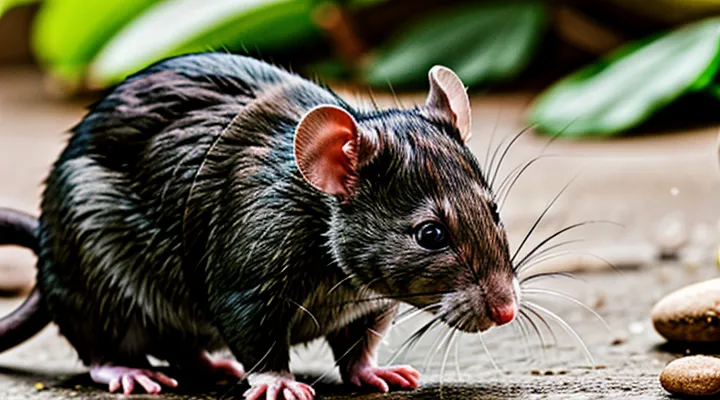
Recognizing the Symptoms of a Cold in Rats
Common Signs of Respiratory Distress
Nasal Discharge and Sneezing
Nasal discharge and sneezing are common clinical signs of upper respiratory infection in laboratory rats. Excessive mucus production often appears as serous, mucoid, or purulent secretions from the nares, while sneezing reflects irritation of the nasal mucosa and can indicate viral, bacterial, or allergenic triggers. Accurate observation of discharge color, consistency, and frequency of sneezing assists in differentiating between viral rhinotracheitis and secondary bacterial involvement.
Therapeutic measures focus on relieving airway obstruction, reducing inflammation, and preventing secondary infection. Options include:
- Isotonic saline irrigation: delivers moisture to thin mucus, facilitates clearance, and avoids systemic side effects. Apply 0.5 ml per nostril twice daily using a sterile syringe.
- Topical intranasal corticosteroids: 0.1 % dexamethasone solution reduces mucosal edema when administered in 5 µl aliquots per nostril for a maximum of five days.
- Systemic antihistamines: diphenhydramine at 10 mg/kg subcutaneously alleviates histamine‑mediated secretions; repeat dosing every 12 h if necessary.
- Broad‑spectrum antibiotics: enrofloxacin 10 mg/kg intraperitoneally for 7 days targets common bacterial pathogens such as Streptococcus spp. and Pasteurella spp.; culture‑guided therapy is preferred when available.
- Supportive care: warm, humidified environment and high‑calorie diet maintain hydration and immune function.
Monitoring includes daily assessment of discharge volume, sneezing frequency, and body weight. Resolution of symptoms within 5–7 days typically indicates effective management; persistence or worsening warrants reevaluation for resistant infection or underlying immunodeficiency.
Labored Breathing and Wheezing
Labored breathing and wheezing are common clinical signs in rats experiencing upper‑respiratory viral infections that mimic a common cold. These symptoms indicate increased airway resistance, reduced tidal volume, and possible involvement of the lower respiratory tract. Immediate assessment should include respiratory rate, depth, and the presence of audible wheezes during both inspiration and expiration. Pulse oximetry, when available, provides objective oxygen saturation data and helps differentiate hypoxemia from merely increased work of breathing.
Therapeutic measures fall into two categories: pharmacologic agents that relieve bronchoconstriction and inflammation, and supportive interventions that reduce respiratory effort.
Pharmacologic options
- Bronchodilators: Albuterol inhalation (0.5 mg/kg, nebulized) administered twice daily for 3 days improves airflow and reduces wheeze intensity.
- Anti‑inflammatory steroids: Dexamethasone (0.2 mg/kg, subcutaneous) given once daily for 5 days suppresses mucosal edema and limits bronchial hyperreactivity.
- Mucolytics: N‑acetylcysteine (100 mg/kg, oral) provided once daily aids mucus clearance, decreasing airway obstruction.
Supportive care
- Warm, humidified environment to lower airway resistance.
- Supplemental oxygen (1–2 L/min via cage mask) until SpO₂ exceeds 95 %.
- Gentle chest physiotherapy, such as light tapping of the thorax, to mobilize secretions.
- Fluid therapy (20 mL/kg isotonic saline, subcutaneous) to maintain hydration and thin mucus.
Monitoring protocol requires twice‑daily measurement of respiratory parameters and daily weight checks. Any progression to severe dyspnea, cyanosis, or failure to respond within 48 hours mandates escalation to higher‑dose corticosteroids or referral to a veterinary intensive‑care facility.
Lethargy and Reduced Appetite
Lethargy and reduced appetite are common indicators that a rat’s upper‑respiratory infection is affecting its overall health. These signs reflect decreased metabolic demand and possible dehydration, which can worsen the course of the illness if left unaddressed.
Assessment should include daily measurement of body weight, observation of spontaneous activity, and recording of food and water consumption. Body temperature taken rectally provides a baseline for detecting fever, which often accompanies viral or bacterial colds.
Effective management focuses on restoring energy balance and preventing secondary complications:
- Environmental optimization – maintain ambient temperature between 20‑22 °C, reduce drafts, and provide soft bedding to encourage movement without stress.
- Hydration support – supply fresh water supplemented with electrolytes (e.g., 0.9 % saline) using a calibrated bottle or syringe if the animal refuses to drink.
- Nutritional supplementation – offer high‑calorie, easily digestible foods such as softened pelleted diet, whey protein gel, or commercial rat recovery formulas. Feeding should be frequent (every 2‑3 hours) to stimulate intake.
- Analgesic and anti‑inflammatory therapy – administer meloxicam (1 mg/kg subcutaneously once daily) or buprenorphine (0.05 mg/kg subcutaneously every 12 hours) to alleviate discomfort that may suppress appetite.
- Mucolytic or decongestant agents – if nasal discharge impedes breathing, a low‑dose nebulized saline (0.9 % NaCl) or a single oral dose of guaifenesin (10 mg/kg) can improve airway clearance.
Pharmacological interventions must be selected based on the rat’s weight, age, and concurrent conditions. Dosages should be calculated precisely, and treatment duration limited to the minimum period required to restore normal activity and feeding patterns. Continuous monitoring allows rapid adjustment of therapy, ensuring that lethargy and appetite loss resolve without introducing adverse effects.
Differentiating from Other Illnesses
Accurate identification of a viral upper‑respiratory infection in laboratory rats prevents the misuse of antibiotics and other interventions intended for unrelated pathologies.
Typical cold symptoms—clear or slightly cloudy nasal discharge, mild sneezing, and a modest rise in body temperature—contrast sharply with signs of bacterial pneumonia, which include purulent sputum, marked lethargy, and rapid weight loss. Allergic rhinitis presents with intense itching and episodic nasal discharge but lacks the systemic fever seen in viral infections. Gastrointestinal disturbances such as diarrhea or vomiting are unrelated to respiratory colds and should prompt separate evaluation.
Key diagnostic criteria for distinguishing a cold from other illnesses:
- Discharge quality: clear/white versus yellow/green or blood‑tinged.
- Temperature change: ≤1 °C elevation versus >2 °C fever.
- Behavioral impact: mild reduction in activity versus profound lethargy or anorexia.
- Respiratory rate: slight increase versus tachypnea with labored breathing.
- Imaging: normal lung fields versus infiltrates or consolidations on radiographs.
Laboratory confirmation may involve PCR detection of common rat rhinovirus strains, culture of nasal swabs to rule out bacterial agents, and complete blood counts to assess neutrophil versus lymphocyte predominance.
When the clinical picture aligns with a viral cold, supportive care—humidified environment, fluid supplementation, and monitoring—remains the appropriate strategy. Misdiagnosis leading to antibacterial therapy can mask underlying infection, foster resistance, and compromise experimental outcomes.
Initial Home Care for a Sick Rat
Providing a Warm and Stress-Free Environment
Ideal Cage Temperature
Optimal cage temperature is a critical environmental parameter when managing respiratory infections in laboratory rats. Maintaining a stable ambient range of 20–24 °C (68–75 °F) supports immune function and reduces metabolic stress. Temperatures below 18 °C (64 °F) increase heat loss, elevate respiratory rate, and can exacerbate viral replication. Conversely, environments exceeding 26 °C (79 °F) promote dehydration of nasal passages and impair mucociliary clearance.
Consistent temperature control requires:
- Calibrated digital thermostats with ±0.5 °C accuracy.
- Continuous monitoring via data loggers to detect fluctuations.
- Insulated cage racks or climate‑controlled rooms to prevent drafts.
- Supplemental heating pads only when ambient temperature falls below the lower threshold, applied with temperature‑regulated controllers.
Adjustments during acute phases of infection may involve narrowing the range to 22–23 °C (71.5–73.5 °F) to minimize physiological strain. Verify that humidity remains within 40–60 % relative humidity, as excessive dryness compounds respiratory irritation.
Regular validation of temperature sensors and prompt correction of deviations ensure that the thermal environment does not compromise therapeutic outcomes.
Reducing Environmental Stressors
Reducing environmental stressors is essential for reliable outcomes when managing viral upper‑respiratory infections in laboratory rodents. Stress influences immune competence, alters thermoregulation, and can mask or exaggerate therapeutic effects. Controlling the animal’s surroundings therefore improves reproducibility and welfare.
Key measures include:
- Maintain ambient temperature within the species‑specific thermoneutral zone (22 ± 2 °C for adult rats). Use calibrated heating pads or climate‑controlled rooms to avoid hypothermia during illness.
- Regulate relative humidity at 45–55 %. Excessive dryness accelerates mucosal irritation; high humidity promotes bacterial growth.
- Minimize acoustic disturbance. Implement sound‑attenuating barriers and limit personnel traffic during the treatment phase.
- Standardize handling procedures. Employ gentle, consistent techniques and limit handling frequency to reduce corticosterone spikes.
- Provide enriched bedding and nesting material. These resources enable thermoregulatory behavior and reduce anxiety.
- Ensure adequate ventilation without drafts. Use laminar flow hoods only when necessary, and verify that airflow does not create localized temperature gradients.
Monitoring protocols should record temperature, humidity, and noise levels daily. Any deviation warrants immediate correction before pharmacological interventions commence. By systematically eliminating extraneous stressors, researchers obtain clearer insight into the efficacy of antiviral agents, supportive therapies, and dosing regimens in the rat model of the common cold.
Hydration and Nutritional Support
Offering Palatable Foods
Providing highly palatable food items supports recovery from respiratory infections in laboratory rats by encouraging intake despite reduced appetite. Nutrient-dense, sweet‑flavored formulations compensate for decreased voluntary feeding and maintain body weight, which is critical for immune competence.
Effective options include:
- 10 % sucrose solution or flavored gelatin (e.g., fruit or vanilla) delivered in a graduated bottle.
- Soft, high‑calorie pellets softened with warm water or broth, offering a moist texture that is easier to chew.
- Commercially prepared recovery diets enriched with whey protein, omega‑3 fatty acids, and vitamins A, C, and D, mixed with a modest amount of honey or maple syrup.
Implementation guidelines:
- Introduce palatable food within the first 12 hours after symptom onset to preempt weight loss.
- Offer small, frequent portions (5–10 mL of liquid diet or 0.5 g of softened pellets every 2–3 hours) to accommodate reduced stomach capacity.
- Monitor body mass daily; adjust volume or caloric density if weight declines more than 5 % over 48 hours.
- Ensure sterility of all feeding equipment; replace solutions every 24 hours to prevent microbial overgrowth.
Combining palatable nutrition with standard supportive care—such as ambient temperature control and humidified air—optimizes recovery speed and reduces mortality risk in experimental rodent models of cold‑like illness.
Encouraging Fluid Intake
Adequate hydration mitigates dehydration risk and supports mucosal clearance in rats experiencing a viral upper‑respiratory infection. Reduced water consumption often precedes weight loss and worsens clinical signs; therefore, prompt measures to increase fluid intake are essential for recovery.
- Provide a low‑resistance water bottle with a smooth, wide‑diameter tip to prevent blockage by nasal discharge.
- Add a mild flavor (e.g., 1 % sucrose or 0.5 % diluted fruit juice) to tap water to enhance palatability without altering electrolyte balance.
- Offer commercially available gel-based electrolytes (e.g., “Electrolyte Gel” for rodents) as an alternative to liquid drinking.
- Administer subcutaneous isotonic saline (0.9 % NaCl) or balanced crystalloid solution (e.g., lactated Ringer’s) in 1–2 ml doses twice daily for rats unable to drink voluntarily.
Temperature control improves intake; keep fluids at room temperature (20‑22 °C) to avoid chilling. Monitor bottle volume daily and record individual consumption; a decline of more than 20 % of baseline indicates the need for supplemental administration. Replace contaminated water promptly to prevent bacterial growth.
Avoid hyperosmolar solutions (>300 mOsm/kg) that may induce gastrointestinal upset. Limit subcutaneous fluid volume to 10 ml/kg per day to prevent fluid overload. Observe for signs of diarrhea or edema; adjust fluid type or rate accordingly. Consistent monitoring and timely intervention maintain hydration status and contribute to faster resolution of cold‑related symptoms.
Monitoring Symptoms and Progress
Effective management of a rat upper‑respiratory infection requires systematic observation of clinical signs. Record baseline values for body weight, temperature, and activity before initiating any therapeutic regimen. Continue measurements at least once daily to detect deviations that indicate disease progression or treatment response.
Key parameters to monitor include:
- Nasal and ocular discharge: assess color, volume, and consistency.
- Respiratory rate and effort: count breaths per minute, note any labored breathing or audible wheezes.
- Body temperature: use a rectal probe or infrared thermography to identify fever or hypothermia.
- Body weight: weigh each animal to the nearest gram; a loss exceeding 10 % of baseline suggests severe illness.
- Activity level: observe grooming, locomotion, and social interaction; reduced activity often precedes other signs.
- Food and water intake: measure daily consumption; declines correlate with systemic impact.
Implement a clinical scoring system that assigns numeric values to each parameter. Sum scores to generate a composite index, allowing rapid comparison across time points and treatment groups. Document scores in a standardized log, noting the exact time of observation to maintain temporal accuracy.
Regular evaluation of the composite index guides decisions on therapeutic adjustments, continuation of the study, or humane endpoints. Consistent data collection ensures reproducibility and supports statistical analysis of treatment efficacy.
When to Seek Veterinary Care
Red Flags Indicating Urgent Attention
Severe Breathing Difficulties
Rats with acute upper‑respiratory infections can progress to severe breathing difficulties, characterized by labored respiration, audible wheezes, and reduced oxygen saturation. Prompt identification of these signs prevents rapid deterioration.
Clinical assessment should include observation of respiratory rate, effort, and auscultation for crackles or wheezes. Pulse oximetry or arterial blood gas analysis provides objective data on hypoxemia and acid‑base status.
Pharmacologic interventions for marked respiratory distress include:
- Bronchodilators (e.g., albuterol inhalation solution) to relax airway smooth muscle and improve airflow.
- Mucolytics (e.g., N‑acetylcysteine) to reduce mucus viscosity and facilitate clearance.
- Anti‑inflammatory agents (e.g., dexamethasone at low dose) to diminish airway edema.
- Antibiotics (e.g., enrofloxacin) only when bacterial superinfection is confirmed by culture or cytology.
Supportive care complements medication:
- Maintain a humidified chamber (relative humidity 60‑70 %) to moisturize airway surfaces.
- Deliver supplemental oxygen via a small‑animal mask at 30–40 % FiO₂, adjusting flow to maintain SpO₂ > 92 %.
- Perform nebulization with saline or bronchodilator solution three times daily to enhance drug deposition and mucus hydration.
- Ensure adequate hydration and caloric intake to support mucociliary function.
Continuous monitoring is essential. Escalate to intensive care measures—such as mechanical ventilation or referral to a veterinary specialist—if respiratory rate exceeds 120 breaths per minute, SpO₂ falls below 85 % despite oxygen, or arterial pH drops below 7.30. Early intervention reduces mortality and promotes recovery from severe respiratory compromise in affected rodents.
Bluish Gums or Extremities
Bluish coloration of the gums or paws indicates reduced oxygen delivery and may signal severe respiratory compromise in a rat suffering from an upper‑respiratory infection. The sign often precedes overt dyspnea and should prompt immediate assessment of airway patency, temperature, and circulatory status.
First, confirm that the animal is breathing spontaneously; auscultate for wheezes or crackles. If the rat exhibits labored respiration, administer supplemental oxygen via a small‑cage chamber or a flow‑through mask delivering 30–40 % O₂. Maintain ambient temperature above 25 °C to prevent peripheral vasoconstriction that can exacerbate cyanosis.
Second, address potential dehydration and mucus accumulation. Provide isotonic saline (0.9 % NaCl) subcutaneously at 10 ml/kg to support plasma volume. Administer a mucolytic agent such as N‑acetylcysteine (50 mg/kg, intraperitoneally) to reduce airway obstruction. Consider a short course of a broad‑spectrum antibiotic (e.g., enrofloxacin 10 mg/kg, subcutaneously, once daily) if bacterial involvement is suspected.
Third, monitor response. Re‑evaluate gum and paw color every 30 minutes for the first two hours. Persistent cyanosis despite oxygen and fluid therapy warrants escalation to a veterinary intensive‑care setting for mechanical ventilation.
Key interventions
- Supplemental oxygen (30–40 % FiO₂)
- Warm environment (>25 °C)
- Subcutaneous isotonic saline (10 ml/kg)
- Intraperitoneal N‑acetylcysteine (50 mg/kg)
- Antibiotic coverage (enrofloxacin 10 mg/kg, SC, q24h)
Prompt correction of hypoxia and support of mucociliary clearance reduce mortality risk associated with bluish gums or extremities in rats with respiratory illness.
Lack of Improvement or Worsening Symptoms
When experimental rats with induced upper‑respiratory infection show no clinical improvement or display escalating signs, immediate reassessment of the therapeutic protocol is required.
First, verify that the infection model was correctly established. Confirm viral load, temperature, and respiratory rate to rule out misdiagnosis or contamination.
Second, evaluate dosage and administration route of the chosen antiviral or supportive agent. Sub‑therapeutic concentrations, improper timing, or inadequate delivery (e.g., intraperitoneal instead of intranasal) can produce ineffective outcomes.
Third, examine pharmacokinetic parameters in the specific strain. Metabolic differences may accelerate drug clearance, reducing exposure at the target site. Adjust dosing frequency or select a formulation with longer half‑life if necessary.
Fourth, consider the possibility of secondary bacterial colonization. Perform cultures of nasal lavage or lung tissue; if bacterial growth is identified, introduce an appropriate antibiotic regimen based on susceptibility testing.
Fifth, assess animal welfare indicators. Persistent hypothermia, weight loss exceeding 10 % of baseline, or severe dyspnea demand humane intervention, including supportive oxygen, fluid therapy, and, when ethically justified, euthanasia.
A concise decision matrix can guide actions:
-
No improvement, stable signs:
- Re‑dose or increase concentration
- Confirm drug stability and storage conditions
-
Worsening signs, no infection evidence:
- Rule out drug toxicity (liver enzymes, renal markers)
- Switch to an alternative antiviral class
-
Worsening signs with bacterial growth:
- Initiate targeted antibiotic therapy
- Continue antiviral if viral component persists
Documentation of all observations, dosages, and interventions is essential for reproducibility and for refining future protocols.
Preparing for a Vet Visit
Gathering Relevant Information
Collecting accurate data is essential for selecting therapeutic agents for rodent upper‑respiratory infections. Begin with systematic searches of peer‑reviewed journals using keywords such as “rat,” “cold,” “viral respiratory infection,” and “antiviral treatment.” Include databases like PubMed, Web of Science, and Scopus, and limit results to studies that report dosing, administration route, and efficacy in rats. Supplement literature with manufacturer product sheets, safety data sheets, and regulatory guidelines that address veterinary use of antiviral or supportive compounds.
Key sources to examine:
- Recent experimental articles on antiviral efficacy in rats
- Review papers summarizing pharmacological options for respiratory illnesses in rodents
- Official veterinary formularies and compendia
- Manufacturer dossiers for antiviral drugs, antihistamines, and mucolytics
- Toxicology reports and species‑specific safety assessments
When evaluating each source, focus on:
- Species relevance: data derived from rats or closely related rodents
- Dosage precision: reported effective concentrations and therapeutic windows
- Administration method: oral, intraperitoneal, or inhalation routes applicable to laboratory settings
- Evidence quality: randomized controlled trials, blinded studies, or replicated findings
- Regulatory status: approval for veterinary use or documented off‑label applications
Document findings in a structured format: citation, study design, outcomes, dosage, route, and safety notes. Use reference‑management software to maintain consistency and enable rapid retrieval. A standardized extraction template ensures comparability across studies and supports evidence‑based decision making for selecting appropriate treatments.
Transporting Your Rat Safely
Safe transport of a rat destined for cold‑treatment protocols minimizes stress and preserves experimental integrity.
A suitable carrier must be rigid enough to prevent crushing yet spacious enough for the animal to turn. Line the base with absorbent bedding that remains dry for the duration of the journey. Include a temperature‑controlled pack or insulated sleeve to keep ambient temperature within the 20‑22 °C range, the optimal window for rodents experiencing respiratory infection.
Before moving the animal, perform a brief health check to confirm the presence of cold symptoms and record weight, temperature, and respiratory rate. Attach a label with the animal’s ID, experimental group, and required post‑transport observation period. Handle the rat with a clean gloved hand, supporting the torso and avoiding excessive squeezing.
During transport, secure the carrier in a vertical position to prevent rolling. Shield the carrier from direct airflow, bright light, and sudden vibrations. Monitor the carrier temperature with a small digital probe; adjust insulation if the reading deviates more than ±2 °C from the target. Limit travel time to the shortest feasible interval; if longer periods are unavoidable, provide a brief pause for assessment and temperature correction.
After arrival, place the rat in a pre‑warmed recovery cage with fresh bedding. Allow a 15‑minute acclimation period before initiating any treatment. Observe for signs of distress, changes in breathing pattern, or temperature fluctuation. Document all observations in the experiment log.
Key steps for secure rat transport
- Choose a rigid, adequately sized carrier.
- Line with dry, absorbent bedding.
- Include temperature‑stabilizing insulation.
- Perform pre‑transport health check and labeling.
- Handle with gloved support, avoiding compression.
- Secure carrier upright, protect from drafts and vibrations.
- Monitor carrier temperature continuously.
- Limit travel time; pause if necessary.
- Provide acclimation cage and observe post‑transport.
Veterinary Treatments for Rat Colds
Diagnostic Procedures
Physical Examination
Physical examination is the first step in assessing a rat with signs of a cold. The examiner observes the animal’s posture, activity level, and grooming behavior. Abnormalities such as hunching, lethargy, or excessive nose rubbing indicate discomfort and may guide treatment decisions.
The examiner records vital parameters. Body temperature is measured with a rectal probe; values below 37 °C suggest hypothermia associated with respiratory illness. Respiratory rate is counted by observing thoracic movements; rates exceeding 80 breaths per minute signal distress. Heart rate is checked via peripheral pulse or a small animal ECG device.
Inspection of the nasal and oral cavities provides direct evidence of infection. The following items are examined:
- Nasal discharge: color, consistency, and volume. Clear or serous fluid is typical early; purulent material suggests bacterial involvement.
- Nasal mucosa: swelling, redness, or ulceration.
- Oral cavity: presence of epistaxis, throat redness, or excess salivation.
- Ear canals: check for wax buildup or inflammation that could affect hearing and balance.
Palpation of the thorax assesses lung sounds. A stethoscope detects:
- Normal breath sounds: quiet, regular airflow.
- Abnormalities: crackles, wheezes, or diminished sounds indicating fluid accumulation or airway obstruction.
The examiner also evaluates the lymphatic system. Enlargement of cervical or submandibular lymph nodes is recorded, as it often accompanies viral or bacterial upper respiratory infections.
Finally, the animal’s weight is measured. Acute weight loss of 5 % or more within a few days signals systemic impact and may require nutritional support.
These observations form a comprehensive clinical picture that informs the selection of antiviral, antibacterial, or supportive therapies for a rat suffering from a cold.
Potential Diagnostic Tests
Accurate identification of a respiratory infection in laboratory rats requires objective measurements rather than reliance on visual assessment alone. Core parameters include body temperature, weight change, respiratory rate, and the presence of nasal or ocular discharge. These metrics establish a baseline and track disease progression.
Laboratory diagnostics supplement clinical observation:
- Complete blood count (CBC) – detects leukocytosis or neutrophilia indicative of bacterial involvement.
- Serum acute‑phase proteins (e.g., C‑reactive protein) – quantify systemic inflammation.
- Polymerase chain reaction (PCR) panels – target common viral agents such as Sendai virus, rat coronavirus, and murine pneumovirus.
- Quantitative reverse‑transcription PCR – measures viral load to differentiate acute from chronic infection.
- Microbial culture of nasal swabs or lung homogenates – isolates bacterial pathogens, enabling antimicrobial susceptibility testing.
- Bronchoalveolar lavage (BAL) fluid analysis – provides cytology and pathogen identification from lower airways.
- Chest radiography – visualizes pulmonary infiltrates, consolidation, or pleural effusion.
- Computed tomography (CT) scanning – offers high‑resolution assessment of parenchymal changes and airway obstruction.
- Histopathology of lung tissue – confirms inflammatory patterns, necrosis, or viral inclusion bodies when necropsy is performed.
Selection of tests depends on experimental constraints, required turnaround time, and the need for quantitative data. Combining non‑invasive monitoring with targeted molecular and culture techniques yields the most reliable diagnosis, guiding subsequent therapeutic decisions.
Medication Options
Antibiotics for Bacterial Infections
Antibiotic therapy is indicated only when a bacterial pathogen is confirmed or strongly suspected in a rat with respiratory symptoms. Viral etiologies dominate, so empirical use without diagnostic support risks resistance and unnecessary drug exposure.
Selection of an agent depends on the likely organism, drug penetration into the nasal mucosa and lungs, and the safety profile for rodents. Broad‑spectrum agents are reserved for mixed infections; narrow‑spectrum drugs are preferred when culture results are available.
- Enrofloxacin – fluoroquinolone; effective against Pasteurella, Streptococcus spp.; 10 mg/kg once daily, oral or subcutaneous.
- Trimethoprim‑sulfamethoxazole – covers Streptococcus and Staphylococcus; 30 mg/kg twice daily, oral.
- Amoxicillin‑clavulanate – beta‑lactam with beta‑lactamase inhibition; 20 mg/kg three times daily, oral; limited use in rats due to potential gastrointestinal upset.
- Doxycycline – tetracycline class; active against Mycoplasma; 5 mg/kg twice daily, oral; avoid in breeding females.
Dosage calculations must consider the rat’s weight to the nearest gram. Intraperitoneal injection provides rapid systemic levels but may cause peritoneal irritation; oral administration via flavored water or gel is less stressful. Treatment duration typically spans 5–7 days, extending to 10 days for persistent infections.
Therapeutic monitoring includes daily assessment of respiratory rate, nasal discharge quality, and body weight. Culture or PCR samples taken before initiating therapy guide drug choice and allow post‑treatment susceptibility testing. Adjustments are made if clinical improvement is absent after 48 hours or if adverse reactions appear. Continuous review of local resistance patterns reduces the likelihood of treatment failure.
Anti-inflammatory Drugs
Anti‑inflammatory agents are routinely employed to reduce airway inflammation and improve clinical scores in rodent models of viral upper‑respiratory infection. Their use allows differentiation between direct antiviral effects and symptom‑relieving actions, which is essential for evaluating therapeutic strategies.
Typical drug classes include non‑steroidal anti‑inflammatory drugs (NSAIDs), glucocorticoids, and selective cyclo‑oxygenase‑2 (COX‑2) inhibitors. NSAIDs suppress prostaglandin synthesis, glucocorticoids down‑regulate multiple inflammatory pathways, and COX‑2 inhibitors target inducible prostaglandin production while sparing basal COX‑1 activity.
- Ibuprofen (10–30 mg kg⁻¹, oral gavage, twice daily) – reduces fever and nasal discharge, minimal impact on viral replication.
- Ketoprofen (5 mg kg⁻¹, subcutaneous, once daily) – effective for edema reduction, rapid onset of action.
- Dexamethasone (0.5–1 mg kg⁻¹, intraperitoneal, once daily) – potent suppression of cytokine release, may delay viral clearance if administered continuously.
- Celecoxib (30 mg kg⁻¹, oral, once daily) – selective COX‑2 inhibition, lower gastrointestinal side effects compared with non‑selective NSAIDs.
Administration should begin at the onset of measurable symptoms (e.g., increased respiratory rate, nasal secretions) and continue for 3–5 days, matching the typical course of the infection in the model. Oral gavage ensures precise dosing; subcutaneous or intraperitoneal routes are useful when rapid plasma concentrations are required.
Safety considerations include monitoring for gastrointestinal ulceration with NSAIDs, adrenal suppression with glucocorticoids, and renal function impairment across all classes. Dose adjustments are necessary for aged or immunocompromised animals. Data interpretation must account for the anti‑inflammatory drug’s influence on clinical endpoints and potential interaction with experimental antivirals.
Supportive Care Measures
Supportive care is essential for laboratory rats exhibiting symptoms of a cold‑like upper respiratory infection. Immediate actions focus on stabilizing physiological parameters and minimizing secondary complications.
- Provide warm, humidified housing to reduce nasal congestion and maintain body temperature within the species‑specific thermoneutral zone.
- Ensure continuous access to fresh water; supplement with isotonic saline or glucose‑electrolyte solution if oral intake declines.
- Offer nutrient‑dense soft food or gel diets to facilitate caloric intake when mastication is impaired.
- Monitor weight, respiratory rate, and nasal discharge at least twice daily; record deviations to guide intervention thresholds.
- Reduce environmental stressors by limiting handling, maintaining low noise levels, and avoiding abrupt lighting changes.
- Implement gentle nasal clearance with sterile saline drops applied sparingly to each nostril, avoiding excessive volume that may provoke aspiration.
- Administer analgesics such as meloxicam or buprenorphine according to approved dosing regimens to alleviate discomfort associated with inflammation.
Prompt execution of these measures improves recovery odds, limits disease spread within the colony, and aligns with ethical standards for animal welfare. Continuous evaluation determines the need for adjunctive therapies, such as antiviral agents or antibiotics, only when secondary infection is confirmed.
Preventing Colds in Rats
Maintaining Optimal Cage Hygiene
Regular Cleaning Schedule
A consistent cleaning protocol reduces pathogen load in the housing environment, thereby supporting therapeutic interventions for respiratory infections in laboratory rats.
Frequent removal of bedding, droppings, and food debris prevents the accumulation of viral particles and secondary bacterial contaminants that can exacerbate nasal congestion and fever.
Implementing a schedule that aligns with the animals’ daily activity patterns maximizes exposure to a sanitized setting while minimizing stress.
Key elements of an effective routine include:
- Daily spot‑cleaning of cages to eliminate visible waste and replace soiled bedding sections.
- Twice‑weekly full cage changes with fresh, low‑dust bedding material to lower aerosolized irritants.
- Weekly disinfection of cage surfaces, water bottles, and feeding tubes using an approved veterinary sanitizer (e.g., 0.5 % chlorhexidine solution) with a contact time of at least 10 minutes.
- Biweekly deep cleaning of the animal room, encompassing ventilation grilles, shelving, and floor surfaces, employing a dilute bleach solution (0.1 % sodium hypochlorite) followed by thorough rinsing.
Monitoring humidity and temperature during cleaning ensures that environmental parameters remain within the optimal range (20–22 °C, 40–60 % RH), which mitigates mucosal drying and supports mucociliary clearance in affected rats.
Documentation of each cleaning event, including date, personnel, and agents used, provides traceability and facilitates correlation with clinical outcomes, allowing adjustments to the schedule if infection severity persists.
Overall, a regimented sanitation plan complements pharmacological measures, enhances recovery speed, and reduces the risk of recurrence in rodent respiratory disease models.
Appropriate Bedding Choices
When rats exhibit signs of a cold, the bedding environment can influence disease progression and recovery. Selecting material that minimizes respiratory irritation while maintaining comfort is critical for experimental consistency and animal welfare.
Key characteristics for effective bedding include low particulate generation, high moisture absorption, absence of volatile aromatic compounds, and thermal stability at typical colony temperatures. Materials meeting these criteria reduce nasal and pulmonary inflammation, support normal grooming behavior, and prevent secondary infections.
- Paper-based pellets or shredded paper – virtually dust‑free, readily absorbent, easy to replace, compatible with autoclave sterilization.
- Compressed cellulose blocks – low dust, high absorbency, minimal breakdown, suitable for long‑term use.
- Corncob granules (processed, low dust) – moderate absorbency, low allergenicity, acceptable for short‑term studies when moisture control is strict.
Materials that should be excluded because they exacerbate respiratory symptoms:
- Pine or cedar shavings – release phenolic oils and terpenes that irritate the upper airway.
- Standard wood chips with high dust content – increase particulate load, promoting coughing and sneezing.
- Unprocessed straw or hay – generate substantial dust and harbor mold spores, elevating infection risk.
Implement a bedding change schedule that limits moisture buildup; replace soiled material at least every 48 hours or sooner if condensation is observed. Monitor cage humidity and temperature to ensure conditions remain within the 40–60 % relative humidity range and 20–24 °C, respectively. Consistent application of these bedding standards supports efficient recovery from respiratory illness and preserves the integrity of experimental outcomes.
Ensuring Proper Ventilation
Proper ventilation is a non‑negotiable factor when managing respiratory infections in laboratory rats. Adequate airflow reduces viral load, limits aerosol accumulation, and supports the animals’ immune response.
Key practices for maintaining optimal ventilation include:
- Air changes per hour (ACH): Aim for a minimum of 12 ACH in rooms housing infected rats; higher rates improve contaminant removal.
- Filtration: Install high‑efficiency particulate air (HEPA) filters on supply and exhaust vents to capture viral particles.
- Pressure differentials: Keep infected‑animal areas under negative pressure relative to clean zones to prevent outward migration of infectious aerosols.
- Temperature and humidity control: Maintain 20–24 °C and 40–60 % relative humidity; extreme values can impair air circulation and promote pathogen survival.
- Cage design: Use individually ventilated cages (IVCs) with dedicated airflow to isolate each animal’s microenvironment.
- Monitoring: Deploy continuous airflow meters and differential pressure sensors; set alarms for deviations beyond ±10 % of target values.
Implementing these measures creates a stable environment that minimizes pathogen spread while supporting the therapeutic regimen for a rat cold.
Nutritional Considerations for a Strong Immune System
A robust immune response in rats recovering from an upper‑respiratory infection depends heavily on dietary quality. Adequate protein supplies the amino acids required for antibody synthesis and acute‑phase protein production; sources such as casein, soy isolate, or lean meat should provide 18–22 % of total calories. Essential fatty acids, particularly omega‑3 (eicosapentaenoic and docosahexaenoic acids), modulate inflammation and support leukocyte function; inclusion of fish oil or algal oil at 1–2 % of the diet is advisable. Complex carbohydrates maintain gut integrity and supply glucose for energetic needs without provoking hyperglycemia.
Key micronutrients that enhance immune competence include:
- Vitamin A (2,500–5,000 IU kg⁻¹) – promotes mucosal barrier health and lymphocyte differentiation.
- Vitamin C (200–400 mg kg⁻¹) – acts as an antioxidant and supports phagocytic activity.
- Vitamin D₃ (1,000–2,000 IU kg⁻¹) – regulates antimicrobial peptide expression.
- Vitamin E (100–200 IU kg⁻¹) – protects cell membranes from oxidative damage.
- Zinc (30–50 mg kg⁻¹) – essential for thymic development and enzyme function.
- Selenium (0.2–0.4 mg kg⁻¹) – contributes to glutathione peroxidase activity.
Probiotic supplementation with Lactobacillus spp. or Bifidobacterium spp. at 10⁸–10⁹ CFU g⁻¹ of feed improves gut microbiota balance, indirectly strengthening systemic immunity. Prebiotic fibers such as inulin (5 % of diet) provide substrates for beneficial bacteria and enhance short‑chain fatty‑acid production.
Implementation guidelines: provide a nutritionally complete pelleted diet formulated with the above macro‑ and micronutrient targets; introduce supplements gradually to avoid gastrointestinal upset; monitor feed intake and body weight daily; adjust dosages based on clinical signs and laboratory parameters. Consistent nutrition, combined with appropriate antiviral or supportive therapy, maximizes recovery speed and reduces secondary complications in rodent models of cold‑like illness.
Avoiding Stress and Exposure to Illness
Effective management of respiratory infections in laboratory rats begins with minimizing physiological stress and preventing additional pathogen exposure. Stressors such as overcrowding, abrupt temperature changes, and handling without acclimation elevate corticosteroid levels, suppress immune function, and increase susceptibility to viral replication. Implementing environmental controls and consistent handling protocols reduces these variables.
Key practices for stress reduction include:
- Maintaining cage density at ≤4 rats per standard cage, ensuring adequate ventilation and space.
- Stabilizing ambient temperature within 20‑22 °C and relative humidity at 45‑55 %.
- Providing nesting material and enrichment objects to promote natural behaviors.
- Conducting daily health checks and limiting handling to brief, predictable sessions.
To limit exposure to infectious agents, adopt strict biosecurity measures:
- Isolate newly arrived animals for a minimum of 7 days, monitoring for clinical signs before integration.
- Use individually ventilated cages (IVCs) with HEPA filtration to prevent airborne spread.
- Employ dedicated equipment for each rack, and disinfect surfaces with 70 % ethanol or a validated disinfectant after each use.
- Restrict personnel movement between colonies, requiring hand hygiene and personal protective equipment (PPE) at each entry point.
Nutrition and hydration support immune competence. Provide a balanced diet formulated for laboratory rodents, supplementing with vitamin C (10 mg/kg) and zinc (30 mg/kg) in water to enhance mucosal barrier function. Ensure water bottles are clean and refilled daily to prevent microbial growth.
Monitoring protocols should detect early signs of illness without causing additional stress. Record body weight, respiratory rate, and nasal discharge at consistent times, using non‑invasive observation rather than forced restraint. Prompt identification enables targeted therapeutic interventions while preserving the overall health status of the colony.