
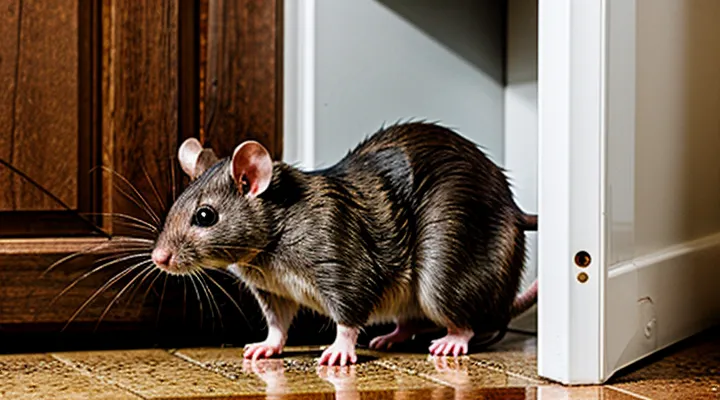
Common Entry Points
Gaps and Cracks in Foundations and Walls
Rats infiltrate homes primarily through structural openings that compromise the integrity of foundations and walls. Small fissures, often unnoticed during construction or renovation, provide direct pathways to interior spaces. Moisture‑induced settling creates hairline cracks in concrete footings, while shifting soil pressures generate gaps around pipe penetrations and utility sleeves. These breaches allow rodents to move from the exterior environment into basements, crawl spaces, and even upper floors via vertical shafts.
Typical entry points include:
- Cracks wider than ¼ inch in foundation slabs or block walls.
- Gaps surrounding sewer, water, and gas lines where sealing material has deteriorated.
- Openings around vent pipes, chimneys, and exhaust ducts lacking proper flashing.
- Unsealed gaps at the junction of the foundation and exterior cladding, especially where siding or brickwork has shifted.
- Deteriorated mortar joints in older masonry walls, creating a network of interconnected voids.
Effective mitigation requires sealing each identified opening with appropriate materials—epoxy injections for concrete fissures, steel wool or copper mesh backed by caulking for pipe penetrations, and rigid foam or cement mortar for mortar joint repairs. Regular inspection of foundation perimeters and wall surfaces, especially after heavy rain or ground movement, ensures that new gaps are detected and sealed before rats can exploit them.
Unsealed Openings Around Pipes and Utilities
Rats frequently gain access to residential structures through gaps that surround plumbing, gas, and electrical installations. Unsealed openings provide a direct pathway from the exterior environment to interior spaces where food, shelter, and water are available.
Typical penetrations include:
- Gaps around water‑supply and waste‑water pipes where they pass through walls, floors, or foundations.
- Openings around sewer and vent stacks, especially when the seal around the pipe collar is missing or deteriorated.
- Spaces surrounding gas lines, particularly at the point where the pipe enters the building envelope.
- Unfinished holes for cable, telephone, and coaxial lines that lack proper bushings or sealing plates.
- Ductwork and HVAC vent shafts that are not wrapped with metal flashing or insulated sleeves.
- Dryer exhaust vents and utility chases that are left uncovered or have cracked ductwork.
Effective mitigation requires a systematic inspection of all utility entry points, followed by the application of durable barriers. Recommended sealing materials include stainless‑steel mesh, heavy‑duty silicone or polyurethane caulk, metal flashing, and purpose‑designed pipe collars. After sealing, monitor for signs of activity such as droppings or gnaw marks to confirm the absence of further intrusion.
Damaged Roofs and Gutters
Rats frequently exploit compromised roofing and gutter systems to gain entry into residential properties. Cracked shingles, missing tiles, and deteriorated flashing create openings large enough for rodents to slip through. Once inside the attic, rats can travel along insulation, seeking nesting material and food sources.
Damaged gutters contribute to the problem by accumulating water and debris, which attract insects and provide a steady supply of moisture. The resulting soggy vegetation serves as a feeding ground for rats, encouraging them to congregate near the roofline. Leaking gutters also cause wood rot and structural weakening, further enlarging potential entry points.
Key factors linking roof and gutter deterioration to rat infestations:
- Gaps in roofing material that allow direct access to the attic.
- Loose or broken downspout brackets that create ladder‑like pathways.
- Accumulated leaf litter in gutters that shelters rodents.
- Water infiltration that softens building components, facilitating burrowing.
Repairing roof membranes, sealing all seams, and maintaining clean, functional gutters reduce the likelihood of rodent intrusion. Regular inspections and prompt remediation of damage are essential preventive measures.
Open or Poorly Screened Windows and Doors
Open or inadequately screened windows and doors provide direct pathways for rats to enter residential structures. Gaps larger than ¼ inch allow adult rats to pass, while smaller openings admit juveniles seeking shelter. Unlatched windows create immediate access during daylight, and poorly fitted screens deteriorate under weather, forming holes that rodents exploit.
Rats are attracted to these openings because they offer unobstructed routes to food sources, water, and nesting sites within the home. Once inside, they can travel along walls, ceilings, and utility lines, using the same apertures to move between rooms or exit when disturbed.
Typical indicators of entry through windows or doors include gnawed screen frames, torn weatherstripping, fresh droppings near sill areas, and visible pathways of chew marks on wood or plaster.
Preventive actions:
- Install fine-mesh (¼ inch or smaller) screens on all openings.
- Ensure screens are taut, free of tears, and securely fastened.
- Use self-closing hinges on exterior doors and windows.
- Apply weatherstripping to seal gaps around frames.
- Conduct regular inspections for damage after storms or high winds.
Maintaining tight, screened openings eliminates the most common external route for rat intrusion in private dwellings.
Unsecured Vents and Chimneys
Rats commonly exploit gaps in building envelopes to gain access to residential interiors. Unsealed ventilation openings and chimney stacks provide direct routes from the exterior to attic spaces, crawl spaces, and living areas. These structures often lack protective screens, allowing rodents to climb, squeeze, and enter without obstruction.
The design of many vents—such as dryer exhausts, bathroom fans, and roof ventilators—includes removable covers that, when omitted or damaged, create openings as large as 2 inches. Chimneys, especially those without caps or with cracked flues, present vertical shafts that rats can navigate using their climbing ability. Once inside, rodents locate food sources, nesting material, and shelter, leading to infestations throughout the home.
Mitigation measures:
- Install metal mesh or louvered screens on all vent openings; secure with rust‑resistant fasteners.
- Fit chimney caps equipped with rodent‑proof guards; inspect regularly for cracks or wear.
- Seal gaps around vent ducts and chimney flashing using high‑temperature silicone or expanding foam.
- Conduct routine visual checks of vent and chimney integrity, especially after severe weather.
Gaps Under Doors
Rats frequently exploit the space between a door and its frame to gain access to living areas. The gap, often only a few centimeters wide, provides a discreet route from exterior walls, basements, or crawl spaces into interior rooms. Once inside, rodents can travel along floorboards, pipework, and utility lines, spreading contamination and causing structural damage.
The size of the opening determines the likelihood of entry. Gaps larger than ¼ inch (6 mm) accommodate adult rats, while smaller openings may still admit juveniles. Seasonal temperature changes cause door frames to shift, widening existing gaps or creating new ones. Poorly fitted doors, worn weatherstripping, and missing door sweeps increase vulnerability.
Typical indicators of rodent activity through door gaps include:
- Chewed or gnawed material on the threshold or door bottom.
- Fresh droppings or urine stains near the entrance.
- Scratching sounds at night, especially near the door edge.
- Visible tracks in dust or on low-lying surfaces.
Effective prevention requires sealing the opening and eliminating attractants. Recommended actions are:
- Install a solid door sweep that contacts the floor when the door is closed.
- Apply high‑quality silicone or expanding foam caulk to fill gaps around the door frame.
- Replace worn weatherstripping with a continuous, compressible seal.
- Conduct regular inspections after extreme weather or building settlement.
By addressing gaps under doors promptly, homeowners reduce the primary pathway rats use to infiltrate private residences. This proactive measure significantly lowers the risk of infestation and associated health hazards.
Factors Attracting Rats to Homes
Food Sources
Rats are drawn to residential dwellings primarily by accessible food. Their omnivorous diet allows them to exploit a wide range of household supplies, making any unsecured source a potential entry point.
Common food sources include:
- Stored grains, cereals, and flour left in open containers.
- Pet food left out overnight or stored in unsealed bags.
- Fresh fruit and vegetables placed on countertops or in fruit bowls.
- Food scraps in kitchen trash cans without tight lids.
- Spilled crumbs on floors, countertops, or under appliances.
- Unfinished meals or leftovers left on tables or in dishes.
- Birdseed or squirrel feed stored in garages or sheds.
These items provide the caloric intake rats need for reproduction and survival. Eliminating exposure by sealing containers, promptly disposing of waste, and maintaining clean surfaces reduces the likelihood of rat activity in private homes.
Water Sources
Rats enter residential dwellings primarily to secure water, a vital need that drives them to specific indoor locations. Access to moisture allows them to survive, reproduce, and expand their activity range.
Typical indoor water sources include:
- Leaking or burst pipes beneath sinks, in basements, or behind walls.
- Dripping faucets and showerheads left unattended.
- Pet water dishes left uncovered or refilled irregularly.
- Condensation collection on cold surfaces such as windows, air‑conditioner coils, or refrigeration units.
- Dishwashers and washing machines that retain standing water after cycles.
- Refrigerator ice makers and water dispensers with occasional overflow.
- Sump pump discharge areas where water accumulates near foundation walls.
- Indoor plant trays or saucers that remain wet for extended periods.
- Basement or crawl‑space puddles resulting from poor drainage or groundwater seepage.
Each of these points provides a reliable moisture supply, making them focal areas for rat activity within private homes. Effective mitigation requires locating and eliminating these water sources through repair, regular maintenance, and proper sanitation.
Shelter and Nesting Sites
Rats select indoor shelter that offers protection from predators, temperature extremes, and human activity. Their nesting preferences are driven by accessibility, concealment, and proximity to food sources.
Typical indoor sites include:
- Attic spaces, especially where insulation or stored items create gaps.
- Wall voids and ceiling cavities accessed through holes in framing or piping.
- Crawl spaces beneath flooring, often damp and cluttered.
- Basements with exposed pipework, stacked boxes, or debris.
- Behind appliances such as refrigerators, stoves, and dishwashers where heat and moisture accumulate.
- Kitchen cabinets and pantry shelves, particularly when food residues are present.
- Storage closets, garages, and sheds containing boxes, fabric, or building materials.
- Under floorboards or within floor joist gaps where structural damage permits entry.
Rats modify these areas with shredded material, nesting grasses, and soft debris to construct nests. Their presence is reinforced by continuous access points, such as gaps around utility lines, vent openings, and unsealed doors. Eliminating these shelters requires sealing entry routes, removing clutter, and maintaining dry, clean conditions throughout the residence.
Preventing Rat Invasions
Sealing Entry Points
Rats gain access to residential buildings through gaps, cracks, and openings that provide unobstructed pathways from the exterior to interior spaces. Identifying and sealing these entry points is the most reliable method to prevent rodent intrusion.
Typical access routes include:
- Gaps around utility pipes and wiring conduits, often left unfilled after installation.
- Cracks in foundation walls, especially where soil meets the structure.
- Openings beneath doors and windows, including gaps at the threshold.
- Unsealed vents, chimney flues, and dryer exhaust ducts.
- Holes in siding, soffits, and eaves caused by weathering or pest damage.
- Openings around roof penetrations for satellite dishes, antennas, or skylights.
Effective sealing procedures consist of the following steps:
- Conduct a thorough inspection of the building envelope, focusing on the areas listed above.
- Clean debris and loose material from each gap to ensure proper adhesion of sealants.
- Apply appropriate sealing material:
- Use steel wool or copper mesh for larger openings, then cover with expanding polyurethane foam.
- Employ cement mortar or concrete patch for foundation cracks.
- Install weatherstripping or door sweeps to close door and window gaps.
- Fit metal flashing or hardware cloth over vent and chimney openings, securing with screws.
- Verify the integrity of the seal by checking for residual gaps or loose sections after curing.
- Maintain regular inspections, especially after seasonal weather changes, to address new or expanded openings promptly.
By systematically eliminating all potential pathways, homeowners create a barrier that deters rats from entering living spaces, reducing the likelihood of infestation without reliance on chemical controls.
Eliminating Food and Water Sources
Rats are attracted to readily available nourishment and hydration. Removing these incentives deprives them of the resources needed to establish a foothold inside a dwelling.
Secure all food containers with tight‑closing lids; store dry goods in metal or heavy‑wall bins; discard leftovers promptly and place waste in sealed trash cans. Clean kitchen surfaces after each meal, sweep crumbs, and vacuum regularly to eliminate hidden particles.
Maintain a dry environment by fixing leaky pipes, faucets, and roof penetrations. Wipe condensation from windowsills and appliances. Use a dehumidifier in damp basements or crawl spaces to keep humidity below levels that support rat survival.
Implement the following measures:
- Store pet food in airtight containers and feed only the amount consumed each day.
- Remove standing water from plant trays, pet bowls, and bird feeders; refresh water supplies daily.
- Inspect and seal gaps around utility lines, vent pipes, and door frames to prevent water ingress.
Consistent elimination of edible and drinkable sources creates an inhospitable setting, reducing the likelihood of rat activity throughout private residences.
Maintaining a Clean Environment
Rats are attracted to food residues, water sources, and shelter within residential properties. A clean environment eliminates these incentives and reduces the likelihood of rodent presence in typical indoor locations such as kitchens, pantry shelves, garbage receptacles, basements, attics, and wall cavities.
Effective sanitation requires systematic actions:
- Store food in sealed containers; discard expired items promptly.
- Clean countertops, floors, and appliances after each use; sweep crumbs and mop spills immediately.
- Empty trash bins daily, use lids that close tightly, and keep bins away from walls.
- Inspect and repair leaks; dry damp areas in bathrooms, laundry rooms, and under sinks.
- Seal entry points by caulking gaps around pipes, vents, and window frames; install door sweeps.
- Maintain clutter-free storage spaces; stack boxes on pallets and keep items off the floor.
Regular inspection of hidden zones—behind appliances, inside cabinets, and within crawl spaces—detects early signs of rodent activity. Prompt removal of droppings, urine stains, and gnaw marks with disinfectant prevents disease spread and deters further colonization. Consistent adherence to these practices sustains a hygienic interior that discourages rats from establishing nests in private dwellings.
Landscape Management
Effective landscape management directly influences rodent activity around residential properties. Properly maintained outdoor spaces eliminate shelter and food sources that attract rats, thereby reducing the likelihood of their intrusion into living areas.
Key practices include:
- Regular trimming of shrubs, trees, and vines to prevent dense cover near foundations.
- Removal of accumulated leaf litter, compost heaps, and debris that provide nesting material.
- Installation of hard‑scape barriers such as concrete curbing or metal flashing to block entry points beneath siding and eaves.
- Strategic placement of gravel or stone pathways to discourage burrowing in proximity to doors and windows.
- Prompt disposal of garden waste and secure storage of feed for pets or poultry.
Additional measures reinforce these efforts:
- Ensure gutters and downspouts are clear, preventing water accumulation that creates humid micro‑habitats favored by rats.
- Seal cracks and gaps in exterior walls, foundations, and utility penetrations to eliminate access routes.
- Maintain a clean perimeter by storing firewood off the ground and away from the house structure.
Implementing these landscape strategies creates an environment hostile to rodent habitation, limiting the presence of rats in private dwellings and supporting long‑term residential health and safety.
Signs of Rat Presence
Droppings
Rat droppings provide the most reliable indication of rodent activity inside a residence. Each pellet measures ¼ to ½ inch, is dark brown to black, and has a tapered shape with a slightly pointed end. The presence of fresh, moist droppings confirms recent movement, while dried piles suggest long‑term infestation.
Typical sites where droppings accumulate include:
- Kitchen cabinets and pantry shelves, especially near stored grain, cereal, or pet food.
- Behind appliances such as refrigerators, stoves, and dishwashers where heat and shelter coexist.
- Insulation material in walls, attics, and crawl spaces, often mixed with nesting debris.
- Under sinks, around pipe junctions, and inside bathroom cabinets where moisture is abundant.
- Garages, basements, and utility rooms near stored boxes, firewood, or clutter.
Droppings carry pathogens that can trigger leptospirosis, hantavirus, salmonella, and allergic reactions. Inhalation of dried particles or direct contact with contaminated surfaces poses a health risk to occupants.
Effective detection involves systematic inspection of the listed locations, using a flashlight to reveal faint deposits. Removal requires wearing disposable gloves, a mask, and a damp cloth to avoid aerosolizing particles. After cleaning, disinfect the area with a bleach solution (1 part bleach to 10 parts water) and seal entry points to prevent re‑contamination. Regular monitoring of droppings density helps gauge the success of control measures.
Gnaw Marks
Gnaw marks are a primary indicator of rodent activity inside residential buildings. They appear where rats need to breach barriers or access food, water, or shelter. Typical surfaces include:
- Wood framing, baseboards, and door frames; teeth leave shallow, parallel grooves that widen toward the end of the bite.
- Plastic piping, electrical cords, and rubber seals; marks are clean cuts with smooth edges, often exposing inner material.
- Masonry and concrete blocks; rats chew narrow channels into mortar joints, creating irregular, ragged lines.
The pattern of the damage distinguishes rats from other pests. Rats use their incisors in a continuous back‑and‑forth motion, producing a series of closely spaced, overlapping bites. The width of each groove ranges from 2 mm to 6 mm, matching the average adult rat’s jaw span. In contrast, mouse gnawing is finer and less deep.
Location clues help pinpoint infestation zones. Gnaw marks near attic vents, roof eaves, or crawl‑space vents suggest entry points. Marks on kitchen cabinets, pantry shelves, and behind appliances indicate foraging routes. Damage on insulation or structural beams signals that rats have established a nesting area.
Detecting gnaw marks early prevents structural weakening and electrical hazards. Regular inspection of vulnerable areas—especially after construction or renovation—allows swift remedial action. Sealing openings larger than ¼ inch, reinforcing vulnerable materials with metal plates, and installing rodent‑proof conduit protect against further chewing.
In summary, gnaw marks provide concrete evidence of rat presence, reveal entry routes, and guide targeted control measures within private homes.
Scratching Noises
Scratching sounds often signal rodent activity inside a dwelling. The noise originates from rats moving through concealed spaces, gnawing on structural components, or building nests, and it can be heard even when the animals are not visible.
Rats generate the characteristic rasping by:
- dragging claws across wood, insulation, or drywall while searching for food or pathways;
- gnawing on beams, joists, or pipe insulation to enlarge passages;
- rearranging nesting material such as shredded paper or fabric.
Typical areas where these noises are detected include:
- Attic rafters and insulation, where rats seek shelter and proximity to roof vents;
- Wall cavities near kitchens or pantries, providing direct access to stored food;
- Basement joists and crawl‑space ceilings, offering dark, humid environments;
- Under floorboards in living rooms or bedrooms, especially near entry points such as cracks or utility openings;
- Around garbage chutes or laundry rooms, where waste and moisture attract foraging behavior.
When scratching persists for several minutes at a time or repeats nightly, the likelihood of an infestation increases. To verify, inspect the suspected zone for droppings, gnaw marks, or grease trails; use a flashlight and a mirror to view hidden gaps. Confirmation should prompt immediate sealing of entry points and professional removal, as unchecked rodent presence can lead to structural damage and health hazards.
Nests or Burrows
Rats commonly establish nests or burrows within the interior spaces of residential dwellings. These structures serve as shelter, breeding sites, and food storage areas, and they are typically located where concealment and accessibility to resources are greatest.
Typical locations include:
- Behind appliances such as refrigerators, stoves, and dishwashers
- Within wall cavities and attic insulation
- Under floorboards and in crawl spaces
- Inside closets, especially those storing fabrics or paper
- In basements or utility rooms near water sources
- Inside storage boxes, cardboard piles, or junk piles
Nest construction relies on soft, readily available materials. Rats gather shredded paper, fabric fibers, insulation, and even dried food debris to create compact, insulated chambers. The nests are often positioned near entry points—cracks, gaps, or vent openings—to facilitate quick escape and re‑entry. Regular inspection of the listed areas and prompt removal of nesting material can reduce the likelihood of infestation.