
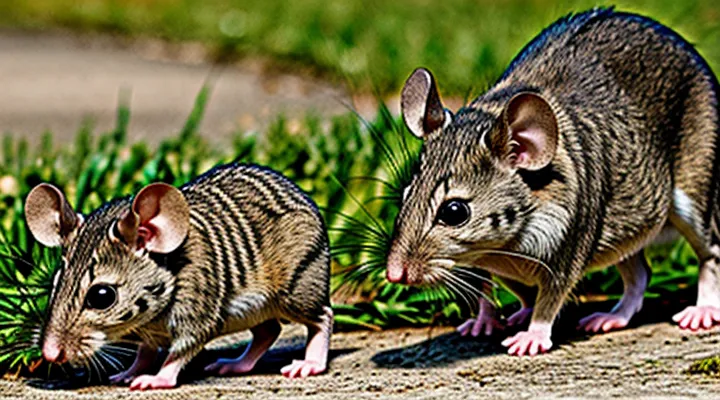
Understanding the Importance of Accurate Mouse Species Identification
The Role of Taxonomy
Taxonomy establishes the hierarchical framework that organizes mammalian diversity, assigning each organism to a specific rank based on shared characteristics. By defining genera, species, and subspecies, it creates a standardized reference that eliminates ambiguity when referring to particular rodents.
When naming various mouse species, taxonomy dictates the use of binomial nomenclature, requiring a genus name followed by a specific epithet. Accurate application depends on:
- Placement within the appropriate family (e.g., Muridae) and subfamily.
- Selection of a genus that reflects phylogenetic relationships.
- Assignment of a species name that conforms to the International Code of Zoological Nomenclature.
- Designation of a type specimen to anchor the name.
- Incorporation of morphological and molecular data to support classification decisions.
Consequences of Misidentification
For Scientific Research
Accurate taxonomic designation of mouse species is essential for reproducibility, data integration, and regulatory compliance in biomedical investigations. Researchers must adhere to the International Code of Zoological Nomenclature (ICZN) when assigning scientific names, ensuring that each name is unique, Latinized, and accompanied by the author’s citation and year of publication. The binomial format—genus followed by specific epithet—must be italicized, with the genus capitalized and the species epithet in lower case (e.g., Mus musculus Linnaeus, 1758).
When describing new taxa, authors should provide a clear differential diagnosis, designate a holotype deposited in a recognized repository, and include molecular markers (e.g., mitochondrial cytochrome b) to support phylogenetic placement. Synonymy must be resolved by consulting authoritative databases such as the Integrated Taxonomic Information System (ITIS) or the Mammal Species of the World checklist.
For laboratory strains derived from a recognized species, the strain name should follow the species name and be separated by a single space, without italics, and include the originating institution or repository (e.g., Mus musculus C57BL/6J). Genetic background descriptors—such as “knock‑out,” “transgenic,” or “congenic”—must be appended after the strain identifier to convey functional modifications.
Key practices for consistent naming:
- Use the current, validated genus and species names from taxonomic references.
- Cite the original author and year for each species name.
- Italicize binomials; keep strain designations in regular font.
- Record accession numbers for voucher specimens and genetic sequences.
- Update nomenclature in publications when taxonomic revisions occur.
By following these conventions, researchers ensure that mouse models are precisely identified across publications, repositories, and collaborative networks, facilitating accurate cross‑study comparisons and meta‑analyses.
For Pest Control
Accurate identification of mouse species is essential for effective pest‑control strategies. Precise names enable technicians to select appropriate baits, traps, and monitoring methods, and they facilitate clear communication with clients and regulatory agencies.
- House mouse (Mus musculus) – commonly encountered in residential and commercial buildings; responds well to anticoagulant baits and snap traps.
- Field mouse (Apodemus sylvaticus) – typically found in outdoor storage areas and agricultural fields; requires placement of bait stations near vegetation and ground cover.
- Deer mouse (Peromyscus maniculatus) – associated with rural structures and grain bins; often carries hantavirus, demanding use of protective equipment and exclusion techniques.
- Wood mouse (Apodemus flavicollis) – prevalent in forested perimeters of urban sites; best managed with perimeter trapping and habitat modification.
- Harbor rat (Rattus norvegicus) – often confused with larger mouse species; distinguishes itself by size and tail length, requiring heavier‑gauge traps and larger bait doses.
Consistent terminology in service reports reduces ambiguity during follow‑up inspections. When a technician records the exact species name, inventory systems can automatically adjust dosage calculations and predict seasonal activity patterns. Regulatory compliance checks also rely on species‑specific data; many jurisdictions mandate detailed records for species known to transmit zoonotic diseases.
Standardized naming conventions support training programs by providing a uniform vocabulary for new personnel. Manuals that reference scientific and common names together eliminate misinterpretation, ensuring that control measures are applied to the intended target rather than inadvertently affecting non‑pest wildlife.
Fundamental Principles of Mouse Classification
Binomial Nomenclature
Accurate scientific naming of mouse taxa depends on the rules of binomial nomenclature, a universal system that assigns each species a two‑part Latin name. The first part designates the genus, indicating a group of closely related organisms; the second part, the specific epithet, distinguishes the individual species within that genus. Together they form a unique identifier recognized across languages and disciplines.
The International Code of Zoological Nomenclature (ICZN) governs the formation and publication of these names. Compliance with its provisions ensures stability and prevents duplication. Key requirements include:
- Publication in a peer‑reviewed or otherwise publicly accessible work.
- Description or diagnosis that differentiates the species from all previously named taxa.
- Designation of a type specimen deposited in a recognized collection.
- Use of Latin or Latinized words, with gender agreement between genus and species epithets.
When applying this framework to various mouse species, taxonomists must verify that the chosen genus reflects current phylogenetic evidence. Molecular analyses frequently prompt reclassification, so the genus name may change while the specific epithet often remains constant, preserving historical continuity.
Proper implementation of binomial nomenclature facilitates precise communication among researchers, supports biodiversity inventories, and underpins legal and conservation measures that rely on unequivocal species identification.
Hierarchical Classification
Kingdom to Species
The taxonomic hierarchy for any mouse begins with the broadest category, Kingdom Animalia, which includes all multicellular organisms that ingest organic material. Within this kingdom, the Phylum Chordata groups animals possessing a notochord at some stage of development; mammals fall under this phylum. Class Mammalia distinguishes warm‑blooded vertebrates with hair and mammary glands.
Order Rodentia comprises rodents, characterized by continuously growing incisors. Family Muridae represents the true mice and rats, the largest rodent family. Subfamily Murinae narrows the classification to Old World mice and related species.
Genus identification separates closely related groups. For example, Mus denotes the common house mouse, while Peromyscus identifies deer mice, and Apodemus refers to field mice. The final rank, Species, provides the precise scientific name, such as Mus musculus for the house mouse, Peromyscus maniculatus for the North American deer mouse, and Apodemus sylvaticus for the wood mouse.
Correct naming follows the binomial system: the genus name capitalized, the species epithet lowercase, both italicized. This format ensures universal recognition across scientific literature and prevents ambiguity when referring to specific mouse taxa.
Key Characteristics for Differentiating Mouse Species
Physical Attributes
Size and Weight
When assigning names to mouse taxa, size and weight provide essential criteria for distinguishing species. Measurements must be taken from mature individuals, using calibrated calipers for head‑body length (excluding the tail) and a precision scale for body mass. Consistent methodology ensures that reported dimensions are comparable across studies and databases.
Typical size categories include:
- Dwarf: head‑body length ≤ 70 mm, weight ≤ 10 g
- Small: 71–90 mm, 11–20 g
- Medium: 91–110 mm, 21–35 g
- Large: 111–130 mm, 36–55 g
- Giant: >130 mm, >55 g
Weight ranges correspond closely to these length brackets but may vary with sex, season, and habitat. Recording both metrics prevents ambiguity when morphological overlap occurs between adjacent categories.
Naming conventions often embed size descriptors directly into the species epithet or common name. Examples include Mus minor for a dwarf mouse, Rattus giganteus for a giant rat, and Apodemus medius for a medium‑sized field mouse. When a species exhibits extreme dimensions relative to its genus, the epithet should reflect that extremity to aid identification and communication among researchers.
To maintain taxonomic precision, authors should:
- Verify that size data represent the species’ typical adult range, not outliers.
- Cite the measurement protocol and sample size in the species description.
- Align the chosen name with established size terminology, avoiding ambiguous or overly subjective qualifiers.
Applying these standards yields names that convey clear, quantitative information about a mouse’s physical stature, facilitating accurate identification and comparative research.
Fur Color and Texture
Accurate naming of mouse species relies on observable physical traits; fur color and texture provide the most immediate identifiers. Researchers and taxonomists compare these attributes across populations to establish distinct nomenclature.
Typical fur color categories include:
- Uniform shades (e.g., solid brown, black, or white)
- Banded patterns (alternating dark and light rings along the spine)
- Spotting (discrete patches on dorsal or ventral surfaces)
- Gradient transitions (smooth fade from head to tail)
Texture descriptors essential for classification:
- Silky: fine, glossy fibers that lie flat against the skin
- Coarse: thick, wiry strands that create a rough surface
- Dense: high hair density resulting in a plush appearance
- Sparse: low hair density exposing skin patches
Combining color and texture yields precise labels such as “silky‑gray banded mouse” or “coarse‑brown spotted mouse,” facilitating consistent communication among scientists.
Tail Length and Features
Tail length provides a primary metric for distinguishing mouse species. Measurements range from under 30 mm in dwarf forest mice to more than 120 mm in arboreal varieties. Relative proportion—tail length expressed as a percentage of head‑body length—clarifies ecological adaptation: terrestrial species typically exhibit tails equal to 70‑90 % of body length, whereas strictly arboreal forms often exceed 100 %. Precise recording of these ratios supports consistent nomenclature across taxonomic references.
Tail features augment length data. Relevant characteristics include:
- Scale arrangement: uniform versus alternating rows of larger and smaller scales.
- Fur coverage: dense, hair‑covered tails in humid‑climate species versus sparsely furred or naked tails in desert dwellers.
- Prehensility: presence of a tactile pad or enhanced musculature indicating climbing capability.
- Color pattern: uniform pigmentation versus banded or spotted markings that may correlate with camouflage strategies.
Integrating length measurements with the listed features yields a reproducible framework for assigning accurate species names. Consistent documentation of these parameters reduces ambiguity in scientific literature and facilitates comparative studies.
Ear Shape and Size
Ear morphology provides reliable criteria for distinguishing mouse taxa. Species with rounded, proportionally small pinnae typically belong to genera adapted to subterranean habitats, whereas elongated, triangular ears indicate taxa that rely on acute auditory detection in open environments. Precise measurement of ear length—from the base of the tragus to the tip of the helix—combined with assessment of ear width at the widest point yields a ratio useful for classification. A length‑to‑width ratio below 1.2 generally characterizes compact‑ear species; ratios above 1.5 denote elongated‑ear forms.
Key ear attributes for nomenclatural accuracy:
- Shape: rounded, triangular, or oval; each correlates with specific ecological niches.
- Size: total length in millimetres; documented ranges differ among closely related species.
- Fur coverage: presence or absence of hair on the pinna surface; hairless ears often accompany desert‑adapted species.
- Coloration: pigmentation patterns, such as melanistic spots or uniform tones, assist in differentiating subspecies.
When assigning a formal name, integrate ear data with other diagnostic features (e.g., tail length, dental formula) to ensure consistency across taxonomic references. Consistent reporting of ear measurements in scientific descriptions reduces ambiguity and facilitates reliable identification of mouse species worldwide.
Eye Characteristics
Eye morphology offers precise criteria for assigning accurate names to mouse taxa. Researchers rely on measurable attributes rather than anecdotal descriptions, ensuring consistency across studies.
Key ocular features that differentiate species include:
- Eye diameter relative to skull length – proportional measurements distinguish small‑field mice from larger forest dwellers.
- Pupil shape – vertical slits are typical of nocturnal forms, while round pupils appear in diurnal relatives.
- Iris coloration – shades ranging from deep brown to pale amber correlate with habitat type and can be documented with spectrophotometry.
- Retinal ganglion cell density – high densities indicate visual acuity adaptations, useful for separating closely related taxa.
- Presence and structure of a tapetum lucidum – reflective layers vary in thickness and composition, providing a clear taxonomic marker for species with enhanced night vision.
- Orbit orientation – lateral versus forward‑facing eye placement reflects ecological niche and assists in species delineation.
When documenting a new mouse species, researchers should record each of these parameters using calibrated imaging equipment and standardized measurement protocols. Comparative tables that align ocular data with known species facilitate the selection of a name that reflects phylogenetic relationships and morphological distinctiveness.
Dental Patterns
Dental morphology provides the most reliable characters for distinguishing mouse taxa. The arrangement of cusps on the molars, the shape of the incisor enamel band, and the number of roots on each tooth vary consistently among species and therefore serve as objective criteria for assigning scientific names.
Key dental characters include:
- Molar crown outline (triangular, rectangular, or rounded)
- Number and position of primary cusps (e.g., anterocone, mesocone, posterocone)
- Presence or absence of accessory cusps on the buccal and lingual sides
- Enamel pigmentation pattern on the incisor (orange‑red band versus uniform coloration)
- Root count per molar (single versus double roots)
When naming a mouse species, compare the specimen’s dental pattern with reference descriptions for each genus. If the molar cusp configuration matches that of Mus but the incisor enamel band aligns with Apodemus, assign the specimen to the appropriate genus and then differentiate at the species level using additional dental traits such as accessory cusp presence. Consistency in recording these features ensures reproducible taxonomic decisions and eliminates ambiguity in species nomenclature.
Behavioral Traits
Nocturnal vs. Diurnal Activity
Accurate nomenclature for mouse taxa benefits from reflecting observable ecological traits, and activity period provides a clear, repeatable characteristic.
Nocturnal mice are active during darkness, exhibit peak locomotion after sunset, and often possess enlarged eyes, enhanced auditory structures, and pelage that blends with low‑light environments. Diurnal mice display daytime activity, show heightened visual acuity in bright conditions, and frequently have coloration suited to open, sunlit habitats.
When assigning species names, incorporate the activity pattern as a descriptive element. Use Latin or Greek roots that convey night or day, combine them with genus identifiers, and ensure the epithet remains grammatically correct and unique within the genus.
- Mus nocturnus – a forest‑dwelling mouse whose foraging peaks after dusk.
- Peromyscus diurnus – a grassland species observed feeding in early morning light.
- Apodemus vespertilio – a mountain mouse with crepuscular habits, indicated by the term “vesper” (evening).
Taxonomists should verify that the chosen epithet does not duplicate existing names, confirm that the activity pattern is consistent across populations, and document behavioral observations in the species description. This practice creates informative, stable names that immediately convey a key ecological attribute.
Diet and Feeding Habits
Understanding the feeding patterns of mouse taxa provides essential clues for accurate taxonomic designation. Species that specialize in granivory, such as the meadow mouse, exhibit pronounced cheek pouch development and exhibit foraging behavior centered on seed selection. In contrast, insectivorous forms like the lesser Egyptian mouse display elongated rostra and heightened nocturnal activity to capture arthropods. Omnivorous representatives, including the house mouse, demonstrate flexible dentition allowing consumption of plant material, stored grains, and occasional animal protein.
Key dietary categories and associated morphological indicators:
- Seed‑eaters – robust molars, enlarged cheek pouches, preference for open‑field habitats.
- Insect‑predators – sharp incisors, agile locomotion, reliance on moist microhabitats.
- Generalists – mixed dentition, adaptability to urban and rural environments, opportunistic foraging.
Linking feeding ecology to nomenclature enhances consistency across scientific literature. When a new mouse population is discovered, documenting its primary food sources and related anatomical adaptations supports the selection of a descriptive species epithet that reflects ecological niche, thereby reducing ambiguity in classification.
Habitat Preferences
Accurate mouse species nomenclature relies on clear association with the environments each taxon occupies. Habitat preference provides a stable reference point that reduces ambiguity when assigning scientific or common names, especially for groups with overlapping morphological traits.
Key habitat categories and their naming implications include:
- Arboreal zones – species inhabiting forest canopies or tree hollows often receive names referencing trees, branches, or canopy layers.
- Grassland and meadow ecosystems – species frequenting open fields are commonly designated with terms such as “field,” “prairie,” or “meadow.”
- Rocky or scrubby terrains – rodents adapted to cliffs, boulders, or scrub vegetation are frequently labeled with descriptors like “rock,” “cliff,” or “brush.”
- Wetland and riparian areas – species found near streams, marshes, or swamps are typically identified with “water,” “marsh,” or “bank” elements.
- Subterranean habitats – burrowing mice that spend most of their life underground are often named using “burrow,” “tunnel,” or “soil” motifs.
When constructing names, align the chosen epithet with the dominant habitat observed across the species’ range. Consistency between ecological niche and nomenclature enhances clarity for researchers, conservationists, and policymakers.
Social Structures
Understanding the social organization of each mouse species is essential for constructing precise and meaningful names. Species that live in solitary burrows differ fundamentally from those forming cooperative colonies; this distinction should be reflected in the taxonomic label to convey behavioral ecology at a glance.
Typical social patterns among mice include:
- Solitary territoriality, where individuals maintain exclusive home ranges and rarely interact beyond mating.
- Pair bonding, characterized by long‑term monogamous relationships and shared nest maintenance.
- Communal nesting, in which multiple adults rear offspring together, often rotating parental duties.
- Eusocial-like colonies, featuring a dominant breeding pair and subordinate helpers that assist with foraging and defense.
When assigning a name, incorporate descriptors that signal the observed structure. For example, a species exhibiting communal nesting might receive a specific epithet derived from Latin “communitas,” while a strictly solitary species could be labeled with “solitarius.” Such linguistic cues aid researchers in rapidly inferring social traits without consulting detailed behavioral reports.
Applying this systematic approach ensures that nomenclature serves both classification and communication functions, reducing ambiguity and supporting comparative studies across rodent taxa.
Genetic Analysis
DNA Sequencing
DNA sequencing delivers precise genetic information that separates mouse taxa at the species level. By comparing nucleotide variations across defined markers, researchers can assign distinct names to lineages that were previously ambiguous.
Key steps in a sequencing‑driven naming workflow include:
- Collect tissue or hair samples from representative individuals.
- Isolate genomic DNA using standardized extraction kits.
- Amplify target regions such as mitochondrial cytochrome b, COI, or nuclear introns.
- Generate sequence reads on platforms (Illumina, Sanger, or Oxford Nanopore).
- Align reads, edit ambiguities, and deposit consensus sequences in public repositories.
Sequence alignments reveal phylogenetic relationships that clarify which populations merit separate nomenclature. Genetic distances exceeding established thresholds, coupled with monophyletic clustering, justify the creation of new species names or the revision of existing ones. Conversely, low divergence signals synonymy, preventing unnecessary proliferation of names.
Adherence to taxonomic codes requires that each newly proposed name be linked to a type specimen and a reference sequence with an accession number. Integration of molecular data into databases such as GenBank and the International Nucleotide Sequence Database Collaboration ensures reproducibility and facilitates future comparative studies.
By grounding nomenclatural decisions in objective genetic evidence, DNA sequencing standardizes the naming process for mouse species and aligns taxonomy with evolutionary history.
Molecular Markers
Molecular markers provide objective criteria for distinguishing and naming mouse species. DNA sequences reveal evolutionary relationships that cannot be inferred from morphology alone, allowing taxonomists to assign consistent scientific names.
Key marker categories include:
- Mitochondrial cytochrome b (Cyt b) and COI genes: high mutation rates generate species‑level resolution; extensive reference databases facilitate comparison.
- Nuclear ribosomal RNA (e.g., 18S, ITS2): conserved regions support higher‑order classification, while variable internal transcribed spacers differentiate closely related taxa.
- Single‑nucleotide polymorphisms (SNPs): genome‑wide panels enable fine‑scale discrimination, especially in hybrid zones.
- Microsatellite loci: high heterozygosity assists in identifying recent divergence and population structure.
Applying these markers follows a standardized workflow. First, extract high‑quality DNA from tissue samples. Second, amplify target regions using PCR primers validated for murine taxa. Third, sequence amplicons or genotype SNP panels, then align results against curated repositories such as GenBank, Mouse Genome Informatics, and the International Barcode of Life (iBOL). Fourth, construct phylogenetic trees with maximum‑likelihood or Bayesian methods; robust clades correspond to taxonomic units that merit distinct names.
Consistency across studies requires adherence to the International Code of Zoological Nomenclature (ICZN). Molecular evidence must be documented in peer‑reviewed publications, with accession numbers deposited in public databases. When molecular data contradict existing nomenclature, taxonomic revisions should be proposed, providing diagnostic sequences that unambiguously define the re‑named species.
In summary, mitochondrial and nuclear gene fragments, SNP arrays, and microsatellite panels constitute the primary molecular toolkit for accurate mouse species nomenclature. Rigorous data generation, transparent reporting, and compliance with ICZN standards ensure that species names reflect true evolutionary relationships.
Common Mouse Species and Their Distinguishing Features
House Mouse «Mus musculus»
Physical Traits
Physical characteristics provide the most reliable basis for distinguishing mouse taxa and assigning precise names. Body size, measured in head‑body length and tail proportion, separates dwarf species from larger counterparts and often correlates with specific epithet choices. Fur coloration, ranging from uniform gray to distinct dorsal stripes or ventral patches, serves as a visible marker that taxonomists encode in species names. Ear dimensions and shape—rounded, pointed, or elongated—offer additional diagnostic criteria, especially when combined with auditory canal morphology.
Skull morphology conveys essential taxonomic signals. Cranial length, width of the rostrum, and the configuration of the zygomatic arches differentiate closely related groups. Dental formulae, including the number and shape of molar cusps, are recorded in nomenclature descriptors and aid in preventing synonymy. Tail attributes, such as length relative to body, presence of scales, and degree of hair coverage, are consistently reflected in species epithets.
Key physical traits can be summarized for reference:
- Body size (head‑body length, tail‑to‑body ratio)
- Fur pattern and coloration (dorsal stripe, ventral spotting)
- Ear size and shape (rounded, pointed, elongated)
- Skull measurements (rostrum width, zygomatic arch)
- Dental characteristics (molar cusp pattern)
- Tail features (scale presence, hair density)
Accurate observation and measurement of these attributes enable the formulation of clear, descriptive names that reflect each mouse’s distinctive morphology and reduce ambiguity in scientific communication.
Behavioral Patterns
Behavioral patterns supply reliable criteria for assigning accurate names to mouse taxa, complementing morphological and genetic evidence. Observed actions such as foraging strategy, social hierarchy, nesting construction, and circadian activity reveal ecological niches that often correspond to distinct lineages.
- Foraging strategy – selective seed harvest, insect predation, or omnivorous scavenging distinguishes species occupying different food resources.
- Social hierarchy – solitary, monogamous pair bonding, or complex colony structures indicate divergent reproductive systems.
- Nesting construction – underground burrows, arboreal nests, or communal chambers reflect habitat specialization.
- Circadian activity – strictly nocturnal, crepuscular, or diurnal rhythms align with predator avoidance and temperature regulation.
Integrating these behavioral markers with phenotype and DNA sequences refines taxonomic resolution. Consistent documentation of activity patterns across populations enables taxonomists to detect cryptic species that morphological inspection alone might overlook.
Researchers should record behavior using standardized protocols: video monitoring for activity cycles, trap‑based diet analysis for foraging habits, and social interaction assays for hierarchy assessment. Data compiled in a centralized repository facilitate cross‑referencing, ensuring that each named mouse species reflects its unique ecological and ethological identity.
Deer Mouse «Peromyscus maniculatus»
Physical Traits
Accurate identification of mouse species depends on consistent observation of physical characteristics. Size ranges, measured from nose to tail base, differentiate small field mice (approximately 6–9 cm body length) from larger house mice (9–12 cm). Weight further refines classification: light species average 10–15 g, whereas robust species exceed 20 g.
Fur coloration provides reliable cues. Dorsal hues vary from uniform gray‑brown in Mus musculus to speckled or mottled patterns in Peromyscus species. Ventral surfaces often exhibit lighter shades; a stark contrast may indicate Apodemus species. Presence of distinct markings, such as a dorsal stripe or ear spot, should be recorded precisely.
Tail morphology assists in distinguishing taxa. Length relative to body, measured as a proportion, separates long‑tailed rodents (tail exceeding body length by 10–30 %) from short‑tailed forms (tail equal to or shorter than body). Scale texture, ranging from smooth to heavily scaled, also informs naming decisions.
Ear size and shape are diagnostic. Large, rounded ears with minimal hair suggest Mus species, while small, narrow ears covered by fine fur are typical of Peromyscus. Auditory bulla shape, observable in skull specimens, corroborates external assessments.
Dental structure, especially the arrangement of molar cusps, offers definitive taxonomic evidence. Species with high, sharp cusps belong to the Mus genus, whereas broader, flatter molars characterize Apodemus. Recording dental formulae alongside external traits ensures comprehensive naming accuracy.
Summarized criteria for physical‑trait based naming:
- Body length and weight ranges
- Dorsal and ventral fur coloration patterns
- Tail length proportion and scale texture
- Ear dimensions, shape, and fur coverage
- Dental cusp configuration
Applying these measurable attributes consistently yields precise species designations and supports clear communication within scientific literature.
Behavioral Patterns
Behavioral patterns provide reliable criteria for distinguishing mouse taxa and should inform the construction of species names. Observable actions such as foraging strategy, social organization, activity cycle, nest architecture, and territorial defense reveal evolutionary divergences that are not always apparent from morphology alone.
- Foraging strategy – species that hoard seeds differ from those that graze foliage; the former may receive epithets derived from cach (store) or gran (grain).
- Social organization – solitary individuals contrast with communal colonies; names can incorporate soli or col to indicate the pattern.
- Activity cycle – strictly nocturnal versus crepuscular habits are reflected by roots like nyct (night) or crep (dawn).
- Nest architecture – burrow depth, material choice, and entrance complexity serve as distinguishing markers; terms such as subterr (underground) or fibro (fiber) convey these traits.
- Territorial defense – aggressive patrolling versus passive tolerance can be encoded with agro (field/aggressive) or pac (peaceful).
Incorporating behavior into nomenclature follows three steps:
- Document the dominant behavioral trait through field observation or controlled study.
- Select a Latin or Greek root that precisely denotes the trait, avoiding generic descriptors.
- Combine the root with the genus name, ensuring compliance with the International Code of Zoological Nomenclature.
Applying this systematic approach yields names that encapsulate ecological identity, facilitate communication among researchers, and reduce reliance on ambiguous morphological references.
White-Footed Mouse «Peromyscus leucopus»
Physical Traits
Accurate identification of mouse species relies heavily on observable physical characteristics. Taxonomists compare these traits to assign precise, universally recognized names.
- Body size: total length, head‑body ratio, and weight distinguish dwarf, house, and field mice. Measurements should be recorded in millimeters and grams for consistency.
- Fur coloration and pattern: dorsal hue (e.g., gray, brown, reddish), ventral shade, and presence of dorsal stripes or spots provide immediate visual cues. Pigmentation often correlates with habitat type.
- Tail morphology: length relative to body, hair coverage, and tip shape differentiate species such as the long‑tailed Apodemus from the short‑tailed Peromyscus.
- Ear dimensions: ear length and cartilage thickness reflect adaptation to temperature regulation and can separate arid‑adapted species from those in cooler environments.
- Whisker arrangement: number of vibrissae, length, and spacing aid in distinguishing closely related taxa, especially when other features overlap.
- Foot structure: presence of plantar pads, claw curvature, and interdigital webbing indicate ecological niche, separating arboreal from terrestrial species.
- Skull and dental features: cranial size, nasal bone shape, and molar cusp patterns are decisive for species‑level classification, often corroborated by genetic data.
When naming a newly identified mouse, reference these measurable traits in the species description. Consistent terminology and standardized metric units ensure that the name conveys both taxonomic placement and the defining physical profile.
Behavioral Patterns
Accurate naming of mouse taxa depends on recognizing distinct behavioral patterns that separate one group from another. Researchers observe foraging strategies, social organization, and activity cycles to determine whether a population warrants a separate designation.
Foraging behavior varies by habitat preference: some species specialize in seed collection, others exploit insect prey, while certain desert-dwelling mice rely on nocturnal scavenging. These dietary niches correlate with morphological adaptations and often justify distinct nomenclature.
Social structure provides another diagnostic criterion. Species that form large, cooperative colonies exhibit communal nesting and shared parental care, contrasting with solitary or monogamous counterparts that maintain individual burrows and limited interaction. Documentation of these social dynamics clarifies taxonomic boundaries.
Activity patterns, including circadian rhythms and seasonal movements, further refine classification. Species displaying strict nocturnality differ from those active at dawn or dusk, and migratory tendencies during breeding seasons signal ecological divergence.
Key behavioral indicators for naming decisions:
- Preferred food source and foraging method
- Group size, hierarchy, and parental involvement
- Daily and seasonal activity schedule
Integrating these observations with genetic and morphological data produces robust, defensible names for mouse species.
Field Mouse «Apodemus sylvaticus»
Physical Traits
Physical characteristics provide the primary basis for assigning correct scientific names to mouse taxa. Precise observation of external and skeletal features distinguishes closely related species and eliminates ambiguity in classification.
- Body length: total length and head‑body proportion differ among species; dwarf mice exhibit lengths under 70 mm, while larger field species exceed 100 mm.
- Fur coloration and pattern: dorsal hue ranges from uniform gray to distinct dorsal‑ventral contrast; presence of dorsal stripes or spots identifies specific groups.
- Tail morphology: length relative to body, hairiness, and scale count are diagnostic; some species possess a tail equal to body length, others a significantly shorter, sparsely haired tail.
- Ear size and shape: ear length relative to skull width, presence of a notch or rounded edge, and pelage on the pinna aid differentiation.
- Whisker arrangement: number of macrovibrissae, spacing, and length provide reliable markers, especially in cryptic species.
- Hind‑foot dimensions: length, presence of a plantar pad, and toe count assist in separating genera.
- Skull and dental features: rostrum width, zygomatic arch robustness, molar cusp pattern, and incisor enamel coloration are essential for definitive identification.
Measurement protocols require calipers for linear dimensions, standardized color charts for pelage assessment, and high‑resolution imaging for cranial structures. Consistent data collection enables cross‑reference with taxonomic keys and genetic databases, ensuring that each name reflects the organism’s documented morphology.
Applying these traits systematically reduces misidentification and supports reliable communication among researchers, wildlife managers, and conservationists.
Behavioral Patterns
Accurate naming of mouse taxa relies on observable behavior as a primary diagnostic criterion. Behavioral traits provide consistent, species‑specific markers that complement morphological data and reduce ambiguity in classification.
Key behavioral patterns that differentiate mouse species include:
- Foraging strategy – selection of seeds, insects, or plant material; preference for ground versus arboreal sources.
- Social organization – solitary, pair‑bonded, or colony structures; dominance hierarchies and cooperative breeding.
- Territoriality – size of defended area, scent‑marking frequency, and aggression levels toward intruders.
- Activity rhythm – strictly nocturnal, crepuscular, or diurnal patterns; peak activity windows measured by motion sensors.
- Nest construction – materials used, nest complexity, and placement (burrow, cavity, surface).
- Communication mode – ultrasonic vocalizations, pheromone emission, tail‑slapping or whisker movements.
- Reproductive timing – breeding season length, litter size, and parental investment patterns.
Integrating these behavioral descriptors into nomenclatural guidelines ensures that each mouse species receives a name reflecting its ecological niche and life‑history strategy, thereby enhancing clarity in scientific communication and biodiversity records.
Vole Species «Microtus spp.» vs. True Mice
Key Differentiators
Accurate naming of mouse species depends on recognizing distinct characteristics that separate one taxon from another.
Morphological traits provide the most immediate cues. Differences in body size, head shape, ear length, and tail proportion are measurable and often reflected in species descriptions.
Geographic distribution narrows possibilities. Each species occupies a defined range; overlap zones are limited and usually documented in range maps.
Genetic markers deliver definitive evidence. Mitochondrial DNA sequences, nuclear gene variants, and microsatellite profiles distinguish closely related taxa that appear morphologically similar.
Behavioral patterns add another layer of distinction. Activity period (nocturnal versus crepuscular), nesting preferences, and social structure vary among species and are recorded in ethological studies.
Fur coloration and patterning serve as visual identifiers. Specific pigment arrangements, dorsal stripe presence, and ventral shading are consistent within species and aid field identification.
Dental formula and molar morphology are taxonomically significant. The number of incisors, shape of the occlusal surface, and enamel ridge patterns differentiate groups at the genus and species levels.
Habitat preference refines classification. Species may specialize in grasslands, forests, desert scrub, or human‑associated environments; these preferences are documented in ecological surveys.
Combining these differentiators—morphology, range, genetics, behavior, pelage, dentition, and habitat—ensures precise and consistent naming across scientific literature.
Tools and Techniques for Identification
Field Guides and Identification Keys
Field guides serve as portable references that compile morphological descriptions, geographic ranges, and habitat preferences for rodent taxa. Each entry typically lists diagnostic characters such as pelage coloration, tail length, ear size, and dental formulae, enabling rapid visual comparison among species. High‑resolution illustrations or photographs accompany these data, providing visual confirmation of subtle differences that affect nomenclature decisions.
Identification keys complement narrative descriptions by organizing traits into a logical sequence of dichotomous choices. Users progress through paired statements—e.g., “Tail longer than head‑body length” versus “Tail shorter than head‑body length”—to narrow possibilities until a single species name emerges. This systematic approach minimizes ambiguity when assigning proper names to newly encountered specimens.
Effective guides incorporate the following elements:
- Standardized terminology aligned with taxonomic codes.
- Cross‑referenced synonym lists that trace historical name changes.
- Distribution maps indicating confirmed localities and range limits.
- Notes on intraspecific variation, including subspecies distinctions and phenotypic plasticity.
When applied consistently, these resources ensure that each mouse species receives an accurate, universally recognized designation, supporting clear communication across research, conservation, and regulatory contexts.
Trapping and Examination Methods
Effective capture techniques provide the material needed for precise taxonomic designation of mouse taxa. Live‑capture devices, such as Sherman or Tomahawk traps, preserve external morphology and allow subsequent release if identification proves unnecessary. Snap traps yield skeletal remains suitable for osteological comparison but eliminate soft‑tissue data. Pitfall arrays collect ground‑dwelling forms without bias toward activity patterns. Each method should be deployed according to habitat structure and target species behavior to minimize sampling distortion.
Collected specimens undergo systematic examination. Primary steps include:
- External measurement: total length, tail length, hind‑foot length, ear length, and body mass recorded with calibrated instruments.
- Pelage assessment: coloration, pattern, and guard‑hair density documented photographically.
- Cranial analysis: skull dimensions measured with digital calipers; dental formula verified under magnification.
- Molecular profiling: tissue samples preserved in ethanol for DNA extraction; mitochondrial cytochrome b or COI sequences amplified and compared against reference databases.
Integrating morphological metrics with genetic results resolves ambiguities among cryptic species and supports consistent nomenclature across research groups. Standardized data sheets and reference collections ensure reproducibility, facilitating accurate assignment of scientific names to newly encountered mouse populations.
Photographic Documentation
Photographic documentation provides the visual evidence required for accurate identification and consistent naming of mouse taxa. High‑resolution images capture morphological details that differentiate species and support taxonomic decisions.
- Use a macro lens with a minimum focal length of 90 mm to resolve fur patterns, ear shape, and tail structure.
- Illuminate subjects with diffused, neutral‑white lighting to avoid color distortion; avoid direct flash that creates shadows.
- Include a calibrated scale bar or ruler in each frame for precise measurement of body dimensions.
- Position the animal against a neutral background (e.g., gray or white) to enhance contrast and simplify image analysis.
- Capture multiple angles: dorsal, ventral, lateral, and close‑up of diagnostic features such as whisker arrangement or foot morphology.
File naming must reflect the provisional or accepted scientific name and specimen identifier. Adopt a consistent format, for example: Genus_species_ID_YYYYMMDD.jpg. Embed taxonomic metadata in the image’s EXIF fields, recording collector, locality, GPS coordinates, and voucher number. This practice links each photograph directly to the corresponding nomenclatural record.
Store images in a centralized, backed‑up repository that supports standardized metadata schemas (e.g., Darwin Core). Share datasets through recognized platforms such as GBIF or MorphBank, ensuring that each image is indexed with the appropriate taxonomic name and accession details. Consistent photographic documentation thus underpins reliable naming across mouse species.
Specimen Collection and Preservation
Accurate specimen collection and preservation underpin reliable naming of mouse taxa. Field teams must capture individuals using standardized live‑trap designs, record precise geographic coordinates, habitat description, and collection date, then assign a unique provisional identifier before any further handling.
- Determine sampling site; note latitude, longitude, elevation.
- Deploy Sherman or similar traps; check at regular intervals.
- Record species‑level observations (morphology, behavior).
- Attach a temporary code to each specimen’s tag.
- Follow ethical protocols for euthanasia or release.
Preservation procedures maintain diagnostic characters essential for taxonomic comparison. Specimens should be fixed in 95 % ethanol or RNAlater, then stored at –20 °C or lower. Labels must include the permanent identifier, collector’s name, date, and locality, printed on acid‑free material resistant to degradation. Voucher specimens require deposition in a recognized museum collection, with accession numbers cross‑referenced in published descriptions.
Consistent documentation and high‑quality preservation enable taxonomists to match new material with existing names, reduce synonymy, and support stable nomenclature across mouse species.
Consulting with Experts
Consulting with specialists provides the most reliable foundation for assigning accurate names to the various mouse taxa. Experts bring access to the latest taxonomic revisions, molecular data, and region‑specific nomenclatural rules that are not available in general references.
Identifying appropriate consultants involves several concrete steps:
- Locate professionals affiliated with recognized institutions such as universities, museums, or government agencies that maintain mammalian collections.
- Verify their publication record in peer‑reviewed journals focusing on rodent systematics or related fields.
- Confirm membership in societies dedicated to mammalogy or taxonomy, which indicates ongoing engagement with current standards.
When initiating contact, follow a structured approach:
- Prepare a concise summary of the specimens, including locality, morphological measurements, and any genetic sequences already obtained.
- Request clarification on ambiguous characters that affect species delineation, citing specific taxonomic keys or recent revisions.
- Ask for recommendations on authoritative databases or registries where the proposed names should be registered.
Effective collaboration also requires documentation:
- Record all correspondence, decisions, and justifications for chosen names.
- Archive expert opinions alongside specimen metadata to ensure traceability.
- Submit the finalized nomenclature to the appropriate governing bodies, such as the International Commission on Zoological Nomenclature, for validation.
Avoiding common pitfalls strengthens the naming process. Do not rely solely on secondary sources, neglect regional naming conventions, or bypass peer verification. Engaging qualified authorities at each stage guarantees that the resulting names conform to accepted scientific standards and remain stable for future research.
Common Pitfalls and Challenges in Identification
Intraspecific Variation
Intraspecific variation refers to measurable differences among individuals belonging to the same mouse species. These differences can affect the stability and clarity of scientific names, making precise documentation essential for accurate communication.
Key categories of variation include:
- Morphological traits such as coat color, ear size, and tail length, which often correlate with environmental pressures.
- Genetic markers identified through mitochondrial DNA, microsatellites, or whole‑genome sequencing, revealing population structure.
- Geographic distribution that produces regional phenotypes, frequently recognized as subspecies or distinct populations.
- Behavioral and physiological traits like breeding cycles or metabolic rates, which may be linked to specific habitats.
Taxonomic practice incorporates this variation by assigning additional ranks or modifiers to the binomial name. Subspecies epithets follow the species name (e.g., Mus musculus domesticus), while laboratory strains receive standardized abbreviations (e.g., C57BL/6J). Each designation must reference a type specimen or a well‑documented reference population to anchor the name in reproducible evidence.
Recommendations for correct naming under these conditions:
- Verify that the observed variation exceeds the threshold established by the governing code of nomenclature before introducing a subspecific rank.
- Cite the type locality and, when applicable, the accession number of the reference genome or strain repository.
- Use accepted Latinized epithets; avoid informal descriptors or colloquial terms.
- Register the name in recognized databases such as the International Commission on Zoological Nomenclature (ICZN) or Mouse Genome Informatics (MGI) to ensure accessibility and prevent duplication.
Accurate incorporation of intraspecific variation into mouse nomenclature preserves taxonomic consistency, facilitates comparative research, and supports reliable data integration across biological disciplines.
Hybridization
Hybridization among rodents creates taxonomic challenges that directly affect the precision of species nomenclature. When two distinct mouse lineages interbreed, offspring may display intermediate morphological traits, obscuring traditional diagnostic characters used for naming.
Accurate labeling requires recognition of hybrid zones and the incorporation of genetic evidence. Genetic markers such as mitochondrial DNA sequences, nuclear SNP panels, and whole‑genome analyses provide objective criteria to differentiate pure species from hybrid individuals.
Practical steps for maintaining nomenclatural consistency:
- Identify populations with overlapping ranges and conduct molecular screening.
- Assign provisional designations (e.g., Mus sp. A × B) only after confirming hybrid status through multiple loci.
- Update taxonomic databases to reflect hybrid classifications, ensuring that synonymy lists include hybrid identifiers.
Failure to account for hybridization leads to duplicated or erroneous entries in scientific registries, compromising data reliability across ecological and biomedical research.
Regional Differences
Accurate naming of mouse species varies significantly across geographic regions. Taxonomic conventions established by local scientific societies often diverge from international standards, creating parallel nomenclatures for the same organism. European researchers frequently adopt the Linnaean binomial combined with regional subspecies identifiers, while North American literature prefers common names linked to habitat descriptors (e.g., “prairie mouse”). Asian publications typically incorporate transliterated vernacular terms alongside the Latin designation, reflecting cultural relevance.
Key factors influencing regional naming practices include:
- Historical precedence of early naturalists in the area.
- Linguistic preferences that prioritize ease of communication among local stakeholders.
- Legal frameworks governing wildlife documentation, which may mandate specific terminology for conservation legislation.
- Availability of reference collections that shape the adoption of particular taxonomic authorities.
When consolidating data from multiple regions, researchers should:
- Record both the scientific name and any recognized local synonym.
- Cite the governing taxonomic database (e.g., ITIS, GBIF) used for the primary designation.
- Note the geographic origin of each synonym to preserve regional context.
- Align nomenclatural entries with the most recent revisions published by international committees.
Understanding these regional distinctions prevents misidentification, facilitates cross‑border studies, and supports coherent communication among the global scientific community.
Juveniles vs. Adults
When distinguishing mouse taxa, age class influences the appropriate label. Juvenile individuals lack fully developed morphological markers such as adult pelage coloration, skull ossification, and genital morphology. Consequently, taxonomic records should append a qualifier that reflects immaturity, for example “subadult” or “juvenile” placed after the species epithet (e.g., Mus musculus juvenile). This practice prevents conflating developmental stages with distinct species.
Adult specimens exhibit definitive adult traits; their names remain the standard binomial without age qualifiers. If a study involves both stages, separate entries must indicate the stage explicitly to preserve data integrity.
Key conventions for age‑related naming:
- Use “juvenile” or “subadult” after the species name for individuals that have not reached sexual maturity.
- Reserve the unqualified binomial for mature specimens.
- Apply consistent capitalization: lower‑case for the qualifier (e.g., Peromyscus maniculatus juvenile).
- Record the developmental stage in accompanying metadata, including measurements that differentiate age classes.
Adhering to these guidelines ensures that nomenclatural databases accurately reflect biological reality and support comparative research across mouse taxa.