
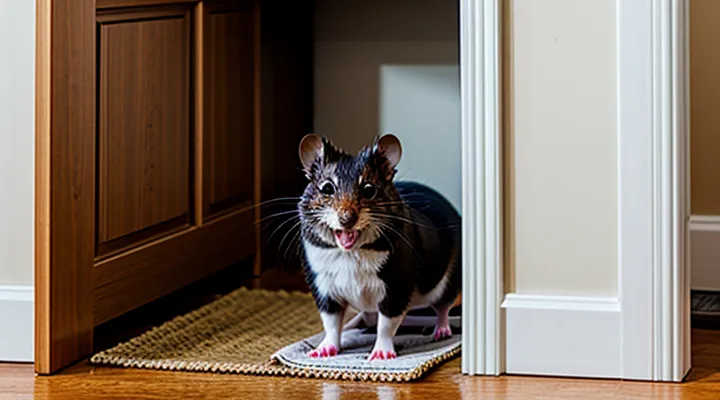
Understanding the Mouse Problem in Apartments
Why Mice Invade Apartments
Food Sources
Mice are drawn to readily available nourishment; eliminating accessible food is the first line of defense in any traditional mouse‑deterrent strategy for an apartment.
- Store dry goods in airtight containers made of glass, metal, or heavy‑wall plastic.
- Keep pantry shelves clean; wipe crumbs after each use.
- Dispose of food waste in sealed bags and remove them from the living area daily.
- Avoid leaving pet food out overnight; feed pets in designated bowls that can be covered or stored in a cabinet.
- Clean up spills on countertops and floors immediately; use a damp cloth rather than sweeping, which can spread residue.
Folk practices often rely on natural repellents that interfere with a mouse’s sense of taste or smell when food is present. Common household items include:
- Peppermint oil – a few drops on cotton balls placed near food storage disrupts the rodent’s olfactory receptors, reducing the likelihood of foraging.
- Cloves or clove oil – strong aromatic compounds mask food odors, making the area less attractive.
- Vinegar solution – wiping surfaces with a 1:1 mixture of white vinegar and water removes lingering scent trails.
- Hot pepper flakes – sprinkling a thin layer around pantry edges creates an irritant barrier that mice avoid.
Consistent application of these measures, combined with strict food hygiene, creates an environment where rodents find little incentive to enter an apartment.
Shelter and Warmth
Mice enter residential spaces primarily to find protected, insulated areas where they can conserve body heat. Their preference for concealed cavities, wall voids, and stored fabrics creates a direct link between the availability of shelter and the likelihood of infestation.
Denial of these micro‑habitats reduces the attraction of the rodents. The following traditional measures target the elimination of warm, hidden spots:
- Seal all gaps larger than ¼ inch with steel wool followed by caulk; steel wool resists gnawing, while caulk prevents re‑entry.
- Install door sweeps and weather‑stripping on exterior doors to block drafts that provide a temperature gradient mice exploit.
- Remove accumulated textiles, cardboard boxes, and loose insulation from closets and under appliances; these materials retain heat and offer nesting sites.
- Store food in airtight containers; residual crumbs raise ambient warmth and draw foraging mice into storage areas.
- Maintain indoor temperature above 68 °F (20 °C) during winter, but avoid localized hot spots near radiators or heating vents that become attractive nesting zones.
- Apply natural repellents such as peppermint oil on potential entry points; the volatile compounds create an environment perceived as uncomfortable, discouraging mice from settling.
By systematically eliminating concealed, thermally favorable locations, homeowners create an environment where mice cannot establish a secure base, thereby reducing the need for more aggressive interventions.
Entry Points
Mice gain access to apartments through small gaps, cracks, and openings that often go unnoticed. Identifying and sealing these entry points is the most reliable preventive measure, especially when combined with time‑tested, non‑chemical deterrents.
Typical ingress locations include:
- Gaps around utility pipes and cables, often less than ¼ inch wide.
- Cracks in foundation walls, window frames, and door thresholds.
- Unsealed vents, exhaust fans, and dryer ducts.
- Openings behind appliances, such as refrigerators and stoves.
- Holes in baseboards, molding, and where cabinets meet the floor.
Traditional methods for blocking these openings rely on readily available materials:
- Apply a mixture of equal parts flour and water to create a paste that hardens into a sealant for narrow cracks.
- Pack cotton balls soaked in peppermint oil into larger gaps; the scent repels rodents while the fibers fill the space.
- Spread a thin layer of powdered chalk or talc along seams; mice avoid walking on the gritty surface.
- Use shredded newspaper mixed with dried lavender buds as a stuffing material for vent covers; the combination creates a physical barrier and emits a deterrent aroma.
- Seal removable panels with a paste of garlic-infused oil and plaster; the strong odor discourages entry while the plaster provides structural closure.
After sealing, inspect the apartment regularly, focusing on high‑traffic zones such as kitchens and storage areas. Promptly repair any new cracks that appear, and maintain the folk deterrents by refreshing aromatic substances every few weeks. This systematic approach minimizes the likelihood of rodent intrusion without reliance on commercial chemicals.
Risks Associated with Mouse Infestations
Health Hazards
Traditional mouse deterrents often involve substances that pose health risks when used inside living spaces.
Inhalation of strong aromatic oils, such as peppermint, eucalyptus, or clove, can irritate the respiratory tract, trigger asthma attacks, and cause headaches. Sensitive individuals may experience bronchospasm or reduced lung function after prolonged exposure.
Skin contact with concentrated essential oil mixtures may lead to dermatitis, chemical burns, or allergic reactions. Direct application to fabrics or surfaces increases the chance of accidental transfer to hands and subsequently to the eyes or mucous membranes.
Ingestion hazards arise when edible items are mixed with deterrent agents. Food contaminated by oil droplets or powdered herbs can cause nausea, vomiting, or gastrointestinal upset, especially in children and pets.
A list of common health hazards associated with folk mouse repellent methods:
- Respiratory irritation from volatile compounds
- Dermatological reactions from direct skin exposure
- Allergic sensitization leading to chronic symptoms
- Gastrointestinal distress from accidental ingestion
- Potential toxicity to pets, particularly cats and small mammals
Improper storage of powdered deterrents, such as dried mint leaves or powdered chili, can generate dust clouds that settle on surfaces, increasing the likelihood of inhalation and eye irritation.
Ventilation, protective gloves, and strict separation of deterrent substances from food preparation areas reduce the probability of adverse health effects.
Property Damage
Mice infiltration frequently results in structural and material deterioration within residential units. Gnawing on electrical wiring can expose conductors, creating fire hazards and costly repairs. Damage to insulation, drywall, and cabinetry compromises thermal efficiency and aesthetic integrity, often requiring replacement of affected sections. Food storage containers and pantry shelves suffer perforations, leading to contamination and waste.
Common household deterrents—such as peppermint oil-soaked cotton balls, dried chilies, or vinegar sprays—aim to discourage rodents without chemical agents. When applied correctly, these methods reduce gnawing activity, limiting the need for extensive repairs. For optimal effect, place deterrents near entry points, along baseboards, and behind appliances where mice travel.
Key considerations for minimizing property damage:
- Seal cracks and gaps larger than ¼ inch to prevent access.
- Keep cluttered areas clear to eliminate hiding spots.
- Rotate natural repellents weekly to maintain scent potency.
- Inspect wiring, pipes, and stored goods regularly for bite marks.
Implementing traditional, non‑toxic repellents alongside rigorous sealing and sanitation curtails the destructive behavior of mice, preserving the integrity of apartment fixtures and reducing repair expenses.
Natural Repellents and Methods
Essential Oils for Mouse Deterrence
Peppermint Oil
Peppermint oil is a widely cited traditional deterrent for rodents in residential settings. The oil’s strong menthol scent overwhelms the olfactory receptors of mice, causing avoidance of treated areas.
Application methods:
- Soak cotton balls in pure peppermint oil and place them in corners, behind appliances, and within wall voids. Replace every three to five days to maintain potency.
- Mix 10‑15 drops of oil with 250 ml of water in a spray bottle. Lightly mist baseboards, entry points, and pantry shelves. Reapply weekly or after cleaning.
- Add a few drops to a diffuser positioned near suspected activity zones to create a continuous vapor barrier.
Effectiveness factors:
- Concentration: undiluted oil on absorbent material yields the strongest repellent effect.
- Coverage: multiple placement points increase the likelihood of creating a scent perimeter that mice perceive as hostile.
- Persistence: oil evaporates quickly; regular replacement is essential for sustained deterrence.
Safety considerations:
- Keep oil out of reach of children and pets; ingestion can cause gastrointestinal irritation.
- Test a small area before extensive use to avoid damage to painted surfaces or plastics.
- Combine with sanitation practices—seal food containers, block entry gaps, and eliminate clutter—to enhance overall results.
Limitations:
- Peppermint oil deters, not eliminates, rodents; persistent infestations may require professional extermination.
- Heavy ventilation can diminish scent intensity, reducing efficacy. Adjust placement accordingly.
Clove Oil
Clove oil is a potent aromatic compound derived from the dried flower buds of Syzygium aromaticum. Its high eugenol content creates a strong scent that mice find intolerable, making it a common element in household pest‑deterrent practices.
Application methods for an apartment setting include:
- Cotton‑ball diffusion: Soak several cotton balls with 5–10 drops of clove oil and place them in corners, behind appliances, and near entry points. Replace every 3–4 days to maintain volatility.
- Spray solution: Mix 20 ml of water with 10–15 drops of clove oil in a spray bottle. Apply the mist on baseboards, window sills, and the interior of cabinets. Re‑spray after cleaning or when the scent fades.
- Gel barrier: Combine equal parts clove oil and petroleum jelly, spread a thin layer along gaps under doors and along pipe penetrations. The sticky medium slows mouse movement while releasing odor.
Effectiveness relies on persistent exposure; mice typically avoid areas where the clove scent exceeds their detection threshold. Studies on eugenol indicate neurotoxic effects on rodents, disrupting their olfactory receptors and reducing foraging activity.
Safety considerations:
- Use in well‑ventilated spaces; high concentrations may irritate respiratory passages.
- Keep away from children, pets, and food preparation surfaces.
- Conduct a patch test on fabrics to prevent discoloration.
When integrated with other traditional deterrents—such as peppermint oil, steel‑wool barriers, and proper sanitation—clove oil contributes to a comprehensive, low‑cost strategy for keeping mice out of residential units.
Eucalyptus Oil
Eucalyptus oil is a widely used plant extract in traditional mouse‑deterrent practices for apartments. Its strong, menthol‑like scent interferes with rodents’ olfactory receptors, causing avoidance of treated areas.
Application methods:
- Soak cotton balls in undiluted eucalyptus oil and place them in corners, behind appliances, and in entry points such as gaps under doors.
- Mix ten drops of eucalyptus oil with 100 ml of water, add a few teaspoons of dish‑washing liquid, and spray the solution along baseboards, window sills, and pantry shelves. Reapply every 48 hours.
- Add five drops of the oil to a small sachet of dried herbs (e.g., lavender or mint) and tuck the sachet into cabinets or drawers where food is stored.
Effectiveness factors:
- Concentration above 5 % essential oil yields detectable odor for mice; lower concentrations lose repellent properties.
- Continuous exposure is required; once the scent dissipates, rodents may return.
- Combining eucalyptus oil with other aromatic deterrents (peppermint, citronella) enhances the overall effect.
Safety considerations:
- Keep oil away from pets, especially cats, as inhalation of concentrated vapors can cause respiratory irritation.
- Avoid direct skin contact; use gloves when handling undiluted oil.
- Ensure proper ventilation after spraying to prevent buildup of strong fumes for occupants.
Eucalyptus oil provides a low‑cost, readily available option for residents seeking non‑chemical means to discourage mice from inhabiting their living spaces. Regular maintenance of the applied treatments sustains the repellent barrier.
Herbal and Plant-Based Solutions
Mint Leaves
Mint leaves are a widely recognized component of traditional household strategies for deterring rodents in a flat. The plant’s strong aromatic compounds, primarily menthol and menthone, interfere with mice’s highly developed sense of smell, causing them to avoid areas where the scent is concentrated.
Application methods:
- Fresh leaves: place a handful in kitchen cabinets, pantry shelves, and behind appliances. Replace every three to five days to maintain potency.
- Dried leaves: fill small breathable bags (e.g., muslin) with dried mint and position them in corners, baseboards, and entry points. Rotate bags weekly.
- Mint-infused water: steep a cup of fresh leaves in hot water for ten minutes, cool, then spray the solution along walls, door thresholds, and crack seams. Reapply after two days or after cleaning.
Effectiveness depends on consistent exposure. Mice quickly habituate to weak odors; therefore, regular replenishment is essential. Mint should not be used as the sole barrier in heavily infested apartments; combine it with sealing entry gaps, proper food storage, and trapping for comprehensive control.
Safety considerations:
- Mint is non‑toxic to humans and pets in typical household quantities.
- Avoid placing large amounts near food preparation surfaces where residue could transfer to meals.
- Store dried bundles out of reach of small children to prevent accidental ingestion.
Limitations:
- Strong ventilation can disperse the scent, reducing deterrent impact.
- Seasonal variations in leaf oil content may affect potency; select mature, aromatic foliage for best results.
Bay Leaves
Bay leaves are a traditional rodent deterrent employed in residential settings. The aromatic compounds released by the leaves, particularly eugenol and other essential oils, create an environment that mice find hostile. When placed strategically, the scent interferes with the animals’ scent‑tracking abilities, reducing the likelihood of intrusion.
Common application methods include:
- Crumbling dried leaves and scattering them in corners, behind appliances, and along baseboards.
- Placing whole leaves in small breathable sachets or mesh bags near known entry points.
- Refreshing the material every two weeks to maintain potency, as the aroma diminishes with exposure to air.
Effectiveness varies with infestation level and environmental conditions. In low‑density situations, bay leaves can contribute to a noticeable decline in mouse activity. For moderate to severe problems, the remedy should be combined with sealing gaps, maintaining cleanliness, and, if necessary, employing traps or professional services.
Precautions involve avoiding direct ingestion by pets or children, as large quantities may cause gastrointestinal irritation. Store the leaves in a dry container to prevent mold growth, which could attract other pests. Bay leaves are inexpensive, non‑toxic, and easy to replace, making them a practical component of an overall rodent‑prevention strategy in apartments.
Chili Powder and Cayenne Pepper
Chili powder and cayenne pepper are widely used in traditional mouse deterrent methods for apartments. Their strong, pungent aroma irritates rodents’ sensitive nasal passages, prompting them to avoid treated areas.
Application methods include:
- Sprinkle a thin layer of chili powder along baseboards, behind appliances, and near suspected entry points. Reapply weekly, especially after cleaning.
- Mix equal parts cayenne pepper and powdered sugar, then dust the blend in corners, under sinks, and around pantry shelves. The sugar attracts mice, while the cayenne discourages feeding.
- Create a paste by blending cayenne with a small amount of water or vinegar. Apply the paste to cracks, holes, and the exterior of trash cans. The moisture helps the mixture adhere longer.
Effectiveness depends on maintaining a consistent barrier; rodents quickly acclimate if the scent dissipates. Avoid placing large quantities on food surfaces; the spices can contaminate consumables and cause irritation to humans and pets. Use gloves during application to prevent skin irritation.
Safety considerations:
- Store unused powder in sealed containers away from children and animals.
- Test a small area on fabrics or painted surfaces to ensure no discoloration occurs.
- Ventilate rooms after application to reduce airborne particles.
Combined with proper sanitation—sealing food, eliminating clutter, and repairing structural gaps—chili powder and cayenne pepper form an inexpensive, low‑toxicity option for discouraging mouse activity in residential settings.
Household Items as Deterrents
Ammonia
Ammonia emits a strong, pungent odor that mice find intolerable. When placed in an apartment, it creates an environment that discourages rodents from entering or remaining in treated areas.
Typical application methods include:
- Soaking cotton balls or small cloth pieces in undiluted ammonia and positioning them in corners, behind appliances, and along baseboards.
- Filling shallow containers with ammonia and placing them on shelves or under cabinets where mouse activity has been observed.
- Adding a few drops of ammonia to a spray bottle filled with water, shaking well, and misting seams, cracks, and entry points; the scent persists after the liquid evaporates.
Effectiveness relies on maintaining a continuous scent. Ammonia evaporates quickly, so replacement every 24–48 hours is advisable in well‑ventilated spaces. In sealed rooms, a single application may last longer but increases the risk of inhalation irritation.
Safety considerations:
- Avoid direct skin contact; wear gloves when handling the liquid.
- Keep containers out of reach of children and pets, as ingestion or inhalation can cause burns and respiratory distress.
- Ensure adequate ventilation during and after application to prevent buildup of irritating fumes.
Limitations:
- Ammonia does not kill mice; it only deters them temporarily.
- Strong odor may be unpleasant to occupants and can linger on fabrics or surfaces.
- Repeated use may lead rodents to habituate, reducing the repellent effect over time.
For sustained control, combine ammonia with other traditional deterrents—such as peppermint oil, steel wool barriers, and proper sanitation—to create multiple sensory obstacles that reduce the likelihood of infestation.
Fabric Softener Sheets
Fabric softener sheets can serve as a low‑cost, odor‑based deterrent against house mice in residential units. The sheets release a strong fragrance, often containing chemicals such as linalool or citronella, which mice find unpleasant. Placing the sheets in strategic locations—near entry points, behind appliances, and within pantry aisles—creates a scented barrier that discourages foraging.
To employ this method effectively:
- Choose sheets with a potent, long‑lasting scent; avoid lightly scented varieties.
- Position one sheet per 1‑2 ft² of potential travel path.
- Replace sheets every 7‑10 days to maintain intensity.
- Combine with sealing of cracks and removal of food residues for optimal results.
The approach offers several advantages: minimal expense, easy application, and no need for chemicals that pose health risks to humans or pets. However, the scent may diminish in humid environments, and mice can become habituated if the odor is not refreshed regularly. Users should monitor activity levels and adjust placement or supplement with additional traditional deterrents, such as steel wool or peppermint oil, when necessary.
Steel Wool and Caulk for Sealing
Mice exploit openings as small as a quarter‑inch, making thorough sealing a prerequisite for any household deterrent strategy. Steel wool and caulk together create a physical and flexible barrier that blocks entry while resisting gnawing.
Steel wool offers immediate resistance to rodent teeth. Cut the material to fit the width of the gap, compress it tightly into the opening, and secure it with a thin bead of caulk to prevent displacement. The dense fibers bite into the rodents’ incisors, causing discomfort that discourages further attempts.
Caulk seals residual spaces around the steel wool and around any other fissures. Choose a silicone‑based or polyurethane product for durability and elasticity. Apply a continuous line along the edge of the steel wool, smooth it with a fingertip or tool, and allow it to cure fully before exposing the area to moisture or temperature fluctuations.
- Identify all gaps around pipes, vents, and structural joints.
- Insert appropriately sized steel wool into each opening.
- Apply a bead of caulk over the wool and any remaining cracks.
- Smooth the caulk, remove excess, and let it cure according to manufacturer instructions.
Regular inspection of sealed points ensures the barrier remains intact; replace damaged steel wool and re‑caulk any areas that show wear. Combining these two materials provides a reliable, low‑cost solution for preventing mouse intrusion in an apartment setting.
Implementing Folk Remedies Effectively
Preparation and Application Techniques
Strategic Placement of Repellents
Strategic placement maximizes the effectiveness of traditional mouse deterrents in a residential setting. Position repellents where rodents are most likely to travel or establish a nest, and ensure continuous exposure without obstructing daily activities.
- Near all known entry points: gaps under doors, cracks around windows, and utility openings. Apply a thin layer of peppermint oil-soaked cotton or place dried mint leaves directly in these openings.
- Along established pathways: walls adjacent to kitchen cabinets, pantry shelves, and garbage disposal areas. Distribute small sachets of dried rosemary or cloves at regular intervals (approximately 30 cm apart) to create an uninterrupted scent barrier.
- At potential nesting sites: corners of closets, behind appliances, and under furniture legs. Position a few drops of clove oil on cotton balls or hang a bundle of lavender sprigs to deter settlement.
- Beneath sinks and behind plumbing fixtures: rodents often exploit moisture sources. Place a shallow dish of vinegar or a few drops of eucalyptus oil on the cabinet floor to exploit the aversion to strong volatile compounds.
Different folk repellents require tailored positioning. Liquid essential oils evaporate quickly; reapply every 48 hours and place absorbent material in areas with limited airflow to prolong potency. Dried herbs retain scent longer; refresh them monthly and protect from direct sunlight to avoid degradation. Physical deterrents such as steel wool or copper mesh should be inserted directly into holes, while ultrasonic devices benefit from placement at ceiling height to cover larger volumes.
Regular inspection confirms that repellents remain active and that no new entry points have emerged. Replace spent materials promptly, seal any fresh gaps, and adjust the layout if rodents appear to circumvent existing barriers. Consistent, evidence‑based arrangement sustains a hostile environment for mice without reliance on chemical poisons.
Ensuring Proper Ventilation
Proper ventilation reduces humidity and eliminates stagnant air, conditions that attract rodents. Fresh airflow dries stored food containers, discourages nesting material, and disperses scent markers that mice use to communicate.
- Keep windows open for at least two hours daily, especially in kitchens and pantry areas.
- Install exhaust fans above stoves and sinks; run them while cooking to remove food odors.
- Use a dehumidifier in damp rooms; set humidity below 50 % to inhibit mouse activity.
- Place vent grilles on interior doors to allow cross‑drafts without compromising security.
Air movement also enhances the effectiveness of traditional repellents. Diffusing peppermint oil, dried lavender, or crushed mint leaves works best when carried by a steady breeze. Position small bowls of these herbs near vents or under exhaust fans so the scent spreads throughout the apartment.
Seal gaps around ventilation ducts with silicone caulk to prevent rodents from entering through these openings. Regularly inspect and clean filters; clogged filters reduce airflow and create hidden pockets where mice can hide.
By maintaining consistent ventilation, an apartment becomes less hospitable to mice, supporting the broader strategy of natural rodent deterrence.
Safety Considerations for Folk Remedies
Pet and Child Safety
Traditional rodent deterrents are attractive because they avoid chemicals, but their safety for children and pets requires strict control. When natural substances are placed within living spaces, the risk of ingestion, skin irritation, or respiratory distress rises if concentrations are excessive or if the material is accessible.
Pet and child safety depends on three factors: toxicity of the repellent, placement out of reach, and supervision during use. Essential guidelines include measuring essential oils to no more than one drop per 100 ml of water, storing all containers in locked cabinets, and monitoring animals for signs of discomfort such as excessive licking or sneezing.
- Peppermint oil spray diluted 1 % (1 ml oil in 100 ml water); apply to exterior of cabinets, under sinks, and behind appliances.
- Dried lavender bundles placed in high, inaccessible shelves; replace monthly to maintain scent potency.
- Crushed cloves scattered on the floor of unused rooms; vacuum after 48 hours to remove residue.
- Catnip leaves hung in mesh bags near entry points; safe for cats, ineffective for other pets.
Protective practices:
- Keep all mixtures away from food preparation surfaces and children's play areas.
- Use child‑proof containers with sealed lids; label each with “repellent – not for consumption.”
- Observe pets for excessive grooming of treated surfaces; discontinue use if irritation occurs.
- Maintain ventilation by opening windows for at least 15 minutes after application; this reduces inhalation risk.
Adhering to these measures ensures that folk rodent‑deterring techniques do not compromise the health of vulnerable household members.
Potential Allergies
When using traditional mouse‑deterrent methods in a dwelling, it is essential to recognize substances that may trigger allergic responses. Natural repellents often contain plant extracts, essential oils, or mineral powders that can sensitize occupants or pets.
Common allergenic components include:
- Peppermint oil – high concentration of menthol can cause skin irritation, respiratory discomfort, or contact dermatitis in sensitive individuals.
- Lavender oil – linalool and linalyl acetate may provoke allergic rhinitis or urticaria.
- Citrus peels – limonene and other terpenes are known contact allergens, especially when applied to surfaces that are frequently touched.
- Ground cayenne or chili powder – capsaicin can irritate mucous membranes and provoke asthma attacks in predisposed users.
- Boric acid – dust particles may be inhaled, leading to hypersensitivity pneumonitis in susceptible people.
Precautionary measures:
- Conduct a patch test on a small skin area before widespread application of any oil‑based repellent.
- Ensure adequate ventilation during and after treatment to disperse volatile compounds.
- Store powdered substances in sealed containers to prevent airborne dispersion.
- Keep pets away from treated zones, as animal skin is often more reactive to irritants.
- Document any adverse reactions, including sneezing, itching, or wheezing, and discontinue use immediately.
Understanding the allergenic potential of folk mouse‑deterrent agents helps maintain a safe indoor environment while preserving the effectiveness of non‑chemical pest control.
Monitoring and Maintenance
Regular Inspection
Regular inspection forms the backbone of any effective traditional strategy for keeping mice out of a flat. By systematically checking vulnerable points, residents identify and eliminate conditions that attract rodents before they become infestations.
- Examine walls, baseboards, and ceiling edges for tiny entry holes; seal gaps with steel wool and natural sealants such as beeswax mixed with linseed oil.
- Inspect kitchen cabinets and pantry shelves weekly; remove food residues, store dry goods in airtight glass containers, and wipe surfaces with vinegar‑water solution.
- Survey utility areas (under sinks, behind appliances) for moisture buildup; fix leaks promptly and place dried herbs like mint or lavender in damp corners to create an unfavorable scent.
- Check windowsills and door thresholds for cracks; apply a thin layer of chalk powder, which mice avoid, and reinforce with natural caulk.
- Conduct a monthly sweep of storage rooms and closets; clear clutter, discard stale items, and scatter crushed garlic cloves or dried rosemary to reinforce repellent odors.
Consistent execution of these inspections disrupts mouse activity cycles, ensuring that folk deterrents remain effective and that the living environment stays rodent‑free.
Replenishing Repellents
Effective mouse deterrence relies on continuous potency of natural repellents. Once a scent or barrier loses intensity, rodents resume activity, making regular renewal essential.
- Peppermint oil: apply 10 ml to cotton balls, place in corners, behind appliances, and near entry points. Replace every 3‑4 days or when fragrance fades.
- Clove powder: sprinkle a thin layer along baseboards and window sills. Refresh weekly, especially after cleaning or ventilation.
- Dried lavender bundles: hang at ceiling corners and within cabinets. Swap out after two weeks, or when aroma diminishes.
- Citrus peel strips: affix fresh peels to the inside of doors and pantry shelves. Replace every five days; discard wilted pieces promptly.
- Chili‑pepper slurry: mix equal parts ground cayenne and water, spray onto cracks and gaps. Reapply after each cleaning cycle or when visible residue disappears.
Maintain a schedule aligned with household cleaning routines. Record dates of each application to avoid lapses. Store spare supplies in airtight containers to prevent premature evaporation. Regular inspection of repellent locations ensures no displacement or contamination, preserving the deterrent effect throughout the living space.
Preventive Measures to Complement Folk Remedies
Sanitation and Food Storage
Proper Food Storage Containers
Proper food storage containers are essential for preventing mice from accessing edible attractants in a dwelling. Airtight containers made of glass, heavy‑wall plastic, or stainless steel eliminate gaps through which rodents can sniff and gnaw. Sealed lids with locking mechanisms create a barrier that mice cannot breach, reducing the scent that draws them into kitchens and pantries.
Key characteristics of effective containers include:
- Rigid construction that resists chewing
- Silicone or rubber gasket that forms a complete seal
- Transparent material for easy inspection without opening
- Labels indicating contents and expiration dates to avoid accidental exposure
Maintaining a disciplined routine—transferring dry goods, grains, and leftovers into these containers immediately after purchase—removes food odors and crumbs that serve as primary lures for mice. Regularly inspecting containers for cracks or worn seals ensures the barrier remains intact, supporting a long‑term, low‑tech strategy for discouraging rodent activity in residential spaces.
Regular Cleaning Practices
Regular cleaning eliminates food residues that attract rodents, reducing their incentive to enter living spaces.
- Remove crumbs and spilled food immediately after meals.
- Store dry goods in airtight containers; avoid open bags of cereal, rice, or pasta.
- Sweep kitchen floors daily; mop weekly with a solution of vinegar and water to disrupt scent trails.
- Dispose of garbage nightly in sealed bags; keep outdoor bins sealed and away from doors.
- Clean under appliances, behind cabinets, and inside pantry shelves; vacuum corners to extract hidden particles.
- Wash dishes promptly; avoid leaving dishes in the sink overnight.
Consistent sanitation deprives mice of nourishment and disrupts their navigation cues, making apartments less hospitable for infestations.
Sealing Entry Points
Identifying Gaps and Cracks
Effective natural mouse deterrence depends on eliminating entry points. Small openings allow rodents to bypass even the strongest aromatic barriers, rendering herbal sprays, pepper sachets, or ultrasonic devices ineffective. Therefore, a systematic inspection of the apartment’s envelope is the first prerequisite for any folk‑based repellent strategy.
Typical locations where mice exploit structural weaknesses include:
- Gaps around baseboards and floor joists
- Cracks in plaster or drywall near corners
- Openings around utility pipes, cables, and vent ducts
- Spaces beneath doors and window frames
- Holes in exterior siding, brick mortar, or balcony railings
Detecting these defects requires tactile and visual assessment. Run a fingertip along baseboards and corners; any audible squeak or airflow indicates a breach. Use a thin piece of cardboard or a flashlight to probe behind appliances and inside cabinets. Once identified, seal each opening with materials compatible with folk methods: apply a mixture of flour, water, and a few drops of essential oil to create a paste that hardens like plaster; insert cotton balls soaked in peppermint or clove oil into larger cavities before sealing; use natural wax or beeswax strips to cover gaps around pipes. After sealing, monitor the treated areas weekly for new signs of activity and reapply aromatic agents as needed to maintain deterrent potency.
DIY Sealing Solutions
Sealing entry points eliminates the most reliable pathway for rodents to invade living spaces. Identify gaps around baseboards, window frames, utility penetrations, and vent openings. Use a flashlight and a thin rod to probe for openings larger than a quarter‑inch.
Materials suitable for a DIY approach include:
- Steel wool or copper mesh for irregular cracks
- Expanding foam sealant for larger voids
- Silicone or acrylic caulk for smooth surfaces
- Weather‑stripping tape for doors and windows
- Concrete patch or mortar for foundation fissures
Application steps:
- Clean the area to remove dust, debris, and loose material.
- Pack steel wool tightly into the gap, then apply caulk to cover and secure it.
- For openings exceeding one inch, inject expanding foam, allow it to cure, then trim excess with a utility knife.
- Seal joints around doors and windows with weather‑stripping, ensuring a continuous barrier.
- Apply concrete patch to foundation cracks, smooth the surface, and let it cure fully before repainting.
Regular inspection—monthly in high‑traffic zones and after seasonal changes—maintains the integrity of the seal. Prompt repair of newly discovered gaps prevents re‑infestation without reliance on chemical deterrents.
Outdoor Considerations for Apartment Living
Managing Outdoor Clutter
Managing clutter in the immediate outdoor area of an apartment building reduces shelter and food sources for mice, thereby enhancing the effectiveness of traditional mouse‑repelling practices used inside the dwelling.
- Remove piles of leaves, branches, and garden debris within two meters of building walls.
- Trim vegetation that touches the exterior, preventing rodents from using it as a bridge.
- Store firewood, compost, and recycling containers on raised platforms with tight‑fitting lids.
- Seal gaps under exterior doors and windows, and install weather‑stripping to block entry points created by accumulated rubbish.
- Regularly clean gutters and downspouts to eliminate damp material that attracts rodents.
Implementing these measures creates a hostile perimeter, supporting folk deterrents such as strong herbs, ultrasonic devices, and natural predators, and minimizes the likelihood of mice infiltrating the apartment.
Addressing Neighboring Issues
When a household adopts traditional mouse deterrents, the effectiveness often depends on the condition of adjacent units. Mice readily cross thin walls, shared vents, and utility shafts; a remedy applied in one flat may be undermined by an untreated neighbor. Consequently, addressing neighboring concerns becomes a prerequisite for sustainable pest control.
Open communication with adjacent renters or owners establishes a coordinated approach. Share observations of mouse activity, discuss the natural substances being used, and agree on a timeline for implementation. Joint monitoring reduces the risk of reinfestation through gaps left by isolated efforts.
Common folk methods that benefit from neighbor cooperation include:
- Peppermint oil diffusion: Place cotton balls soaked in the oil near shared wall gaps; coordinated placement creates a continuous scent barrier.
- Clove or cinnamon sachets: Hang sachets in common corridors or ventilation openings, ensuring consistent coverage across units.
- Ground steel wool plugs: Insert steel wool into any accessible holes in shared plumbing or wiring conduits; collective sealing prevents mice from exploiting neighboring openings.
If a neighbor declines participation, document the situation and, if necessary, involve building management. Formal requests for maintenance can compel the landlord to address structural vulnerabilities that facilitate rodent movement. By treating the apartment complex as a unified environment, folk deterrents achieve the intended protective effect without being compromised by isolated neglect.