
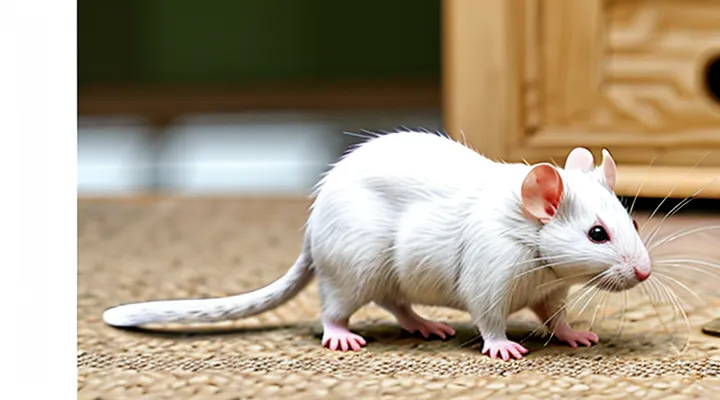
White Decorative Rat: An Overview
What Makes Them Unique?
Physical Characteristics
The white decorative rat is a medium‑sized rodent, typically measuring 20–25 cm from nose to base of tail and weighing 250–300 g. Its most distinctive feature is a pure, dense coat lacking pigment, which gives a bright, almost albino appearance. Eyes are dark and alert, contrasting sharply with the coat; ear size is proportionate to head length, and the ears are covered with fine, short hair. The tail is long, slender, and hairless, ranging from 15 to 20 cm, with a slightly tapered tip. Skeletal structure mirrors that of standard fancy rats, providing agility and balance.
Key physical parameters:
- Body length: 20–25 cm (nose to tail base)
- Tail length: 15–20 cm, hairless, tapered
- Weight: 250–300 g, variable with age and diet
- Coat: pure white, dense, short, lacking pigment cells
- Eyes: dark, medium‑sized, high contrast to coat
- Ears: moderate size, covered with fine hair
The lack of pigment makes the skin more susceptible to sunburn; exposure to direct sunlight should be limited. Dental structure remains typical, with continuously growing incisors that require regular gnawing material to prevent overgrowth. The coat’s density provides insulation but can trap moisture; proper humidity control prevents skin irritation and fungal issues.
Temperament and Personality
White decorative rats exhibit a calm yet inquisitive disposition. They readily form bonds with human caregivers and respond positively to regular, gentle handling. Their social nature drives them to seek interaction with both conspecifics and people, reducing the likelihood of loneliness‑related stress.
Intelligence manifests in problem‑solving abilities; individuals can navigate simple mazes, manipulate objects, and learn tricks when rewarded consistently. Curiosity encourages exploration of enriched environments, making tunnels, chew toys, and climbing structures essential for mental stimulation.
Key personality characteristics include:
- Sociability: prefers companionship, thrives in pairs or small groups.
- Affection: enjoys being stroked, held, and spoken to in a calm voice.
- Playfulness: engages in active bouts of running, climbing, and gentle wrestling.
- Sensitivity: may become timid if exposed to abrupt noises or sudden movements.
- Adaptability: adjusts to changes in routine when introduced gradually.
Variations occur among individuals; some display higher assertiveness, while others remain more reserved. Recognizing these nuances allows owners to tailor interaction and environmental enrichment, fostering stable, confident pets.
Preparing for Your New Companion
Essential Supplies
Cage Selection
Choosing an appropriate enclosure is essential for the health and well‑being of a white decorative rat. The cage must accommodate the animal’s activity level, provide safe materials, and allow easy maintenance.
A suitable cage should meet the following specifications:
- Minimum dimensions: 24 in × 18 in × 18 in (length × width × height) for a single rat; increase floor space by 25 % for each additional rat.
- Solid, chew‑resistant base: hard‑plastic, stainless steel, or untreated wood with no toxic finishes.
- Ventilation: multiple wire panels with spacing no larger than ½ in to prevent escape while ensuring airflow.
- Secure latch system: spring‑loaded or lockable clips that resist tampering.
- Easy‑to‑clean design: removable trays, smooth interior surfaces, and detachable doors for thorough disinfection.
Flooring should consist of solid material rather than wire mesh, which can cause foot injuries. Provide a layer of unscented, absorbent bedding such as shredded paper or aspen shavings; replace regularly to control odor and moisture.
Incorporate enrichment items that attach securely to the cage frame: climbing ladders, tunnels, and chewable toys. Position these elements to create multiple levels, encouraging natural foraging and climbing behaviors.
Regular inspection of the cage for sharp edges, loose wires, or worn components prevents injuries. Replace damaged parts promptly and rotate accessories to maintain stimulation.
By adhering to these criteria, owners ensure a safe, spacious, and hygienic environment that supports the physical and mental health of white decorative rats.
Size and Bar Spacing
White ornamental rats reach an adult body length of 20–25 cm, not including the tail, and weigh between 150 g and 250 g. Males are generally larger than females, but both sexes require ample floor space to move comfortably. A single rat needs a minimum of 0.5 m² of horizontal area; a pair benefits from at least 0.8 m².
Bar spacing directly affects safety and containment. Bars set wider than 0.5 cm allow the animal’s head and forepaws to slip through, increasing the risk of escape and injury. Bars set narrower than 0.3 cm may cause claw overgrowth and restrict airflow. The optimal range is 0.4–0.45 cm.
- Minimum cage dimensions for one adult: 60 cm × 45 cm × 45 cm (L × W × H).
- Recommended bar spacing: 0.4 cm (horizontal) and 0.5 cm (vertical).
- Cage height should provide at least 30 cm of vertical space to accommodate climbing and enrichment structures.
Enclosures that meet these size and spacing specifications support healthy musculoskeletal development, prevent accidental escapes, and allow the placement of enrichment items without compromising safety.
Cage Types
Choosing an appropriate enclosure is critical for the health and wellbeing of a white decorative rat. The cage must provide sufficient space, secure ventilation, and durable construction to prevent escape and injury. Material selection influences cleaning frequency, odor control, and the ability to attach enrichment accessories.
- Wire cages – Offer excellent airflow; require a solid base to protect paws from bar injuries. Minimum floor area of 0.5 sq ft per animal and a height of at least 12 inches prevent climbing accidents. Choose stainless steel or coated wire to resist rust.
- Glass aquariums – Provide a clear view and easy cleaning; lack natural ventilation, necessitating additional airflow holes or a mesh lid. Minimum dimensions of 18 × 12 × 12 inches accommodate one rat; larger units are advisable for groups.
- Plastic modular cages – Lightweight and stackable; often feature built‑in ramps and hideaways. Ensure the plastic is BPA‑free and free of sharp edges. Recommended floor space matches that of wire cages, with a minimum height of 10 inches.
- Hybrid enclosures – Combine a wire frame with a solid floor panel or acrylic front. Offer balanced ventilation and visibility. Verify that the frame spacing does not exceed 0.5 inches to prevent squeezing.
For optimal results, select a cage that exceeds the minimum size requirements, incorporates a secure latch, and allows easy attachment of chew toys, tunnels, and nesting material. Regularly inspect bars, hinges, and seals for wear, and replace any compromised components promptly. Maintaining a clean, well‑ventilated environment reduces respiratory issues and supports the rat’s natural activity levels.
Bedding Options
Bedding provides insulation, absorbs waste, and helps control odor in a white decorative rat’s enclosure. Choose material that is dust‑free, non‑toxic, and easy to replace.
- Aspen shavings: low in aromatic oils, gentle on respiratory system, moderate absorbency. Replace weekly to prevent moisture buildup.
- Paper pulp pellets: highly absorbent, virtually dust‑free, biodegradable. Require occasional fluffing to maintain texture.
- Coconut fiber (coir): natural, retains moisture without becoming soggy, offers a soft surface for nesting. Must be kept dry; replace every two weeks.
- Hemp bedding: strong absorbency, minimal dust, renewable source. Needs regular stirring to avoid clumping.
Avoid cedar or pine shavings; volatile compounds can irritate the rat’s delicate respiratory passages. When introducing a new substrate, observe the animal for signs of discomfort and adjust accordingly. Maintain a depth of 1–2 inches to allow digging behavior while ensuring easy cleaning. Regular spot cleaning of soiled areas extends the life of the bedding and reduces the frequency of full changes.
Food and Water Dishes
A white decorative rat requires sturdy, easy‑to‑clean dishes that accommodate its small size and active feeding habits. Ceramic or high‑grade melamine bowls are preferred because they resist gnawing and do not leach chemicals. Stainless‑steel dishes are also suitable; they are durable, dishwasher‑safe, and maintain a cool surface for water.
Food dishes should be shallow, with a diameter of 4–5 cm, allowing the rat to reach the contents without excessive effort. Water containers must be shallow enough to prevent tipping but deep enough to hold at least 30 ml of fresh water, reducing the frequency of refills. A weighted base or a non‑slip silicone mat underneath both dishes prevents displacement during play.
Regular maintenance is critical. Clean dishes with warm, unscented soap after each refill; rinse thoroughly to eliminate residue. Disinfect weekly with a diluted white‑vinegar solution (1 part vinegar to 4 parts water) and rinse again before refilling. Replace dishes showing cracks, chips, or signs of wear to avoid injury or contamination.
Practical recommendations
- Use separate dishes for dry food and fresh vegetables to preserve texture and prevent spoilage.
- Position dishes on opposite sides of the cage to reduce competition and encourage orderly eating.
- Provide a second water source in a different location for backup if the primary container becomes contaminated.
- Rotate the placement of dishes periodically to stimulate exploration and prevent habit formation that may lead to overgrazing of a single area.
Enrichment and Toys
Enrichment is essential for the well‑being of decorative rats, providing mental stimulation, encouraging natural foraging behavior, and preventing stress‑induced health issues. Items should be safe, non‑toxic, and sized to prevent choking or accidental ingestion of small parts.
- Chewable objects: Untreated wooden blocks, natural branches, and mineral chews support dental health and satisfy gnawing instincts.
- Puzzle feeders: Small PVC tubes or plastic containers with hidden treats encourage problem‑solving and prolong feeding time.
- Climbing structures: Ladder rungs, rope bridges, and angled platforms create vertical space, allowing rats to explore height and improve agility.
- Tunnels and hideaways: Flexible fabric tubes, cardboard tunnels, and solid hide boxes offer shelter and opportunities for burrowing play.
- Interactive toys: Small balls with bells, lightweight mirrors, and safe plastic wheels provide motion and visual interest.
Rotate toys weekly to maintain novelty and monitor each item for wear or damage. Replace any broken pieces immediately to avoid injury. Clean reusable toys with mild soap and hot water; discard disposable items after a single use. Provide a variety of textures and challenges within the cage to replicate the complexity of a natural environment and promote healthy, active behavior.
Setting Up the Habitat
Ideal Cage Placement
The cage for a white decorative rat should be positioned where temperature, lighting, and security are optimal. Avoid drafts, direct sunlight, and high‑traffic areas that cause stress. Place the enclosure on a solid, level surface such as a sturdy table or low shelf that remains stable when the animal moves.
Key placement factors:
- Temperature stability – keep the cage away from windows, heating vents, and air‑conditioner exhausts to maintain a consistent ambient range of 65‑75 °F (18‑24 °C).
- Quiet environment – select a location with minimal sudden noises and limited foot traffic to reduce anxiety.
- Accessibility – ensure the cage is at a height that allows easy cleaning, feeding, and interaction without requiring excessive bending or reaching.
- Safety – position the cage away from cords, chemicals, and other pets that could pose a hazard.
Regularly monitor the chosen spot for changes in temperature, humidity, or disturbances. Adjust placement promptly if any condition deviates from the recommended parameters to preserve the rat’s health and well‑being.
Creating a Stimulating Environment
White decorative rats thrive when their enclosure offers constant mental and physical challenges. A lack of stimulation can lead to stereotypic behaviors, reduced appetite, and weakened immune response.
- Multi‑level platforms constructed from untreated wood or acrylic provide climbing opportunities.
- PVC or cardboard tunnels mimic burrow systems and encourage exploration.
- Natural chew items such as untreated willow branches, apple wood sticks, or mineral blocks satisfy gnawing instincts and protect dental health.
- Puzzle feeders that release small portions of seed mix when manipulated promote problem‑solving skills.
Social interaction remains a core component of enrichment. Housing rats in compatible pairs or small groups reduces stress and reinforces natural hierarchy. Regular, gentle handling sessions improve trust and habituate the animals to human contact, which is essential for health checks and grooming.
Sensory variety enhances environmental richness. Rotate bedding textures between paper, aspen shavings, and coconut fiber to stimulate tactile perception. Introduce safe, novel scents—citrus peel, fresh herbs, or diluted essential oils—on a limited schedule to prevent desensitization. Low‑volume ambient sounds, such as soft classical music, can provide auditory stimulation without causing alarm.
Maintenance of enrichment items is critical. Clean all accessories weekly, replace worn chew objects, and introduce new elements every two to three weeks to sustain curiosity. Monitoring the rats’ interaction with each item allows quick identification of preferences and potential hazards, ensuring a safe and engaging habitat.
Daily Care and Maintenance
Nutrition
Staple Diet
White decorative rats require a balanced staple diet that supplies protein, fiber, vitamins, and minerals essential for growth, reproduction, and immune function. Commercially formulated rodent pellets or blocks should form the foundation of daily intake; these products are calibrated to provide consistent nutrient levels and reduce the risk of deficiencies. Offer the pellet portion in a measured amount that matches the animal’s weight—approximately 10 g per 100 g of body mass, divided into two feedings per day.
Supplement the pellet base with fresh, low‑sugar produce and occasional protein treats. A typical rotation includes:
- Leafy greens (e.g., romaine lettuce, kale) – a small handful, washed and trimmed, offered daily.
- Non‑citrus vegetables (e.g., carrots, bell peppers, broccoli) – 1–2 tbsp per rat, rotated to prevent monotony.
- Fruit slices (e.g., apple, pear, berries) – limited to 1 tsp per rat, 2–3 times weekly, to avoid excess sugar.
- Cooked lean protein (e.g., boiled egg white, plain chicken) – ½ tsp per rat, 1–2 times weekly for breeding or growth phases.
Water must be available at all times in a clean, stainless‑steel bottle; replace it daily and inspect the dispenser for leaks. Remove uneaten fresh foods within two hours to prevent spoilage and bacterial growth. Avoid high‑fat items (nuts, seeds, cheese), sugary treats, and any processed human foods containing additives, as these can lead to obesity and digestive disturbances. Regularly monitor body condition and adjust portion sizes to maintain a healthy weight.
Safe Treats and Supplements
Safe treats for decorative white rats should be nutritionally appropriate, free of toxic additives, and offered in moderation. Fresh fruits such as apple slices (core removed), blueberries, and banana chunks provide natural sugars and vitamins. Vegetables like steamed carrots, broccoli florets, and spinach supply fiber and micronutrients. Protein sources may include boiled egg whites, low‑fat plain yogurt, and cooked chicken breast without seasoning. All treats must be washed, peeled when necessary, and cut into bite‑size pieces to prevent choking.
Supplements support health when the regular diet lacks specific nutrients. A high‑quality, rodent‑formulated multivitamin can fill gaps in vitamins A, D, E, and B‑complex. Calcium carbonate powder, measured at 0.1 % of daily food weight, maintains bone integrity. Omega‑3 fatty acids, delivered via fish‑oil capsules or algae oil, promote skin and coat condition; dosage should not exceed 5 mg per kilogram of body weight. Probiotic powders, added to water or food at manufacturer‑recommended levels, aid digestive balance.
Feeding schedule influences safety. Offer treats no more than 10 % of total caloric intake, divided into two small portions per day. Supplements should be administered according to product instructions, preferably with the main meal to enhance absorption. Observe each rat for signs of gastrointestinal upset, allergic reaction, or weight change; adjust quantities promptly.
Maintain a clean environment. Remove uneaten treats within two hours to prevent spoilage and bacterial growth. Store fresh produce in the refrigerator, sealed in airtight containers, and rotate stock to ensure freshness. Regularly review ingredient lists for hidden sugars, artificial sweeteners, or preservatives that could harm the animal.
Foods to Avoid
White decorative rats require a diet that excludes items harmful to their digestive and metabolic systems. Certain foods can cause gastrointestinal distress, obesity, or toxic reactions and must be eliminated from the daily menu.
- Processed meats (ham, bacon, sausage) – high fat and sodium content can lead to liver strain and hypertension.
- Citrus fruits (oranges, lemons, grapefruits) – acidic compounds irritate the stomach lining and may cause ulceration.
- Chocolate and caffeine – contain theobromine and caffeine, which are neurotoxic to rodents.
- Raw beans and legumes – contain lectins that are poisonous unless thoroughly cooked.
- Avocado (especially skin and pit) – persin toxin can cause respiratory distress and heart damage.
- Dairy products (milk, cheese, yogurt) – many rats are lactose intolerant; ingestion results in diarrhea and dehydration.
- Sugary snacks and candy – rapid blood‑sugar spikes promote obesity and dental decay.
- Salted nuts and peanuts – excessive sodium and aflatoxin risk impair kidney function.
- Onion, garlic, and chives – organosulfoxides damage red blood cells, leading to anemia.
- Moldy or spoiled food – mycotoxins cause liver failure and neurological symptoms.
Eliminating these items supports optimal health, maintains stable body weight, and reduces the likelihood of acute poisoning. Regularly review the rat’s diet to ensure only safe, nutritionally balanced foods are offered.
Hygiene and Grooming
Cage Cleaning Schedule
A regular cleaning routine prevents odor buildup, disease transmission, and material degradation in the habitat of a white decorative rat.
Daily tasks
- Remove uneaten food, fresh fruits, and vegetables.
- Spot‑clean bedding, discarding soiled sections and adding fresh material.
- Refresh water bottles and check for leaks.
- Inspect the enclosure for droppings on the cage walls, doors, and accessories; wipe with a mild, pet‑safe disinfectant.
Weekly tasks
- Empty the entire cage, discarding all bedding.
- Wash the cage interior, bars, and all accessories with warm water and a non‑abrasive detergent; rinse thoroughly.
- Sanitize water bottles, food dishes, and chew toys by soaking in a diluted bleach solution (1 % concentration) for five minutes, then rinsing.
- Replace the entire bedding layer with fresh, absorbent substrate.
- Examine structural components for wear; tighten loose bolts and replace damaged parts.
Monthly tasks
- Disassemble the cage to clean hard‑to‑reach corners, hinges, and locks.
- Treat the cage frame with a veterinary‑approved sanitizer to eliminate lingering pathogens.
- Inspect ventilation slots for blockages; clear debris to maintain airflow.
- Rotate or replace enrichment items that show signs of wear or mold growth.
Consistent adherence to this schedule reduces stress for the animal, extends the lifespan of cage components, and supports a hygienic environment. Use a calendar or digital reminder to track each interval and ensure no step is missed.
Rat Grooming Needs
White decorative rats require regular grooming to maintain coat health and prevent skin problems. Their light-colored fur reveals dust and oil buildup more quickly than darker varieties, making consistent care essential.
- Brush the coat 2‑3 times weekly with a soft, pet‑safe brush to remove loose hair and distribute natural oils.
- Trim nails every 4‑6 weeks; overgrown claws can impede movement and cause injuries.
- Inspect ears weekly for wax or debris; clean gently with a cotton swab dampened with a veterinarian‑approved solution.
- Check the ventral area for urine stains or matting; wipe with a damp cloth and dry thoroughly.
Bathing should be rare. Limit full baths to once every three months, using lukewarm water and a mild, rodent‑specific shampoo. Rinse completely to avoid residue, then towel‑dry and place the rat in a warm, draft‑free environment until fully dry.
Regular grooming also serves as a health check. Observe the coat for bald patches, excessive shedding, or parasites. Notice any changes in skin texture, redness, or odor, and consult a veterinarian promptly. Consistent grooming supports overall well‑being and complements other aspects of care and housing for these animals.
Health and Wellness
Common Health Issues
White decorative rats are prone to several health problems that require prompt identification and treatment. Respiratory infections, often caused by Mycoplasma pulmonis or viral agents, present with sneezing, nasal discharge, and labored breathing. Early veterinary assessment and appropriate antibiotics or supportive care improve outcomes.
Dental abnormalities, including overgrown incisors and malocclusion, result from continuous tooth growth. Signs such as difficulty chewing, weight loss, and facial swelling indicate the need for dental trimming or corrective appliances performed by an experienced practitioner.
Skin conditions, notably dermatitis and fungal infections, appear as redness, hair loss, or crusted lesions. Maintaining low humidity, regular cage cleaning, and prompt antifungal or antibacterial therapy reduce severity.
Gastrointestinal disturbances, including diarrhea and constipation, often stem from dietary imbalances or stress. Monitoring stool consistency, providing high‑fiber supplements, and ensuring constant access to fresh water are essential preventive measures.
Tumors, particularly mammary and pituitary adenomas, are common in older individuals. Palpable masses, abnormal swelling, or changes in behavior warrant immediate diagnostic imaging and possible surgical intervention.
Parasitic infestations, such as mites and pinworms, manifest through itching, hair loss, or visible fecal pellets. Routine fecal examinations and appropriate ectoparasitic treatments prevent widespread infection.
Key health concerns:
- Respiratory infections: sneezing, nasal discharge, labored breathing
- Dental problems: overgrown incisors, malocclusion, facial swelling
- Skin disorders: dermatitis, fungal infections, hair loss
- Gastrointestinal issues: diarrhea, constipation, weight loss
- Tumors: mammary, pituitary adenomas, palpable masses
- Parasites: mites, pinworms, itching, visible fecal pellets
Regular health checks, a balanced diet, clean housing, and immediate veterinary attention at the first sign of illness constitute the most effective strategy for maintaining the well‑being of white decorative rats.
Recognizing Signs of Illness
Observing a white decorative rat closely enables early detection of health problems, which reduces stress for both animal and caretaker. Prompt identification of abnormal conditions allows timely veterinary intervention and helps maintain a stable environment.
Typical indicators of illness include:
- Reduced food or water intake lasting more than 24 hours.
- Noticeable weight loss or failure to gain weight in a growing individual.
- Dull, patchy, or flaky coat, especially around the face and tail.
- Nasal or ocular discharge, which may be clear, yellow, or blood‑stained.
- Labored breathing, wheezing, or persistent sneezing.
- Lethargy, reluctance to move, or diminished response to stimuli.
- Unusual vocalizations, such as high‑pitched squeaks or prolonged whining.
- Diarrhea, constipation, or changes in stool consistency.
- Swelling or redness in the limbs, abdomen, or genital area.
- Unexplained aggression or sudden changes in social behavior.
Any of these signs persisting beyond a short period, or appearing in combination, warrant a veterinary examination. Continuous monitoring and accurate record‑keeping of daily habits support swift recognition of health deviations.
Veterinary Care
White decorative rats require regular veterinary attention to maintain optimal health. Routine examinations should occur every three to four months, focusing on weight, coat condition, and behavior. Veterinarians experienced with small mammals will assess the following critical areas:
- Dental health: check for overgrown incisors, uneven wear, and signs of malocclusion; provide routine filing or corrective appliances when needed.
- Respiratory system: listen for abnormal sounds, evaluate nasal discharge, and perform thoracic radiographs if persistent coughing occurs.
- Skin and fur: inspect for alopecia, erythema, and ectoparasites; apply appropriate topical treatments or systemic medications.
- Gastrointestinal function: monitor stool consistency, record any episodes of diarrhea or constipation, and conduct fecal examinations for parasites.
Vaccination protocols are not standard for rats, but prophylactic measures against common pathogens, such as Mycoplasma pulmonis, may be advised in breeding facilities. Preventive parasite control includes quarterly fecal examinations and administration of approved anthelmintics when parasites are detected.
Emergency signs demanding immediate veterinary intervention comprise sudden loss of appetite, rapid weight loss, pronounced lethargy, respiratory distress, and uncontrolled bleeding. Owners should maintain a contact list of emergency small‑animal clinics and keep a basic first‑aid kit with saline solution, sterile gauze, and a temperature‑controlled transport carrier.
Nutrition contributes directly to veterinary outcomes. A balanced diet of high‑quality laboratory rodent pellets, supplemented with fresh vegetables and occasional protein sources, supports dental wear and overall immunity. Avoid sugary treats and excessive fatty foods, which predispose to obesity and metabolic disorders.
Record-keeping enhances veterinary care. Document each health check, treatments administered, and any observed abnormalities. Consistent records enable early detection of trends and facilitate communication with the veterinarian.
Handling and Socialization
Building Trust
Building trust with a white ornamental rat requires consistent, low‑stress interactions that reinforce the animal’s sense of safety. Begin by placing the cage in a quiet area, away from sudden noises and heavy foot traffic. Maintain a regular lighting schedule and temperature range, as predictable conditions reduce anxiety and encourage cooperation.
When approaching the rat, move slowly, keeping hand movements steady. Offer food items such as fresh vegetables or a small piece of fruit from the palm; the scent of the treat links the handler to a positive experience. Allow the rat to sniff the hand before attempting to touch, then gently cup the body and support the hindquarters. Repeating brief, calm sessions each day cultivates familiarity without overwhelming the animal.
Key practices that reinforce confidence include:
- Routine cleaning: Perform cage maintenance at the same time each week, using the same mild, unscented solution. Predictable cleaning signals that the environment remains under control.
- Consistent feeding: Provide the same diet type and schedule daily. Regular meals create an association between the caretaker and nourishment.
- Enrichment rotation: Introduce new toys or tunnels on a weekly basis, then observe the rat’s reaction. Gradual exposure to novel objects strengthens adaptability and reduces fear of change.
- Gentle handling: Limit handling sessions to five minutes initially, extending duration only as the rat shows comfort. Avoid sudden lifts or restraint that could trigger a defensive response.
Progress can be measured by the rat’s willingness to approach, the reduction of startled jumps, and the frequency of voluntary climbs onto the handler’s hand. Documenting these behaviors in a simple log—date, duration, observed response—provides objective data for adjusting care strategies.
By integrating steady environmental conditions, predictable routines, and measured tactile interaction, the caretaker establishes a reliable bond that supports the rat’s overall wellbeing and facilitates effective husbandry.
Playtime and Interaction
Playtime provides essential mental and physical stimulation for white decorative rats, reducing stress and promoting healthy development. Regular interaction strengthens the bond between caretaker and animal, making routine handling safer and more predictable.
- Offer a variety of safe toys, such as wooden chew blocks, paper tunnels, and climbing ladders, to encourage exploration and gnawing behavior.
- Rotate enrichment items every few days to prevent habituation and maintain curiosity.
- Schedule multiple short play sessions (5–10 minutes) several times daily; brief, frequent interactions align with the species’ natural activity bursts.
- Include supervised floor time in a secure, escape‑proof enclosure, allowing the rat to run, jump, and investigate freely.
- Introduce puzzle feeders or foraging tubes to engage problem‑solving skills while providing nutritional rewards.
Handling techniques enhance cooperation and minimize defensive responses. Approach the rat calmly, extend a hand to allow sniffing, then gently scoop using both palms, supporting the hindquarters. Consistent, gentle handling for a few minutes each session conditions the animal to tolerate routine health checks and cage maintenance.
Social interaction with conspecifics remains critical. Housing two or more compatible white rats enables mutual grooming, play wrestling, and shared exploration, which cannot be fully replicated by human contact alone. Observe group dynamics daily; intervene only if aggression or dominance issues arise.
Monitoring during play identifies health concerns early. Look for signs such as reluctance to engage, excessive grooming, or injuries. Prompt veterinary assessment prevents minor issues from escalating.
Integrating structured play, varied enrichment, and consistent handling creates a balanced environment that supports the well‑being of white decorative rats and facilitates responsible caretaking.
Multi-Rat Households
White decorative rats thrive best when kept with compatible companions. A group of two or more individuals provides social enrichment, reduces stress, and encourages natural behaviors such as grooming and play.
Housing a multi‑rat household requires a cage that offers ample floor space. Minimum dimensions should exceed 2 sq ft per rat, with a height of at least 12 inches to accommodate climbing structures. Provide multiple levels, tunnels, and hideouts to prevent territorial disputes and to allow each rat to establish a personal retreat.
Key considerations for group living:
- Ventilation: Ensure airflow without drafts; mesh panels or a well‑fitted lid work effectively.
- Bedding: Use absorbent, dust‑free material (e.g., paper‑based or aspen) to maintain hygiene and limit respiratory irritation.
- Feeding stations: Install separate bowls or a divided feeder to prevent dominant rats from monopolizing food.
- Water supply: Offer a sipper bottle with a stainless‑steel nozzle; replace daily to avoid contamination.
- Cleaning schedule: Perform spot cleaning twice daily; conduct a full cage overhaul weekly, replacing bedding and sanitizing accessories with a mild, non‑toxic solution.
Monitoring group dynamics is essential. Observe interactions for signs of aggression, such as biting or excessive mounting. If conflicts arise, consider rearranging enrichment items, adding more hiding spaces, or separating particularly dominant individuals.
Regular health checks should include visual inspection of fur, eyes, and nails; weight measurement every two weeks; and veterinary examinations at least twice a year. Early detection of illness prevents rapid spread within the colony.
By adhering to these parameters, owners can maintain a stable, healthy environment that supports the well‑being of multiple white decorative rats living together.
Advanced Care Considerations
Breeding Basics
Breeding white ornamental rats requires a systematic approach to ensure healthy offspring and sustainable colony growth. Begin with selecting breeding stock that exhibits sound health, clear coat color, and stable temperament. Conduct a thorough health assessment, including dental checks and parasite screening, before any pairing.
Pairing strategy involves matching a mature male with a female that is at least six months old and has completed one estrous cycle without previous litters. Keep pairs in a spacious cage equipped with nesting material, a separate feeding area, and ample ventilation to reduce stress and promote successful mating.
Key stages of the breeding cycle:
- Estrus detection: Observe the female for swelling of the vulva and increased activity; mating typically occurs within 24‑48 hours of detection.
- Mating confirmation: Check for a copulatory plug or presence of sperm in a vaginal smear; successful mating is indicated by these signs.
- Gestation monitoring: The gestation period lasts 21‑23 days. Provide a high‑quality diet enriched with protein and calcium, and maintain consistent temperature (18‑22 °C) and humidity levels.
- Parturition preparation: Place a clean, soft nest box in the cage a few days before the expected birth date; avoid handling the females during labor.
- Litter care: After birth, allow the mother to nurse for at least three weeks. Provide supplemental soft food and fresh water in accessible locations. Observe pups for normal weight gain and activity.
- Weaning: Separate pups at 21‑28 days, assigning each to an individual cage with appropriate enrichment. Record birth dates, litter size, and any health observations for future breeding decisions.
Maintain detailed records of each breeding pair, including lineage, health status, and reproductive outcomes. Regularly rotate breeding stock to prevent inbreeding and preserve genetic diversity. By adhering to these fundamentals, breeders can achieve consistent reproductive success while upholding the welfare standards expected for white decorative rats.
End-of-Life Care
End‑of‑life care for ornamental rats requires precise attention to physical comfort, emotional well‑being, and humane decision‑making. Recognize terminal signs—severe weight loss, persistent labored breathing, inability to eat or drink, and marked lethargy. When these symptoms dominate, consult a qualified veterinarian promptly to confirm prognosis and discuss options.
Key actions include:
- Provide a soft, low‑profile bedding that minimizes pressure on sore joints.
- Keep the enclosure warm but free of drafts; temperature should remain between 72 °F and 78 °F (22 °C–26 °C).
- Offer easily digestible, high‑calorie foods such as softened pellets, mashed sweet potato, or commercial rat recovery formulas.
- Administer prescribed analgesics and anti‑inflammatory medications exactly as directed; monitor dosage intervals closely.
- Maintain a calm environment: limit loud noises, reduce handling, and ensure quiet companionship if the rat tolerates gentle contact.
- Arrange for humane euthanasia when pain becomes unmanageable or quality of life declines irreversibly; follow veterinary guidelines for injectable agents or CO₂ chambers.
Documentation of daily observations—food intake, weight, respiratory rate, and behavior—supports informed discussions with veterinary professionals. After passing, consider proper disposal methods, memorial options, and cleaning protocols to prevent disease transmission. Prompt, compassionate actions preserve dignity and reduce suffering for the pet rat during its final stage.