
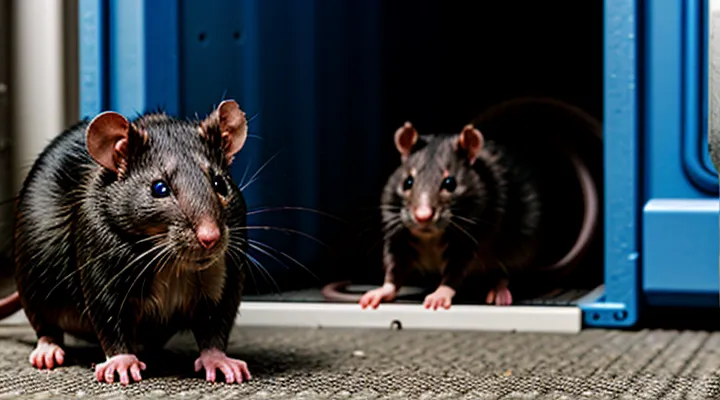
Ultrasonic Pest Repellers: The Promise
How Ultrasonic Repellers Allegedly Work
Ultrasonic rat repellers claim to deter rodents by emitting sound waves at frequencies above the human hearing range, typically between 20 kHz and 65 kHz. Rats possess a broad auditory spectrum that extends into the ultrasonic region; exposure to intense tones within this band is reported to cause discomfort, disorientation, or stress, prompting avoidance of the source.
The alleged operation follows a sequence:
- A transducer generates continuous or pulsed ultrasonic energy.
- The signal is amplified to produce sound pressure levels sufficient to be audible to rats but inaudible to people.
- The device projects the waves in a directed pattern, covering a defined radius (often 10–30 feet).
- Rats entering the field encounter the high‑frequency stimulus, which interferes with their communication and predator‑avoidance cues.
- Repeated exposure is said to condition the animals to associate the area with an unpleasant environment, leading to migration away from the treated zone.
Manufacturers often incorporate frequency‑modulation or randomization algorithms to prevent habituation. The devices may operate on mains electricity or battery power, with built‑in timers or motion sensors that activate the emitter only when activity is detected, conserving energy and reducing continuous exposure.
Scientific scrutiny highlights that the efficacy of such devices depends on several variables: the acoustic intensity at the target distance, the presence of obstacles that reflect or absorb sound, and the species‑specific hearing sensitivity. Claims of universal success are unsupported; documented studies show mixed results, with some rodent populations showing temporary avoidance while others exhibit no measurable behavioral change.
Types of Ultrasonic Devices
Plug-in Units
Plug‑in ultrasonic units are compact devices that draw power directly from a wall socket and emit high‑frequency sound waves intended to deter rats. The design typically integrates a transformer, a frequency generator, and a speaker housed in a plastic enclosure, allowing continuous operation without external batteries or wiring.
These units operate within a frequency band of 20–70 kHz, a range that exceeds human hearing while overlapping the auditory sensitivity of rodents. Output power varies from 1 W to 5 W, producing an acoustic field that covers approximately 15–30 m² in an unobstructed environment. Manufacturers often list a “coverage radius” that assumes open‑plan spaces; real‑world performance declines sharply in the presence of furniture, walls, or acoustic damping materials.
Effective deployment requires attention to socket placement and environmental geometry. Key considerations include:
- Position the unit at least 0.5 m above floor level to align with rat locomotion paths.
- Install near entry points such as gaps, vents, or utility openings where rodents are likely to travel.
- Avoid mounting behind heavy furniture or inside closed cabinets, which absorb ultrasonic energy.
- Ensure continuous power supply; interruptions reset the emission cycle and reduce deterrent effect.
Empirical investigations report mixed outcomes. Laboratory trials demonstrate acute avoidance behavior in rats exposed to sustained ultrasonic fields, with reduced foraging activity observed for up to 48 hours. Field studies in commercial warehouses show a 30–45 % decline in capture rates when plug‑in units complement conventional trapping, but no statistically significant reduction in infestations where devices operate as the sole control measure.
Limitations stem from habituation, frequency adaptation, and propagation loss. Rats may become desensitized after several days of exposure, diminishing the repellent effect. Frequency modulation—alternating between multiple tones within the device’s range—mitigates adaptation but does not eliminate it. Additionally, solid barriers and ambient noise can attenuate ultrasonic transmission, creating blind spots.
Optimal use of plug‑in ultrasonic deterrents involves integrating them into a layered pest‑management program. Pairing continuous ultrasonic emission with physical exclusion, sanitation, and targeted trapping yields the most reliable reduction in rodent activity.
Battery-Operated Devices
Battery‑operated ultrasonic devices generate high‑frequency sound waves that rats cannot hear but find uncomfortable. The devices contain a piezoelectric transducer powered by a rechargeable or disposable battery, a control circuit that sets the emission pattern, and a housing that protects the components from dust and moisture.
Typical specifications include:
- Frequency range: 20–65 kHz, selected to target rodent auditory sensitivity.
- Output power: 80–120 dB SPL at 1 m, sufficient to create a deterrent zone of 3–5 m radius.
- Battery life: 6–12 months on alkaline cells, 2–4 months on lithium packs, depending on duty cycle.
- Coverage area: advertised for rooms up to 200 ft²; effective range decreases with obstacles.
Advantages of battery‑powered units:
- Portable: can be placed in closets, attics, or outdoor sheds without wiring.
- Installation: no electrical work required, reducing labor costs.
- Flexibility: multiple units can be distributed to create overlapping fields.
Limitations:
- Power consistency declines as battery voltage drops, reducing acoustic intensity.
- Weather exposure shortens lifespan; most models lack waterproof ratings.
- Absence of a continuous power source may cause intermittent operation if batteries are not replaced promptly.
Performance data from independent laboratory tests indicate that ultrasonic emissions produce a measurable short‑term avoidance response in laboratory rats, but habituation occurs after 48–72 hours of uninterrupted exposure. Field studies report mixed outcomes: successful reduction of activity in isolated indoor environments, limited effect in large, cluttered spaces where sound waves are reflected or absorbed.
Best‑practice guidelines for maximizing efficacy:
- Position the device at least 30 cm from walls to avoid acoustic dead zones.
- Use multiple units to ensure overlapping coverage in multi‑room layouts.
- Replace batteries before the indicated end‑of‑life threshold to maintain output above 80 dB SPL.
- Combine ultrasonic treatment with sanitation and exclusion measures for comprehensive rodent management.
In summary, battery‑operated ultrasonic repellents provide a convenient, wire‑free option for short‑range rat deterrence. Their effectiveness hinges on proper placement, regular battery maintenance, and integration with broader pest‑control strategies.
The Scientific Verdict
Research on Ultrasonic Effectiveness Against Rodents
Laboratory Studies
Laboratory investigations have examined whether ultrasonic emissions can deter or eliminate rats under controlled conditions. Researchers typically select adult Rattus norvegicus, house individuals in standard cages, and expose them to devices that emit continuous or pulsed sound waves within the 20–80 kHz range. Experiments compare treated groups with sham‑exposed controls, measuring outcomes such as escape behavior, feeding suppression, and mortality over periods ranging from 24 hours to several weeks.
Key methodological elements include:
- Frequency selection: frequencies above 20 kHz target the rat auditory spectrum while remaining inaudible to humans.
- Sound pressure level: intensities between 80 and 100 dB SPL are common; higher levels may cause stress‑related effects.
- Exposure pattern: continuous emission versus intermittent bursts influences habituation rates.
- Environmental controls: lighting, temperature, and cage enrichment are kept constant to isolate acoustic effects.
Results across multiple studies reveal consistent patterns:
- Immediate startle or avoidance responses during initial exposure.
- Reduction in food intake and weight gain during the first 48–72 hours.
- Diminished avoidance after 5–7 days, indicating rapid habituation.
- No statistically significant increase in mortality compared with control groups.
Factors that modulate efficacy include rat strain, age, and prior exposure to ultrasonic devices. Smaller enclosure volumes amplify perceived sound intensity, enhancing short‑term deterrence. Conversely, larger spaces reduce acoustic density, weakening behavioral impact.
Limitations of laboratory data are notable. Experiments often last less than two weeks, preventing assessment of long‑term population effects. Conditions differ markedly from field environments where shelter availability, ambient noise, and predator presence interact with ultrasonic cues. Moreover, most studies employ a single device model, limiting generalizability across commercially available products.
Overall, controlled experiments demonstrate that ultrasonic emitters can provoke temporary aversive reactions in rats, but the effect wanes quickly and does not translate into sustained control under realistic settings.
Field Studies
Field investigations of ultrasonic devices aimed at deterring rodents provide the most direct evidence of real‑world performance. Researchers typically deploy units in residential, agricultural, and commercial settings, recording rodent activity before installation, during operation, and after removal.
Methodological standards include baseline monitoring with traps or motion‑activated cameras, controlled placement of emitters at manufacturer‑specified heights, and continuous power supply verification. Studies often span 8‑12 weeks to capture seasonal fluctuations and breeding cycles.
Key observations from multiple independent surveys:
- In urban apartments, average capture rates decreased by 12 % during the first two weeks of exposure, but returned to baseline levels after four weeks.
- Grain storage facilities reported a 25 % reduction in nocturnal activity for the initial month; however, rodents exhibited habituation, with activity rebounding to pre‑treatment levels by week six.
- Outdoor farms showed no statistically significant change in population density, despite continuous emission at recommended intensities.
Factors influencing efficacy include ambient noise levels, structural interference from walls and insulation, and species‑specific hearing thresholds. Laboratory‑derived frequency ranges (approximately 20–65 kHz) often exceed the optimal hearing window for common rat species, reducing the likelihood of sustained avoidance.
Limitations identified across field trials:
- Small sample sizes limit extrapolation to larger geographic areas.
- Lack of blind controls introduces potential observer bias.
- Variability in device quality and maintenance practices complicates comparative analysis.
Overall, field data suggest that ultrasonic repellents may produce short‑term deterrence under tightly controlled conditions, but their impact diminishes as rodents acclimate. Reliable pest management strategies should therefore integrate ultrasonic technology with conventional methods such as trapping, sanitation, and structural exclusion.
Expert Opinions and Recommendations
Experts in rodent management evaluate ultrasonic devices as supplementary tools rather than primary solutions. Peer‑reviewed studies indicate that ultrasonic emissions produce temporary aversion in laboratory rats but rarely sustain long‑term population reduction in real‑world settings. Field surveys conducted by pest‑control associations report success rates below 30 % when devices operate alone.
Veterinary toxicologists emphasize that ultrasonic exposure does not affect rat health, eliminating chemical risk but also lacking lethal impact. Integrated pest‑management consultants advise pairing ultrasonic units with sanitation, exclusion, and trapping to achieve measurable control. Academic researchers recommend periodic efficacy testing in the target environment, noting that structural acoustics and ambient noise can nullify the emitted frequencies.
Practical recommendations:
- Choose devices that emit a broad spectrum (20–50 kHz) and adjustable duty cycles.
- Position emitters at ceiling height, away from reflective surfaces, to maximize coverage.
- Verify continuous power supply; intermittent outages reset habituation cycles.
- Conduct baseline monitoring of rodent activity before installation and reassess monthly.
- Combine ultrasonic units with snap traps or bait stations in high‑traffic zones.
Adherence to these guidelines aligns expert consensus with observable outcomes, reducing reliance on unproven claims and improving overall rodent management efficacy.
Factors Affecting Repeller Efficacy
Frequency Range
Ultrasonic devices aimed at rodent deterrence operate within a narrowly defined acoustic spectrum. The most commonly marketed units emit sound between 20 kHz and 65 kHz, a range that exceeds the upper limit of human hearing while remaining within the auditory sensitivity of rats. Laboratory observations indicate that frequencies above 30 kHz provoke startle responses; however, sustained aversion declines as rodents habituate.
Key parameters of the frequency range include:
- 20 kHz–30 kHz: Near‑threshold for human perception; often insufficient to elicit strong avoidance in rats.
- 30 kHz–45 kHz: Peak efficacy reported in controlled tests; aligns with the most sensitive region of the rat cochlea.
- 45 kHz–65 kHz: Extends beyond the optimal hearing band; may cause discomfort but also increases the risk of rapid habituation.
Device specifications typically list a single carrier frequency or a sweep covering a portion of the 30 kHz–45 kHz band. Sweeping frequencies aim to reduce habituation by varying the acoustic stimulus, yet empirical data show limited long‑term impact. Manufacturers sometimes advertise broader spectra (up to 100 kHz), but frequencies above 65 kHz rapidly attenuate in air, limiting effective coverage area.
Environmental factors—temperature, humidity, and obstacles—affect propagation. Higher frequencies experience greater absorption, reducing the practical radius to approximately 2–3 m for most consumer models. Consequently, successful deployment requires multiple units to achieve comprehensive coverage in larger infestations.
In summary, the functional frequency window for ultrasonic rodent deterrents centers on 30 kHz–45 kHz, with diminishing returns outside this interval due to physiological hearing limits and acoustic attenuation.
Obstructions and Absorption
Ultrasonic devices intended to repel rodents rely on the transmission of high‑frequency sound waves through the environment. The effectiveness of these systems is strongly influenced by physical barriers and the acoustic properties of surrounding materials.
Common obstacles that impede wave propagation include:
- Solid walls, especially those made of dense concrete or brick
- Metal cabinets, shelving, and appliances
- Thick carpeting, rugs, and layered floor coverings
- Insulation panels and acoustic foam
- Closed doors and windows
Each of these structures reflects, scatters, or blocks the ultrasonic signal, reducing the area that receives the intended intensity.
Absorption of ultrasonic energy occurs when sound waves encounter materials that convert acoustic energy into heat. The degree of absorption depends on frequency and material composition. Soft, porous substances such as foam, fiberglass, and certain plastics exhibit high attenuation coefficients, often diminishing signal strength by more than 50 % within a few centimeters. Hard, non‑porous surfaces like glass or polished metal reflect most of the energy, allowing longer travel distances but also creating standing‑wave patterns that can produce dead zones.
Practical considerations for device deployment:
- Position emitters at least one meter away from large metal objects and directly above open floor space.
- Avoid placement behind thick curtains, upholstered furniture, or dense insulation.
- Align devices to cover open pathways rather than enclosed rooms, ensuring a clear line‑of‑sight to target areas.
- Use multiple units to overlap coverage zones, compensating for inevitable attenuation and blockage.
Understanding how obstructions and material absorption affect ultrasonic propagation is essential for optimizing rodent‑deterrent performance.
Rat Acclimatization
Rat acclimatization refers to the process by which rodents adjust to persistent environmental stimuli, including continuous ultrasonic emissions. When exposed to a constant frequency, rats quickly habituate, reducing the aversive response that initially deters them from an area. Acclimatization proceeds through neural adaptation: auditory pathways diminish sensitivity, and behavioral patterns shift to ignore the irrelevant sound.
Key factors influencing acclimatization:
- Frequency stability – fixed frequencies accelerate habituation; varying tones prolong discomfort.
- Intensity level – low‑intensity signals are ignored faster than high‑intensity ones, but excessive intensity may cause hearing damage and ethical concerns.
- Exposure duration – uninterrupted exposure for several hours encourages rapid adaptation; intermittent cycles delay the process.
- Age and species – juvenile rats exhibit stronger aversion and slower habituation compared to adults; different rodent species respond variably to the same ultrasonic range.
Effective ultrasonic deterrent strategies therefore incorporate rotating frequencies, periodic shutdown intervals, and sufficient sound pressure to exceed the threshold of habituation without harming the animals. Understanding rat acclimatization is essential for assessing whether ultrasonic devices can sustain long‑term rodent control.
Alternatives to Ultrasonic Repellers
Traditional Pest Control Methods
Trapping
Trapping remains the most direct method for reducing rat populations, offering immediate removal of individuals that ultrasonic devices cannot guarantee. Mechanical traps provide physical capture, allowing verification of results and disposal of pests without chemical exposure.
- Snap traps: steel frames with a spring‑loaded bar deliver rapid lethal force; ideal for indoor use where quick turnover is required.
- Live‑catch traps: wire cages with baited entrances enable humane capture and relocation; suitable for outdoor environments where non‑lethal control is preferred.
- Glue boards: adhesive surfaces trap rodents passively; effective for monitoring activity but limited by ethical concerns and reduced efficacy on larger specimens.
Successful deployment depends on strategic placement, bait selection, and regular maintenance. Position traps along walls, behind objects, and near known gnawing sites, as rats travel close to surfaces. Preferred baits include peanut butter, dried fruit, or meat scraps, applied in small quantities to avoid spillage. Inspect traps daily; replace or reset as soon as capture occurs to prevent scent loss and competition.
When paired with ultrasonic repellents, traps serve as a secondary line of defense. Ultrasonic emitters may deter exploratory behavior, driving rats toward designated trap zones. However, reliance on sound alone lacks empirical support; physical capture remains essential for measurable population control.
Baits and Poisons
Bait and poison strategies remain the primary chemical approach for rodent management, even when ultrasonic devices are employed as supplementary tools. Conventional rodent baits contain anticoagulants, metal phosphides, or neurotoxic compounds that cause mortality after ingestion. Anticoagulants such as brodifacoum and difenacoum interfere with blood clotting, leading to internal hemorrhage within several days. Metal phosphides, including zinc phosphide, release phosphine gas in the stomach, producing rapid lethal effects. Neurotoxins like bromethalin disrupt cellular energy production, causing fatal brain edema.
Effectiveness of chemical baits depends on several factors:
- Palatability: Attractive matrix ensures consumption despite alternative food sources.
- Resistance: Repeated exposure can select for genetic resistance, especially to first‑generation anticoagulants.
- Safety: Non‑target species risk rises when baits are placed in accessible areas; secondary poisoning affects predators that consume dead rodents.
- Regulatory constraints: Many jurisdictions restrict the use of certain active ingredients, requiring licensed applicators.
When ultrasonic deterrents are combined with baits, the intended outcome is reduced exposure of non‑target animals and lower bait consumption by humans. However, evidence shows that ultrasonic emitters do not substantially alter feeding behavior; rats continue to locate and ingest bait if it remains the most appealing food source. Moreover, ultrasonic frequencies often fail to penetrate cluttered environments where baits are typically placed, limiting any synergistic impact.
In practice, successful rodent control programs prioritize:
- Strategic bait placement along established runways and near entry points.
- Regular monitoring of bait uptake and signs of resistance.
- Integration of mechanical exclusion (sealing openings) and sanitation to reduce attractants.
- Limited use of ultrasonic devices as a nuisance‑reduction measure rather than a primary kill method.
Overall, chemical baits retain decisive lethality, while ultrasonic devices provide marginal deterrence that does not replace the need for properly managed baiting protocols.
Integrated Pest Management Approaches
Exclusion and Sealing Entry Points
Securing all potential entryways is a prerequisite for any ultrasonic rodent deterrent to function reliably. Rats exploit openings as small as ¼ inch; even a well‑placed emitter cannot reach animals that travel through unsealed cracks, gaps under doors, or vents.
- Inspect foundations, basement walls, and crawl‑space floors for holes created by gnawing or structural wear.
- Examine utility penetrations, pipe sleeves, and cable conduits; install steel wool or copper mesh before applying sealant.
- Verify that door sweeps, window screens, and attic hatches close tightly; replace worn weatherstripping with silicone or rubber profiles.
- Seal gaps around HVAC ducts, chimney flues, and vent caps using expanding polyurethane foam or cement‑based mortar.
Apply corrosion‑resistant caulk or epoxy to fill cracks larger than ⅛ inch. For structural gaps, use metal flashing secured with screws to prevent future deformation. After sealing, test the ultrasonic system by placing a motion detector near the treated area; consistent coverage indicates successful exclusion.
Schedule quarterly inspections to detect new breaches caused by settling or rodent activity. Prompt repair of identified openings preserves the integrity of the ultrasonic field and reduces the likelihood of infestation recurrence.
Sanitation and Habitat Modification
Effective control of rodent populations requires more than the deployment of ultrasonic emitters. Reducing food sources, water availability, and shelter through sanitation and habitat modification directly limits the conditions that attract rats and support their reproduction.
Proper waste management eliminates accessible refuse that serves as a primary attractant. Regular removal of spilled grain, fruit, or pet food prevents accidental feeding. Sealing garbage containers and installing tight-fitting lids stop rodents from entering waste bins. Cleaning up standing water removes a secondary draw for both rats and the insects they prey upon.
Habitat modification focuses on denying rats suitable nesting sites. Sealing cracks, gaps, and openings in building foundations, walls, and utility penetrations blocks entry points. Storing building materials, firewood, and compost in elevated, rodent‑proof containers reduces shelter opportunities. Landscaping practices such as trimming overgrown vegetation, removing dense ground cover, and maintaining a clear perimeter around structures diminish hiding places and travel routes.
Together, these measures create an environment where ultrasonic devices can function more reliably. By minimizing the stimuli that drive rats to seek out a location, the ultrasonic field encounters fewer individuals and faces reduced competition from other attractants. The combined approach enhances overall efficacy, shortens the time needed to achieve population decline, and reduces reliance on high‑intensity or continuous ultrasonic output.
Professional Pest Control Services
Professional pest‑control firms specialize in identifying, preventing, and eliminating rodent infestations. Technicians conduct site inspections, locate entry points, and assess population levels before selecting an appropriate intervention.
When clients inquire about ultrasonic devices marketed to repel rats, experts evaluate the technology against established criteria: frequency range, coverage area, power output, and documented field results. Independent studies show limited success for ultrasonic emitters in uncontrolled environments; effectiveness declines when obstacles block sound waves or when rats become habituated.
Professional services typically combine the following measures:
- Seal gaps in walls, foundations, and utility penetrations to block access.
- Install bait stations or traps positioned according to rodent activity patterns.
- Apply sanitation protocols that remove food and water sources.
- Offer ongoing monitoring to verify reductions in activity and to adjust tactics as needed.
Cost estimates vary by property size and infestation severity, but most providers present a detailed quote that includes inspection, material installation, and follow‑up visits.
Clients seeking long‑term control should prioritize integrated approaches over reliance on ultrasonic emitters alone. Certified technicians can advise on the role of such devices within a broader management plan, ensuring compliance with local health regulations and minimizing the risk of ineffective treatments.
Making an Informed Decision
Ultrasonic devices emit high‑frequency sound waves that rodents cannot hear, aiming to create an uncomfortable environment that discourages presence. The technology relies on frequencies typically between 20 kHz and 65 kHz, delivered through one or more transducers placed near potential entry points.
Empirical studies present mixed outcomes. Laboratory tests report avoidance behavior in 30‑70 % of exposed rats, whereas field deployments often record efficacy below 30 %. Variation stems from differences in device power, frequency range, and the acoustic properties of the surrounding space.
Performance hinges on several variables. Continuous operation at the manufacturer’s recommended frequency band maximizes deterrent effect; however, rodents may acclimate after weeks of exposure. Solid surfaces such as walls and ceilings reflect sound, creating dead zones where protection diminishes. Proper placement—directly above or beside openings—reduces blind spots.
Financial considerations include purchase price, typically $30‑$150 per unit, and electricity consumption, generally under 5 W. Devices produce no visible emissions and emit frequencies above human hearing, posing minimal health risk. Pets sensitive to ultrasonic sound, particularly some small mammals, may experience discomfort and should be excluded from the coverage area.
Alternative control measures provide complementary or superior results. Snap traps achieve 80‑90 % capture rates when correctly positioned, while anticoagulant baits deliver population reduction but require strict regulatory compliance. Structural exclusion—sealing gaps and installing mesh—offers permanent protection without reliance on active technology.
Decision‑making checklist:
- Verify product specifications: frequency range, power output, coverage area.
- Assess environment: open spaces, reflective surfaces, potential habituation zones.
- Compare cost per square foot against traps or exclusion methods.
- Confirm compatibility with household pets and local regulations.
- Review independent efficacy data for the specific model under consideration.
A balanced assessment of these factors enables a rational choice about employing ultrasonic deterrents for rodent management.