
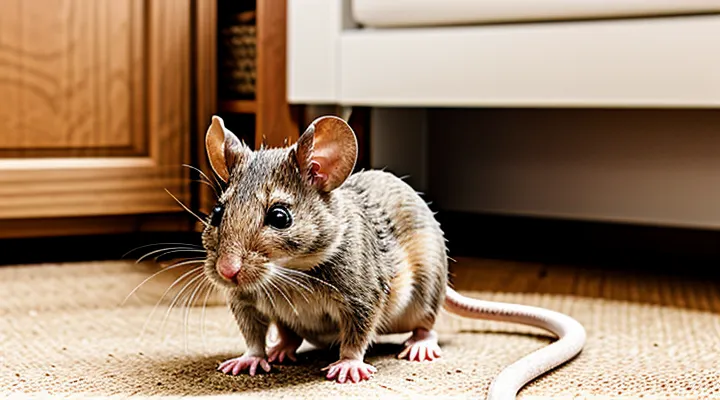
Understanding the Mouse Problem
Identifying Signs of Infestation
Droppings and Urine Smells
Droppings and urine odors are primary indicators of a rodent presence and pose health hazards that must be addressed promptly. Fresh droppings appear as small, dark, rice‑shaped pellets, while older deposits turn gray and crumble easily. Urine stains often accompany droppings, releasing a sharp, ammonia‑like smell that permeates fabrics, insulation, and walls. Both contaminants can carry pathogens such as Hantavirus and Salmonella, making thorough removal essential for a safe living environment.
Effective removal follows a systematic approach:
- Wear disposable gloves and a mask to prevent inhalation of dust and aerosolized particles.
- Ventilate the area by opening windows and using fans to exhaust stale air.
- Sweep or vacuum droppings with a HEPA‑rated device; discard the collection bag immediately.
- Apply an enzymatic cleaner to urine‑stained surfaces; allow the solution to soak for the manufacturer‑specified dwell time to break down organic residues.
- Rinse with warm water and dry completely; repeat the process on porous materials such as carpet or upholstery, or consider professional cleaning for heavily contaminated items.
After cleaning, eliminate lingering odors to deter re‑infestation. Place activated charcoal or baking soda in affected rooms to absorb residual smells. Seal cracks and gaps around entry points, as mice are attracted to areas where scent cues indicate a safe habitat. Regular inspection for new droppings and prompt sanitation maintain a hostile environment for rodents and protect occupants from associated health risks.
Gnaw Marks and Damage
Mice leave distinctive gnaw marks that indicate the extent of structural damage and potential health risks. Chewed wood, plastic, and electrical wiring often display clean, crescent‑shaped holes about ¼‑inch wide. Repeated bites can weaken beams, compromise insulation, and create fire hazards when wiring is exposed.
Key signs of gnaw damage include:
- Shallow, smooth cuts on baseboards, cabinets, and furniture.
- Frayed or stripped insulation around outlets and junction boxes.
- Visible bite marks on food packaging, leading to contamination.
- Small piles of frass (droppings mixed with nesting material) near chew sites.
Addressing gnaw marks promptly prevents escalation. Seal openings larger than ¼‑inch with steel wool or caulk, replace damaged wiring under professional supervision, and repair compromised structural elements. Regular inspections of vulnerable areas—kitchens, basements, and attics—allow early detection and timely remediation, reducing the likelihood of extensive repairs and associated costs.
Strange Noises
Strange noises often serve as the first indication that rodents have entered a residence. The presence of unfamiliar sounds at night or behind walls typically signals active mice seeking shelter and food.
Common auditory signs include:
- «scratching» within walls or ceilings
- «scurrying» across floorboards
- «gnawing» on insulation or stored items
- «squeaking» emanating from hidden nests
To locate the source, follow these steps:
- Identify the room where the noise originates.
- Inspect adjacent walls, baseboards, and attic access points.
- Examine gaps around pipes, vents, and electrical conduits for fresh chew marks.
- Use a flashlight to reveal droppings or shredded material near suspected entryways.
Immediate measures after detection:
- Seal all visible openings with steel wool and caulking.
- Deploy snap traps or electronic traps along established pathways.
- Apply rodent-repellent granules or ultrasonic devices in affected areas.
Continued monitoring enhances control efforts. Place motion-activated listening devices near suspected zones, review recordings regularly, and adjust trap placement based on new acoustic evidence. Prompt response to strange noises reduces infestation severity and prevents structural damage.
Understanding Mouse Behavior
Their Entry Points
Mice gain access through openings as small as a quarter‑inch, exploiting structural weaknesses and utility penetrations. Identifying and sealing these pathways prevents infestation and supports long‑term control.
- «Gaps around plumbing, gas, and electrical conduits» that pass through walls, floors, or foundations.
- «Cracks in the foundation, crawl‑space walls, or basement slabs» allowing direct entry from soil.
- «Openings around HVAC vents, dryer exhausts, and air‑conditioning units» where ductwork penetrates the exterior.
- «Spaces beneath exterior doors and windows, including weather‑stripping gaps» that provide a low‑profile route.
- «Utility openings for cable, telephone, and satellite lines» often left unsealed after installation.
- «Roof vent and soffit gaps» that connect attic spaces to the outside environment.
Effective sealing methods include steel wool combined with caulking, metal flashing for larger gaps, and expanding foam for irregular cracks. Regular inspection of the listed points, especially after seasonal weather changes, ensures that new openings are addressed before mice can exploit them.
Their Food Sources
Mice are attracted to any readily available nourishment, and eliminating those sources reduces the likelihood of infestation.
Typical food items that sustain rodent populations include:
- Grains, cereals, rice, and pasta left uncovered on countertops or in pantry shelves.
- Pet food left out overnight or stored in unsealed containers.
- Fresh fruit, vegetables, and nuts left on tables, counters, or in open bowls.
- Processed snacks, crumbs, and spilled sugar or honey.
- Garbage, compost, and recycling bins that are not tightly sealed.
Effective control measures focus on denying access to these resources. Store all dry goods in airtight containers made of metal or thick plastic. Clean surfaces after meals, sweeping or vacuuming to remove crumbs. Feed pets at scheduled times and retrieve unused portions, keeping the food in sealed dishes. Place trash cans with fitted lids away from walls and empty them regularly. Restrict pantry entry by installing child‑proof latches or metal shelving that eliminates gaps. By systematically removing each of these food sources, mouse activity declines, facilitating long‑term prevention.
Their Nesting Habits
Mice select nesting sites that provide shelter, warmth, and proximity to food sources. Typical locations include wall voids, ceiling insulation, attics, closets, and behind appliances. Outdoor structures such as sheds, crawl spaces, and stored firewood also serve as entry points and temporary nests.
Materials used for construction are soft, readily available items: shredded paper, fabric fibers, insulation, and dried plant matter. Mice gather these substances to form compact, dome‑shaped structures that retain heat and protect against predators.
Signs of active nests appear as clusters of shredded material, droppings, and gnaw marks near suspected sites. Fresh nests contain a dark, moist core, while abandoned ones become dry and brittle. Identifying these indicators enables targeted placement of traps or bait stations.
Effective control strategies rely on eliminating nesting habitats. Seal cracks larger than ¼ inch, repair damaged insulation, and store food in sealed containers. Remove clutter, trim vegetation away from the building, and regularly inspect hidden areas for fresh nesting material. By disrupting the conditions mice require for nesting, the likelihood of infestation decreases significantly.
Preventative Measures
Sealing Entry Points
Inspecting Your Home's Exterior
Inspecting the exterior of a residence is the first line of defense against mouse intrusion. Identify potential entry points by walking the perimeter and noting gaps larger than a quarter‑inch. Seal cracks in foundations, brickwork, and siding with steel wool followed by caulking or concrete patch. Replace damaged weatherstripping around doors and windows; ensure doors close tightly against the frame.
Check roof and eaves for openings where rodents can climb or gnaw. Install metal flashing over gaps around vents, chimneys, and utility lines. Trim tree branches and shrubs that touch the building, eliminating bridges for mice to reach the roof.
Examine drainage systems for standing water or debris that creates humid conditions attractive to rodents. Keep gutters clear, and direct water away from the foundation with proper grading.
Maintain a clear perimeter by removing piles of firewood, compost, or debris within ten feet of the structure. Store food containers in sealed metal or heavy‑wall plastic bins, and keep litter bins tightly covered.
Key inspection actions:
- Survey foundation for cracks and holes.
- Seal gaps with steel wool and durable sealant.
- Verify door and window weatherstripping integrity.
- Inspect roof, eaves, and vent openings; install metal flashing.
- Trim vegetation that contacts the building.
- Clear gutters and ensure proper drainage.
- Eliminate external clutter that offers shelter.
- Use rodent‑proof containers for outdoor storage.
Consistent exterior inspection and maintenance dramatically reduce the likelihood of mice establishing a foothold inside the home.
Using Proper Materials for Sealing
Sealing entry points prevents mice from accessing interior spaces. Selecting materials that resist gnawing and maintain integrity under varying conditions is critical for long‑term effectiveness.
- Steel wool, tightly packed, blocks small openings; combine with caulk to secure.
- Copper mesh offers similar resistance with higher durability in humid areas.
- Silicone or polyurethane caulk fills gaps around pipes and vents; remains flexible and waterproof.
- Expanding polyurethane foam expands to fill irregular cracks; apply a metal mesh overlay for added strength.
- Concrete or mortar patches close larger holes in foundations and walls; cure fully before testing for gaps.
- Metal flashing, cut to size, covers gaps around door frames and windows; secure with screws and sealant.
Apply materials after thorough inspection. Remove debris, trim vegetation, and dry surfaces before installation. Press steel wool or mesh into openings, then seal edges with caulk. For foam, spray to fill, wait for expansion, then trim excess and reinforce with mesh. Verify closure by running a thin rod or smoke test; any remaining passage requires re‑sealing.
Regular inspection identifies new damage caused by settling or renovation. Reapply appropriate material promptly to maintain a continuous barrier against rodent intrusion.
Focusing on Common Entry Areas
Mice gain access through openings as small as a quarter‑inch; locating these pathways prevents infestation before it spreads.
Common entry points include:
- Gaps beneath exterior doors and sliding windows
- Cracks around foundation walls and basement floors
- Openings around utility penetrations such as plumbing, electrical wiring, and HVAC ducts
- Unscreened vents, chimney flues, and attic gable vents
- Gaps around pipe sleeves, cable conduits, and vent pipes
To eliminate each route, follow a systematic sealing process:
- Inspect the perimeter with a flashlight, noting any visible gaps or damaged caulking.
- Apply steel wool or copper mesh to fill holes larger than 1 mm; rodents cannot chew through these materials.
- Cover filled gaps with expanding polyurethane foam or cement-based sealant for a durable barrier.
- Install weatherstripping on doors and windows, ensuring a tight fit when closed.
- Fit metal flashing or mesh over vent openings, securing with screws and sealant to prevent bypass.
Regularly review the sealed areas after seasonal temperature changes; expansion or settlement can reopen pathways. Maintaining a continuous barrier around all potential ingress sites sustains a mouse‑free environment.
Eliminating Food and Water Sources
Proper Food Storage
Proper food storage is a critical component of any strategy aimed at eliminating rodent infestations in residential environments. Food sources attract mice; removing easy access reduces the likelihood of colonization.
- Store dry goods, cereals, and grains in airtight containers made of metal or heavy‑wall plastic. Seal lids tightly after each use.
- Keep pantry shelves free of spills. Wipe surfaces with a mild detergent after handling food items.
- Place pet food in sealed containers and remove leftovers promptly; avoid leaving bowls on the floor overnight.
- Dispose of kitchen waste daily in containers with tight‑fitting lids. Transfer trash to an external bin with a secure lid before collection day.
- Rotate stock regularly. Consume older items first to prevent stale or spoiled food from becoming a lure.
- Clean under appliances and behind cabinets where crumbs may accumulate. Use a vacuum or damp cloth to eliminate hidden residues.
Consistent implementation of these measures deprives mice of sustenance, forcing them to seek alternative habitats and ultimately reducing their presence in the home.
Regular Cleaning and Sanitation
Regular cleaning eliminates food residues that attract rodents. All surfaces should be wiped down after meals, and crumbs must be swept from floors, countertops, and appliance exteriors. Storing dry goods in airtight containers prevents accidental access to nourishment.
Sanitation extends to waste management. Trash bins require tight‑fitting lids and should be emptied daily. Compost containers must be kept outdoors, away from the building envelope, and sealed to block scent diffusion.
A systematic schedule reinforces habit formation. • Daily: wipe kitchen surfaces, sweep floors, and clear dishes. • Weekly: mop all hard floors, vacuum upholstered furniture, and inspect pantry shelves for spills. • Monthly: deep‑clean behind appliances, disinfect garbage cans, and wash reusable food containers at high temperature.
Pet feeding areas receive the same scrutiny. Bowls should be rinsed after each use, and any spilled feed must be removed immediately. Water dishes are to be refreshed multiple times per day to avoid stagnant liquid that may draw pests.
Implementing these measures reduces the availability of sustenance, thereby discouraging mouse activity and supporting broader exclusion strategies.
Addressing Leaks and Moisture
Mice seek out water and humid environments; even minor leaks create ideal foraging routes and nesting sites. Eliminating moisture removes a primary incentive for infestation and reduces the likelihood of damage to structural components.
Identify sources of excess moisture by inspecting common problem areas:
- Kitchen and bathroom fixtures for drips or condensation.
- Under‑sink plumbing joints and supply lines.
- Appliance hoses, especially washing‑machine and dishwasher connections.
- Exterior walls and roof penetrations for rain ingress.
- Basement or crawl‑space floors for ground water seepage.
Repair identified leaks promptly. Use appropriate materials: pipe‑thread sealant for threaded joints, flexible repair tape for temporary stops, and certified pipe‑repair kits for larger ruptures. Replace worn washers, tighten connections, and verify that repaired sections remain dry after a test run. Seal gaps around fixtures with waterproof caulk to prevent condensation accumulation.
Maintain a dry environment through regular monitoring. Install humidity sensors in vulnerable rooms and set thresholds that trigger dehumidifiers. Ensure proper ventilation in kitchens, bathrooms, and laundry areas. Periodically check for new signs of moisture, such as discoloration, mold growth, or water stains, and address them before they attract rodents.
Maintaining a Clean Environment
Decluttering and Organization
Decluttering eliminates hiding places and food sources that attract rodents, making the environment less inviting for mice.
Key actions include:
- Eliminate food residues by wiping surfaces after each meal.
- Store pantry items in airtight containers made of glass or heavy‑wall plastic.
- Remove piles of newspapers, cardboard, and fabric scraps from floors and corners.
- Keep pet food in sealed bins and feed animals only at designated times.
Organizing storage areas prevents re‑accumulation of clutter. Install sturdy shelving units, label boxes, and place rarely used items on higher shelves. Regularly inspect closets and basements for signs of moisture or damage that could create entry points.
Schedule weekly checks to ensure that all containers remain sealed, floors stay clear, and storage systems function properly. Consistent maintenance sustains a mouse‑unfriendly environment and supports broader pest‑control measures.
Yard Maintenance
Maintaining the yard creates a physical barrier that discourages rodents from approaching the residence. Regular trimming of grass, shrubs, and tree branches eliminates hiding places and reduces the likelihood of mice using vegetation as a pathway to the home.
Key actions include:
- Cutting back vegetation within two meters of the building’s exterior walls.
- Removing leaf piles, compost heaps, and other organic debris that provide shelter.
- Storing firewood off the ground and at least one meter away from the foundation.
- Securing garbage cans with tight‑fitting lids and keeping them away from the house.
- Inspecting and repairing cracks in the foundation, siding, and utility entry points.
A clean perimeter also simplifies the detection of rodent activity. Periodic inspection of the yard for fresh burrows or gnaw marks enables prompt intervention before mice can establish a foothold. Implementing these measures reduces the pressure on indoor control methods and supports a long‑term, rodent‑free environment.
Effective Elimination Strategies
Trapping Methods
Snap Traps
Snap traps provide immediate, lethal control of house mice. The mechanism consists of a spring‑loaded bar that releases when a mouse triggers a pressure plate, delivering a rapid, humane kill.
Effective use requires strategic placement. Mice travel along walls, behind appliances, and within concealed pathways. Position traps perpendicular to these routes, with the trigger end facing the wall. Maintain a spacing of 1–2 feet between traps in high‑activity zones to increase capture probability.
Safety considerations protect humans and pets. Choose traps with a protective shield that encloses the spring and bar, reducing accidental contact. Keep traps out of reach of children, and wear disposable gloves when handling bait and captured rodents.
Bait selection influences success. Preferred attractants include:
- Small pieces of peanut butter
- Bits of cheese
- Soft dried fruit
Apply a pea‑sized amount to the trigger plate; excess bait may discourage interaction.
Disposal procedures prevent disease transmission. After a capture, seal the trap in a plastic bag, then place the bag in an outdoor trash container. Clean reusable traps with hot, soapy water, followed by a disinfectant rinse.
When choosing a model, prioritize:
- Adjustable spring tension for different mouse sizes
- Durable construction that resists rust
- Easy‑reset mechanism for rapid redeployment
Integrating snap traps into a broader mouse‑control strategy—such as sealing entry points and maintaining cleanliness—maximizes long‑term effectiveness.
Live Traps
Live traps capture mice alive, allowing removal without lethal methods. They consist of a cage with a trigger mechanism that closes the door when the rodent enters to reach bait.
Selecting a trap requires attention to size and construction. Choose a model large enough for adult mice, preferably stainless steel or heavy‑duty plastic to prevent escape. Ensure the trigger is sensitive but not prone to false activation.
Placement determines success. Position traps along walls, behind appliances, and near known droppings. Align the entrance with the mouse’s natural travel path; rodents rarely cross open spaces. Avoid clutter that could obstruct the trigger.
Bait should be attractive and readily available. Effective options include peanut butter, small pieces of cheese, or dried fruit. Apply a thin layer to the trigger plate, limiting excess that might cause the mouse to avoid the device.
Monitoring and release follow a strict routine. Check traps at least twice daily; prolonged confinement increases stress and risk of injury. When a mouse is captured, wear gloves, transport the cage outdoors, and release the animal at least 100 meters from the residence, near natural cover. Disinfect the trap before reuse.
Sanitation reinforces control efforts. After each capture, clean the area with a disinfectant solution to remove scent trails. Seal entry points, store food in airtight containers, and maintain clutter‑free zones to reduce attractants.
Glue Traps
Glue traps provide a rapid, low‑cost method for capturing mice that have entered a residence. The traps consist of a flat, adhesive‑coated surface that immobilises rodents upon contact, eliminating the need for poison or live‑catch devices.
When selecting glue traps, consider the following criteria:
- Size: larger traps accommodate adult mice, while smaller ones target juveniles.
- Adhesive strength: a firm, non‑tacky surface prevents escape after capture.
- Placement: position traps along walls, behind appliances, and near known entry points, as mice prefer to travel close to surfaces.
- Safety: keep traps out of reach of children and pets; use protective sleeves if necessary.
Effective deployment follows a simple sequence:
- Identify high‑traffic routes by observing droppings, gnaw marks, or nesting material.
- Clean the area to remove food residues that might distract the mouse from the trap.
- Place the adhesive side up, securing the trap to the floor or a flat surface with tape if required.
- Inspect traps daily; replace any that have captured a mouse or become contaminated.
- Dispose of captured rodents in a sealed bag and discard the used trap according to local waste regulations.
Advantages of glue traps include immediate results, ease of use, and minimal odor. Limitations involve the potential for prolonged suffering of captured mice and the risk of accidental capture of non‑target species. For households seeking a discreet, inexpensive solution, glue traps remain a viable component of an integrated rodent‑control strategy.
Proper Placement and Baiting
Effective mouse control begins with strategic trap placement and appropriate bait selection. Position traps along walls, behind appliances, and near known entry points, because rodents travel close to surfaces. Avoid open floor areas where movement is less predictable. Place each device perpendicular to the wall, with the trigger side facing the expected travel route. In cluttered rooms, locate traps within 12‑18 inches of stored boxes or pantry shelves, where mice commonly forage.
Choose bait that appeals to the target species and remains attractive over time. Peanut butter, dried fruit, and small portions of cheese provide strong olfactory cues. For environments with children or pets, consider commercially formulated, low‑toxicity attractants that minimize accidental ingestion. Secure bait firmly to the trap mechanism to prevent removal before activation. Rotate bait types weekly to counteract habituation; replace any stale or contaminated material promptly.
Maintain a systematic monitoring schedule. Inspect traps daily, record capture locations, and adjust placement based on activity patterns. Remove captured rodents promptly, sanitize the area, and reset traps with fresh bait. Consistent application of these placement and baiting principles reduces mouse populations and prevents reinfestation.
Repellents
Natural Repellents
Natural repellents offer a chemical‑free approach to deter rodents from residential spaces. Their effectiveness relies on strong odors, taste aversion, or environmental disruption that mice find intolerable.
Common categories include:
- Botanical extracts such as peppermint oil, clove oil, and eucalyptus oil; apply a few drops to cotton balls and place them near entry points, nesting sites, and food storage areas.
- Mineral powders like diatomaceous earth; spread a thin layer along baseboards, under appliances, and in cracks to cause desiccation upon contact.
- Predator cues such as powdered owl droppings or synthetic fox scent; distribute sparingly in concealed locations to trigger instinctive avoidance.
Implementation guidelines:
- Replace cotton balls every 48 hours to maintain volatile potency.
- Reapply mineral powders after cleaning or when moisture accumulates.
- Combine botanical and mineral methods in high‑traffic zones for synergistic effect.
Safety considerations demand placement out of reach of children and pets, and ventilation when using concentrated essential oils. Monitoring mouse activity for at least two weeks validates efficacy; persistent sightings indicate the need for supplemental mechanical or professional measures.
Electronic Repellents
Electronic repellents emit ultrasonic or electromagnetic frequencies intended to disturb rodent nervous systems. The devices require a reliable power source and continuous operation to maintain the interference field. Effectiveness depends on frequency range, coverage area, and the presence of obstacles that block sound waves.
Key considerations for selecting and deploying electronic deterrents:
- Choose models that specify coverage of at least 100 sq ft per unit; larger rooms may need multiple devices.
- Position units at ceiling height, away from walls and furniture, to allow unobstructed propagation of ultrasonic waves.
- Avoid placement near large metal objects or thick curtains, which can reflect or absorb emitted frequencies.
- Verify that the product complies with local safety standards and does not emit audible tones audible to humans or pets.
- Replace units according to manufacturer recommendations, typically every 12–18 months, as output power diminishes over time.
Evidence from controlled studies indicates that ultrasonic devices reduce mouse activity in isolated test chambers, yet field trials in residential settings show variable results. Factors such as habituation, species-specific hearing thresholds, and environmental noise can diminish the deterrent effect. For reliable outcomes, combine electronic repellents with physical exclusion methods, sanitation practices, and, when necessary, professional trapping.
Maintenance tasks are straightforward: clean the exterior surface with a dry cloth, ensure the power cord remains intact, and monitor the indicator light that signals proper operation. If the indicator ceases, replace the unit promptly to prevent a lapse in protection.
When to Call Professionals
Signs of a Severe Infestation
A severe mouse infestation reveals itself through multiple, unmistakable indicators that surpass occasional sightings.
- Frequent droppings, especially in clusters near food storage, cabinets, and hidden corners.
- Gnaw marks on structural elements, wiring, or furniture, visible on surfaces that were previously intact.
- Strong, musky odor emanating from nesting sites, often detectable in walls, attics, or crawl spaces.
- Visible nests constructed from shredded paper, fabric, or insulation, typically located in concealed areas.
- Damage to stored food, packaging, or pantry items, accompanied by chew marks on containers.
These signs demonstrate a high population density, increased competition for resources, and heightened risk of property damage and health hazards. Immediate professional intervention and comprehensive sanitation are required to halt further proliferation.
The Benefits of Professional Extermination
Professional extermination delivers results that DIY approaches cannot guarantee. Certified technicians conduct comprehensive inspections, identify entry points, and apply treatments calibrated to the specific infestation level. This precision eliminates hidden nests and prevents reinfestation.
Key advantages include:
- Targeted application of rodent‑specific baits and traps, reducing collateral damage to non‑target species.
- Compliance with health‑safety regulations, ensuring that chemicals are used at approved concentrations and with proper protective measures.
- Access to licensed products unavailable to the general public, enhancing efficacy against resistant mouse populations.
- Structured follow‑up visits that verify eradication and address any residual activity.
- Documentation of service, providing evidence for insurance claims or landlord requirements.
Long‑term cost savings arise from fewer repeat treatments and lower damage to property, wiring, and stored food. Health risks decline as professional methods limit exposure to pathogens carried by rodents. Homeowners gain peace of mind knowing that a qualified provider assumes responsibility for monitoring, prevention, and remediation. «Professional pest control eliminates uncertainties, delivering a sustainable solution for mouse problems.»
Post-Extermination Measures
Cleaning Up After Mice
Disinfecting Contaminated Areas
After rodents have been removed, any area they have contaminated must be thoroughly disinfected to eliminate pathogens and prevent re‑infestation. Begin by removing visible debris, droppings, and nesting material with disposable gloves and a sealed bag.
- Clean surfaces with hot, soapy water to lift organic matter.
- Apply an EPA‑approved disinfectant (e.g., a 1 % bleach solution, quaternary ammonium compound, or hydrogen peroxide) at the manufacturer’s recommended dilution.
- Ensure the disinfectant remains on the surface for the full contact time indicated on the label, typically 5–10 minutes.
- Rinse with clean water if the product requires it, then allow the area to air‑dry completely.
- Dispose of cleaning cloths, sponges, and gloves in sealed bags; seal and discard them according to local hazardous‑waste guidelines.
Safety precautions include wearing gloves, eye protection, and a mask; ventilating the room by opening windows or using fans; and avoiding mixing different chemicals, which can produce toxic fumes. Regularly inspect previously affected zones for signs of moisture or residue, and repeat the disinfection process if any new contamination is detected.
Safe Disposal of Deceased Pests
When a mouse dies inside the house, immediate and secure removal prevents disease transmission and secondary infestations. The carcass should be handled as a potential biohazard, following established sanitation protocols.
- Wear disposable nitrile gloves to avoid direct contact with bodily fluids.
- Place the dead mouse in a sealable plastic bag, squeeze out excess air, and knot the bag tightly.
- Discard the sealed bag in an outdoor trash container equipped with a secure lid; avoid leaving it in indoor receptacles.
- Clean the surrounding area with a disinfectant solution containing at least 1 % bleach, allowing the surface to remain wet for the recommended contact time.
- Wash hands thoroughly with soap and water after glove removal, even if gloves appear uncontaminated.
If the mouse is found in a confined space such as a wall cavity, use a small handheld vacuum equipped with a HEPA filter to capture any residual debris before sealing the bag. For larger numbers of dead rodents, contact a licensed pest‑management professional to ensure compliance with local health regulations.
Proper disposal eliminates health risks, reduces odor, and supports the overall effectiveness of rodent‑control measures within the residence.
Long-Term Prevention
Regular Inspections
Regular inspections constitute a necessary element of any effective mouse‑control program. Detecting entry points, nesting sites, and recent activity before populations expand reduces the need for extensive remediation.
Inspections should occur at least once every two weeks during warmer months, when rodents are most active, and monthly during colder periods. Adjust the schedule if signs of activity appear between visits.
Key items to examine during each inspection:
- Gaps around doors, windows, and utility penetrations; seal openings larger than ¼ inch.
- Cracks in foundation, walls, and flooring; apply caulk or steel wool as appropriate.
- Accumulated food debris in kitchens, pantries, and garbage areas; ensure containers are airtight.
- Evidence of droppings, gnaw marks, or shredded materials in hidden locations such as attics, basements, and behind appliances.
- Condition of traps and bait stations; replace or reposition as needed.
Record findings in a dedicated log, noting date, location, and corrective measures taken. Review entries regularly to identify patterns and prioritize high‑risk zones for immediate repair. Continuous documentation supports timely intervention and prevents re‑infestation.
Continued Sanitation Practices
Maintaining a clean environment prevents mice from finding shelter and food sources. Regular removal of crumbs, spilled liquids, and pet feed eliminates attractants that encourage rodent activity.
- Store dry goods in airtight containers made of metal or heavy‑weight plastic.
- Dispose of garbage daily; keep bins sealed with tight‑fitting lids.
- Sweep floors and vacuum upholstery after each meal preparation.
- Clean behind appliances, inside cabinets, and under sinks on a weekly schedule.
- Wash dishes promptly; avoid leaving dishes in the sink overnight.
Periodic inspection reinforces sanitation efforts. Check pantry shelves for torn packaging, examine baseboards for droppings, and repair any gaps larger than ¼ inch in walls, doors, or windows. Consistent application of these practices sustains a hostile environment for mice and supports long‑term pest‑free conditions.