
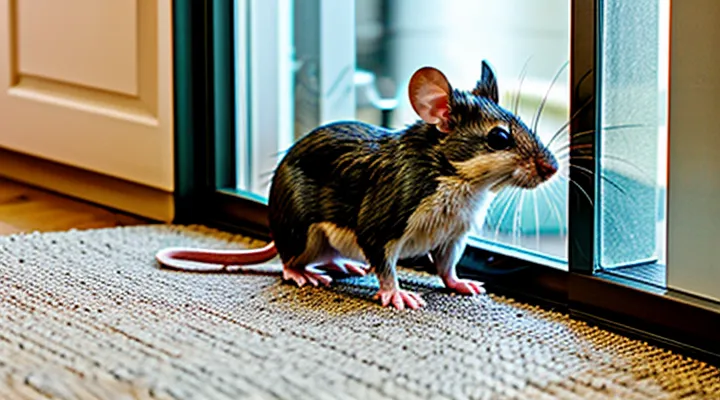
Signs of a Mouse Infestation
Visual Confirmation
Droppings and Urine Stains
Rodent feces appear as small, dark pellets about the size of a grain of rice. Urine stains are often invisible, but may leave a yellowish discoloration or a lingering odor on surfaces such as countertops, cabinets, and flooring. Both signs confirm mouse activity and require prompt attention.
Mouse feces and urine can carry pathogens, including hantavirus, salmonella, and leptospirosis. Inhalation of dried droppings or contact with contaminated surfaces poses a measurable health risk. Protective gloves and a mask reduce exposure during removal.
Immediate cleaning actions
- Wear disposable gloves and a N‑95 respirator.
- Moisten droppings with a disinfectant solution (e.g., 1 % bleach) for at least five minutes to prevent aerosolization.
- Pick up material with a damp paper towel; place in a sealed plastic bag.
- Disinfect the area with a bleach‑water mixture (1 part bleach to 10 parts water) or an EPA‑approved rodent sanitizer.
- Rinse with clean water and allow to dry completely.
Preventive measures
- Seal entry points larger than ¼ inch with steel wool, caulk, or metal flashing.
- Store food in airtight containers; eliminate standing water.
- Install snap traps or electronic devices in identified travel paths.
- Conduct regular inspections of hidden areas such as attics, basements, and behind appliances; clean any new droppings promptly following the procedure above.
Gnaw Marks
Gnaw marks are a reliable indicator that a rodent is active inside the dwelling. They appear on wood, plastic, wiring, and furniture where the animal seeks entry points, food sources, or nesting material. Recognizing the pattern—parallel, V‑shaped, or irregular bite lines—helps differentiate mouse activity from other pests.
The presence of gnaw marks signals potential damage to structural components and electrical insulation, creating fire hazards. Immediate assessment should focus on locating the origin of each mark and tracing it back to possible entry routes.
Steps to address gnaw marks:
- Inspect all interior and exterior walls, baseboards, and cabinets for fresh bite evidence.
- Seal identified entry points with steel wool, copper mesh, or caulk; reinforce with hardware cloth where larger gaps exist.
- Replace or repair damaged wiring and structural elements to eliminate safety risks.
- Set snap traps or electronic traps near the most recent gnaw locations; use bait that matches the mouse’s diet.
- Deploy non‑toxic rodent repellents—such as ultrasonic devices or peppermint oil—around vulnerable areas to discourage further activity.
- Maintain a clean environment: store food in sealed containers, promptly clean crumbs, and reduce clutter that could serve as shelter.
Monitoring after intervention is essential. Re‑examine gnaw marks weekly; the absence of new bites indicates successful control, while fresh marks require renewed sealing and trapping efforts.
Nests and Tracks
Mice leave distinctive nests and tracks that reveal their presence and guide control measures. Recognizing these signs prevents damage and health risks.
- Nests appear as compact piles of shredded paper, fabric, insulation, or dried plant material. They are usually hidden behind walls, under appliances, in attic corners, or inside closets. A nest may be reinforced with mouse urine, giving it a faint odor.
- Tracks consist of dark, fine droppings about ¼ inch long, often found along walls, near food sources, or in hidden corners. Fresh droppings are glossy, while older ones become dry and crumbly. Parallel gnaw marks on wood, plastic, or wiring indicate travel routes.
To eliminate nests and disrupt tracks:
- Seal entry points with steel wool, copper mesh, or caulk to block further access.
- Remove nests by wearing disposable gloves and a mask; place material in a sealed bag and discard in an outdoor trash container.
- Clean droppings with a disinfectant solution (e.g., bleach diluted 1:10) and allow surfaces to dry completely before reapplying food storage.
- Install snap traps or electronic traps along identified travel routes; position them perpendicular to walls, with the trigger side facing the wall.
- Replace damaged insulation, wiring, or stored materials that show gnaw evidence to eliminate shelter and food sources.
Regular inspection of potential nesting sites and prompt removal of any evidence keep mouse activity confined and facilitate long‑term eradication.
Auditory Clues
Scratching and Scurrying Sounds
When tiny scratching or rapid scurrying noises appear after dark, they usually signal a rodent moving through walls, ceilings, or under floorboards. The sound pattern—intermittent, high‑pitched scratches followed by quick, rustling bursts—helps differentiate a mouse from other pests such as insects or squirrels.
Identify the source by:
- Listening at different times of night to pinpoint the most active area.
- Inspecting walls, baseboards, and insulation for gnaw marks, droppings, or nesting material.
- Using a flashlight to examine hidden spaces behind appliances and under cabinets.
Once the location is confirmed, take immediate action:
- Seal entry points with steel‑wool, copper mesh, or caulk to block further access.
- Set snap traps or electronic traps directly where the sounds are strongest, positioning bait near the suspected pathways.
- Apply a dust‑based rodenticide in voids inaccessible to pets, following label instructions.
- If infestation persists, contact a licensed pest‑control professional for comprehensive removal and structural assessment.
After eliminating the mouse, monitor the area for residual noises. Continued scratching indicates possible secondary occupants or incomplete cleanup, requiring a repeat of inspection and sealing measures.
Squeaking Noises
Squeaking sounds often signal a mouse’s presence, especially when they occur at night or behind walls. The high‑pitched noise results from the animal’s movement through confined spaces, gnawing on insulation, or rubbing against metal components.
Identify the exact location by listening at different points in the home, noting whether the noise intensifies near baseboards, ceiling joists, or behind appliances. Use a flashlight to inspect visible gaps, and consider a portable audio recorder to capture intermittent squeaks for later analysis.
Take immediate actions to stop the disturbance and prevent further infestation:
- Seal entry points with steel wool and caulk; rodents can squeeze through openings as small as ¼ inch.
- Set snap traps or electronic traps along walls where the noise is strongest; position bait at least 2 inches from the trap base to avoid premature triggering.
- Deploy ultrasonic repellents in rooms where squeaking is frequent; place devices at least 12 inches off the floor for optimal coverage.
- Remove food sources by storing pantry items in airtight containers and cleaning crumbs from countertops and floors.
If squeaking persists after these measures, consult a professional pest‑control service to conduct a thorough inspection and apply targeted eradication methods.
Olfactory Indicators
Musty Odor
A persistent musty smell often signals rodent activity. Mice excrete urine and feces that release ammonia and bacterial by‑products, creating the characteristic stale odor. The scent may linger in hidden areas such as wall voids, attic insulation, or stored pantry items.
Identify the source. Inspect corners, behind appliances, and inside cabinets for droppings, nesting material, or gnaw marks. Use a flashlight to reveal stains on walls or ceilings that indicate urine seepage.
Address the odor and prevent recurrence:
- Seal entry points with steel wool or caulk to stop further intrusion.
- Remove contaminated food and discard any items that have been in contact with droppings.
- Clean affected surfaces with a solution of detergent and water, followed by a disinfectant containing quaternary ammonium or bleach (1 part bleach to 10 parts water).
- Apply an enzymatic cleaner to porous materials (carpet, upholstery) to break down organic residues.
- Increase ventilation by opening windows, using exhaust fans, or installing a dehumidifier to lower humidity, which reduces odor intensity.
- Replace insulation or drywall that remains saturated after cleaning, as trapped moisture perpetuates the smell.
Monitor the environment for any return of the odor. Persistent scent after thorough remediation may indicate hidden damage that requires professional assessment.
Immediate Actions Upon Discovery
Assessing the Severity
Number of Mice
Accurately assessing how many rodents are present determines the scale of intervention required. A single mouse may be eliminated with a trap, whereas multiple individuals often indicate a breeding colony that demands comprehensive control measures. Begin by documenting sightings, droppings, gnaw marks, and nesting material; each indicator provides a minimum estimate of the population.
- Count fresh droppings in high‑traffic zones; cluster size correlates with activity level.
- Inspect concealed areas (behind appliances, under flooring) for nests; each nest typically houses 3‑5 mice.
- Set monitoring traps for 24‑48 hours; the capture count offers a direct measure of active individuals.
- Compare findings against a threshold of three or more confirmed presences; exceedance signals the need for professional extermination.
When the estimated number surpasses the threshold, expand control actions: increase trap density, seal entry points, and employ bait stations. Low counts allow targeted placement of snap or electronic traps with minimal disruption. Continuous monitoring after treatment confirms eradication and prevents re‑infestation.
Areas Affected
Mice that establish a presence inside a residence impact several zones that require immediate attention. Their activity creates direct hazards in food storage areas, where gnawed packaging can contaminate consumables and spread disease. In kitchens and pantries, droppings and urine introduce bacterial growth, while crumbs and spills provide a continuous food source that sustains the infestation.
Structural components also suffer. Insulation in walls and attics is chewed, reducing thermal efficiency and allowing drafts. Electrical wiring is vulnerable; gnawed cables can cause short circuits, increase fire risk, and disrupt appliance operation. Plumbing spaces may become clogged by nesting material, leading to leaks or drainage problems.
Additional locations experience indirect effects. Furniture and upholstered items can harbor nests, producing unpleasant odors and attracting parasites. Basement and crawl‑space areas often serve as entry points, and unchecked movement there can spread contamination to upper floors. Addressing each affected zone promptly prevents escalation and protects the overall integrity of the home.
Safety Precautions
Protecting Food and Water Sources
Mice entering a home create immediate risk to stored food and drinking water. Contamination can occur through droppings, urine, and gnawing, leading to health hazards and costly losses.
- Store all dry goods, grains, and pet food in containers with metal or heavy‑duty plastic lids that seal tightly.
- Place containers on shelves, not on the floor, to reduce access.
- Keep pantry shelves clear of packaging debris; discard torn or open bags.
- Sweep and vacuum crumbs daily; mop floors with a mild detergent to remove residue.
- Use a separate trash can with a fitted lid; empty it before waste accumulates.
Water sources require equal vigilance. Leaking pipes and standing water attract mice and provide a medium for bacterial growth.
- Repair any faucet drips, pipe leaks, or condensation points.
- Store drinking water for pets and humans in sealed bottles or pitchers with caps.
- Eliminate pet water bowls overnight; refill only when needed.
- Dry wet areas promptly after cleaning or spills; use a dehumidifier in damp rooms.
Regular monitoring reinforces prevention. Inspect storage areas weekly for signs of gnaw marks or droppings, and discard any food that shows evidence of contamination. Maintaining these practices limits mouse access and preserves the safety of food and water supplies.
Personal Protective Equipment
When a rodent has taken up residence inside a dwelling, direct contact with droppings, urine, or contaminated surfaces poses a health risk. Protective gear reduces exposure to pathogens such as hantavirus and leptospirosis.
Wear disposable nitrile or latex gloves that extend to the wrist. Gloves prevent skin contact with feces, urine, and saliva. Replace them immediately after handling contaminated materials and discard in a sealed bag.
Use a particulate respirator rated N95 or higher when sweeping, vacuuming, or applying disinfectant. The mask filters airborne particles that may carry virus‑laden dust. Ensure a proper seal around the nose and mouth; fit testing is advisable for repeated use.
Eye protection, such as safety goggles with a wrap‑around design, shields against splashes of cleaning solutions and aerosolized debris. Choose lenses that resist fogging to maintain visibility.
A disposable coverall or a long‑sleeved, water‑resistant work shirt provides additional barrier for the torso and arms. Secure the garment with a tight‑fitting hood and elastic cuffs. Remove the coverall without touching the exterior surface, roll it inward, and seal in a plastic bag.
Hand hygiene is mandatory. After removing gloves, wash hands with soap and water for at least 20 seconds, then apply an alcohol‑based sanitizer.
Checklist for personal protective equipment
- Nitrile or latex gloves (wrist length)
- N95 or higher respirator, fitted
- Wrap‑around safety goggles
- Disposable coverall with hood and elastic cuffs
- Handwashing station with soap and sanitizer
Proper use, removal, and disposal of each item complete the safety protocol and limit the chance of infection during rodent eradication and cleaning operations.
Humane Mouse Removal Strategies
Trapping Methods
Live Traps
Live traps provide a humane method for removing a resident mouse without resorting to poison or lethal devices.
Choose a trap that closes securely when the mouse contacts the trigger plate. Models with a transparent front allow observation of capture, while those made of sturdy plastic or metal prevent escape.
Effective placement follows a simple pattern:
- Identify high‑traffic zones such as along walls, behind appliances, and near food storage.
- Position the trap perpendicular to the wall, with the entry side facing the baseboard.
- Ensure the trap rests on a stable surface to avoid tipping.
Bait selection influences success. Peanut butter, small pieces of cheese, or a drop of sunflower seed butter attract mice reliably. Apply a pea‑sized amount to the trigger mechanism, avoiding excess that could allow the mouse to feed without activating the trap.
Check traps at least twice daily. A captured mouse should be removed promptly to reduce stress and prevent scent marking that may deter other rodents.
When releasing, transport the trap to a location at least 100 meters from the home, preferably in a wooded or field area. Open the trap gently, allowing the mouse to exit on its own. Dispose of any leftover bait and clean the trap with mild soap and hot water before reuse.
Maintain a clean environment to discourage re‑entry: seal entry points, store food in airtight containers, and eliminate clutter that offers shelter. Live traps, combined with preventive measures, create a comprehensive strategy for dealing with a mouse that has established a presence inside the house.
Snap Traps (Strategic Placement)
Snap traps remain the most immediate method for reducing a mouse presence inside a residence. Their effectiveness hinges on positioning the devices where rodents are most likely to travel, thereby increasing capture rates while minimizing unnecessary exposure to occupants and pets.
- Place traps along walls, as mice prefer to run close to surfaces.
- Target known entry points such as gaps around pipes, vents, and door frames.
- Position devices behind appliances, under cabinets, and within cluttered areas where food residues may accumulate.
- Set traps a few inches from the base of furniture, avoiding direct contact with pets or children.
- Use a bait that appeals to mice—peanut butter, dried fruit, or small pieces of cheese—applied sparingly to the trigger mechanism.
Regularly inspect traps, replace any that have been triggered or become inactive, and rotate placements to cover new pathways identified during monitoring. This systematic approach maximizes removal efficiency and supports long‑term control of the infestation.
Repellents
Natural Repellents (Peppermint Oil, Dryer Sheets)
When a mouse has taken up residence, natural deterrents can complement traps and sanitation. Peppermint oil and dryer sheets are widely available, non‑toxic options that exploit rodents’ sensitivity to strong odors.
-
Peppermint oil
- Dilute 10 ml of oil in 250 ml water; add a few drops of dish soap to emulsify.
- Soak cotton balls in the solution, place them in corners, behind appliances, and along wall gaps.
- Refresh every 3–4 days or after cleaning.
- Avoid direct contact with surfaces that could be stained; test a small area first.
-
Dryer sheets
- Cut sheets into 2‑inch squares.
- Tuck each piece into crevices, under cabinets, and near entry points.
- Replace weekly, or when the scent fades.
- Use fragrance‑free varieties only if occupants have sensitivities.
Both methods rely on volatile compounds that mice find unpleasant, discouraging further movement. They do not eliminate an existing infestation but can reduce activity while other control measures are applied. Proper placement and regular renewal are essential for sustained effectiveness.
Electronic Repellents
Electronic repellents offer a non‑chemical approach to deter rodents that have taken residence indoors. These devices emit ultrasonic or electromagnetic frequencies that interfere with a mouse’s nervous system, causing discomfort and prompting it to vacate the area.
The core mechanisms differ by technology:
- Ultrasonic units generate sound waves above 20 kHz, inaudible to humans but irritating to rodents.
- Electromagnetic models produce low‑frequency pulses that disrupt the animal’s sensory perception.
- Combination devices alternate between ultrasonic and electromagnetic emissions to prevent habituation.
Effective deployment requires strategic placement. Position a unit near known entry points, along walls, and in rooms where activity is observed. Overlap coverage zones to eliminate blind spots; gaps of more than 12 inches between devices reduce efficacy. Elevate units on shelves or furniture to avoid obstruction by furniture or clutter.
Performance varies with environmental factors. Solid walls and dense insulation reflect ultrasonic waves, limiting reach. Open‑plan layouts facilitate broader distribution. Regularly clean the exterior surface to prevent dust buildup, which can attenuate signal strength. Most manufacturers recommend replacing batteries or resetting the unit every six months to maintain output consistency.
Limitations include reduced impact on mature infestations. Electronic repellents may discourage new intruders but seldom eradicate an established colony. Integrating these devices with physical exclusion methods—such as sealing cracks, installing traps, or employing bait stations—enhances overall control.
Safety considerations are minimal. Devices comply with FCC regulations, ensuring emissions remain below thresholds that affect human health. However, pet owners should verify compatibility, as some ultrasonic frequencies can cause distress in small animals like hamsters or guinea pigs.
In summary, electronic repellents function as a supplemental tool in rodent management. Proper selection, placement, and maintenance maximize their deterrent effect, while acknowledging that severe infestations demand additional, more direct interventions.
Professional Pest Control
When to Call an Exterminator
If a mouse population has taken hold in a residence, contact a professional exterminator when any of the following conditions appear:
- Damage to wiring, insulation, or structural components is evident.
- Droppings, urine stains, or strong odor are found in multiple rooms.
- Traps and DIY deterrents fail to reduce activity after several days.
- Children, pets, or immunocompromised individuals are at risk from disease transmission.
- The infestation spreads beyond a single area, indicating a hidden nesting site.
Prompt professional intervention prevents electrical hazards, costly repairs, and health threats that DIY measures cannot reliably address.
What to Expect from Professionals
When a mouse has taken up residence, professional pest‑control providers begin with a thorough inspection. They locate signs of activity, trace pathways used for entry, and assess the extent of the infestation. The inspection includes checking hidden areas such as wall voids, attics, and crawl spaces.
Based on the inspection, the service team outlines a remediation plan. The plan specifies the control methods that will be employed, the expected duration of each stage, and any preparation required from the homeowner. Clear communication about costs, safety precautions, and disposal of captured rodents is part of this briefing.
Implementation of the plan follows industry‑approved protocols. Technicians set appropriate traps, apply bait stations, and seal identified entry points using durable materials. All actions comply with local health regulations and aim to minimize disruption to occupants and pets.
After treatment, professionals schedule a follow‑up visit. The post‑treatment assessment verifies that activity has ceased, checks the integrity of sealed openings, and offers recommendations for long‑term prevention. Many providers include a guarantee period during which additional visits are provided at no extra charge if mouse activity reappears.
Typical deliverables from a qualified pest‑control service include:
- Detailed inspection report with photographic evidence
- Customized remediation strategy with timeline and cost breakdown
- Execution of trapping, baiting, and exclusion measures
- Post‑treatment verification and written guarantee
- Advice on sanitation, storage practices, and structural maintenance to deter future incursions
Preventing Future Infestations
Sealing Entry Points
Identifying Gaps and Cracks
Mice gain entry through openings as small as a quarter‑inch. Detecting these vulnerabilities is the first step in eliminating a resident rodent.
Inspect the exterior walls, foundation, and roofline while the house is darkened. Use a flashlight and a handheld mirror to view hidden joints, eaves, and vent covers. Examine the perimeter for:
- Gaps around utility penetrations (pipes, cables, ducts)
- Cracks in brick or siding, especially near the foundation
- Openings around doors and windows, including weather‑stripping wear
- Unsealed gaps under appliances, cabinets, and baseboards
- Holes in screens, vent louvers, and chimney flues
Inside the home, check interior walls, ceilings, and crawl spaces. Look for signs of gnawing, droppings, or disturbed insulation, which often indicate the location of a breach. Run a thin piece of cardboard or a flexible probe along suspected seams; resistance suggests a sealed area, while easy passage reveals a gap.
Document each opening, measure its size, and prioritize repairs based on proximity to known mouse activity. Seal gaps with appropriate materials: steel wool for small holes, copper mesh for larger cracks, and caulk or expanding foam for irregular fissures. Replace damaged weather‑stripping and install door sweeps where needed.
A systematic inspection and thorough sealing of identified gaps and cracks remove the pathways mice use to enter, effectively curbing the infestation.
Using Appropriate Materials for Sealing
Sealing entry points prevents further intrusion and forces the rodent to search elsewhere. Choose materials that resist gnawing, tolerate temperature fluctuations, and adhere securely to the surrounding structure.
- Steel wool or copper mesh: compress into gaps; rodents cannot bite through metal fibers.
- Expanding polyurethane foam: fills irregular voids, hardens to a durable barrier.
- Silicone or acrylic caulk: seals cracks around windows, baseboards, and trim; remains flexible for minor movement.
- Concrete or mortar: closes larger openings in foundations or walls; provides permanent, load‑bearing protection.
- Sheet metal flashing: covers vent openings and pipe penetrations; screws or rivets secure it firmly.
Select the material that matches the size and location of each opening. For gaps under ¼ inch, insert steel wool then cover with caulk to lock it in place. For openings up to 2 inches, apply expanding foam, then trim excess and smooth the surface with caulk. Larger holes require concrete patching or sheet metal, secured with appropriate fasteners. Ensure all sealants are low‑odor and non‑toxic, especially in areas with food preparation or pets.
After sealing, inspect the treated areas weekly for signs of loosening or new damage. Reapply caulk or foam as needed to maintain an intact barrier. Regular maintenance eliminates re‑entry opportunities and supports long‑term control of the infestation.
Sanitation and Food Storage
Proper Food Storage Techniques
When a rodent has taken up residence, securing food supplies eliminates the primary attractant. Seal containers, use airtight jars, and store bulk items in metal or heavy‑walled plastic bins with tight lids. Keep pantry shelves clear of crumbs; wipe surfaces after each use. Position food away from walls and corners, reducing easy access points.
Key practices include:
- Transfer dry goods (rice, pasta, cereals) to containers with silicone sealing rings.
- Place pet food in resealable containers, never leave bowls uncovered overnight.
- Store frozen items in original packaging only if the package is intact; otherwise, rewrap in foil or freezer‑grade bags.
- Label containers with purchase dates to encourage timely consumption and prevent long‑term exposure.
Maintain a regular cleaning schedule: sweep floors, vacuum corners, and discard expired products. Inspect storage areas weekly for signs of damage or gnaw marks, replacing compromised containers immediately. By enforcing strict food storage protocols, the environment becomes inhospitable to the intruder, supporting broader control measures.
Regular Cleaning Practices
Regular cleaning is a critical component of preventing and managing a rodent presence in a home. Food residues, crumbs, and spilled liquids provide the primary attraction for mice; eliminating these sources reduces their incentive to stay.
- Store all dry goods in airtight containers made of glass, metal, or heavy‑duty plastic.
- Wipe countertops, tables, and appliance fronts with a disinfectant after each use; focus on corners and edges where crumbs accumulate.
- Sweep or vacuum floors daily, paying special attention to kitchen backsplashes, under appliances, and near pantry shelves.
- Empty trash cans at least once a day; use bins with tight‑fitting lids and replace liners regularly.
- Clean pet feeding areas after every meal; wash bowls with hot, soapy water and dry them thoroughly.
- Inspect and clean behind furniture, especially in storage rooms and basements; move items periodically to expose hidden debris.
A consistent schedule reinforces these habits. Schedule a deep clean weekly: mop hard floors with a mild detergent, sanitize sink drains, and wash reusable kitchen cloths at high temperature. During each session, inspect for droppings or gnaw marks; remove any findings promptly and disinfect the area.
Maintain a clutter‑free environment. Reduce stacks of paper, cardboard boxes, and fabric piles that can serve as nesting material. Organize storage spaces with shelves that leave a clear gap between items and walls, facilitating inspection and cleaning.
By adhering to these practices, the home becomes inhospitable to rodents, limiting their ability to establish a foothold and supporting any additional control measures.
Yard and Exterior Maintenance
Trimming Vegetation
Trimming vegetation around a home reduces shelter and food sources that attract rodents, making it a critical step when a mouse has taken up residence indoors. Dense shrubs, overgrown lawn edges, and vines that touch the exterior provide easy pathways for mice to enter through gaps in the foundation or eaves.
- Cut back shrubs to at least three feet from the building’s walls.
- Remove vines and climbing plants that contact the roof or siding.
- Keep grass at a height of six inches or lower; mow regularly.
- Dispose of yard waste in sealed containers; avoid compost piles near the house.
- Clear debris, leaf piles, and wood stacks from the perimeter to eliminate hiding spots.
Maintain a clear buffer zone by trimming regularly and inspecting for new growth. This practice limits external access points, complements interior pest‑control measures, and helps prevent future mouse incursions.
Storing Firewood Away from the House
Storing firewood at a safe distance from the dwelling reduces the likelihood that a mouse will use it as shelter or a food source, which is a critical step when dealing with a rodent presence inside the home.
Place the stack at least 20 feet (6 m) away from walls, foundations, and any entry points. Elevate the pile on a sturdy platform or pallets to keep the wood off the ground and away from moisture that can attract insects and, consequently, mice. Use a roof or a waterproof cover that extends beyond the edges of the stack; ensure the material is breathable to prevent condensation while denying rodents shelter.
Maintain the stack by rotating the wood regularly. Move older pieces to the front and add new logs to the back, so the outer layer is always fresh and less appealing to rodents. Inspect the wood for signs of gnawing or nesting, and discard any compromised pieces promptly.
Implement these practices alongside other control measures—such as sealing cracks, setting traps, and eliminating food sources—to create a comprehensive approach that discourages mice from establishing a foothold in the residence.
Health Risks Associated with Mice
Disease Transmission
Hantavirus
Mice can carry hantavirus, a rodent‑borne pathogen that may cause severe respiratory illness. The virus is present in the urine, droppings, and saliva of infected rodents; humans become infected when aerosolized particles are inhaled or when contaminated surfaces are touched and then the face is contacted.
If a mouse has taken up residence inside the dwelling, immediate actions reduce exposure risk:
- Seal all entry points to prevent additional rodents.
- Wear disposable gloves, N‑95 respirator, and eye protection while handling contaminated areas.
- Ventilate rooms for at least 30 minutes before cleaning.
- Use a disinfectant proven effective against hantavirus (e.g., a 1:100 bleach solution) on surfaces, bedding, and droppings.
- Avoid sweeping or vacuuming dry droppings; dampen them with disinfectant first to prevent aerosolization.
- Dispose of contaminated material in sealed plastic bags and discard according to local hazardous‑waste guidelines.
- Wash hands thoroughly with soap after removing protective equipment.
Monitor household members for symptoms such as fever, muscle aches, and shortness of breath. If any appear, seek medical evaluation promptly and inform the provider about possible hantavirus exposure. Early diagnosis improves treatment outcomes.
Salmonella
A mouse residing in a residence can introduce Salmonella, a bacterium that causes gastrointestinal illness. The animal’s droppings, urine, and contaminated food residues serve as vectors for the pathogen, which survives on surfaces for weeks and multiplies when conditions are moist and warm.
To mitigate the threat, follow these steps:
- Seal entry points with steel wool or caulk to stop further intrusion.
- Set humane traps or snap traps; dispose of captured rodents promptly in a sealed bag.
- Wear disposable gloves and a mask when cleaning contaminated areas.
- Remove all food items from the floor, store them in airtight containers, and discard any product that shows signs of rodent contact.
- Disinfect surfaces with a solution containing at least 1 % bleach (diluted 1:10 with water) or an EPA‑approved sanitizer; let the solution remain on the surface for the recommended contact time.
- Launder bedding, curtains, and any washable fabrics at the highest temperature the material allows.
After removal, monitor household members for symptoms such as fever, abdominal cramps, and diarrhea. If illness appears, seek medical evaluation promptly, providing details about the rodent exposure. Persistent sanitation and regular inspection of the property reduce the likelihood of Salmonella recurrence and protect overall health.
Allergens and Asthma Triggers
Mouse Dander
Mouse dander consists of microscopic skin flakes, saliva, and urine particles shed by rodents. These particles become airborne, settle on surfaces, and can contaminate food, linens, and upholstery.
Exposure to dander may trigger allergic reactions, asthma attacks, or other respiratory symptoms, especially in sensitive individuals. Eliminating the source and removing residual allergens are essential to protect occupants’ health.
Effective control measures include:
- Sealing cracks, gaps, and entry points to prevent further rodent access.
- Removing visible droppings, nests, and contaminated materials with disposable gloves and a HEPA‑filter vacuum.
- Washing fabrics, curtains, and bedding in hot water (≥ 60 °C) or discarding items that cannot be thoroughly cleaned.
- Applying a disinfectant that is effective against protein‑based allergens to hard surfaces after removal of debris.
- Using an air purifier equipped with a HEPA filter to capture airborne dander particles.
- Wearing a mask rated N95 or higher when cleaning to reduce inhalation of residual allergens.
Implementing these steps reduces the concentration of mouse dander, minimizes health risks, and supports long‑term prevention of rodent re‑infestation.
Urine and Droppings
Mouse urine and feces provide the most reliable indication that a rodent is living inside a home. Urine contains ammonia and bacterial toxins that can irritate eyes, skin, and respiratory passages. Droppings, typically 3‑5 mm long, are dark, pellet‑shaped, and often found along walls, behind appliances, and in stored food containers. Both substances can contaminate surfaces and food, creating a health hazard that requires immediate attention.
To address contamination, follow these steps:
- Wear disposable gloves and a mask to reduce exposure to pathogens.
- Ventilate the room by opening windows and using an exhaust fan.
- Collect droppings with a damp paper towel or disposable cloth; place material in a sealed plastic bag.
- Disinfect the area with a solution of 1 part bleach to 10 parts water, or a commercial rodent‑specific disinfectant.
- Allow the surface to remain wet for at least five minutes before wiping clean.
- Dispose of gloves, towels, and any contaminated materials in a sealed bag, then wash hands thoroughly.
After cleaning, eliminate conditions that attract mice. Store food in airtight containers, seal cracks and gaps larger than ¼ inch, and keep clutter to a minimum. Regular inspection of potential hiding spots—behind baseboards, under sinks, and in attics—helps detect new urine or droppings early, preventing further infestation.