
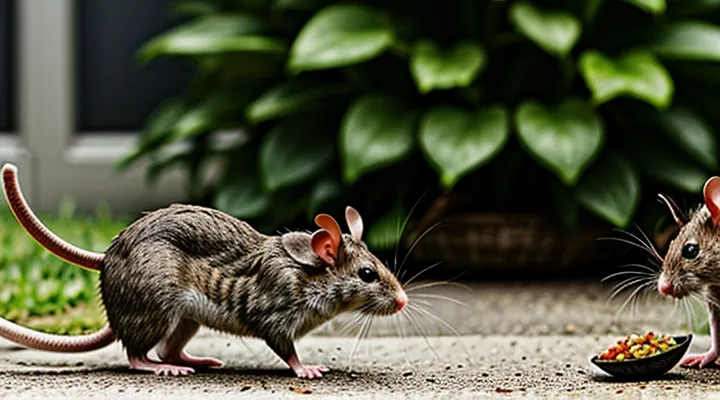
General Dietary Habits of Mice and Rats
Omnivorous Nature
Plant-Based Foods
Mice and rats rely heavily on plant-derived resources for energy, fiber, and micronutrients. Their natural foraging behavior targets seeds, grains, sprouts, fruits, and leafy material, with selection driven by texture, moisture content, and carbohydrate concentration. Both species display heightened activity during dawn and dusk, periods when fresh vegetation is most accessible.
- Seeds and grains: wheat, barley, oats, millet, sunflower seeds, corn kernels.
- Legume pods and beans: lentils, peas, chickpeas, soybeans.
- Fruits: apples, berries, grapes, melons, bananas.
- Vegetables and leafy greens: carrots, cucumber, lettuce, kale, spinach, broccoli.
- Nuts and kernels: almonds, peanuts, walnuts, pistachios (in moderation).
Plant matter supplies essential vitamins (A, C, K), minerals (calcium, potassium, magnesium), and soluble fiber that supports gastrointestinal health. High‑carbohydrate items such as grains and fruits satisfy immediate energy demands, while fibrous components from leafy greens aid in preventing digestive stasis. In laboratory settings, providing a balanced assortment of these foods reduces stress‑induced behaviors and promotes normal growth rates, making plant-based provisions a critical component of rodent husbandry and experimental design.
Animal-Based Foods
Mice and rats incorporate animal-derived nutrients into their omnivorous diet when such resources are accessible. In the wild, they opportunistically consume insects, larvae, and small arthropods, obtaining high‑quality protein and essential amino acids. Carrion and dead vertebrate tissue provide additional protein and lipids, though consumption is limited to readily available sources. Small mammals may also feed on eggs, taking advantage of the rich yolk and albumen. In urban environments, rodents frequently scavenge discarded meat, fish, and processed animal products from waste streams, integrating these foods into their regular intake.
Key animal‑based items observed in rodent feeding studies include:
- Insects (beetles, caterpillars, beetle larvae)
- Arachnids (spiders, mites)
- Small vertebrate carcasses (birds, fish)
- Eggs (chicken, quail)
- Processed meat scraps (cooked or raw)
- Pet food containing animal protein (dry kibble, wet formulas)
Laboratory rodents receive formulated diets containing defined quantities of animal protein, such as casein, whey, or dried animal plasma, to meet precise nutritional requirements. Preference tests reveal a consistent selection for foods with higher protein content, especially when carbohydrate sources are abundant. However, excessive reliance on animal matter can lead to imbalanced intake of fats and minerals, necessitating careful formulation in captive settings.
Overall, animal-derived foods serve as a supplemental protein source, augmenting the carbohydrate‑rich baseline of the rodent diet and influencing feeding behavior across both wild and domestic populations.
Opportunistic Feeding Behavior
Impact of Environment
Environmental conditions shape the foods that mice and rats select and consume. Temperature, humidity, and seasonal changes alter the availability of natural seeds, insects, and vegetation, prompting rodents to shift toward stored grain, human refuse, or cultivated crops when preferred sources diminish.
The physical layout of a habitat influences foraging behavior. Dense ground cover offers protection, encouraging consumption of low‑lying seeds, while open areas expose rodents to predators, leading them to favor high‑energy items that can be gathered quickly. Proximity to human structures introduces processed foods, fats, and sugars that are rarely encountered in wild settings.
Key environmental variables that affect dietary choices include:
- Seasonality: Determines seed and fruit cycles, driving periodic spikes in carbohydrate intake.
- Urbanization: Provides constant access to waste, increasing intake of fats and proteins from discarded meals.
- Climate extremes: Trigger metabolic adjustments, such as higher fat consumption during cold periods to maintain body temperature.
- Habitat fragmentation: Limits natural foraging zones, forcing reliance on alternative, often anthropogenic, food sources.
Long‑term exposure to altered environments can lead to permanent changes in taste preferences. Populations that repeatedly encounter high‑calorie human food develop a stronger inclination toward such items, even when traditional resources reappear. This behavioral adaptation influences population health, reproductive success, and ecological impact.
Impact of Food Availability
Food availability directly shapes the feeding habits of both mice and rats. When resources are abundant, individuals consume a broader spectrum of items, including seeds, fruits, insects, and human‑derived waste. In contrast, scarcity forces reliance on limited, often lower‑quality foods such as dried vegetation or stored grain.
Seasonal fluctuations illustrate this effect. Spring and summer bring fresh plant material, prompting increased intake of leafy greens and insects. Autumn introduces abundant seeds and nuts, which become primary energy sources. Winter imposes scarcity, leading to heightened foraging activity, storage behavior, and occasional consumption of carrion.
Competition intensifies the impact of limited supplies. In dense populations, dominant individuals secure preferred foods, while subordinates resort to marginal items. This hierarchy influences growth rates, reproductive success, and disease susceptibility.
Key outcomes of variable food access include:
- Reduced dietary diversity during lean periods, limiting essential nutrients.
- Increased caloric intake when high‑energy foods are temporarily plentiful, often resulting in rapid weight gain.
- Shifts in foraging patterns, such as extended nocturnal activity or exploration of anthropogenic habitats.
- Adaptation of digestive enzymes to process newly available food types.
Laboratory studies confirm that controlled feeding regimes alter taste preferences. Mice and rats exposed repeatedly to a specific nutrient develop heightened acceptance of that food, while avoidance emerges for flavors associated with negative post‑ingestive effects.
Overall, the presence or absence of food resources determines not only what these rodents eat but also how they prioritize, process, and adapt to their environment.
Specific Dietary Preferences of Mice
Grain and Seed Preference
Mice and rats consistently favor a range of cereals and seeds that supply high carbohydrate levels and essential fatty acids. Preference is driven by grain size, hull thickness, and moisture content; smaller, softer kernels are more readily consumed by mice, while rats often select larger, denser seeds.
Typical grains and seeds include:
- Wheat kernels (soft varieties)
- Oats (rolled or whole)
- Barley (hulled or dehulled)
- Rye
- Corn kernels (yellow or white)
- Sunflower seeds (shelled)
- Millet
- Flaxseed
Selection varies with species. House mice (Mus musculus) display a strong inclination toward fine, low‑fiber grains such as wheat and rice, whereas Norway rats (Rattus norvegicus) show higher acceptance of coarse, high‑energy seeds like sunflower and corn. Seasonal availability influences intake; during autumn, rodents increase consumption of stored seeds, while spring sees a shift toward newly sprouted grains.
Nutrient composition influences preference. Grains rich in starch provide rapid energy, supporting high activity levels, while seeds containing oils contribute essential lipids for growth and reproduction. Laboratory observations confirm that rodents will adjust their diet to maintain a balanced intake of carbohydrates, proteins, and fats when presented with mixed grain‑seed offerings.
Understanding these preferences aids in designing effective bait formulations and managing rodent populations in agricultural and urban environments. Accurate identification of favored cereals and seeds enables targeted control measures while minimizing non‑target impacts.
Fruit and Vegetable Consumption
Mice and rats incorporate a variety of fruits and vegetables into their diets, reflecting both opportunistic foraging and selective preferences. Fresh produce supplies carbohydrates, fiber, vitamins, and minerals essential for growth, reproduction, and immune function.
Commonly consumed fruits include apples, grapes, berries, bananas, and melons. These items provide simple sugars that support rapid energy demands, while the skins and seeds contribute dietary fiber and antioxidants. Rats tend to favor sweeter, softer fruits, whereas mice often select smaller, easily handled pieces.
Vegetable intake typically features carrots, cucumbers, lettuce, broccoli, and sweet potatoes. Leafy greens deliver potassium, calcium, and folate; root vegetables offer complex carbohydrates and beta‑carotene. Both species show a marked preference for crisp textures and mild flavors, avoiding strongly bitter or highly fibrous parts such as stems and leaves with high lignin content.
Seasonal availability influences consumption patterns. In temperate regions, wild rodents increase fruit intake during late summer and early autumn when berries and ripened fruits peak. During colder months, reliance shifts toward stored tubers, root vegetables, and discarded garden produce. Captive populations receive a controlled mix of fresh produce, often rotated to prevent habituation and to ensure a balanced micronutrient profile.
Nutritional considerations dictate portion limits. Excess fruit can cause gastrointestinal upset due to high sugar concentration, while overly fibrous vegetables may impede digestion. Standard feeding guidelines recommend that fruits and vegetables constitute no more than 15 % of total caloric intake, supplementing a base of grains, protein sources, and fortified pellets.
Key factors shaping fruit and vegetable consumption include taste receptors for sweetness, olfactory cues signaling ripeness, and the physical accessibility of edible parts. Understanding these preferences aids in designing optimal diets for laboratory colonies and in managing wild populations that exploit human agricultural waste.
Protein Sources for Mice
Insects and Larvae
Mice and rats incorporate a wide range of arthropods into their diets, with insects and larvae representing a significant protein source. Small beetles, crickets, moths, and their caterpillars are frequently consumed, especially when plant material becomes scarce.
Nutritional contribution
- High‑quality protein (approximately 20–30 % of dry mass)
- Essential amino acids, including lysine and methionine
- Lipids rich in polyunsaturated fatty acids
- Micronutrients such as chitin‑derived glucosamine, calcium, and trace minerals
Seasonal patterns
- Spring and early summer: abundance of larvae in leaf litter attracts foraging rodents.
- Late summer: adult insects increase in number, providing supplemental energy.
- Autumn: declining insect populations shift focus back to seeds and grains, but occasional beetle carcasses remain valuable.
Preference determinants
- Size: individuals under 5 mm are optimal for mouse handling; rats favor larger beetles and grasshopper nymphs.
- Mobility: slower, soft‑bodied larvae are preferred over fast‑moving adult insects.
- Odor cues: volatile compounds released by decaying matter signal high‑nutrient targets.
Health implications
- Adequate insect intake supports rapid growth in juveniles and enhances reproductive success.
- Excessive consumption of toxic species (e.g., certain beetles containing defensive alkaloids) can cause mortality; rodents exhibit avoidance behavior after limited exposure.
- Chitin digestion contributes to gut microbiota diversity, improving fiber fermentation.
Behavioral observations
- Foraging rodents display opportunistic scavenging, collecting insects from crevices, burrow walls, and surface debris.
- Laboratory studies show increased exploratory activity when insects are presented alongside standard chow, indicating strong innate attraction.
Overall, insects and their immature stages serve as a flexible, nutrient‑dense component of rodent feeding strategies, supplementing plant‑based foods and enhancing physiological resilience across varying environmental conditions.
Scavenged Meat
Scavenged meat constitutes a significant, though opportunistic, component of the diet of both house mice (Mus musculus) and Norway rats (Rattus norvegicus). Field observations and laboratory studies confirm that these rodents will consume animal tissue when it becomes available through human waste, carrion, or the remains of other small vertebrates.
Nutritional contribution
- Protein content comparable to that of plant-derived sources.
- High caloric density, supporting rapid growth and reproduction.
- Presence of essential amino acids not always abundant in grains.
Behavioral patterns
- Preference for fresh or partially decomposed tissue; avoidance of heavily putrefied material that emits strong odors.
- Increased consumption during periods of food scarcity, such as winter months or in densely populated urban environments where competition for grains intensifies.
- Individual variation: laboratory rats display a higher propensity for scavenged meat than wild-caught mice, reflecting differences in exposure and learned foraging strategies.
Health implications
- Potential exposure to pathogens (e.g., Salmonella, Listeria) carried by contaminated carcasses.
- Risk of ingesting toxic substances accumulated in predator tissues, including heavy metals and pesticide residues.
- Evidence suggests that limited intake of fresh animal protein can enhance immune function, while chronic consumption of spoiled meat may lead to gastrointestinal disturbances.
Ecological impact
- Scavenged meat intake reduces competition for plant resources, allowing higher population densities in environments with abundant waste.
- By removing carrion, rodents contribute to the breakdown of organic matter, albeit indirectly, through their foraging activity.
Management considerations
- Secure waste containers and prompt removal of animal remains diminish the availability of scavenged meat, thereby limiting rodent population growth.
- Monitoring of rodent diets in pest control programs can inform targeted interventions, focusing on reducing access to high‑protein waste sources.
Specific Dietary Preferences of Rats
Varied Diet
Cereal Grains and Seeds
Mice and rats readily consume a variety of cereal grains and seeds, which supply carbohydrates, proteins, and essential fatty acids. These foods are typically high in energy density, supporting rapid growth and reproductive cycles.
Common grains and seeds include:
- Wheat kernels and broken pieces
- Oats, rolled or whole
- Barley, malted or raw
- Corn kernels and cornmeal
- Rice, especially brown or unprocessed varieties
- Sunflower seeds, hulled or partially husked
- Millet, both whole and cracked
- Flaxseed, ground or whole
Preference patterns often correlate with texture and moisture content. Rodents favor softer, partially cracked kernels that require less gnawing effort, while whole, harder seeds are selected when moisture is abundant, facilitating easier digestion. Seasonal availability influences intake; stored grains become primary resources in colder months, whereas fresh seed heads are exploited during growing seasons.
Nutritionally, cereal grains provide glucose for immediate energy, while seeds contribute linoleic and alpha‑linolenic acids critical for membrane synthesis. Protein levels vary: wheat and barley supply moderate amounts, whereas seeds such as sunflower and flax deliver higher concentrations of essential amino acids. Excessive grain consumption can lead to dental overgrowth if not balanced with fibrous material, highlighting the need for dietary diversity in captive or laboratory settings.
Fruits, Vegetables, and Nuts
Mice and rats incorporate a variety of fruits, vegetables, and nuts into their diet, reflecting natural foraging behavior and nutritional requirements.
Fruit consumption provides quick energy and essential micronutrients. Preferred options include:
- Apples (seedless, small pieces)
- Berries such as strawberries, blueberries, and raspberries
- Grapes (cut into bite‑size portions)
- Bananas (thin slices)
- Pears (seedless, diced)
Vegetables supply fiber, vitamins, and minerals. Commonly accepted varieties are:
- Carrots (shredded or diced)
- Leafy greens like kale, spinach, and romaine lettuce
- Peas (fresh or frozen, thawed)
- Broccoli florets
- Cucumber (seedless slices)
Nuts contribute fats, protein, and calories but must be offered sparingly due to high energy density. Suitable choices include:
- Unsalted almonds (crushed)
- Hazelnuts (halved)
- Walnuts (chopped)
- Sunflower seeds (shelled)
- Peanuts (unsalted, chopped)
Feeding guidelines emphasize moderation, removal of seeds or pits that contain toxic compounds, and avoidance of overly sugary or acidic fruits that can disrupt gut flora. Fresh produce should be introduced gradually to monitor tolerance and prevent digestive upset. For captive rodents, limit fruit to no more than 10 % of total intake, vegetables to 20–30 %, and nuts to under 5 % of caloric consumption.
Protein Requirements for Rats
Meats and Fish
Mice and rats readily incorporate animal protein into their diet when it is presented in appropriate form. Small portions of cooked or raw meat satisfy their need for high‑quality protein and essential amino acids.
- Poultry (chicken, turkey) – tender muscle tissue, low in connective fibers, easily consumed.
- Beef – lean cuts preferred; excess fat may be rejected.
- Pork – acceptable when fresh; cured or heavily seasoned portions are avoided.
- Lamb – occasional inclusion, similar acceptance to beef.
Fish also appears in the diet of these rodents, though acceptance varies by species and preparation.
- Freshwater fish (e.g., trout, carp) – soft flesh, high palatability.
- Saltwater fish (e.g., sardines, herring) – strong odor may deter some individuals but can be offered in small, deboned pieces.
- Cooked fish – reduces parasite risk, improves digestibility.
Animal protein supplies 20–30 % of total caloric intake in captive rodents, delivering 18–22 % protein, 5–10 % fat, and significant levels of B‑vitamins, iron, and zinc. These nutrients support rapid growth, reproduction, and immune function.
Risks accompany meat and fish inclusion. Spoiled tissue introduces pathogenic bacteria; raw fish may contain parasites; high‑fat cuts can cause gastrointestinal upset and obesity. Proper storage, thorough cooking, and portion control mitigate these hazards.
Laboratory mice exhibit stricter selectivity than wild rats, often preferring milder meats and rejecting strong‑smelling fish. Wild rats display broader acceptance, readily scavenging carrion and discarded fish scraps. Adjustments in type and preparation of meat and fish should reflect the specific rodent species and the controlled environment in which they are kept.
Insects and Other Invertebrates
Mice and rats incorporate a variety of arthropods and other invertebrates into their diet, especially when plant material is scarce or when protein demand rises. Small insects provide a dense source of nitrogen, essential amino acids, and lipids that support growth, reproduction, and immune function.
Typical invertebrate items consumed include:
- Beetles (ground‑dwelling and larvae such as mealworms)
- Crickets and grasshoppers
- Ants and termites
- Spiders and centipedes
- Earthworms
- Slugs and snails
- Mites and small arachnids
These prey are captured opportunistically. Nocturnal foraging increases encounters with ground‑active insects, while climbing behavior enables access to arboreal species like caterpillars and beetle larvae hidden in foliage. Seasonal fluctuations affect availability: beetle larvae peak in late summer, earthworms are most active after rainfall, and termites surge during warm, humid months.
Nutritional contribution of invertebrates can exceed 30 % of total caloric intake in laboratory studies where rodents are offered mixed diets. Protein content ranges from 45 % to 60 % of dry weight, while chitin supplies additional fiber that aids gastrointestinal motility. Lipid profiles are rich in polyunsaturated fatty acids, supporting membrane integrity and neural development.
Laboratory observations show that rats preferentially select larger, softer‑bodied insects when presented with a choice, whereas mice often consume smaller, more mobile prey. Both species exhibit learned avoidance of toxic insects that emit defensive chemicals, demonstrating the ability to discriminate based on sensory cues.
In natural habitats, the inclusion of insects and other invertebrates balances the macronutrient composition of an otherwise carbohydrate‑dominant diet, ensuring sufficient protein for offspring rearing and seasonal metabolic demands.
Dangers of Human Food for Rodents
Unsuitable Ingredients
High Sugar Content
High‑sugar foods are a consistent component of the diet consumed by both laboratory and wild rodents. Commercial rodent chow often contains added sucrose or dextrose at concentrations ranging from 5 % to 20 % of the total weight, providing a readily metabolizable energy source. In natural settings, mice and rats encounter sugary items such as ripe fruit, honeydew, nectar, and discarded processed foods, all of which can contribute significant amounts of simple carbohydrates.
The preference for sweet substances is driven by the gustatory system, which detects sugars through specific receptors on the tongue. Experiments using two‑choice tests repeatedly show that rodents select solutions with higher sugar concentrations over plain water, even when the caloric content of alternative foods is comparable. This behavior indicates an innate bias toward rapid energy intake.
High‑sugar intake influences physiological parameters:
- Elevated blood glucose levels within minutes of consumption.
- Increased insulin secretion, which can lead to transient hypoglycemia if excess sugar is not balanced with other nutrients.
- Accumulation of adipose tissue when sugary foods are provided continuously, accelerating weight gain.
- Altered gut microbiota composition, favoring fermentative bacteria that thrive on simple sugars.
Researchers must control sugar content when designing dietary protocols, as excessive sweetness can mask the effects of experimental variables. In pest management, baits enriched with high concentrations of sucrose or fructose improve attractiveness and uptake, enhancing trap efficacy.
Overall, the presence of high‑sugar components shapes feeding behavior, metabolic response, and experimental outcomes in mice and rats.
High Fat Content
Rodents naturally seek foods with elevated lipid levels, especially when energy demands increase. Laboratory data confirm that mice and rats will select diets containing 15–30 % fat over lower‑fat alternatives when presented with a choice.
Typical high‑fat items encountered in the wild include:
- Seeds rich in oil (e.g., sunflower, pumpkin)
- Insect larvae and adult insects
- Bird eggs and their membranes
- Nut kernels and fatty fruits
In controlled environments, high‑fat formulations often comprise:
- Lard or vegetable oil emulsified into pellet mash
- Purified soybean or corn oil added to standard chow
- Commercial “high‑energy” blocks containing 20–45 % fat
Elevated dietary fat influences several physiological parameters. Increased caloric density accelerates weight gain, promotes adipose deposition, and can modify glucose tolerance. Fat intake also affects hormone profiles, notably leptin and insulin, which in turn regulate feeding behavior. Preference tests reveal a consistent bias toward fatty substrates, with intake rising proportionally to fat concentration up to a saturation point near 35 % of total diet mass.
For researchers and pet owners, understanding rodents’ attraction to lipid‑rich foods guides diet formulation. Providing balanced fat levels prevents obesity while satisfying innate cravings, thereby reducing stress‑induced hyperphagia. Adjustments in fat content should align with experimental goals, species‑specific metabolism, and the age or reproductive status of the animals.
Toxic Substances
Rodenticides
Rodenticides are chemical agents deliberately incorporated into bait to control mouse and rat populations. They exploit the natural foraging behavior of these rodents by presenting a palatable matrix that masks the toxic component, ensuring ingestion during routine feeding cycles.
Common rodenticides fall into two categories: anticoagulants and non‑anticoagulants. Their distinguishing features include mode of action, potency, and secondary‑poisoning risk.
- First‑generation anticoagulants (e.g., warfarin, chlorophacinone) require multiple feedings to achieve lethal blood clotting.
- Second‑generation anticoagulants (e.g., bromadiolone, difenacoum) act after a single dose, produce prolonged anticoagulant activity, and persist in rodent tissue.
- Metal phosphides (e.g., zinc phosphide) release phosphine gas in the acidic stomach environment, causing rapid systemic failure.
- Bromethalin interferes with mitochondrial oxidative phosphorylation, leading to cerebral edema after a single ingestion.
- Cholecalciferol induces hypercalcemia, resulting in cardiac and renal dysfunction.
Effective deployment depends on matching the rodent’s dietary preferences with an appropriate bait matrix, monitoring for bait shyness, and adhering to regulatory limits on residue levels to prevent non‑target exposure. Integrated pest management protocols recommend rotating active ingredients, employing mechanical controls, and conducting periodic population assessments to maintain efficacy and reduce resistance development.
Common Household Items
Mice and rats routinely explore residential spaces in search of readily available food sources. Their foraging behavior concentrates on items that supply carbohydrates, sugars, proteins, and moisture, often found in everyday household supplies.
- Grains, cereals, and oatmeal
- Bread, crackers, and other baked goods
- Pet food (dry kibble and wet blends)
- Fresh fruits such as apples, bananas, and berries
- Vegetables including carrots, potatoes, and leafy greens
- Sweet treats: chocolate, candy, and jam
- Processed snacks: chips, pretzels, and popcorn
- Cardboard boxes, paper products, and paper towels
- Insulation material, cotton fibers, and soft fabrics
Preference patterns emerge from nutritional content and scent intensity. High‑carbohydrate foods attract rodents quickly, while sugary items provoke rapid consumption. Protein‑rich pet food sustains longer feeding periods. Moisture‑laden fruits and vegetables are favored when ambient humidity is low. Materials lacking nutritional value, such as plain glass or metal, are ignored despite potential shelter benefits.
Effective control relies on eliminating access to these items. Store dry goods in sealed containers, keep pet food locked away, promptly dispose of food scraps, and maintain a clean environment free of crumbs and spills. Reducing the presence of edible household objects directly diminishes rodent attraction and population growth.
Food Storage and Prevention
Securing Food Sources
Mice and rats rely on a combination of opportunistic foraging, environmental manipulation, and social coordination to maintain reliable access to nourishment. They exploit human habitats by entering structures through gaps, exploiting stored commodities, and harvesting waste. Their small size enables entry into concealed spaces where food remains untouched, while their keen sense of smell directs them to nutrient‑rich deposits.
To protect food supplies, these rodents employ several tactics:
- Cache creation: individuals hide excess grains, seeds, or crumbs in concealed locations, forming a reserve that can be retrieved during scarcity.
- Nest proximity: nests are constructed near reliable food sources, reducing travel distance and exposure to predators.
- Scent marking: pheromonal trails indicate profitable routes, guiding conspecifics to abundant supplies and reinforcing collective foraging efficiency.
In managed environments, effective control hinges on interrupting these mechanisms. Sealing entry points eliminates access routes; proper sanitation removes attractants that trigger scent marking; and regular removal of waste disrupts cache formation. Implementing these measures directly reduces the rodents’ ability to secure and store food, limiting population growth and infestation risk.
Eliminating Access Points
Rodents locate food through sight, scent, and the ability to squeeze through tiny openings. Preventing them from reaching nutritional sources requires sealing every potential entryway and removing attractants.
Secure structural gaps. Inspect walls, foundations, and rooflines for cracks larger than ¼ inch. Fill openings with steel wool, caulk, or cement, then cover with metal flashing or hardware cloth. Install tight-fitting door sweeps on all exterior doors and ensure garage doors close fully.
Control interior exposure. Store dry goods in metal or heavy‑wall containers with airtight lids. Place pet food in sealed bins and remove leftovers promptly. Clean countertops, floors, and under appliances to eliminate crumbs and spills.
Maintain exterior hygiene. Keep trash cans sealed with lid locks. Position dumpsters away from building walls and elevate them on platforms. Remove fallen fruit, nuts, and seed heads from landscaping. Trim vegetation within two feet of the structure to reduce bridge pathways.
Implement a systematic inspection schedule. Conduct monthly walkthroughs, documenting any new gaps, damaged screens, or signs of gnawing. Rectify deficiencies immediately to maintain a continuous barrier against food access.
Importance of Cleanliness
Clean environments directly affect the nutritional health of mice and rats. Contaminated surfaces introduce pathogens and toxins that can alter digestion, reduce nutrient absorption, and increase mortality rates.
- Food spoilage accelerates when debris and moisture accumulate, leading rodents to reject fresh supplies and consume degraded matter.
- Bacterial growth on feeding stations can cause gastrointestinal infections, skewing normal intake patterns.
- Residual odors from waste may deter rodents from approaching preferred foods, forcing reliance on less suitable alternatives.
Maintaining hygiene stabilizes dietary preferences. When feeding areas are regularly sanitized, rodents exhibit consistent selection of high‑quality items, facilitating accurate observation of natural feeding behavior.
Effective cleanliness practices include:
- Daily removal of uneaten food and droppings.
- Weekly disinfection of cages, bowls, and water bottles with rodent‑safe agents.
- Monitoring humidity to prevent mold development on stored feed.
- Routine inspection of bedding for signs of contamination.
Adhering to these protocols preserves the integrity of dietary studies and promotes the overall well‑being of mice and rats.
Nutritional Needs of Pet Rodents
Balanced Commercial Diets
Balanced commercial diets are formulated to meet the complete nutritional requirements of laboratory and pet rodents, providing consistent energy, protein, fat, fiber, vitamins, and minerals in proportions supported by scientific research. Protein levels typically range from 14 % to 20 % for mice and 15 % to 22 % for rats, ensuring adequate growth, tissue repair, and reproductive performance. Fat content is kept between 4 % and 7 % to supply essential fatty acids without promoting obesity, while crude fiber, usually 4 % to 6 %, promotes gastrointestinal health and steady digestion.
Vitamins and minerals are added in bioavailable forms, matching the recommended daily allowances for each species. Calcium-to-phosphorus ratios are maintained near 1.2:1 to support skeletal development, and trace elements such as zinc, copper, and selenium are supplied at concentrations that prevent deficiency and toxicity. Antioxidants, including vitamin E and C, are incorporated to protect against oxidative stress in long‑term studies.
Quality control measures include batch testing for nutrient composition, microbial contamination, and mycotoxin levels. Pelleted or extruded formats reduce selective feeding, ensuring that each animal consumes the intended nutrient mix. Palatability enhancers, such as natural flavorings, improve acceptance without compromising the diet’s nutritional balance.
When selecting a commercial product, consider the intended use (e.g., breeding, growth, maintenance), the strain’s specific metabolic needs, and any experimental variables that could be affected by diet composition. Regular monitoring of body weight, feed intake, and health indicators confirms that the diet sustains optimal physiological status throughout the study or pet care period.
Supplementing with Fresh Foods
Fresh foods enhance the nutritional balance of rodent diets by supplying vitamins, minerals, and fiber that processed feeds lack. Incorporating small quantities of raw produce reduces reliance on high‑carbohydrate pellets and mitigates the risk of nutrient deficiencies common in captive populations.
Suitable fresh items include:
- Carrot slices (low sugar, high beta‑carotene)
- Apple wedges (remove seeds, limit to occasional treat)
- Leafy greens such as kale, romaine lettuce, and spinach (rich in calcium and chlorophyll)
- Broccoli florets (source of vitamin C and antioxidants)
- Small pieces of cucumber or zucchini (high water content, minimal calories)
Preparation guidelines:
- Wash all produce thoroughly to eliminate pesticide residues.
- Cut into bite‑size pieces no larger than a mouse’s or rat’s head to prevent choking.
- Introduce one new item at a time, observing for signs of digestive upset.
- Limit fresh food to 10‑15 % of total daily intake; excess can cause diarrhea or obesity.
- Remove uneaten portions after 24 hours to avoid spoilage and bacterial growth.
Regular rotation of approved fresh foods maintains palate interest and supports a varied nutrient profile, contributing to overall health and longevity in laboratory or pet rodent populations.
Foods to Avoid for Pets
Pet mice and rats require a diet that mimics natural foraging while avoiding items that can cause toxicity, digestive distress, or nutritional imbalance. Certain human foods contain compounds that rodents cannot metabolize safely, leading to acute or chronic health problems.
- Chocolate, cocoa, and any products containing theobromine
- Caffeine‑containing beverages, coffee grounds, and energy drinks
- Citrus fruits and juices, especially oranges, lemons, and grapefruits
- High‑fat or salty snacks such as chips, pretzels, and processed meats
- Raw or undercooked beans, particularly red kidney beans, which contain lectins
- Avocado flesh and pits, which hold persin toxins
- Onions, garlic, leeks, and chives, all of which damage red blood cells
- Alcoholic beverages and any fermented liquids
- Sugar substitutes like xylitol, which can cause rapid insulin release
Eliminating these items from a rodent’s feeding regimen prevents gastrointestinal upset, organ damage, and lethal reactions, supporting a stable and healthy pet.