
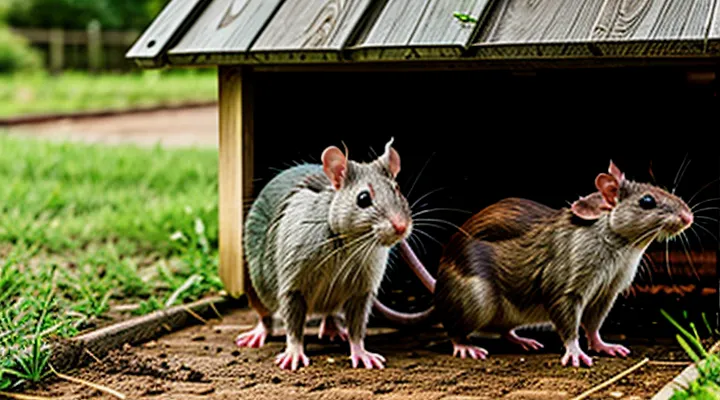
«Understanding the Threat: Why Rats Target Chicken Coops»
«Identifying Rat Presence»
«Signs of Rat Activity»
Rats leave clear evidence when they infiltrate a chicken enclosure. Identifying these signs early prevents egg loss and disease spread.
- Gnaw marks on wood, wire mesh, or feed containers indicate active chewing.
- Small droppings, dark and pellet‑shaped, found near nesting boxes, feed troughs, or along walls.
- Tracks in dusty or muddy areas, often displayed as four‑toed prints with a slightly longer hind foot.
- Scratched or disturbed bedding material, especially around nest boxes where rats seek shelter.
- Chewed or missing feed, especially when stored in open containers.
- Grease or urine stains on surfaces, leaving a musky odor that intensifies after rain.
- Unusual noises at night, such as scurrying or scratching within the coop structure.
Additional indicators include damaged insulation, torn wire, and holes larger than a quarter inch, which rats use to gain entry. Regular inspection of these elements, combined with prompt repair, reduces the likelihood of a full‑scale infestation.
«Common Rat Entry Points»
Rats locate the easiest paths to a coop and use them repeatedly. Identifying these pathways is essential for preventing egg loss.
- Openings larger than ¼ inch beneath doors or windows
- Cracks in foundation or walls, especially where concrete meets soil
- Unscreened vents, chimney flues, and attic hatch gaps
- Damaged or loosely fitted hardware cloth, including predator‑proof fencing
- Gaps around utility lines, pipe sleeves, and cable conduits
- Roof eave spaces and soffit vents without mesh cover
- Loose feed containers, seed bags, or grain bins with torn seals
Inspection should begin at ground level, progressing upward to the roof. Use steel wool, copper mesh, or cement‑based sealant to close gaps; replace compromised hardware cloth with ¼‑inch galvanized wire. Ensure all vent covers are fitted with sturdy screens and that feed storage remains airtight. Regularly monitor the coop perimeter for fresh gnaw marks, which indicate new breach points that require immediate repair.
«Risks Posed by Rats to Chickens and Eggs»
«Health Concerns for Poultry»
Rats infiltrating a chicken enclosure introduce several direct health risks to the flock. Their presence can spread pathogens, cause injury, and compromise the overall well‑being of birds.
Common diseases linked to rodent activity include:
- Salmonellosis – bacteria carried on rat fur and droppings contaminate feed and water, leading to gastrointestinal illness in chickens.
- Leptospirosis – urine from infected rodents transmits the spirochete through standing water, causing fever, reproductive failure, and kidney damage.
- Hepatitis A and B – viral agents shed in feces may survive briefly in the coop environment, posing infection risks to poultry.
- Parasitic infestations – fleas, mites, and tapeworms hitch rides on rats, then spread to birds, resulting in anemia, skin irritation, and reduced egg production.
Physical trauma also arises when rats bite or claw at chickens, especially during night hours when birds are confined. Wounds become entry points for secondary infections, increasing mortality rates.
Mitigation measures must focus on eliminating rodent access points, securing feed containers, and maintaining strict sanitation. Installing metal mesh over ventilation openings, sealing gaps around doors, and using bait stations in the surrounding area reduce the likelihood of disease introduction and protect the flock’s health.
«Economic Impact of Egg Loss»
Egg loss caused by rodents directly reduces farm income. Each missing egg eliminates the sale price that would have been earned, and the cumulative effect can shift a small‑scale operation from profit to loss within a single season.
The financial impact breaks down into several measurable components:
- Reduced revenue: market price per dozen multiplied by the number of stolen eggs.
- Increased feed cost per egg: feed expenses remain constant while output declines, raising the cost per unit produced.
- Replacement breeding expenses: lost eggs often mean fewer hatchlings, requiring purchase of new breeding stock to maintain flock size.
- Pest‑control outlay: traps, bait stations, and professional services add recurring expenses that must be covered by remaining profits.
- Indirect market effects: lower supply can trigger price volatility, potentially diminishing future earnings if consumers perceive unreliability.
Quantifying these factors enables producers to calculate the net loss per month and compare it with the investment needed for effective rodent deterrence. Accurate accounting reveals that preventive measures typically yield a positive return on investment within a few weeks, as the avoided egg loss outweighs control costs.
«Proactive Measures: Rat-Proofing Your Coop»
«Securing the Coop Structure»
«Materials for Rat-Proofing»
Materials selected for rodent exclusion must combine durability, tight seams, and resistance to gnawing. Effective components include:
- Galvanized hardware cloth (¼‑inch mesh) for walls, vents, and roofing seams; the metal thickness prevents chewing.
- Stainless‑steel or aluminum flashing to seal roof edges and gaps around pipes; corrosion‑resistant alloys maintain integrity under weather exposure.
- Concrete or cement‑based flooring; a smooth, non‑porous surface eliminates burrowing opportunities.
- Welded steel or iron doors with latch mechanisms; reinforced frames stop forced entry.
- Silicone‑based sealants and expanding foam for sealing cracks, pipe penetrations, and joint lines; these adhesives remain flexible and maintain a waterproof barrier.
- Rat‑proof wire mesh for predator guards on external run enclosures; mesh size no larger than ¼ inch prevents entry while allowing airflow.
Installation guidelines demand overlapping seams by at least two inches, securing all fasteners with rust‑proof screws, and regularly inspecting for signs of wear. Combining these materials creates a continuous barrier that eliminates entry points, thereby safeguarding the coop from egg loss caused by rodent activity.
«Sealing Entry Points»
Sealing all potential entry points is the most reliable method to prevent rats from reaching a chicken enclosure and stealing eggs. Rats can squeeze through openings as small as a quarter‑inch, so even minor gaps become high‑risk access routes.
Typical entry routes include:
- Gaps around doors and windows
- Holes in walls, foundations, or floorboards
- Openings around utility lines, pipes, and vents
- Cracks beneath the coop’s perimeter fence
- Uncovered gaps in roofing or eaves
Effective sealing techniques:
- Inspect the entire structure, noting every opening larger than ¼ in.
- Install hardware cloth (½‑inch mesh) or stainless‑steel sheet over gaps, fastening with rust‑proof staples or screws.
- Apply expanding polyurethane foam to seal irregular cracks, then cover with metal mesh for added durability.
- Use concrete or mortar to fill larger holes in foundations and floor joists.
- Fit self‑closing latches on doors and access panels to eliminate gaps when closed.
Regular maintenance ensures long‑term protection:
- Conduct quarterly walk‑throughs to detect new cracks or damage.
- Replace worn mesh or corroded fasteners promptly.
- Keep vegetation trimmed away from the coop’s base to reduce concealment for burrowing rodents.
- Verify that all utility penetrations remain sealed after any repairs or upgrades.
By systematically identifying and reinforcing every opening, the coop becomes virtually inaccessible to rats, eliminating the primary pathway for egg theft.
«Managing the Coop Environment»
«Food Storage and Spill Prevention»
Rats are drawn to accessible feed, and any residue left on the ground can become a direct incentive to breach a chicken enclosure. Eliminating that attraction requires strict control of food storage and immediate clean‑up of spills.
Secure storage practices include:
- Use metal containers with tight‑fitting lids; plastic bins can be chewed or punctured.
- Keep containers elevated on a stand that prevents rodents from climbing underneath.
- Store feed in a dry, cool area away from the coop’s entrance to discourage moisture‑loving species.
- Rotate stock regularly; discard stale feed that emits strong odors.
Spill prevention measures consist of:
- Place a drip tray beneath feeders; empty it after each feeding session.
- Sweep the feeding area with a stiff brush after each use, removing crumbs and broken shells.
- Install a perimeter of fine‑mesh hardware cloth around the feeding zone to block rodent movement.
- Apply a non‑toxic deterrent spray on the ground surrounding the coop; reapply after rain.
Consistent application of these procedures removes the primary food source that motivates rats to infiltrate a hen house, thereby reducing egg loss and limiting the need for additional pest‑control interventions.
«Waste Management Practices»
Effective waste management directly reduces rodent attraction to poultry housing and safeguards egg production. Improper disposal of feed scraps, bedding, and manure creates abundant food sources, encouraging rats to infiltrate coops and pilfer eggs.
Key practices include:
- Store feed in sealed, rodent‑proof containers; replenish only the amount needed for a short period.
- Remove droppings and soiled bedding daily; compost in a secure, enclosed system away from the coop.
- Dispose of kitchen waste and garden debris in metal bins with tight lids; keep bins at least 10 feet from the coop.
- Install a perimeter of gravel or metal mesh around the coop foundation to impede burrowing.
- Conduct regular inspections of waste storage areas for signs of gnawing or nesting; address breaches immediately.
Maintaining a clean environment eliminates the primary incentive for rats, thereby decreasing the likelihood of egg theft. Consistent application of these measures creates a hostile setting for rodents while supporting healthy poultry management.
«Eliminating Hiding Spots»
Rats exploit concealed areas within a poultry enclosure to reach nests and eggs. Removing those spaces directly reduces the likelihood of theft.
- Remove piles of straw, hay, or feed that create insulated cavities.
- Fill gaps around doors, windows, and ventilation openings with steel wool or metal flashing.
- Install solid concrete or metal flooring to eliminate burrowable soil.
- Elevate feed containers on sturdy platforms, keeping them at least six inches above the ground.
- Trim vegetation and prune branches that touch the coop, preventing easy access to roof and eaves.
- Apply a continuous wire mesh (¼‑inch gauge) around the exterior, sealing all seams.
Conduct weekly inspections to confirm that no new crevices have formed, and repair any damage immediately. Consistent elimination of hiding spots maintains a hostile environment for rodents and protects egg production.
«Active Rat Control Strategies»
«Trapping Methods»
«Live Traps»
Live traps provide a humane method for removing rats that threaten egg production in backyard poultry enclosures. The devices capture rodents without killing them, allowing owners to relocate the animals far from the coop.
Select traps that match the size of the target species. Common models include:
- Multi‑catch cage traps with a spring‑loaded door, suitable for repeated use.
- Single‑catch wooden or plastic cages with a trigger plate, ideal for small coops.
- Bucket traps fitted with a ramp and a bait platform, useful for high‑traffic areas.
Position traps along established rat pathways. Rats travel along walls, under feeders, and near water sources; placing the trigger mechanism against these routes maximizes capture rates. Secure traps on stable surfaces to prevent tipping and ensure the door closes fully.
Bait selection influences effectiveness. Preferred attractants are high‑protein foods such as peanut butter, dried fruit, or cooked meat. Apply a small amount to the trigger area, avoiding excess that may allow the rat to escape.
Check traps at least twice daily. Remove captured rodents promptly, wearing thick gloves to prevent bites. Release animals at least five miles from the property, preferably in a wooded area with adequate shelter.
Maintain traps by cleaning after each use. Remove debris, disinfect surfaces, and inspect the spring mechanism for wear. Replace damaged components to preserve reliability.
Integrate live traps with complementary measures—secure feed containers, seal entry points, and eliminate clutter—to create a comprehensive defense against rodent intrusion in poultry housing.
«Snap Traps»
Snap traps provide immediate, mechanical control of rodents that threaten poultry enclosures. The devices deliver a lethal blow to the animal, preventing repeated entry and egg loss.
Placement matters. Position traps along established runways, near feed storage, and at the base of the coop’s walls. Secure traps on a flat surface to ensure proper alignment of the spring mechanism. Use a small amount of attractive bait—such as peanut butter, dried fruit, or a piece of meat—to entice rats without contaminating the coop environment.
Safety considerations include shielding the trap’s trigger from non‑target species and children. Choose models with a protective cover that limits accidental activation. Regularly inspect each trap for successful catches, replace spent springs, and reset bait to maintain effectiveness.
Maintenance routine:
- Check traps daily for captured rodents.
- Clean the trigger area with a mild disinfectant after each catch.
- Replace bait every 2–3 days or after a capture.
- Rotate trap locations every week to prevent rodent habituation.
When integrated with proper sanitation—sealing feed containers, eliminating standing water, and removing debris—snap traps become a reliable component of a comprehensive rodent‑management program for chicken housing.
«Placement and Baiting Techniques»
Effective placement of traps and bait stations is essential for preventing rodents from accessing a chicken enclosure. Position devices along established travel routes, such as walls, fences, and the base of the coop, where rats are most likely to move. Secure each unit at least 2–3 feet above ground to avoid accidental contact with chickens while remaining within reach of the pest.
Key considerations for bait selection include:
- Use protein‑rich attractants (e.g., peanut butter, dried fish, or canned cat food) that appeal to nocturnal foragers.
- Combine attractant with a small amount of grain to mimic natural food sources without encouraging poultry consumption.
- Rotate bait types weekly to prevent habituation and maintain high capture rates.
Implementation steps:
- Survey the perimeter for signs of gnaw marks, droppings, or burrows; mark these points.
- Install snap traps or electronic devices at each marked location, spacing them 12–18 inches apart to create an uninterrupted barrier.
- Place bait stations at the rear of the coop, away from nesting boxes, and secure them with weather‑proof covers.
- Check traps daily; remove captured rodents promptly and replenish bait as needed.
- After a successful reduction period, maintain a reduced number of traps as a monitoring network, repositioning them based on any new activity signs.
By aligning trap locations with rodent pathways and employing high‑value baits, owners can significantly lower the risk of egg loss and preserve coop integrity.
«Rodenticides: When and How to Use Safely»
«Types of Rodenticides»
Rats that infiltrate a chicken enclosure pose a direct threat to egg production. Chemical control, when applied correctly, eliminates the problem without endangering birds. Understanding the categories of rodenticides enables targeted selection and safe implementation.
- Anticoagulant agents – interfere with blood clotting; available as first‑generation (warfarin, chlorophacinone) and second‑generation (bromadiolone, difenacoum) compounds. Second‑generation formulas require fewer feedings but demand strict placement to prevent accidental ingestion by poultry.
- Metal phosphides – release phosphine gas upon contact with stomach acid; zinc phosphide is the most common. Effective after a single dose, but toxic to non‑target mammals, so bait stations must be secured.
- Cholecalciferol – a vitamin D3 derivative that induces lethal hypercalcemia. Low secondary toxicity to birds, making it suitable for coop environments when bait is inaccessible to chickens.
- Bromethalin – a neurotoxic agent that disrupts mitochondrial function. Rapid action, but limited to indoor or highly controlled bait stations due to moderate secondary risk.
Each class requires compliance with label instructions, proper bait placement, and regular monitoring. Combining chemical control with exclusion methods—sealed doors, predator‑proof fencing, and regular cleaning—provides a comprehensive defense against rat incursions in poultry operations.
«Safety Precautions for Poultry and Pets»
Rats can breach a chicken coop, endanger eggs, and expose both poultry and household pets to disease. Implementing robust safety measures reduces loss and protects animal health.
Secure the coop structure. Install solid wire mesh (½‑inch gauge) on all openings, including ventilation slots. Seal gaps with hardware cloth or metal flashing. Elevate the coop on a concrete or metal platform to deter climbing. Use a tight‑fitting latch on doors and nesting boxes.
Control rodent access. Place bait stations or traps around the perimeter, away from pet access. Keep feed in sealed containers; discard spilled grain daily. Remove standing water and debris that attract rodents.
Protect pets that may roam near the coop. Fit dogs with a sturdy collar and identification. Supervise cats to prevent them from hunting chickens or entering the coop. Provide separate feeding areas for pets to avoid competition for food.
Maintain hygiene. Clean droppings and soiled bedding weekly. Replace litter with fresh material. Disinfect nesting boxes with a diluted bleach solution (1 part bleach to 9 parts water) before adding fresh straw.
Monitor regularly. Conduct visual inspections each morning for signs of gnaw marks, droppings, or missing eggs. Record findings in a log to identify patterns and adjust preventive actions promptly.
«Natural Deterrents and Predators»
«Scent-Based Repellents»
Rats are attracted to the warmth and food sources found in poultry houses, making egg loss a common problem for backyard and commercial growers. Scent‑based repellents exploit rodents’ acute sense of smell to create an environment that rats find hostile, reducing their willingness to enter a coop.
Effective odor deterrents include:
- Peppermint oil – a strong, volatile oil that irritates the nasal passages of rats. Apply a few drops on cotton balls and place them near entry points, feed troughs, and nesting boxes. Replace every 3–4 days to maintain potency.
- Predator urine – commercially available extracts from foxes, coyotes, or owls mimic the presence of natural enemies. Distribute small sachets on the coop floor and under the roosting area. Reapply after rain or cleaning.
- Ammonia solution – a high‑pH vapor that rats avoid. Mix equal parts water and household ammonia, soak cloth strips, and hang them in corners. Use caution: excessive fumes can stress chickens; ventilate the coop after application.
- Cedar shavings – the natural resin in cedar emits a scent that repels rodents. Line the coop’s bedding with a thin layer of shavings, replacing them when damp.
Implementation guidelines:
- Identify all potential entry points—gaps under doors, vents, and utility openings. Position scent sources directly at these locations.
- Combine multiple odors to prevent habituation; rats can become desensitized to a single scent after several exposures.
- Monitor the coop daily for signs of reduced rat activity, such as fewer gnaw marks and fewer droppings.
- Rotate or refresh repellents on a weekly schedule to sustain effectiveness.
- Verify that any applied scent does not impair the health of chickens; avoid direct contact with eyes or respiratory tracts.
Limitations:
- Scent repellents deter exploratory behavior but may not eliminate an established infestation. In such cases, integrate trapping or exclusion methods.
- Weather conditions, especially heavy rain, can dilute or wash away volatile compounds, requiring more frequent reapplication.
- Overuse of strong chemicals can affect egg quality or cause stress in birds; always follow manufacturer dosage recommendations.
When deployed correctly, odor‑based deterrents form a low‑cost, non‑lethal barrier that significantly lowers the likelihood of rats compromising egg production. Regular assessment and proper maintenance ensure the repellent system remains effective over the long term.
«Introducing Natural Predators (with caution)»
Introducing natural predators can reduce rodent activity around a poultry enclosure without relying on traps or chemicals. Predatory birds, such as barn owls and hawks, locate themselves near open fields and hunt rats on sight. Small mammals, including feral cats, also pursue rodents but require careful management to prevent harm to chickens. Reptiles like non‑venomous snakes may contribute to control, yet their presence can alarm owners and require habitat adjustments.
Effective deployment of predators follows several practical steps:
- Install nesting boxes or perches at a height of 10–12 feet to encourage barn owls and hawks.
- Provide sheltered platforms for feral cats, ensuring they cannot access the coop interior.
- Maintain a low‑brush perimeter to create hunting grounds for snakes while keeping the area clear of debris that could hide pests.
- Monitor predator activity daily; record sightings and any unintended interactions with poultry.
Caution remains essential. Predators may attack chicks if left unsupervised, and feral cats can carry diseases transmissible to birds. Secure coop doors and run wires to prevent predators from entering the coop itself. Regular health checks of both chickens and introduced predators help identify emerging risks early.
When applied responsibly, natural predation forms a self‑sustaining barrier against egg‑stealing rats, complementing physical defenses and reducing reliance on lethal control methods.
«Monitoring and Maintenance»
«Regular Inspections»
«Frequency of Checks»
Regular inspections are the most reliable method to detect and deter rodent activity in a poultry enclosure. The timing of these checks determines how quickly a problem can be identified and resolved, minimizing loss of eggs and damage to the coop.
A practical schedule includes:
- Morning scan (once daily): Examine nesting boxes, feed containers, and the perimeter for fresh droppings, gnaw marks, or displaced eggs. Early detection prevents rats from establishing a foothold.
- Evening walk (once daily): Verify that all doors, latches, and ventilation openings remain sealed after the birds settle for the night. Rats are most active after dark; confirming barriers are intact reduces entry opportunities.
- Weekly deep audit (once per week): Remove all bedding, clean nesting areas, and inspect structural components such as wood joists and wire mesh for signs of chewing or burrowing. Replace damaged sections promptly.
- Monthly perimeter sweep (once per month): Walk a 10‑foot radius around the coop, looking for burrow entrances, food spillage, or vegetation that offers cover. Trim vegetation and eliminate debris that could shelter rodents.
Adjust the frequency upward during peak rat breeding seasons—typically late spring through early fall—or when a sudden increase in egg loss is observed. Conversely, in colder months, maintain at least the daily morning and evening checks, as rats may seek shelter within the coop.
Consistent adherence to this inspection regime creates a proactive defense, ensuring that any intrusion is caught before it escalates into significant egg theft or structural damage.
«Key Areas to Monitor»
Monitor the perimeter for burrows, gnaw marks, and droppings. Inspect the outer fence, ground around the coop, and any vegetation that could conceal entry points.
Check feed storage areas daily. Keep feed containers sealed, elevate them off the ground, and clean spillage promptly to eliminate attractants.
Examine water sources for contamination and leakage. Replace water containers regularly and ensure they close securely.
Inspect nesting boxes for broken panels, loose wire, and signs of gnawing. Replace damaged components and tighten all fasteners.
Survey ventilation openings, vents, and wire mesh for gaps larger than a quarter inch. Install steel mesh or hardware cloth where necessary.
Evaluate structural joints, door seals, and roof edges. Seal cracks with metal flashing or cement to prevent rodent passage.
Review waste disposal practices. Remove manure and spoiled food promptly, store waste in sealed containers, and transport it away from the coop site.
Observe ground cover around the coop. Trim grass, remove debris, and keep the area free of dense brush that provides shelter.
Assess lighting conditions. Install motion‑activated lights to deter nocturnal activity and expose hidden pathways.
Maintain a regular inspection schedule. Record findings, repair issues immediately, and adjust preventive measures based on observed rodent behavior.
«Ongoing Rat Control Efforts»
«Adapting Strategies to Persistent Infestations»
Persistent rat activity in a poultry enclosure demands flexible, evidence‑based measures. Initial assessments should identify entry points, food sources, and nesting sites. Once documented, adapt tactics to counter the rats’ evolving behavior.
- Seal all gaps larger than ¼ inch with steel‑wool, hardware cloth, or expanding foam rated for rodents.
- Elevate feeders and waterers to prevent spillage that attracts foragers.
- Install predator‑proof baffle systems on utility lines and vent openings.
- Deploy snap traps or electronic kill devices in high‑traffic zones, rotating placement every 48 hours to prevent habituation.
- Apply non‑repellent rodenticide baits within sealed stations, monitoring consumption and replacing depleted units promptly.
If infestations recur, integrate the following adaptive steps:
- Conduct weekly inspections to detect new breaches or altered pathways.
- Replace compromised materials with hardened alternatives (e.g., stainless‑steel mesh).
- Increase trap density by 30 % in zones where activity spikes, spacing devices 6–8 feet apart.
- Introduce a controlled population of natural predators, such as barn owls, using nesting boxes positioned away from the coop interior.
- Record trap catches, bait usage, and environmental conditions in a log; analyze trends to forecast peak activity periods.
Continuous refinement of these interventions, guided by systematic data collection, reduces rat‑induced egg loss and safeguards flock health.
«Record Keeping for Effectiveness»
Effective protection against rodent egg theft depends on systematic data collection. Document each incident of missing or damaged eggs, noting date, time, weather conditions, and observed rat activity. Record the type of bait or deterrent used, its placement, and the duration of exposure. Track coop maintenance actions such as sealing gaps, cleaning schedules, and predator control measures.
Maintain a simple log sheet or digital spreadsheet with columns for:
- Date and time of observation
- Egg loss count (whole, cracked, missing)
- Environmental factors (temperature, rain)
- Deterrent employed (type, quantity, location)
- Structural changes made (repairs, additions)
- Follow‑up actions and outcomes
Review the log weekly to identify patterns. A rise in egg loss during humid nights, for example, may indicate that rats exploit moisture to enter through specific openings. Correlate deterrent effectiveness with loss rates; discontinue methods that show no reduction and allocate resources to successful strategies.
Regular analysis supports proactive adjustments. Update the record format when new variables become relevant, such as the introduction of a cat or the installation of motion‑activated lights. Consistent documentation transforms reactive measures into a data‑driven program, ensuring that each intervention contributes measurable improvement to coop security.