
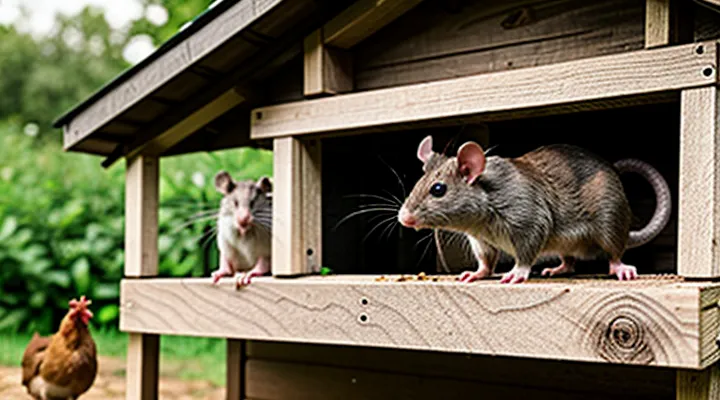
Understanding the Threat of Rats in Chicken Coops
Why Rats are Attracted to Chicken Coops
Food Sources
Rats are attracted to chicken coops primarily because of readily available nourishment. When feed is left uncovered, grains spill onto the floor, and remnants of broken eggs or dead birds accumulate, the environment becomes a reliable food depot for rodents.
Typical food sources found in a coop include:
- Loose commercial feed or cracked kernels.
- Spilled corn, wheat, or other grain mixtures.
- Egg shells and partially eaten eggs.
- Carcasses of sick or deceased poultry.
- Insects and larvae that thrive in litter.
- Vegetative debris such as hay or straw.
Eliminating these attractants requires strict management of feed and waste. Store all feed in sealed, rodent‑proof containers; use metal or heavy‑duty plastic feeders equipped with latch mechanisms that close when not in use. Sweep the coop floor daily to collect spilled grain, and install a sloped floor or drop‑floor system that channels debris into a collection pit. Remove dead birds promptly, disinfect the area, and dispose of carcasses in a sealed container. Maintain litter at a depth that discourages insect proliferation, and replace it regularly.
Integrate these practices with a comprehensive pest‑control program. Position bait stations or snap traps at the perimeter of the coop, away from feed areas, to reduce accidental poisoning. Conduct weekly inspections for signs of gnawing, droppings, or burrows, and adjust sanitation measures accordingly. Consistent enforcement of these protocols limits the food supply available to rats, thereby reducing their presence and protecting the flock’s health.
Water Availability
Water sources in a poultry enclosure attract rodents because they provide a reliable supply for drinking and nesting. Open troughs or leaking containers become entry points, allowing rats to enter the coop, contaminate the water, and increase disease risk for the flock.
Insufficient control of water availability leads to several problems. Contaminated water spreads pathogens such as Salmonella and E. coli, reducing egg quality and bird health. Rats compete for the same supply, causing stress and reduced feed intake. Persistent moisture around water containers creates damp conditions that encourage mold growth and attract insects, further compromising biosecurity.
Effective management of water resources eliminates the rodent advantage and protects flock welfare. Recommended actions include:
- Install sealed, lick‑proof water dispensers with metal or heavy‑duty plastic construction.
- Position containers on elevated platforms away from walls and nesting boxes to limit easy access.
- Conduct daily visual inspections for leaks, spills, or debris; repair faults immediately.
- Clean and disinfect water lines weekly using a mild bleach solution, then rinse thoroughly.
- Use rat‑proof baffles or metal mesh covers on external water sources to block entry while allowing airflow.
By securing water availability, the coop eliminates a primary attractant for rodents, reduces contamination risk, and supports optimal production performance.
Shelter and Nesting Opportunities
Rats exploit any unused space that offers protection from weather, predators, and human activity. In a poultry house, gaps beneath roosting bars, loose insulation, and cluttered feed storage create ideal shelters. These sites also serve as nesting chambers where rats raise litters, increasing population pressure on the coop.
Effective control begins with eliminating structural refuges. Seal all openings larger than ¼ inch with steel wool, hardware cloth, or cement. Reinforce the coop floor with a smooth, non‑porous surface; avoid wood shavings or straw that can be compacted into burrows. Install a raised perimeter barrier—concrete or metal flashing extending at least 12 inches outward and 6 inches below ground—to prevent burrowing around the foundation.
Provide chickens with dedicated nesting boxes that are elevated, well‑ventilated, and equipped with removable trays. Boxes should be constructed from metal or thick plastic to resist chewing. Position them away from walls and feed areas, reducing the likelihood that rats will occupy the same space. Regularly clean and dry nesting material to remove moisture that attracts rodents.
Maintain a strict sanitation regime. Remove spilled feed daily, store grain in sealed metal containers, and dispose of waste in rat‑proof bins. Conduct weekly inspections for droppings, gnaw marks, or burrow entrances; address findings immediately with targeted traps or bait stations placed outside the coop structure.
By systematically removing shelter options and offering secure, separate nesting facilities for the flock, the environment becomes inhospitable to rodents while preserving the chickens’ comfort and productivity.
Risks Rats Pose to Chickens and the Coop
Health Risks to Chickens
Rats entering a chicken coop expose birds to several serious health hazards. Direct contact enables the transmission of pathogens, while rat droppings and urine contaminate feed, water, and nesting material.
- Salmonellosis – rats carry Salmonella bacteria; ingestion of contaminated feed or water leads to gastrointestinal illness, reduced egg production, and increased mortality.
- Campylobacteriosis – rat feces often contain Campylobacter spp.; infection causes diarrhea, dehydration, and can spread to humans handling eggs or meat.
- Parasitic infestations – mites, lice, and tapeworms hitchhike on rats, infesting chickens and causing anemia, feather loss, and impaired growth.
- Respiratory disease – inhalation of dust and ammonia from rodent waste irritates avian respiratory tracts, predisposing birds to infections such as Mycoplasma gallisepticum.
- Stress‑induced immunosuppression – the presence of rats triggers chronic stress, weakening the immune system and increasing susceptibility to secondary infections.
Contamination of feed and water supplies accelerates disease spread throughout the flock. Persistent exposure reduces overall productivity and can result in economic losses for producers. Immediate control of rodent populations and strict sanitation are essential to protect chicken health.
Damage to Coop Structure
Rats repeatedly gnaw wooden beams, metal brackets, and wire mesh, weakening the coop’s framework. Their incisors can sever structural joints, causing collapse of roosting bars and compromising the integrity of the roof. When the enclosure loses rigidity, predators gain access, and the birds become vulnerable to injury and disease.
Key effects of structural damage include:
- Reduced load‑bearing capacity, leading to sagging or failure of support beams.
- Gaps in fencing that allow rodents and larger predators to enter.
- Compromised ventilation, resulting in poor air quality and higher mortality rates.
Effective mitigation requires reinforcing vulnerable points and eliminating the rodents’ ability to chew. Install steel‑reinforced corner brackets and replace wooden components with hard‑treated lumber or metal sheathing. Apply chew‑resistant material, such as hardware cloth with a ½‑inch mesh, over all openings. Seal existing holes with stainless‑steel mesh and secure fasteners with lock nuts to prevent removal by gnawing.
Regular inspection is essential. Conduct a weekly walk‑through to identify new bite marks, loose fittings, or displaced panels. Prompt repair of any damage prevents escalation and maintains a safe environment for the flock.
Feed Contamination and Loss
Rats entering a poultry enclosure introduce direct contamination of feed supplies and create measurable loss. Their nocturnal activity results in droppings, urine, and saliva mixing with stored grain, which reduces nutritional quality and creates a vector for disease agents. Continuous gnawing opens feed bags, allowing rodents to consume portions and encouraging spillage that birds may ingest unintentionally.
Key consequences include:
- Reduced feed efficiency due to nutrient degradation.
- Increased morbidity risk from pathogens carried by rodent waste.
- Economic impact from both the quantity of feed removed and the cost of additional sanitation measures.
Early detection relies on observable indicators: gnaw marks on containers, accumulation of rodent feces near feeding stations, and unexplained reductions in feed inventory after a short period.
Mitigation strategy consists of layered interventions:
- Install sturdy metal or hardware‑cloth feeders that prevent bite‑through.
- Seal all storage areas with rodent‑proof lids and maintain a tight perimeter around the coop.
- Remove spilled grain daily and keep the ground clear of debris that could shelter rodents.
- Deploy snap traps or electronic devices along established runways, positioning them away from bird access.
- Apply licensed anticoagulant bait in tamper‑proof stations, monitoring for non‑target exposure.
- Conduct weekly inventory audits and visual inspections to verify the integrity of feed containers.
Implementing these measures curtails both contamination and loss, preserving feed quality and safeguarding flock health.
Attraction of Other Pests
Rats occupying a chicken coop generate conditions that draw additional pest species, increasing the overall health risk for the flock.
- Mice: compete for feed, spread disease, and may carry parasites.
- Flies: breed in rodent droppings and decaying organic matter, contaminating eggs and feed.
- Beetles (e.g., grain beetles, carpet beetles): feed on stored grain and bedding disturbed by rodent activity.
- Mites and lice: find shelter in the same crevices used by rats, facilitating cross‑infestation.
Rodent presence introduces abundant food scraps, moisture, and shelter. Excreta provide a protein source for flies, while gnawed packaging exposes grain to beetles. Burrows and hidden pathways created by rats expand the habitat for mites and other arthropods, allowing them to proliferate unchecked.
Effective control requires a multi‑layered approach:
- Remove all feed spillage and store grain in sealed containers.
- Clean the coop daily, disposing of droppings and soiled bedding.
- Seal entry points with metal flashing or hardware cloth to block rodent and insect ingress.
- Install snap traps or electronic devices to reduce the existing rat population.
- Employ biological controls, such as barn owls or feral cat access, to deter both rodents and secondary pests.
Implementing these measures eliminates the primary attractant—rats—and consequently reduces the likelihood of secondary pest invasions, preserving flock health and productivity.
Identifying a Rat Infestation
Signs of Rat Presence
Droppings
Rat droppings in a poultry enclosure present a direct health hazard. They contain pathogens such as Salmonella, Leptospira and Hantavirus, which can infect chickens and humans handling the coop. Accumulated waste also attracts insects, creates unpleasant odors, and contaminates feed and water sources.
Identifying rat droppings is straightforward. Typical characteristics include:
- Small, dark, cylindrical pellets, 0.3–0.5 cm in length.
- Presence near walls, corners, and feeding stations.
- Clusters around gnaw marks or burrow entrances.
Immediate actions reduce risk:
- Remove all visible droppings with disposable gloves and a dedicated shovel. Place material in a sealed bag for disposal according to local biohazard guidelines.
- Disinfect the affected area using a 1 % bleach solution or a commercial rodent‑specific sanitizer. Allow contact time of at least 10 minutes before wiping clean.
- Replace any contaminated bedding with fresh, dry material. Ensure the coop remains dry to discourage further rodent activity.
Long‑term control relies on eliminating conditions that support rat populations:
- Store feed in sealed containers; avoid spillage.
- Seal gaps larger than ¼ inch in the coop’s foundation, walls and roof.
- Install metal or concrete barriers around nesting boxes to prevent gnawing.
- Maintain a regular cleaning schedule, removing waste before it accumulates.
Monitoring droppings weekly provides early warning of reinfestation. Prompt removal and sanitation, combined with structural exclusion, keep the coop environment safe for poultry and personnel.
Gnaw Marks
Gnaw marks appear as clean, crescent‑shaped bites on wood, plastic, or metal components of a poultry enclosure. They differ from chewed edges by their uniform depth and the absence of frayed material. Presence of such marks indicates active rodent activity, because rats use their incisors to test structural integrity and create entry points.
Identifying gnaw marks helps assess the severity of the problem. Look for:
- Parallel rows of shallow cuts on wooden beams or nesting boxes.
- Rounded notches on wire mesh, often at corners or where wires intersect.
- Small, smooth pits on plastic feeders or water containers.
Each type suggests a specific vulnerability. Wooden structures may become compromised, allowing predators or weather exposure. Damaged mesh creates escape routes for birds and entry points for additional rodents. Chewed feeders reduce food availability and can contaminate water.
Mitigation requires both immediate repair and long‑term exclusion. Recommended actions:
- Seal all gnaw marks with metal flashing or hardware cloth, overlapping by at least two inches on each side.
- Replace severely weakened wooden parts with pressure‑treated lumber or metal alternatives.
- Install a continuous rodent‑proof barrier around the coop, ensuring no gaps larger than ¼ inch.
- Position bait stations and traps along identified gnaw paths, removing the food source that motivates chewing.
Regular inspection of the coop’s interior and exterior surfaces prevents unnoticed damage from escalating. Documenting the location and frequency of gnaw marks provides data for adjusting control measures and maintaining a secure environment for the flock.
Tracks and Runways
Rats exploit established pathways to enter and move within a chicken enclosure. These pathways, often referred to as tracks and runways, consist of gnawed openings, gaps around doors, vents, and utility lines that provide direct access to nesting boxes, feed storage, and water sources. Identifying such routes requires systematic inspection: examine the perimeter for chew marks, look for fresh droppings along walls, and trace any visible footprints or tail marks that indicate repeated use.
Effective control begins with eliminating the physical structures that support rodent movement. Recommended actions include:
- Seal all gaps larger than ¼ inch with metal flashing or hardware cloth.
- Install self‑closing doors equipped with rubber sweeps to prevent entry when the door is opened.
- Replace deteriorated wire mesh around ventilation openings with reinforced steel mesh.
- Route utility lines through conduit that includes a smooth interior surface, reducing the likelihood of rats using them as a runway.
After structural modifications, maintain a clean environment to discourage re‑establishment of tracks. Remove spilled feed promptly, store grain in sealed containers, and keep bedding dry. Regularly monitor for new gnaw marks or droppings, and address any findings immediately to prevent the formation of fresh runways.
Burrows
Burrows are underground tunnels created by rodents to shelter, reproduce, and move between food sources. In a poultry enclosure, burrows often originate from adjacent fields, woodpiles, or the coop foundation itself. Their presence provides rats with concealed entry points, reduces the effectiveness of surface traps, and creates pathways that bypass physical barriers.
When burrows intersect a chicken coop, rats can infiltrate nesting boxes, contaminate feed, and spread disease. The tunnels also compromise structural integrity; soil erosion around the coop base can cause uneven flooring and water infiltration, which further attracts pests. Detecting burrows requires visual inspection of soil mounds, fresh spoil piles, and distinct entry holes near the coop perimeter.
Effective control of burrows involves a combination of habitat modification and physical exclusion:
- Remove debris, tall grass, and compost heaps within a 10‑meter radius of the coop.
- Level soil around the foundation, fill existing holes with coarse gravel, and compact the surface.
- Install a continuous barrier of hardware cloth (minimum ½‑inch mesh) extending 12 inches below ground and 6 inches above the coop base.
- Apply non‑toxic rodent repellents (e.g., predator urine, capsicum spray) to the outer perimeter to deter digging activity.
- Conduct regular inspections after heavy rain, as moisture often reveals new tunnel entrances.
Implementing these measures eliminates the subterranean routes rats use to access the coop, thereby reducing infestation risk and protecting flock health.
Sightings
Observations of rodents inside a poultry enclosure provide the first reliable evidence of an infestation. Visible evidence includes fresh fecal pellets, gnawed wire or wood, smudge marks along walls, and audible scurrying during low‑light periods.
Typical signs of presence are:
- Small, dark droppings near feed or water sources.
- Chewed edges on coop panels, cages, or feed containers.
- Footprints or tail marks in dusty corners or on sand bedding.
- Nocturnal rustling or squeaking heard from within the structure.
Activity peaks during the early evening and pre‑dawn hours, with increased sightings in warm months when food stores are abundant. Seasonal surveys often reveal higher rodent numbers in late summer and early autumn, corresponding to breeding cycles.
Systematic documentation improves response accuracy. Maintain a daily log noting date, time, location of each sign, and any direct visual confirmation. Deploy motion‑activated cameras at known entry points to capture covert movement. Regular trap inspections, combined with recorded observations, enable precise estimation of population size and inform targeted control measures.
Monitoring and Inspection Techniques
Effective monitoring and inspection are essential for preventing rodent incursions in poultry housing. Regular visual examinations of the coop interior reveal signs of activity such as gnaw marks, droppings, and nesting material displacement. Inspectors should focus on feeder and water system integrity, sealing any gaps larger than ¼ inch that permit entry.
Key techniques include:
- Motion‑activated cameras positioned at entry points and feed stations to capture nocturnal movement.
- Infrared trail sensors installed along walls to trigger alerts when rodents cross predefined zones.
- Periodic collection and microscopic analysis of droppings to identify species and assess infestation levels.
- Use of non‑toxic bait stations equipped with tamper‑proof locks, inspected weekly for consumption rates.
- Structural audits of ventilation ducts, wiring conduits, and roof eaves, ensuring all openings are sealed with steel wool or metal flashing.
Documentation of each inspection should record date, location, observed evidence, and corrective actions taken. Consistent data logging enables trend analysis, allowing early detection of increasing activity and timely implementation of control measures.
Effective Solutions for Rat Control
Prevention Strategies
Coop Design and Maintenance
Effective coop construction and regular upkeep are essential for preventing rodent intrusion. Solid walls, sealed joints, and elevated flooring create physical barriers that rats cannot easily bypass. Use metal or heavy‑gauge hardware cloth for all openings; replace wire mesh with gaps larger than ¼ inch. Install a concrete or compacted‑soil foundation at least six inches above ground level, and affix a smooth metal skirt around the perimeter to deter climbing. Ensure all doors and access points close tightly with latch mechanisms that eliminate gaps.
Maintenance practices reinforce structural defenses. Conduct weekly inspections to locate wear, corrosion, or damage to wire panels, and repair immediately. Keep feed storage in sealed containers; remove spillage and clean feeding trays after each use. Eliminate standing water by installing drip‑free drinkers and draining puddles. Trim vegetation and remove debris within a three‑meter radius to reduce cover for rodents. Dispose of waste in sealed bins and transport it away from the coop daily.
A routine cleaning schedule further reduces attraction. Sweep bedding, replace litter regularly, and apply a thin layer of sand or wood ash on the floor to discourage nesting. Rotate bedding material to prevent accumulation of droppings and urine, which serve as food sources for rats. Finally, integrate a monitoring system—such as motion‑activated cameras or snap traps placed near potential entry points—to detect early signs of activity and enable prompt response.
Rat-Proofing Materials
Effective rat exclusion begins with selecting materials that resist gnawing, corrosion, and forced entry. Solid metal barriers, such as ½‑inch hardware cloth or welded wire mesh, provide the highest resistance to rodent teeth. Install the mesh on all exterior walls, ventilation openings, and doors, overlapping seams by at least 2 inches and securing with stainless‑steel staples or screws. For larger gaps, use steel plates or angle iron, bolted to the coop frame, to create an impenetrable surface.
Concrete and cement renderings seal foundation cracks and floor seams that rodents exploit. Apply a minimum 2‑inch thick concrete layer to the coop floor, extending it up the lower wall to create a continuous barrier. Where concrete is impractical, use high‑density polyurethane sealant or silicone caulk to close seams around pipes, feed troughs, and wire penetrations. Expanding foam can fill irregular voids, but must be covered with metal flashing to prevent chewing.
PVC or rigid polycarbonate panels serve as lightweight, weather‑resistant options for roof and window covers. Choose panels with a minimum thickness of ¼ inch; reinforce edges with metal brackets to prevent rats from prying them open. Combine these panels with metal flashing around eaves and overhangs to eliminate entry points.
Regular maintenance reinforces material performance. Inspect mesh for torn wires, replace corroded fasteners, and reseal any cracks that develop after settling or temperature fluctuations. A systematic approach to material selection and upkeep provides a durable defense against rodent intrusion in poultry housing.
Sealing Entry Points
Rats gain access to chicken houses through any opening larger than a mouse’s body. Effective exclusion begins with a systematic survey of the coop’s exterior and interior surfaces. Identify cracks around the foundation, gaps around vent pipes, openings at door frames, and spaces under eaves. Each breach must be closed with materials that resist gnawing.
- Apply galvanized hardware cloth (1/4‑inch mesh) over vents, windows, and any perforated areas; secure with stainless‑steel screws.
- Fill foundation cracks with expanding polyurethane foam, then overlay with steel wool and seal with cement or epoxy.
- Install self‑closing hinges on doors and windows; attach a brush seal or rubber gasket to the closing edge.
- Cover roof eaves and soffits with metal flashing, overlapping seams and fastening with corrosion‑resistant nails.
- Seal gaps around utility lines using metal conduit sleeves, then wrap the joint with silicone‑based sealant.
After sealing, conduct a visual inspection weekly for new damage. Maintain a clean environment: store feed in airtight containers, remove spilled grain promptly, and keep litter dry. Regular monitoring and prompt repair of any compromised barrier sustain long‑term protection against rodent intrusion.
Elevated Coops
Elevated coops separate poultry from ground‑dwelling rodents by raising the nesting and feeding area several feet above the soil. This physical barrier prevents rats from accessing feed, water, and roosting spaces, thereby reducing damage, disease transmission, and loss of eggs.
Key design elements ensure effectiveness:
- Height: Minimum 3–4 ft off ground; taller structures further deter climbing.
- Support structure: Use metal or treated wood posts with smooth surfaces; avoid gaps that rodents can exploit.
- Flooring: Install a solid, impermeable platform (e.g., metal sheet or thick plywood) with a slight overhang to block the reach of climbing rats.
- Access points: Provide only sealed doors and removable trays; fit all openings with rat‑proof mesh (¼‑inch gauge).
- Ventilation: Position vents high on the walls and cover with fine metal mesh to maintain airflow without compromising security.
Maintenance practices complement the design. Regularly inspect and tighten fasteners, replace worn mesh, and keep the area beneath the coop clear of debris and food residues. By integrating these features, an elevated coop creates a hostile environment for rats while preserving a safe, comfortable habitat for chickens.
Feed Management
Effective feed management directly reduces rodent attraction in poultry enclosures. Secure storage eliminates easy access to grain, the primary food source for rats. Use sealed metal containers with tight-fitting lids; avoid plastic bins that can be chewed. Position feed bins away from nesting boxes and roosts to limit spillage.
Implement a regular cleaning schedule. Sweep the coop floor daily, removing crumbs and spilled feed. Conduct a weekly deep clean, discarding any accumulated debris. Vacuum or sweep under perches and around water lines where feed residues often collect.
Control feed distribution. Offer measured portions that chickens consume within a few hours; excess feed should be removed promptly. Adopt a “feed‑only‑when‑present” policy: place feed only when chickens are inside the coop, then retrieve leftovers before they cool.
Maintain a perimeter barrier. Install metal mesh around the coop’s exterior, extending at least six inches below ground level to prevent burrowing. Seal gaps around doors, windows, and ventilation openings with hardware cloth.
Monitor and adjust. Record the amount of feed placed versus the amount retrieved each day. Sudden increases in leftovers indicate potential rodent activity or feeder malfunction. Adjust portion sizes and feeder design accordingly.
By integrating sealed storage, routine cleaning, precise distribution, physical barriers, and ongoing monitoring, feed management becomes a decisive factor in minimizing rat presence within chicken housing.
Secure Storage
Secure storage of feed and equipment is the primary barrier against rodent intrusion in poultry housing. Properly sealed containers prevent rats from accessing food, reduce scent trails, and limit the incentive for colonization.
Effective storage practices include:
- Metal bins with tight‑fitting lids, welded seams, and gasket seals.
- Elevated shelving that keeps supplies at least 12 inches above the floor.
- Plastic containers rated for pest resistance, equipped with lockable latches.
- Regular inspection schedule: check for cracks, rust, or compromised seals weekly.
- Rotation system: use older stock first to avoid prolonged exposure of feed to ambient conditions.
Additional measures reinforce the storage barrier. Install a perimeter of hardware cloth around the coop foundation, extending at least 6 inches below ground to block burrowing. Keep the storage area dry; moisture attracts rodents and promotes mold, which further entices pests. Use rodent‑proof pallets or concrete slabs for heavy items, eliminating gaps beneath them.
Consistent application of these protocols eliminates the primary food source that drives rat activity, thereby reducing the likelihood of infestation and protecting flock health.
Feeding Schedules
A predictable feeding routine limits food waste that draws rodents into the coop. By supplying chickens at the same times each day, excess feed can be collected promptly, reducing the scent that attracts rats.
Implement the following schedule:
- Morning feed: distribute measured ration at sunrise; immediately sweep any leftovers from the ground.
- Midday check: inspect feeders for spillage; remove stray kernels before they accumulate.
- Evening feed: provide the final portion before dusk; close feeders securely to prevent nocturnal access.
- Night cleanup: clear the feeding area, dispose of debris in a sealed container, and store feed in rodent‑proof bins.
Consistent timing, portion control, and thorough cleanup create an environment where rats find little incentive to enter the coop.
Spill Cleanup
Spill cleanup directly affects the control of rodent activity in a poultry enclosure. Residual feed, water, or manure creates an attractive food source, encouraging rats to enter and remain in the coop. Prompt, thorough removal of these substances eliminates the primary lure and reduces the likelihood of infestation.
The first response must isolate the spill, prevent spread, and protect the birds. Wear disposable gloves, use absorbent material to contain liquids, and place waste in sealed bags. Dispose of contaminated material according to local regulations, then disinfect the area with an approved sanitizer.
- Remove visible debris and absorb liquids.
- Apply an absorbent agent (e.g., sawdust, cat litter) to soak remaining moisture.
- Sweep or vacuum residual particles, ensuring no feed crumbs remain.
- Disinfect surfaces with a rodent‑safe, poultry‑compatible disinfectant.
- Allow the cleaned area to dry completely before restoring bird access.
Continuous monitoring prevents recurrence. Store feed in sealed containers, maintain drainage to avoid standing water, and schedule regular inspections for spills. By integrating disciplined cleanup with structural safeguards, the environment becomes inhospitable to rats, supporting long‑term coop health.
Sanitation and Hygiene
Sanitation and hygiene are critical factors in preventing rodent incursions in poultry housing. Regular removal of manure, spilled feed, and nesting material eliminates food sources that attract rats. Moisture control through proper ventilation and drainage reduces damp areas where rodents seek shelter.
Effective cleaning routines include:
- Daily collection of droppings and debris from nesting boxes and walkways.
- Weekly deep cleaning of the entire coop, using hot water and a rodent‑safe disinfectant.
- Immediate disposal of spoiled feed and cracked eggs to avoid waste buildup.
Structural hygiene measures protect the coop’s integrity. Seal gaps larger than ¼ inch with metal flashing or hardware cloth; rats can squeeze through smaller openings. Install smooth, slatted flooring that prevents accumulation of waste and allows easy sweeping. Elevate feed storage off the ground and use airtight containers to block access.
Monitoring enhances hygiene compliance. Conduct visual inspections twice a day for signs of gnawing, droppings, or burrows. Record findings in a log to track trends and adjust cleaning frequency. Promptly repair any compromised surfaces to maintain a barrier against infestation.
By integrating rigorous cleaning schedules, moisture management, and structural safeguards, poultry producers create an environment that discourages rodent activity and supports flock health.
Regular Cleaning
Regular cleaning of a poultry enclosure directly reduces the attractiveness of the environment to rodents. Removing spilled feed, droppings, and damp bedding eliminates food sources and nesting material that rats exploit. Consistent removal of waste also disrupts the scent trails rats use to locate the coop, making it harder for them to establish a presence.
Key cleaning practices include:
- Sweep and vacuum the floor daily to collect grain fragments and manure.
- Replace bedding weekly, ensuring it remains dry and compact.
- Disinfect surfaces with a rodent‑safe sanitizer every two weeks to break down odor cues.
- Store feed in sealed containers and keep it off the ground to prevent accidental spillage.
- Inspect and clean water dispensers regularly to avoid mold and debris buildup.
Implementing this schedule creates a hostile setting for rats, limiting their ability to reproduce and persist. The result is a healthier flock, lower disease risk, and fewer structural damages caused by gnawing. Regular maintenance therefore serves as a fundamental component of any comprehensive rodent‑control strategy for chicken coops.
Waste Disposal
Rats attracted to a chicken coop often thrive on accumulated waste. Droppings, spilled feed, and soiled bedding create a food source and concealment for rodents. Improper disposal encourages gnawing, disease spread, and structural damage.
Unchecked waste also contaminates the environment, increasing the risk of bacterial and parasitic infections among the flock. The presence of rodents can compromise egg quality and reduce overall productivity.
Effective waste management requires systematic actions:
- Remove all residual feed and broken eggs daily; store fresh rations in sealed containers.
- Replace bedding weekly; discard used material in a sealed, rodent‑proof bag.
- Install a dedicated compost or waste bin at least 10 feet from the coop; ensure the bin has a tight‑fitting lid and is elevated to prevent burrowing.
- Employ a regular collection schedule; transport waste to a distant landfill or incineration site to eliminate attractants.
- Add metal or concrete barriers around waste storage areas to block entry points.
Consistent implementation of these practices limits food availability for rats, reduces shelter options, and supports a healthier, rodent‑free poultry operation.
Eliminating Clutter
Clutter in a poultry enclosure creates hiding places, nesting sites, and food caches that attract rodents. Removing excess material reduces the habitat suitability for rats and simplifies inspection and maintenance.
- Clear all discarded feed bags, broken equipment, and loose straw from the coop floor and surrounding area.
- Store feed in sealed, rodent‑proof containers; keep it off the ground on sturdy shelves.
- Trim vegetation within a two‑meter radius of the structure; cut back tall grass, weeds, and overgrown shrubs that provide cover.
- Install smooth, easy‑to‑clean flooring such as concrete or metal panels; avoid wooden slats that can warp and trap debris.
- Schedule weekly clean‑outs: sweep the floor, dispose of droppings, and wipe surfaces with a disinfectant solution.
A clutter‑free environment limits rat access to shelter and food, making trapping and exclusion measures more effective. Consistent removal of unnecessary items also improves airflow, reduces disease risk, and facilitates early detection of any new rodent activity.
Eradication Methods
Trapping
Effective rat control in a poultry enclosure relies on correctly designed traps. Choose devices that capture without harming chickens: live‑catch cages, snap traps with protective shields, or electronic models calibrated for small mammals. Position traps along walls, near feed bins, and at entry points where rodents travel. Secure each trap to the coop frame to prevent displacement by birds.
Maintain a regular inspection schedule. Check traps twice daily; remove captured rats promptly, disinfect the device, and reset it. Replace bait with fresh, unscented food such as peanut butter or dried fruit every 24 hours to sustain attraction. Record capture numbers to assess population trends and adjust trap density accordingly.
Integrate trapping with broader sanitation measures. Eliminate spilled feed, store grain in sealed containers, and seal cracks larger than ¼ inch. Ensure traps are inaccessible to chickens by using mesh guards or mounting them at a height above the roosting area. Proper implementation of these practices reduces rodent activity while preserving flock safety.
Live Traps
Live traps provide a humane method for removing rodents from a poultry enclosure. The devices capture rats without killing them, allowing owners to release the animals far from the property or to euthanize them according to local regulations. Because traps do not rely on poison, they eliminate the risk of contaminating feed, water, or eggs.
Key advantages of live traps include:
- Immediate capture, visible results.
- No chemical residues, preserving coop hygiene.
- Reusability after cleaning and resetting.
- Compatibility with integrated pest‑management plans.
Effective deployment requires strategic placement. Position traps along walls, near known runways, and close to feed storage where rats travel. Use bait that appeals to nocturnal rodents, such as peanut butter, dried fruit, or small pieces of meat. Secure the trap to prevent escape once the animal is caught; most models feature a spring‑loaded door that closes automatically when the trigger is activated.
Maintenance protocols are critical. Check traps at least twice daily to reduce stress on captured rats and to prevent secondary infestations. After each capture, disinfect the trap, replace bait, and relocate the animal at a distance of at least five miles from the coop. Record capture dates and locations to identify high‑traffic zones and adjust trap density accordingly.
When live traps are combined with exclusion measures—sealed entry points, proper feed storage, and regular cleaning—they form a comprehensive solution to rodent problems in chicken housing. The approach minimizes damage to structures, protects bird health, and aligns with humane pest‑control standards.
Snap Traps
Rat activity in a poultry enclosure creates health risks and reduces egg production. An effective control method must eliminate rodents quickly while minimizing harm to birds.
Snap traps are mechanical devices that deliver a rapid, lethal force to the rodent’s neck. The mechanism consists of a spring‑loaded bar that snaps shut when the animal triggers a pressure plate or trigger pedal. The design requires no electricity, chemicals, or bait that could be ingested by chickens.
Key benefits include:
- Immediate kill reduces the chance of disease transmission.
- No residual toxins remain in the coop environment.
- Low cost and reusable after each capture.
- Simple operation allows a small number of units to cover a large area.
Optimal placement follows these principles:
- Position traps along walls, behind feed containers, and near known runways.
- Set traps on a stable surface, ensuring the trigger plate is flush with the floor.
- Space traps 3–5 feet apart in high‑traffic zones.
- Use protective covers or cages to prevent chickens from stepping on the trigger mechanism.
Safety measures protect the flock:
- Verify that the trap’s trigger is inaccessible to birds; add a wire mesh guard if necessary.
- Check each trap before refilling feed or water to avoid accidental activation.
- Store unused traps out of reach of chicks and ducklings.
Maintenance routine:
- Inspect traps daily; dispose of dead rodents in sealed bags and follow local waste regulations.
- Reset the spring mechanism after each catch, cleaning the bar and trigger to prevent rust.
- Replace worn springs or broken components promptly to retain effectiveness.
Electronic Traps
Electronic traps provide a rapid, humane method for eliminating rodents that threaten poultry housing. The devices emit a high‑frequency pulse or a short electric shock when a rat contacts the trigger plate, delivering an immediate fatal result without the need for poison or manual handling.
Key operational features include:
- Detection circuit – a sensitive sensor registers the weight of a rodent, activating the power source within milliseconds.
- Power source – rechargeable lithium‑ion batteries supply consistent voltage; many models incorporate solar panels for continuous operation.
- Safety mechanisms – insulated housings prevent accidental discharge to humans or birds; some units feature a lockout switch when the coop door is opened.
Installation guidelines:
- Position traps along established runways, near feed storage, and at entry points where rats travel.
- Mount devices at a height of 4–6 inches above the floor to match the typical body size of a rat.
- Secure wiring or wireless modules away from nesting boxes to avoid interference with chickens.
Maintenance requirements are minimal. Battery status indicators prompt replacement or recharging every 30–45 days, depending on usage intensity. The trigger plate should be wiped clean weekly to remove debris that could impede sensor function.
Advantages over conventional methods:
- Elimination of toxic bait reduces risk of secondary poisoning in birds and humans.
- Immediate kill reduces the chance of disease transmission associated with live captures.
- Data logging capabilities allow owners to track capture frequency and adjust placement strategies accordingly.
Cost considerations: initial purchase price ranges from $50 to $150 per unit; long‑term expenses are limited to battery cycles and occasional cleaning supplies. When deployed in a strategic array, electronic traps can lower overall rodent population to negligible levels, supporting a healthier environment for the flock.
Trap Placement and Baiting
Effective control of rodent activity in a poultry enclosure depends on precise trap positioning and appropriate bait selection. Proper placement maximizes capture rates while minimizing disruption to the flock; suitable bait ensures rats are attracted and retained long enough for successful removal.
Place traps according to the following principles:
- Near all known entry points, such as gaps in the foundation, vent openings, and damaged wire mesh.
- Along interior walls where rats travel, typically within 12–18 inches of the baseboard.
- In dark, concealed areas like under roosting perches, beneath feed bins, and behind nesting boxes.
- In proximity to recent droppings or gnaw marks, indicating active pathways.
Select bait that aligns with rat dietary preferences and the coop’s feeding regime:
- High‑protein options: canned tuna, cooked egg, or pet‑food kibble.
- Fat‑rich choices: peanut butter or sunflower seeds.
- Grain‑based items: cracked corn, oatmeal, or wheat bran.
- Rotate bait types every 3–5 days to prevent habituation.
Maintain trap efficacy through regular inspection:
- Check each device at least once daily; record captures to assess activity patterns.
- Remove captured rats promptly, wearing gloves and using sealed containers.
- Reset traps with fresh bait before the next inspection cycle.
- Inspect and repair structural gaps weekly to reduce reinfestation risk.
By adhering to these placement and baiting guidelines, the likelihood of successful rodent removal increases while the health and safety of the chickens remain uncompromised.
Baits and Rodenticides
Effective control of rodent populations in poultry housing relies on carefully selected baits and rodenticides. Products must combine rapid action with low risk to birds, humans, and non‑target wildlife. Anticoagulant formulations, such as brodifacoum and difenacoum, disrupt blood clotting and lead to mortality within 2–4 days. Non‑anticoagulant options, including zinc phosphide and bromethalin, cause metabolic failure and present a different toxicity profile. Choice of active ingredient should reflect local resistance patterns and regulatory restrictions.
Key considerations for deployment:
- Placement: Position bait stations 2–3 feet above the coop floor, away from feeding troughs and nesting boxes, to prevent accidental ingestion by chickens.
- Containment: Use tamper‑resistant, weather‑proof stations that restrict access to rodents while allowing ventilation.
- Dosage: Follow label‑specified concentrations; over‑application does not increase efficacy and raises safety concerns.
- Monitoring: Inspect stations daily, replace depleted baits, and record capture rates to assess effectiveness.
Safety protocols demand personal protective equipment during handling, storage in locked containers, and documentation of application dates. After successful eradication, remove all bait stations, clean the area with a detergent‑based solution, and implement exclusion measures—such as sealing entry points and maintaining a clean environment—to prevent reinfestation. Continuous vigilance and proper bait management sustain a rodent‑free poultry operation.
Safe Use Guidelines
When rats threaten a poultry enclosure, safe handling procedures protect both birds and workers.
- Wear disposable gloves and a fitted respirator to prevent exposure to droppings and urine.
- Use traps that seal instantly; avoid snap‑type devices that can injure chickens.
- Position bait stations away from nesting boxes and feeding troughs, securing them with metal cages to restrict access to rodents only.
- Apply rodent‑specific, EPA‑approved rodenticides in locked containers; never sprinkle chemicals directly on the coop floor.
- Conduct regular inspections, removing dead rodents promptly and disinfecting the area with a 10 % bleach solution.
Maintain a clean environment: eliminate spilled feed, store grain in sealed metal bins, and keep litter dry. Install sturdy wire mesh (minimum ¼‑inch gauge) around all openings, ensuring no gaps larger than ¼ inch.
Train personnel on emergency response: if a bite or exposure occurs, wash the affected area with soap and water, seek medical advice, and document the incident.
Adhering to these guidelines reduces disease transmission, minimizes stress on the flock, and ensures compliance with animal welfare regulations.
Placement Considerations
Proper siting of a poultry enclosure reduces the likelihood of rodent intrusion. Select a site with firm, well‑drained soil to prevent water pooling, which attracts rats seeking shelter. Keep the coop at least 10 feet away from trees, shrubs, and other structures that provide easy access routes. Elevate the coop on a sturdy platform or concrete slab; a minimum clearance of 12 inches from the ground deters burrowing and makes it harder for rats to climb. Install a smooth, metal or PVC perimeter barrier that extends outward at least 18 inches and downward 6 inches to block gnawing and digging.
Key placement factors:
- Distance from food sources – locate the coop away from grain bins, compost piles, and pet feeding stations.
- Orientation – position the entrance on the side shielded from prevailing winds to limit moisture buildup and reduce attractants.
- Lighting – ensure ample daylight exposure; rats prefer dark, concealed areas.
- Access control – place the coop on a level surface free of debris, rocks, or loose boards that could serve as stepping stones.
- Predator presence – situate the coop where natural predators (e.g., owls, hawks) have clear sightlines, discouraging rat colonies.
Regularly inspect the chosen location for signs of rodent activity, such as gnaw marks or droppings, and adjust placement or barriers promptly to maintain a secure environment for the flock.
Types of Rodenticides
Rodenticides are a primary tool for eliminating rat populations that threaten poultry housing. Selecting an appropriate compound requires understanding its mode of action, speed of effect, and risk to chickens and humans.
-
First‑generation anticoagulants (warfarin, chlorophacinone). Inhibit vitamin K recycling, causing fatal internal bleeding after multiple feedings. Low toxicity to non‑target species, but require repeated exposure to achieve mortality.
-
Second‑generation anticoagulants (bromadiolone, brodifacoum, difenacoum). More potent, effective after a single ingestion. Extended half‑life increases secondary poisoning risk; careful placement of bait stations limits exposure to chickens.
-
Zinc phosphide. Releases phosphine gas in the acidic stomach environment, leading to rapid respiratory failure. Immediate action makes it suitable for acute infestations, but inhalation hazards demand strict ventilation and protective equipment.
-
Cholecalciferol (vitamin D₃). Causes hypercalcemia, resulting in organ failure within days. Low secondary toxicity, yet dosage precision is critical to avoid accidental poisoning of birds.
-
Bromethalin. Disrupts neuronal mitochondrial function, producing paralysis and death within 24–48 hours. Not approved for use near food‑producing animals in many jurisdictions; regulatory compliance must be verified.
-
Strychnine. Induces convulsions and death through neurotoxicity. Highly hazardous to humans and wildlife; its use is discouraged in agricultural settings.
Effective deployment combines bait placement outside the coop, secure containment to prevent chicken access, and regular monitoring of bait consumption. Integration with sanitation, structural repairs, and predator exclusion enhances long‑term control while minimizing reliance on chemical agents.
Natural Predators
Rats frequently invade chicken coops, causing feed loss, disease transmission, and structural damage. Employing native carnivores reduces rat populations without chemical intervention, preserving the coop’s ecological balance.
- Barn owl (Tyto alba): nocturnal hunter, consumes large numbers of rodents per night; requires nesting box mounted on the coop’s exterior wall.
- Cooper’s hawk (Accipiter cooperii): daytime predator, captures rats in open areas; attracted by perching structures and open sightlines.
- Common snake (e.g., rat snake, Pantherophis obsoletus): ground-dwelling, hunts rodents in burrows; benefits from stone piles and log shelters placed near the coop.
- Ferrous cat (Felis catus, neutered): active at dawn and dusk, kills individual rats; needs separate feeding area to prevent competition with chickens.
- Weasel (Mustela nivalis) and mink (Neovison vison): small mustelids, pursue rats through tight spaces; can be encouraged by preserving dense vegetation around the coop.
Habitat modifications increase predator presence. Install insulated owl boxes at 10–15 ft height, provide sturdy raptor perches on the coop roof, and arrange rock or log caches for snakes. Maintain a buffer of low vegetation to conceal predator nests while preserving clear flight paths.
Predators may also threaten poultry. Mitigate risk by securing chicken runs with fine mesh, supervising cat access, and positioning owl boxes away from nesting hens. Regularly inspect coops for predator‑related injuries and adjust habitat features accordingly.
Implementing these measures creates a self‑sustaining control system: attract native hunters, enhance their shelter, and monitor interactions to protect both chickens and the surrounding environment.
Introducing Barn Owls
Rats frequently invade poultry houses, causing feed loss, disease transmission, and predation on chicks. Conventional control methods rely on traps and poisons, which can harm birds and require frequent maintenance.
Barn owls (Tyto alba) naturally hunt rodents, including the species most common in chicken coops. Their nocturnal activity aligns with rat foraging patterns, and their keen hearing and silent flight enable efficient capture. Owls tolerate a range of temperatures and can adapt to farm environments when provided with suitable nesting sites.
To encourage barn owls on a poultry farm, follow these steps:
- Install wooden nesting boxes at heights of 10‑15 feet, positioning them near open fields or woodland edges.
- Ensure boxes have a 6‑inch entrance hole, a removable bottom for cleaning, and a weather‑resistant roof.
- Locate boxes away from direct sunlight and strong winds, facing south‑west for optimal warmth.
- Preserve perching branches and open corridors that facilitate owl approach and exit.
- Minimize disturbance by restricting human traffic near the boxes during breeding season (spring‑early summer).
- Avoid using rodenticides that could poison owls through secondary ingestion.
When barn owls establish a breeding pair, rat activity typically declines by 30‑50 % within the first year. Reduced rodent pressure improves feed efficiency, lowers disease risk, and eliminates the need for chemical controls, supporting sustainable poultry production.
Guard Animals
Guard animals provide a practical method for reducing rodent activity in poultry enclosures. Predatory species interrupt the foraging patterns of rats, deter nesting, and lower population density without chemical interventions.
Typical choices include:
- Barn owls – nocturnal hunters that locate rodents by sound and sight; require nesting boxes and protection from predators.
- Ferrets – agile, active during daylight; excel at pursuing rats through confined spaces; need regular handling and health monitoring.
- Muscovy ducks – naturally aggressive toward small mammals; can coexist with chickens if space permits; contribute to egg production.
- Terriers – small, energetic dogs trained to chase and capture rats; require consistent training and supervision to avoid aggression toward poultry.
Key considerations when selecting a guard animal:
- Compatibility with existing flock behavior; avoid species that may stress chickens.
- Habitat requirements; ensure shelter, feeding stations, and safe perimeters.
- Legal and welfare regulations; obtain permits if necessary and provide veterinary care.
- Maintenance costs; factor in feed, veterinary visits, and equipment such as nesting boxes for birds of prey.
Implementing a guard animal program involves:
- Assessing the severity of rodent presence and identifying entry points.
- Installing appropriate housing for the chosen predator.
- Monitoring interactions between guard animal and chickens during an acclimation period.
- Adjusting management practices based on observed efficacy and animal health.
When executed correctly, guard animals reduce reliance on poisons, lower the risk of secondary poisoning, and create a sustainable, biologically driven control system for rodent problems in chicken coops.
Integrated Pest Management (IPM) Approach
Rats invading a poultry shelter create health risks for birds, contaminate feed, and cause structural damage. An Integrated Pest Management (IPM) framework addresses these issues through a sequence of preventive and control actions that minimize reliance on chemicals.
- Monitoring: Conduct regular visual inspections and set motion‑activated cameras to locate activity hotspots.
- Sanitation: Eliminate spillage, store feed in sealed containers, and remove debris that provides shelter.
- Exclusion: Seal gaps larger than ¼ inch with metal flashing, concrete, or hardware cloth; install self‑closing doors.
- Mechanical control: Deploy snap traps or electronic kill traps at identified pathways; check and reset daily.
- Biological control: Encourage barn owls or feral cats by providing perches and nesting boxes; ensure humane management.
- Chemical control: Apply rodenticides only after non‑chemical methods have failed, using low‑toxicity bait stations placed away from chickens.
Implementation begins with a thorough assessment of the coop’s layout, followed by immediate exclusion measures. Ongoing sanitation and monitoring sustain low rodent populations, while mechanical and biological tools provide rapid reduction. Chemical interventions remain a controlled, last‑resort option, preserving animal safety and environmental health.
Post-Eradication Measures and Long-Term Management
Cleaning and Disinfection After Rat Removal
After eliminating rodents from a poultry enclosure, immediate sanitation prevents disease recurrence and protects flock health. Begin by removing all organic debris—droppings, gnawed feed, nesting material—using disposable gloves and a shovel. Deposit waste in sealed bags and discard according to local regulations.
Next, scrub every surface with hot, soapy water. Apply a stiff brush to walls, perches, nesting boxes, and equipment to dislodge residues. Rinse thoroughly to eliminate soap remnants that could attract insects.
Disinfection follows cleaning. Select an EPA‑registered product effective against Salmonella, E. coli, and rodent‑borne pathogens. Dilute according to manufacturer instructions, then spray or mop all interior surfaces, paying particular attention to:
- Door seals and hinges
- Ventilation grates
- Feeders and water lines (flush with disinfectant, then rinse)
- Egg‑collection trays
Allow the disinfectant to remain on surfaces for the required contact time, typically 10–15 minutes, before wiping or rinsing.
Finally, dry the coop completely. Use fans or natural ventilation to reduce moisture, which encourages bacterial growth. Replace bedding with fresh, absorbent material, and inspect for any remaining gnaw marks or entry points. Seal identified gaps with metal flashing or hardware cloth to deter future infestations.
Maintain a weekly cleaning schedule: remove soiled litter, clean feeders, and apply a light disinfectant spray. Record each sanitation session to track compliance and identify patterns that may signal lingering rodent activity. This systematic approach ensures a hygienic environment and minimizes health risks for the chickens.
Ongoing Monitoring and Maintenance
Effective monitoring of rodent activity in a poultry enclosure requires systematic observation, data collection, and prompt corrective action. Inspect the coop daily for fresh gnaw marks, droppings, or disturbed bedding. Record each finding in a log that includes location, date, and severity. Use motion‑activated cameras to capture nocturnal activity and review footage weekly to verify visual inspections.
Maintain structural integrity and sanitation to deter rats. Perform the following tasks on a regular schedule:
- Seal cracks and gaps in walls, doors, and ventilation openings; repeat quarterly to address new wear.
- Trim vegetation, remove debris, and keep feed storage elevated at least six inches off the ground; inspect weekly.
- Replace worn wire mesh or hardware cloth around openings; inspect monthly and replace when mesh size exceeds one quarter inch.
- Clean water containers daily and disinfect them weekly to eliminate attractive scent cues.
- Rotate bait stations and trap placements according to manufacturer guidelines; check traps each morning and reset as needed.
Review the monitoring log monthly to identify trends, adjust inspection frequency, and allocate resources to high‑risk zones. Integrate findings with broader pest‑control measures, ensuring that each intervention aligns with the overall strategy for eliminating rodents from the chicken environment.
Addressing Root Causes of Infestation
Rodent populations thrive in poultry housing when basic needs are unintentionally satisfied. Access to unprotected feed, spilled grain, and leftover scraps provides a constant food supply. Accumulated manure and damp bedding create a moist environment that supports nesting and breeding. Structural deficiencies—gaps around doors, windows, vents, and utility penetrations—offer entry points and shelter. Surrounding fields with dense vegetation, abandoned structures, or nearby water sources serve as external reservoirs that replenish coop infestations. Absence of natural predators removes a biological control factor, allowing rats to multiply unchecked.
To eliminate the underlying drivers, implement the following measures:
- Store feed in sealed, rodent‑proof containers; dispense only the amount needed for daily consumption.
- Clean spillage promptly; sweep floors and remove debris after each feeding cycle.
- Replace bedding regularly; maintain dry, well‑ventilated conditions to deter nesting.
- Inspect the coop for openings larger than one quarter inch; caulk, mesh, or metal flashing seal gaps around doors, windows, vents, and utility lines.
- Install hardware cloth (½‑inch mesh) on all external walls and under the floor to block burrowing.
- Trim vegetation within a ten‑foot perimeter; remove piles of wood, compost, or other shelter sources.
- Provide perches or platforms for chickens to keep feed off the ground, reducing contamination.
- Encourage predatory birds by installing nesting boxes and perches; consider controlled use of barn owls where permitted.
- Conduct monthly rodent monitoring using snap traps or electronic devices; record activity to assess effectiveness of interventions.
- Schedule quarterly structural audits to verify integrity of seals and identify new entry points.
Addressing these factors removes the essential resources rats require, interrupts their life cycle, and establishes a long‑term barrier against re‑infestation. Consistent application of the outlined practices sustains a rodent‑free environment for poultry production.