
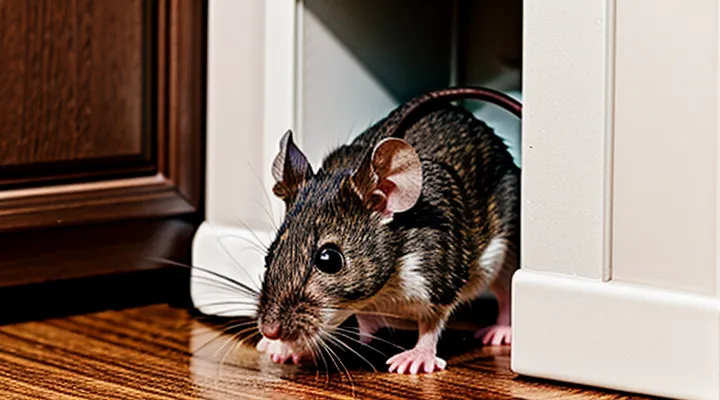
Assessing the Situation
Identifying Signs of a Mouse Infestation
Recognizing Droppings and Gnaw Marks
Mice leave distinctive signs that confirm their presence and guide removal actions.
Droppings are small, dark, capsule‑shaped pellets about ¼ inch long and ⅛ inch wide. Fresh specimens appear glossy; older ones turn matte and may crumble. Common locations include pantry shelves, behind appliances, under sinks, and along walls near food sources. A concentration of droppings along a single line often marks a travel route.
Gnaw marks reveal feeding and nesting behavior. Fresh cuts are clean, with sharp edges; older bites show ragged, splintered wood or plastic. Typical surfaces feature bite diameters of ¼ to ½ inch. Look for gnawing on baseboards, cabinet doors, electrical cords, and structural wood near concealed areas. Parallel rows of parallel scratches suggest repeated activity.
Key identification steps:
- Inspect hidden corners and storage areas for the described pellet size and texture.
- Use a flashlight to trace linear droppings patterns to potential entry points.
- Examine wood, plastic, and wiring for uniform bite dimensions and clean edges.
- Compare fresh and aged marks to assess the duration of infestation.
Recognizing these indicators enables precise targeting of traps, sealing of entryways, and thorough cleaning to prevent re‑infestation.
Listening for Scratching Sounds
Listening for scratching sounds provides the most reliable indication of a mouse’s exact location after capture attempts. Quiet the room, turn off appliances, and pause conversation to eliminate competing noise. Remain still for several minutes; mice produce intermittent, high‑pitched scratches as they gnaw or move through walls, insulation, or furniture.
Identify the source by noting the direction and frequency of the noise. A rapid series of short scratches suggests active movement, while spaced, longer sounds often indicate a mouse probing a confined space. Distinguish these from creaks (structural settling) or pet activity by comparing pitch and rhythm.
Practical steps for using auditory cues:
- Close doors to isolate the area where the mouse was last seen.
- Place a lightweight, flat surface (e.g., a tray) near potential entry points to amplify vibrations.
- Use a smartphone’s voice‑recording app to capture sounds for later analysis, if needed.
- When a scratch is heard, move slowly toward the source, maintaining a low profile to avoid startling the animal.
- Once the sound intensifies, position a humane trap or a containment box directly in the path of the mouse.
Accurate sound detection reduces time spent searching, limits disruption to the household, and increases the likelihood of a safe, humane resolution.
Locating Nests or Runways
When a mouse is captured inside a residence, identifying its nest or runway prevents future incursions. Detecting these structures guides placement of traps, sealing of entry points, and targeted cleaning.
- Examine walls, baseboards, and cabinets for shredded material, droppings, or gnaw marks. Concentrate on hidden corners, behind appliances, and under furniture.
- Follow visible droppings in a straight line; mice travel along established runways. The line often leads to a concealed nest site.
- Inspect insulation, stored boxes, and cluttered storage areas. Nests consist of soft fibers, paper, and shredded debris arranged in a cup shape.
- Use a flashlight at a low angle to reveal silhouettes of tunnels in drywall or flooring. Shadows indicate hollow pathways.
- Place a small amount of non-toxic bait near suspected runways; mouse activity confirms the route.
After locating the nest or runway, seal all adjacent gaps with steel wool and caulk, remove the nest material, and disinfect the area with a suitable sanitizer. Relocate traps to intersect the identified runway, ensuring the mouse cannot bypass the control measures.
Understanding the Risks of a Mouse Infestation
Health Concerns and Disease Transmission
Rodents captured inside a residence pose direct health hazards because they carry pathogens that can contaminate food, surfaces, and air. Contact with mouse urine, feces, or saliva introduces microorganisms capable of causing illness in humans and pets.
Common disease agents associated with indoor mice include:
- Salmonella spp. – gastrointestinal infection from contaminated food.
- Hantavirus – severe respiratory disease transmitted through aerosolized droppings.
- Leptospira spp. – leptospirosis, spread by urine contacting skin or mucous membranes.
- Streptobacillus moniliformis – rat‑bite fever, possible from bites or scratches.
- Bartonella spp. – cat‑scratch disease, occasionally linked to rodent vectors.
Mitigation measures:
- Wear disposable gloves and a mask when handling the captured animal.
- Place the mouse in a sealed container; transport to an outdoor release site or humane‑kill facility promptly.
- Disinfect the capture area with a solution of 1 part bleach to 9 parts water; allow contact time of at least five minutes.
- Clean surrounding surfaces with an EPA‑registered rodent‑borne pathogen sanitizer.
- Dispose of all contaminated materials, including gloves, in sealed bags before discarding.
Follow‑up actions:
- Inspect the home for entry points; seal gaps larger than ¼ inch.
- Set traps or bait stations in a controlled manner to prevent further captures.
- Monitor household members for symptoms such as fever, cough, gastrointestinal distress, or unusual fatigue; seek medical attention if they appear.
Addressing the health risks immediately after a mouse capture reduces the likelihood of disease transmission and protects occupants from preventable infections.
Property Damage and Contamination
A captured mouse can leave droppings, urine, and gnaw marks that compromise structural integrity and introduce pathogens. Immediate assessment of affected areas prevents escalation. Identify all surfaces touched by the animal, including walls, cabinets, and food storage, then isolate them to avoid further contamination.
- Remove visible droppings with disposable gloves; place waste in a sealed bag.
- Disinfect surfaces using a solution of at least 70 % isopropyl alcohol or a diluted bleach mixture (1 part bleach to 9 parts water); allow contact time of five minutes before wiping.
- Inspect insulation, wiring, and flooring for gnaw damage; repair or replace compromised components to restore safety and efficiency.
- Store food in airtight containers; discard any items that show signs of contamination.
- Dispose of the mouse following local regulations; sanitize tools and containers used during removal.
After cleaning, monitor the area for lingering odors or signs of secondary infestation. Conduct a final inspection to verify that structural elements and hygiene standards meet acceptable levels before resuming normal use of the space.
Implementing Control Measures
Choosing the Right Traps
Humane Trapping Options
Humane trapping provides a way to remove a mouse without causing injury. The most reliable devices are reusable live‑catch traps made of plastic or metal with a spring‑loaded door. Place the trap along walls, near droppings or food sources, and bait it with peanut butter, sunflower seeds, or a small piece of cheese. Check the trap every few hours; once the mouse is inside, cover the trap with a towel to reduce stress and transport it outdoors within a 100‑meter radius, releasing it near natural cover.
Alternative options include:
- Bucket‑trap system – a shallow container linked to a ramp that leads the mouse into a larger bucket where it cannot escape. Bait the ramp and monitor frequently.
- Tube‑style catch‑and‑release traps – clear acrylic tubes with a one‑way entry door. Easy to observe capture and suitable for indoor use.
- Electronic humane traps – devices that deliver a brief, low‑voltage shock to immobilize the mouse instantly. Follow manufacturer instructions for safe handling and release.
When using any humane trap, observe these steps:
- Identify high‑traffic areas and position the trap perpendicular to the wall.
- Apply an appropriate attractant; avoid strong odors that may deter the animal.
- Secure the trap to prevent accidental opening.
- Inspect the trap at regular intervals, not exceeding four hours.
- Once captured, handle the trap gently, cover it, and relocate the mouse promptly.
- Clean and disinfect the trap before reuse to prevent disease transmission.
These methods eliminate the need for lethal measures while ensuring the mouse is removed efficiently and safely.
Lethal Trapping Options
When a mouse is captured and lethal removal is preferred, choose a method that ensures quick death, minimizes risk to occupants, and complies with local regulations.
-
Snap traps: Steel bars deliver a swift strike to the rodent’s neck or spine. Position traps along walls, behind appliances, or near known activity. Use bait such as peanut butter or dried fruit to increase capture rates. Check traps several times daily; dispose of dead mice in sealed bags and wash hands thoroughly after handling.
-
Electronic traps: Battery‑powered devices emit a high‑voltage shock that kills instantly. Place units in concealed locations to reduce accidental contact. Most models feature an indicator light confirming a kill, allowing prompt disposal. Follow manufacturer instructions for cleaning and battery replacement.
-
Glue boards (considered lethal by many authorities): Adhesive surfaces immobilize the mouse, leading to rapid dehydration and death. Deploy only in areas inaccessible to children and pets. Wear gloves when removing trapped rodents, seal them in a plastic bag, and discard according to local waste guidelines.
-
Poison baits: Rodenticides contain anticoagulants or neurotoxins that cause death within hours. Use tamper‑resistant stations to prevent accidental ingestion by non‑target species. Record placement locations, monitor for signs of secondary poisoning, and adhere to label warnings regarding ventilation and disposal.
Select the option that aligns with household safety priorities, legal constraints, and the need for humane, efficient control. After removal, sanitize the area with a disinfectant solution to eliminate residual odors that could attract additional rodents.
Setting and Baiting Traps Effectively
Strategic Placement of Traps
When a mouse is discovered inside a dwelling, the next priority is to intercept its movement with traps placed where the rodent is most likely to travel.
Identify high‑traffic zones by observing droppings, gnaw marks, and food spillage. Common pathways include the edges of walls, behind appliances, and under cabinets. Position traps perpendicular to these routes, with the trigger side facing the wall so the mouse approaches head‑first.
Avoid areas accessible to children or pets by mounting traps on shelves or using protective covers. If the home contains multiple rooms, distribute traps evenly, ensuring at least one device in each identified corridor.
Select the appropriate trap type for the situation—snap, live‑catch, or electronic—and match it to the size of the target. For snap traps, place the bait (peanut butter, chocolate, or dried fruit) on the trigger plate, then set the spring to its maximum tension. Live‑catch traps should be set with a shallow layer of bedding to encourage entry.
Check traps at least twice daily. Remove captured mice promptly, disinfect the area, and reset the trap with fresh bait. Continue the placement pattern until no activity is recorded for 48 hours, then retire the devices.
Maintain the strategy by sealing entry points discovered during inspection, thus reducing the need for further trapping.
Appropriate Baits for Mice
When a mouse is trapped inside a residence, selecting the right bait determines both the speed of capture and the safety of occupants. Effective baits share three characteristics: strong odor, high palatability, and low risk of accidental ingestion by children or pets.
Commonly recommended attractants include:
- Peanut butter – dense, aromatic, adheres to trap surfaces, discourages escape.
- Chocolate – intense scent, preferred by rodents, works well in small quantities.
- Sunflower or pumpkin seeds – natural seed oils emit a potent fragrance, suitable for outdoor‑to‑indoor transitions.
- Dried fruit (e.g., raisins, apricots) – sweet, moisture‑rich, attractive to foraging mice.
- Oats mixed with a dash of honey – provides texture and sweetness, effective in low‑light areas.
For households with children or pets, consider non‑toxic options such as the above natural foods. If a lethal approach is required, place a small amount of rodenticide‑laced bait on the trap, ensuring the container is sealed and inaccessible to non‑target species.
Placement tips:
- Position traps along walls, behind appliances, and near known gnawing signs.
- Keep bait fresh; replace every 48 hours to maintain potency.
- Use a single‑bait method per trap to avoid competition and ensure the mouse contacts the trigger mechanism.
By matching bait choice to the environment and adhering to safety protocols, the capture process becomes efficient and minimizes collateral hazards.
Safe Disposal of Captured Mice
Releasing Humanely Caught Mice
When a mouse has been captured, immediate, humane release is essential to prevent injury to the animal and to avoid contaminating the home. Follow these precise actions:
- Select an outdoor site – Choose a location at least 100 meters from the house, preferably near natural cover such as shrubs, grass, or a garden. This distance reduces the likelihood of the mouse returning.
- Prepare protective gear – Wear disposable gloves to protect both yourself and the mouse from disease transmission. Keep a towel or soft cloth nearby to handle the trap without causing stress.
- Transport the trap – Carry the live‑catch trap upright, avoiding sudden movements. Place it on a flat surface away from foot traffic.
- Open the trap carefully – Remove the lid or latch slowly, allowing the mouse to exit on its own. Do not reach inside; the animal will typically run toward the nearest escape route.
- Observe briefly – Ensure the mouse leaves the trap and moves toward cover. If it hesitates, gently tilt the trap to guide it outward without forcing.
- Sanitize after release – Dispose of gloves, clean the trap with hot, soapy water, and disinfect the surrounding area to eliminate scent trails that could attract additional rodents.
- Monitor for recurrence – Inspect entry points and seal gaps within 24 hours to prevent re‑entry.
Executing these steps guarantees that the captured mouse is set free with minimal trauma, while simultaneously reducing the chance of future infestations.
Disposing of Deceased Mice Safely
When a mouse has died inside the home, handle the carcass promptly to prevent disease and odor.
- Protect yourself – Wear disposable gloves and, if available, a mask. This barrier limits exposure to pathogens and parasites.
- Contain the body – Using a sturdy plastic bag, place the mouse inside, expel excess air, and seal the bag tightly. Double‑bagging adds extra security.
- Label if required – Some jurisdictions demand a brief note on the bag indicating “dead rodent” for waste‑management personnel.
- Dispose according to local rules – Transfer the sealed bag to a regular trash container only if municipal guidelines permit. If a hazardous‑waste program is mandated, deliver the bag to the designated collection point.
- Sanitize the area – Clean the surface where the mouse was found with a disinfectant containing at least 70 % alcohol or a bleach solution (1 part bleach to 9 parts water). Allow the surface to remain wet for the contact time specified on the product label.
- Remove protective gear safely – Remove gloves by turning them inside out, discard them, and wash hands thoroughly with soap and warm water for at least 20 seconds.
Following these steps eliminates health risks and eliminates lingering odors without violating waste‑disposal regulations.
Preventing Future Infestations
Sealing Entry Points
Inspecting and Repairing Foundations
When a mouse is captured indoors, the building’s foundation often reveals the entry point. Identifying and sealing these openings stops further intrusion and protects structural integrity.
Inspect the foundation systematically:
- Walk the perimeter, looking for visible cracks, gaps, or holes.
- Use a flashlight to examine low‑light areas, especially under eaves and near utility penetrations.
- Probe suspicious openings with a thin wire or screwdriver; any resistance indicates a potential passage.
- Search for gnaw marks, droppings, or shredded material that signal mouse activity.
Repair identified defects promptly:
- Clean debris from each opening to ensure adhesion.
- Fill narrow cracks with acrylic‑latex caulk; for larger gaps, apply expanding foam followed by a metal mesh patch.
- Insert steel wool or copper mesh into holes before sealing with concrete or mortar to deter chewing.
- Replace deteriorated siding, baseboards, or concrete sections that cannot be patched effectively.
- Verify that drainage slopes away from the foundation to prevent moisture‑induced settling that creates new gaps.
Maintain the repaired foundation:
- Schedule quarterly visual checks, focusing on areas previously compromised.
- Trim shrubs, vines, and mulch away from the foundation wall to reduce moisture retention.
- Ensure gutters and downspouts direct water at least six inches from the base.
- Record all repairs and observations in a maintenance log for future reference.
Securing Doors and Windows
Securing doors and windows is the final barrier that prevents additional rodents from entering after a mouse has been captured.
Inspect all exterior doors. Verify that the door sweep is intact and contacts the floor without gaps. Replace worn sweeps or install new ones. Test the latch and deadbolt; tighten screws and adjust alignment if the bolt does not fully extend into the strike plate.
Examine window frames. Close each window fully and check for cracks around the sash. Apply weather‑stripping or silicone caulk to any openings larger than ¼ inch. Install fine‑mesh screens on vents, basement windows, and any openings used for ventilation.
Check auxiliary entry points. Look for gaps around utility penetrations, such as pipes, cables, and air ducts. Seal gaps with steel wool backed by expanding foam or use metal flashing where appropriate.
Create a maintenance routine. Once a month, walk the perimeter of the house, open each door and window, and confirm that seals remain tight and hardware functions properly. Record any deficiencies and address them within 48 hours.
By systematically reinforcing doors, windows, and peripheral openings, the household eliminates the most common pathways used by mice, ensuring that a captured rodent does not signal the start of a larger infestation.
Sealing Gaps Around Pipes and Utilities
Sealing gaps around pipes and utilities prevents mice from re‑entering the home after capture. The process consists of identification, preparation, application, and verification.
- Inspect all visible pipe penetrations, including water, gas, and sewage lines, in kitchens, bathrooms, basements, and crawl spaces. Use a flashlight to reveal cracks, holes, or loose fittings.
- Measure each opening. Gaps larger than ¼ inch require durable filler; smaller gaps can be closed with expanding foam.
- Select appropriate material: stainless‑steel mesh or copper flashing for structural reinforcement, silicone caulk for flexible joints, and low‑odor polyurethane foam for irregular spaces. Ensure the product is rated for pest control and safe for indoor use.
- Clean the area around each gap. Remove dust, debris, and old sealant with a wire brush or vacuum. Dry surfaces completely before applying any material.
- Apply filler:
- For metal mesh, cut to size, wrap around the pipe, and secure with stainless‑steel screws. Seal edges with silicone caulk.
- For silicone, load a caulking gun, dispense a continuous bead along the seam, and smooth with a gloved finger or tool.
- For foam, insert the nozzle into the cavity, dispense until the gap fills, then trim excess after the foam cures (typically 10–15 minutes).
- Allow all sealants to cure according to manufacturer instructions before exposing the area to moisture or temperature changes.
- Conduct a final inspection. Verify that no visible openings remain and that all applied materials adhere firmly. Use a thin piece of cardboard to test for residual airflow; absence of drafts confirms a complete seal.
By systematically locating and sealing every pipe and utility opening, the residence eliminates the primary pathways mice use to infiltrate, reinforcing the overall pest‑control strategy after removal.
Maintaining a Clean Environment
Proper Food Storage
Proper food storage is a critical element of any strategy for managing a captured rodent. Secure storage eliminates easy access to nourishment, reducing the likelihood that the animal will return after release or disposal.
- Place dry goods in containers with tight‑locking lids; metal or heavy‑wall plastic work best.
- Ensure containers are airtight; any gaps allow odors to attract rodents.
- Keep containers on shelves, not directly on the floor, to prevent gnawing.
- Label each container with the purchase date; use the oldest supplies first to avoid spoilage.
- Inspect packaging for tears before sealing; discard compromised items immediately.
Regular cleaning reinforces these measures. Remove crumbs and spills from countertops, cabinets, and floors. Use a mild detergent followed by a water rinse; allow surfaces to dry completely before restocking. Vacuum corners and behind appliances where food particles accumulate.
Rotate inventory weekly. Check for signs of infestation—chewed packaging, droppings, or unusual odors. If any evidence appears, isolate the affected product and dispose of it in a sealed bag outside the home.
Implementing these practices creates an environment where food is inaccessible, supporting the broader effort to control a mouse problem after it has been caught.
Regular Cleaning and Decluttering
Regular cleaning and decluttering create an environment that deters rodents and simplifies the capture process. Removing food residues, eliminating hidden shelters, and maintaining order reduce the incentives for a mouse to remain in the house.
- Sweep and vacuum all floors daily; focus on corners, under furniture, and behind appliances where crumbs accumulate.
- Wipe countertops, tables, and kitchen surfaces with a disinfectant after each meal preparation.
- Store dry goods in airtight containers; discard opened packages that show signs of contamination.
- Clear clutter from closets, basements, and garages; discard or relocate cardboard boxes, fabric piles, and unused items that provide nesting material.
- Inspect and seal gaps around pipes, vents, and door frames to prevent re‑entry after release.
Implement a weekly schedule that includes deep cleaning of appliances, laundering of bedding, and inspection of storage areas. Consistent execution of these tasks sustains a hostile setting for rodents and supports the broader protocol for handling a captured mouse.
Utilizing Natural Deterrents
Peppermint Oil and Other Scents
Peppermint oil is a widely recommended repellent for rodents that have been captured indoors. Its strong menthol aroma overwhelms a mouse’s sensitive olfactory system, prompting the animal to avoid the treated area. Apply a few drops to cotton balls and place them near entry points, around the cage, and in rooms where the mouse was seen. Replace the cotton balls every two to three days to maintain potency.
Other aromatic deterrents function similarly:
- Eucalyptus oil – volatile compounds irritate nasal passages; use on cloth strips or in a diffuser.
- Citrus peels – lemon or orange zest release citral, which rodents find unpleasant; scatter fresh peels in corners and under furniture.
- Clove oil – contains eugenol, a natural insecticide; dilute with water and spray on baseboards.
- Ammonia – strong chemical smell forces rodents to vacate; place a shallow dish in the vicinity of the trap, ensuring it is out of reach of children and pets.
When deploying scents, combine them with the physical removal of the mouse to prevent re‑entry. Seal gaps in walls and doors, then monitor the treated zones for signs of activity. If scent effectiveness wanes, rotate to a different oil or increase the concentration within safe limits. This systematic use of aromatic repellents complements the overall protocol for managing a captured mouse in the home.
Introducing Natural Predators (if applicable and safe)
Introducing natural predators can complement a humane response to a captured mouse, provided the approach is safe for occupants and complies with local regulations. Suitable predators include barn owls, hawks, domestic cats, and certain predatory insects; each requires specific conditions to function effectively indoors or in adjacent outdoor spaces.
When selecting a predator, verify that the species is legal to keep, poses no health risk to humans or other pets, and can be contained or directed toward the target area without causing collateral damage. Domestic cats are the most practical indoor option, while barn owl boxes are appropriate for garden or attic environments where birds can hunt without entering living spaces.
Implementing natural predators involves the following steps:
- Evaluate the property’s layout to identify locations where a predator can operate safely (e.g., a sheltered outdoor perch or a dedicated indoor cat area).
- Confirm legal permissions and acquire any required permits or licenses.
- If using a cat, ensure it is vaccinated, spayed/neutered, and trained to stay within designated zones.
- For birds of prey, install an appropriate nesting box at a height of at least 10 feet, away from human traffic, and coordinate with a licensed wildlife rehabilitator for periodic monitoring.
- Monitor predator activity to confirm effective mouse control and adjust barriers or access points as needed.
If natural predators are unsuitable, proceed to alternative control measures outlined in the broader response plan.
When to Call a Professional
Recognizing a Severe Infestation
Recognizing a severe mouse infestation is the first step toward effective control. Early detection prevents damage to structures, contamination of food supplies, and health risks.
Key indicators of a serious problem include:
- Multiple active burrows or nests in walls, cabinets, or under appliances.
- Continuous droppings in several rooms, exceeding ten per square foot.
- Persistent gnaw marks on wiring, insulation, or furniture.
- Audible scurrying or scratching at night across different areas.
- Presence of live or dead mice in traps placed in more than three locations.
Quantify the situation by counting droppings, nests, and trap captures over a 24‑hour period. Exceeding the thresholds above signals an infestation that cannot be managed with isolated traps alone.
Immediate escalation to comprehensive measures—such as sealing entry points, deploying bait stations, and engaging professional pest control—reduces the likelihood of structural damage and disease transmission. Ignoring the signs allows the population to multiply exponentially, compromising safety and increasing remediation costs.
Understanding the Benefits of Professional Extermination
When a mouse is trapped inside a residence, the next decision point often involves choosing between a DIY removal method and hiring a licensed pest‑control specialist. Professional exterminators bring expertise that reduces risk, ensures compliance with health regulations, and prevents recurrence.
Key advantages of engaging a certified exterminator:
- Accurate identification of entry points and breeding sites, allowing targeted sealing and exclusion measures.
- Application of approved, species‑specific treatments that minimize toxicity to occupants and pets.
- Comprehensive documentation of actions taken, useful for insurance claims or rental‑property inspections.
- Access to advanced monitoring tools, such as electronic traps and bait stations, which maintain control long after the initial capture.
- Ongoing support, including scheduled follow‑ups and advice on sanitation practices that deter future infestations.
By delegating the eradication process to professionals, homeowners secure a swift, reliable resolution while safeguarding health standards and property integrity. This approach integrates seamlessly into the broader step‑by‑step response plan for indoor rodent incidents.