
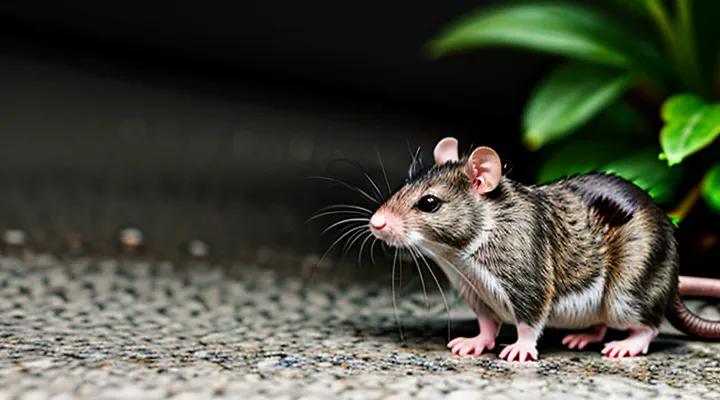
Why Naming Your Rat Matters
Building a Bond
Choosing a name that reflects a rat’s personality creates an early point of contact between owner and animal. A well‑matched name reinforces recognition, encourages vocal interaction, and signals the caretaker’s attentiveness.
To strengthen the relationship during the naming process, consider the following actions:
- Observe the rat’s behavior for several days; note activity level, curiosity, and preferred hiding spots.
- Select a short, clear word that the animal can hear easily; consonant‑heavy names tend to capture attention faster than multi‑syllabic options.
- Use the chosen name consistently in feeding, handling, and play sessions; repetition builds associative memory.
- Pair the name with a gentle tone and a treat when the rat responds; positive reinforcement accelerates trust.
After the name is established, maintain the bond by integrating the name into daily routines. Speak the name before offering food, during grooming, and when guiding the rat to a new environment. Consistent verbal cues help the rat anticipate interaction, reducing stress and fostering confidence. Regular, calm handling combined with the familiar name sustains the connection over the animal’s lifespan.
Reflecting Personality
When assigning a name to a pet rat, the chosen moniker should convey the animal’s distinctive temperament and habits. A name that mirrors personality helps owners and observers instantly grasp the rat’s character, reinforcing the bond and simplifying communication.
Consider the following categories, each paired with examples that illustrate specific traits:
- Playful and energetic – Spry, Zippy, Jinx, Bubbles, Skitter
- Calm and gentle – Whisper, Mellow, Sage, Luna, Velvet
- Curious and investigative – Quest, Prowler, Scout, Nova, Pixel
- Bold and confident – Titan, Rogue, Blitz, Ember, Viper
- Intelligent and problem‑solving – Cipher, Sage, Newton, Pixel, Athena
Select a name whose connotation aligns with observable behavior. If the rat darts around the cage, a dynamic name such as “Zippy” reinforces that vigor. For a rat that remains composed during handling, a soothing name like “Velvet” underscores its steadiness. Consistency between name and demeanor enhances recognition and enriches the pet‑owner relationship.
General Naming Principles
Simplicity and Clarity
Choosing a name for a rat should prioritize brevity and recognizability. Short, single‑syllable words reduce confusion during training and daily interaction. Clear pronunciation allows the animal to associate the sound with itself quickly, improving response reliability.
Avoid complex spellings or multi‑word phrases. Names that contain hard consonant clusters or silent letters often hinder consistent vocal cues. Opt for common vowel‑consonant structures that produce a distinct, easily heard tone.
Examples of effective names include:
- Pip
- Max
- Nix
- Finn
- Boo
- Zed
Each option consists of one or two simple sounds, facilitating rapid learning and effortless recall. Use the chosen name consistently; repeat it in calm, steady tones to reinforce the association. This approach maximizes clarity while minimizing ambiguity in communication with the pet.
Avoiding Confusion (Especially with Multiple Rats)
When several rats share a habitat, ambiguous names lead to mistaken feeding, health monitoring, and behavioral assessment. Clear identification prevents errors that could affect welfare and research outcomes.
Adopt a systematic naming scheme:
- Use distinct, single‑word names rather than compound or similar‑sounding terms.
- Assign names that reflect observable traits (color, pattern, size) to reinforce visual cues.
- Incorporate a numeric or alphanumeric tag for each individual (e.g., “Ash‑01,” “Ash‑02”) when names are thematically related.
- Avoid reuse of popular pet‑style names that appear in multiple litters or colonies.
If thematic groups are necessary, differentiate them with consistent prefixes or suffixes (e.g., “Blue‑Sky,” “Blue‑Wave”). Ensure the prefix denotes the group while the suffix remains unique.
Maintain a written log that pairs each name with a photo, cage location, and key characteristics. Update the record promptly after any change in the rat’s appearance or status. This documentation provides an audit trail and eliminates reliance on memory.
Regularly review the roster for accidental duplication. Replace conflicting entries before they cause misidentification. Consistent application of these practices minimizes confusion and supports accurate handling of multiple rats.
Considering Future Growth and Size
When selecting a name for a rat, anticipate the animal’s eventual size and growth pattern. A name that reflects potential dimensions helps avoid mismatches between a pet’s appearance and its moniker as it matures.
- Mighty – suitable for a rat that will become larger than average.
- Pint‑size – appropriate for a dwarf or miniature breed expected to stay small.
- Bulwark – conveys strength for a robust, heavy‑set individual.
- Sprout – fits a rat that will grow noticeably from a tiny starter.
- Titan – ideal for a rat projected to reach the upper range of size.
Consider the species or strain’s typical growth curve before finalizing the choice. Aligning the name with projected size reinforces consistency and reduces the need for later renaming.
Categories of Rat Names
Human-Inspired Names
Human‑inspired names give a pet rat a sense of personality that mirrors familiar social contexts. The approach draws from common first names, surnames, or cultural references, creating an immediate connection for owners and visitors. Such names avoid exotic or overly whimsical choices, favoring recognizability and ease of pronunciation.
When selecting a human‑style name, consider the rat’s size, coat color, and temperament. A compact, dark‑fur rat may suit a succinct name, while a larger, lighter‑colored individual can carry a more formal or classic option. Consistency across multiple rats supports a cohesive naming scheme, especially for breeding or group settings.
Typical human‑inspired names for rats include:
- Max
- Ella
- Oliver
- Grace
- Henry
- Sophie
- Leo
- Clara
- Victor
- Maya
These selections provide straightforward identification, reduce confusion during handling, and align with everyday naming conventions.
Classic Human Names
Choosing a classic human name for a pet rat can give the animal a familiar, personable identity. Such names are easily recognized, pronounceable, and often carry a timeless quality that suits a small, intelligent companion.
- Alexander
- Benjamin
- Clara
- Eleanor
- Frederick
- George
- Hannah
- Isabella
- Jacob
- Margaret
When selecting from this group, consider the following factors: the name’s length should allow quick vocal cues; the syllable structure must be clear for the rat’s auditory perception; cultural associations should align with the owner’s preferences; and the name should avoid confusion with commands or other household pets.
A concise, classic human name reinforces the bond between owner and rat while providing a straightforward reference in daily interactions.
Modern and Trendy Names
Choosing a name for a pet rat reflects contemporary naming trends while ensuring the name suits the animal’s personality. Modern and trendy options draw from pop culture, technology, and minimalist aesthetics, offering short, memorable choices that fit everyday conversation.
- Pop‑culture inspired: Pixel, Neo, Luna, Juno, Zazu
- Tech‑oriented: Byte, Cipher, Echo, Pixel (also fits here), Nexus
- Minimalist: Finn, Ivy, Milo, Scout, Nova
Names should be no longer than two syllables, easy to pronounce, and distinct from common commands. Avoid names that sound similar to “no” or “stop” to prevent confusion during training. Preference for vowel‑consonant‑vowel patterns (e.g., “Ivy” or “Milo”) enhances clarity.
Consider the rat’s coat color, behavior, and the owner’s interests when selecting a name. A concise, distinctive name facilitates bonding and simplifies handling in veterinary or grooming contexts.
Food-Inspired Names
Choosing a name that references food gives a rat a distinctive, memorable identity while highlighting the owner’s sense of humor or affection.
- Dessert-themed: Crème, Muffin, Brownie, Tiramisu, Pudding
- Fruit-inspired: Berry, Kiwi, Plum, Mango, Fig
- Savory selections: Basil, Pepper, Chili, Nacho, Sushi
- Beverage references: Latte, Mocha, Cola, Espresso, Milkshake
These options align with common culinary categories, making it easy to match a name to a rat’s coloration, temperament, or favorite treats. Selecting a food‑related name simplifies recall and adds a playful element to daily interaction.
Sweet Treats
Naming a pet rat with a sweet‑treat theme creates a memorable, affectionate identifier that reflects the animal’s playful nature. Choose names that are easy to pronounce, distinct from common commands, and suitable for both male and female rats.
Consider the following categories and examples:
- Candy‑inspired: Caramel, Taffy, Toffee, Licorice, Gummy
- Chocolate‑related: Truffle, Cocoa, Fudge, Mocha, Hershey
- Bakery treats: Muffin, Biscuit, Scone, Donut, Croissant
- Fruit‑flavored sweets: Cherry, Lemon, Berry, Peach, Mango
- Seasonal confections: Peppermint, Gingerbread, Marshmallow, Sprinkles, Frosting
When selecting a name, verify that it does not resemble the rat’s feeding commands (e.g., “come,” “stay”). Test the name by calling it aloud; the syllable structure should be clear and brief to aid recognition. Record the chosen name in the pet’s health log to ensure consistent use across veterinary and caretaking records.
Adopt a sweet‑treat name to reinforce positive interaction, simplify communication, and add a touch of charm to the rat’s identity.
Fruits and Vegetables
Choosing a fruit or vegetable name for a rat creates a playful identity that is easy to remember and distinct from typical pet names. The approach aligns with naming conventions that favor short, phonetic simplicity and a touch of whimsy, which suits the quick‑moving nature of rodents.
When selecting a name, consider the following criteria: the term should be no longer than two syllables, pronounceable without hesitation, and free of negative connotations. Fruit and vegetable names naturally meet these requirements and add a visual cue that can enhance bonding during training sessions.
Suggested fruit‑based names:
- Apple
- Berry
- Kiwi
- Lime
- Mango
- Peach
- Plum
Suggested vegetable‑based names:
- Bean
- Carrot
- Corn
- Pea
- Radish
- Sprout
- Zucchini
Each option offers a clear, single‑word label that fits the brevity rule while providing a pleasant, familiar reference. The list can be expanded with regional produce or hybrid terms, but the core guidelines remain unchanged: brevity, clarity, and positivity.
Savory Snacks
Naming a pet rat can draw inspiration from food categories that convey flavor and personality. Savory snack names offer concise, memorable options that reflect a rat’s cheeky energy and the owner’s culinary interests.
Snack-inspired names work best when they are short, pronounceable, and evoke a distinct taste profile. Choose terms that are widely recognized, avoid overly complex spellings, and consider the rat’s coloration or behavior when matching a name to a snack type.
- Cheddar
- Pretzel
- Popcorn
- Biscuit
- Chip
- Nacho
- Sausage
- Curry
- Ramen
- Gnocchi
Select a name that aligns with the rat’s appearance or habits, ensuring the word remains easy to call in daily interaction. Consistent use reinforces recognition and strengthens the bond between owner and pet.
Pop Culture and Fictional Names
Choosing a rat’s name from pop‑culture sources provides instant recognizability and character depth. Fictional names carry associations that can influence how owners and observers perceive the animal, making the selection both practical and expressive.
Popular‑culture categories offer a wide range of suitable options:
- Film and television – characters known for cleverness or mischief, such as Remy (Ratatouille), Gort (The Dark Crystal), or Gollum (Lord of the Rings).
- Literature – protagonists with distinctive personalities, for example, Basil (The Great Mouse Detective), Fiver (Watership Down), or Pip (Great Expectations).
- Video games – titles featuring agile or cunning creatures, like Ratchet (Ratchet & Clank), Squeak (Stardew Valley), or Nibbles (Pac‑Man).
- Comics and graphic novels – iconic rodents or sidekicks, such as Splinter (Teenage Mutant Ninja Turtles), Vermin (Marvel), or Rat King (Batman).
- Mythology and folklore – names rooted in legend, including Anansi (West African trickster), Loki (Norse mischief god), or Coyote (Native‑American trickster).
When selecting a name, consider three criteria:
- Pronounceability – short, clear syllables aid training and daily interaction.
- Distinctiveness – avoid names that sound similar to common commands or household calls.
- Thematic relevance – align the rat’s behavior or appearance with the chosen reference for coherence.
Applying these guidelines ensures the chosen moniker is memorable, functional, and reflective of the rat’s personality, while leveraging the cultural resonance of well‑known fictional characters.
Movie and TV Characters
Choosing a rat name from film and television characters creates a memorable link between pet and pop culture. Recognizable titles, distinct personalities, and short pronunciation help the name function in everyday interaction.
Effective names share these attributes: clear reference, alignment with the rat’s behavior, and ease of recall. Avoid overly long titles or obscure characters that require explanation each time the name is used.
- Mickey – classic mouse icon, playful tone.
- Gizmo – quirky creature from Gremlins, fits mischievous energy.
- Rizzo – street‑smart rat from The Muppet Show, suits a bold pet.
- Stuart – hero of Stuart Little, appropriate for a small explorer.
- Remy – culinary genius from Ratatouille, ideal for a curious forager.
- Fester – eccentric figure from The Addams Family, matches a quirky demeanor.
- Bubbles – cheerful sidekick in The Powerpuff Girls, works for an energetic rat.
- Dobby – loyal house‑elf from Harry Potter, conveys devotion.
- Jinx – mischievous sprite in Animaniacs, fits a prank‑loving rat.
- Waldo – elusive character from Where’s Waldo?, suits a shy hide‑and‑seek specialist.
Selecting any of these options provides a clear, culturally resonant identifier that enhances the bond between owner and pet.
Book Characters
Naming a rat after a literary figure adds personality and immediate recognition. Choose names that are short, easy to pronounce, and evoke the character’s traits without requiring explanation.
- Frodo – evokes loyalty and bravery.
- Gandalf – suggests wisdom and authority.
- Scout – reflects curiosity and agility.
- Matilda – conveys intelligence and independence.
- Bilbo – implies adventurous spirit.
- Pip – denotes innocence and resilience.
- Huckleberry – suggests mischievous charm.
- Atticus – embodies integrity and calm.
Select a name that aligns with the rat’s behavior and the owner’s preferences, ensuring the reference remains clear and memorable.
Video Game Characters
When selecting a name for a pet rat, drawing inspiration from well‑known video game personalities offers recognizable, memorable choices. Such names convey personality, fit the animal’s size, and often carry built‑in fan appeal.
Effective names share several traits: brevity, clear pronunciation, and relevance to the character’s traits or game universe. Avoid overly complex spellings or obscure references that may hinder daily use. Preference for names that echo the rat’s quick movements or mischievous nature aligns the animal’s behavior with its moniker.
- Link – evokes agility and heroic spirit from the Legend of Zelda series.
- Cortana – references the intelligent AI companion in Halo, suitable for a clever rat.
- Samus – honors the armored bounty hunter of Metroid, fitting a brave or resilient rodent.
- Pikachu – captures energetic, electric personality, ideal for an active rat.
- Kirby – suggests a round, endearing appearance, matching a plump rat.
- GLaDOS – suits a rat with a quirky or inquisitive demeanor, borrowing from Portal.
- Sonic – highlights speed, appropriate for a fast‑moving rat.
- Lara – reflects resourcefulness and exploration, drawn from Tomb Raider.
- Moogle – a whimsical nod to Final Fantasy, fitting a gentle or curious rat.
- Ryu – denotes strength and determination, suitable for a bold rat.
Each suggested name aligns with common naming standards while leveraging the cultural weight of video game icons. Selecting from this list ensures the rat’s name is both functional and resonant with gaming enthusiasts.
Nature-Inspired Names
Choosing a name that reflects natural elements can give a pet rat a distinctive, memorable identity. Nature‑inspired names draw from plants, animals, weather, celestial bodies, and geographic features, providing a wide palette of options that suit the rat’s appearance, temperament, or the owner’s preferences.
Common categories include:
- Flora – Willow, Fern, Cedar, Basil, Ivy.
- Fauna – Finch, Otter, Lynx, Sparrow, Hedgehog.
- Weather – Storm, Breeze, Frost, Rain, Thunder.
- Celestial – Orion, Luna, Nova, Eclipse, Sol.
- Landscapes – Canyon, Meadow, Ridge, Dune, Glacier.
When selecting a nature‑inspired name, consider the following criteria:
- Pronounceability – Ensure the name can be spoken clearly and quickly during handling.
- Distinctiveness – Choose a term that differs from common household commands to avoid confusion.
- Relevance – Align the name with a visible trait or a personal connection to the natural element.
- Length – Favor one‑ or two‑syllable words to facilitate recall and vocalization.
Applying these guidelines results in a name that feels both appropriate to the rat’s character and grounded in the natural world.
Flora Names
Choosing a plant‑based name for a pet rat adds a natural, memorable quality. Select a name that matches the rat’s size, coat color, or temperament; short, vowel‑rich words are easier for the animal to recognize. Avoid overly complex spellings that could cause confusion during training.
Consider these flora‑inspired options, grouped by type:
- Herbs and spices: Basil, Sage, Thyme, Dill, Mint, Clove, Anise
- Trees and shrubs: Oak, Willow, Birch, Cedar, Aspen, Hazel, Juniper
- Flowers and bulbs: Lily, Iris, Poppy, Dahlia, Violet, Marigold, Hyacinth
- Vines and grasses: Ivy, Fern, Reed, Bamboo, Sorrel, Zinnia
When selecting, test the name’s sound by calling the rat repeatedly; a clear, crisp syllable pattern yields better response. Pair the name with consistent reinforcement to establish recognition quickly.
Fauna Names
Choosing a name for a pet rat benefits from drawing on established fauna terminology. Such names convey the animal’s natural characteristics while fitting the domestic setting. They also align with a broader practice of borrowing from wildlife nomenclature to create memorable, fitting monikers.
Categories of fauna‑derived names include:
- Predatory references – Falcon, Lynx, Viper
- Rodent relatives – Squirrel, Gerbil, Hamster
- Wild mammals – Badger, Otter, Mink
- Avian inspiration – Finch, Swallow, Wren
- Aquatic analogues – Carp, Trout, Otter (dual use)
Descriptive options rely on observable traits:
- Color‑based – Ash, Coal, Snow
- Size and build – Stout, Tiny, Brawny
- Behavioral cues – Scamper, Nibble, Whisk
Cultural and mythological sources provide additional depth:
- Greek – Zeus, Artemis, Hermes
- Norse – Loki, Freya, Thor
- Folklore – Puck, Bramble, Willow
Selecting from these groups ensures the rat’s name reflects both its biological lineage and its role as a companion, while maintaining clarity and relevance.
Celestial Names
Celestial names offer a distinctive alternative when selecting a moniker for a pet rat, combining mythic resonance with memorability.
When choosing such a name, prioritize brevity, phonetic clarity, and relevance to the animal’s personality; a short, easily spoken name reduces training friction and enhances owner‑rat communication.
Suggested celestial options include:
- Orion
- Luna
- Nova
- Vega
- Cassiopeia
- Sirius
- Aurora
- Atlas
- Lyra
- Celeste
Each entry references a well‑known astronomical entity, providing a ready‑made narrative cue while remaining practical for everyday use.
Whimsical and Quirky Names
Choosing a name that captures a rat’s playful spirit can reinforce the bond between pet and owner. Whimsical and quirky selections often rely on wordplay, pop‑culture references, or unexpected contrasts that highlight the animal’s lively personality.
Consider these options, grouped by theme:
- Literary puns: Fur‑gott, Mousetache, Sir Whiskerton
- Food‑inspired jokes: Cheddar, Popcorn, Nibbles
- Pop‑culture nods: Gizmo, Yoda, Pixel
- Contrasting adjectives: Tiny Titan, Gentle Beast, Mighty Mini
Each name combines humor with memorability, making it easy to call the rat while reflecting its unique character. Selecting from this range ensures the name stands out in everyday interaction and reinforces the owner’s affection.
Playful and Funny Options
Choosing a name for a pet rat can enhance its personality and strengthen the bond with its owner. Playful and funny choices add levity to daily interactions and reflect the animal’s spirited nature. Below are suggestions that balance humor with recognizability, each suitable for a rat’s quick movements and inquisitive demeanor.
- Cheddar Chuck – evokes a classic cheese reference while sounding like a lighthearted nickname.
- Squeak‑Muffin – merges the characteristic sound with a sweet pastry term, creating contrast.
- Whisker‑Wizard – highlights facial features and adds a whimsical magical twist.
- Nibbles McGee – combines a common rodent behavior with an Irish‑style surname for comic effect.
- Turbo Tail – underscores speed and tail prominence in a concise, energetic phrase.
- Pip‑Pop – short, rhythmic, and reminiscent of a tiny burst of excitement.
- Gizmo Grin – pairs a tech‑savvy term with a smiling image, suitable for a clever rat.
- Biscuit Bouncer – links a favorite treat with the animal’s hopping tendencies.
- Mischief Munch – captures playful troublemaking and constant snacking.
- Zippy Zorro – blends rapid movement with a nod to a famous masked hero, adding intrigue.
Select a name that resonates with the rat’s behavior and the owner’s sense of humor. Consistent use reinforces recognition and encourages positive responses during training and play.
Unique and Unusual Choices
When naming a pet rat, owners frequently prefer choices that differentiate the animal from typical monikers and convey individuality.
- Quasar – evokes a bright, energetic phenomenon, suitable for a lively rodent.
- Moxie – suggests boldness and spirited character, fitting for a daring explorer.
- Nimbus – references a soft, floating cloud, ideal for a gentle, calm companion.
- Pixel – reflects a small, precise unit, appropriate for a clever, detail‑oriented pet.
- Sable – denotes deep, dark fur, matching a rat with a sleek, glossy coat.
- Zephyr – signifies a light breeze, apt for a swift, agile creature.
- Jinx – carries a mischievous connotation, perfect for a playful troublemaker.
- Cobalt – alludes to a vivid blue hue, suitable for a rat with striking coloration.
Selecting an unconventional name reinforces the bond between owner and animal while highlighting the rat’s unique traits.
Names Based on Appearance
When choosing a rat’s name, visual traits offer clear inspiration. Observing coat color, pattern, size, and distinctive markings helps create a memorable identifier that reflects the animal’s appearance.
- Color‑based names – “Midnight” for a jet‑black coat, “Snowball” for pure white fur, “Rusty” for reddish tones, “Sable” for dark brown.
- Pattern‑focused names – “Spot” for a single dark patch, “Stripe” for a longitudinal line, “Patchwork” for a mottled mix, “Marble” for speckled markings.
- Size or build names – “Tiny” for a small, delicate rat, “Bulk” for a larger, muscular specimen, “Slim” for a slender figure.
- Texture or sheen names – “Silky” for glossy fur, “Fluffy” for a dense, soft coat, “Shimmer” for iridescent highlights.
Pairing a visual cue with a descriptive term reinforces the connection between name and appearance, aiding recognition among owners and caretakers. Selecting a name grounded in observable traits ensures consistency and reduces ambiguity in communication about the pet.
Color-Specific Names
Choosing a name that reflects a rat’s coat can simplify identification and enhance the bond between pet and owner. Color‑based names work best when they match the dominant hue, avoid ambiguity, and remain easy to pronounce.
When selecting a color‑specific name, consider the following criteria: the name should be distinct from other household pets, compatible with the rat’s gender if desired, and free of offensive connotations. Verify that the chosen term accurately describes the animal’s primary coloration rather than a minor patch.
- White – Snow, Pearl, Marshmallow, Ivory, Frost
- Black – Midnight, Onyx, Coal, Shadow, Jet
- Gray – Ash, Slate, Smoke, Pewter, Steel
- Brown – Cocoa, Chestnut, Walnut, Mocha, Hazel
- Red / Orange – Ruby, Ember, Ginger, Saffron, Rust
- Spotted / Mixed – Patches, Mosaic, Dapple, Speck, Confetti
After deciding on a name, use it consistently in verbal and written communication. Repeating the name during feeding, handling, and play reinforces recognition and supports training. Ensure that the name does not clash with commands or other pet names, preserving clarity in daily interactions.
Markings and Patterns
Rat naming often draws from visible markings and coat patterns. Recognizing distinct features provides a clear basis for memorable, descriptive names.
Common coat variations include:
- Striped dorsal line – names such as Stripe, Racer, or Zorro emphasize the linear contrast.
- Spotted or speckled fur – options like Dot, Freckles, or Galaxy reference the scattered pigment.
- Patchy coloration – choices such as Patch, Mosaic, or Kaleido highlight irregular color blocks.
- White‑tipped ears or paws – names such as Snow, Frost, or Tip capture the accentuated edges.
- Dark mask around eyes – monikers like Bandit, Shadow, or Noir reflect the facial shading.
When selecting a name, match the term to the most pronounced pattern. Consistency between appearance and name enhances recognizability, especially in multi‑rat households where visual differentiation aids communication.
Tips for Choosing the Perfect Name
Observe Your Rat's Behavior
Observing a rat’s personality provides reliable clues for selecting a fitting name. Pay attention to the animal’s activity level, social tendencies, and distinctive habits; each trait suggests a naming direction that reflects the pet’s character.
- High energy, exploratory rat – choose names that convey motion or curiosity, such as “Dash,” “Scout,” or “Whisk.”
- Calm, affectionate rat – select gentle or warm‑hearted names like “Mellow,” “Coco,” or “Nuzzle.”
- Food‑focused, opportunistic rat – opt for playful, food‑related names such as “Munch,” “Crumb,” or “Snickers.”
- Bold, assertive rat – consider strong, confident names like “Rex,” “Blade,” or “Titan.”
Record observations in a notebook or digital log. Note the time of day when specific behaviors appear, the environment that triggers them, and any recurring patterns. This data set creates a clear profile, allowing you to match the rat’s unique traits with a name that feels natural and memorable.
Consistent observation eliminates guesswork. By aligning the name with observable behavior, the chosen moniker reinforces the bond between owner and pet and reinforces the rat’s identity within its social group.
Say the Name Aloud
When selecting a name for a pet rodent, vocal testing is a practical step. Pronounce the candidate aloud several times; listen for clarity, ease of articulation, and distinctness from common commands. A name that sounds similar to “no” or “stop” may cause confusion during training.
Key considerations while vocalizing a name:
- Syllable count: Two‑to‑three syllables provide a balance between memorability and ease of repetition.
- Consonant emphasis: Strong initial consonants (e.g., “B,” “K,” “R”) help the animal recognize the cue.
- Vowel simplicity: Open vowels (A, O, U) travel well in a typical household environment.
- Avoidance of homophones: Ensure the name does not resemble words like “run” or “food,” which could trigger unintended responses.
After vocal testing, observe the rat’s reaction. A brief pause followed by a turn of the head or a curious sniff indicates recognition. If the animal shows no response, repeat the process with alternative options until a clear auditory cue is established. This method guarantees that the chosen name functions effectively in everyday interaction.
Involve Family and Friends
When selecting a name for a pet rat, incorporating input from household members and close acquaintances can improve acceptance and enjoyment of the name. Engaging family and friends creates a shared sense of ownership, reduces the likelihood of later objections, and often yields more creative options.
Begin the process by presenting a brief description of the rat’s appearance, temperament, and any notable behaviors. This information guides contributors toward names that reflect the animal’s character. Encourage each participant to suggest a limited number of candidates—three to five—to keep the pool manageable.
After gathering suggestions, apply a simple evaluation method:
- Eliminate duplicates.
- Discard names that conflict with existing pet names in the household.
- Favor names that are easy to pronounce and distinct from common commands.
Conclude with a short voting round. Allow each person to rank their top three choices; tally the scores to identify the highest‑scoring name. If the result is a tie, consider a quick secondary vote between the tied options.
By structuring the naming activity, you ensure that the final choice reflects collective input while maintaining clarity and practicality. This collaborative approach strengthens the bond between the rat and its human companions from the outset.
Don't Rush the Decision
Choosing a name for a pet rat warrants deliberate thought rather than impulse. A rushed decision can lead to a moniker that feels inappropriate as the animal’s personality emerges, causing the owner to rename later and disrupt the bond. Taking time ensures the name aligns with the rat’s traits, lifespan, and the owner’s preferences.
Consider the following steps before finalizing a name:
- Observe the rat for several days; note behavior, coloration, and vocalizations.
- Compile a short list of names that reflect observed characteristics.
- Test each candidate by using it during feeding and handling; evaluate the rat’s response.
- Verify that the name is easy to pronounce and distinct from commands or other household pets.
- Confirm that the name does not clash with cultural sensitivities or cause embarrassment in public settings.
By following this process, owners secure a name that remains relevant throughout the rat’s life, fostering consistent communication and reinforcing the animal’s identity.
What to Avoid When Naming Your Rat
Overly Complicated Names
When naming a pet rodent, simplicity outweighs novelty. Overly complex designations hinder communication, confuse caretakers, and diminish the animal’s identity. A name should consist of one or two easily pronounced words; any additional syllables create unnecessary barriers.
Common pitfalls include:
- Multi‑word titles that combine adjectives, titles, and foreign terms (e.g., “Sir Archibald von Whisker‑the‑Third”).
- Excessive capitalization or punctuation (e.g., “XyZ_!_Quantum‑Rat!”).
- Lengthy mythological references that exceed three syllables per word (e.g., “Aphroditos‑Megalomaniac”).
Practical guidelines:
- Limit the name to a maximum of three syllables.
- Use familiar phonemes; avoid obscure or technical vocabulary.
- Ensure the name can be spoken clearly from a distance.
- Test the name by calling it repeatedly; discard any version that feels cumbersome after five repetitions.
Applying these rules yields functional options such as “Nibbles,” “Coco,” or “Bolt.” Each satisfies brevity, recognizability, and ease of use, preserving the primary purpose of a pet’s name—clear, consistent identification.
Offensive or Controversial Names
Choosing a name for a pet rat demands respect for the animal and the community that may encounter it. Names that contain profanity, slurs, or references to hate groups create discomfort, can violate shelter policies, and may lead to the animal’s removal from public spaces. Such choices also reflect poorly on the owner’s judgment and can hinder responsible pet ownership.
Consider the following guidelines to avoid offensive or controversial names:
- Exclude any profanity or vulgar language.
- Reject terms that target race, ethnicity, religion, gender, sexual orientation, or disability.
- Omit references to violent acts, weapons, or criminal organizations.
- Avoid names that mock mental health conditions or substance abuse.
- Replace potentially offensive references with neutral or whimsical options, such as “Whisker,” “Nimbus,” “Pixel,” or “Biscuit.”
- Verify that the name complies with local animal‑care regulations and shelter naming policies before finalizing.
Adhering to these standards ensures the name remains appropriate, enhances the rat’s social acceptance, and supports responsible pet stewardship.
Names That Are Too Similar to Other Pets
Choosing a name for a pet rat that closely resembles the names of other household animals can create practical problems. When two animals respond to nearly identical cues, the risk of misdirected commands rises, especially during feeding or handling. In emergency situations, such as a rat escaping its enclosure, a name that sounds like a dog’s or cat’s may delay the owner’s reaction, increasing stress for both animals.
Common patterns that lead to confusion include:
- Identical first syllables (e.g., “Milo” for a rat when a cat is named “Milo”).
- Rhyming names (e.g., “Benny” for a rat and “Jenny” for a hamster).
- Names that differ only by a single letter (e.g., “Nibbles” for a rat and “Nibble” for a rabbit).
- Names that share the same ending sound (e.g., “Zigzag” for a rat and “Ziggy” for a dog).
To avoid these issues, apply the following guidelines:
- Verify that the proposed rat name does not share the first two phonetic units with any existing pet name.
- Prefer names with distinct vowel-consonant patterns compared to other animals in the home.
- Test the name aloud alongside the other pet’s name; if the sounds blur after a few repetitions, select an alternative.
- Document the final choice in a pet registry or care log to ensure consistency among all household members.
Implementing these steps reduces command overlap, streamlines daily interactions, and supports a calmer environment for all pets.