
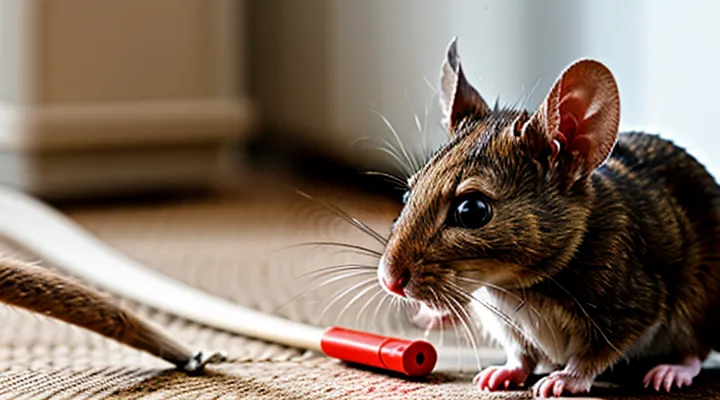
Understanding Glue Traps
What are Glue Traps?
Composition and Mechanism
The adhesive used in rodent capture pads consists of a polymer resin, a plasticizer, a tackifier, and, in many products, a food‑based attractant. The resin provides the base matrix, the plasticizer maintains flexibility at low temperatures, and the tackifier enhances stickiness. Attractants are typically powdered grains or pheromone extracts that draw mice and rats onto the surface. Some formulations incorporate non‑toxic dyes or bittering agents to discourage accidental contact by non‑target species.
The trapping mechanism operates through rapid adhesion and immobilization. When a rodent steps onto the coated surface, its paws and fur become instantly bound to the cured polymer. The adhesive’s high shear strength prevents the animal from pulling free, while the low‑temperature flexibility ensures the bond remains effective in cold environments. Immobilization leads to eventual death by exhaustion or starvation, eliminating the need for lethal chemicals.
Safety considerations rely on the chemical inertness of the resin and the absence of volatile solvents. The polymer cures to a solid state that does not emit harmful vapors, reducing inhalation risk. The attractant and any added flavorings are food‑grade, minimizing toxic exposure if inadvertently ingested by pets or children. Proper placement on insulated surfaces prevents accidental contact with humans.
Key compositional elements:
- Polymer resin (e.g., polyisobutylene) – structural backbone.
- Plasticizer (e.g., dioctyl phthalate alternative) – maintains flexibility.
- Tackifier (e.g., rosin derivatives) – boosts adhesion.
- Attractant (grain powder, pheromone blend) – lures target rodents.
- Safety additives (non‑toxic dyes, bittering agents) – deter non‑target interaction.
Types of Glue Traps
Adhesive rodent capture devices fall into several distinct categories, each designed for specific environments and target species. Understanding the functional differences aids in selecting the most effective model for a given infestation.
- Flat‑board traps – thin, rectangular panels coated with a high‑strength adhesive. Ideal for unobstructed floor areas where rodents travel along walls or baseboards.
- Tray traps – shallow containers with raised edges that prevent escape after contact. Suitable for kitchens, garages, and storage rooms where debris may accumulate.
- Corner traps – triangular or L‑shaped units that fit snugly into wall junctions. Target rodents that prefer tight, concealed pathways.
- Multi‑catch traps – larger boards divided into separate adhesive zones, allowing several captures before replacement. Used in heavy‑infestation scenarios such as warehouses or farms.
- Reusable traps – frames with replaceable adhesive sheets. Provide cost efficiency for long‑term control programs.
- Disposable traps – single‑use panels sealed in plastic packaging. Offer convenience and reduced handling risk.
Selection criteria include trap size relative to the target rodent, adhesive potency, and placement suitability. Larger traps accommodate rats, while smaller boards are sufficient for mice. Transparent backing assists in monitoring without disturbance. Position traps along established runways, near entry points, and away from food preparation surfaces.
For safe operation, install traps out of reach of children and non‑target pets. Wear gloves when handling adhesive surfaces, and seal captured specimens in a disposable bag before disposal. Replace traps promptly when the adhesive loses effectiveness or reaches capacity. Proper maintenance prevents accidental contact and ensures consistent performance.
Effectiveness and Limitations
Pros of Using Glue Traps
Glue traps employ a strong adhesive surface to immobilize rodents, offering a practical alternative to poison or snap mechanisms. Their design eliminates the need for toxic chemicals, reducing the risk of accidental poisoning for non‑target animals and humans when applied correctly.
- Immediate capture eliminates prolonged suffering and prevents escape after contact.
- Absence of poison removes concerns about secondary poisoning of pets or wildlife.
- Low purchase price and minimal maintenance keep operational costs low.
- Simple deployment requires no specialized tools or expertise.
- No odor or visible bait reduces attraction of insects and prevents nuisance complaints.
- Compact form factor allows placement in concealed areas, preserving aesthetic integrity of indoor spaces.
When used according to safety instructions, adhesive traps provide an efficient, cost‑effective, and low‑risk method for controlling mouse and rat populations.
Cons of Using Glue Traps
Glue traps carry multiple disadvantages that affect effectiveness, safety, and compliance.
- Animal welfare concerns – Trapped rodents suffer prolonged distress, often dying from dehydration, starvation, or internal injuries before removal.
- Non‑target capture – Insects, amphibians, and small birds readily become victims, leading to unintended ecological harm.
- Difficult disposal – Adhesive surfaces retain bodily fluids, creating a biohazard that requires sealed containers and specialized waste handling.
- Health risks to humans – Contact with the sticky compound may cause skin irritation, allergic reactions, or respiratory irritation if particles become airborne.
- Limited efficacy – Sticky traps capture only a few individuals; populations can rebound quickly, necessitating additional control measures.
- Legal and regulatory restrictions – Certain jurisdictions classify glue traps as prohibited or restricted devices, imposing fines or liability for improper use.
- Mess and contamination – Residual glue on surfaces attracts dust and debris, complicating cleaning and potentially contaminating food preparation areas.
Safe and Responsible Application
Preparation Before Placement
Identifying Infested Areas
Identifying infested areas is the first step before deploying adhesive traps for rodents. Accurate detection prevents unnecessary placement of traps and reduces the risk of non‑target captures.
Visual signs indicate activity. Look for droppings, gnaw marks, shredded material, and urine stains along walls, cabinets, and near food sources. Droppings are dark, pellet‑shaped, and often found in clusters. Gnaw marks appear as clean cuts on wood, plastic, or wiring.
Structural clues reveal entry points. Inspect gaps around pipes, vents, and foundation cracks. Openings larger than ¼ inch allow mice; larger than ½ inch permit rats. Seal discovered gaps after confirming infestation to limit spread.
Behavioral patterns help focus inspection. Rodents travel along walls, using the same routes nightly. Concentrate checks in concealed pathways such as behind appliances, under sinks, and within attic or crawl spaces. Use a flashlight to examine dark corners and ceiling joists.
Environmental factors increase likelihood of infestation. Areas with readily available food, water, and shelter attract rodents. Store grain, pet food, and waste in sealed containers. Eliminate standing water and clutter that provide nesting material.
A systematic approach ensures thorough coverage:
- Survey each room, noting droppings, gnaw marks, and urine stains.
- Examine structural gaps and seal any that exceed size thresholds.
- Map rodent pathways by tracking repeated signs along walls.
- Prioritize concealed spaces with abundant food or water sources.
- Record findings to guide targeted placement of glue traps.
By following these steps, users can locate active rodent zones with precision, enabling safe and effective use of adhesive trapping methods.
Removing Competing Food Sources
Effective control with adhesive traps requires eliminating alternative food options that can distract rodents from the baited surfaces. When rodents have easy access to readily available food, they are less likely to encounter the glue boards, reducing trap efficacy and increasing the risk of prolonged exposure to hazardous substances.
Key actions to remove competing food sources:
- Store all pantry items in sealed, rodent‑proof containers; metal or heavy‑wall plastic containers with tight‑locking lids are preferred.
- Clean kitchen counters, floors, and shelves daily to remove crumbs, spills, and food residues; use a damp cloth followed by a disinfectant approved for food‑preparation areas.
- Dispose of garbage in containers equipped with secure lids; empty them at least once daily and keep them away from walls or corners where rodents can hide.
- Eliminate outdoor attractants by securing pet food, birdseed, and compost bins; place these items on elevated platforms or inside locked storage units.
- Inspect and repair structural gaps, such as cracks around doors, windows, and utility entries, to prevent rodents from accessing hidden food caches.
By systematically removing these alternatives, rodents are forced to explore the environment more broadly, increasing the likelihood of contact with the adhesive traps while minimizing unintended exposure to non‑target species. This approach aligns with best practices for safe and effective rodent management.
Protecting Non-Target Animals
When employing adhesive traps for rodents, prevent accidental capture of birds, reptiles, and beneficial insects by restricting placement to interior, low‑traffic zones. Seal openings that non‑target species might use, such as cracks, vents, and gaps under doors. Install traps only after confirming that the area is inaccessible to wildlife.
- Position traps along walls, behind appliances, or inside sealed containers where only rodents can reach them.
- Use bait that attracts only rodents, avoiding fruit or sugary substances that lure insects and small mammals.
- Cover traps with a rigid, perforated shield that allows mouse or rat entry but blocks larger animals.
- Inspect traps at least twice daily; remove captured rodents promptly to reduce suffering and eliminate scent that could attract other wildlife.
Select traps with a low‑profile design that minimizes visual cues for birds and other animals. Replace glue boards with snap or electronic devices in outdoor settings where non‑target exposure is higher.
Maintain a documented monitoring schedule: record trap locations, inspection times, and any non‑target captures. Review data regularly to adjust placement strategies and reduce unintended harm.
By limiting trap exposure, using selective bait, and implementing physical barriers, the risk to non‑target animals remains minimal while maintaining effective rodent control.
Proper Placement Techniques
Positioning for Maximum Effectiveness
Effective placement of rodent adhesive traps determines capture rates and reduces accidental exposure to non‑target animals. Choose locations where rodents travel regularly: along walls, behind appliances, inside cabinets, and near entry points such as gaps under doors. Position traps perpendicular to the wall, with the sticky surface facing outward, because rodents instinctively run close to vertical surfaces.
- Place traps at least 2 cm from the edge of a surface to prevent easy escape.
- Secure traps on smooth, non‑porous materials (tile, metal, sealed wood) to maintain adhesive integrity.
- Avoid high‑traffic human areas; install traps out of reach of children and pets, preferably on low shelves or behind objects.
When targeting specific species, adjust height: mice typically move within 5–10 cm of the floor, while rats use pathways 15–30 cm above the ground. Align traps with these zones to maximize contact.
Maintain a clear line of sight to each trap for regular inspection. Replace traps promptly after a capture or when the adhesive surface becomes contaminated, ensuring continued effectiveness and safety.
Securing Traps to Prevent Movement
When placing adhesive devices for rodent control, preventing trap displacement is critical to safety and effectiveness. A stable trap maintains proper contact with the target area, reduces accidental exposure to non‑target animals, and limits the risk of glue residue on surfaces.
- Position the trap on a flat, dry surface; moisture can weaken the adhesive bond and cause slippage.
- Anchor the base with non‑slip pads or double‑sided tape designed for floor use.
- If the trap is set near a wall or corner, secure it with a small screw or staple driven into the surrounding structure, ensuring the fastener does not protrude into the capture zone.
- For portable traps, attach a lightweight strap to a fixed object (e.g., a pipe or cabinet leg) and tighten the strap with a zip tie or hook‑and‑loop fastener.
Check the trap after installation. Verify that the device does not shift when gently nudged from any direction. Re‑secure any loose components before exposure to rodents. Regular inspection, at least once daily, ensures continued stability and minimizes unintended contact with humans or pets.
Avoiding High-Traffic Areas for Pets and Children
When using adhesive rodent traps, keep the devices away from zones where pets or children move frequently. Glue traps retain a live animal and can cause injury if a non‑target species contacts the surface. Positioning traps in low‑traffic locations reduces the risk of accidental exposure.
Guidelines for placement:
- Identify areas exclusively accessed by rodents, such as behind appliances, in wall voids, or along baseboard seams.
- Install traps at least 3 feet from pathways used by pets or children.
- Use barriers (e.g., plastic shields or enclosures) to limit access while maintaining bait effectiveness.
- Verify that the trap surface is not visible from eye level; place it on the floor or low on a wall.
- Inspect the area daily; remove captured pests promptly to prevent secondary contact.
By restricting adhesive traps to secluded, low‑traffic spots, households protect vulnerable occupants while maintaining effective rodent control.
Handling and Disposal
Checking Traps Regularly
Regular inspection of adhesive rodent traps is essential for effective pest control and safety.
- Inspect each trap at least once every 12 hours while the device is in use.
- Remove captured rodents promptly to prevent decomposition, which can reduce adhesive strength and release odors that attract additional pests.
- Dispose of trapped animals according to local regulations, using sealed containers to avoid accidental contact with the glue.
Frequent checks also minimize the risk of non‑target animals, such as pets or wildlife, becoming stuck. If a trap shows signs of damage, loss of tackiness, or excessive buildup of debris, replace it immediately.
Maintain a log of inspection times, trap locations, and captured specimens. This record supports pattern analysis, allowing adjustments to trap placement and density for optimal coverage.
By adhering to a disciplined inspection schedule, users ensure the adhesive devices remain functional, reduce health hazards, and comply with safety standards.
Releasing Trapped Animals Safely (if applicable)
When adhesive traps are employed, the removal of captured rodents must be handled with care to prevent injury to the animal and exposure to the sticky surface. Follow these steps to release a trapped mouse or rat safely, provided release is permitted by local regulations and the animal is not severely injured.
- Wear disposable nitrile gloves to avoid direct skin contact with the adhesive.
- Prepare a container filled with warm, soapy water; the solution reduces the tackiness of the glue.
- Gently place the trapped rodent into the water, ensuring the head remains above the surface to keep the airway clear.
- Allow the animal to remain submerged for 30–60 seconds; the soap will loosen the adhesive without causing distress.
- Using soft tweezers, carefully detach any remaining glue from the paws and tail. Do not pull forcefully, as this can cause limb damage.
- Transfer the rodent to a clean, dry towel, patting gently to remove excess moisture.
- Observe the animal for signs of injury or stress. If wounds are evident, contact a wildlife rehabilitator or veterinarian before release.
- Once the rodent appears stable, transport it in a ventilated box to a suitable release site at least 100 meters from the original infestation area. Open the box and allow the animal to exit voluntarily.
If the animal shows signs of severe trauma, prolonged immobilization, or respiratory distress, do not attempt release. Instead, seek professional assistance to ensure humane treatment.
Sanitary Disposal of Traps and Carcasses
Proper disposal of glue traps and captured rodents prevents disease spread, protects sanitation workers, and complies with local regulations. After a trap has secured a mouse or rat, the adhesive surface must be rendered inert before removal to avoid accidental contact.
- Deactivate the adhesive – Apply a solvent compatible with the trap material (e.g., mineral oil or a commercial adhesive remover). Allow the solvent to soak for the time specified by the manufacturer, ensuring the glue loses its tackiness.
- Contain the trap – Place the deactivated trap in a sealed, puncture‑resistant container such as a heavy‑duty plastic bag or a rigid box. Seal the container with tape to prevent leakage.
- Handle the carcass – Wear disposable gloves and a mask. Transfer the rodent to a secondary sealed bag, then double‑bag the assembly. If the animal is deceased, keep it separate from live captures to avoid cross‑contamination.
- Label and store – Mark the outer container with the collection date, type of waste, and a biohazard symbol. Store the package in a designated hazardous‑waste area until disposal.
- Dispose according to regulations – Submit the sealed containers to an authorized waste‑management service that handles biological and chemical waste. Do not discard traps or carcasses in regular trash or sewage systems.
Routine documentation of each disposal event—date, method, and responsible personnel—supports compliance audits and reinforces safe practice standards. Maintaining these procedures minimizes health risks and ensures responsible rodent‑control operations.
Potential Risks and Mitigation
Risks to Humans
Skin Contact and Irritation
Rodent‑trapping adhesive poses a direct hazard to skin. The formulation contains strong polymeric compounds that bond instantly upon contact, causing painful adhesion and potential chemical irritation. Exposure may result in erythema, itching, or blistering, especially on sensitive or compromised skin.
Preventive measures
- Wear disposable nitrile gloves whenever handling the product.
- Apply a barrier cream approved for chemical exposure before donning gloves.
- Avoid touching the adhesive with bare hands; use tools such as spatulas or tweezers.
- Keep the glue container sealed when not in use; store it in a cool, dry place away from direct sunlight.
If skin contact occurs, immediate decontamination is required. Prompt removal of the adhesive reduces tissue damage and limits irritation.
First‑aid steps
- Rinse the affected area with lukewarm water for at least 15 minutes.
- Gently peel or roll away the cured glue using a soft cloth; do not forcefully pull, which can tear skin.
- Apply a mild, non‑oil‑based soap to assist in breaking down residual polymer.
- After thorough cleaning, pat the skin dry and cover with a sterile, non‑adhesive dressing if irritation persists.
- Seek medical attention if redness spreads, pain intensifies, or an allergic reaction is suspected.
Regular inspection of gloves for tears and replacement after each use ensures continued protection. Documentation of any incident, including time, duration of exposure, and symptoms, supports effective risk management and compliance with occupational safety standards.
Ingestion Concerns
Ingestion of rodent‑capture adhesive poses a genuine health hazard. The glue is formulated from resinous compounds that are not digestible and can cause mechanical obstruction or chemical irritation of the gastrointestinal tract.
Typical signs after swallowing the substance include oral burning, nausea, vomiting, abdominal pain, and difficulty swallowing. In severe cases, the adhesive may solidify in the esophagus or stomach, leading to blockage that requires medical intervention.
Immediate response
- Do not induce vomiting; the glue may adhere to the throat during regurgitation.
- Rinse the mouth thoroughly with water, encouraging the individual to spit out any residue.
- Provide a small amount of water or milk to dilute any remaining material, unless the person is unconscious or has a compromised airway.
- Seek emergency medical care promptly; inform clinicians that a rodent‑capture adhesive was ingested.
Preventive actions
- Store adhesive containers out of reach of children and pets, preferably in locked cabinets.
- Keep the product in its original, sealed packaging until use.
- Apply glue only in inaccessible areas, using minimal amounts necessary for effective trapping.
- Label storage locations with clear warnings about toxicity and ingestion risk.
Disposal and reporting
- Dispose of used traps and leftover glue according to local hazardous‑waste regulations.
- Report accidental ingestion incidents to the product manufacturer and relevant health authorities to aid in safety monitoring.
Child Safety Precautions
When adhesive traps are placed in homes, children must be protected from accidental contact. The following measures reduce risk:
- Store traps in a locked cabinet or high shelf inaccessible to children.
- Keep packaging intact until use; discard empty containers promptly.
- Apply traps only in concealed locations such as behind appliances, inside wall voids, or under cabinets, away from play areas.
- Use clear warning labels on each trap indicating “Do not touch – hazardous for children.”
- Supervise children in rooms where traps are installed; remove them before allowing unsupervised play.
- Choose traps with low‑odor, non‑toxic adhesive formulations approved for residential use.
- Maintain a record of trap locations and inspect them regularly; remove any trap that shows signs of damage or detachment.
If a child contacts a trap, follow emergency protocol: rinse the affected area with water, seek medical advice, and report the incident to local health authorities. Continuous vigilance and proper storage are essential to prevent injuries while using adhesive pest control devices.
Risks to Pets and Wildlife
Accidental Entanglement
Accidental entanglement occurs when non‑target animals, pets, or human skin become stuck to adhesive traps intended for rodents. The glue’s strong, fast‑acting formulation does not differentiate between species, creating a risk of injury, stress, or secondary infection for any creature that contacts the surface.
Typical scenarios include:
- Pets walking over a trap left in an accessible area.
- Children reaching for a bright‑colored bait and touching the adhesive.
- Wildlife entering a room where traps are placed near entry points.
Preventive measures:
- Position traps along walls, behind appliances, or in concealed corners where only rodents can reach them.
- Install physical barriers such as low fences or pet‑proof enclosures around each trap.
- Use bait stations that hide the adhesive surface while allowing rodents to enter.
- Label the treatment area with warning signs and keep children and pets away until the traps are removed.
- Inspect the placement daily; remove any trap that shows signs of non‑target contact immediately.
If entanglement is discovered, follow these steps:
- Wear disposable gloves to avoid direct contact with the adhesive.
- Apply a vegetable oil‑based remover or commercial adhesive solvent to the affected area; allow a few minutes for the glue to loosen.
- Gently peel the animal or skin away, taking care not to tear tissue.
- Rinse the affected area with mild soap and warm water; monitor for irritation or injury.
- Seek veterinary or medical assistance if the victim shows signs of distress, skin damage, or allergic reaction.
Regular monitoring and strict placement protocols reduce the likelihood of unintended captures while maintaining the effectiveness of adhesive rodent control.
Injury and Stress
Adhesive traps can cause physical injury and acute stress to captured rodents. Sharp contact with the glue surface may result in skin abrasions, claw damage, and compromised respiratory function. Stress responses include rapid heart rate, elevated cortisol levels, and panic‑induced struggling, which increase the likelihood of severe trauma. Prompt, humane removal of the animal from the adhesive reduces the duration of suffering and prevents secondary injuries.
- Wear disposable gloves to avoid direct skin exposure.
- Place traps in concealed, low‑traffic areas to limit accidental human contact.
- Inspect traps at least once every two hours; remove any captured animal immediately.
- Use a solvent‑based release agent (e.g., vegetable oil) applied sparingly to the glue before removal; avoid harsh chemicals that may irritate the animal’s skin or mucous membranes.
- After release, provide a quiet, warm environment for recovery; monitor for bleeding or respiratory distress.
Failure to follow these measures can result in legal liability, public health concerns, and ethical violations. Proper handling minimizes injury, alleviates stress, and aligns with humane pest‑control standards.
Humane Release Procedures
Humane release procedures are critical when employing adhesive devices for rodent control. Proper handling protects both the animal and the operator, prevents re‑capture, and complies with ethical standards.
First, wear disposable gloves to avoid skin contact with the adhesive. Gently loosen the trap by applying a thin layer of vegetable oil or a commercial adhesive remover around the rodent’s paws. Allow the substance to sit for a few seconds, then use a soft brush or a cotton swab to separate the animal from the glue without causing injury.
Release steps:
- Confirm the rodent is fully free of adhesive.
- Place the creature in a ventilated container for a brief observation period (approximately 5 minutes) to ensure it can move normally.
- Transport the container to a suitable outdoor location, at least 100 meters from the building, away from food sources and shelter.
- Open the container and allow the animal to exit voluntarily. Do not force movement.
After release, clean the trap with warm, soapy water, rinse thoroughly, and let it dry before reuse or disposal. Record the date, location, and number of releases for future reference and compliance reporting.
Environmental Considerations
Chemical Composition of Adhesives
Adhesive traps for rodents rely on a polymer‑based formulation that creates a rapid‑acting, high‑strength bond to immobilize the animal. The composition typically includes a polymer matrix, tackifiers, solvents, plasticizers, and functional additives.
The polymer matrix forms the structural backbone of the glue. Common polymers are:
- Polyacrylates, providing flexibility and strong adhesion.
- Polyisobutylene, delivering elasticity and resistance to temperature fluctuations.
- Silicone elastomers, offering durability and moisture resistance.
Tackifiers increase surface stickiness. Frequently used tackifiers consist of:
- Rosin derivatives, delivering high initial tack.
- Hydrocarbon resins, enhancing adhesion to fur and skin.
Solvents adjust viscosity for application and evaporate after placement. Formulations often contain:
- Water, as the primary carrier in low‑VOC products.
- Low‑toxicity organic solvents such as ethanol or isopropanol, facilitating rapid drying.
Plasticizers maintain flexibility and prevent brittleness. Safety‑oriented products replace traditional phthalates with alternatives like:
- Citrate esters.
- Adipate esters.
Functional additives tailor performance and safety:
- Pigments for visual identification of trap zones.
- Antimicrobial agents to inhibit mold growth.
- Curing catalysts that accelerate cross‑linking upon exposure to air.
Safety considerations stem from the chemical makeup. Low‑volatile, non‑flammable solvents reduce inhalation risk. Non‑phthalate plasticizers lower toxicity concerns. Handling recommendations include wearing gloves, avoiding skin contact, and keeping traps out of reach of children and non‑target animals. Proper disposal follows local hazardous waste regulations to prevent environmental contamination.
Proper Waste Management
Proper waste management is essential when using adhesive rodent traps to prevent secondary hazards and environmental contamination.
After a trap has captured a mouse or rat, the device must be rendered inert before disposal. The recommended procedure is:
- Wear disposable gloves; remove the trap from the placement area.
- Place the trap in a sealable, puncture‑resistant bag.
- Add an absorbent material (e.g., paper towel) to immobilize the animal and prevent leakage.
- Seal the bag, label it as “biological waste,” and store it in a secure container until collection.
Unused adhesive traps should be kept in their original packaging, away from direct sunlight and extreme temperatures, to preserve adhesive integrity and reduce the risk of accidental exposure.
When discarding waste, follow local regulations for biological material. If a municipal hazardous waste program exists, route sealed bags through that channel; otherwise, contact a licensed pest‑control waste contractor.
Do not dispose of glue traps in regular trash, recycling bins, or compost. Improper disposal can release residual adhesive, attract non‑target species, and create fire hazards.
Regularly audit storage areas and disposal practices to ensure compliance with safety standards and to minimize ecological impact.
Alternatives to Glue Traps
Non-Lethal Rodent Control Methods
Live Traps
Live traps offer a non‑lethal alternative when dealing with rodent infestations that involve adhesive devices. Proper integration of live‑capture equipment with glue‑based methods reduces the risk of accidental entrapment and ensures humane handling of captured animals.
When selecting a live trap, prioritize models with secure locking mechanisms, smooth interior surfaces, and adequate ventilation. Stainless‑steel or heavy‑duty plastic constructions resist damage from gnawing and simplify cleaning after each use.
Key safety practices include:
- Position traps away from high‑traffic areas to prevent accidental activation by children or pets.
- Use bait that attracts mice and rats without encouraging them to linger near glue stations.
- Inspect traps every 12 hours; release captured rodents promptly according to local regulations.
- Clean and disinfect traps with mild detergent and hot water before reuse to eliminate scent trails.
- Store traps in a sealed container when not in operation to prevent unintended exposure.
Integrating live traps with adhesive control measures requires strategic placement. Place live traps at least 30 cm from glue pads, preferably along established rodent pathways, to channel movement toward the capture device rather than the sticky surface. This arrangement minimizes the likelihood of animals becoming stuck on glue while still allowing for effective population reduction.
Legal considerations vary by jurisdiction. Many regions mandate humane killing or immediate release of captured rodents, and some prohibit the use of glue devices altogether. Verify local pest‑control statutes before deploying any combination of traps.
Routine monitoring, correct bait selection, and adherence to the outlined safety steps ensure that live traps complement adhesive control methods while maintaining ethical standards and protecting non‑target species.
Exclusion Techniques
Exclusion techniques prevent rodents from accessing areas where adhesive traps are deployed, reducing the need for frequent trap placement and minimizing accidental contact with non‑target species. Proper sealing of entry points creates a controlled environment that enhances trap effectiveness and safety.
Common methods include:
- Installing metal or copper mesh around vents, gaps under doors, and utility openings; these materials resist chewing and do not deteriorate over time.
- Applying weather‑resistant sealants to cracks in foundations, walls, and flooring; silicone or polyurethane compounds fill spaces that rodents could exploit.
- Fitting door sweeps and threshold seals to block the space beneath doors; adjustable models accommodate uneven floors while maintaining a tight barrier.
- Using hardware cloth to cover larger openings such as crawl‑space vents; the mesh size should be no larger than ¼ inch to prevent entry.
Regular inspection of the building envelope identifies new vulnerabilities caused by structural shifts or damage. Maintenance schedules should incorporate visual checks of seals, mesh integrity, and the condition of door sweeps, with immediate repair of any breach.
Integrating exclusion with adhesive traps creates a layered pest‑management strategy. By limiting rodent movement to designated zones, glue devices remain confined to monitored areas, reducing the risk of unintended captures and facilitating humane removal when traps are triggered.
Humane Lethal Options
Snap Traps
Snap traps provide a mechanical alternative to adhesive devices for rodent control. They capture mice and rats instantly, reducing the risk of prolonged exposure to toxic substances. The design typically features a spring‑loaded bar that releases with minimal force, delivering a lethal strike to the animal’s neck or spine.
When using snap traps alongside glue‑based methods, follow these safety practices:
- Place traps along walls, behind appliances, and in concealed pathways where rodent activity is evident.
- Wear thick gloves to avoid accidental triggering and to prevent direct contact with captured pests.
- Position traps away from children, pets, and food preparation surfaces.
- Check traps daily; dispose of dead rodents in sealed containers and reset the device promptly.
- Store unused traps in a locked cabinet to eliminate unauthorized access.
Proper maintenance extends the effectiveness of snap traps. Clean the trigger mechanism with a dry cloth to remove dust or debris that could impair spring tension. Replace worn springs or corroded components according to the manufacturer’s schedule.
Integrating snap traps with adhesive solutions creates a layered approach: glue strips monitor activity and indicate infestation hotspots, while snap traps deliver rapid removal. This combination maximizes control efficiency while adhering to safety standards for household pest management.
Electronic Traps
Electronic traps provide a non‑chemical method for eliminating mice and rats, complementing adhesive solutions used in rodent control programs. The devices deliver a high‑voltage shock that instantly incapacitates the target, allowing rapid removal and reducing the risk of secondary poisoning.
Safe operation requires strict adherence to the following practices:
- Position the unit in concealed, high‑traffic rodent zones, away from food preparation surfaces.
- Connect the trap to a grounded outlet; verify voltage output with a multimeter before activation.
- Secure the power cord to prevent chewing by pets or children; use protective conduit if necessary.
- Inspect the device after each capture; dispose of the deceased rodent in a sealed container and clean the interior with a disinfectant approved for electronic equipment.
- Perform routine maintenance: replace batteries in cordless models, check for corrosion on terminals, and ensure the trigger sensor functions without obstruction.
When integrating electronic traps with adhesive products, avoid placing glue boards directly adjacent to the trap’s trigger area. Residual adhesive can interfere with the sensor’s sensitivity and may cause false activations. If a trap is used after a glue board, clean the surrounding surface thoroughly to eliminate residual tackiness before re‑installing the device.
Choosing between electronic and adhesive methods depends on the infestation level and the environment. Electronic traps excel in settings where immediate, humane removal is required and where chemical residues are undesirable. Adhesive solutions remain useful for monitoring activity and for locations where power access is limited. Combining both approaches, while respecting the safety protocols outlined above, maximizes control efficiency and minimizes hazards to non‑target organisms.
Integrated Pest Management Strategies
Sanitation Practices
Glue traps provide a rapid, non‑chemical method for capturing rodents, but effective use depends on strict sanitation. Clean surfaces prevent accidental adhesion of non‑target species and reduce the risk of disease transmission.
Before placement, remove food residues, debris, and standing water from the targeted area. Sweep or vacuum floors, wipe countertops with a disinfectant solution, and ensure all waste containers are sealed. Dry the cleaned surface thoroughly; moisture can weaken the adhesive and cause premature detachment of trapped rodents.
When handling traps, wear disposable gloves and use a tool such as tweezers to position the glue board. Avoid direct skin contact with the adhesive. After a rodent is captured, seal the trap in a rigid container, add a disinfectant wipe, and label the package with date, location, and species. Dispose of the sealed unit according to local hazardous‑waste regulations.
Sanitation checklist:
- Remove food sources and spills within a 2‑meter radius of the trap.
- Disinfect surfaces using an EPA‑approved product; allow contact time as indicated.
- Dry the area completely before applying the glue board.
- Wear protective gloves during placement and removal.
- Seal captured rodents in a rigid, labeled container.
- Transport sealed containers to an authorized disposal site promptly.
Regularly inspect the environment for signs of new activity, record observations, and repeat the cleaning protocol before each new deployment. Consistent sanitation minimizes cross‑contamination, protects household members, and maintains the efficacy of adhesive pest control.
Habitat Modification
Effective control of rodents with adhesive traps begins with altering the environment to reduce attractants and limit access points. Removing food sources, sealing entry openings, and maintaining cleanliness create conditions where glue devices function safely and efficiently.
Key habitat modifications include:
- Eliminate stored grains, pet food, and waste that draw mice and rats.
- Store food in airtight containers made of metal or heavy‑wall plastic.
- Clean spills promptly and keep countertops free of crumbs.
- Repair cracks, gaps around pipes, and openings beneath doors; use steel wool or caulk to block entry.
- Trim vegetation, vines, and overgrown shrubbery that provide shelter near the building.
- Keep storage areas organized, elevating boxes off the floor to prevent nesting.
After implementing these changes, place adhesive traps along established travel routes, such as walls, behind appliances, and near suspected entry points. Monitor traps regularly, dispose of captured rodents according to local regulations, and replace traps when the adhesive surface loses effectiveness.
By systematically reducing habitat suitability, the reliance on glue devices diminishes, lowering the risk of accidental captures of non‑target species and enhancing overall pest‑management safety.