
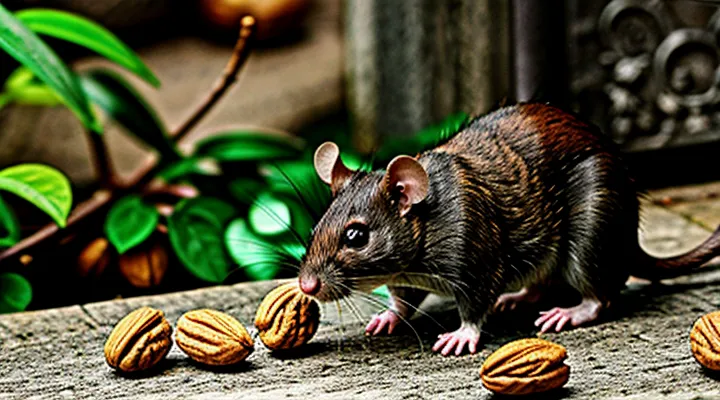
The Nutritional Benefits of Nuts for Rats
Essential Nutrients in Nuts
Fats
Rats need dietary fats for energy, absorption of fat‑soluble vitamins, and cell‑membrane integrity. Proper fat sources support growth and metabolic health.
Suitable nuts for rat consumption include:
- Almonds – high in monounsaturated fatty acids, low in saturated fat.
- Walnuts – rich in omega‑3 fatty acids, beneficial for cardiovascular function.
- Hazelnuts – balanced profile of monounsaturated fats and modest polyunsaturated content.
- Peanuts – moderate total fat, acceptable levels of omega‑6 and omega‑9 fatty acids.
Nuts with elevated saturated fat or disproportionate omega‑6 ratios, such as macadamia and Brazil nuts, should be offered only sparingly.
Recommended portion size ranges from 1 g to 2 g per adult rat per day. Introduce new nuts gradually and monitor for adverse reactions. Consistent, limited inclusion of the listed nuts ensures adequate fat intake without excess caloric load.
Proteins
Proteins provide the amino acids required for tissue growth and maintenance in rats. A balanced diet for a typical adult rat contains roughly 14–20 % protein by weight; insufficient protein leads to reduced growth, weaker immune response, and poor coat condition.
Nuts vary widely in protein content and digestibility. Those offering a favorable protein profile while presenting low risk of toxicity include:
- Almonds – approximately 21 % protein; high in vitamin E, low in saturated fat.
- Hazelnuts – about 15 % protein; rich in mono‑unsaturated fats and antioxidants.
- Peanuts – roughly 25 % protein; source of arginine and lysine, but must be fresh, unsalted, and free of mold to avoid aflatoxin exposure.
- Cashews – near 18 % protein; contain copper and magnesium, suitable in limited amounts.
When offering nuts, observe the following precautions: provide raw or dry‑roasted varieties without added salt, sugar, or seasoning; limit portions to no more than 10 % of total daily intake to prevent excess fat accumulation; store in airtight containers to inhibit mold growth; discard any nuts that appear discolored or have an off odor.
Incorporating the listed nuts supplies a substantial portion of the required «protein» while contributing additional micronutrients. Regular monitoring of body condition and adjusting quantities ensures the diet remains balanced and supports optimal health.
Vitamins and Minerals
Nuts can supplement a rat’s diet with essential vitamins and minerals when offered in moderation.
- Almonds – rich in vitamin E, magnesium, calcium; low‑fat content; provide small, bite‑size pieces.
- Peanuts (unshelled, unsalted) – source of B‑complex vitamins, niacin, folate, magnesium, phosphorus; high protein; limit to a few kernels.
- Hazelnuts – contain vitamin B6, riboflavin, manganese, copper; moderate fat; serve chopped.
- Cashews (unsalted) – supply vitamin K, thiamine, copper, magnesium; soft texture; offer sparingly.
- Pistachios (unsalted) – provide vitamin B6, thiamine, potassium, phosphorus; moderate fat; remove shells before feeding.
Avoid macadamia nuts, which are toxic, and limit Brazil nuts because of excessive selenium and fat.
Excessive nut consumption may lead to obesity, gastrointestinal upset, or nutrient imbalances. Balance nut portions with a base diet of commercial pellets, fresh vegetables, and occasional fruit.
Proper selection and measured portions ensure that nuts contribute beneficial micronutrients without compromising overall health.
Safe Nuts for Rat Consumption
Tree Nuts
Almonds
Almonds are among the nuts that can be offered to pet rats as an occasional treat. Their high protein and healthy‑fat content complement the standard grain‑based diet, providing additional energy and essential nutrients.
The nut’s composition includes vitamin E, magnesium, calcium, and monounsaturated fatty acids. These elements support skin health, bone maintenance, and overall metabolic function. The protein fraction contributes to muscle development, while the fiber aids digestive regularity.
Safety depends on preparation. Raw almonds must be unsalted and free of flavorings. Roasted almonds are acceptable only if they are dry‑roasted without oil or seasoning. Peeling the skin reduces the risk of choking and minimizes the presence of tannins that can irritate the gastrointestinal tract. Avoid almonds that are bitter or mold‑affected, as these may contain cyanogenic compounds.
Recommended serving size is a single almond slice or one whole almond for a rat weighing approximately 250 g. Frequency should not exceed two to three times per week to prevent excess caloric intake and potential fat accumulation. Monitor the animal after introduction for signs of digestive upset; discontinue if symptoms appear.
Guidelines for feeding almonds
- Choose plain, unsalted, dry‑roasted or raw almonds.
- Remove the skin to lessen choking hazard.
- Offer only one almond per feeding session.
- Limit provision to 2–3 times weekly.
- Observe for adverse reactions and adjust accordingly.
Walnuts
Walnuts are a permissible nut for rat diets, offering a concentrated source of protein, vitamin E, and omega‑3 fatty acids. Their lipid content exceeds that of many other nuts, delivering a high caloric density that can support energy needs when administered sparingly.
Nutritional advantages include:
- Enhanced neural development from polyunsaturated fats.
- Antioxidant protection supplied by vitamin E.
- Moderate protein contribution relative to grain‑based feeds.
Potential concerns involve excessive fat intake, which may precipitate obesity or hepatic strain if portions exceed recommended limits. Raw walnuts may contain aflatoxins; thorough inspection and sourcing from reputable suppliers mitigate this risk. Whole shells pose a choking hazard and should be removed before offering the nut.
Feeding guidelines:
- Provide only a small piece, approximately ¼ gram per 100 g of body weight.
- Offer unsalted, unflavored walnuts; avoid roasted varieties with added oils or spices.
- Limit exposure to two servings per week, ensuring walnuts constitute no more than 5 % of total caloric intake.
- Monitor for digestive upset; discontinue if loose stools or reduced activity occur.
«Walnuts provide essential fatty acids but should be limited to 5 % of the daily diet». Adhering to these parameters integrates walnuts safely into a balanced rodent nutrition plan.
Pecans
Pecans are a viable option for rat diets when offered in moderation. They supply healthy fats, protein, and vitamin E, contributing to coat condition and energy levels.
Before inclusion, ensure pecans are unsalted, unflavored, and free of mold. Raw shells must be removed; whole nuts pose a choking hazard.
Feeding guidelines:
- Offer no more than a half‑piece (approximately 2 g) per rat per day.
- Introduce gradually to monitor for digestive upset.
- Combine with a balanced pellet base to avoid nutrient imbalance.
Potential concerns include high fat content, which can lead to obesity if over‑fed, and occasional aflatoxin contamination in improperly stored nuts. Regularly inspect pecans for discoloration or odor before serving.
In summary, pecans provide nutritional benefits for rats when prepared correctly and administered within controlled portions.
Hazelnuts
Hazelnuts represent a viable nut option for rats, offering a distinct nutrient profile compared with other common offerings. The edible kernel, derived from Corylus avellana, supplies protein, monounsaturated fats, vitamin E, and minerals such as magnesium and phosphorus.
Raw, unsalted hazelnuts contain approximately 15 % protein, 60 % fat, and modest carbohydrate levels. The fat component consists largely of oleic acid, contributing to energy density while delivering antioxidant vitamins. Minerals support skeletal health and metabolic functions.
Safety considerations dictate the exclusion of roasted varieties seasoned with salt, sugar, or spices. Shell fragments pose a choking hazard; therefore, the kernel must be fully de‑shelled. Aflatoxin contamination, though rare in properly stored nuts, warrants sourcing from reputable suppliers. Excessive intake can accelerate weight gain and lipid disorders, given the high caloric density.
Guidelines recommend offering one to two hazelnut halves per rat per day, not exceeding a total of 5 % of the animal’s daily caloric intake. Introduce the nut gradually, observing for digestive upset or allergic responses.
Preparation steps include: selecting fresh, unshelled kernels; rinsing briefly to remove dust; cutting into bite‑size pieces if necessary; and presenting on a clean feeding surface. Remove any uneaten pieces after 24 hours to prevent spoilage.
Compared with almonds, peanuts, and walnuts, hazelnuts provide higher monounsaturated fat content and lower omega‑6 fatty acids. Their protein level aligns with other nuts, while carbohydrate contribution remains comparatively low.
Incorporating hazelnuts in moderation enriches a rat’s diet with essential nutrients, provided that preparation adheres to safety standards and portion limits remain controlled.
Cashews
Cashews can be offered to pet rats as an occasional treat.
The nut provides a concentrated source of fat, protein, magnesium, copper and iron. These nutrients support energy metabolism and coat health, but the high fat content can quickly exceed a rat’s caloric needs.
Safety depends on preparation. Raw, unsalted cashews are preferable; roasted varieties often contain added salt or season‑ings that may cause sodium overload or gastrointestinal irritation. Moldy or stale nuts must be excluded to avoid aflatoxin exposure.
Feeding guidelines recommend limiting intake to a few small pieces (approximately ¼ gram) no more than once or twice per week. Excessive consumption may lead to weight gain, hepatic lipidosis or digestive upset.
Potential concerns include allergic reactions, observed as sneezing or swelling, and the risk of pancreatitis in rats with pre‑existing metabolic disorders. Monitoring body condition and adjusting the diet accordingly helps prevent such issues.
Feeding checklist
- Offer raw, unsalted cashews only.
- Provide a piece no larger than a pea.
- Limit to 1–2 servings per week.
- Observe for signs of intolerance or allergic response.
When incorporated responsibly, cashews add dietary variety without compromising health.
Seeds (often grouped with nuts)
Pumpkin Seeds
Pumpkin seeds represent a viable nut‑like option for rat nutrition. They supply high‑quality protein, essential fatty acids, vitamin E, magnesium, and zinc, all of which support growth, immune function, and coat health.
Safety considerations require raw or dry‑roasted seeds without added salt, oil, or flavorings. The natural oil content is substantial; excessive intake may lead to obesity or digestive upset. Whole seeds pose a choking risk for small individuals; grinding or crushing reduces this hazard while preserving nutrient availability.
Guidelines for inclusion:
- Portion: ½ teaspoon (≈2 grams) per adult rat per day.
- Frequency: 3–4 times weekly, not daily.
- Preparation: rinse, dry, and lightly crush; avoid heating beyond dry roasting.
- Monitoring: observe weight and stool consistency after introduction.
When offered alongside a balanced pellet diet, pumpkin seeds function as an occasional enrichment treat, enhancing dietary variety without compromising overall nutritional balance. Regular assessment of body condition ensures that seed supplementation remains beneficial.
Sunflower Seeds
Sunflower seeds are frequently offered to pet rats as a supplemental treat. Although botanically a seed, they are often grouped with nuts in rodent dietary discussions because of their comparable fat and protein content.
Nutritional composition includes approximately 20 % protein, 50 % fat, and significant amounts of vitamin E, magnesium, and selenium. The high caloric density supports energy needs but can also promote rapid weight gain if administered excessively.
Safety considerations require attention to preparation and quantity. Raw, unsalted seeds avoid added sodium and flavorings that may irritate the digestive tract. Roasted varieties should be free of oil and seasoning. Excessive fat intake increases the risk of hepatic lipidosis and obesity, conditions that compromise longevity.
Feeding guidelines recommend limiting sunflower seeds to a small portion of the overall diet. A typical serving for an adult rat consists of 1–2 grams, equivalent to a few seeds, offered no more than two to three times per week. Seeds should be introduced gradually to monitor for allergic reactions or digestive upset.
Suggested portion schedule
- Day 1: 0.5 g of raw, unsalted seeds
- Day 4: increase to 1 g if no adverse signs
- Day 7: maintain 1–2 g, repeat after a 4‑day interval
Regular observation of body condition and stool consistency confirms appropriate tolerance. When combined with a balanced pellet base, fresh vegetables, and occasional protein sources, sunflower seeds contribute variety without compromising health.
Nuts to Avoid or Offer with Caution
Unsafe Nuts
Macadamia Nuts
Macadamia nuts are high‑fat seeds, containing approximately 70 % monounsaturated fatty acids, modest protein (≈8 %) and low carbohydrate levels. The fat profile offers energy density but also introduces a risk of obesity if rats receive excessive portions.
Potential benefits:
- Rich source of vitamin E, which supports cellular antioxidant defenses.
- Provides magnesium and potassium, contributing to electrolyte balance.
Potential risks:
- Elevated calorie content may lead to rapid weight gain.
- High fat can provoke digestive upset, especially in young or ill rats.
- Possible presence of aflatoxins if nuts are improperly stored; contaminated batches should be avoided.
Recommended practice:
- Offer macadamia pieces no larger than 2–3 mm, limited to one or two kernels per week for an adult rat weighing 300–350 g.
- Ensure nuts are unsalted, unflavored and free from additives.
- Monitor body condition and stool consistency after introduction; discontinue if adverse effects appear.
In a balanced diet that includes grains, vegetables and a protein source, macadamia nuts can serve as an occasional treat, provided strict portion control and quality standards are maintained.
Brazil Nuts
Brazil nuts are occasionally included among nut choices suitable for rats. Their composition features high levels of selenium, protein, and healthy fats, alongside vitamin E and magnesium. The elevated selenium content can become toxic if rats consume more than a few grams per week; excessive intake may lead to liver damage and hair loss. Fat concentration exceeds that of many other nuts, potentially contributing to obesity when offered in large portions.
Feeding recommendations:
- Offer a single fragment no larger than ½ cm in length.
- Limit exposure to once a week, ensuring total selenium intake remains below 0.2 mg.
- Provide only raw, unsalted nuts; avoid roasted or flavored varieties that contain added oils or seasonings.
- Observe the animal for signs of digestive upset after introduction.
When incorporated sparingly, Brazil nuts supply valuable nutrients without compromising health. Regular diet should prioritize balanced pellets, fresh vegetables, and occasional low‑sodium protein sources; nuts remain a supplemental treat rather than a staple.
Bitter Almonds
Bitter almonds contain amygdalin, a compound that hydrolyses into hydrogen cyanide when ingested. The cyanide concentration in raw bitter almonds is sufficient to cause acute toxicity in small mammals, including rats. Clinical observations indicate rapid onset of respiratory distress, convulsions, and possible fatality after consumption of even a few kernels.
Given the toxic profile, bitter almonds should be excluded from any diet offered to laboratory or pet rats. Regulatory guidance for rodent nutrition lists sweet almonds, peanuts, and hazelnuts as acceptable nut sources, while expressly prohibiting bitter varieties due to cyanogenic risk.
Key considerations for caretakers:
- Verify nut type before inclusion; visual inspection alone may not distinguish bitter from sweet almonds.
- Source nuts from reputable suppliers that label “sweet” or “non‑bitter” varieties.
- Conduct periodic health monitoring for signs of cyanide poisoning when nuts are part of the regimen.
In summary, bitter almonds present a clear hazard for rats and must not be provided as a food item. Safer nut options exist and should be selected to meet nutritional requirements without exposing the animals to cyanide toxicity.
Nuts to Offer in Moderation
Peanuts
Peanuts provide a source of protein, healthy fats, and vitamin E suitable for rodent diets. Their caloric density exceeds that of many other nuts, therefore they must be offered in limited amounts to avoid excessive weight gain.
Guidelines for safe inclusion:
- Raw, unsalted peanuts only; roasted or flavored varieties introduce added sodium and potentially harmful preservatives.
- Whole peanuts should be broken into small pieces, roughly ¼ inch, to reduce choking risk.
- A serving of ¼ teaspoon (about 1 gram) per adult rat, administered no more than twice weekly, maintains nutritional balance without surpassing daily fat limits.
Risks associated with improper use include aflatoxin contamination, which can arise in improperly stored peanuts and cause liver damage. Salt, sugar, or seasoning residues may lead to electrolyte disturbances or digestive upset. Regular monitoring of weight and health status is essential when peanuts are part of the diet.
Pine Nuts
Pine nuts offer a high‑calorie profile, primarily from polyunsaturated fats, protein, and modest amounts of vitamin E and magnesium. Their nutrient density can supplement a rat’s regular diet, but the elevated fat content may contribute to obesity if offered excessively.
Key considerations for feeding pine nuts to rats:
- Serve raw, unsalted kernels only; avoid roasted or flavored varieties that contain added oils or seasonings.
- Limit portions to 1–2 grams per adult rat, roughly the size of a single almond, to prevent excessive caloric intake.
- Introduce gradually, monitoring for signs of digestive upset such as soft stools or reduced appetite.
- Store in an airtight container in a cool, dark place to preserve freshness and prevent rancidity, which can be harmful.
When incorporated responsibly, pine nuts can be a valuable occasional treat among the range of nuts suitable for rat consumption. Regular diet should remain balanced with grains, vegetables, and protein sources, reserving nuts for supplemental enrichment.
Pistachios
Pistachios represent a viable option among nuts that can be offered to pet rats. The nut supplies a balanced mix of protein, healthy monounsaturated fats, vitamin E, and minerals such as phosphorus and potassium, contributing to overall dietary diversity.
Nutritional profile: a typical serving delivers approximately 20 % protein, 45 % fat, and modest carbohydrate content. Vitamin E levels support antioxidant defenses, while the mineral composition aids bone health.
Safety considerations: only raw, unsalted pistachios should be provided; roasted, flavored, or salted varieties introduce excess sodium and additives. The hard shell must be removed entirely to prevent dental injury and choking. Freshness is critical; mold‑contaminated pistachios can contain aflatoxins, which are toxic to rodents.
Recommended portion: limit intake to one to two halves per day for an adult rat, adjusting based on body condition and overall diet composition. Excess fat may lead to obesity and hepatic strain if over‑consumed.
Preparation guidelines: discard shells, rinse nuts under cool water, pat dry, and store in an airtight container within a cool, dark environment to preserve quality and inhibit mold growth. Introduce pistachios gradually, observing for any signs of digestive upset or allergic reaction.
Proper Preparation and Serving of Nuts
Shelling and Roasting
Removing Shells
Rats benefit from nuts that are offered without their hard coverings. The outer shell contains indigestible fiber and sharp edges that can cause oral injury, gastrointestinal blockage, or dental wear. Removing the shell eliminates these risks and allows the animal to access the nutrient‑dense interior.
Safe nuts for rats, prepared shell‑free, include:
- Almonds, sliced or chopped, with skin removed;
- Hazelnuts, halved and de‑shelled;
- Peanuts, roasted and fully peeled;
- Walnuts, broken into small pieces after shell removal;
- Cashews, raw or lightly toasted, without shell;
- Pistachios, after complete de‑shelling.
Preparation steps:
- Place nuts in a bowl and crush gently to break the shell;
- Discard shell fragments, inspecting for residual pieces;
- Rinse nuts under cool water to remove dust;
- Pat dry with a clean cloth before serving.
Shell‑free nuts should be offered in moderation; excessive fat intake can lead to obesity and liver strain. Monitoring portion size and frequency ensures a balanced diet while providing enrichment and essential nutrients such as protein, healthy fats, vitamin E, and minerals.
Raw vs. Roasted
Nuts can serve as occasional enrichment for pet rodents, provided the preparation method is evaluated for safety and nutritional impact.
Raw nuts retain their natural oil composition, protein, and fiber. They supply vitamin E and essential fatty acids without added sodium or sugars. However, unprocessed kernels may contain aflatoxins, especially in improperly stored batches, and their hardness can pose a choking hazard for smaller individuals.
- High in unsaturated fats, supporting coat health.
- Preserve antioxidants that diminish during heating.
- Require thorough cleaning and fresh storage to prevent mold growth.
- May be difficult to chew, increasing risk of dental strain.
Roasted nuts undergo dry‑heat treatment that alters their chemical profile. The process reduces moisture, making the texture easier to bite, but also oxidizes fatty acids and degrades heat‑sensitive vitamins. Commercial roasting often includes salt, oil, or flavorings that can exceed safe sodium levels for rodents.
- Softer texture facilitates chewing and reduces dental stress.
- Heat can create acrylamide, a potential toxin, especially at high temperatures.
- Added seasonings introduce unnecessary sodium and sugars.
- Oxidized fats may accelerate inflammatory responses if consumed in large quantities.
When offering nuts, select varieties that are unsalted, free of artificial flavorings, and preferably lightly roasted to balance digestibility with nutrient retention. Limit portions to no more than a few kernels per week, monitor for signs of gastrointestinal upset, and rotate nut types to prevent nutrient imbalances.
These guidelines ensure that nut treats contribute positively to a rodent’s diet without compromising health.
Portion Sizes and Frequency
Small Treats
Small treats can enrich a rat’s diet when selected carefully. Nuts provide protein, healthy fats, and mental stimulation, but must be offered in limited amounts to prevent weight gain and digestive upset.
Recommended nuts for occasional feeding include:
- Almonds, raw and unsalted, broken into halves or quarters
- Peanuts, unsalted and shelled, no more than two per serving
- Hazelnuts, plain, split into small pieces
- Pistachios, unsalted, shells removed, one or two kernels
- Cashews, raw and unsalted, a single half‑nut
Nuts that should be excluded from a rat’s treat menu are:
- Macadamia nuts, known to cause toxicity
- Brazil nuts, excessive fat content and potential for aflatoxin exposure
- Chestnuts, high carbohydrate load and risk of mold
- Any nut coated with chocolate, salt, sugar, or seasoning
Serving guidelines: limit to one to two small pieces per day, treat size no larger than a quarter of a standard nut. Offer only as a supplement to a balanced pellet or diet formulated for rats. Monitor body condition regularly; reduce or discontinue if weight increases or stool changes occur. Ensure all nuts are fresh, free of mold, and stored in a dry, airtight container.
Occasional Snacks
Rats may enjoy a limited variety of nuts as occasional treats, provided the portions remain small and the nuts are unsalted, unflavored, and free of added oils. Nut selection should prioritize low‑fat options and avoid varieties high in aflatoxins or mold risk.
- «Almonds» – raw, unsalted; offer a few halves once or twice a week.
- «Cashews» – raw, unsalted; limit to two or three pieces, as they contain higher fat.
- «Peanuts» – plain, unshelled; a single peanut per serving, ensuring no added salt or seasoning.
- «Walnuts» – small fragments; supply sparingly due to high oil content.
- «Pistachios» – unsalted, shelled; restrict to one or two kernels to avoid excess fat.
Avoid macadamia, pecan, and Brazil nuts because of their elevated fat levels and potential for digestive upset. Always monitor the rat after introducing a new nut, watching for signs of intolerance such as diarrhea or reduced appetite. Incorporate nuts only as supplemental enrichment, not as a primary dietary component.
Potential Risks and Considerations
Choking Hazards
Whole Nuts vs. Crushed
Nuts provide valuable fats, protein, and vitamins for pet rats, yet the physical form influences safety and nutrient absorption.
Whole nuts present a natural texture that encourages chewing, promotes dental wear, and slows consumption, reducing the likelihood of over‑eating. However, large kernels can pose choking hazards, especially for younger or smaller individuals. Hard shells may fracture teeth if the rat attempts to bite through them, and the outer skin of some nuts contains tannins that can irritate the gastrointestinal tract.
Crushed or finely chopped nuts eliminate choking risk and increase surface area, allowing digestive enzymes to access nutrients more efficiently. The reduced size facilitates portion control and mixing with other foods. Conversely, the loss of structural integrity may lead to rapid ingestion, raising the chance of excess caloric intake. Fine particles can also cause dust accumulation in cages, potentially irritating respiratory passages.
Guidelines for choosing between whole and crushed forms:
- Use whole kernels for adult rats capable of thorough mastication; monitor for signs of dental stress.
- Offer crushed nuts to juveniles, ill or dental‑compromised individuals; combine with high‑fiber bedding to limit dust.
- Limit total nut intake to 5 % of daily caloric budget, regardless of form.
- Rotate nut varieties to prevent nutrient imbalances and avoid repeated exposure to potential allergens.
Selecting the appropriate form aligns safety with nutritional benefit, supporting optimal health for pet rats.
Allergic Reactions and Sensitivities
Monitoring for Symptoms
Introducing nuts into a rat’s diet requires systematic observation of health indicators. Immediate detection of adverse reactions prevents long‑term complications and ensures nutritional benefits are realized.
Typical symptoms to watch for include:
- Diarrhea or loose stools
- Vomiting or frequent regurgitation
- Excessive salivation
- Lethargy or reduced activity
- Unexplained weight loss
- Respiratory distress or wheezing
- Skin irritation, redness, or swelling around the mouth
Observation should begin within the first 24‑48 hours after the initial nut offering and continue for at least one week. Record any occurrence of the listed signs, noting frequency and severity. If symptoms appear, discontinue the nut source immediately and consult a veterinarian experienced with small mammals. Replace the problematic nut with an alternative that has a documented safety profile for rats, such as unsalted, unroasted almonds or peanuts, after veterinary approval.
Regular health checks, including dental examination and stool analysis, complement symptom monitoring. Consistent documentation creates a reliable reference for future dietary adjustments and supports optimal rat welfare.
Mycotoxins and Contamination
Sourcing and Storage
When selecting nuts for pet rodents, prioritize quality, safety, and nutritional balance. Reliable sources include reputable pet‑food manufacturers, certified organic producers, and bulk suppliers that provide documented testing for contaminants such as aflatoxins and pesticide residues. Verify that the product label lists the nut type, origin, and any processing methods (e.g., roasted, unsalted). For wild‑collected nuts, conduct a visual inspection for mold, insect damage, or foreign material before offering them to the animal.
Proper storage preserves freshness and prevents toxin formation. Follow these guidelines:
- Keep nuts in airtight containers made of glass or food‑grade plastic; avoid paper or porous bags that allow moisture ingress.
- Store containers in a cool, dark environment; ideal temperature ranges between 4 °C and 10 °C (39 °F–50 °F).
- Maintain relative humidity below 60 % to inhibit fungal growth; use desiccant packets if necessary.
- Label each container with the purchase date and use nuts within three months of opening.
- Rotate stock using a “first‑in, first‑out” system to ensure older supplies are consumed before newer ones.
When nuts are purchased in bulk, divide the quantity into smaller, sealed portions to reduce exposure each time the container is opened. Regularly inspect storage areas for signs of pest infestation or condensation, and discard any nuts that develop off‑colors, odors, or visible mold. Adhering to these sourcing and storage practices supports the health of pet rodents and maximizes the nutritional value of the nuts provided.