
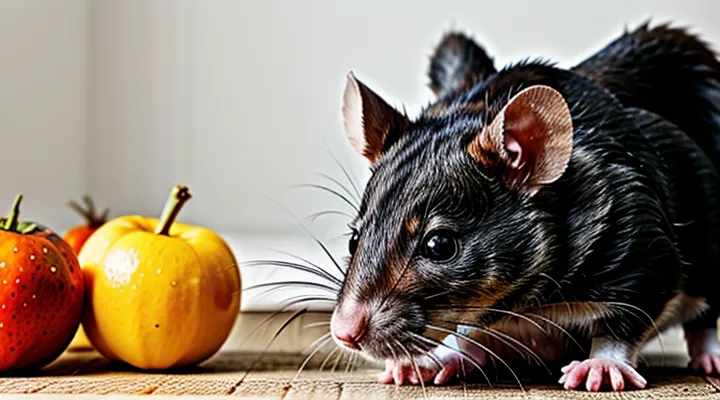
Understanding Rat Nutritional Needs
Essential Nutrient Categories for Rats
Protein Requirements for Different Life Stages
Protein is the primary building block for tissue growth, immune function, and metabolic processes in pet rats. Adequate intake supports rapid development in young animals and maintains muscle mass in mature individuals.
- Weanlings (3‑6 weeks): 20‑25 % of dietary calories from high‑quality protein. Sources such as boiled egg whites, soy isolate, and commercial rat chow formulated for juveniles meet this requirement.
- Adults (7 weeks‑18 months): 16‑20 % of calories from protein. Balanced mixes of grain‑based pellets, occasional lean meat, and plant proteins provide sufficient levels without excess.
- Seniors (over 18 months): 14‑16 % of calories from protein. Slightly reduced protein helps mitigate renal strain while preserving lean tissue; soft, easily digestible protein sources are preferable.
Adjustments should reflect individual health status, activity level, and any veterinary recommendations. Monitoring body condition and weight ensures the diet remains appropriate throughout each life stage.
Carbohydrates: Sources and Importance
Carbohydrates provide the primary energy needed for a rat’s active metabolism. They support muscle function, thermoregulation, and overall vitality. In a balanced diet, carbohydrates should constitute roughly 20–30 % of total caloric intake, with an emphasis on complex sources that also deliver dietary fiber.
Common carbohydrate sources suitable for pet rats include:
- Whole grains such as rolled oats, barley, and brown rice
- Pseudocereals like quinoa and amaranth
- Starchy vegetables: sweet potato, pumpkin, and carrot
- Legumes: cooked peas and lentils (served in moderation)
- Fresh fruits: apple slices, banana, and berries (limited to prevent excess sugar)
Complex carbohydrates release glucose gradually, maintaining stable blood‑sugar levels and preventing spikes that can stress the liver. The fiber component of these foods promotes intestinal motility, aids in the formation of bulk stool, and supports a healthy gut microbiome.
Simple sugars, found in processed treats or honey, should be minimized because rapid absorption can lead to obesity, dental decay, and metabolic disturbances. When incorporating carbohydrate-rich items, ensure they are fresh, free from mold, and introduced gradually to allow the digestive system to adapt.
Adequate carbohydrate intake, combined with appropriate protein, fat, vitamins, and minerals, forms a comprehensive nutritional plan that sustains growth, reproduction, and longevity in captive rats.
Healthy Fats: Types and Benefits
Healthy fats are a critical component of a balanced diet for pet rats, supporting energy needs, skin integrity, and neurological function. Incorporating appropriate sources ensures optimal growth and reproductive health while preventing deficiencies that can lead to coat dullness, poor thermoregulation, and impaired cognition.
Common fat sources suitable for rats include:
- Sunflower oil – high in omega‑6 fatty acids, promotes skin moisture.
- Flaxseed oil – rich in alpha‑linolenic acid (ALA), a plant‑based omega‑3 that aids inflammation control.
- Fish oil – provides eicosapentaenoic acid (EPA) and docosahexaenoic acid (DHA), essential for brain development.
- Safflower oil – offers a balanced ratio of omega‑6 to omega‑3, supporting vascular health.
- Sesame seeds – contain monounsaturated fats and lignans, contributing to antioxidant protection.
Benefits derived from these fats are measurable: they supply dense caloric energy, facilitate absorption of fat‑soluble vitamins (A, D, E, K), reinforce cell membrane fluidity, and modulate inflammatory pathways. Regular, moderate inclusion—typically 2–3 % of total diet weight—maintains a healthy lipid profile without risking obesity. Monitoring intake and selecting unsaturated oils over saturated animal fats preserves cardiovascular health and enhances overall vitality in laboratory and companion rats alike.
Vitamins and Minerals: Key to Overall Health
Vitamins and minerals provide the biochemical foundation for a rat’s physiological processes. Adequate levels support vision, bone formation, immune response, nerve transmission, and metabolic regulation.
-
Vitamin A – promotes retinal health and epithelial integrity; found in carrots, sweet potatoes, and fortified feed.
-
Vitamin D – facilitates calcium absorption; supplied by exposure to natural light and fortified pellets.
-
Vitamin E – protects cell membranes from oxidative damage; abundant in seeds and vegetable oils.
-
Vitamin K – required for blood clotting; present in leafy greens such as kale and spinach.
-
B‑complex vitamins (B1, B2, B3, B5, B6, B7, B9, B12) – involved in energy metabolism and nervous system function; delivered through whole‑grain cereals and liver pâté.
-
Vitamin C – rats synthesize it internally; supplemental sources are unnecessary unless a deficiency is diagnosed.
-
Calcium – essential for skeletal strength and muscle contraction; supplied by calcium‑rich vegetables, bone meal, and dairy‑free fortified mixes.
-
Phosphorus – works with calcium to maintain bone density; available in fish, eggs, and soy products.
-
Magnesium – supports enzymatic reactions and nerve conduction; found in nuts, seeds, and whole grains.
-
Potassium – regulates fluid balance and cardiac rhythm; present in bananas, apricots, and pumpkin.
-
Zinc – required for wound healing and immune function; sourced from meat, legumes, and zinc‑enriched pellets.
-
Iron – critical for hemoglobin synthesis; delivered through lean meat, lentils, and fortified feed.
-
Selenium – acts as an antioxidant cofactor; provided by Brazil nuts and commercial rat diets.
Balance is achieved by offering a varied diet that includes fresh vegetables, high‑quality commercial rat blocks, and occasional protein treats. Over‑supplementation can cause toxicity; for example, excess calcium interferes with phosphorus absorption, while high vitamin D levels may lead to hypercalcification. Regular veterinary assessment of blood parameters helps adjust dietary formulations to meet individual needs.
Core Components of a Rat’s Diet
Commercial Rat Blocks and Pellets
Choosing High-Quality Commercial Foods
When selecting a commercial diet for a pet rat, focus on measurable quality indicators rather than marketing slogans.
Look for products that list a specific animal protein source—such as chicken, turkey, or fish—within the first three ingredients. Avoid formulas that begin with generic fillers like “grain” or “by-product” without clarification.
Verify that the protein level falls between 14 % and 18 % on a dry‑matter basis; this range supports growth, reproduction, and maintenance without encouraging excess weight. Fiber content should be 5 %–7 % to promote digestive health and prevent gastrointestinal blockage.
Check the ingredient list for the absence of artificial colors, flavors, or preservatives. Natural antioxidants (e.g., vitamin E, selenium) are preferable to synthetic alternatives.
Confirm that the manufacturer adheres to recognized nutritional standards (e.g., AAFCO or NRC guidelines) and provides a guaranteed analysis with each batch.
Assess packaging integrity: sealed, airtight containers protect against moisture and contamination. Expiration dates must be clear and within a reasonable shelf life to ensure nutrient stability.
Consider brand reputation: companies with a history of independent testing, transparent sourcing, and responsive customer service reduce the risk of substandard products.
Balance cost against nutrient density; a higher price per kilogram does not guarantee superior quality, but extremely low prices often correlate with inferior ingredients.
Key criteria for high‑quality commercial rat food
- Specific animal protein listed early in the ingredients
- Protein 14 %–18 % (dry matter)
- Fiber 5 %–7 %
- No artificial colors, flavors, or preservatives
- Compliance with AAFCO/NRC or equivalent standards
- Clear expiration date and sealed packaging
- Established, transparent manufacturer
Applying these standards will help ensure the chosen diet meets physiological needs, supports longevity, and minimizes health complications.
Benefits of a Pelleted Diet
A pelleted diet offers several practical advantages for pet rats, aligning with nutritional guidelines for small rodents.
- Consistent nutrient profile: Each pellet contains a balanced mix of protein, fiber, vitamins, and minerals, eliminating variability that can arise from mixed grain or vegetable offerings.
- Portion control: Uniform size allows precise measurement of daily intake, reducing the risk of over‑feeding and associated weight gain.
- Digestive health: High fiber content supports gut motility and helps prevent constipation, a common issue in captive rats.
- Dental maintenance: The firm texture encourages natural chewing, promoting tooth wear and reducing the likelihood of overgrown incisors.
- Reduced waste: Pellets are less prone to spillage and spoilage compared to loose foods, maintaining a cleaner cage environment and minimizing contamination.
Incorporating pellets as the primary component of a rat’s diet simplifies feeding routines while delivering essential nutrients in a reliable form. Supplemental fresh produce can be added to provide variety and additional vitamins, but the core nutritional foundation remains stable through pelleted feed.
Fresh Fruits and Vegetables
Safe Fruits for Rats
Rats benefit from occasional fruit treats that supply vitamins, antioxidants, and hydration. Fruit should complement, not replace, a balanced diet of pellets, grains, and proteins.
- Apple (core removed, skin optional) – rich in fiber and vitamin C.
- Blueberries – high in anthocyanins, suitable in small handfuls.
- Pear (seedless) – source of potassium and soluble fiber.
- Strawberries – provide folate and vitamin C; offer only a few slices.
- Kiwi – delivers vitamin K and vitamin C; remove skin if fuzzy.
- Mango (pit removed) – contains vitamin A and beta‑carotene; limit to a few cubes.
- Papaya – supplies folate and digestive enzymes; serve without seeds.
- Watermelon (seedless) – excellent hydration; give a small chunk.
Preparation guidelines: wash fruit thoroughly, remove pits, cores, and seeds that contain cyanogenic compounds. Cut into bite‑size pieces no larger than a rat’s head. Offer fruit no more than 10 % of total intake to avoid excess sugar and gastrointestinal upset.
Fruits to avoid: grapes, raisins, citrus peels, avocado, and any fruit with high acidity or toxic seeds (e.g., cherry pits). Monitor rats for signs of diarrhea or loss of appetite after introducing new fruits, and discontinue any that cause adverse reactions.
Safe Vegetables for Rats
Rats require a varied diet that includes fresh vegetables to supply vitamins, minerals, and dietary fiber. Incorporating safe vegetables promotes healthy digestion, supports immune function, and helps maintain appropriate body weight.
- Carrots – rich in beta‑carotene, provide crunch and moisture.
- Broccoli – source of vitamin C and calcium; offer florets in small portions.
- Bell peppers (red, yellow, orange) – high in antioxidants and vitamin C.
- Spinach – contains iron and folate; serve sparingly due to oxalates.
- Zucchini – low‑calorie, high water content; ideal for hydration.
- Cucumber – mostly water, aids hydration; remove seeds if large.
- Kale – provides vitamin K and calcium; feed in limited amounts.
- Peas – supply protein and fiber; offer fresh or frozen, unsalted.
- Sweet potato – source of beta‑carotene and complex carbs; cook and cool before serving.
- Green beans – contain fiber and vitamins; serve raw or lightly steamed.
Preparation guidelines: wash all vegetables thoroughly to remove pesticides, trim any tough stems, and cut into bite‑size pieces. Offer a mix of raw and lightly steamed items to improve digestibility. Limit total vegetable portion to 10–15 % of the rat’s daily intake; excess can cause diarrhea. Rotate selections to prevent nutrient imbalances and monitor for individual tolerances.
Fruits and Vegetables to Avoid
Rats cannot safely consume all fruits and vegetables; some contain toxins, high sugar, or compounds that disrupt digestion. Including prohibited produce in a rat’s diet can lead to gastrointestinal upset, liver damage, or long‑term health issues.
- Citrus fruits (oranges, lemons, limes, grapefruits): high acidity irritates the stomach lining and may cause enamel erosion on teeth.
- Avocado: contains persin, a fatty acid toxic to many mammals, including rodents; ingestion can result in respiratory distress and cardiac complications.
- Tomatoes (green or unripe): solanine levels are elevated in unripe fruit, producing neurological symptoms and gastrointestinal irritation.
- Potatoes (raw or green): also rich in solanine; raw starch is indigestible and can cause vomiting and diarrhea.
- Rhubarb leaves: oxalic acid concentration is high, leading to kidney failure and severe metabolic disturbances.
- Onions, garlic, leeks, chives: organosulfoxides damage red blood cells, resulting in hemolytic anemia.
- Grapes and raisins: linked to acute renal failure in small mammals; the exact toxin remains unidentified.
- Fruit seeds and pits (apple, cherry, peach, plum): contain cyanogenic glycosides that release cyanide when metabolized.
- High‑sugar fruits (pineapple, mango, banana) in large amounts: can cause obesity, insulin resistance, and dental decay.
Avoiding these items eliminates immediate risks and supports long‑term vitality. Substitute safe alternatives such as carrots, broccoli, apple slices (seedless), and berries in moderation to provide essential nutrients without harmful side effects.
Healthy Protein Sources
Lean Meats and Cooked Eggs
Lean chicken breast, turkey, and lean beef supply high‑quality protein that supports muscle development and tissue repair in pet rats. These meats contain essential amino acids, B‑vitamins, and minerals such as iron and zinc. Choose cuts with visible fat trimmed away to keep the diet low in excess lipids.
Cooked eggs contribute a balanced profile of protein, fat, and choline, which aids neurological function. Boiled or scrambled eggs without added salt, butter, or oil are safe. The yolk supplies vitamin D and healthy fats, while the white offers pure protein.
Guidelines for inclusion:
- Offer 1–2 grams of cooked lean meat per 100 grams of rat body weight, divided into two feedings.
- Provide one small boiled egg (approximately 30 grams) twice weekly; adjust frequency for younger or highly active rats.
- Ensure all meat is fully cooked to an internal temperature of at least 71 °C (160 °F) to eliminate pathogens.
- Cool food to room temperature before serving; avoid hot portions that could cause burns.
- Remove any bones, cartilage, or skin that could pose choking hazards.
Monitor each rat for digestive tolerance; discontinue any item that triggers loose stools or reduced appetite. Rotate protein sources to prevent nutrient imbalances and to keep the diet varied.
Legumes and Nuts in Moderation
Legumes and nuts can add valuable nutrients to a pet rat’s diet when offered sparingly. They supply protein, fiber, healthy fats, vitamins, and minerals that complement the staple of high‑quality pellets and fresh vegetables.
- Suitable legumes: cooked lentils, split peas, and mung beans. Ensure they are fully boiled, unseasoned, and cooled before serving. Raw or undercooked legumes contain lectins that may cause digestive upset.
- Acceptable nuts: unsalted, unroasted almonds (small pieces), hazelnuts, and peanuts. Limit portions to a few fragments per week because of high fat content.
- Portion guidelines: no more than 5 % of the total daily intake should consist of legumes or nuts combined. For an average adult rat, this translates to roughly ¼ cup of cooked legumes and a single nut fragment weekly.
- Preparation tips: rinse dried legumes, soak for several hours, then simmer until tender. Remove shells from nuts and crush them to prevent choking hazards.
- Potential concerns: excessive protein may strain kidneys; high fat levels can lead to obesity and hepatic lipidosis. Monitor weight and stool consistency after introducing any new item.
Introduce legumes and nuts gradually, observing the rat’s reaction. If diarrhea, lethargy, or changes in appetite occur, discontinue the food and consult a veterinarian. Regular rotation of safe options helps maintain nutritional balance while keeping the diet varied and engaging.
Grains and Seeds
Whole Grains for Fiber
Whole grains provide a reliable source of dietary fiber that supports gastrointestinal function in pet rats. Fiber adds bulk to the digestive tract, promotes regular bowel movements, and helps maintain a balanced microflora population.
Benefits include:
- Improved stool consistency, reducing the risk of impaction.
- Increased satiety, which can prevent overeating of higher‑calorie foods.
- Prebiotic effect, fostering beneficial bacteria that aid nutrient absorption.
Common whole grains suitable for rats are:
- Oats (rolled or steel‑cut, cooked)
- Brown rice
- Quinoa
- Barley
- Whole‑wheat kernels
- Millet
- Sorghum
Preparation guidelines:
- Cook grains thoroughly, then cool to room temperature before offering.
- Serve plain; avoid added salt, sugar, or seasoning.
- Limit portions to 1–2 teaspoons per day, adjusted for the individual’s size and activity level.
Precautions:
- Inspect grains for mold or spoilage; discard any compromised batches.
- Monitor for signs of intolerance, such as diarrhea or weight loss.
- Balance grain intake with protein sources, vegetables, and a calcium‑rich supplement to meet overall nutritional requirements.
Seeds as Occasional Treats
Seeds can add variety to a pet rat’s diet, but they should remain supplemental rather than foundational. Their high fat and calorie content makes them suitable only for occasional enrichment, preventing weight gain and nutrient imbalances.
- Sunflower seeds (unsalted, shelled) – 1–2 small seeds per day
- Pumpkin seeds (unsalted, raw) – 1–2 teaspoons weekly
- Hemp seeds – ½ teaspoon twice a week
- Flaxseed (ground) – ¼ teaspoon weekly
These options provide essential fatty acids and trace minerals without overwhelming the diet. Avoid flavored, salted, or roasted varieties, as added sodium and seasonings can harm renal function.
Limit seed treats to no more than 5 % of total caloric intake. Offer them in a clean dish, store in airtight containers to preserve freshness, and monitor the rat for any signs of digestive upset. If weight gain or stool changes occur, reduce or discontinue seed supplementation promptly.
Supplementary Foods and Treats
Occasional Treats for Enrichment
Small Portions of Human Foods
Including modest quantities of human foods can enrich a pet rat’s diet and provide additional nutrients not found in standard commercial mixes. These additions should complement, not replace, the primary pellet or grain base that supplies the bulk of protein, fiber, and calories.
Portion sizes must remain small: a teaspoon of fresh fruit, a half‑teaspoon of cooked vegetable, or a single bite of lean protein per day is sufficient for an average adult rat. Frequency should be limited to 2–3 times weekly to prevent digestive upset and obesity.
-
Safe options
- Apples (core removed, no seeds) – high in fiber, vitamin C.
- Blueberries – antioxidant source, offer in small clusters.
- Cooked chicken breast, plain – lean protein, no seasoning.
- Steamed carrots or broccoli – soft texture, vitamin A and K.
- Plain oatmeal – soluble fiber, served warm or cooled.
-
Foods to avoid
- Citrus fruits (high acidity can cause stomach irritation).
- Chocolate, caffeine, alcohol – toxic to rodents.
- Raw beans, potatoes, or any nightshade family members – contain solanine.
- Processed meats with spices, salt, or preservatives – high sodium and additives.
- Dairy products – rats lack lactase, leading to diarrhea.
Preparation guidelines: wash all produce thoroughly, remove pits, seeds, and skins that may be difficult to chew. Cook vegetables until soft, avoid oil, butter, or seasoning. Offer each new item in a single bite and observe the rat for 24 hours; discontinue any food that triggers vomiting, diarrhea, or reduced activity. Store leftovers in a sealed container in the refrigerator and discard after 24 hours to prevent bacterial growth.
By adhering to these limits and choices, owners can safely diversify a rat’s menu, enhance enrichment, and support overall health without compromising the balanced foundation of their regular feed.
Avoiding Sugary and Salty Snacks
Rats metabolize carbohydrates and sodium differently from humans; excess sugar and salt quickly lead to obesity, kidney strain, and dental decay. Their small bodies cannot tolerate the rapid spikes in blood glucose that sugary treats cause, nor the fluid retention triggered by high sodium levels.
Elevated blood sugar accelerates plaque formation on incisors, increasing the risk of tooth fractures. Excess salt overloads the renal system, causing dehydration and potential hypertension. Both conditions shorten lifespan and reduce overall vitality.
To keep a rat’s diet balanced, eliminate the following items:
- Candy, chocolate, and flavored syrups
- Processed chips, pretzels, and salted nuts
- Sweetened cereals and baked goods with frosting
- Commercial human snacks containing added sugars or high sodium
Replace prohibited foods with safe alternatives:
- Fresh vegetables such as carrots, broccoli, and leafy greens
- Small pieces of fruit with low sugar content, like apple or berries
- Unsalted, unseasoned whole‑grain crackers in moderation
- Commercial rodent treats formulated without added sugar or salt
Consistent avoidance of sugary and salty snacks supports healthy weight, dental integrity, and optimal organ function in pet rats.
Foods to Absolutely Avoid
Toxic Foods for Rats
Rats require a balanced diet that includes grains, fresh vegetables, protein sources, and occasional treats. Certain foods, however, pose immediate health risks and must be excluded from any feeding regimen.
- Chocolate and cocoa products – contain theobromine, which can cause cardiac arrhythmia and seizures.
- Caffeine‑containing items – stimulate the central nervous system, leading to hyperactivity, tremors, and potentially fatal outcomes.
- Raw or undercooked beans – especially kidney beans, which hold lectins that damage intestinal lining and interfere with nutrient absorption.
- Citrus fruits and juices – high acidity can irritate the digestive tract and cause stomach ulcers.
- Processed meats with high salt or preservatives – excess sodium leads to dehydration, kidney strain, and hypertension.
- Onion, garlic, and related Allium species – contain thiosulfates that damage red blood cells, resulting in hemolytic anemia.
- Alcohol and fermented products – depress central nervous function, cause respiratory failure, and may be lethal even in small quantities.
- Avocado skin and pit – contain persin, a toxin that can cause respiratory distress and organ damage.
- High‑fat junk food (chips, crackers, candy) – contributes to obesity, liver disease, and metabolic disorders.
Providing only safe, nutritionally appropriate foods supports growth, immune function, and longevity in pet rats. Regularly review ingredient lists and avoid any items not expressly approved for rodent consumption.
Foods Causing Digestive Issues
Pet rats are prone to gastrointestinal disturbance when exposed to inappropriate foods. Certain items interfere with normal gut motility, alter microbial balance, or introduce toxins that irritate the intestinal lining.
- High‑fat treats such as chocolate, nuts, and greasy human snacks; excess fat slows gastric emptying and can cause diarrhea or constipation.
- Dairy products, including cheese and milk; adult rats lack sufficient lactase, leading to fermentation and soft stools.
- Citrus fruits and juices; the acidity may damage the mucosa and provoke vomiting.
- Raw or undercooked beans, especially kidney beans; contain lectins that disrupt nutrient absorption and cause severe cramping.
- Processed grains with added sugars or artificial sweeteners; sugar alcohols (e.g., xylitol) are toxic and can trigger severe digestive upset.
- Spicy or heavily seasoned foods; capsaicin and other irritants stimulate excessive intestinal secretions.
Symptoms indicating a dietary problem include sudden changes in stool consistency, bloating, reduced appetite, and lethargy. Immediate removal of the offending food, followed by a return to a bland diet of plain rat pellets, fresh water, and limited leafy greens, helps restore normal function. If diarrhea persists beyond 24 hours or is accompanied by blood, veterinary consultation is required. Monitoring ingredient lists and limiting treats to nutritionally balanced options prevent recurrent digestive issues and support long‑term health.
Diet Planning and Management
Feeding Schedules and Portions
Adjusting Diet for Age and Activity Level
Rats experience rapid growth during the first two months, requiring diets high in protein (15‑20 % of calories) and balanced calcium‑phosphorus ratios to support skeletal development. Energy-dense foods such as boiled eggs, lean cooked meat, and high‑quality commercial pellets should constitute the majority of meals, supplemented with small amounts of fresh vegetables for fiber and vitamins. Portion sizes for juveniles typically range from 1 ½ to 2 cups of mixed food per day, divided into three feedings to prevent digestive overload.
Adult rats (3‑12 months) reach metabolic stability; protein can be reduced to 12‑15 % of calories, while fiber intake should increase to maintain gut health. A balanced mix of fortified pellets, limited fresh fruit, and leafy greens provides adequate nutrients. Daily intake of 1‑1 ¼ cups of combined food, offered in two equal portions, meets energy needs without encouraging obesity.
Senior rats (over 12 months) often exhibit decreased activity and slower metabolism. Lowering caloric density helps preserve ideal body condition. Emphasize easily digestible proteins (soft‑cooked chicken, low‑fat cottage cheese) and high‑fiber vegetables (broccoli, carrots) to support intestinal motility. A typical senior diet includes ¾‑1 cup of food per day, split into two smaller meals.
Activity level modifies these guidelines:
- Low activity (sedentary, confined cages): Reduce overall calories by 10‑15 % relative to baseline recommendations. Prioritize low‑fat protein sources and increase water‑rich vegetables.
- Moderate activity (regular exploration, climbing structures): Maintain standard adult portions. Include occasional treats of nuts or seeds for additional energy, limiting to 5 % of total caloric intake.
- High activity (extensive exercise, breeding periods): Increase caloric provision by 10‑20 % and boost protein to 16‑18 % of calories. Add extra servings of lean meat or boiled egg whites and ensure constant access to fresh water.
Monitoring body condition scores weekly and adjusting portions accordingly prevents under‑ or over‑nutrition. Regular veterinary checks confirm that mineral balances, especially calcium and vitamin D, remain within optimal ranges for each life stage and activity level.
Monitoring Weight and Health
Regular weight assessment provides the most reliable indicator of a rat’s nutritional balance. A stable or gradual increase in body mass confirms that the diet supplies sufficient calories and nutrients, while sudden loss signals potential deficiencies or health problems.
To obtain accurate measurements, use a digital scale calibrated to 0.1 g. Weigh the animal once a week, preferably at the same time of day, after a brief period of fasting (no more than a few hours) to reduce variability from recent food intake. Record each reading in a log to detect trends over time.
Monitor additional health parameters that correlate with dietary adequacy:
- Coat texture: smooth, glossy fur indicates adequate protein and essential fatty acids.
- Activity level: consistent exploration and grooming suggest appropriate energy intake.
- Dental condition: normal incisor wear and absence of overgrowth reflect sufficient chewing material.
- Gastrointestinal signs: regular, well‑formed feces without blood or mucus denote balanced fiber and moisture.
When weight deviates from the expected growth curve, adjust the diet accordingly. Increase high‑quality protein sources (e.g., cooked eggs, lean meat) for weight loss, and reduce calorie‑dense treats if excess gain occurs. Re‑evaluate the feeding schedule and portion sizes after each adjustment, continuing to document weight and health observations. This systematic approach ensures that dietary choices remain aligned with the rat’s physiological needs.
Water: An Essential Element
Providing Fresh Water Daily
Fresh water is a non‑negotiable component of any rat’s feeding regimen. Rats consume up to 10 ml of water per gram of body weight each day; without a reliable source, dehydration can develop within hours, leading to reduced kidney function and increased susceptibility to disease.
- Replace the water bottle or bowl at least once every 24 hours to eliminate bacterial growth.
- Use a stainless‑steel or heavy‑plastic container with a secure lid; porous materials harbor microbes.
- Ensure the water temperature matches the ambient environment; extreme cold or heat discourages drinking.
- Clean the container with mild detergent and rinse thoroughly before refilling; avoid scented cleaners that may deter intake.
- Position the water source away from food trays to prevent contamination from spilled pellets or bedding.
Monitoring water consumption provides a quick health indicator. A sudden drop in intake often precedes weight loss, lethargy, or respiratory issues, prompting immediate veterinary assessment. Regularly checking the water level and confirming that the delivery mechanism functions correctly safeguards the rat’s hydration and overall well‑being.
Types of Water Bottles and Bowls
Providing clean, reliable water sources is essential for maintaining a healthy diet for pet rats. Selecting the appropriate container influences hydration, hygiene, and overall well‑being.
Water bottles designed for rodents typically feature a sealed reservoir, a stainless‑steel or plastic tube, and a drinking valve. The reservoir prevents spills, while the valve releases water only when the rat applies pressure with its cheek. Stainless‑steel bottles resist corrosion and are dishwasher‑safe; plastic models are lighter but may develop cracks over time. Both types require regular inspection of the valve to avoid blockage.
Bowls offer an alternative for animals that prefer open access. Ceramic bowls are heavy, durable, and easy to clean; they do not retain odors. Polycarbonate bowls are shatter‑resistant and lightweight, though they can scratch and harbor bacteria if not replaced periodically. Stainless‑steel bowls combine durability with antimicrobial properties, but thin walls may dent under vigorous chewing.
Key considerations when choosing a container:
- Material safety: must be non‑toxic, BPA‑free, and resistant to rodent chewing.
- Leak prevention: sealed bottles reduce mess; bowls should have a stable base to prevent tipping.
- Cleaning frequency: smooth surfaces allow thorough sanitation; textured interiors can trap food particles.
- Placement: locate containers at a low height to accommodate the rat’s size and encourage regular drinking.
Integrating a suitable water bottle or bowl alongside a balanced diet supports optimal hydration and contributes to the rat’s nutritional regimen. Regular rotation between bottle and bowl can accommodate individual preferences and reduce the risk of habituation.