
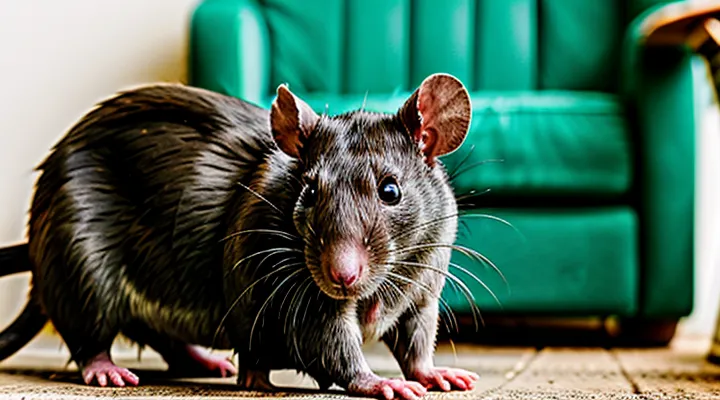
The Appeal of Pet Rats: «Why Choose Them?»
Intelligence and Trainability: «Smart Companions»
Pet rats demonstrate notable problem‑solving abilities, recognizing patterns, and remembering solutions to maze‑like challenges. Their capacity for learning enables interaction beyond simple observation.
Training leverages natural curiosity; consistent, short sessions encourage association between cues and rewards. Positive reinforcement—typically a favored treat—strengthens desired behaviors without causing stress.
Practical steps for developing rat intelligence and trainability:
- Choose a quiet environment free of sudden noises before each session.
- Limit training to 5‑10 minutes to maintain focus.
- Introduce a single cue (hand signal, clicker, or word) paired with an immediate treat.
- Repeat the cue‑reward cycle until the rat initiates the action upon hearing the cue alone.
- Gradually increase task complexity, adding obstacles or chaining multiple cues.
- Record progress to identify patterns and adjust difficulty accordingly.
Regular mental stimulation reduces boredom‑related behaviors and supports overall health, reinforcing the rat’s role as an engaged, responsive companion.
Social Nature: «Building Bonds»
Rats thrive on interaction; establishing trust reduces stress and promotes health. Begin each session with slow, gentle movements, allowing the animal to approach the hand voluntarily. Consistent handling at the same time each day creates a predictable routine that reinforces confidence.
Maintain a stable social group. Rats are highly territorial; introducing new members requires a neutral enclosure, gradual visual exposure, and brief supervised contact before full integration. Observe body language—purring vocalizations, grooming, and side‑by‑side nesting indicate acceptance, while aggressive lunges or teeth‑showing signal tension.
Enrich the environment to encourage cooperative play. Provide tunnels, chewable objects, and climbing structures that enable multiple rats to explore simultaneously. Shared resources stimulate natural cooperation and reinforce group cohesion.
Key practices for bond development:
- Offer treats by hand, alternating between individuals to avoid favoritism.
- Schedule short, daily sessions of gentle petting, focusing on the neck and back where rats enjoy contact.
- Encourage mutual grooming by placing two rats together in a clean, spacious area after a handling period.
- Monitor health indicators; a rat that readily seeks human interaction typically exhibits normal weight, bright eyes, and clean fur.
By integrating these actions into routine care, owners foster strong social connections that enhance both the rats’ well‑being and the owner’s experience.
Playfulness and Curiosity: «Endless Entertainment»
Pet rats thrive on interactive stimulation; their innate curiosity drives constant exploration and rapid learning. Providing varied, safe objects encourages natural foraging behavior and reduces boredom, which can otherwise manifest as repetitive pacing or excessive grooming.
- Rotate chewable toys (wood blocks, untreated wicker) every few days to maintain novelty.
- Offer puzzle feeders that require manipulation to release treats, reinforcing problem‑solving skills.
- Introduce tunnels, climbing ladders, and hammocks to create vertical space and encourage agile movement.
- Place hidden food items in paper rolls or crumpled tissue to simulate scavenging.
Regular handling sessions enhance confidence and strengthen the human‑rat bond. Short, gentle interactions, followed by rewarding treats, teach rats to associate contact with positive outcomes, reinforcing their willingness to explore new situations.
Environmental enrichment should match the rat’s size and sensory capabilities. Bright, non‑toxic colors stimulate visual interest, while textured surfaces support tactile investigation. Sound‑proofing the enclosure reduces stress from sudden noises, allowing focus on play activities.
Monitoring behavior provides feedback on enrichment effectiveness. Frequent use of toys, active navigation of maze‑like structures, and vocalizations during interaction indicate sustained engagement. Adjust the complexity of challenges as the rat matures to prevent stagnation and preserve the “endless entertainment” that defines their playful nature.
Essential Supplies and Environment: «Creating a Rat-Friendly Home»
Creating a rat-friendly home begins with selecting appropriate supplies and establishing a safe, stimulating environment.
A well‑equipped cage forms the foundation of daily care. Essential items include:
- Sturdy wire or glass cage with a secure lid; minimum dimensions 18 × 12 × 12 inches per pair of rats.
- Wire mesh flooring or solid base covered with chew‑proof bedding such as paper‑based pellets; avoid pine or cedar shavings.
- Multiple hideouts made from untreated wood or thick fabric to provide refuge.
- Climbing structures—ramp, ladder, or woven branches—to encourage natural vertical movement.
- Chew toys of safe materials (untreated wood blocks, mineral chews) to support dental health.
- Water bottle with stainless‑steel nozzle; replace daily to prevent contamination.
- Food dish designed for small rodents; place on a stable surface to reduce spillage.
Environmental factors must complement the equipment. Maintain cage temperature between 65–75 °F (18–24 °C) and keep humidity below 60 %. Position the enclosure away from direct sunlight, drafts, and loud appliances. Provide a regular light‑dark cycle, ideally 12 hours of light followed by 12 hours of darkness, to align with the rats’ circadian rhythm.
Cleaning protocols protect health. Perform spot cleaning of soiled bedding daily; replace the entire substrate weekly. Disinfect food dishes, water bottles, and hideouts with a mild, rodent‑safe solution at least once a week.
By integrating these supplies and environmental controls, owners establish a secure, enriching habitat that meets the physiological and behavioral needs of pet rats.
Housing: «Choosing the Right Cage»
Size and Bar Spacing: «Safety and Comfort»
When selecting a cage for a pet rat, the interior volume must allow unrestricted movement. A minimum of 2 cubic feet per adult rat ensures enough space for climbing, nesting, and exercise; larger groups require proportionally more room. Overcrowding leads to stress, elevated aggression, and reduced lifespan.
Bar spacing directly affects safety. Gaps wider than ¾ inch (approximately 19 mm) permit a rat’s head or paws to slip through, causing injury or escape. Gaps narrower than ½ inch (12 mm) restrict natural stretching and may pinch delicate limbs. Optimal spacing ranges from ½ inch to ¾ inch, balancing containment with freedom of motion.
Key considerations for comfort and health:
- Provide solid flooring or a thick layer of chew‑safe substrate; wire floors increase foot ulcer risk.
- Install multiple levels or platforms spaced at least 6 inches apart; this encourages vertical activity without forcing rats to jump from unsafe heights.
- Ensure all bars are smooth, free of sharp edges, and welded or securely fastened to prevent loosening.
- Position enrichment items (tunnels, wheels, hideouts) away from corners where rats might become trapped against bars.
Regularly inspect the cage for wear. Replace any bent or corroded bars, and re‑measure spacing after cleaning, as metal expansion or contraction can alter dimensions. Maintaining correct size and bar spacing safeguards the rat’s physical integrity while promoting natural behaviors.
Cage Furniture: «Ladders, Hammocks, and Hiding Spots»
Providing appropriate enrichment within a rat enclosure promotes natural behaviors and enhances well‑being. Ladders, hammocks, and concealed retreats each serve distinct functions that contribute to a balanced environment.
Rats require vertical movement to explore height and exercise climbing muscles. Install sturdy wooden or metal ladders that span the cage’s full height, securing them to the frame to prevent wobble. Position the ladder near a platform or feeding area to encourage frequent use. Replace worn rungs promptly to avoid injury.
Hammocks offer a suspended resting surface that relieves pressure on joints. Choose hammocks made of breathable fabric or natural fibers, sized to accommodate two to three rats without crowding. Hang the hammock at a mid‑cage level, attaching it to opposite bars with stainless‑steel clips. Inspect weekly for fraying and clean with mild detergent.
Concealed retreats satisfy the rats’ instinct to hide and reduce stress. Provide multiple hideaways, such as PVC tubes, wooden houses, or woven baskets, each with an entry size of at least 2 cm. Distribute hides throughout the enclosure to create several safe zones. Rotate or clean hides regularly to maintain hygiene.
Key considerations for all cage furniture:
- Material must be non‑toxic, chew‑resistant, and easy to sanitize.
- Dimensions should allow free movement; clearance of 2–3 cm around each item prevents bottlenecks.
- Placement should avoid obstructing ventilation or water bottles.
- Regular inspection detects wear, splintering, or mold growth.
Integrating these elements supports natural activity patterns, reduces boredom, and promotes health in pet rats. Consistent maintenance ensures the furnishings remain safe and functional over time.
Bedding Options: «Absorbency and Odor Control»
Choosing bedding that efficiently absorbs moisture and suppresses odor is essential for maintaining a healthy environment for pet rats. High absorbency reduces the frequency of cage cleaning, while effective odor control prevents the buildup of ammonia, which can irritate respiratory systems.
- Paper-based bedding (e.g., shredded newspaper, commercial paper pellets): excellent absorbency, moderate odor control; low dust, biodegradable.
- Aspen shavings: good absorbency, strong odor control; free of aromatic oils found in pine, safe for small rodents.
- Corncob bedding: moderate absorbency, limited odor control; may generate dust, suitable for short‑term use.
- Hemp bedding: high absorbency, superior odor control; natural antimicrobial properties, low dust.
Regularly replace soiled sections and monitor moisture levels to ensure the substrate remains dry. Maintaining a dry, odor‑free cage directly supports the well‑being and longevity of pet rats.
Nutrition: «Feeding Your Rodent Friends»
Staple Diet: «Commercial Rat Blocks»
Commercial rat blocks serve as the core component of a pet rat’s daily nutrition. They provide a balanced blend of protein, fiber, vitamins, and minerals while maintaining low fat and sugar levels, which supports healthy growth and metabolic stability.
When choosing blocks, prioritize products that list whole grains, soy, or pea protein as primary ingredients and exclude artificial colors, flavors, or excessive filler materials. Verify that the brand adheres to rodent‑specific nutritional standards and that the package bears a recent production date.
Feeding guidelines:
- Offer 1 – 2 grams of block per rat each day, divided into two equal portions.
- Present fresh water alongside the block at all times.
- Observe the rat’s body condition; adjust portions if weight deviates by more than 5 % over two weeks.
- Store unopened blocks in a cool, dry place; reseal opened packages to prevent moisture loss.
Supplement the staple diet with occasional fresh vegetables (e.g., broccoli, carrots) and a limited amount of fruit. Treats such as mealworms or small cheese pieces should not exceed 5 % of total caloric intake. Regularly rotate fresh foods to prevent nutritional imbalances and maintain palate variety.
Fresh Foods: «Safe Fruits and Vegetables»
Pet rats thrive on a varied diet that includes fresh produce, which supplies essential vitamins, minerals, and fiber. Offer only items confirmed safe for rodents; avoid toxic species that can cause severe health issues.
- Apples (core removed, no seeds)
- Blueberries
- Strawberries
- Raspberries
- Pears (seedless)
- Bananas (small portions)
- Carrots (peeled)
- Bell peppers (any color)
- Cucumbers (seedless)
- Zucchini
- Leafy greens such as romaine lettuce, kale, and spinach (moderate amounts)
Preparation steps:
- Wash each fruit or vegetable thoroughly under running water.
- Remove seeds, pits, and stems that may contain harmful compounds.
- Cut into bite‑size pieces appropriate for a rat’s small jaws.
- Serve fresh; discard leftovers after a few hours to prevent spoilage.
Portion guidance: limit fresh items to no more than 10 % of the total daily intake. Rotate varieties to prevent nutrient imbalances and monitor for signs of digestive upset. Incorporate fresh produce alongside a high‑quality pellet base and occasional protein sources for a balanced regimen.
Treats and Supplements: «Moderation is Key»
Treats and supplements can enhance a rat’s diet, but excessive use leads to obesity, dental problems, and nutrient imbalances. Provide treats as occasional rewards rather than daily staples.
- Choose natural, low‑sugar options: fresh vegetables (e.g., carrot, bell pepper), small pieces of fruit (apple without seeds, berries), or unsalted nuts in limited quantities.
- Commercial rat treats should contain minimal added sugars and fats; verify ingredient lists before purchase.
- Supplements are necessary only when a specific deficiency is diagnosed. Common supplements include calcium powder for breeding females and vitamin C for rats with respiratory issues; administer according to veterinary dosage instructions.
A balanced approach follows these guidelines:
- Limit treats to no more than 5 % of total caloric intake per day.
- Rotate treat varieties to prevent dietary monotony and reduce the risk of overexposure to any single nutrient.
- Monitor body condition weekly; adjust treat frequency if weight gain exceeds 2 % of ideal body mass.
- Store treats in airtight containers to preserve freshness and prevent mold growth.
Consistent observation and strict portion control preserve health while allowing rats to enjoy occasional indulgences.
Health and Hygiene: «Keeping Your Rats Thriving»
Daily Cleaning: «Spot Cleaning and Waste Removal»
Effective rat husbandry requires consistent daily cleaning to prevent odor, disease, and stress. Spot cleaning removes visible debris before it accumulates, while waste removal eliminates sources of bacteria and ammonia.
Perform spot cleaning each morning. Use a small, dedicated scoop or tweezers to pick up droppings, food crumbs, and shredded bedding. Discard waste in a sealed bag and replace any soiled bedding with fresh material. Wipe cage surfaces with a damp cloth; avoid harsh chemicals that could irritate the animals’ respiratory systems.
Waste removal follows a set routine:
- Collect all droppings and urine‑soaked bedding from the bottom tray.
- Transfer waste to a disposable container lined with a plastic bag.
- Seal the bag and place it in an outdoor trash bin away from the living area.
- Sanitize the tray with a mild, pet‑safe cleanser, then rinse thoroughly and dry before reinstalling.
Maintain a clean water bottle and food dish each day. Rinse both with warm water, inspect for mold or residue, and refill with fresh supplies. Regularly check for hidden waste in corners, tunnels, and chew toys; these areas often harbor unnoticed droppings.
Veterinary guidelines recommend a minimum of 15 minutes of daily spot cleaning, extending to 30 minutes when the cage houses multiple rats or when bedding type retains moisture. Consistent adherence to this schedule reduces pathogen load, supports respiratory health, and promotes a comfortable environment for pet rats.
Weekly Deep Clean: «Sanitation Protocols»
A thorough weekly sanitation routine prevents disease, controls odor, and sustains a healthy environment for domesticated rats. The process targets substrate, enclosure surfaces, feeding equipment, and water systems, eliminating residual waste and bacterial colonies.
- Remove all bedding; discard and replace with fresh, absorbent material.
- Wash the cage interior with hot water (minimum 60 °C) and a pet‑safe disinfectant; rinse thoroughly to avoid chemical residue.
- Scrub all plastic and metal components—ladders, tubes, wheels—using a brush; soak removable parts in the disinfectant solution for at least five minutes.
- Clean food dishes and water bottles with the same hot‑water and disinfectant protocol; inspect for cracks or wear before reassembly.
- Vacuum the cage exterior and surrounding area to capture stray fur and debris.
After cleaning, dry all items completely before re‑adding bedding and accessories. Observe rats for any signs of stress or illness during the first 24 hours; adjust humidity and temperature if abnormal behavior appears. Record the date of each deep clean to maintain a consistent schedule and to track any recurring sanitation issues.
Common Health Issues: «Recognizing Symptoms»
Monitoring a rat’s health is a fundamental aspect of responsible ownership. Early detection of illness relies on close observation of behavior, appearance, and physiological changes.
Common conditions and their primary indicators include:
- Respiratory infection: sneezing, nasal discharge, labored breathing, wheezing, lethargy.
- Skin parasites (mites, fleas): excessive scratching, visible specks on fur, hair loss, reddened skin.
- Gastrointestinal disturbance: diarrhea, bloating, reduced food intake, weight loss, wet tail (dark, watery stool).
- Dental problems: overgrown incisors, difficulty chewing, drooling, facial swelling.
- Eye disorders: cloudiness, discharge, swollen eyelids, reduced vision.
- Urinary tract issues: frequent or painful urination, blood in urine, abdominal discomfort.
Consistent daily checks—examining coat condition, nasal and ocular secretions, stool consistency, and activity level—allow owners to identify deviations promptly. Any sudden or persistent symptom warrants veterinary consultation; early intervention improves outcomes and reduces the risk of chronic complications.
Veterinary Care: «Finding an Exotic Vet»
Pet rats require veterinary professionals with specific experience in small‑exotic mammals. Routine examinations, disease prevention, and emergency treatment differ markedly from those for common domestic animals, making a qualified exotic vet essential for optimal health outcomes.
To locate a suitable practitioner, follow these steps:
- Search professional directories of organizations such as the Association of Exotic Mammal Veterinarians (AEMV) or the American Veterinary Medical Association (AVMA) for members listed under “exotic small mammals.”
- Verify the clinic’s credentials by confirming that at least one veterinarian holds a board certification in exotic animal medicine or has completed an accredited internship focused on small‑exotic species.
- Review client testimonials and online ratings that specifically mention rat or rodent care to gauge practical competence.
- Contact the clinic directly; ask about the frequency of rat examinations, familiarity with common conditions (e.g., respiratory infections, dental malocclusion), and availability of diagnostic tools such as radiography and laboratory testing suited to small patients.
After identifying potential candidates, schedule an introductory appointment. During the visit, assess the veterinarian’s handling techniques, observe the cleanliness of the examination area, and confirm that the practice maintains a record‑keeping system for exotic patients. Ensure the vet can provide preventive services such as vaccination recommendations, parasite control, and nutrition counseling tailored to rat physiology.
Maintain a schedule of regular check‑ups, typically every six months, and establish a clear protocol for urgent care. Keep the clinic’s contact information readily accessible, and inform the veterinarian of any changes in the rat’s behavior, appetite, or environment to facilitate timely intervention.
Grooming: «Self-Grooming and Assistance»
Pet rats spend a large portion of each day grooming themselves. This behavior removes debris, distributes natural oils, and prevents skin infections. Healthy rats exhibit regular, thorough cleaning of their fur and whiskers.
Self‑grooming follows a predictable pattern: a rat starts with its face, then moves to its ears, limbs, and finally the tail. A smooth coat with no bald patches indicates adequate personal care. Excessive scratching, matted fur, or persistent odors suggest a problem that may require human intervention.
Assistance becomes necessary when a rat is injured, ill, or aged. Indicators include reduced grooming activity, visible dirt accumulation, or difficulty reaching certain body parts. Prompt help prevents secondary infections and maintains overall wellbeing.
Practical steps for assisted grooming:
- Secure the rat gently but firmly using a soft towel or a dedicated handling cup.
- Inspect the coat for dirt, parasites, or wounds before starting.
- Use a fine‑toothed comb or a soft brush, moving in the direction of hair growth.
- Apply a small amount of pet‑safe grooming spray if the coat is particularly oily; avoid over‑application.
- Trim excessive fur around the hindquarters only if it causes matting; use rounded, sterilized scissors.
- Release the rat calmly, allowing it to shake off excess product.
Perform assisted grooming once a week for healthy adults, increasing frequency for compromised individuals. Regular observation of grooming habits provides early warning of health issues, supporting optimal care for pet rats.
Socialization and Enrichment: «Happy Rats are Healthy Rats»
Daily Interaction: «Handling and Playtime»
Daily interaction strengthens the bond between owner and rat while promoting physical health. Consistent handling and scheduled play sessions prevent boredom, encourage natural behaviors, and reduce stress.
Safe handling guidelines
- Approach from the side, allowing the rat to see the hand.
- Gently scoop the animal, supporting the torso with one hand and the hindquarters with the other.
- Keep sessions short at first (1–2 minutes) and gradually extend as confidence grows.
- Wash hands before and after contact to protect both rat and handler from pathogens.
Effective playtime practices
- Provide a secure, rat‑proofed area for floor time; supervise continuously.
- Offer a variety of manipulatives such as chew blocks, paper tubes, and climbing ladders.
- Rotate toys weekly to maintain novelty and mental stimulation.
- Incorporate foraging challenges by hiding treats within bedding or puzzle feeders.
Behavioral monitoring
Observe ear posture, grooming frequency, and vocalizations during and after interaction. Signs of agitation—excessive squeaking, rapid escape attempts, or refusal to engage—indicate the need to shorten sessions or adjust enrichment. Adjust handling duration and play complexity based on individual temperament, ensuring each rat experiences a balanced routine of tactile contact and exploratory play.
Social Needs: «Rats in Pairs or Groups»
Pet rats thrive on companionship; solitary housing leads to stress, reduced activity, and weakened immune response.
Key benefits of keeping rats together:
- Mutual grooming reinforces social bonds and removes parasites.
- Shared exploration encourages problem‑solving and physical exercise.
- Vocal and scent communication reduces anxiety during routine changes.
When forming groups, follow these guidelines:
- Introduce rats of the same sex or neutered individuals to prevent breeding and aggression.
- Provide at least 0.5 sq ft of floor space per rat; larger enclosures accommodate natural hierarchy formation.
- Offer multiple nesting boxes, tunnels, and chew toys to distribute resources and minimize competition.
Monitor behavior daily. Signs of social deprivation include excessive biting of cage bars, repetitive pacing, and loss of appetite. Promptly re‑group or add compatible companions if such indicators appear.
Enrichment Toys: «Stimulating Their Minds»
Enrichment toys are essential for keeping pet rats mentally active and preventing boredom‑related behaviors. Regular interaction with varied objects promotes problem‑solving abilities, enhances sensory perception, and supports overall well‑being.
Choose toys that encourage exploration, manipulation, and reward‑based learning:
- Puzzle feeders – containers that release food only after the rat moves levers or rolls the device, sharpening dexterity.
- Tunnel complexes – interconnected PVC or cardboard tubes that simulate burrows, fostering spatial navigation.
- Chew blocks – natural wood or mineral blocks that satisfy gnawing instincts while strengthening teeth.
- Climbing ladders – wooden or plastic rungs placed vertically to develop agility and muscle tone.
- Shape‑sorting toys – objects with slots or holes that require the rat to fit pieces correctly, reinforcing cognitive mapping.
Rotate toys every two to three weeks to maintain novelty. Clean all items with mild, unscented soap and rinse thoroughly before returning them to the cage. Observe each rat’s preferences; individual differences may dictate which toys receive the most engagement. Consistent provision of stimulating objects contributes directly to a healthier, more contented rat population.
Out-of-Cage Time: «Supervised Exploration»
Supervised exploration provides essential physical and mental stimulation for pet rats while maintaining safety. Before allowing a rat out of its cage, secure the area by removing hazardous objects, sealing gaps, and covering electric cords. Use a dedicated playpen or a rat‑proof room that can be observed at all times.
Key practices for effective out‑of‑cage sessions:
- Duration – Begin with 10‑15 minutes, gradually extending to 30‑45 minutes as the rat becomes accustomed to the environment.
- Supervision – Keep the rat within sight and within arm’s reach; never leave it unattended.
- Enrichment – Offer tunnels, climbing structures, and chew toys to encourage natural foraging and climbing behaviors.
- Handling – Gently guide the rat with both hands, supporting its body to prevent stress or injury.
- Hygiene – After each session, clean the play area, remove debris, and inspect the rat for injuries or signs of stress.
Monitor the rat’s behavior throughout the session. Signs of anxiety—such as frantic running, excessive vocalization, or attempts to escape—require immediate return to the cage. Positive indicators, including calm exploration and interaction with enrichment items, confirm that the supervised time is beneficial. Consistent, brief outings reinforce trust, improve agility, and contribute to overall health.
Training and Behavior: «Understanding Your Rat’s World»
Litter Training: «Simplifying Cleanup»
Litter training reduces daily maintenance and keeps the enclosure hygienic. Choose a low‑dust, absorbent material such as paper‑based pellets, aspen shavings, or specialized rodent litter. Place the substrate in a shallow tray that fits the cage floor, allowing rats to step onto it without climbing over edges.
- Provide a designated corner with a small, easily removable container for soiled litter.
- Observe the rats for preferred spots; relocate the tray gradually if they favor a different area.
- Replace the entire tray once it reaches saturation; partial changes can be done weekly to control odor.
- Clean the tray with mild, unscented soap and rinse thoroughly before adding fresh litter.
Consistent placement and regular removal of waste prevent ammonia buildup and discourage nesting in inappropriate locations. The routine also facilitates quick visual inspection of health indicators, such as changes in droppings or skin condition. Implementing these steps streamlines cleanup and supports a stable environment for pet rats.
Basic Tricks: «Beyond the Basics»
Pet rats quickly master simple commands such as coming when called, yet owners who wish to enrich their companions’ lives should introduce more complex behaviors. Advanced tricks stimulate mental acuity, strengthen the bond between animal and caretaker, and reduce stress in a confined environment.
Training sessions should remain short, consistent, and reward‑driven. Use high‑value treats, maintain a quiet space, and employ a clear cue for each behavior. Begin each new skill after the rat reliably performs the preceding one, then gradually increase the difficulty by adding distance, duration, or variations in context.
- Object retrieval – Place a small, lightweight item (e.g., a plastic bead) on the floor, cue the rat with “fetch,” and reward when it carries the object to the hand. Progress by increasing the distance and using different objects.
- Target touch – Attach a colored stick or a wooden dowel to the cage wall, introduce the cue “touch,” and reward each contact with the nose. Extend the exercise by moving the target to various heights and angles.
- Tunnel navigation – Set up a series of PVC tubes forming a simple maze, signal “go,” and reward the rat for reaching the exit. Add bends, dead‑ends, or timed challenges to enhance problem‑solving.
- Spin on command – Hold a treat above the rat’s head, give the cue “spin,” and reward after a full rotation. Increase speed or incorporate a second spin for advanced proficiency.
- Standing on hind legs – Encourage the rat to rear by placing a treat just out of reach on a low platform, pairing the cue “stand.” Reinforce each successful stance, then raise the platform incrementally.
Consistent practice of these behaviors deepens the rat’s confidence and provides essential mental stimulation, complementing the fundamental care routine required for healthy, sociable companions.
Common Behaviors: «Decoding Rat Communication»
Pet rats convey needs, emotions, and social status through a limited set of observable actions. Recognizing these signals improves welfare and strengthens the human‑rat bond.
- Scent marking – Rats rub their bodies against objects, leaving pheromones that define territory and signal familiarity. Repeated marking of a specific area indicates a preferred nesting spot.
- Vocalizations – High‑pitched squeaks often accompany excitement or distress; low‑frequency chirps usually accompany contentment or grooming. A rapid series of short squeaks can signal agitation or a request for attention.
- Body posture – An upright, alert stance with a puffed tail suggests curiosity or a readiness to explore. A lowered body, flattened ears, and tucked tail signal fear or submission.
- Grooming behavior – Self‑grooming after a social encounter demonstrates reassurance and reduces stress. Excessive grooming may indicate underlying health issues.
- Play fighting – Light bites, mock chases, and wrestling demonstrate hierarchical negotiation and social bonding. Escalation to aggressive biting denotes a breakdown in the hierarchy.
Understanding these behaviors enables caretakers to adjust cage enrichment, handling techniques, and social grouping, thereby fostering a stable, stress‑free environment for pet rats.
Addressing Undesirable Behaviors: «Patience and Positive Reinforcement»
Effective management of unwanted actions in pet rats relies on two principles: calm persistence and reward‑based training. Rats respond to consistent signals; abrupt corrections create stress and increase the likelihood of repeated problems. Maintain a steady voice, steady handling, and a predictable routine to signal that the environment is safe for learning.
Positive reinforcement strengthens desired conduct. Identify a specific behavior you want to encourage—such as using a designated chewing area—and immediately follow the action with a high‑value treat, brief petting, or a quiet verbal cue. The reward must be delivered within a few seconds to ensure the rat associates it with the behavior.
Practical steps for applying patience and reinforcement:
- Observe the rat’s activity for several minutes before intervening; note triggers that precede the unwanted act.
- When the rat pauses or redirects from the undesirable behavior, present a treat or praise.
- If the rat repeats the problem, ignore it briefly; avoid shouting or sudden movements.
- Repeat the reward cycle several times daily, gradually increasing the interval between treats while maintaining verbal acknowledgment.
Consistent application of these methods reduces aggression, chewing of prohibited items, and excessive vocalization. Over weeks, the rat learns that calm interaction and rewarded actions yield the most favorable outcomes, leading to a quieter, healthier household.
Responsible Rat Ownership: «A Lifelong Commitment»
Adoption and Breeders: «Ethical Sourcing»
Choosing a rat from an adoption program or a reputable breeder is the first step toward responsible ownership. Ethical sourcing protects animal welfare, reduces the spread of genetic disorders, and ensures that new pets are healthy and well‑socialized.
- Adopt from shelters, rescue groups, or rat‑specific rescues that keep detailed health records and have a clear adoption protocol.
- Select breeders who register with recognized rodent societies, maintain clean facilities, and provide documentation of health screenings for common ailments such as respiratory infections and tumors.
- Verify that the breeder or rescue conducts regular veterinary checks, quarantines new litters, and separates sick individuals promptly.
- Require a written guarantee of the rat’s health status, including vaccination history (if applicable) and a statement confirming no exposure to harmful substances.
- Ask for information on the parents’ lineage to avoid inbreeding and to assess temperament traits that may affect compatibility with other pets.
Before finalizing a purchase or adoption, arrange a visit to the facility. Observe cage cleanliness, ventilation, and enrichment items; note the animals’ behavior for signs of stress or illness. Request references from previous adopters or customers and confirm the source’s compliance with local animal‑welfare regulations.
By adhering to these criteria, prospective owners secure rats that are ethically sourced, physically sound, and ready for a stable, long‑term partnership. This foundation simplifies ongoing care and contributes to the overall health of the pet rat community.
Financial Considerations: «Cost of Care»
Caring for pet rats involves predictable financial commitments that should be evaluated before acquisition. The initial outlay covers essential equipment and supplies:
- Cage or habitat: high‑quality wire or plastic enclosures range from $30 to $120, depending on size and accessories.
- Bedding material: wood shavings, paper pulp, or fleece liners cost $5–$15 per bag, with a typical requirement of two bags per month.
- Food: commercial rat pellets or mixes average $8–$12 per 5‑lb bag, sufficient for one to two rats for several weeks.
- Water bottle and feeding dishes: durable plastic or glass items cost $5–$10 each.
- Enrichment items: tunnels, chew toys, and climbing structures add $10–$25 initially and may need periodic replacement.
Ongoing expenses recur monthly or quarterly:
- Bedding replenishment: $10–$30, based on usage frequency.
- Fresh food supply: $8–$12, adjusted for the number of rats and dietary preferences.
- Veterinary care: routine health checks, vaccinations (if applicable), and emergency treatment average $50–$150 per visit; budgeting $30–$50 per month accommodates preventative care.
- Replacement of worn toys or accessories: $5–$15 quarterly.
Unexpected costs can arise from illness, injury, or cage damage. Setting aside an emergency fund of $200–$300 provides a buffer for veterinary emergencies or replacement of major equipment.
Summarizing, the first year of rat ownership typically requires $300–$600, while annual maintenance thereafter averages $150–$300, contingent on the number of animals and the owner's commitment to quality supplies and health monitoring. Planning these expenditures ensures responsible stewardship and reduces the risk of financial strain during the pet’s lifespan.
Lifespan and End-of-Life Care: «Saying Goodbye»
Pet rats typically live three to five years, with health and environment influencing the range. A balanced diet, regular veterinary check‑ups, and enrichment reduce premature decline. As a rat ages, coat may lose sheen, activity levels drop, and weight fluctuations become common. Monitoring these changes enables timely adjustments in care.
When a rat approaches the end of its life, focus shifts to comfort. Provide a warm, quiet space free from stressors. Soft bedding, easy access to food and water, and gentle handling minimize pain. Analgesics prescribed by a veterinarian can alleviate discomfort; never administer human medication without professional guidance.
Decisions about humane euthanasia should be based on quality of life assessments. Indicators such as persistent inability to eat, severe respiratory distress, or uncontrollable seizures justify intervention. Discuss options with a qualified vet to ensure a painless process.
Owners may find emotional support essential during this period. Consider the following steps:
- Keep a daily log of the rat’s behavior and symptoms.
- Seek advice from a veterinarian experienced with small mammals.
- Connect with online communities or local support groups for shared experiences.
- Arrange a calm, private setting for the final moment, allowing time for farewell.
After loss, options for the body include burial in a pet‑friendly garden, cremation services, or donation to a research facility, depending on personal preference and local regulations. Preserving memories—photos, videos, or a keepsake—helps process grief and honor the companion’s life.
Emergency Preparedness: «First Aid and Contingency Plans»
A reliable emergency plan safeguards pet rats when sudden health crises occur. Assemble a first‑aid kit containing sterile gauze, non‑adhesive bandages, a small bottle of saline solution, antiseptic wipes, tweezers, a digital thermometer, and a syringe without needle for oral fluids. Include a copy of the rat’s medical history and the contact information of a veterinarian experienced with small rodents.
When an incident arises, follow these steps:
- Remain calm and isolate the affected rat in a quiet, temperature‑controlled area.
- Perform a rapid visual inspection for bleeding, swelling, respiratory difficulty, or signs of shock.
- If bleeding is present, apply gentle pressure with sterile gauze until it stops; avoid using cotton balls that may leave fibers in the wound.
- For minor cuts, clean the area with saline, then cover with a non‑adhesive bandage.
- If the rat exhibits labored breathing, elevated heart rate, or loss of consciousness, administer oxygen if available and transport the animal to the veterinary clinic immediately.
- Record the time of onset, observed symptoms, and any interventions performed; this information assists the veterinarian in diagnosis.
Develop a contingency plan that outlines responsibilities for each household member, identifies the nearest emergency veterinary clinic, and designates a transport carrier that fits comfortably yet securely. Keep the carrier within easy reach, and practice quick loading techniques to reduce stress during an actual emergency. Review the plan quarterly, update supplies, and replace expired items promptly.
Preparedness reduces response time, minimizes complications, and promotes the overall well‑being of pet rats during unforeseen incidents.