
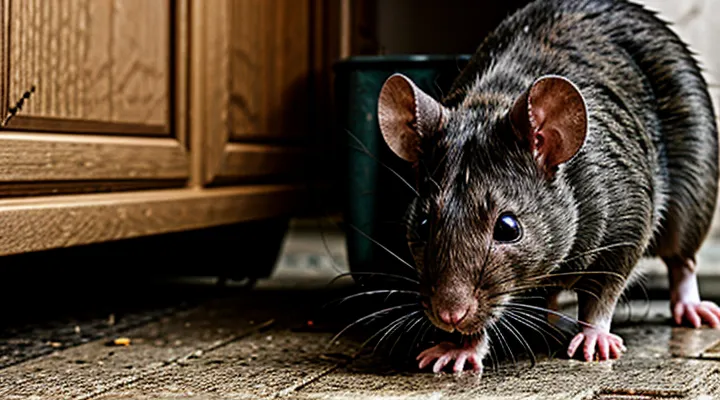
Understanding Rat Gnawing Behavior
Why Rats Gnaw
Continuous Tooth Growth
Rats possess continuously growing incisors that extend throughout their lives. The dental tissue elongates at a rate of approximately 0.3 mm per day, ensuring that the teeth never become too short for effective gnawing. Growth is sustained by a specialized stem‑cell niche in the root pulp, which produces enamel and dentin faster than wear can diminish them.
The relentless renewal of the incisors enables rats to breach a wide range of substrates. Their ability to exert biting forces of 5–10 N, combined with sharp, self‑sharpening edges, permits penetration of:
- Soft wood and plywood
- Plastic pipe insulation
- Polyvinyl chloride (PVC) conduit
- Cardboard and paper packaging
- Thin metal sheeting (e.g., aluminum foil)
Harder materials such as steel, thick concrete, or tempered glass typically resist rat gnawing, but prolonged exposure can lead to micro‑fractures and eventual failure when the teeth encounter vulnerable seams or joints.
Factors that amplify damage include:
- Access to food sources that stimulate frequent chewing.
- Environmental humidity that softens organic materials.
- Presence of gaps or cracks that provide entry points for the incisors.
- High population density, which increases collective gnawing pressure.
Understanding continuous tooth growth clarifies why rats can compromise structural integrity across diverse environments. Preventive measures must address both the physical barrier—using rodent‑proof materials—and the biological driver—limiting food availability and nesting sites.
Instinctive Behavior
Rats possess an innate urge to gnaw, driven by the need to keep continuously growing incisors at a functional length. This compulsive behavior activates as soon as a surface presents resistance, prompting the animal to test hardness, texture, and moisture content with rapid, repetitive bites.
Typical substrates that fall within the rats’ gnawing capacity include:
- Soft woods (e.g., pine, spruce) – penetrable within hours.
- Thin plastic films (e.g., polyethylene, PVC) – breached after a few days of constant chewing.
- Cardboard and paper products – compromised within minutes.
- Fibrous insulation (e.g., fiberglass, cellulose) – degraded after sustained contact.
- Low‑grade metal sheeting (e.g., aluminum foil, thin copper) – perforated after several days of persistent gnawing.
- Electrical cable jacket (PVC, rubber) – exposed after prolonged chewing, leading to insulation failure.
The instinctive gnawing action produces several forms of damage:
- Structural weakening of building components, allowing drafts and water ingress.
- Disruption of electrical systems, creating short circuits, fire hazards, and equipment failure.
- Contamination of stored food and feed, facilitating bacterial growth and disease transmission.
- Compromise of plumbing and HVAC ducts, resulting in leaks and reduced efficiency.
Because the behavior is automatic and triggered by any tactile resistance, mitigation requires materials with hardness exceeding the rats’ bite force, sealed entry points, and regular inspection of vulnerable surfaces.
Seeking Food and Shelter
Rats pursue sustenance and nesting sites by exploiting their incisors, which continuously grow and require constant wear. When food sources are stored in containers, rats bite through packaging to reach crumbs, grains, or pet food. The same chewing behavior creates entry points for shelter, allowing rodents to infiltrate walls, ceilings, and floor cavities.
Materials most vulnerable to rat gnawing include:
- Soft plastics such as polyethylene and polypropylene, common in food wrappers and storage bins.
- Thin metal sheets, especially aluminum and galvanized steel, when edges are exposed or connections are loose.
- Wood and untreated timber, frequently used in structural framing and furniture.
- Fibrous insulation, including fiberglass and cellulose, which can be shredded to form nest material.
- Concrete and brick mortar, where cracks exist, permitting rats to enlarge openings with persistent gnawing.
Damage patterns reflect the dual motive of acquiring nutrition and establishing a protected nest. Chewed seams in containers lead to contamination, while enlarged gaps in building envelopes increase heat loss, moisture intrusion, and the likelihood of secondary infestations. Preventive measures focus on sealing access points with hard, non‑chewable materials, employing rodent‑resistant packaging, and maintaining a clean environment that eliminates readily available food.
Common Materials Rats Gnaw Through
Construction Materials
Rats possess incisors capable of penetrating many building components, leading to structural compromise, fire hazards, and costly repairs. Their gnawing ability varies with material hardness, composition, and exposure.
- Softwood framing (e.g., pine, spruce): easily chewed; creates holes that reduce load‑bearing capacity.
- Drywall and plasterboard: thin gypsum core yields to bite marks within days, exposing wiring and insulation.
- Plastic piping (PVC, ABS): rats bite through walls of typical household diameter, risking leaks and water damage.
- Electrical cable sheathing (rubber, PVC): gnawing removes insulation, creates short circuits and fire risk.
- Insulation (fiberglass, cellulose): fibers are readily shredded, diminishing thermal performance and allowing pest entry.
- Concrete (unreinforced, thin sections): can be breached where cracks exist; reinforced concrete resists but may be compromised at rebar joints.
- Metal flashing and sheet metal (thin gauge steel, aluminum): rats gnaw through seams and joints, especially where corrosion has weakened the material.
Persistent gnawing undermines building integrity, accelerates deterioration, and increases maintenance expenses. Selecting resistant materials, sealing entry points, and implementing regular inspections mitigate rodent‑induced damage.
Wood
Rats possess strong incisors capable of penetrating most wooden structures. Their gnawing ability depends on wood density, moisture content, and thickness.
- Softwoods (e.g., pine, spruce) can be breached at thicknesses of ½ inch (12 mm) or less.
- Hardwood species (e.g., oak, maple) resist entry up to ¾ inch (19 mm); beyond that, prolonged gnawing may create holes.
- Moist or decayed wood loses structural integrity, allowing rats to chew through material as thin as ¼ inch (6 mm).
Continuous gnawing generates irregular tunnels, compromising load‑bearing elements, insulation, and electrical wiring housed within wooden conduits. Damage often manifests as exposed framing, weakened joists, and loss of protective barriers, increasing the risk of collapse or fire.
Preventive measures include sealing entry points with steel mesh, applying rodent‑resistant coatings, and maintaining low humidity to limit wood softening. Regular inspections of vulnerable areas detect early gnaw marks, enabling timely repair before structural failure occurs.
Drywall and Plaster
Rats can penetrate drywall and plaster with relatively little resistance. The material’s gypsum core lacks the density required to deter incisors, while the paper or fiberglass facing offers minimal barrier. A typical ½‑inch drywall panel can be breached in 24‑48 hours of continuous gnawing; thicker panels increase resistance proportionally but do not prevent entry.
Factors influencing the rate of damage include:
- Moisture content of the plaster; damp surfaces soften gypsum, accelerating bite penetration.
- Presence of cracks or gaps around studs, outlets, and fixtures; rats exploit existing weaknesses to start chewing.
- Rodent size and age; mature individuals exert greater bite force, reducing the time needed to breach the material.
Visible signs of compromise are:
- Small, clean‑cut holes or tunnels near baseboards, ceiling corners, or behind furniture.
- Frayed or missing paper facing on drywall, exposing the white gypsum core.
- Crumbling plaster around entry points, often accompanied by droppings or gnaw marks.
Repair considerations:
- Replace damaged sections with fire‑rated drywall of at least 5/8‑inch thickness to increase structural integrity.
- Apply metal or cement board sheathing in high‑risk areas, such as crawl spaces and attic access points.
- Seal all gaps larger than ¼ inch with steel wool and caulk to eliminate entry routes.
Monitoring strategies:
- Install motion‑activated cameras focused on vulnerable walls.
- Conduct quarterly visual inspections, paying particular attention to joints and corners.
- Use non‑toxic rodent repellents on the surface of plaster to discourage gnawing without damaging the finish.
Effective mitigation relies on promptly identifying breaches, reinforcing susceptible surfaces, and eliminating access points. Continuous vigilance reduces the likelihood of extensive structural compromise caused by rodent activity.
Plastic Pipes
Rats possess continuously growing incisors that enable them to bite through a wide range of materials, including many types of plastic piping. Their ability to penetrate these conduits creates direct pathways for water loss, contamination, and structural compromise within residential and commercial systems.
The vulnerability of plastic pipes depends on material composition, wall thickness, and temperature. Polyvinyl chloride (PVC) and polyethylene (PE) with thin walls (≤ 3 mm) are frequently breached within hours of sustained gnawing. Rigid plastics with wall thicknesses of 5 mm or more may resist initial attempts but can still be compromised after prolonged exposure, especially where joints or fittings present weaker points.
Observed damage from rodent activity includes:
- Punctured or chewed sections exposing the interior of the pipe
- Dislodged fittings leading to leaks and pressure loss
- Accumulation of debris and excrement obstructing flow
- Corrosion acceleration where metal components contact the damaged plastic
Consequences extend beyond immediate water loss. Leaks can infiltrate building foundations, promote mold growth, and create conditions favorable to further pest infestation. In water supply lines, compromised pipes introduce contaminants, posing health risks.
Preventive measures focus on material selection, installation quality, and exclusion techniques. Using thicker-walled or reinforced polymers, sealing all joints with rodent-resistant caulking, and installing steel or concrete barriers at entry points reduce the likelihood of successful gnawing. Regular inspections of exposed piping allow early detection of bite marks before catastrophic failure occurs.
Electrical Wires
Rats can breach electrical wiring, compromising power distribution and safety. Their incisors continuously grow, prompting frequent gnawing on accessible materials, including insulated cables.
Typical residential wiring consists of a metal conductor (copper or aluminum) surrounded by an insulating layer (PVC, rubber, nylon) and, in many cases, an outer sheath. Soft, thin‑walled insulation yields more readily to rodent teeth, while hardened or metal‑clad sheathing offers greater resistance.
When a rat chews through insulation, exposed conductors may contact each other or conductive surfaces, creating short circuits. Shorted circuits can trip breakers, interrupt service, and generate heat that may ignite surrounding combustibles. Resulting fire hazards and equipment damage often require costly repairs and pose significant safety threats.
Key variables that affect wire vulnerability include:
- Diameter of the cable; larger wires present more material to chew through, but thicker insulation can deter damage.
- Composition of the insulation; PVC and rubber soften under heat and moisture, increasing susceptibility.
- Installation location; wires routed through attics, crawl spaces, or wall voids provide easy access for rodents.
- Presence of food or water sources nearby; abundant resources encourage gnawing activity.
Mitigation strategies focus on material selection and physical barriers:
- Replace standard PVC insulation with rodent‑resistant polymer blends or steel‑armored cable.
- Encase vulnerable sections in conduit, metal mesh, or rigid PVC tubing.
- Seal entry points around wiring routes with steel wool, caulk, or hardware cloth.
- Deploy baited traps or electronic deterrents in areas of known activity.
- Conduct periodic visual inspections, especially in concealed spaces, to detect early signs of gnawing.
Implementing these measures reduces the likelihood of electrical failure caused by rat activity and safeguards both infrastructure and occupants.
Insulation Materials
Rats readily attack insulation because it provides warmth and concealment. Their incisors can penetrate most common materials, leading to heat loss, increased energy consumption, and heightened fire risk.
Typical insulation types vulnerable to rodent damage include:
- Fiberglass batts: fibers are easily shredded, creating gaps that reduce thermal performance.
- Cellulose blown-in: loose fibers can be chewed into strands, allowing air infiltration.
- Foam board (polystyrene, polyisocyanurate): hard surface can be gnawed, compromising structural integrity.
- Spray‑foam (open‑cell, closed‑cell): rats bite through the foam core, creating tunnels that expose hidden wiring.
- Mineral wool: while denser, rats can still create passageways by removing sections.
Consequences of compromised insulation extend beyond temperature fluctuations. Exposed wiring may spark, increasing fire probability. Moisture accumulation in damaged zones encourages mold growth, deteriorating indoor air quality. Structural elements adjacent to gnawed insulation can weaken, raising repair costs.
Preventive measures focus on material selection and barrier installation. Rigid foam panels with metal sheathing resist chewing more effectively than soft batts. Sealing seams with steel mesh or hardware cloth blocks entry points. Regular inspections of attics, walls, and crawl spaces detect early gnawing, enabling prompt remediation before extensive damage occurs.
Household Items
Rats possess continuously growing incisors that enable them to penetrate a wide range of domestic materials. Their chewing activity compromises structural integrity, creates fire hazards, and spreads disease through contaminated debris.
- Wooden furniture and framing: Rats gnaw through softwood, particle board, and plywood, weakening joints and causing sagging surfaces. Repeated bites create tunnels that can enlarge over weeks.
- Plastic containers and appliances: Polypropylene, polyethylene, and PVC are vulnerable to persistent nibbling. Damage to food storage bins, wiring insulation, and refrigerator seals leads to spoilage and electrical shorts.
- Electrical wiring: Copper and aluminum conductors are softened by rat teeth, exposing live wires. Short circuits and potential fires result from stripped insulation and broken connections.
- Ceramic and glassware: While harder than organic materials, rats can chip edges of dishes and break thin glass by applying pressure to joints, especially when seeking entry points.
- Insulation and drywall: Fiberglass batts, foam board, and gypsum panels are readily chewed, reducing thermal efficiency and creating pathways for further infestation.
- Metal fixtures: Soft metals such as aluminum flashing and thin steel brackets can be gnawed, leading to corrosion acceleration when protective coatings are breached.
The cumulative effect of these damages includes increased repair costs, loss of personal property, and heightened health risks due to urine and feces contamination. Prompt identification of gnaw marks and sealing of entry points are essential to mitigate further degradation.
Furniture
Rats possess strong incisors capable of penetrating most household furniture. Their constant gnawing habit targets structural and aesthetic elements, leading to weakened frames, compromised safety, and costly repairs.
Common furniture components at risk include:
- Solid wood legs, arms, and frames; rats can carve through softwoods such as pine within days and hardwoods like oak over weeks.
- Upholstered cushions and padding; fibers from foam, cotton, or polyester are easily shredded, exposing internal springs.
- Veneer and laminate surfaces; thin layers separate from underlying substrate, creating gaps for further infestation.
- Particleboard and MDF panels; low-density composites disintegrate quickly under repeated chewing.
Visible signs of rodent activity are fresh bite marks, gnawed edges, shredded fabric, and droppings near furniture bases. Early detection prevents spread to adjacent items, such as cabinets and shelving units, which share similar material vulnerabilities.
Effective mitigation involves sealing entry points, employing traps or bait stations near furniture, and regularly inspecting joints and seams. Replacing highly damaged pieces with rodent-resistant materials—metal frames, hardwoods with high density, or synthetic upholstery—reduces future loss. Continuous monitoring sustains structural integrity and preserves the functional lifespan of household furnishings.
Food Packaging
Rats possess continuously growing incisors capable of exerting forces up to 30 psi, allowing them to breach most food‑packaging barriers. Their gnawing behavior compromises product safety, leads to economic loss, and increases the risk of contamination.
Typical packaging materials and their susceptibility:
- Thin plastic films (≤0.5 mm): readily penetrated within hours; rats can create holes as small as 2 mm.
- Polyethylene terephthalate (PET) bottles: bottle necks and caps are vulnerable; rats often gnaw around seams and closures.
- Cardboard boxes: corrugated layers provide limited resistance; rats can chew through a 2‑mm wall in a single night.
- Aluminum foil: easily torn; rats exploit seams and puncture points.
- Metal cans (thin gauge): require prolonged gnawing; rats may gnaw through the lid or seam after several days.
- Glass jars: generally resistant; rats may attempt to access the lid but rarely breach the container itself.
Preventive measures focus on material selection and structural reinforcement. Increasing thickness, incorporating rodent‑proof composites, and sealing seams with metal or reinforced tape markedly reduce breach rates. Regular inspection of storage areas and prompt removal of compromised packaging further limit damage.
Books and Paper
Rats are capable of penetrating most conventional book formats and paper products, causing loss of information and structural failure. Their incisors can slice through paper fibers, cardboard covers, and even thin leather or cloth bindings within minutes of continuous gnawing.
Key factors influencing the ease of penetration include:
- Material density: standard printer paper (80 g/m²) yields quickly, whereas heavyweight archival paper (≥200 g/m²) offers limited resistance.
- Binding composition: glued spines dissolve under moisture from rodent saliva, while sewn or stapled bindings retain integrity longer.
- Cover thickness: cardboard jackets (≈2 mm) are breached faster than rigid plastic or metal cases.
- Moisture content: damp paper softens, accelerating chew-through.
Typical damage observable on compromised books and documents:
- Frayed or shredded edges on pages.
- Chewed holes through covers and spines.
- Displaced or missing pages.
- Saliva stains and discoloration on remaining material.
Preventive measures proven effective:
- Store books in sealed, rodent‑proof containers made of metal or thick plastic.
- Use rodent deterrent sachets (e.g., peppermint oil) within storage areas.
- Maintain low humidity to reduce paper softness.
- Inspect shelving regularly for gnaw marks and replace compromised items promptly.
Understanding these variables enables accurate assessment of risk and implementation of targeted protection strategies against rodent‑induced destruction of literary and paper assets.
Fabrics and Upholstery
Rats readily gnaw fabrics and upholstery, compromising the integrity of furniture, curtains, and soft furnishings. Their incisors can penetrate woven fibers, causing holes, fraying, and loss of structural support.
- Natural fibers (cotton, linen, wool) – soft texture allows rapid penetration.
- Synthetic blends (polyester, nylon) – lower resistance, especially when loosely woven.
- Upholstery foam – dense material attracts gnawing for nesting material.
- Leather and faux‑leather – edges and seams vulnerable to bite marks.
Visible signs of rat activity include:
- Small, clean‑cut holes irregularly spaced across cloth surfaces.
- Loose threads or fibers dangling from damaged areas.
- Chewed corners or seams on cushions and drapes.
- Presence of droppings or gnaw marks near fabric piles.
Mitigation strategies:
- Seal entry points and eliminate gaps larger than ¼ inch.
- Store textiles in sealed containers or metal cabinets.
- Apply rodent‑deterrent sprays or ultrasonic devices near susceptible upholstery.
- Replace heavily damaged fabric with tightly woven, rodent‑resistant materials such as high‑denier polyester or treated canvas.
Outdoor Structures
Rats frequently target outdoor constructions because their incisors continuously grow and require regular wear. Their ability to apply strong bite forces enables them to breach materials that are otherwise considered durable.
- Wooden decks and fences: Rats chew through untreated lumber, compromising structural integrity and creating entry points for predators.
- Plastic garden furniture: Thin polymer walls can be perforated, leading to loss of stability and exposure of internal components.
- Metal gutters and downspouts: Soft‑metal sections, such as aluminum, are susceptible to gnawing, resulting in leaks and water damage.
- Concrete blocks with mortar joints: Rats exploit gaps in mortar, widening cracks and accelerating erosion.
- PVC irrigation tubing: Rats bite through walls to access water, causing leaks and reducing system efficiency.
Damage manifests as:
- Structural weakening: compromised load‑bearing elements increase the risk of collapse or failure.
- Water intrusion: breached gutters and irrigation lines allow moisture to infiltrate foundations, fostering mold growth.
- Electrical hazards: gnawed insulation around outdoor lighting or outlets creates short circuits and fire risk.
- Aesthetic degradation: visible chew marks diminish property appearance and reduce market value.
Preventive measures include installing metal mesh barriers, using rodent‑resistant materials, sealing all joints with steel wool or cement, and maintaining regular inspections to detect early signs of gnawing. Prompt action limits repair costs and preserves the longevity of outdoor installations.
Garden Hoses
Rats frequently target garden hoses because the flexible rubber or vinyl material is easy to gnaw. Their incisors can cut through thin-walled hoses within hours, creating leaks that waste water and reduce irrigation efficiency.
Damage caused by rat‑chewed hoses includes:
- Immediate loss of water pressure, leading to dry plants and soil erosion.
- Formation of puddles that promote mold, mildew, and mosquito breeding.
- Increased risk of root rot as excess moisture pools around plant bases.
- Higher utility bills due to uncontrolled flow and the need for frequent hose replacement.
Preventive measures rely on barrier methods and material selection. Reinforced hoses with steel braid or thicker walls resist rodent bites. Installing metal or PVC conduit around exposed hose sections blocks access. Regular inspection of hose length, especially near garden beds and shrubbery, allows early detection of bite marks before catastrophic failure.
Wiring in Vehicles
Rats frequently target vehicle wiring because the insulation and protective sheathing provide easy entry points. Their incisors can cut through copper conductors, rubber jackets, and polymer bundles in seconds, exposing live wires and compromising electrical integrity.
Typical damage includes:
- Severed power and ground wires, leading to intermittent or total loss of engine start, lighting, and electronic control modules.
- Damaged sensor cables, causing erroneous readings from fuel, temperature, or oxygen sensors.
- Compromised harnesses in engine bays and undercarriages, increasing the risk of short circuits and fire hazards.
- Chewed insulation that creates arcing, corrosion, or moisture ingress, accelerating degradation of connectors and terminals.
Consequences of gnawed wiring extend beyond immediate functional failures. Shorted circuits can trigger diagnostic trouble codes, inflate repair costs, and, in severe cases, cause electrical fires that endanger occupants and property.
Preventive actions:
- Install rodent-resistant conduit or metal sleeves around critical harnesses.
- Apply ultrasonic or electronic repellents in storage areas and parking spaces.
- Use rodent-deterrent sprays or granules on exposed wiring sections.
- Conduct regular visual inspections of under‑vehicle components, especially after prolonged idle periods.
- Seal entry points such as gaps in firewall, wheel wells, and underbody panels with mesh or foam.
Timely identification and mitigation of rodent activity protect vehicle electrical systems from costly downtime and safety hazards.
Sheds and Outbuildings
Rats readily enter sheds and outbuildings in search of shelter, food, and nesting material. Their incisors continuously grow, compelling them to gnaw on any accessible surface. Consequently, structural components and stored items become vulnerable to rapid deterioration.
Typical materials affected include:
- Untreated timber: rats can chew through ½‑inch boards within weeks.
- Plywood and particleboard: soft cores allow penetration with minimal effort.
- Plastic sheeting and PVC pipe: thin sections may be breached, exposing interior spaces.
- Wire mesh and chicken wire: gauges thinner than 12 gauge are easily compromised.
- Insulation batts: fiberglass or cellulose can be shredded, reducing thermal efficiency.
Metal roofing and galvanized steel studs resist rat damage, but seams, rivet holes, and flashing remain potential entry points. Concrete foundations generally withstand gnawing, yet gaps around vent pipes or utility conduits provide access.
Indicators of infestation in sheds and outbuildings are:
- Fresh gnaw marks on wood, plastic, or wiring.
- Accumulated droppings near stored feed or nesting sites.
- Scratched or torn fabric on stored clothing or tarps.
- Visible burrows or runways along walls and corners.
Mitigation strategies focus on exclusion and sanitation. Seal all openings larger than ½ inch with steel wool, metal flashing, or hardware cloth. Store feed in metal containers with tight lids. Regularly inspect structural joints, hinges, and ventilation ducts for new gnaw marks. Replace vulnerable materials with rodent‑resistant alternatives where feasible.
By recognizing the specific weaknesses of sheds and outbuildings, owners can limit the extent of damage caused by rat gnawing and preserve the integrity of these auxiliary structures.
Potential Damage Caused by Rat Gnawing
Structural Damage
Weakened Foundations
Rats exploit compromised structural support, targeting gaps, rot, and moisture‑laden wood. Their incisors can penetrate soft concrete, brick mortar, and untreated timber within weeks, enlarging entry points and creating pathways for further infestation.
Typical consequences of such activity include:
- Loss of load‑bearing capacity as voids develop in foundation walls.
- Accelerated water infiltration, leading to mold growth and corrosion of reinforcement.
- Undermining of floor joists and support beams, increasing the risk of sudden collapse.
- Disruption of utility lines embedded in or adjacent to the foundation, causing electrical shorts or gas leaks.
Preventive measures focus on sealing cracks, applying rodent‑resistant coatings, and regularly inspecting foundation elements for early signs of gnawing or structural weakening. Prompt remediation restores integrity and reduces the likelihood of extensive damage.
Compromised Walls
Rats frequently target wall assemblies, exploiting gaps and weakened joints to gain entry and create pathways. Their incisors can breach most common construction materials, undermining structural integrity and exposing interiors to additional hazards.
Typical wall components susceptible to rat damage include:
- Gypsum board or drywall, punctured to create openings for movement.
- Plaster layers, thinned or cracked by continuous gnawing.
- Wood studs and framing members, weakened by repeated chewing.
- Insulation batts, shredded and displaced, reducing thermal performance.
- Electrical wiring concealed within walls, stripped of sheathing, increasing fire risk.
- Vapor barriers and sealing membranes, compromised, allowing moisture infiltration.
Once walls are compromised, rats can spread contaminants, increase the likelihood of water damage, and create routes for further infestations. Prompt detection and reinforcement of vulnerable sections limit the scope of damage and protect the building’s overall durability.
Electrical Hazards
Fire Risks
Rats’ chewing activity creates direct fire hazards by compromising electrical and structural components. When rodents bite insulated copper wire, the protective sheath is stripped, exposing conductors. This can produce arcing, overheating, and ignition of nearby combustible material. Damage to thermostat wiring, heating‑element cables, and gas‑line sensors similarly increases the likelihood of uncontrolled flame development.
Key fire‑related consequences of rodent gnawing include:
- Exposed live wires that short circuit, generating sparks.
- Breached fire‑resistant barriers, allowing flames to spread between compartments.
- Damaged heat‑sensing devices that fail to shut off heating elements.
- Compromised gas‑line insulation, leading to leaks that ignite.
- Accumulated gnawing debris that serves as additional fuel.
Preventive measures focus on sealing entry points, installing rodent‑proof conduit, and regularly inspecting electrical and gas installations for bite marks. Early detection of chewed components reduces the probability of fire outbreaks and limits potential property loss.
Power Outages
Rats can compromise electrical systems, causing power interruptions that affect residential, commercial, and industrial environments.
Rodents damage wiring by biting insulation, severing conductors, and gnawing through protection tubes. They also infiltrate junction boxes, transformer housings, and control panels, creating short circuits and overloads.
The resulting outages produce several direct effects:
- Loss of lighting and refrigeration, leading to food spoilage.
- Failure of heating, ventilation, and air‑conditioning units, increasing temperature extremes.
- Disruption of computer networks and security systems, exposing data and compromising safety monitoring.
- Activation of emergency lighting and backup generators, incurring additional fuel consumption.
- Elevated fire risk due to exposed live wires and arcing.
Preventive actions include regular visual inspections, sealing entry points with metal mesh, installing chew‑resistant conduit, and deploying bait stations in high‑risk zones. Prompt repair of gnawed components restores service and reduces the likelihood of repeat incidents.
Plumbing Issues
Water Leaks
Rats frequently target plumbing components, generating water leaks that compromise building integrity. Their incisors can bite through copper, PVC, and galvanized steel, especially at joints, valves, and soft‑capped sections where material is thin.
The resulting leaks produce immediate and long‑term problems:
- Saturated drywall and insulation
- Accelerated corrosion of metal structures
- Development of mold and mildew colonies
- Elevated water bills and utility strain
- Weakening of load‑bearing elements
Early detection relies on visual inspection of exposed pipes, moisture stains, and the presence of gnaw marks. Prompt repair includes sealing entry points, replacing damaged sections with rodent‑resistant materials, and installing physical barriers such as steel mesh or concrete encasements.
Effective control combines sanitation, exclusion techniques, and regular monitoring to prevent further water‑related damage caused by rodent activity.
Property Damage
Rats possess continuously growing incisors that enable them to chew through a wide array of building materials, creating significant property damage. Their ability to penetrate hard substances results in compromised structural integrity, increased repair costs, and heightened safety hazards.
Common targets include:
- Electrical wiring: exposed conductors may short, causing fire risk and power loss.
- Insulation: stripped fibers reduce thermal efficiency, leading to higher energy consumption.
- Wooden framing and flooring: weakened support beams can cause sagging floors and roof collapse.
- Plastic piping and fixtures: leaks develop, damaging walls, ceilings, and foundations.
- Concrete and masonry: drilled holes facilitate entry for additional pests and moisture infiltration.
Damage often remains hidden until secondary effects appear, such as malfunctioning appliances, water damage, or pest infestations. Early detection through regular inspections and prompt sealing of entry points minimizes repair expenses and preserves the safety of occupants.
Contamination and Health Risks
Spread of Diseases
Rats breach barriers by gnawing through wood, plastic, insulation, and wiring, creating pathways for pathogens to move from contaminated sites to human environments. Their persistent chewing compromises structural integrity, exposes food supplies, and introduces fecal material into ventilation and water systems, directly facilitating disease transmission.
Key mechanisms of disease spread include:
- Physical contamination – saliva and urine deposited on gnawed surfaces deposit bacteria, viruses, and parasites.
- Vector transport – rats carry ectoparasites such as fleas and mites that harbor plague‑causing Yersinia pestis, typhus‑inducing Rickettsia spp., and scrub‑typhus agents.
- Environmental disruption – damaged insulation and wiring increase humidity, fostering mold growth and aerosolized fungal spores.
- Food chain infiltration – gnawed storage containers allow rodents to access grains and processed foods, contaminating them with Salmonella, E. coli, and Leptospira.
Consequences of these processes manifest as outbreaks of:
- Plague
- Murine typhus
- Leptospirosis
- Hantavirus pulmonary syndrome
- Salmonellosis and other gastrointestinal infections
Preventive measures focus on sealing entry points, using rodent‑resistant materials, and maintaining regular inspections of structural components. Early detection of gnaw damage reduces the risk of pathogen migration and limits public‑health impact.
Food Contamination
Rats’ incisors enable them to breach packaging, storage containers, and structural barriers, directly exposing food supplies to contamination. Saliva, urine, and feces introduced during gnawing deposit pathogens, toxins, and allergens that compromise product safety and shelf life.
Common contamination vectors include:
- Bacterial agents such as Salmonella and E. coli from droppings.
- Viral particles like Hepatitis A carried on fur and secretions.
- Chemical residues from rodent control substances transferred to food.
- Physical debris consisting of hair, gnawed material, and fragmented packaging.
Contaminated food can trigger food‑borne illness outbreaks, lead to costly recalls, and damage brand reputation. Regulatory standards require documented control measures to prevent rodent intrusion and to verify product integrity throughout the supply chain.
Effective mitigation combines structural exclusion (sealed doors, metal shelving), regular inspection (visual checks for gnaw marks, droppings), and integrated pest management (monitoring, bait stations, sanitation). These actions limit rat access, reduce the likelihood of contamination, and protect consumer health.
Economic Impact
Repair Costs
Rats can breach a wide range of building materials, leading to repair expenses that quickly exceed initial estimates. The cost of restoring damaged structures depends on material type, extent of damage, and required remediation measures.
Typical repair expenditures include:
- Electrical wiring: Replacement of compromised cables, conduit, and circuit breakers; average cost $150‑$300 per foot, with full system rewiring ranging from $2,000 to $10,000.
- Plumbing: Replacement of gnawed pipes, fittings, and water‑heater components; labor and parts typically $200‑$500 per fixture, total project $1,500‑$7,000.
- Structural wood: Repair or replacement of joists, beams, and framing; material cost $5‑$10 per board foot, plus labor $40‑$80 per hour, leading to $3,000‑$15,000 for extensive damage.
- Insulation and drywall: Removal of contaminated sections, installation of new insulation, and drywall finishing; $1.50‑$3.00 per square foot for materials, $2‑$4 per square foot for labor, total $1,000‑$5,000.
- HVAC components: Replacement of ducts, filters, and coils affected by gnawing; unit cost $500‑$2,000, plus installation $300‑$1,200.
Additional expenses may arise from pest‑control services, mold remediation, and insurance deductibles. Accurate assessment of damage before repairs can prevent under‑budgeting and ensure comprehensive restoration.
Replacement of Damaged Goods
Rats can compromise structural components, insulation, wiring, and stored items, creating a need for swift replacement of any goods that become unusable. Determining the extent of loss requires a physical inspection, documentation of affected items, and verification that the damage originates from rodent activity rather than unrelated factors.
Key considerations for replacing damaged goods:
- Identify material type (e.g., wood, plastic, metal) to select appropriate substitutes that resist future gnawing.
- Verify compliance with local building codes and safety standards, especially for electrical or fire‑hazard components.
- Prioritize items critical to operation or habitation to minimize downtime.
- Choose suppliers that offer warranties covering rodent‑related failures, ensuring accountability.
- Implement preventive measures—seal entry points, install rodent‑proof barriers, and schedule regular monitoring—to protect new installations.
After acquisition, install replacements according to manufacturer specifications, conduct a post‑installation inspection, and record outcomes for future reference. This systematic approach reduces recurring expenses and restores functionality promptly.