
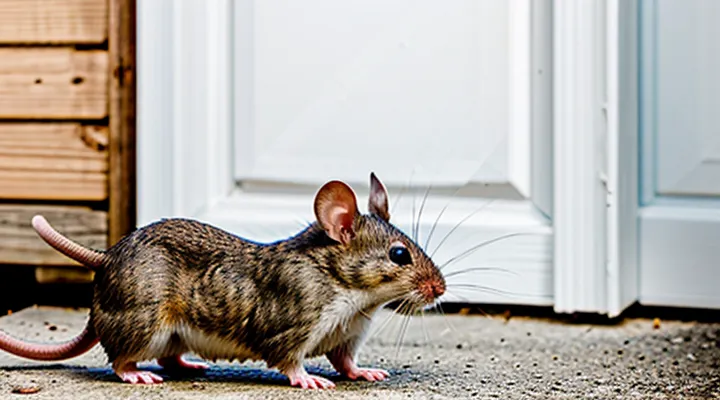
Understanding the Problem: Why Mice are a Threat to Your Summer Cottage
Health Risks Associated with Mice
Mice inhabiting a summer cottage present several direct health hazards. Their droppings, urine, and saliva contain pathogens that can be transferred to humans through inhalation, ingestion, or skin contact.
- Hantavirus infection: inhalation of aerosolized particles from dried urine or feces may cause severe respiratory illness.
- Salmonellosis: consumption of food contaminated by mouse waste can lead to gastrointestinal distress and fever.
- Leptospirosis: exposure to urine can result in kidney damage, fever, and muscle pain.
- Lymphocytic choriomeningitis virus (LCMV): contact with infected rodents may cause meningitis and neurological symptoms.
- Allergic reactions: mouse dander and droppings trigger asthma attacks and allergic rhinitis in sensitive individuals.
- Food spoilage: gnawed packaging and contaminated stores increase risk of foodborne illness.
- Structural damage: gnawing of wiring and insulation creates fire hazards and electric shock possibilities.
These hazards necessitate prompt and effective rodent mitigation. Reducing mouse presence lowers the probability of disease transmission, limits allergen exposure, and prevents damage that could endanger occupants. Implementing sanitation, sealing entry points, and employing traps or approved baits directly addresses the health risks identified.
Damage to Property and Crops
Structural Damage
Mice invading a seasonal cottage can compromise the building’s integrity. Their constant gnawing weakens wooden joists, door frames, and window sills, creating openings that accelerate moisture infiltration. Burrowing through insulation disrupts thermal barriers, leading to heat loss and increased energy consumption. Accumulated urine and feces corrode metal fixtures, rusting hinges, locks, and electrical contacts. Structural compromise often forces costly repairs that could be avoided with proactive pest management.
Typical damage includes:
- Chewed support beams and floorboards, reducing load‑bearing capacity.
- Penetrated roofing slates or shingles, exposing interior to rain.
- Damaged drywall and plaster, resulting in cracks and mold growth.
- Corroded wiring sheathing, heightening fire risk.
Effective mouse control measures target these vulnerabilities. Sealing entry points eliminates access routes to structural components. Installing durable, metal‑tipped traps near known gnawing sites reduces population pressure before extensive damage occurs. Regular inspections of joists, insulation, and metalwork detect early signs of activity, allowing timely intervention and preserving the cottage’s structural soundness.
Contamination of Food and Supplies
Rodent intrusion frequently compromises stored provisions at vacation cottages, leading to direct loss of edible goods and indirect health hazards. Mice gnaw packaging, disperse droppings, and contaminate surfaces, creating pathways for pathogenic bacteria such as Salmonella and E. coli. Once food supplies are tainted, the risk of gastrointestinal illness rises sharply for occupants and visitors.
Typical indicators of supply contamination include:
- Chewed or perforated containers, especially plastic, cardboard, or foil.
- Presence of urine stains, droppings, or shredded nesting material near pantry shelves.
- Unusual odors or visible mold developing on exposed food items.
Preventive actions must focus on eliminating access points and securing contents. Effective measures are:
- Store all dry goods in metal or heavy‑glass containers with airtight lids.
- Position supplies on elevated shelves, keeping a minimum clearance of 12 inches from walls and floors.
- Seal cracks, gaps, and utility openings with steel wool and caulking to block entry.
- Maintain a clean environment by sweeping crumbs, wiping countertops, and disposing of waste in sealed bins daily.
- Conduct regular inspections of storage areas, removing any compromised items immediately.
If contamination is discovered, follow a strict protocol: discard all affected products, sanitize the storage area with a diluted bleach solution (1 part bleach to 10 parts water), and replace compromised containers before restocking. Prompt corrective steps restore food safety and reduce the likelihood of recurring rodent activity.
Prevention is Key: Keeping Mice Away From Your Cottage
Securing Entry Points
Sealing Cracks and Holes
Sealing cracks and holes eliminates entry points that mice use to access a summer cottage. Properly blocked openings prevent rodents from exploiting gaps around foundations, walls, windows, doors, and utility penetrations.
- Inspect exterior walls, roof eaves, and crawl spaces for openings larger than ¼ inch. Common sources include damaged siding, gaps around vent pipes, and unfilled gaps around window frames.
- Use steel wool or copper mesh to fill small cracks before applying sealant; rodents can gnaw through softer materials.
- Apply a high‑quality, weather‑resistant caulk or expanding polyurethane foam to secure the filler. Ensure the product adheres to wood, brick, and concrete surfaces.
- For larger gaps, install metal flashing or hardware cloth (½ inch mesh) and fasten it with corrosion‑resistant screws. Cover the entire assembly with sealant to prevent moisture infiltration.
- After sealing, verify the work by conducting a visual inspection and, if possible, a smoke test to detect residual airflow.
Regular maintenance includes rechecking sealed areas after severe weather, as temperature fluctuations can cause material contraction and create new openings. Prompt repair of any detected breach sustains the barrier and reduces the likelihood of mouse infestation.
Protecting Vents and Chimneys
Protecting vents and chimneys prevents mice from entering a summer cottage and maintains the integrity of ventilation and heating systems. Install stainless‑steel mesh with openings no larger than ¼ inch over all external vent openings, including dryer, bathroom, and attic vents. Secure the mesh with rust‑resistant screws and seal any gaps with silicone caulk.
Fit chimney caps made of heavy gauge metal that include a fine mesh screen. Ensure the cap sits flush with the chimney crown and fasten it with stainless‑steel bolts. Inspect the cap annually for damage and replace the mesh if it shows wear.
Use the following practical steps to reinforce openings:
- Trim vegetation within a two‑meter radius of vents and chimneys to eliminate climbing routes.
- Apply a continuous bead of exterior-grade sealant around the perimeter of each mesh or cap.
- Install a removable hardware cloth panel inside large vent openings to allow cleaning while blocking rodents.
- Conduct monthly visual checks for gnaw marks, displaced mesh, or nesting material.
By combining robust physical barriers, regular maintenance, and habitat reduction, the risk of mouse intrusion through vents and chimneys is minimized, preserving the cottage’s comfort and safety.
Maintaining a Clean Environment
Proper Food Storage
Proper food storage is a critical element in any plan to reduce rodent activity at a seasonal cottage. Mice are attracted to accessible, aromatic food sources; eliminating these incentives removes a primary motivation for infestation.
Use airtight containers made of heavy‑gauge plastic, glass, or metal with sealed lids. Containers should be resistant to chewing and have no cracks or gaps. Label each container with the contents and date of purchase to ensure timely rotation and disposal of expired items.
Place storage units on elevated surfaces, such as shelves or cabinets, away from walls and floorboards. Keep a minimum clearance of 12 inches between containers and any structural elements where mice can climb. Regularly inspect seals for wear and replace damaged containers immediately.
Key practices for maintaining a mouse‑free pantry:
- Store all grains, cereals, nuts, and pet food in sealed containers.
- Keep fruit, vegetables, and leftovers in refrigerated units; discard spoiled items promptly.
- Clean spills and crumbs instantly; use a damp cloth rather than sweeping, which can disperse particles.
- Rotate stock on a “first‑in, first‑out” basis to prevent long‑term storage of attractants.
- Conduct weekly visual checks for gnaw marks, droppings, or container deformation.
Consistent application of these measures limits food availability, directly decreasing the likelihood of mouse presence on a summer retreat.
Waste Management
Effective waste handling reduces food sources that attract rodents to a seasonal cottage. Secure containers prevent mice from accessing discarded scraps, while regular removal of garbage eliminates breeding sites. Proper segregation of organic and non‑organic material limits odors that draw foraging animals.
- Use metal or heavy‑duty plastic bins with tight‑fitting lids.
- Position containers away from building foundations and at least one meter from entry points.
- Empty bins daily during peak summer activity; store full containers in a locked shed until collection.
- Rinse recyclable items before disposal to remove residues.
- Compost only in sealed, rodent‑proof units; keep compost piles elevated and covered.
- Seal all food waste in double‑layer bags before placing it in bins.
- Inspect and repair any cracks or gaps in the waste storage area to block entry.
Consistent implementation of these practices removes the primary attractants, supporting broader rodent control measures at a summer retreat.
Landscape Management
Clearing Vegetation Around the Cottage
Clearing vegetation around a summer cottage eliminates shelter and food sources that attract mice, directly reducing the likelihood of infestation.
Before beginning, survey the perimeter to identify dense shrubs, tall grasses, and groundcover that contact the building foundation. Prioritize areas where vegetation meets the siding, roof eaves, or deck railings, as these provide easy entry points.
- Trim or remove shrubs within a one‑meter radius of the structure.
- Cut back grass to a height of no more than five centimeters.
- Eliminate weeds and low‑lying plants that touch the exterior walls.
- Dispose of cut material away from the property, preferably by burning or sealing in a trash bag.
- Apply a barrier of coarse mulch or gravel at the base of the cottage to deter re‑growth.
Regular inspection, at least monthly during the warm season, ensures that new growth is kept in check. Re‑trim any encroaching plants promptly, and maintain a clear buffer zone to sustain an environment unfavorable to rodent habitation.
Removing Potential Hiding Spots
Eliminating locations where mice can conceal themselves is a fundamental step in any rodent‑prevention program for a seasonal cottage. Inspect the interior and exterior for gaps, clutter, and structural features that provide shelter. Seal cracks around foundations, windows, and doors with steel‑wool or caulk; replace damaged weatherstripping; and install door sweeps. Remove accumulated debris such as piles of firewood, leaf litter, and overgrown vegetation that create cover near the building envelope.
- Store firewood at least two feet off the ground and away from the house.
- Keep indoor storage areas tidy; discard cardboard boxes, paper stacks, and fabric remnants.
- Trim shrubs and vines that touch the roof or walls to prevent bridge pathways.
- Clear gutters and downspouts of leaves and nests that could house small mammals.
- Install mesh screens on ventilation openings and chimneys, ensuring a tight fit.
Regular maintenance of these measures reduces the number of viable hideouts, forcing any intruders to seek exposure and making subsequent control actions, such as trapping or baiting, more effective.
Active Control Methods for Existing Infestations
Non-Lethal Trapping Options
Live Traps
Live traps provide a humane alternative for managing mouse populations in a seasonal cottage environment. These devices capture rodents without killing them, allowing owners to relocate the animals away from the property.
-
Common designs:
-
Effective baiting: Use high‑fat foods such as peanut butter, seeds, or small pieces of cheese. Apply a thin layer to the trigger plate to ensure the mouse contacts the mechanism.
-
Placement guidelines: Position traps along walls, behind furniture, and near known entry points. Mice travel close to surfaces; align the trap’s opening perpendicular to the wall to match their natural path.
-
Monitoring and release: Check traps at least twice daily to prevent stress or predation. Wear gloves when handling captured mice, transport them in a secure container, and release at least 2 km from the cottage to reduce the chance of return.
-
Maintenance: Clean traps with mild detergent after each use. Inspect hinges and springs for wear; replace damaged components to maintain reliability.
Pros: humane outcome, no poison residue, reusable, minimal impact on non‑target species. Cons: requires regular inspection, potential for escaped releases if not handled correctly, limited capacity compared with snap traps.
Integrating live traps with complementary measures—such as sealing entry gaps, removing food sources, and maintaining vegetation clearance—creates a comprehensive mouse‑management program suitable for a summer retreat.
Repellents
Repellents provide a non‑lethal option for reducing mouse activity in seasonal cottages. They act by creating an environment that mice find uncomfortable, discouraging entry and habitation without the need for traps or poison.
Common repellent categories include:
- Chemical agents such as ammonia, peppermint oil, and naphthalene, which emit odors mice avoid.
- Natural substances like crushed cloves, dried lavender, or citrus peels, offering a low‑toxicity alternative.
- Ultrasonic devices that emit high‑frequency sound waves beyond human hearing but irritating to rodents.
- Predator‑derived cues such as synthetic fox urine or cat hair, mimicking the presence of natural enemies.
Effective deployment requires strategic placement:
- Apply liquid or spray repellents along baseboards, entry points, and near stored food.
- Position ultrasonic units at least one meter apart, covering all interior rooms and attics.
- Refresh natural odorants weekly, as potency diminishes with exposure to air and moisture.
- Seal cracks and gaps before installation to prevent mice from bypassing treated zones.
Performance varies with environmental conditions. Chemical and natural repellents lose efficacy in humid climates; ultrasonic devices may be less effective in heavily insulated structures. None guarantee complete exclusion, but regular monitoring can reveal activity patterns and inform adjustments.
Safety considerations are mandatory. Ensure ventilation when using strong chemicals, keep concentrates away from children and pets, and verify that ultrasonic units do not interfere with hearing‑aid devices. Natural repellents pose minimal risk but should be stored in sealed containers to prevent spoilage.
Routine inspection supports long‑term control. Check for fresh droppings, gnaw marks, or new entry points weekly, and reapply or reposition repellents as needed. Combining repellents with physical barriers and proper sanitation produces a comprehensive strategy for mouse management at a summer cottage.
Lethal Control Methods
Snap Traps
Snap traps provide a rapid, mechanical solution for reducing mouse populations in a summer cottage. The device relies on a spring‑loaded bar that delivers a lethal force when the animal triggers a trigger mechanism. Because the action is instantaneous, snap traps eliminate the need for chemicals and reduce the risk of secondary poisoning.
The most common designs feature a wooden or plastic base, a steel spring, and a metal trigger plate. Some models incorporate a concealed trigger to prevent accidental activation by children or pets. Selection should consider durability, ease of loading, and the ability to conceal the trap within the environment.
Effective placement follows the mouse’s natural pathways. Position traps where activity is highest, such as:
- Along walls, with the trigger side facing the wall
- Near known entry points, including gaps around pipes and vents
- Inside stored food containers, pantry shelves, and cupboards
- In dark corners of basements, sheds, or crawl spaces
Bait choice influences capture rates. Preferred attractants include:
- Small pieces of peanut butter
- Sunflower seeds or cracked corn
- Bits of dried fruit or chocolate (use sparingly)
- Commercial rodent lures designed for snap traps
Safety measures are essential. Wear thick gloves when handling loaded traps to avoid accidental closure. Keep traps out of reach of children and non‑target wildlife. For humane considerations, select traps with a strong, precise spring to ensure immediate death and minimize suffering.
After a capture, dispose of the carcass in a sealed bag and place it in an outdoor trash receptacle. Reset the trap with fresh bait before the next night. Regular inspection—at least once daily—prevents bait depletion and allows prompt removal of dead rodents, which could attract predators or cause odor problems.
Snap traps offer several advantages: low cost, no reliance on toxic substances, quick action, and straightforward maintenance. Limitations include the need for manual monitoring, potential exposure to non‑target species, and the requirement for proper disposal of dead mice. When integrated with exclusion techniques—sealing entry points and maintaining cleanliness—snap traps become a reliable component of an overall rodent management plan for seasonal dwellings.
Electronic Traps
Electronic traps provide a rapid, non‑chemical option for mouse management at seasonal residences. The devices emit a high‑voltage pulse that disables rodents instantly, eliminating the need for poisons or manual handling.
- Operating principle – Sensors detect rodent movement; a capacitor stores energy and releases a lethal shock upon contact.
- Power sources – Models run on rechargeable batteries, mains electricity, or solar panels; battery‑powered units allow placement away from outlets.
- Placement guidelines – Position traps along walls, near entry points, and in areas with visible gnaw marks; avoid locations with standing water or extreme temperature fluctuations.
- Safety features – Enclosed chambers prevent accidental contact with humans or pets; some units include indicator lights that signal successful captures.
- Maintenance requirements – Clean chambers after each capture; replace batteries according to manufacturer specifications; inspect wiring for wear annually.
- Cost considerations – Initial purchase ranges from moderate to high; long‑term expenses are limited to battery replacement and occasional parts.
- Effectiveness metrics – Capture rates exceed 90 % in controlled trials; devices operate silently, reducing disturbance to occupants.
When selecting an electronic trap, prioritize models with reliable sensor technology, secure enclosures, and clear status indicators. Integrate traps with complementary measures—such as sealing entry gaps and removing food sources—to maximize overall rodent control at a summer cottage.
Baits and Rodenticides
Effective mouse control at a seasonal cottage relies on properly selected baits and rodenticides. Choose products that match the infestation level, target species, and environmental constraints of the property.
- Anticoagulant baits – contain warfarin‑type compounds (e.g., bromadiolone, difenacoum). Require multiple feedings; effective for established colonies but pose secondary‑poisoning risks.
- Acute toxicants – include zinc phosphide and strychnine. Act after a single ingestion; suited for isolated hotspots where rapid kill is necessary, but demand strict handling precautions.
- Non‑chemical options – such as grain‑based baits infused with natural repellents (e.g., pepper oil). Provide control without hazardous residues; useful in food‑storage areas.
Placement strategy determines success. Position bait stations along walls, behind appliances, and near known runways, maintaining a distance of at least 10 ft from food preparation surfaces. Secure stations to prevent access by children, pets, and non‑target wildlife. Replace consumable baits promptly; monitor stations weekly for activity and bait depletion.
Compliance with local regulations is mandatory. Verify that selected rodenticides are approved for residential use, label restrictions are observed, and disposal follows hazardous‑waste guidelines. Record usage dates, locations, and product details to facilitate tracking and future adjustments.
Integrated Pest Management (IPM) for Long-Term Control
Combining Prevention and Control Strategies
Effective mouse management at a seasonal cottage relies on the seamless interaction of preventive actions and direct control measures. Preventive steps reduce the likelihood of infestation, while control tactics address any individuals that manage to enter the property. The combination maximizes long‑term success and minimizes chemical reliance.
Preventive actions
- Seal cracks, gaps, and openings in walls, foundations, and utility penetrations with steel wool, caulk, or metal flashing.
- Store firewood, feed, and compost at least 30 cm above ground and away from structures.
- Maintain a tidy yard: trim vegetation, remove debris, and keep garbage containers tightly closed.
- Install metal or concrete barriers around entry points to deter gnawing.
- Use scented deterrents, such as peppermint oil or ammonia-soaked cloths, near potential access routes.
Control tactics
- Deploy snap traps or electronic traps in high‑activity zones, positioning them perpendicular to walls for optimal contact.
- Place bait stations containing anticoagulant or non‑anticoagulant rodenticides, ensuring they are tamper‑proof and inaccessible to non‑target wildlife.
- Employ live‑catch traps for removal without lethal methods, followed by humane release far from the cottage.
- Conduct regular inspections to locate fresh droppings, gnaw marks, or nesting material, then act immediately.
Integration strategy
- Conduct a thorough perimeter audit, record all vulnerabilities, and remediate before installing traps or baits.
- Position control devices exclusively within the interior or immediate exterior zones where preventive barriers are already in place.
- Monitor trap success daily; replace or relocate devices based on activity patterns.
- Re‑evaluate preventive measures quarterly, adjusting barriers and deterrents as seasonal conditions change.
- Document findings, including capture counts and damage reports, to refine the combined approach over successive summers.
By aligning structural exclusion, habitat management, and targeted removal, the cottage environment remains inhospitable to mice while preserving the safety of occupants and surrounding wildlife.
Regular Monitoring and Inspection
Regular monitoring is a prerequisite for any effective mouse control program on a seasonal cottage. Frequent checks reveal early signs of infestation, allowing prompt corrective action before populations expand.
Key components of a systematic inspection routine include:
- Visual scan of interior corners, attics, and crawl spaces for droppings, gnaw marks, and nesting material.
- Examination of exterior entry points such as gaps around doors, windows, utility penetrations, and foundation cracks.
- Verification that food storage areas remain sealed and that waste containers are tightly covered.
- Assessment of trap placement and functionality, ensuring bait freshness and trigger mechanisms are operational.
Inspections should follow a fixed schedule: weekly during the active summer months, bi‑weekly in early autumn, and monthly through the off‑season. Each visit must document findings, prioritize repairs, and adjust control measures accordingly. Consistent record‑keeping creates a data trail that highlights trends, validates the efficacy of interventions, and guides future resource allocation.
When to Seek Professional Help
When rodent activity at a seasonal retreat exceeds the limits of simple traps or exclusion measures, professional intervention becomes necessary.
- Evidence of multiple entry points that remain unsealed after repeated attempts.
- Persistent droppings, gnaw marks, or urine scent despite regular cleaning.
- Damage to structural elements, wiring, or stored food supplies that jeopardizes safety.
- Signs of disease vectors, such as fleas or mites, associated with the mice.
- Ineffectiveness of over‑the‑counter baits after several weeks of use.
DIY methods often fail to address hidden nesting sites, leading to repeated infestations and potential property damage. Untrained handling of rodenticides can create health hazards for occupants and pets, and improper placement may violate local regulations.
Before contacting an exterminator, document infestation evidence, secure food storage, and eliminate obvious access routes. This preparation speeds assessment and ensures targeted treatment.
Professional pest‑control services provide thorough inspection, certified chemicals, and guaranteed follow‑up, reducing recurrence risk and protecting the cottage’s structural integrity.