
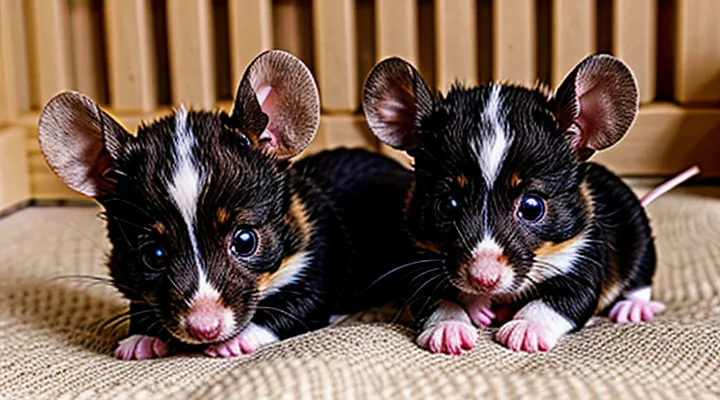
Understanding Mouse Reproduction Rates
Average Litter Size
Mice typically produce between five and eight offspring per gestation, with the most frequently reported average ranging from six to seven pups. Laboratory strains such as C57BL/6 and BALB/c often fall near the lower end of this spectrum, while wild‑derived populations can exceed eight. Reported averages for common house mouse (Mus musculus) colonies are:
- 5.2 – 5.8 pups (inbred laboratory lines)
- 6.0 – 6.5 pups (outbred laboratory stocks)
- 7.0 – 8.3 pups (wild‐caught or hybrid strains)
Variability in litter size correlates with several biological and environmental factors. Genetic background influences reproductive capacity; strains selected for rapid growth or high fertility tend to produce larger litters. Nutritional status directly affects ovulation rates and embryonic survival, with protein‑rich diets increasing average pup numbers. Age of the dam also matters: females reach peak reproductive output between 8 and 12 weeks, after which litter size gradually declines. Seasonal cues, such as photoperiod length, can modulate endocrine cycles, leading to modest fluctuations in average litter size across the year.
Factors Influencing Litter Size
Age of the Mother Mouse
The reproductive output of a female mouse changes markedly with age. Young adults, typically 8–12 weeks old, produce the largest litters, often ranging from 6 to 10 pups. As females approach middle age (4–6 months), average litter size declines to 4–6 pups, and the frequency of litters may also decrease. Senior mice (over 9 months) commonly have litters of 2–4 pups, with a higher incidence of stillbirths and neonatal mortality.
Key age‑related trends:
- Peak fertility: 8–12 weeks; maximal litter size and shortest inter‑litter interval.
- Mid‑life: 4–6 months; moderate litter size, longer intervals.
- Advanced age: >9 months; reduced litter size, increased reproductive complications.
Physiological factors underlying these trends include declining ovarian reserve, altered hormone cycles, and reduced uterine capacity. Experimental data from laboratory strains (e.g., C57BL/6) consistently show a 30‑40 % drop in pups per litter between the first and third reproductive cycles. Consequently, age is a primary determinant of the number of offspring a single mouse can produce in one birthing event.
Environmental Conditions
Litter size in laboratory and wild mice fluctuates according to a range of environmental parameters. Temperature, humidity, diet quality, cage density, photoperiod, stress levels, and pathogen exposure each exert measurable influence on the number of pups produced in a single breeding episode.
- Ambient temperature near the thermoneutral zone (≈30 °C) maximizes pup count; temperatures below 20 °C or above 35 °C reduce it.
- Relative humidity between 40 % and 60 % supports optimal reproductive output; extreme dryness or excess moisture impair uterine environment.
- High‑protein, calorie‑dense feed increases litter size; nutrient‑deficient diets produce smaller litters.
- Low cage density (≤4 adult females per standard cage) prevents competition and yields larger litters; overcrowding triggers hormonal suppression.
- Consistent light cycles (12 h light/12 h dark) stabilize melatonin rhythms, correlating with higher pup numbers; irregular illumination disrupts estrous cycles.
- Minimal handling and low noise environments lower cortisol, enhancing ovulation rates and embryo survival.
- Absence of endemic pathogens and strict biosecurity reduce immune activation, preserving reproductive capacity.
Environmental manipulation within these ranges consistently raises the average offspring count per gestation, while deviations produce predictable declines.
Nutritional Intake
Nutrient consumption directly determines the number of offspring a female mouse can produce in a single gestation. Adequate protein supplies the amino acids required for embryonic tissue development; diets containing 20‑25 % crude protein consistently yield larger litters than those with less than 15 %. Energy density influences fetal growth rates; a diet providing 3.5 kcal g⁻¹ supports optimal pup numbers, whereas caloric restriction below 2.5 kcal g⁻¹ reduces litter size by up to 30 %.
Key micronutrients affect reproductive outcomes:
- Calcium and phosphorus maintain skeletal integrity and facilitate placental function.
- Vitamin E and selenium protect embryonic cells from oxidative damage.
- Folate participates in DNA synthesis, essential for rapid cell division.
Maternal body condition reflects cumulative nutrient intake. Females with a body weight exceeding 20 g at mating typically produce 6‑8 pups, while individuals below 18 g often deliver 3‑5. Rapid weight gain during the first two weeks of gestation correlates with increased pup counts; a gain of 2 g or more predicts a litter size at the upper end of the species’ range.
Feeding regimens that alternate high‑protein meals with balanced carbohydrate sources prevent metabolic stress and sustain consistent reproductive performance. Continuous access to clean water is equally critical; dehydration impairs nutrient transport and can halve the expected offspring number.
In summary, precise manipulation of macronutrient ratios, micronutrient supplementation, and maintenance of maternal body condition are the primary determinants of how many pups a mouse will deliver in one litter.
Species of Mouse
The number of offspring a female mouse produces in a single reproductive event differs markedly among species. Understanding these differences is essential for laboratory planning, pet care, and wildlife management.
- House mouse (Mus musculus) – 5 to 9 pups per litter; laboratory strains often average 6.
- Deer mouse (Peromyscus maniculatus) – 3 to 7 pups; wild populations commonly record 4.
- White-footed mouse (Peromyscus leucopus) – 4 to 6 pups; occasional litters reach 8.
- Field mouse (Apodemus sylvaticus) – 4 to 8 pups; average around 5.
- Spiny mouse (Acomys cahirinus) – 3 to 5 pups; larger litters are rare.
- African pygmy mouse (Mus minutoides) – 2 to 4 pups; the smallest recorded litters among rodents.
Litter size is influenced by female age, nutritional status, and seasonal conditions. Younger and well‑fed females tend to produce larger litters, while stressors such as limited food or high population density reduce offspring numbers.
Overall, mice exhibit a reproductive capacity that ranges from two to nine young per breeding cycle, with the house mouse representing the upper end of the spectrum. This variability must be accounted for when estimating population growth or designing breeding programs.
The Mouse Reproductive Cycle
Gestation Period
The gestation period for a typical laboratory mouse (Mus musculus) lasts 19–21 days from conception to birth. This interval is consistent across most strains, with minor variations of ±1 day observed in wild‑type populations.
Gestation length directly influences the reproductive output of a mouse. A standard 20‑day gestation yields an average litter of five to eight pups; shorter gestations tend to produce slightly larger litters, while prolonged gestations can result in fewer offspring. Factors such as temperature, nutrition, and maternal age modulate both gestation duration and litter size.
Key points:
- Gestation duration: 19–21 days for most domestic and wild mouse species.
- Average litter size: 5–8 pups per reproductive cycle.
- Influencing variables: ambient temperature, diet quality, maternal health, and genetic background.
- Correlation: shorter gestation generally aligns with higher pup numbers; extended gestation often correlates with reduced litter size.
Frequency of Litters
Postpartum Estrous
Post‑parturient estrus in laboratory mice occurs within 12–24 hours after delivery and enables a second conception before the first litter is weaned. The rapid return to fertility shortens the interval between litters, thereby increasing the total number of offspring a female can produce over a breeding season. Estrous cycles resume promptly because ovarian activity is re‑initiated by the decline of prolactin and the rise of luteinizing hormone immediately after parturition.
Key effects on litter output:
- Early estrus permits a subsequent mating event while the first litter is still dependent, potentially adding another 5–8 pups to the female’s reproductive yield.
- Overlap of lactation and early pregnancy may reduce the size of the second litter compared with a solitary gestation, with typical reductions of 10–20 % observed in C57BL/6 strains.
- Continuous breeding cycles, facilitated by postpartum estrus, can raise the cumulative pup count per female from approximately 8–10 in a single litter to 15–20 across two successive litters within a 10‑week period.
Experimental data indicate that environmental factors such as housing density, nutrition, and stress modulate the intensity of the postpartum estrus response. Adequate protein intake and low‑stress conditions amplify the likelihood of a robust second estrus, whereas high‑density cages suppress hormonal surges and may prolong the inter‑litter interval.
Understanding the timing and hormonal drivers of the post‑parturient estrus is essential for optimizing breeding protocols, predicting total offspring output, and managing colony demographics in research facilities.
Number of Litters Per Year
Mice reproduce rapidly, often producing multiple litters within a single calendar year. Female house mice reach sexual maturity at 5–8 weeks and can conceive shortly after their first estrus. The gestation period lasts approximately 19–21 days, followed by a short lactation phase of about 21 days before the next estrus cycle begins. Consequently, a healthy female can generate a new litter roughly every 28–35 days under optimal conditions.
- Typical laboratory or domestic mouse: 8–10 litters per year.
- Wild populations in temperate regions: 5–7 litters per year, limited by seasonal temperature and food availability.
- Subtropical or tropical environments: up to 12 litters per year, reflecting continuous breeding cycles.
Factors influencing the annual litter count include:
- Photoperiod – longer daylight periods stimulate reproductive hormones, extending the breeding season.
- Nutrition – ample protein and calorie intake support frequent ovulation and successful gestation.
- Population density – high density can suppress fertility through pheromonal signaling, reducing litter frequency.
- Health status – disease or parasitic load can delay or interrupt breeding cycles.
Overall, a single female mouse is capable of producing between five and twelve litters annually, depending on species, environmental conditions, and resource availability. This high reproductive rate contributes to the species’ rapid population growth.
Implications of High Reproductive Rates
Population Growth
A female mouse typically produces between five and twelve offspring per litter, with an average of seven to eight. Gestation lasts 19–21 days, and a healthy adult can generate five to ten litters annually. This reproductive capacity drives rapid population expansion when environmental conditions permit.
Key parameters influencing growth:
- Litter size (average 7 pups)
- Number of litters per year (5–10)
- Survival rate of newborns
- Availability of food and shelter
- Predation pressure
When survival rates exceed 50 % and resources remain abundant, the population can double within a month, illustrating exponential increase. Conversely, limited food, disease, or high predation reduce effective reproductive output, curbing growth. Monitoring litter size and frequency provides essential data for predicting population trajectories in laboratory colonies and wild populations alike.
Pest Control Challenges
Mice can produce between five and twelve young per birth, with females capable of conceiving again within a few weeks. This rapid turnover allows a small population to expand exponentially in a short period.
The sheer speed of population growth creates several obstacles for pest control professionals. Detecting an infestation early becomes difficult because a handful of individuals can generate dozens of offspring before signs appear. Standard monitoring tools, such as snap traps or bait stations, often miss the initial surge, leading to delayed intervention.
- High reproductive rate outpaces typical extermination cycles, requiring repeated treatments.
- Seasonal breeding peaks increase population density during warmer months, demanding intensified control efforts.
- Juvenile mice exhibit heightened wariness of traps, reducing capture efficiency.
- Rapid turnover diminishes the effectiveness of chemical baits, as new entrants may not encounter treated areas.
- Population resilience leads to quick recolonization after partial eradication, necessitating comprehensive, long‑term plans.
Effective management must account for these factors by integrating continuous monitoring, multiple control modalities, and scheduled follow‑up actions to prevent re‑infestation.
Research Applications
Understanding the typical number of offspring produced by a female mouse in a single gestation is essential for designing and interpreting biomedical experiments. Precise data on mouse litter size enable researchers to calculate appropriate sample sizes, reduce variability, and allocate resources efficiently.
- Genetic studies rely on predictable litter output to assess inheritance patterns, map quantitative trait loci, and validate CRISPR edits. Consistent offspring numbers simplify cross‑breeding schemes and accelerate generation turnover.
- Toxicology assessments use deviations from normal litter size as a primary endpoint for reproductive toxicity. Compounds that reduce or increase pup numbers indicate potential endocrine disruption or embryotoxic effects.
- Pharmacological investigations apply litter size metrics to evaluate drug safety during pregnancy. Changes in pup count after maternal dosing provide early signals of teratogenic risk.
- Developmental biology experiments exploit known litter ranges to investigate organogenesis, neurodevelopment, and growth trajectories. Uniform cohort sizes improve statistical power when measuring developmental milestones.
- Behavioral research benefits from standardized litter sizes when examining social interaction, maternal care, and sibling competition. Controlling pup numbers minimizes confounding influences on behavioral outcomes.
Accurate reporting of mouse offspring numbers also facilitates meta‑analyses across laboratories, allowing the scientific community to benchmark reproductive performance under varied housing conditions, dietary regimens, and genetic backgrounds. Consequently, detailed knowledge of mouse litter size directly informs experimental planning, risk assessment, and data reproducibility throughout biomedical research.
Mouse Life Cycle and Development
Pup Development Stages
Mouse pups progress through a series of well‑defined developmental phases that are closely linked to the size of the litter they emerge from. The number of offspring influences resource allocation, which in turn affects the timing and quality of each stage.
-
Neonatal period (birth to ~5 days): Pups are hairless, eyes closed, and unable to regulate body temperature. They rely entirely on maternal milk for nutrition and warmth. Thermoregulatory ability and weight gain are proportional to the number of littermates; larger litters often result in slower individual growth due to shared milk supply.
-
Early pre‑weaning (≈6–14 days): Fur begins to appear, and the auditory canal opens around day 10. Motor coordination improves; pups can crawl and briefly lift their heads. During this window, competition for milk intensifies, especially in litters exceeding the typical range of 5–8 pups.
-
Weaning phase (≈15–21 days): Eyes open fully, and solid food intake starts. Pup weight typically reaches 60‑70 % of adult mass. The transition to independent feeding is more gradual when litter size is high, as each pup must compete for limited solid food resources provided by the dam.
-
Juvenile stage (≈22–35 days): Full fur coverage, sexual maturity markers appear, and exploratory behavior expands. Growth rate stabilizes, and body mass approaches adult levels. In larger litters, juveniles may exhibit delayed sexual maturation compared with those from smaller litters.
-
Adult readiness (≈36 days onward): Reproductive organs mature, and females become capable of producing their own litters. The cumulative effect of earlier stages, shaped by the initial number of siblings, determines final adult size and reproductive potential.
Understanding these stages clarifies how the initial count of newborns governs resource distribution, developmental timing, and eventual reproductive capacity in laboratory and wild mouse populations.
Weaning Period
The weaning period marks the transition from maternal milk to solid food and directly influences the number of offspring a mouse can successfully raise. In typical laboratory strains, pups detach from the dam at approximately 21 days of age; this timing can shift slightly with larger litters, where competition for milk accelerates the onset of solid‑food consumption. Key aspects of weaning include:
- Age range: 18–23 days, with the median at 21 days.
- Litter size effect: Litters exceeding eight pups often experience earlier weaning, as limited milk supply prompts pups to seek alternative nutrition.
- Nutritional transition: Gradual introduction of chow and water begins around day 15, preparing the gastrointestinal tract for independent digestion.
- Maternal behavior: The dam reduces grooming and nursing frequency as pups approach independence, conserving energy for future reproductive cycles.
- Survival outcomes: Pups weaned within the 20–22‑day window display higher post‑weaning growth rates and lower mortality compared with those weaned earlier or later.
Understanding these parameters clarifies how weaning timing interacts with the reproductive capacity of female mice, shaping the effective litter output per gestation.
Sexual Maturity
Sexual maturity marks the transition from juvenile to reproductive adult in mice and directly influences the number of offspring produced in each litter. Female mice typically reach this stage between 5 and 8 weeks of age, coinciding with the onset of estrous cycles that occur every 4–5 days. Hormonal shifts, primarily the rise of estrogen and luteinizing hormone, trigger ovulation and prepare the reproductive tract for implantation.
Once mature, a female can conceive shortly after her first estrus. The first litter often contains fewer pups (averaging 4–6) because the reproductive system has not yet reached optimal capacity. Subsequent litters, produced after the female has experienced at least one breeding cycle, commonly increase to 6–8 pups, with some strains reaching 10 or more.
Key factors linking sexual maturity to litter size:
- Age at first estrus: earlier maturation shortens the interval to first conception, potentially reducing initial litter size.
- Body condition: adequate nutrition and body weight (>18 g) support larger ovulation rates.
- Strain genetics: laboratory strains (e.g., C57BL/6) exhibit more consistent litter sizes than wild‑derived mice.
- Environmental stability: consistent temperature and light cycles sustain regular estrous cycles, promoting maximal pup output.
Understanding the timing and physiological markers of sexual maturity enables accurate prediction of reproductive output and informs breeding management strategies.