
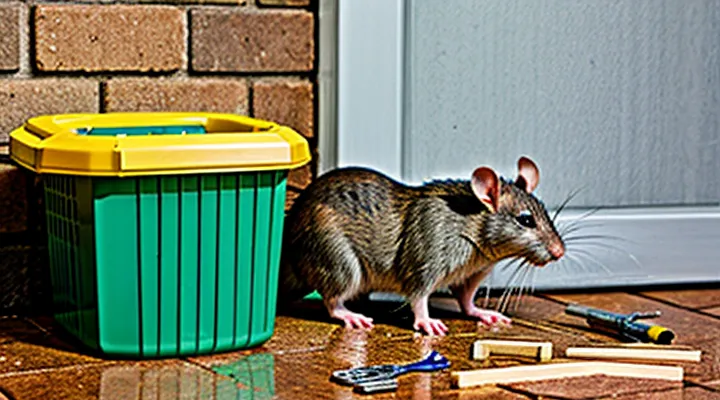
Why DIY? The Advantages of Homemade Traps
Cost-Effectiveness
A cost‑effective homemade rat trap relies on inexpensive, readily available components and minimal labor. By selecting materials that serve multiple purposes, the overall expense stays low while maintaining functional reliability.
- Material selection: Use a standard plastic bottle, a wooden dowel, and a piece of wire mesh. Each item can be sourced for under $2, totaling less than $5 for a complete trap.
- Reuse potential: The bottle and dowel can be repurposed for future traps, extending the initial investment across multiple uses.
- Labor savings: Assembly requires no specialized tools; cutting and fitting can be completed in under ten minutes, eliminating labor costs.
- Comparison to commercial options: Store‑bought snap traps range from $8 to $15 per unit, with limited durability. The DIY version matches performance while offering a lower per‑trap cost and greater lifespan when maintained.
- Scalability: Bulk construction of ten traps costs under $50, a fraction of the price for an equivalent quantity of commercial products.
Overall, the financial advantage stems from low material prices, reusability, and negligible labor, making the self‑assembled rat trap a pragmatic solution for budget‑conscious pest control.
Customization and Control
Customization and control determine the effectiveness of a fast‑built rodent capture device. Selecting materials that match the target environment allows the trap to blend with surroundings, reducing rat wariness. Lightweight wood, PVC pipe, or dense cardboard each provide distinct advantages: wood offers durability, PVC delivers moisture resistance, and cardboard simplifies disposal after capture.
Control over trigger sensitivity is achieved by adjusting lever length and spring tension. A longer lever increases the force required to activate the mechanism, preventing accidental closures caused by wind or small debris. Conversely, a shorter lever with a tighter spring releases the trap with minimal tug, suitable for active infestations where rats apply little force.
Placement strategy benefits from modular design. Segment the trap into a base, a bait chamber, and a release arm that can be assembled on‑site. This modularity permits relocation without disassembly of the entire structure, preserving bait placement and reducing handling time.
Key customization options:
- Bait type: peanut butter, dried fruit, or protein paste; each influences attraction radius.
- Entrance size: cut opening to 2–3 inches for adult rats, narrower for juveniles.
- Escape prevention: attach a smooth ramp or silicone strip to the interior to block climbing out once triggered.
- Monitoring: integrate a simple visual indicator, such as a colored flag that flips when the trap snaps, enabling remote checks without direct observation.
By tailoring material choice, trigger mechanics, and modular assembly, the builder retains precise control over trap performance, ensuring rapid deployment and reliable capture in diverse settings.
Environmental Considerations
Reducing Plastic Waste
When constructing a rapid homemade rodent trap, selecting materials that avoid single‑use plastic directly lowers environmental impact. Replace commercial plastic components with readily available alternatives such as untreated wood, metal wire, or biodegradable cardboard. These substitutes maintain structural integrity while eliminating the need for polymer parts.
- Untreated pine or plywood for the frame
- Stainless‑steel coat hanger or poultry wire for trigger mechanisms
- Corrugated cardboard for bait holders or trap backs
- Natural fiber rope or twine for fastening
Design the trap to use the smallest possible amount of material. A simple L‑shaped frame with a single trigger lever achieves effective capture without excess bulk. Integrate snap‑fit joints instead of glued plastic connectors; this permits disassembly and reuse of individual parts.
After a trap has fulfilled its purpose, separate metal and wood components for recycling. Compost cardboard sections if they have not been contaminated with hazardous substances. Avoid discarding any remnants in general waste streams, as this prevents inadvertent plastic leakage into landfills.
By prioritizing renewable resources, minimizing component count, and planning end‑of‑life processing, DIY rodent traps become a practical example of waste reduction without sacrificing functionality.
Avoiding Harsh Chemicals
A practical rodent capture device can be assembled using only mechanical components, eliminating the need for toxic substances. The design relies on a spring‑loaded trigger, a sturdy base, and a simple release mechanism that closes a cage when a rat enters.
Select materials that are durable and non‑reactive. Preferred options include untreated hardwood, thick cardboard, and stainless‑steel wire. Avoid painted or coated surfaces that may leach chemicals over time.
Use natural attractants instead of commercial poisons. Effective choices are:
- Peanut butter applied to a small platform
- Dried fruit pieces placed near the entrance
- Fresh herbs such as mint or rosemary
These baits draw rodents without introducing hazardous compounds.
Maintain safety during construction. Wear gloves to prevent skin irritation from sharp edges, and work in a well‑ventilated area when cutting or shaping wood. After a capture, release the animal outdoors or dispose of it according to local regulations, ensuring no residual chemicals remain.
By following these guidelines, the trap remains effective, environmentally friendly, and safe for household occupants.
Before You Build: Essential Preparations
Safety First: Precautions and Handling
Protecting Yourself
When assembling a homemade rodent capture device, personal safety must be the first priority. Use thick, cut‑resistant gloves to prevent pinching or puncture injuries from springs, wires, or sharp edges. Secure eye protection—safety glasses or a face shield—to guard against accidental snap‑back of tensioned components.
Select tools that match the task. A screwdriver with a comfortable grip reduces hand strain, while a clamp holds the trap frame steady while you fasten bolts. Keep the work area well‑lit and free of clutter; a clear surface minimizes tripping hazards and simplifies cleanup.
Handle bait and catch materials with care. Wear disposable gloves when applying food attractants, and avoid direct contact with live rodents. After capture, transfer the animal into a sealed container, then disinfect the trap with a diluted bleach solution or an approved sanitizer. Dispose of waste according to local regulations to prevent disease spread.
Maintain the trap regularly. Inspect springs, hinges, and fasteners for fatigue before each use; replace worn parts promptly. Store the device in a dry, locked cabinet when not in operation to protect both the equipment and other household members.
Key safety actions
- Wear cut‑resistant gloves and safety glasses throughout construction.
- Use appropriate, well‑maintained tools; avoid improvised implements.
- Keep the workspace organized and illuminated.
- Apply bait with disposable gloves; avoid direct contact with rodents.
- Disinfect the trap after each use and follow proper disposal procedures.
- Perform pre‑use inspections; replace damaged components immediately.
Securing the Area
Secure the work zone before assembling a homemade rat trap. Isolate the target location by sealing doors, windows, and any gaps that allow rodent movement. Remove debris, food waste, and clutter that could obstruct placement or attract additional pests.
- Block access points with steel wool, mesh, or foam sealant.
- Install temporary barriers—plastic sheeting or plywood—around the trap site.
- Place warning signs to alert occupants of the ongoing setup.
Wear protective gloves and ensure pets remain out of the secured perimeter. Ventilate the area if chemicals or adhesives are used, and keep a fire extinguisher within reach.
After the trap is set, observe it from a safe distance. Clean the surrounding surface once the device has captured a rat, disinfect any contact points, and restore normal access only after confirming the trap is empty and the area is free of residual attractants.
Understanding Your Foe: Rat Behavior Basics
Identifying Common Rat Species
Identifying the rat species present in an infestation is a prerequisite for an effective, rapid homemade trap design. Different species exhibit distinct habits, size ranges, and preferred habitats, influencing trap placement, bait selection, and construction details.
- Norway rat (Rattus norvegicus) – robust body, length 9‑11 inches, brown‑gray coat; favors ground‑level burrows, sewer systems, and low‑lying structures; prefers grain‑based baits.
- Roof rat (Rattus rattus) – slender build, length 7‑9 inches, dark brown to black coat; occupies elevated locations such as attics, trees, and roof voids; attracted to fruits, nuts, and sugary foods.
- House mouse (Mus musculus) – smaller, length 2‑4 inches, light gray coat; inhabits interior walls and cabinets; responds to fine grain or peanut butter baits.
Key identification markers include tail length relative to body, ear size, and typical activity zones. Observing droppings, gnaw marks, and nesting material further confirms species. Accurate identification allows the builder to tailor trap dimensions, trigger mechanisms, and bait types, thereby increasing capture efficiency while minimizing non‑target interference.
Locating Rat Hotspots
When assembling a rapid homemade rat trap, the first step is to pinpoint the locations where rats concentrate their activity. Accurate identification of these zones maximizes capture efficiency and reduces wasted effort.
Typical indicators of rat presence include:
- Fresh droppings, especially in clusters
- Gnawed edges on food containers, wires, or wood
- Visible burrows or holes along walls and foundations
- Dark, greasy streaks along pathways
- Audible scratching or scurrying sounds, most often after dark
Supplement visual clues with simple tools. A bright flashlight reveals hidden droppings and chew marks. Motion‑activated sensors or low‑cost trail cameras confirm activity patterns without disturbing the rodents. Record each observation on a sheet of paper or a digital note.
Create a basic map of the area. Sketch walls, doors, and structural features, then mark each hotspot with a distinct symbol. Rank the spots by frequency and intensity of signs; prioritize the highest‑ranked locations for trap placement.
Observe rodents during their peak periods, typically from dusk through the early morning hours. Conduct brief checks every 30 minutes to verify that activity remains concentrated in the previously identified zones. Adjust the map if new signs emerge.
Finally, position traps along the established pathways. Place each trap perpendicular to the wall, with the trigger facing the direction rats travel. Ensure that bait is positioned within the hotspot’s core to attract the most active individuals. This systematic approach streamlines trap deployment and increases the likelihood of successful removal.
Gathering Your Tools and Materials
Common Household Items
A fast homemade rodent trap can be assembled from items most households already possess. The design relies on a sturdy base, a trigger mechanism, and a bait compartment, all of which can be fashioned from everyday materials without special tools.
- Large cardboard box or sturdy plastic container – serves as the trap body and provides structural support.
- Wooden coat hanger or sturdy wire – forms the spring‑loaded trigger arm that releases the door when the rat applies pressure.
- Rubber bands or elastic cord – supplies the tension required to snap the door shut quickly.
- Disposable cup or small plastic bowl – acts as a bait holder that can be positioned inside the trap.
- Tape (duct, packing, or masking) – secures components and reinforces joints.
- Scissors or utility knife – used to cut openings and shape the trigger arm.
Assembly proceeds by cutting an entry slot in the box, attaching the trigger arm to the lid with the wire and securing it with a rubber band, then positioning the bait container near the trigger. When the rodent enters and disturbs the bait, the tension releases, the lid closes, and the animal is contained. The trap can be reset by re‑tensioning the rubber band and repositioning the bait. This method uses only common household supplies, minimizes cost, and provides an effective, quickly constructed solution for rodent control.
Specialized Components
A functional home‑built rat trap relies on a handful of specialized components that determine reliability, safety, and ease of use. Each part serves a distinct mechanical purpose and can be sourced or fabricated with minimal tools.
- Spring‑loaded pressure bar – provides the rapid closing force needed to capture the rodent. Choose a steel spring with a calibrated tension of 2–3 kg to balance strength and reset speed.
- Trigger lever assembly – converts the animal’s weight on the bait platform into a release of the pressure bar. A thin metal hinge, a small pivot pin, and a calibrated notch create a sensitive yet stable trigger.
- Cage or holding chamber – encloses the captured rodent without allowing escape. Use a sturdy wire mesh or clear acrylic panel, ensuring the opening is no larger than 2 cm to prevent re‑entry.
- Bait holder – secures food without interfering with the trigger. A detachable clip or recessed cup made from plastic or wood holds the lure in place while keeping the surface clean.
- Reset latch – allows quick re‑arming after each capture. A simple spring‑loaded latch or a magnetic catch releases the pressure bar to its resting position with one hand.
Additional considerations improve performance:
- Material durability – corrosion‑resistant metals or coated plastics extend the trap’s lifespan in damp environments.
- Dimensional tolerances – maintain clearances of 0.2–0.3 mm between moving parts to prevent jamming while preserving sensitivity.
- Safety features – incorporate a shielded front panel to protect the user from accidental activation during handling.
By selecting components that meet these specifications, a DIY rat trap can achieve consistent operation, minimal maintenance, and safe handling for any household or workshop setting.
Baiting Strategies
Effective bait selection determines the success of a rapid, homemade rat trap. Choose attractants that align with the target’s dietary preferences and environmental context.
- Peanut butter mixed with a hint of honey offers a strong scent and sticky consistency, preventing premature removal.
- Fresh fruit, such as sliced apple or banana, provides natural sweetness; replace daily to maintain freshness.
- Meat scraps, preferably lean poultry or fish, release protein odors; enclose in a small, perforated container to avoid mess.
- Commercial rodent lures containing powdered cheese or grain concentrate deliver consistent potency; apply sparingly to reduce waste.
Placement of bait influences trap efficiency. Position the lure at the rear of the trigger mechanism, ensuring the rodent must fully engage the device to access the food. Secure the bait with a dab of adhesive or a tiny clasp to prevent displacement by wind or other animals.
Timing matters. Deploy traps in the evening when rats are most active; monitor and replace bait after each capture or if the scent diminishes. Rotate attractants weekly to avoid habituation and maintain high capture rates.
Types of Quick DIY Rat Traps
The «Bucket and Bottle» Trap
Materials Required
A functional, low‑cost rat trap can be assembled with a minimal set of items readily available at most hardware stores or around the home.
- Sturdy wooden board or thick plastic sheet (approximately 30 × 15 cm) to serve as the base.
- Spring‑loaded snap mechanism or a heavy-duty clothespin for the trigger.
- Thin wire or strong fishing line to create a tensioned latch.
- Small piece of cardboard or plastic as a bait platform.
- Adhesive tape or zip ties to secure components.
- Optional: a pair of insulated gloves for safe handling of the trap during assembly.
Additional tools such as a drill, screwdriver, and needle‑nose pliers facilitate precise attachment of the trigger and latch but are not essential for basic operation. The listed materials provide all structural and functional elements required to construct an effective, quickly deployable rat trap.
Step-by-Step Assembly
A concise guide to assembling a fast homemade rat trap focuses on precision, safety, and effectiveness. Gather the required components—sturdy wooden base, spring‑loaded bar, trigger platform, metal wire, and securing screws—before beginning. Verify that all parts are free of defects and that the work area is clean and well‑ventilated.
- Position the wooden base on a flat surface; align the pre‑drilled holes for the spring bar and trigger platform.
- Insert the spring‑loaded bar into its designated slots, ensuring the coil faces upward to allow vertical movement.
- Attach the trigger platform to the bar using the metal wire, looping the wire securely around the bar’s hinge point.
- Fasten the trigger platform to the base with screws, leaving a small gap that permits the platform to tilt when pressure is applied.
- Test the mechanism by applying gentle pressure to the platform; the bar should snap shut cleanly, securing any load placed on the platform.
- Mount the bait holder onto the platform, securing it with a screw that allows quick removal for bait changes.
- Place the assembled trap in the target area, positioning it along known rodent pathways and away from direct sunlight or moisture.
After installation, monitor the trap for at least 24 hours. If the mechanism fails to activate, inspect the spring tension and wire connections, adjusting as needed. Regular maintenance—cleaning debris and checking screw tightness—ensures reliable operation for subsequent deployments.
Placement and Monitoring
When installing a self‑made rodent trap, select locations where activity is evident and where the device can operate without obstruction. Ideal spots include:
- Along walls, near the baseboards, because rats habitually travel close to surfaces.
- Behind appliances, under sinks, and inside crawl spaces where food residues accumulate.
- Near known droppings, gnaw marks, or grease trails, indicating frequent passage.
Position the trap so the entry tunnel aligns with the rodent’s natural route. Secure the device to the floor or a sturdy surface to prevent displacement by the animal’s weight or by household traffic. Avoid placing it directly in high‑traffic human areas to reduce accidental contact.
Monitoring requires a systematic approach:
- Check traps at consistent intervals—every 12 hours for the first 48 hours, then daily thereafter.
- Record the date, time, and exact location of each capture in a log sheet.
- Inspect the trigger mechanism for wear; replace or reinforce components that show signs of fatigue.
- Remove captured rodents promptly, using gloves and a sealed container, then clean the trap with a mild disinfectant before resetting.
- Adjust placement based on capture data, moving traps toward zones with higher activity and away from ineffective sites.
Maintaining accurate records and regular inspection cycles ensures the trap remains effective and allows rapid adaptation to changing rodent patterns.
The «Cardboard Box Drop» Trap
Materials Required
A functional rat trap can be assembled with a minimal set of items that are readily available in most households or hardware stores.
- 1 m (3 ft) length of sturdy wooden dowel or PVC pipe, 2 cm (¾ in) diameter, to serve as the lever arm.
- 1 kg (2 lb) spring‑loaded snap bar or a strong clothespin, providing the closing force.
- 2 inch (5 cm) thick piece of plywood or MDF, cut to a 15 × 10 cm (6 × 4 in) rectangular platform for the trigger base.
- 1 meter of nylon cord or thin steel wire, used to connect the lever to the snap mechanism.
- Small piece of fabric or rubber, approximately 5 × 5 cm (2 × 2 in), placed on the platform as a bait holder.
- Adhesive (industrial-strength epoxy or construction glue) for securing joints.
- Optional: 1 kg (2 lb) bag of peanut butter, cheese, or dried fruit as attractant.
All components should be clean, free of rust, and compatible with each other to ensure reliable operation. Assemble the lever on the platform, attach the snap bar via the cord, and secure the bait holder. The resulting device traps rodents quickly and safely.
Step-by-Step Assembly
Constructing a functional rat trap from readily available materials requires precise sequencing of actions. The following procedure outlines each stage, ensuring reliability and safety.
- Gather components: a 12‑inch wooden board, a sturdy 2‑inch nail, a 1‑inch thick steel spring, a small piece of plywood (6 × 6 inches), a piece of wire mesh, and a 1‑liter plastic bottle with cap.
- Cut the wooden board to create a 12‑inch base and a 6‑inch vertical support. Secure the support to the base using two nails, forming a right‑angle hinge.
- Attach the steel spring to the top of the vertical support with the nail, positioning it so the coil exerts downward pressure when released.
- Drill a ¼‑inch hole near the bottom of the base, insert the plastic bottle upside down, and fix it with the cap screwed tightly to prevent movement.
- Slide the wire mesh over the bottle opening, securing it with a zip tie; this creates a trigger platform that collapses when the spring releases.
- Place bait (e.g., peanut butter) on the mesh surface.
- Test the mechanism: press the mesh down, engage the spring, and release. The mesh should snap back, sealing the bottle and trapping the rodent.
- Position the assembled trap along known rodent pathways, away from children and pets. Check daily and dispose of captures according to local regulations.
Following these steps yields a durable, low‑cost trap that can be assembled in under thirty minutes.
Placement and Monitoring
Effective positioning determines trap success. Place devices along established rodent pathways, near walls, behind appliances, and close to food sources. Avoid open floor areas where rats are unlikely to travel.
- Identify high‑traffic zones by observing droppings, gnaw marks, or grease trails.
- Install traps perpendicular to walls, with the entry side facing the wall to match natural running patterns.
- Position traps 1–2 inches from the baseboard; rats prefer tight spaces.
- Keep traps away from human traffic to prevent accidental activation.
- Use multiple traps spaced 5–10 ft apart in dense infestations.
Monitoring requires regular inspection and data collection. Check traps at least once daily; record capture count, location, and time of capture. Replace bait or reset mechanisms promptly to maintain attraction. If a trap remains untouched for several days, relocate it to a more active area. Document trends over a week to identify peak activity periods and adjust placement accordingly. Continuous observation ensures the homemade system remains efficient and reduces the need for additional interventions.
The «PVC Pipe Roll» Trap
Materials Required
The following items constitute the core inventory for assembling a rapid homemade rat trap.
- 12‑inch wooden board or sturdy plastic sheet (base platform)
- 1‑inch diameter steel or PVC pipe (trigger mechanism)
- Spring‑loaded bar or strong rubber band (actuation force)
- Small wooden dowel or metal rod (lever arm)
- 2‑inch nails or screws with a screwdriver/hammer (fastening)
- Wire mesh or fine hardware cloth (containment cage)
- Bait pouch or small container (lure placement)
- Gloves and safety glasses (personal protection)
Additional tools that facilitate construction but are not strictly required include a drill with appropriate bits, pliers for bending wire, and a utility knife for trimming excess material. All components should be clean, free of rust, and sized to accommodate a typical adult rat (approximately 10–12 inches in length).
Step-by-Step Assembly
A rapid homemade rodent trap can be assembled using common household items and simple tools. Follow the precise sequence below to ensure reliable operation and safe handling.
- Gather materials: 1‑foot wooden board, 2‑inch thick steel spring, 1‑inch diameter PVC pipe, 1‑pound fishing line, 2 small nails, hammer, screwdriver, and a piece of cardboard for the trigger platform.
- Cut the wooden board to a 12 × 6 inch rectangle; sand edges to prevent splinters.
- Drill two parallel holes 1 inch from one short edge, spaced 4 inches apart; insert nails to serve as pivot points for the spring.
- Attach the steel spring between the nails, ensuring tension pulls the board upward when released.
- Secure the PVC pipe vertically at the opposite short edge, using the screwdriver to fasten it with two screws; the pipe will act as the trap’s cage.
- Thread the fishing line through the pipe’s open end, tie a loop, and attach the opposite end to the center of the board, creating a release mechanism.
- Position the cardboard platform on the board’s surface, aligning its edge with the spring’s resting position; the platform will serve as the bait holder and trigger.
- Test the mechanism: press the board down, place bait on the platform, then release. The spring should snap the board upward, closing the pipe and trapping the rodent.
- Adjust spring tension or platform placement if the snap is insufficient; repeat testing until consistent closure occurs.
After assembly, place the trap along known rodent pathways, check daily, and dispose of captured pests according to local regulations. Proper maintenance—removing debris and inspecting the spring for fatigue—extends the trap’s effectiveness.
Placement and Monitoring
Effective positioning of a homemade rat trap determines capture rate. Place the device along established rodent pathways, near walls, behind appliances, and within 12–18 inches of known activity signs such as droppings or gnaw marks. Avoid high‑traffic human areas and ensure the trap is stable on a flat surface to prevent accidental displacement.
- Align the trigger mechanism with the direction of travel; rats typically move forward, so position bait at the far end of the tunnel.
- Locate traps at least 2 ft apart when multiple units are used to cover a broader area without competition.
- Keep traps away from direct sunlight and drafts, which can reduce bait appeal and affect sensor reliability.
- Position traps near entry points—cracks, vents, or utility openings—where rodents first infiltrate the structure.
Monitoring requires systematic observation to assess performance and adjust placement. Check traps every 12 hours during active periods; record capture dates, locations, and any bait depletion. Replace bait promptly and relocate any trap that shows no activity for two consecutive checks. Maintain a simple log, noting environmental conditions (temperature, humidity) that may influence rodent behavior. Regular review of the log reveals patterns, enabling targeted repositioning and optimizing overall trap efficiency.
After the Catch: Humane Disposal and Follow-Up
Humane Euthanasia Methods (If Applicable)
When a trap designed for rapid, low‑cost construction captures a rat, the next step may involve humane euthanasia if release is not an option. Ethical guidelines require a method that causes immediate loss of consciousness and minimal distress.
Effective humane euthanasia techniques compatible with a DIY rat trap include:
- Carbon dioxide exposure – Place the captured animal in a sealed container, introduce CO₂ at a flow rate of 30 % volume per minute. The animal loses consciousness within seconds, followed by death. Ensure ventilation after the procedure to prevent operator exposure.
- Overdose of approved anesthetic agents – Inject a calculated dose of a veterinary‑grade barbiturate (e.g., pentobarbital sodium) directly into the rodent’s bloodstream. The dosage must follow established veterinary formulas to guarantee rapid cessation of brain activity.
- Physical cervical dislocation – Perform a swift, precise separation of the cervical vertebrae using calibrated forceps or a purpose‑built dislocation tool. The method requires training to avoid prolonged suffering.
- Electrical stunning followed by exsanguination – Apply a 120 V, 1 A current for 0.5 seconds to induce immediate unconsciousness, then sever the carotid arteries. This two‑step process complies with humane standards when executed correctly.
Each method demands proper equipment, accurate dosing or force application, and compliance with local animal welfare regulations. Documentation of the procedure, including time of capture and euthanasia method, supports accountability and facilitates review by pest‑control professionals.
Release Strategies (For Live Traps)
Choosing a Suitable Release Location
When releasing captured rats, select a site that eliminates the risk of re‑entry into the building and complies with local wildlife regulations. The location must be far enough from food storage, waste bins, and entry points to prevent immediate return. Choose an area where the animal can find shelter and natural predators, such as a wooded edge, a vacant lot, or a municipal animal‑control facility.
Key criteria for a suitable release spot:
- Minimum distance of 200 m (approximately 650 ft) from any residence or food‑handling establishment.
- Access to natural cover (brush, debris, or vegetation) that offers protection from the elements.
- Absence of domestic pets or livestock that could harm the released rat.
- Permission from property owners or municipal authorities; documented consent is advisable.
- Proximity to a wildlife‑rehabilitation center or licensed trap‑and‑release service, if available.
Before release, verify that the chosen site does not violate local ordinances concerning pest relocation. Record the exact coordinates and date of release for accountability and future reference. This practice ensures humane treatment, reduces the likelihood of recurrence, and aligns with responsible pest‑management standards.
Preventing Re-entry
After a trap is installed, the most reliable way to keep rats from returning is to eliminate all possible re‑entry routes. Identify gaps, holes, and cracks in walls, floors, and foundations, then seal them with appropriate materials such as steel wool, cement, or expandable foam. Use metal flashing around pipe penetrations, and install door sweeps on exterior doors.
- Inspect the perimeter weekly; focus on utility openings, vents, and drainage systems.
- Apply a permanent sealant to any opening larger than a quarter‑inch.
- Fit mesh or hardware cloth over larger gaps that cannot be closed permanently.
- Install a strip of weather‑resistant silicone caulk around baseboards and window frames.
Maintain the trap area by cleaning debris that could attract rodents, and replace bait regularly to avoid habituation. Verify that the sealing materials remain intact after heavy rain or temperature changes; reapply as needed. Consistent monitoring and prompt repairs create a barrier that prevents rats from exploiting the same entry point after capture.
Preventing Future Infestations
Sealing Entry Points
Sealing entry points eliminates the primary pathway that rats use to access indoor spaces, thereby increasing the effectiveness of any rapid homemade rodent trap.
Identify all potential openings. Common locations include:
- Gaps around utility pipes and cables
- Cracks in foundation walls and basement floors
- Openings beneath doors and windows
- Holes in soffits, vents, and crawl‑space access points
Inspect each area closely, using a flashlight and a mirror to detect openings as small as one‑quarter inch. Mark locations with a piece of tape to ensure none are missed during sealing.
Select appropriate sealing materials. Recommended options are:
- Steel wool or copper mesh for irregular gaps; compress tightly to prevent gnawing.
- Expanding polyurethane foam for larger voids; apply in thin layers to avoid excess pressure on structures.
- Silicone or acrylic caulk for seams around windows, doors, and fixtures; smooth with a putty knife for a durable seal.
- Metal flashing or sheet metal for vent openings that require airflow but must remain rodent‑proof; secure with screws or heavy‑duty staples.
Apply the chosen material according to manufacturer instructions. For foam, allow curing time before touching the surface. For caulk, ensure the surface is clean and dry to achieve proper adhesion. After sealing, verify that the material remains intact after a few days of normal activity.
Maintain the sealed envelope regularly. Conduct monthly visual checks, especially after seasonal temperature changes, to detect any new cracks or material degradation. Promptly repair any deficiencies to sustain the barrier that supports the trap’s performance.
Maintaining Cleanliness
Clean work surfaces prevent food residue from attracting rodents and ensure the trap functions reliably. Before assembling any quick homemade rodent trap, clear the area of crumbs, spilled liquids, and debris. Use a disposable cloth or paper towel to wipe down countertops, and sanitize the zone with a mild bleach solution (1 part bleach to 9 parts water) to eliminate lingering scents.
- Remove all packaging and scrap material from the trap components.
- Dispose of used adhesives, wires, or broken pieces in sealed bags.
- Store tools in a designated, dust‑free container after each use.
- Sweep or vacuum the floor around the workspace to eliminate hidden droppings.
After the trap is set, maintain cleanliness by regularly inspecting the surrounding area. Replace bait containers before they become soiled, and clean any surfaces that come into contact with the trap using the same bleach dilution. Proper disposal of captured rodents in sealed bags, followed by immediate sanitation of the trap, reduces the risk of disease transmission and preserves the effectiveness of future installations.
Regular Inspections
Regular inspections keep a homemade rat trap functional and safe. Over time, wood, wire, or plastic components can weaken, bait can spoil, and the trigger may lose sensitivity. Detecting these issues early prevents trap failure and reduces the risk of accidental injury.
- Examine the frame for cracks, splinters, or corrosion; replace damaged sections immediately.
- Verify that the trigger mechanism moves freely and snaps back into position after each activation.
- Check bait freshness; discard stale material and replenish with new attractant.
- Clean the interior to remove urine, feces, or debris that could deter rodents or harbor disease.
- Confirm the trap’s location remains optimal; relocate if signs of activity shift.
Conduct inspections at least once daily while the trap is active, and perform a thorough review before each new deployment. Record findings in a simple log to track component wear and adjust maintenance intervals as needed. Consistent monitoring extends trap lifespan and maintains its effectiveness in controlling rodent populations.