
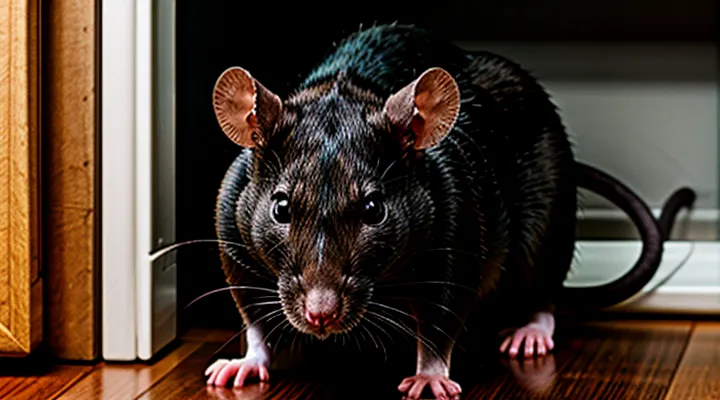
Understanding the Rat Problem
Identifying Rat Infestations
«Signs of Rats»
Rats reveal their presence through distinct indicators that confirm an infestation and guide effective response.
- Dark, cylindrical droppings, ½‑inch long, found along walls, behind appliances, or in pantry corners.
- Gnaw marks on wood, plastic, wiring, and packaging; teeth leaves clean, parallel cuts about ¼‑inch deep.
- Grease or urine streaks on baseboards, cabinets, and near entry points; often visible under UV light.
- Scratching or scurrying sounds in ceilings, attics, or crawl spaces, especially at night.
- Nests constructed from shredded paper, insulation, or fabric, typically hidden in concealed areas.
- Unexplained food loss, chewed packaging, or contaminated stored goods.
Consistent observation of these signs enables rapid assessment of infestation severity. Presence of droppings and gnaw marks confirms active foraging, while multiple nests suggest a breeding colony. Detecting urine trails and scratch noises indicates movement pathways used for entry and exit. Correlating these clues with structural vulnerabilities—such as gaps around pipes, doors, or vents—pinpoints locations that require sealing before implementing control measures. Accurate identification of rat activity forms the foundation for any targeted eradication strategy within a private residence.
«Common Entry Points»
Rats enter residential structures through openings as small as a quarter‑inch. Identifying and sealing these gaps is a fundamental step in any rat‑control program for a private dwelling.
- Gaps beneath exterior doors, including sliding and hinged types
- Cracks in foundation walls, especially around footings and slab edges
- Openings around utility penetrations such as water, gas, and electrical lines
- Unscreened vents, dryer exhausts, and attic fan openings
- Gaps in roof eaves, soffits, and fascia boards
- Uncapped chimneys, flues, and fireplace dampers
- Unsealed window frames, especially where screens are missing or damaged
- Spaces around garage door tracks and weatherstripping
- Holes around pipe stacks, sewer lines, and sump‑pump outlets
Each of these points can be inspected visually or with a flashlight and a thin probe. Sealants, steel wool, copper mesh, or expanding foam are effective materials for closure. For larger openings, hardware cloth (¼‑inch mesh) secured with screws provides a durable barrier. Regular maintenance—rechecking seals after seasonal weather changes—prevents re‑entry and supports long‑term rodent management.
«Health Risks and Damage Caused by Rats»
Rats in residential settings transmit a range of pathogens that affect human health. They carry bacteria such as Salmonella and Leptospira, leading to food poisoning, leptospirosis, and other gastrointestinal illnesses. Viral agents, including hantavirus and lymphocytic choriomeningitis virus, can be transmitted through aerosolized droppings or urine, causing severe respiratory and neurological symptoms. Parasites such as Toxoplasma gondii and fleas may also be introduced, increasing the risk of toxoplasmosis and vector‑borne infections. Allergic reactions and asthma exacerbations are linked to inhalation of rat hair, dander, and fecal particles.
Rats cause extensive physical damage to a private dwelling. Their gnawing behavior compromises structural integrity by chewing through:
- Wooden beams and joists, weakening load‑bearing elements
- Plastic and rubber insulation, reducing thermal efficiency
- Electrical wiring, creating short circuits and fire hazards
They contaminate stored food, leading to spoilage and economic loss. Burrowing activity creates unsightly nests, amplifies odor problems, and attracts additional pests. Water pipes may be punctured, resulting in leaks and mold growth. Collectively, these impacts jeopardize safety, increase maintenance costs, and diminish property value.
Non-Lethal Rat Control Methods
«Exclusion and Prevention»
«Sealing Entry Points»
Sealing entry points eliminates the primary pathway that rats use to invade a residence. By removing access, the need for traps or poison diminishes, and the likelihood of a reinfestation drops sharply.
Identify and block openings that measure as small as a half‑inch. Typical locations include:
- Gaps around utility pipes and cables
- Cracks in foundation walls and basement slabs
- Openings beneath doors, windows, and garage doors
- vents, chimney flues, and exhaust fans lacking proper mesh
- Gaps around roof eaves, soffits, and attic access points
- Small holes in siding, weather‑stripping, and crawl‑space vents
Select durable materials that resist chewing and weathering. Common choices are:
- Steel wool combined with caulking for irregular gaps
- Hardware cloth (¼‑inch mesh) secured with screws or nails for larger openings
- Expanding polyurethane foam for voids around pipes, applied sparingly to avoid excess pressure
- Silicone or acrylic sealants for cracks in concrete and brick, applied after cleaning the surface
- Metal flashing for gaps around roof penetrations, fastened with roofing screws
After sealing, conduct a systematic inspection every six months. Verify that repairs remain intact, replace damaged mesh, and re‑apply sealant where wear appears. Maintaining a sealed envelope around the home prevents new intrusions and supports long‑term rat management.
«Sanitation and Food Storage»
Effective rat management in a residence begins with strict sanitation and proper food storage. Eliminating food sources removes the primary attraction for rodents and reduces the likelihood of infestation.
Maintain a clean environment by removing crumbs, spills, and food residues from countertops, floors, and appliances. Dispose of waste in sealed containers and empty trash bins daily. Regularly clean behind and under appliances, as these areas often harbor hidden food particles.
Store all consumables in airtight, rodent‑proof containers made of metal or thick plastic. Label containers clearly and keep them on shelves rather than on the floor. Rotate stock to use older items first, preventing spoilage that can attract rats.
Control pet food exposure by feeding pets at set times and removing uneaten portions immediately. Keep pet feeding stations away from walls and corners where rats can hide.
Implement a routine inspection schedule:
- Weekly: sweep and mop kitchen surfaces, check for droppings or gnaw marks.
- Bi‑weekly: inspect pantry shelves and storage bins for signs of rodent activity.
- Monthly: verify integrity of trash can lids and seal any gaps in walls, cabinets, or floorboards.
Consistent adherence to these sanitation and storage practices creates an inhospitable environment for rats, supporting broader control measures without reliance on chemical interventions.
«Live Trapping and Relocation»
Live trapping provides a non‑lethal alternative for managing rat populations inside a private residence. The approach requires careful selection of traps, strategic placement, regular monitoring, and responsible relocation.
A typical setup includes:
- Trap type – Multi‑catch or single‑catch live cages made of sturdy wire mesh, equipped with a spring‑loaded door.
- Bait – Fresh fruit, peanut butter, or dried meat, applied to a small platform to attract nocturnal foragers.
- Placement – Near walls, behind appliances, in dark corners, or along established runways; traps should rest on a flat surface to prevent tipping.
- Check frequency – Every 12 hours; frequent inspection minimizes stress and prevents escape.
Once a rat is captured, handle the cage with gloves, cover it to reduce agitation, and transport the animal promptly. Relocation must follow local wildlife regulations; typically, release sites are at least 5 km from the residence, in habitats offering adequate shelter and food sources. After release, disinfect the trap with a diluted bleach solution to eliminate scent cues that could deter subsequent captures.
Effective live trapping integrates with broader sanitation measures:
- Seal entry points, repair cracks, and install door sweeps.
- Store food in airtight containers, eliminate standing water, and remove clutter that provides concealment.
- Schedule periodic trap checks during peak activity months (spring and autumn) to maintain low population levels.
By adhering to these protocols, homeowners can reduce rat infestations while avoiding chemical hazards and complying with humane wildlife standards.
Lethal Rat Control Methods
«Mechanical Traps»
«Snap Traps»
Snap traps remain a widely used mechanical solution for indoor rodent control. They operate by delivering an instantaneous, high‑force strike that kills the animal upon contact with a trigger mechanism. The design typically consists of a sturdy metal base, a spring‑loaded bar, and a bait platform that lures the target.
Key characteristics of effective snap traps include:
- Heavy‑duty steel construction to withstand repeated use.
- Sensitive trigger that activates with minimal pressure, reducing missed strikes.
- Secure bait cup that prevents premature release of the spring.
- Clear visual indicator of a successful capture, such as a locked bar position.
Proper deployment maximizes effectiveness and minimizes risk:
- Identify active pathways: place traps along walls, behind appliances, and near known droppings or gnaw marks.
- Position the trigger end facing the wall; rats approach from the side, increasing the likelihood of contact.
- Use appropriate bait: peanut butter, dried fruit, or small pieces of meat work best because they retain scent and adhere to the bait cup.
- Set traps on flat, stable surfaces to avoid accidental displacement.
- Check traps daily; remove dead rodents promptly to prevent odor buildup and secondary infestations.
- Dispose of captured rodents in sealed bags and wash hands thoroughly after handling.
Safety considerations are critical in a residential setting:
- Keep traps out of reach of children and pets; use locked containers or elevated placement when necessary.
- Wear disposable gloves when setting or emptying traps to avoid direct contact with rodent fluids.
- Store unused traps in a secure, dry location to preserve spring tension.
Maintenance involves inspecting the spring mechanism for corrosion, cleaning the base with mild detergent, and replacing worn bait cups. When a spring loses its snap, the trap’s lethality declines sharply, warranting replacement.
Overall, snap traps provide a rapid, low‑cost method for eliminating rats within a private dwelling, provided they are selected, placed, and maintained according to the outlined guidelines.
«Electronic Traps»
Electronic traps provide a rapid, humane solution for eliminating rats inside a private residence. The device delivers a high‑voltage shock that instantly kills the rodent when it enters a sensor‑activated chamber. Battery‑powered models allow placement in areas without convenient outlets, while plug‑in units ensure continuous operation during power outages through built‑in backup batteries.
Key characteristics of electronic traps include:
- Immediate lethality, reducing the risk of disease transmission from live captures.
- Closed‑loop design that prevents secondary contact with the animal, protecting occupants and pets.
- Reusable construction; the interior can be emptied and disinfected after each use.
- Low maintenance; most units require only periodic battery replacement or cleaning of the sensor surface.
Effective deployment involves strategic positioning near known activity zones such as wall voids, pantry corners, and behind appliances. Align the trap’s entry point with the rat’s natural pathways; avoid clutter that could obstruct the sensor. Ensure the device is placed on a stable, non‑conductive surface to maintain consistent voltage delivery.
Considerations for selection encompass initial cost, power source, and capacity. Higher‑priced models often feature adjustable voltage levels and audible alerts that confirm a kill event. Cheaper units may lack these refinements but still achieve comparable mortality rates. Regular inspection of the trap’s interior for debris and verification of battery health preserves performance and prolongs service life.
«Bait Stations and Rodenticides»
«Types of Rodenticides»
Rodenticides constitute the chemical component of rat‑control programs in residential settings. Their effectiveness depends on the active ingredient, formulation, and proper placement to target house‑bound rodents while minimizing exposure to non‑target species.
Common categories include:
- Anticoagulant rodenticides – second‑generation compounds such as bromadiolone, difenacoum and brodifacoum inhibit blood clotting, leading to fatal hemorrhage after several days of ingestion. Available in pellet and block forms.
- Metal phosphides – zinc phosphide releases phosphine gas in the acidic environment of the rodent’s stomach, causing rapid respiratory failure. Typically supplied as bait blocks.
- Calcium‑based toxins – cholecalciferol (vitamin D₃) induces hypercalcemia, disrupting cardiac and renal function. Formulated as soft baits or pellets.
- Neurotoxic agents – bromethalin interferes with mitochondrial energy production, resulting in cerebral edema. Distributed in coated grains.
- Sodium fluoroacetate – interferes with the citric‑acid cycle, leading to metabolic collapse. Offered in liquid or bait stations.
Selection criteria focus on the target species, infestation level, and household safety considerations. Anticoagulants dominate residential use due to delayed mortality, which reduces bait aversion. Metal phosphides and neurotoxins provide faster action but require stricter handling protocols. Calcium‑based products offer an alternative for households with children or pets, as they present lower secondary poisoning risk when used according to label instructions.
«Safe Use and Placement of Baits»
Effective rat control in a private residence relies on precise bait handling. Baits must be formulated for rodents and packaged to prevent accidental exposure. Use only products approved by relevant health authorities, and store them in locked containers away from food preparation areas.
When placing bait, follow these guidelines:
- Position stations along walls, behind appliances, and near known gnaw marks; rats avoid open spaces.
- Keep bait at least 30 cm from children’s reach and pet access points.
- Install tamper‑resistant bait stations that lock the poison inside while allowing rodent entry.
- Replace stations every 2–3 weeks or when consumption reaches 75 % of the product.
- Record placement locations and dates to monitor activity and adjust distribution patterns.
Maintain a clean environment to enhance bait effectiveness. Remove food residues, seal garbage bins, and repair structural gaps that could provide alternative shelter. Regular inspection of bait stations ensures continuous protection while minimizing risk to non‑target species.
«Professional Pest Control Services»
«When to Call an Expert»
Rats can cause structural damage, contaminate food, and transmit disease. Homeowners often manage early infestations with traps, bait stations, or exclusion methods, but certain conditions require professional intervention.
Typical signs that a specialist should be engaged include:
- Continuous activity despite multiple trap placements or bait applications.
- Evidence of nesting in inaccessible areas such as wall cavities, attic insulation, or under floorboards.
- Presence of droppings, urine stains, or gnaw marks in large quantities, indicating a sizable colony.
- Damage to electrical wiring, plumbing, or structural components that poses safety hazards.
- Recurrence after previously successful treatment, suggesting reinfestation or resistant rodents.
- Lack of time, physical ability, or confidence to safely deploy rodenticides or set up comprehensive exclusion measures.
When any of these indicators appear, contacting a licensed pest‑control professional ensures proper identification, targeted treatment, and compliance with health regulations. Experts can assess the extent of the problem, implement integrated control strategies, and provide ongoing monitoring to prevent future outbreaks.
«Integrated Pest Management Approaches»
Integrated Pest Management (IPM) provides a structured framework for reducing rat populations in a private residence while minimizing reliance on chemicals. The approach combines preventive measures, systematic monitoring, and targeted interventions to achieve long‑term suppression.
Key components of an IPM program for residential rat control include:
- Inspection and assessment – Conduct thorough surveys of interior and exterior spaces to locate signs of activity, such as droppings, gnaw marks, and burrows.
- Sanitation – Eliminate food and water sources by securing garbage, cleaning spills promptly, and storing pet food in sealed containers.
- Exclusion – Seal cracks, gaps around pipes, vents, and doors; install metal flashing or concrete to block typical entry points.
- Mechanical control – Deploy snap traps or electronic devices in identified pathways; position devices perpendicular to walls and check them daily.
- Biological options – Encourage natural predators, such as owls, by installing nesting boxes where permissible.
- Chemical treatment – Apply rodenticides only after non‑chemical tactics have failed, using bait stations placed out of reach of children and pets; follow label instructions strictly.
Implementation proceeds in stages. Begin with a detailed inspection, document findings, and prioritize sanitation and exclusion. Follow with mechanical traps positioned at high‑traffic routes; monitor trap success for at least one week. If activity persists, introduce bait stations with approved anticoagulant or non‑anticoagulant formulations, ensuring compliance with safety guidelines.
Continuous monitoring validates effectiveness. Record trap counts, bait consumption, and any new signs of infestation. Adjust measures—tighten exclusions, relocate traps, or modify bait placement—based on observed trends. Maintaining detailed logs supports decision‑making and demonstrates compliance with IPM principles.
Post-Control Measures
«Cleaning and Disinfection»
Effective rat management in a private residence begins with thorough cleaning and proper disinfection. Eliminating food residues, water sources, and shelter reduces the attractiveness of the environment for rodents and interrupts their breeding cycle.
All food storage areas must be cleared of crumbs, spills, and open containers. Surfaces should be swept, vacuumed, and wiped with a detergent solution before applying a disinfectant. Disinfectants containing quaternary ammonium compounds, chlorine bleach (5‑10% solution), or hydrogen peroxide are suitable for eliminating pathogens left by rats. Apply the chosen agent according to the manufacturer’s contact time, then allow surfaces to air‑dry.
Key zones to address include:
- Kitchen countertops, cabinets, and pantry shelves
- Dining tables and chairs
- Floor seams and baseboards where droppings accumulate
- Garbage bins and recycling containers
- Utility rooms, garages, and sheds where feed or waste may be stored
Routine maintenance reduces re‑contamination. A schedule of daily spot cleaning, weekly deep cleaning, and monthly disinfection of high‑risk zones maintains a hostile environment for rodents. In addition, ensure that cleaning tools are stored in sealed containers to prevent rats from using them as nesting material.
Finally, all waste containers should be fitted with tight‑closing lids and emptied regularly. Proper disposal of food waste and droppings eliminates a primary attractant, reinforcing the overall control strategy.
«Long-Term Prevention Strategies»
Effective long‑term rat control in a residence relies on eliminating conditions that attract and sustain infestations. The focus shifts from reactive measures to proactive management of the environment.
- Seal all potential entry points: install steel wool or copper mesh in gaps around pipes, vents, and foundation cracks; use weather‑stripping on doors and windows.
- Reduce food availability: store pantry items in airtight containers, clean crumbs and spills promptly, and secure garbage in tightly sealed bins.
- Remove water sources: repair leaks, empty pet water dishes after use, and ensure drainage away from the building’s perimeter.
- Declutter and organize: eliminate piles of cardboard, firewood, and debris that provide nesting material.
- Landscape maintenance: trim vegetation away from the house, keep grass short, and remove excess mulch that can harbor rodents.
- Install monitoring devices: place snap traps or electronic sensors in known activity zones to detect early signs of intrusion.
- Conduct periodic inspections: schedule quarterly checks of the building envelope and interior for fresh gnaw marks, droppings, or burrows.
Sustaining these measures requires a disciplined schedule. After initial sealing, re‑inspect seals after seasonal temperature changes, as expansion and contraction can reopen gaps. Rotate sanitation routines to maintain cleanliness in rarely used areas such as basements and attics. Document findings from monitoring devices and adjust placement of traps accordingly. Consistent application of these practices creates an environment where rats find no viable habitat, minimizing the need for emergency interventions.