
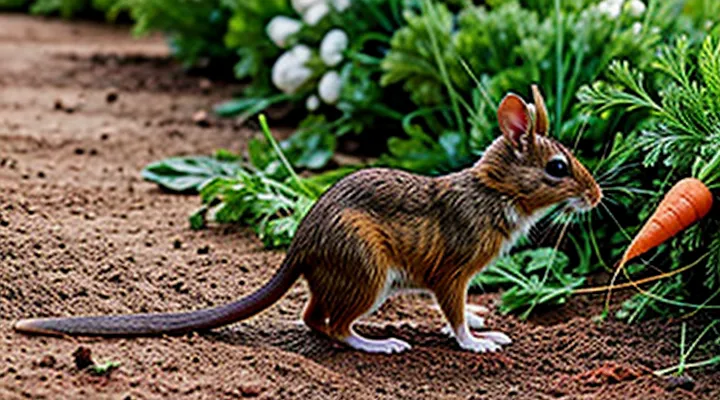
Understanding the Threat: Mice and Carrots
Identifying Mouse Activity
Signs of Damage
Mice activity leaves distinct evidence on carrot crops. Visible bite marks on foliage indicate that rodents have accessed the leaves, often leaving irregular, clean cuts near the plant base. Small, shallow tunnels in the soil surface reveal burrowing behavior; tunnels typically run parallel to rows and may intersect the root zone. Exposed carrot roots show signs of gnawing, with missing sections and ragged edges that differ from natural root splitting. Fresh droppings, dark and pellet‑shaped, appear near the plants and on the soil surface, confirming recent presence. Wilting or yellowing leaves, without signs of disease, frequently result from root damage caused by feeding. Soil that is disturbed, loose, or contains numerous small holes suggests ongoing excavation by the pests.
These indicators provide a reliable basis for early intervention, allowing growers to implement control measures before extensive loss occurs. Monitoring should focus on the described symptoms, with particular attention to the combination of foliage damage, root exposure, and soil disturbance. Prompt identification of these signs enables timely action to safeguard the carrot harvest.
Droppings and Tracks
Droppings and tracks provide the earliest reliable indication of mouse activity near carrot beds. Their presence confirms that rodents are actively foraging, allowing timely intervention before significant root damage occurs.
Typical droppings are small, dark, and roughly the size of a grain of rice. Fresh deposits retain a slightly moist appearance, while older ones become crumbly. Tracks appear as shallow, parallel grooves in soft soil, often accompanied by disturbed mulch or shredded plant material.
- Examine soil surface each morning for clusters of «droppings».
- Look for continuous lines of shallow depressions identified as «tracks».
- Note the direction of «tracks» to locate entry points and nesting sites.
- Record findings on a simple map to track movement patterns over several days.
When droppings and tracks are confirmed, implement physical barriers and habitat modification. Install fine‑mesh hardware cloth around the perimeter of carrot rows, ensuring a minimum ½‑inch opening to exclude mice. Remove debris, excess mulch, and fallen fruit that serve as shelter. Place snap traps or electronic bait stations along the identified pathways, spacing devices at intervals of 2–3 feet to maximize coverage. Regularly clear captured rodents and replace bait to maintain pressure on the population.
Consistent monitoring of «droppings» and «tracks» enables precise targeting of control measures, reducing carrot loss and minimizing unnecessary pesticide use.
Why Mice Target Carrots
Nutritional Appeal
Carrots provide a dense source of «beta‑carotene», the provitamin that the body converts to vitamin A, supporting vision and immune function. They also contain vitamin C, potassium, and soluble fiber that promotes digestive health. The combination of sugars, proteins, and micronutrients creates a high‑energy food item that rodents readily seek.
Mice are drawn to the sweet taste of root vegetables and to the nutritional payoff offered by carrots’ carbohydrate and vitamin content. Their foraging behavior intensifies when soil moisture and temperature increase, conditions that also enhance carrot sweetness. Recognizing this attraction allows gardeners to implement targeted protective measures.
Effective tactics that address the nutritional draw include:
- Installing physical barriers such as fine‑mesh cages or row covers that prevent rodent access while maintaining airflow.
- Applying non‑toxic repellents (e.g., crushed garlic or dried peppermint) around the planting zone to mask carrot odor.
- Providing an alternative food source—such as grain‑based bait placed at a distance—to divert mice from the carrot rows.
- Intercropping with aromatic herbs (e.g., rosemary, sage) whose strong scents interfere with mouse olfactory cues.
By acknowledging the inherent nutritional appeal of carrots and integrating deterrent strategies that disrupt mouse attraction, gardeners can preserve crop quality and yield without resorting to harmful chemicals.
Easy Access
Mice locate carrot roots through direct contact with soil, foliage, and exposed harvest areas. When beds sit at ground level, without physical barriers, rodents can reach the plants with minimal effort.
Factors that create easy entry include:
- Soil without a protective layer, allowing burrowing directly beneath plants.
- Mulch composed of soft organic material, providing concealment and a comfortable runway.
- Lack of perimeter fencing, leaving garden borders open to wandering pests.
- Water sources positioned near carrot rows, attracting mice to the vicinity.
To reduce accessibility, implement the following measures:
- Install low‑profile edging made of metal or rigid plastic around each carrot bed, extending at least six inches below the soil surface.
- Cover planting rows with coarse, sharp‑edged mulch such as pine needles or shredded bark, discouraging movement.
- Elevate beds on raised frames, raising the root zone above typical burrowing depth.
- Position water troughs away from carrot plots, minimizing draw for rodents.
- Apply a thin layer of diatomaceous earth around the base of plants; the abrasive texture deters crawling insects and small mammals.
Regular inspection of barrier integrity, prompt repair of gaps, and periodic replacement of mulch maintain the difficulty level for mice, ensuring carrot crops remain less vulnerable to rodent intrusion.
Proactive Prevention Strategies
Garden Layout and Maintenance
Keeping the Area Clean
Maintaining a tidy garden environment reduces the likelihood of mice seeking shelter near carrot beds. Regular removal of fallen leaves, weeds, and plant debris eliminates potential nesting sites. Compost piles should be covered with tight‑fitting lids or turned frequently to discourage rodent activity.
Clear pathways around the carrot rows of any excess mulch or straw, as these materials can conceal food sources. Store garden tools, feed, and seed containers in sealed containers or locked sheds to prevent accidental attraction.
Implement a routine schedule:
- Sweep and rake the soil surface weekly to expose hidden food particles.
- Dispose of garden waste in sealed bags and transport to a distant trash collection point.
- Inspect irrigation equipment for leaks; standing water attracts insects, which in turn draw mice.
By enforcing consistent cleanliness, the garden becomes an inhospitable habitat for rodents, thereby protecting carrot crops without reliance on chemical deterrents.
Removing Debris and Hiding Spots
Removing plant residues, fallen leaves, and excess mulch eliminates the shelter that mice exploit. Without concealed pathways, rodents must travel in open spaces where they are more visible and vulnerable to predation and traps.
Key actions:
- Collect and dispose of all vegetable scraps, especially carrot tops, immediately after harvest.
- Rake the soil surface weekly to expose any hidden debris.
- Trim back dense groundcover and weeds that create dense mats near carrot rows.
- Consolidate compost piles, keeping them at least two meters away from the carrot beds.
- Store garden tools, sacks, and equipment off the ground to prevent them from becoming nesting sites.
Maintaining a clean perimeter around carrot plots reduces the likelihood of mouse activity. Regular inspection and prompt removal of any newly accumulated material sustain an environment where carrots grow without the threat of rodent intrusion.
Crop Rotation Benefits
Crop rotation disrupts the foraging patterns of rodents by regularly altering the location of carrot beds. When carrots are planted in the same soil year after year, mice become accustomed to the predictable food source and establish burrows nearby. Shifting carrot cultivation to a different plot forces the pest population to search for new resources, reducing pressure on any single area.
Implementing a multi‑year rotation schedule yields additional agronomic advantages that indirectly aid pest management.
- Leguminous crops enrich nitrogen levels, improving soil health and encouraging vigorous carrot growth that can outpace mouse damage.
- Brassicas release compounds that deter rodents, creating a hostile environment for subsequent carrot planting.
- Fallow periods or cover crops suppress weed growth, eliminating shelter that mice use for nesting.
By integrating these practices, gardeners create a dynamic ecosystem where carrots are less attractive and less accessible to mice, while maintaining overall crop productivity.
Physical Barriers
Fencing and Netting
Fencing and netting provide a physical barrier that prevents mice from reaching carrot beds. Rigid wire mesh, when buried several inches below ground level, eliminates entry points created by burrowing. Overhead netting with a mesh size of no more than ¼ inch stops climbing rodents from accessing foliage.
- Choose galvanized or stainless‑steel wire with a gauge of 14 or higher for durability.
- Install the fence at least 12 inches deep, forming an L‑shaped foot to deter digging.
- Secure netting to the fence using zip ties or clips, ensuring no gaps at the base.
- Inspect the barrier weekly for damage, replacing torn sections promptly.
- Maintain a clear zone of at least two feet around the fence to prevent vegetation from providing cover.
Combined, these measures create a continuous, impenetrable enclosure, reducing carrot loss caused by mouse activity.
Raised Beds with Wire Mesh
Raised beds fitted with wire mesh create a physical barrier that prevents mice from reaching carrot roots. The elevated position eliminates direct soil contact, while the mesh blocks burrowing and climbing.
Construction guidelines:
- Build the bed at least 12 inches high to discourage digging.
- Use rot-resistant lumber or stone for the frame.
- Fill with well‑draining soil, leaving a 2‑inch margin below the top edge.
Wire mesh installation:
- Select galvanized mesh with openings no larger than ¼ inch.
- Attach the mesh to the interior walls, extending it 4 inches below the soil surface.
- Secure seams with stainless‑steel staples or zip ties to prevent gaps.
Maintenance practices:
- Inspect the perimeter weekly for signs of damage or displacement.
- Remove any vegetation that contacts the mesh, as it can provide a bridge for rodents.
- Replace corroded sections promptly to maintain barrier integrity.
Complementary measures:
- Place a strip of copper tape along the mesh edge; mice avoid the metallic scent.
- Use natural repellents, such as dried mint leaves, around the bed’s exterior to reinforce deterrence.
Burying Wire Mesh Around Beds
Burying wire mesh around garden beds creates a physical barrier that prevents mice from reaching carrot roots. The mesh must be positioned below the soil surface to block burrowing activity.
- Select a sturdy, galvanized mesh with openings no larger than ¼ inch. Larger gaps allow rodent entry.
- Dig a trench 6–8 inches deep around the perimeter of each bed. The trench should follow the exact outline of the planting area.
- Lay the mesh in the trench, ensuring the lower edge extends at least 2 inches beneath the bottom of the bed. Overlap adjacent sections by 6 inches and secure with garden staples or wire ties.
- Backfill the trench with soil, pressing firmly to eliminate voids that could create tunnels.
- After installation, monitor the mesh for displacement caused by digging or irrigation. Repair any gaps promptly.
The barrier remains effective as long as the mesh is intact and fully covered. Regular inspection and maintenance sustain protection throughout the growing season.
Repellent Techniques
Natural Repellents
Natural repellents provide an effective, environmentally friendly method for keeping rodents away from carrot beds. Planting strong‑scented herbs such as mint, rosemary, and thyme creates a barrier that mice find unpleasant. The aromatic oils released by these plants interfere with the rodents’ sense of smell, reducing the likelihood of intrusion.
Another option involves using dried or fresh garlic cloves. Dispersing several cloves around the perimeter of the carrot plot releases a pungent odor that deters mice. Replace the cloves weekly to maintain potency.
A third strategy relies on powdered pepper or cayenne. Sprinkling a thin layer of the spice on the soil surface creates a sensory irritant. Reapply after rain or irrigation to preserve effectiveness.
For gardeners preferring a liquid solution, a mixture of water and neem oil can be sprayed on foliage and surrounding soil. Neem’s natural compounds act as an insect and rodent repellent without harming beneficial insects.
• Mint, rosemary, thyme – plant at edges of beds
• Garlic cloves – position around perimeter, refresh weekly
• Powdered pepper or cayenne – apply thin layer, reapply after moisture
• Neem‑oil spray – dilute according to label, apply to foliage and soil
Combining these measures enhances protection, as the varied scents and irritants address mouse avoidance from multiple angles. Regular monitoring of carrot rows ensures early detection of any activity, allowing prompt reinforcement of the repellent barrier.
Peppermint Oil
Peppermint oil serves as a potent, natural repellent against rodents that target carrot beds. The oil’s volatile compounds overwhelm mouse olfactory receptors, prompting avoidance of treated zones.
Effective deployment follows three steps:
- Prepare a 5 % solution by mixing one part peppermint essential oil with ninety‑nine parts water and a few drops of mild surfactant.
- Apply the mixture to the perimeter of carrot rows using a fine‑mist sprayer, concentrating on soil surfaces and plant bases.
- Reapply every seven days, or after heavy rain, to maintain vapor concentration.
Direct contact between undiluted oil and edible roots should be avoided; a thin film on soil prevents phytotoxic effects while preserving repellency. Compatibility with mulch and row covers enhances barrier integrity without compromising the oil’s volatilization.
Combining peppermint oil with mechanical controls—such as wire mesh or raised beds—creates a multi‑layered defense that reduces mouse intrusion more reliably than singular tactics. Regular monitoring confirms efficacy and informs adjustment of application frequency.
Castor Oil
Castor oil contains a strong, unpleasant scent that rodents find repulsive. When applied around carrot beds, the oil creates a barrier that discourages mice from approaching the plants.
The oil is typically diluted with water at a ratio of one part castor oil to ten parts water. The mixture is poured into a spray bottle and applied to the soil surface and the lower stems of carrots. Re‑application every five to seven days maintains effectiveness, especially after rainfall.
Concentrations above 10 % may cause phytotoxic effects, such as leaf discoloration or stunted growth. Therefore, the recommended dilution must be observed. Castor oil does not persist in the soil; it degrades naturally within a few weeks, leaving no harmful residues for the crop.
Practical steps for using castor oil as a mouse deterrent:
- Measure one cup of castor oil and combine with ten cups of water.
- Add a few drops of mild dish soap to emulsify the mixture.
- Transfer the solution to a spray bottle.
- Apply a thin, even coat to the perimeter of the carrot plot and to the base of each plant.
- Repeat the application weekly, or after heavy rain, to sustain the repellent barrier.
«Castor oil effectively reduces rodent activity in garden settings», according to field observations. Proper use provides a non‑chemical method to protect carrot harvests from mouse damage.
Garlic
Garlic functions as a natural rodent repellent when carrots are cultivated in garden beds. The plant releases allicin, a sulfur‑containing compound that produces an odor mice find aversive.
Effective deployment of garlic includes several practical techniques:
- Plant whole cloves at the perimeter of carrot rows, spacing them 30 cm apart.
- Bury crushed garlic cloves 5 cm deep alongside each carrot seedling.
- Prepare a spray by mixing two tablespoons of minced garlic with one liter of water; let steep for 24 hours, strain, and apply to foliage and soil surface weekly.
- Distribute a thin layer of dried garlic powder around the base of carrot plants, reapplying after heavy rain.
Garlic maintenance requires periodic renewal of fresh cloves and regular spray cycles to sustain the repellent effect. Soil moisture should remain moderate; excess water can diminish the odor intensity.
Carrots and garlic coexist without adverse interaction; garlic may even enhance soil health by suppressing certain fungal pathogens. Continuous observation ensures that garlic does not compete excessively for nutrients, allowing both crops to thrive.
«Allicin deters rodents», confirming the scientific basis for this method.
Companion Planting
Carrots are vulnerable to rodent predation, especially during early growth stages. Companion planting creates a hostile environment for mice while supporting carrot development.
- Garlic and onions release sulfur compounds that mice find unappealing.
- Strong‑smelling herbs such as mint, rosemary, and thyme mask carrot scent and discourage foraging.
- Marigolds emit a pungent aroma that repels many small mammals.
- Nasturtiums produce a bitter taste that reduces mouse interest in nearby foliage.
Strategic placement maximizes effectiveness. Plant deterrent species in a perimeter around carrot rows, intersperse herbs among the carrots at a spacing of 12–18 inches, and establish a double border of aromatic plants to form a continuous barrier. Timing matters: introduce companions when seedlings emerge to prevent mice from establishing a foothold.
Maintenance practices sustain the protective effect. Trim herbs regularly to prevent excessive growth that could shelter rodents, remove wilted foliage to eliminate hiding places, and rotate companion species annually to avoid soil‑borne attractants. Monitoring mouse activity and adjusting plant density ensures persistent deterrence without compromising carrot yield.
Marigolds
Marigolds emit a strong scent that many rodent species find unpleasant. Planting a border of these flowers around carrot beds creates a natural barrier, reducing the likelihood of mice entering the area.
Key points for effective use:
- Choose varieties with high oil content, such as French or African marigolds, for maximum repellent effect.
- Space plants 12‑18 inches apart to ensure continuous coverage.
- Maintain healthy foliage; stressed plants lose aromatic potency.
- Replant annually, as the scent diminishes after the first frost.
Integrating marigolds with other cultural practices—such as mulching with coarse material and regular removal of carrot debris—enhances overall protection of carrot crops from rodent damage.
Onions and Alliums
Onions and other allium species emit sulfur‑rich volatiles that mice find repellent. Planting a perimeter of onions, garlic, leeks, or shallots around carrot beds creates a chemical barrier that discourages rodent foraging. The strong aroma interferes with the mice’s scent‑tracking abilities, reducing the likelihood of intrusion.
Key practices for integrating alliums into a carrot protection strategy:
- Select varieties with vigorous growth and strong odor, such as ‘Early Spanish’ garlic or ‘Red Burgundy’ onions.
- Space allium rows 12–18 inches apart, positioning them 6–12 inches from the edge of the carrot plot.
- Maintain consistent soil moisture; stressed alliums produce weaker volatile emissions.
- Harvest alliums before they bolt to preserve maximum aromatic intensity.
Rotating allium crops annually prevents soil‑borne pests from adapting to the deterrent effect. Incorporating organic mulch beneath the allium rows retains moisture and further masks carrot scent. When combined with physical barriers such as fine‑mesh fencing, the allium perimeter enhances overall rodent resistance, safeguarding carrot yields without chemical pesticides.
Active Protection and Deterrence
Trapping Methods
Live Traps
Live traps provide a humane solution for reducing mouse pressure on carrot beds. The devices capture rodents alive, allowing removal without chemical residues that could affect the soil or subsequent crops.
Selection criteria focus on size, durability, and ease of inspection. Choose traps large enough to accommodate adult mice, constructed from sturdy plastic or metal, and equipped with a secure latch that releases only when the animal enters.
Installation steps
- Position traps along known mouse pathways, preferably near the edge of the carrot row where foraging activity concentrates.
- Bait each trap with high‑protein attractants such as peanut butter, sunflower seeds, or dried fruit, placing the lure at the far end to encourage full entry.
- Set the latch according to the manufacturer’s instructions, ensuring the trigger mechanism is sensitive enough to activate with minimal movement.
- Cover traps with a light shelter (e.g., a cardboard box with ventilation holes) to protect captured mice from predators and extreme weather.
Maintenance routine
- Inspect traps twice daily; remove captured mice promptly to prevent stress and potential disease spread.
- Release captured rodents at least 200 meters from the garden, preferably in a wooded area where they cannot return.
- Clean trap interiors with mild soap and water after each capture, then dry thoroughly before resetting.
- Rotate trap locations periodically to disrupt mouse habituation and maintain effectiveness throughout the growing season.
Placement Strategy
Effective placement of carrot beds limits mouse intrusion by removing shelter and travel routes. Selecting sites distant from known rodent pathways reduces the likelihood of infestation.
- Position beds at least 10 feet from structures that mice use for entry, such as sheds, compost piles, or dense shrubbery.
- Employ raised beds with a minimum 4‑inch layer of hardware cloth beneath the soil to block burrowing.
- Intercrop carrots with aromatic herbs (e.g., lavender, mint) to create a deterrent barrier.
- Maintain a clear perimeter of at least 18 inches around each row, removing plant debris and mulch that could conceal rodents.
- Locate irrigation emitters away from carrot rows to prevent moisture accumulation that attracts mice.
Strategic site selection, combined with physical barriers and companion planting, creates an environment hostile to rodents while supporting healthy carrot growth.
Release Procedures
Effective release procedures focus on introducing biological controls and safe deterrents to keep rodents away from carrot beds. The method begins with selecting appropriate agents, continues with proper deployment, and ends with monitoring to ensure lasting protection.
- Choose predatory species such as barn owls or feral cats that naturally limit mouse populations. Verify local regulations permit their presence and that they pose no risk to other wildlife.
- Install nesting boxes for owls at a height of at least three meters, orienting entrances away from prevailing winds. Position boxes near the carrot patch but not directly above it to avoid accidental disturbance.
- Deploy feral cat shelters in shaded corners, providing bedding and regular feeding to encourage residency. Rotate shelters periodically to prevent habituation.
- Apply non‑toxic repellents containing predator urine or garlic oil along the perimeter of the carrot rows. Use calibrated sprayers to achieve an even coating without oversaturation.
- Set mechanical traps (e.g., snap or live‑capture devices) at strategic points: one trap per five square meters, placed near known mouse pathways. Check traps daily and release captured animals at least 200 meters from the garden, following local wildlife guidelines.
- Record all releases, noting date, species, location, and observed mouse activity. Maintain a log for at least three growing seasons to evaluate the efficacy of each intervention.
Consistent execution of these steps creates an environment where natural predators suppress mouse numbers, while physical and chemical barriers deter any remaining intruders. Regular documentation supports adaptive management and ensures the carrot crop remains secure throughout the growing period.
Snap Traps
Snap traps provide immediate, mechanical control of rodents that threaten carrot beds. The devices consist of a spring‑loaded bar that releases with a trigger, delivering a lethal strike to the mouse upon contact with the baited platform.
Effective deployment requires strategic placement. Position traps along established mouse runways, near the edge of the carrot patch, and close to shelter areas such as mulch or low vegetation. Bait with high‑protein items—peanut butter, sunflower seeds, or bits of cheese—enhances attraction. Replace bait daily to maintain potency.
Safety considerations include securing traps away from human traffic and domestic animals. Use protective covers or lockable housings when children or pets are present. Inspect traps each morning; remove captured rodents promptly to prevent disease spread and odor buildup.
Advantages of snap traps:
- Immediate kill reduces population pressure.
- Low cost and reusable after resetting.
- No chemical residues affect soil or subsequent crops.
Limitations:
- Requires regular monitoring and bait replenishment.
- Potential for non‑target captures if placement is careless.
- Mechanical failure possible under heavy moisture; store in dry conditions.
Integrating snap traps with complementary methods—such as habitat modification, exclusion barriers, and natural predators—creates a robust, multi‑layered defense that safeguards carrot yields from mouse damage.
Safety Considerations
Protecting carrot crops from mouse damage requires attention to human safety, animal welfare, and environmental impact. All control methods must comply with local regulations and avoid hazardous chemicals that could contaminate food or soil.
- Install sturdy, fine‑mesh fencing around the bed; use galvanized wire with openings no larger than 1 cm to prevent rodent entry while remaining safe to handle.
- Apply natural repellents such as crushed garlic, peppermint oil, or dried cayenne pepper; these substances deter mice without posing toxic risks to humans or pets.
- Position snap traps or live‑capture devices away from pathways and child‑accessible areas; secure traps with protective covers to reduce accidental injury.
- Maintain a clean garden perimeter: remove debris, trim vegetation, and store compost in sealed containers to eliminate shelter and food sources for rodents.
- Conduct regular inspections; document trap catches and signs of activity to adjust strategies promptly, ensuring that interventions remain effective and safe.
When selecting chemical deterrents, choose products labeled for edible‑garden use and apply according to manufacturer instructions. Avoid broad‑spectrum rodenticides, which present severe health hazards and may harm non‑target wildlife. Proper disposal of captured rodents follows local waste‑management guidelines, preventing disease transmission.
Effective Baiting
Effective baiting provides a reliable barrier against rodents that target carrot beds. Properly selected attractants placed strategically create a controlled feeding zone, diverting mice from tender roots.
Key elements of an effective baiting program include:
- Bait type – high‑protein options such as peanut butter, canned fish, or commercial rodent attractants; low‑fat, high‑sugar choices like dried fruit may attract non‑target species and should be avoided.
- Placement – bait stations positioned 1–2 m from the carrot perimeter, spaced 3–4 m apart; stations should be low to the ground, concealed from rain but accessible to mice.
- Timing – deployment at dusk, when mouse activity peaks; replenishment every 24 hours during peak season (late spring to early autumn).
Safety considerations require securing bait stations to prevent accidental ingestion by pets or children. Use weather‑resistant containers with tight‑fitting lids, and label each station with the warning «Rodent control – keep out of reach».
Regular monitoring ensures bait effectiveness. Inspect stations daily for consumption levels; reduced bait uptake signals a declining mouse presence, while untouched bait indicates possible avoidance. Adjust bait composition and station density accordingly to maintain pressure on the rodent population.
Combining precise bait selection, disciplined placement, and vigilant observation sustains a robust defense for carrot crops against mouse damage.
Predatory Animals
Encouraging Natural Predators
Encouraging «natural predators» offers an effective, chemical‑free method to reduce mouse activity around carrot beds. Predatory birds, small mammals, and beneficial insects naturally hunt rodents, creating a hostile environment for pests.
Key predators include:
- «Barn owls» – nocturnal hunters that patrol open fields.
- «Hawks» – diurnal raptors that hunt from perches.
- «Snakes» – ground‑level predators that seek shelter in debris.
- «Feral cats» – opportunistic hunters that roam garden edges.
- Beneficial insects such as ground beetles and centipedes.
To attract these allies, implement the following actions:
- Install sturdy owl boxes at heights of 10–15 feet, facing open sky.
- Place wooden poles or platforms for hawks to perch, spaced 30 feet apart.
- Retain brush piles and stone heaps to provide shelter for snakes and insects.
- Limit broad‑spectrum pesticide use, preserving insect prey populations.
- Offer water sources, such as shallow dishes with pebbles, to support resident wildlife.
Regular observation of predator presence and mouse activity guides adjustments. If predator sightings decline, evaluate habitat features and reduce disturbances that may deter beneficial species. Continuous support of the local food chain sustains long‑term protection for carrot crops.
Owls and Hawks
Owls and hawks provide natural predation that reduces mouse populations threatening carrot crops. Their keen night vision and swift aerial attacks target rodents before they reach the soil surface, limiting damage to root vegetables.
Encouraging these raptors involves creating a habitat conducive to nesting and perching. Key actions include:
- Installing sturdy nesting boxes at heights of 10–15 feet, positioned away from direct sunlight and strong winds.
- Planting native trees and tall shrubs to supply roosting sites and shelter.
- Maintaining open sight lines by trimming low vegetation, allowing birds to spot prey easily.
- Avoiding the use of rodenticides, which can poison birds of prey and disrupt the control cycle.
Monitoring bird activity confirms effectiveness. Increased sightings of owls during dusk and hawks in early morning correlate with reduced mouse tracks and fewer carrot stems showing gnaw marks. Adjusting habitat features based on observation sustains a reliable, chemical‑free defense for the garden.
Cats and Dogs
Cats and dogs serve as natural deterrents against rodents that target carrot beds. Their presence reduces the likelihood of mouse activity through predation, scent marking, and territorial behavior.
Cats hunt mice instinctively, detecting movement and sound with acute senses. Their patrols along garden edges create a hostile environment for rodents, discouraging entry into planting areas. Regular grooming and health checks maintain the cat’s hunting efficiency.
Dogs contribute by detecting rodent scent trails and responding with alert behavior. Breeds with strong prey drives may chase or bark at mice, causing disturbance that deters further incursions. Consistent exercise and supervised garden access keep dogs attentive to pest presence.
Practical integration of these animals includes:
- Providing sheltered outdoor spaces for cats to rest and observe the garden.
- Establishing designated pathways for dogs to patrol carrot rows without trampling plants.
- Ensuring both pets receive routine veterinary care to prevent disease transmission to crops.
- Monitoring pet activity to avoid excessive soil disturbance or damage to carrot foliage.
Employing cats and dogs as part of an integrated pest-management strategy offers a reliable, low‑chemical method for safeguarding carrot harvests from mouse damage.
Advanced Deterrent Technologies
Ultrasonic Devices
Ultrasonic emitters generate high‑frequency sound waves that rodents cannot tolerate. The devices are installed near carrot rows, typically at soil level, to create a continuous acoustic barrier. Emission frequencies between 20 kHz and 50 kHz interfere with mice’s hearing range, prompting them to avoid the treated zone.
Effective deployment requires several steps:
- Position units at intervals no greater than 3 m to ensure overlapping coverage.
- Anchor emitters securely to prevent displacement by wind or garden activity.
- Connect devices to a reliable power source, preferably solar panels with battery backup for uninterrupted operation.
- Verify that the ultrasonic field is active by using a calibrated receiver or a smartphone app capable of detecting frequencies above the audible range.
Maintenance consists of cleaning transducer surfaces quarterly and replacing batteries or solar panels annually. Monitoring mouse activity with motion‑activated cameras confirms the system’s impact and guides adjustments to placement density.
When integrated with complementary tactics—such as physical barriers and habitat reduction—ultrasonic devices contribute to a comprehensive strategy for safeguarding carrot crops from rodent damage.
Solar-Powered Repellents
Solar‑powered repellents provide a continuous, low‑maintenance barrier against rodent intrusion in carrot beds. Devices convert sunlight into electrical energy that powers ultrasonic emitters, LED flashers, or mild vibration mechanisms. The emitted frequencies exceed the hearing range of mice, prompting avoidance without chemical residues. Light pulses create a visual disturbance, reinforcing the deterrent effect during daylight hours.
Effective deployment requires strategic placement. Position units at the perimeter of each carrot plot, spacing them 3–5 meters apart to ensure overlapping coverage. Elevate devices 15–20 centimeters above ground to maximize acoustic propagation while protecting components from moisture. Regularly clear debris from solar panels to preserve optimal charging efficiency; a monthly inspection prevents performance decline.
Advantages include:
- Renewable energy source eliminates the need for battery replacement.
- Silent operation during night reduces disturbance to neighboring wildlife.
- Compatibility with organic gardening standards, as no pesticides are introduced.
Potential limitations involve reduced effectiveness under prolonged overcast conditions and the necessity of direct line‑of‑sight to sunlight. In such scenarios, supplemental measures—such as physical barriers or natural deterrents—should complement solar devices to maintain consistent protection of carrot crops from mouse damage.
Long-Term Garden Health for Mouse Control
Soil Management
Effective soil management reduces carrot damage by rodents by creating an environment that discourages burrowing and improves plant vigor. Selecting a well‑draining substrate prevents water accumulation, which attracts mice seeking moist habitats. Incorporate coarse sand or perlite to increase porosity, allowing roots to develop deep and robust systems that are less accessible to pests.
Maintaining a balanced organic matter content supports beneficial microorganisms that compete with rodent‑attracted insects. Apply a layer of aged compost, then incorporate it evenly into the top 10 cm of soil. This practice enhances nutrient availability, promoting rapid carrot growth that outpaces rodent feeding cycles.
Implement physical barriers directly within the soil profile. Options include:
- Fine mesh (¼‑inch or smaller) laid flat beneath the seed rows, extending 15 cm below the surface.
- Raised beds filled with a mixture of loam and coarse aggregate, isolating root zones from ground‑level tunnels.
- Biodegradable row covers placed over emerging seedlings, removed once foliage is established.
Regular soil moisture monitoring prevents excessive dampness that creates favorable conditions for mouse activity. Use a soil probe to check moisture at the root depth; irrigate only when levels drop below 60 % of field capacity. Consistent moisture levels sustain carrot development while limiting the shelter that mice seek.
Watering Practices
Proper watering reduces the likelihood of mouse damage to carrot crops. Watering in the early morning allows soil surface to dry before nightfall, limiting moisture that attracts rodents. Avoid evening irrigation, which leaves damp ground overnight and creates a favorable environment for mice.
Maintain consistent soil moisture without saturation. Overwatering produces soggy conditions that encourage burrowing. Use a moisture meter or finger test to confirm that the top inch of soil remains slightly dry while deeper layers stay moist enough for carrot development.
Implement targeted delivery systems:
- Drip lines positioned at the base of rows supply water directly to root zones, minimizing surface wetness.
- Soaker hoses buried beneath mulch reduce visible moisture and limit mouse access.
- Timed irrigation controllers ensure precise duration and prevent excess application.
Mulching with coarse, dry material such as straw or shredded bark creates a barrier that discourages mice from entering the soil. The mulch also retains moisture, allowing less frequent watering while keeping the surface dry.
Regularly inspect irrigation components for leaks or pooling. Accumulated water near planting beds attracts rodents and creates pathways for entry. Prompt repair of faulty emitters maintains optimal moisture distribution and reduces mouse activity.