
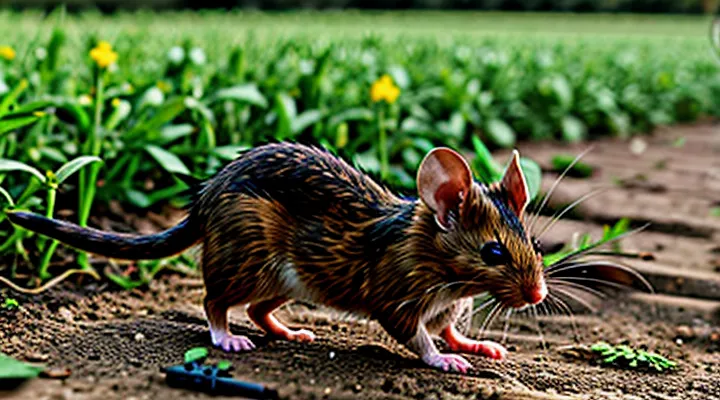
Understanding the Risks of Rodenticides
Potential Dangers to Non-Target Animals
Secondary Poisoning Risks
Secondary poisoning occurs when predators or scavengers consume rodents that have ingested anticoagulant or neurotoxic baits. The toxin transfers through the prey’s tissues, producing sub‑lethal or lethal effects in non‑target species such as birds of prey, foxes, and domestic pets. Concentrations that are harmless to field mice can accumulate in the bodies of larger animals, leading to hemorrhaging, organ failure, or neurological impairment.
Risk factors include bait placement near nesting sites, the use of long‑acting anticoagulants, and the presence of carrion‑feeding wildlife within the treatment area. Seasonal migrations amplify exposure, as migratory raptors may encounter contaminated prey far from the original application zone. Soil and water runoff can also spread residues, extending the hazard to aquatic organisms.
Mitigation measures:
- Deploy bait stations with restricted entry, limiting access to target rodents.
- Select short‑acting compounds when feasible, reducing persistence in prey carcasses.
- Rotate active ingredients annually to prevent resistance and lower cumulative toxicity.
- Monitor local predator populations for signs of unexplained mortality or clinical symptoms.
- Remove carcasses promptly after bait consumption, preventing scavenger access.
Regulatory frameworks typically require documentation of bait type, quantity, and location. Failure to implement secondary‑poisoning safeguards can result in legal penalties, loss of wildlife permits, and reputational damage for pest‑control operators.
Impact on Wildlife and Pets
Using rodenticide to eliminate field mice creates a pathway for toxins to enter the broader ecosystem. When a mouse consumes poison, predators or scavengers that eat the carcass absorb the chemical, often at concentrations sufficient to cause illness or death.
Non‑target wildlife experiences acute toxicity, reproductive failure, or long‑term population decline. Birds of prey, foxes, and hedgehogs are especially vulnerable because they rely on small mammals for food. Aquatic organisms can be affected if runoff carries residues into waterways, leading to bioaccumulation in fish and amphibians.
Domestic animals encounter risk through direct ingestion of bait or secondary exposure after consuming poisoned rodents. Dogs and cats that hunt or scavenge are prone to severe neurological or hemorrhagic symptoms. Even indoor pets may be harmed if contaminated fur or paws are transferred to the home environment.
Mitigation measures:
- Place bait stations at least 10 m from animal trails, water sources, and pet activity zones.
- Use tamper‑resistant containers that restrict access to children and animals.
- Select anticoagulant compounds with rapid degradation in soil and water.
- Rotate active ingredients to reduce resistance and environmental persistence.
- Implement habitat modification (e.g., sealing entry points, removing shelter) to lower mouse attraction without chemicals.
Adhering to these practices limits collateral damage while maintaining effective control of field mouse populations.
Health and Safety Precautions
Personal Protective Equipment
When handling rodent toxicants, wear protective gear that prevents skin contact, inhalation, and accidental ingestion. Choose equipment rated for chemical resistance and ensure a proper fit to avoid gaps.
- Nitrile or butyl gloves, double‑gloved if exposure risk is high
- Full‑face respirator with organic vapor cartridges or a fitted half‑mask with a filter appropriate for the poison’s volatility
- Protective goggles or a sealed face shield to block splashes
- Chemical‑impermeable coveralls or a disposable jumpsuit with sealed seams
- Waterproof boots with sealed ankles, preferably with steel toe caps for mechanical protection
Inspect each item before use; replace damaged or compromised pieces. After application, remove PPE in a designated decontamination area, disposing of single‑use items according to hazardous waste regulations. Clean reusable gear with a solvent compatible with the toxin, then store it in a sealed container away from unrelated materials.
Safe Handling and Storage
Effective rodent control with poison demands strict adherence to safety protocols during handling and storage. Improper practices lead to accidental exposure, environmental contamination, and legal repercussions.
- Wear chemical‑resistant gloves, goggles, and disposable protective clothing before contacting any bait or liquid concentrate.
- Keep the work area well‑ventilated; use local exhaust ventilation if the product releases vapors.
- Transfer poison only with sealed, labeled containers; avoid pouring directly from original packaging.
- Clean work surfaces with an approved neutralizing agent after each use.
Storage must eliminate unauthorized access and preserve product stability. Store all rodenticides in a locked cabinet constructed of non‑corrosive material, separate from food, feed, and cleaning agents. Maintain ambient temperature within the range specified on the label, typically 15‑25 °C, and protect from direct sunlight and moisture. Label each container with the active ingredient, concentration, and expiration date; replace damaged labels immediately.
Record‑keeping supports compliance and traceability. Log the date, quantity received, batch number, and disposal method for each shipment. When bait is no longer needed, follow local hazardous waste regulations: place unused product in its original sealed container, label as “hazardous waste,” and arrange collection by a licensed disposal service.
By implementing these measures, the risk of unintended harm remains minimal while the intended pest‑control outcome is achieved.
Choosing the Right Rodenticide
Types of Rodenticides
Anticoagulants
Anticoagulants serve as primary chemical agents for controlling field mouse populations. They disrupt the vitamin K cycle, preventing blood clotting and causing internal hemorrhage after ingestion.
Selection of an anticoagulant depends on toxicity, persistence, and resistance profile. Common options include:
- Warfarin – low‑potency, short‑acting, suitable for initial control where resistance is minimal.
- Bromadiolone – medium‑potency, longer residual effect, effective against moderate resistance.
- Difenacoum – high‑potency, extended activity, recommended for established infestations.
- Brodifacoum – very high‑potency, persistent, reserved for severe resistance cases.
Dosage guidelines specify bait concentration of 0.005 % to 0.025 % active ingredient by weight, depending on the selected compound. Bait stations should be spaced 5–10 m apart in areas of mouse activity, with each station containing 5–10 g of bait. Replace stations every 3–5 days to maintain efficacy.
Resistance management requires rotating anticoagulants every 6–12 months and conducting periodic necropsies to confirm mortality. Record observed resistance patterns to adjust future selections.
Safety protocols mandate the use of gloves, eye protection, and disposable coveralls when handling bait. Store products in locked containers away from food sources. Deploy bait stations with tamper‑resistant designs to limit access by non‑target species.
Compliance with local wildlife regulations demands a valid pest‑control license and adherence to label instructions regarding application rates, placement, and disposal of unused bait. Failure to follow statutory requirements may result in penalties and increased risk to wildlife.
Non-Anticoagulant Poisons
Non‑anticoagulant rodenticides provide rapid lethality without relying on blood‑clotting inhibition. These compounds are especially useful when anticoagulant resistance is documented in local field mouse populations.
Common categories include:
- Bromethalin – a neurotoxic agent that disrupts mitochondrial function, causing cerebral edema and death within 24‑48 hours after ingestion.
- Zinc phosphide – generates phosphine gas in the acidic stomach environment, leading to cellular respiration failure.
- Cholecalciferol (vitamin D3) – induces hypercalcemia, resulting in renal failure and cardiac arrest.
- Strychnine – interferes with spinal cord transmission, producing convulsions and rapid mortality.
Effective deployment requires precise dosage calculations based on average body weight (approximately 15 g for adult field mice). Recommended concentrations are:
- Bromethalin: 0.005 % w/w in bait, delivering 0.2 mg per mouse.
- Zinc phosphide: 0.05 % w/w, providing 0.5 mg phosphide per mouse.
- Cholecalciferol: 0.025 % w/w, supplying 0.3 mg vitamin D3 per mouse.
- Strychnine: 0.001 % w/w, yielding 0.02 mg per mouse.
Bait placement should target active runways, feeding stations, and burrow entrances. Conceal bait in weather‑resistant containers to reduce exposure to non‑target species. Monitoring intervals of 12‑hour checks identify consumption patterns and allow timely replenishment.
Safety protocols mandate personal protective equipment (gloves, goggles) during preparation and deployment. Spill containment kits must be accessible on site. Record keeping of product batch numbers, application dates, and observed mortality rates supports regulatory compliance and facilitates resistance tracking.
When resistance to anticoagulants emerges, rotating among the listed non‑anticoagulant classes disrupts adaptation pathways and maintains control efficacy. Continuous assessment of field mouse population dynamics ensures that poison use remains proportionate and environmentally responsible.
Bait Formulations
Pellets
Pellets serve as the primary delivery medium for rodent toxicants when targeting field mice. Their compact shape allows precise placement in burrows, runways, and feeding stations, reducing non‑target exposure.
Key characteristics of effective pellets include:
- Active ingredient concentration: Formulations typically contain 0.005–0.025 % anticoagulant or neurotoxic compound, calibrated to deliver a lethal dose after a single ingestion.
- Palatability enhancers: Grain, soy, or peanut meal attract mice while masking the taste of the poison.
- Durability: Hardened exterior protects the active ingredient from moisture and degradation during storage and field deployment.
Correct usage procedure:
- Select appropriate formulation based on local mouse population density and regulatory limits for the active ingredient.
- Determine placement density – standard practice recommends 1 pellet per 10 m² of infested area, adjusted for high‑traffic zones.
- Place pellets directly on the ground near active runways, behind vegetation, or within shallow burrow entrances; avoid stacking to prevent accidental removal by larger animals.
- Mark treated zones with non‑poisonous flagging to facilitate monitoring and prevent accidental re‑application.
- Inspect regularly (every 24–48 hours) for signs of consumption; replenish only when depletion is evident.
Safety considerations:
- Store pellets in sealed, labeled containers away from foodstuffs and children.
- Wear disposable gloves during handling to prevent skin absorption of certain toxicants.
- Record application dates, locations, and product batch numbers for traceability.
- Dispose of unused or expired pellets according to hazardous waste guidelines; never dump in waterways.
Monitoring outcomes:
- Track mouse activity through visual counts or motion‑activated cameras.
- Confirm mortality within 48 hours of ingestion; persistent activity may indicate resistance or inadequate dosage, necessitating formulation adjustment.
Proper selection, precise placement, and diligent follow‑up ensure that pellet‑based rodenticides achieve rapid, targeted control of field mice while minimizing environmental risks.
Blocks
When deploying rodenticide in fields, physical barriers—referred to here as blocks—play a critical role in directing mouse movement toward bait stations and preventing accidental exposure to non‑target species.
Blocks should be constructed from durable, weather‑resistant materials such as treated wood, concrete, or heavy‑duty plastic. Their dimensions must exceed the average mouse width by at least 5 mm to ensure complete obstruction. Placement guidelines include:
- Align blocks in a linear fashion to create a corridor that funnels mice toward the poisoned bait.
- Position blocks at a minimum distance of 30 cm from the bait to avoid immediate contact, allowing mice to enter the corridor before encountering the poison.
- Secure blocks firmly to the ground to prevent displacement by wind or animal activity.
When configuring a block system, consider the following factors:
- Soil composition – compact soil improves block stability; loose soil may require deeper anchoring.
- Vegetation density – dense cover can conceal gaps; trim surrounding foliage to maintain clear pathways.
- Seasonal weather – freeze‑thaw cycles can weaken certain materials; opt for frost‑resistant options in colder periods.
Regular inspection is essential. Verify that all blocks remain intact, that no gaps have formed, and that the bait remains accessible yet protected. Replace any damaged sections promptly to sustain the effectiveness of the poison deployment strategy.
Grains
Grains serve as the primary attractant when deploying toxic baits against field mice. Their natural appeal ensures rapid consumption, which is essential for delivering the lethal dose.
Common grain choices include:
- Wheat kernels, high palatability, easy to coat.
- Barley, moderate sweetness, suitable for outdoor placement.
- Oats, soft texture, effective for younger rodents.
- Cornmeal, fine consistency, useful for mixing with powdered poisons.
Preparation steps:
- Select a grain type matching the target environment; dry conditions favor wheat, moist areas benefit from oats.
- Measure the poison according to manufacturer specifications; typically 0.5 mg of active ingredient per 10 g of grain.
- Evenly distribute the toxin over the grain; use a mechanical tumbler to achieve uniform coating.
- Allow the mixture to dry for at least 30 minutes to prevent clumping.
- Place bait stations at mouse pathways, ensuring stations are concealed from non‑target species.
Storage guidelines:
- Keep unused bait in airtight containers, away from heat and sunlight.
- Label containers with concentration and expiration date.
- Rotate stock to use older batches first.
Proper grain selection and bait preparation maximize the efficiency of toxic control measures while minimizing waste and exposure risks.
Paste Baits
Paste baits combine anticoagulant or neurotoxic agents with a palatable matrix that mimics natural food sources. The medium‑solid consistency allows precise placement in concealed locations, reducing exposure to non‑target species.
Key characteristics
- High protein or grain base attracts field mice while deterring insects.
- Moisture‑resistant formulation prevents drying, maintaining potency for several weeks.
- Low dust content minimizes inhalation risk during handling.
Selection criteria
- Choose a product labeled for outdoor rodent control; verify active ingredient concentration (e.g., 0.005 % brodifacoum for anticoagulant baits).
- Confirm that the bait complies with local pesticide regulations and carries a certified safety data sheet.
- Prefer baits with a bittering agent to discourage accidental ingestion by pets.
Placement guidelines
- Position small pea‑sized portions near walls, under brush piles, and inside burrow entrances.
- Secure bait in weather‑proof stations or under a thin layer of soil to protect against rain and scavengers.
- Space stations 10–15 m apart in high‑activity zones; increase density in heavily infested fields.
Safety measures
- Wear disposable gloves; avoid direct skin contact.
- Keep bait out of reach of children, livestock, and wildlife; use tamper‑resistant containers when necessary.
- Record station locations for post‑application inspection.
Monitoring and follow‑up
- Inspect stations every 3–4 days; replace depleted portions promptly.
- Track mouse activity by noting fresh gnaw marks or droppings; adjust station density accordingly.
- After 4–6 weeks, remove all remaining bait, decontaminate stations, and dispose of material according to hazardous waste guidelines.
Proper use of paste baits, combined with systematic placement and diligent monitoring, delivers reliable control of field mouse populations while minimizing risk to non‑target organisms.
Factors to Consider When Selecting
Target Species Specificity
Effective rodent control demands a clear understanding of the physiological and behavioral traits that distinguish field mice from other wildlife and domestic animals. Toxicants designed for these rodents exploit specific metabolic pathways, such as the high affinity of anticoagulant compounds for murine vitamin K epoxide reductase. Selecting a product that matches these pathways ensures rapid mortality while minimizing exposure to non‑target species.
Key considerations for species‑specific application:
- Active ingredient selection – Choose anticoagulants (e.g., difenacoum, brodifacoum) or neurotoxins (e.g., bromadiolone) whose mode of action aligns with murine enzymatic profiles.
- Dosage calibration – Apply the lowest effective concentration; field mice require approximately 0.1 mg kg⁻¹, whereas larger mammals tolerate higher doses without lethal effect.
- Bait formulation – Incorporate attractants favored by field mice (grain, seed mixtures) and exclude scents that deter them but attract birds or pets.
- Placement strategy – Position baits in low‑lying, concealed areas where field mice forage; avoid open surfaces reachable by ground‑dwelling predators or livestock.
- Environmental persistence – Prefer compounds with limited soil leaching and rapid degradation under UV exposure to reduce long‑term contamination.
Understanding these parameters allows precise targeting of field mouse populations, reduces collateral damage, and complies with integrated pest‑management standards.
Environmental Impact
The use of rodenticides to manage field mouse populations introduces several ecological concerns. Toxic compounds can persist in soil, altering microbial activity and reducing nutrient cycling efficiency. Non‑target organisms, including insects, amphibians, and small mammals, may ingest contaminated prey or water, leading to secondary poisoning and population declines.
Key pathways of environmental contamination include:
- Leaching of active ingredients into groundwater, affecting aquatic ecosystems.
- Runoff into surface water bodies, where residues impair fish reproduction and invertebrate diversity.
- Accumulation in the food chain, magnifying toxicity at higher trophic levels.
Repeated applications can select for resistant mouse strains, prompting increased dosage and broader chemical exposure. This feedback loop escalates the risk of ecosystem imbalance and loss of biodiversity.
Mitigation strategies focus on minimizing ecological footprints:
- Employ targeted bait stations to limit access by non‑target species.
- Choose biodegradable or low‑persistence formulations that degrade within weeks.
- Integrate habitat management, such as vegetation control and predator encouragement, to reduce reliance on chemicals.
Monitoring programs should track residue levels in soil and water, as well as population health indicators for affected wildlife. Data-driven adjustments to pest control protocols help preserve ecosystem integrity while achieving rodent management objectives.
Resistance Levels
Understanding the degree of immunity that field mice exhibit toward toxicants is essential for effective control. Resistance is not uniform; it falls into distinct categories that dictate dosage, application frequency, and toxin selection.
- Low resistance: Mice succumb to standard concentrations of anticoagulant baits within 24–48 hours. Minimum effective dose (MED) aligns with label recommendations; no additional measures required.
- Moderate resistance: Individuals survive initial exposure, requiring a 1.5–2 × MED to achieve lethality. Rotating to a different mode of action (e.g., bromadiolone to chlorophacinone) after the first application reduces adaptation.
- High resistance: Populations tolerate even elevated doses, often due to genetic mutations in VKORC1. Control strategies must incorporate non‑chemical tactics—habitat modification, trapping, and targeted placement of high‑potency baits approved for resistant pests. Combining chemical and non‑chemical methods prevents further resistance development.
Accurate assessment involves sampling a representative subset of the target population, exposing it to a calibrated dose, and recording mortality over a 72‑hour period. Results classify the group according to the categories above, guiding the selection of appropriate poison strength and rotation schedule. Continuous monitoring after each treatment cycle ensures that resistance levels remain within manageable limits and that control efforts do not inadvertently select for stronger tolerance.
Strategic Placement of Poison Baits
Identifying Field Mouse Activity
Droppings and Gnaw Marks
Droppings and gnaw marks provide the most reliable indicators of field mouse activity and guide precise placement of rodenticide. Fresh fecal pellets, typically 2–4 mm long, appear in clusters near feeding sites, nesting material, and along travel routes. Their distribution reveals high‑traffic corridors where bait should be concentrated. Dry or discolored pellets suggest older activity; avoid placing poison in these zones to reduce non‑target exposure.
Gnaw marks identify entry points, structural damage, and preferred pathways. Small, crescent‑shaped incisions on wood, insulation, or stored goods indicate where mice access food stores. Positioning bait within 10 cm of these markings maximizes contact while limiting waste. When gnaw marks are observed on electrical wiring, prioritize sealed bait stations to prevent accidental ingestion by pets or humans.
Practical steps:
- Survey storage areas, lofts, and walls for droppings; map clusters on a simple sketch.
- Record gnaw‑marked surfaces; note material type and size of openings.
- Place tamper‑proof bait stations at intersecting points of droppings clusters and gnaw marks.
- Use a single, approved anticoagulant rodenticide per station; avoid mixing formulations.
- Replace stations every 7–10 days, monitoring for reduced droppings density and new gnaw marks.
By correlating fecal deposits with gnaw evidence, operators can target poison delivery to active mouse pathways, achieve rapid population decline, and minimize environmental risk.
Runways and Nests
Effective rodent poison deployment against field mice requires precise knowledge of two environmental features: the animals’ travel corridors (runways) and their nesting sites.
Runways are narrow, regularly used paths that connect food sources, water, and shelter. They appear as flattened grass, worn soil, or shallow depressions. Detecting a runway involves observing repeated footprints, tail marks, or a line of gnawed vegetation. Positioning bait stations directly on or adjacent to a runway maximizes encounter probability because mice travel these routes repeatedly throughout the night.
Nests are concealed chambers built in vegetation, under debris, or within burrow systems. Typical locations include dense grass clumps, leaf litter, and the base of shrubs. Locating nests relies on signs such as shredded material, droppings, and a concentration of gnaw marks. Placing poison baits within a radius of 1–2 meters from a confirmed nest increases the likelihood that foraging mice will retrieve the toxic bait before returning to the nest.
Practical guidelines:
- Survey the target area at dusk and dawn to map active runways and identify nest clusters.
- Deploy sealed bait stations on runways, ensuring the station is level and camouflaged to avoid non‑target interference.
- Install secondary bait stations near nests, using tamper‑resistant containers to protect wildlife and pets.
- Maintain a spacing of 10–15 meters between stations to prevent bait saturation and reduce competition.
- Replace bait regularly, monitoring for signs of depletion or degradation.
By aligning poison placement with the natural movement patterns and shelter preferences of field mice, control efforts become more efficient, reduce the amount of toxin required, and limit exposure to non‑target species.
Optimal Bait Station Locations
Near Entry Points
Place poison where rodents first enter a structure. Identify cracks, gaps under doors, and openings around utility lines. Position bait stations within 12–18 inches of these points, ensuring direct access for mice but limiting exposure to non‑target species.
Use tamper‑resistant containers that lock securely. Align each station with the natural travel corridor of mice, typically along walls or baseboards. Avoid placing bait on elevated surfaces; ground‑level placement maximizes contact.
Select poison formulations that remain effective in low‑temperature environments common near entryways. Verify expiration dates and store unused product in a locked, climate‑controlled area.
Maintain a regular inspection schedule:
- Check stations weekly for bait consumption and signs of activity.
- Replace depleted bait promptly to sustain pressure on the population.
- Record observations to adjust station density as needed.
Implement exclusion measures concurrently. Seal identified gaps with steel wool, caulk, or metal flashing after initial baiting. Reinforcing barriers prevents re‑infestation and reduces the quantity of poison required.
Dispose of used bait containers according to local hazardous‑waste regulations. Follow label instructions for safe handling, wearing gloves and protective eyewear during replacement or cleanup.
Along Runways
Applying toxic baits on airport runways demands strict adherence to safety protocols, precise placement, and environmental awareness. The surface must be free of debris and moisture before treatment; any residual oil or fuel can reduce bait efficacy and increase the risk of accidental ingestion by non‑target species. Use a calibrated spreader to distribute a uniform layer of bait, ensuring coverage of high‑traffic zones where field mice are most likely to travel.
Key operational points:
- Select a fast‑acting anticoagulant formulation approved for outdoor use on paved surfaces.
- Apply the bait at a rate recommended by the manufacturer, typically 0.5 g m⁻², to avoid over‑concentration.
- Mark treated sections with durable, weather‑resistant signage that complies with aviation regulations.
- Conduct post‑application inspections within 24 hours to verify integrity of the bait layer and to remove any displaced material.
- Record all application details—including date, time, product batch, and personnel—into the facility’s pest‑management log.
Regular monitoring of mouse activity along the runway perimeter confirms the method’s effectiveness and informs adjustments to bait density or timing. Immediate removal of damaged or disturbed bait prevents unintended exposure and maintains compliance with aviation safety standards.
In Secluded Areas
When applying rodenticides in remote locations, follow a systematic approach to maximize efficacy and minimize unintended impact.
Select a poison formulated for field mice, preferably one with a rapid onset and low secondary toxicity. Verify that the active ingredient is approved for outdoor use and that the concentration matches the target species’ susceptibility.
Place bait stations in areas where mouse activity is documented, such as near burrow entrances, along hedgerows, or beside storage structures. Use weather‑resistant containers that prevent rainwater from diluting the product and that restrict access by non‑target wildlife.
Position stations at least 30 cm above ground on stable surfaces to deter insects and amphibians. Space stations 10–15 m apart in a grid pattern that covers the entire secluded zone, ensuring overlapping foraging ranges.
Monitor stations daily for consumption, spoilage, or displacement. Replace depleted or compromised baits promptly. Record dates, locations, and observed mouse activity to assess control progress.
After the infestation declines, remove all bait stations and conduct a final sweep of the area to confirm the absence of live mice. Dispose of unused poison according to local hazardous‑waste regulations.
Maintain a log of all actions, including product batch numbers, to provide traceability and support regulatory compliance.
Protecting Non-Target Animals
Secure Bait Stations
Secure bait stations provide a controlled environment for delivering rodenticide to field mice while minimizing risks to non‑target species and humans. Their design typically includes a tamper‑resistant housing, a sealed entry slot sized for the target rodent, and a removable tray for bait placement.
Key considerations for deployment:
- Location selection – install stations along runways, near burrow entrances, and in shaded areas where mice are active. Place units at least 10 feet from food preparation surfaces, water sources, and child‑accessible zones.
- Bait preparation – use a calibrated dose of anticoagulant or acute toxin formulated for small rodents. Load the bait tray evenly, avoiding excess that could spill when the station is opened.
- Mounting method – affix stations to durable stakes or permanent structures using corrosion‑resistant hardware. Ensure the unit sits level with the ground to prevent water pooling.
- Inspection schedule – conduct visual checks twice weekly. Record bait consumption, replace depleted trays, and clean interior surfaces to prevent mold growth.
- Safety compliance – label each station with the active ingredient, concentration, and hazard warnings. Store unused bait in locked containers, and maintain a material safety data sheet (MSDS) on site.
Maintenance procedures:
- Remove the station from the field before servicing.
- Disassemble the housing, inspect for damage, and replace compromised components.
- Clean interior surfaces with a mild detergent, rinse, and dry thoroughly.
- Reassemble, reload with fresh bait, and reposition according to the original placement plan.
Documentation requirements:
- Log entry date, GPS coordinates, bait type, and quantity.
- Note any observed non‑target interactions or signs of tampering.
- Retain records for the duration mandated by local pest‑control regulations.
By adhering to these protocols, secure bait stations become an effective tool for targeted rodenticide application, reducing collateral exposure while achieving reliable control of field mouse populations.
Elevated Placement
Elevated placement of toxic baits maximizes exposure for field mice while reducing accidental contact with non‑target species. Positioning baits on platforms, shelves, or raised traps forces rodents to climb, a behavior they readily exhibit when foraging near ground‑level vegetation.
Key benefits of raising baits:
- Limits access for birds, insects, and domestic animals.
- Keeps bait dry, preserving potency under variable weather.
- Encourages mice to use established runways that lead to higher structures.
Implementation steps:
- Identify active mouse pathways by observing fresh gnaw marks and droppings.
- Install sturdy supports at 12‑18 inches above ground, anchored to sturdy objects such as fence posts or garden trellises.
- Secure bait containers with lockable lids or tamper‑resistant clips to prevent displacement.
- Inspect placements every 48 hours; replace depleted baits and adjust supports if signs of avoidance appear.
Safety measures include wearing gloves during handling, labeling each elevated station, and maintaining a clear record of bait type and concentration. Regular monitoring ensures the strategy remains effective and compliant with local wildlife regulations.
Exclusion Techniques
Effective exclusion prevents field mice from accessing treated areas, reducing reliance on toxic baits. Seal all entry points larger than ¼ inch with durable materials such as steel wool, copper mesh, or cement. Inspect foundations, utility openings, and ventilation ducts weekly; repair cracks promptly.
- Install door sweeps and weather stripping on all exterior doors.
- Fit metal flashing around windows, vents, and pipe penetrations.
- Use hardware cloth (½‑inch mesh) to cover gaps under crawl‑space vents.
- Replace torn screens with fine‑mesh alternatives.
- Apply expanding foam sealant to irregular voids, followed by a rigid barrier.
Maintain a clear perimeter by removing debris, tall grass, and stored items that provide shelter. Trim vegetation away from building walls to eliminate climbing routes. Store feed and waste in sealed containers; dispose of garbage in rodent‑proof bins.
Regularly test exclusion integrity by conducting a visual sweep after severe weather or construction activity. Document repairs and schedule quarterly reviews to ensure continuous protection.
Monitoring and Follow-Up
Regular Inspection of Bait Stations
Replenishing Bait
Effective bait management determines the success of rodent control operations. After initial placement, bait must be monitored and refreshed before depletion reduces attraction.
First, establish a inspection schedule. Check stations at least once daily for high‑traffic areas and every 48 hours in low‑activity zones. Record the amount of bait remaining and any signs of consumption or weather damage.
Second, calculate refill quantities. Use the following guideline:
- If less than 25 % of the original mass remains, replace the entire sachet.
- If 25–50 % remains, add a supplemental dose equal to the missing portion.
- If more than 50 % remains, no action required.
Third, consider environmental factors. Rain, wind, and direct sunlight accelerate degradation. Place protective covers or locate bait in sheltered stations when adverse conditions are forecast. Replace any compromised packaging immediately.
Fourth, maintain potency. Bait loses efficacy after prolonged exposure to moisture or heat. Store reserve bait in a cool, dry container and rotate stock every two weeks to prevent aging.
Finally, document all replenishment actions. Log date, location, amount added, and observations of rodent activity. Consistent records enable trend analysis and adjustment of baiting strategies, ensuring sustained control over field mouse populations.
Checking for Consumption
After deploying toxic bait, verify that field mice have actually ingested it. Direct observation of bait stations provides the quickest indication. Look for bite marks, chewed edges, or missing portions. Record the amount of bait removed at each inspection.
Key verification methods:
- Physical inspection – check every station twice daily; note depleted bait, broken wrappers, and any carcasses nearby.
- Carcass collection – retrieve dead rodents promptly; confirm ingestion by examining stomach contents for bait fragments.
- Marker analysis – incorporate a nontoxic dye or fluorescent tracer in the poison; examine captured mice under UV light to detect consumption.
- Camera traps – position motion‑activated cameras at bait sites; review footage for feeding activity and species identification.
- Weight tracking – weigh bait before placement and after each check; calculate percentage loss to quantify uptake.
Document findings in a logbook. Include date, time, station ID, amount of bait present, amount missing, and any observed mortality. Compare consumption data against expected intake rates; adjust bait density or placement if uptake falls below target thresholds.
Regular verification prevents ineffective dosing, reduces waste, and limits exposure of non‑target animals. Continuous monitoring ensures the control program remains both efficient and responsible.
Disposal of Carcasses
Preventing Secondary Poisoning
Using toxic baits to control field mice carries a real risk of secondary poisoning, where predators, scavengers, or domestic animals ingest poisoned carcasses. Preventing this outcome requires strict control of bait deployment, selection of compounds with low secondary toxicity, and rapid removal of dead rodents.
- Place baits inside secure, weather‑resistant stations that admit only target rodents.
- Choose anticoagulant products formulated for minimal impact on non‑target species; prefer single‑dose, low‑potency formulations when feasible.
- Locate stations away from water sources, feeding areas, and known wildlife trails.
- Limit bait quantity to the minimum needed for effective control; avoid scattering.
- Inspect fields daily; collect and dispose of any dead mice promptly, using sealed containers and approved hazardous waste procedures.
Maintain records of bait locations, application dates, and observed wildlife activity. Conduct periodic surveys for signs of secondary exposure, such as unusual mortality in birds of prey or domestic pets. If evidence of non‑target poisoning emerges, suspend baiting, remove remaining stations, and consult a veterinary toxicologist for remediation.
Adhering to these practices reduces the likelihood that poisoned mice will harm other animals, ensuring that rodent control remains effective while protecting the broader ecosystem.
Sanitary Practices
When employing rodenticides against field mice, strict sanitary protocols protect humans, livestock, and the environment.
- Store poison in sealed, child‑proof containers.
- Label each container with active ingredient, concentration, and expiration date.
- Keep storage area locked, ventilated, and separate from food or feed supplies.
- Maintain temperature within manufacturer‑specified range to prevent degradation.
Handle bait only with disposable nitrile gloves and a protective mask.
Use calibrated scoops or syringes to measure exact amounts.
Avoid direct skin contact; wash hands thoroughly after each session.
Dispose of used gloves and any contaminated materials in sealed biohazard bags.
Place bait stations at least 10 meters from water sources, livestock pens, and known wildlife trails.
Secure stations to prevent access by non‑target species.
Inspect stations daily for spillage or damage; replace compromised units immediately.
After each application, collect surplus bait and any debris.
Clean tools with detergent followed by a disinfectant approved for chemical residues.
Dispose of waste according to local hazardous‑waste regulations; never discard in regular trash.
Maintain a log documenting date, location, bait type, quantity applied, and observations of rodent activity.
Review records regularly to adjust dosage and placement, ensuring ongoing compliance with health and safety standards.
Evaluating Effectiveness
Reduction in Activity
Reduction in activity describes the observable decline in movement, foraging, and social behavior of field mice after exposure to rodenticidal compounds. The decrease results from physiological interference caused by toxic agents, which impair neuromuscular function or disrupt blood coagulation, leading to lethargy and loss of coordination.
Key indicators of reduced activity include:
- slower travel speed across known pathways;
- extended periods of immobility in burrows or sheltered areas;
- diminished consumption of natural food sources;
- limited nest‑building or maintenance behavior;
- decreased interaction with conspecifics.
Quantifying the effect requires systematic observation. Typical methods involve:
- Recording baseline activity levels before bait deployment;
- Conducting timed scans at regular intervals (e.g., every two hours) to note movement patterns;
- Using motion‑detecting devices or infrared cameras to capture activity frequency;
- Correlating bait consumption data with observed behavioral changes.
Operational implications are direct. A measurable drop in activity shortly after bait placement signals that the dosage is biologically effective, allowing practitioners to confirm successful delivery without waiting for mortality. Conversely, minimal change suggests sublethal exposure, prompting dosage adjustment or alternative bait formulation. Excessive lethargy without progression to death may indicate insufficient potency, raising ethical and regulatory concerns.
Recommendations for practitioners:
- Establish a pre‑exposure activity baseline for each target area;
- Deploy calibrated bait quantities matched to population density;
- Monitor activity metrics continuously for at least 24 hours post‑application;
- Adjust bait concentration only after confirming inadequate activity reduction;
- Document all observations to satisfy compliance with wildlife‑control regulations.
Reassessment of Strategy
Reevaluating the approach to toxin deployment against field rodents is essential when initial outcomes fall short of expected mortality rates. Field observations often reveal uneven bait distribution, rapid bait aversion, and unintended exposure of non‑target species, indicating that the original plan requires modification.
Data collection should focus on three metrics: bait consumption per square meter, observed resistance patterns, and environmental persistence of the active ingredient. Comparative analysis of these figures against baseline expectations identifies specific weaknesses in the current protocol.
Adjustments to improve effectiveness include:
- Rotating active compounds every 10–14 days to prevent habituation.
- Reducing bait particle size to match the average gnawing capacity of the target species.
- Deploying bait stations at a density of one per 20 m², positioned near known foraging pathways.
- Incorporating biodegradable markers to monitor bait uptake without attracting predators.
Implementing these revisions aligns toxin use with observed field behavior, enhances kill rates, and minimizes collateral impact. Continuous monitoring after each adjustment ensures that the strategy remains responsive to evolving rodent dynamics.
Alternatives and Integrated Pest Management
Non-Toxic Control Methods
Trapping
Effective rodent control requires integrating trapping with chemical measures. Traps reduce population density, limiting the amount of toxin needed and decreasing the risk of secondary poisoning.
Placement strategies:
- Position snap or live traps along established runways, near burrow entrances, and beside food sources.
- Space devices 10–15 feet apart to cover typical foraging zones.
- Use bait that attracts mice but does not interfere with poison, such as small pieces of grain or peanut butter.
Timing considerations:
- Deploy traps in the early evening when mice are most active.
- Check captures before dawn; remove dead or captured animals promptly.
- Rotate trap locations weekly to prevent habituation.
Integration with poison:
- After a successful capture, apply a measured dose of rodenticide to the remaining traps, ensuring that bait does not exceed recommended concentrations.
- Avoid placing poison directly inside snap traps; instead, use the trap as a delivery platform for a small amount of toxin on the trigger mechanism.
- Monitor trap activity daily; reduce or discontinue poison once capture rates decline significantly.
Safety protocols:
- Wear gloves when handling traps and toxins.
- Store poison in locked containers away from non‑target species.
- Record trap locations, capture numbers, and toxin applications for regulatory compliance.
Exclusion
Exclusion means preventing toxic bait from contacting non‑target wildlife, pets, or humans while allowing field mice to encounter it. Effective exclusion relies on precise placement, physical barriers, and timing that align with mouse activity.
Key practices:
- Deploy bait inside sealed stations that open only when a mouse applies pressure, blocking larger animals.
- Install mesh or wire cages around bait points; mesh size must be smaller than the mouse’s body width but larger than insects.
- Use bait trays with one‑way entry flaps that close after a mouse leaves, preventing re‑entry by other species.
- Position stations at ground level in known mouse pathways, avoiding elevated or open locations where birds or cats could access them.
- Schedule bait deployment during nocturnal hours when mice are active and larger mammals are less likely to roam.
Verification steps:
- Inspect stations daily for signs of non‑target interference; replace damaged units immediately.
- Record any accidental encounters and adjust barrier specifications accordingly.
- Conduct a short‑term survey of surrounding fauna to confirm that exclusion measures are effective before increasing bait density.
By limiting exposure strictly to the intended pest, exclusion minimizes collateral damage and enhances overall control efficiency.
Habitat Modification
Habitat modification enhances the effectiveness of rodent poison by limiting the opportunities field mice have to avoid bait. Reducing shelter and food availability forces mice to seek out treated areas, increasing contact with the toxic agent.
- Remove grain spillage, fallen fruit, and compost piles that provide easy meals.
- Clear dense grass, weeds, and debris that serve as nesting sites.
- Trim low vegetation near bait stations to create open, exposed ground.
- Drain standing water and fix leaks that create humid microhabitats favored by mice.
- Store feed, seed, and waste in sealed containers to eliminate secondary sources.
After implementing structural changes, observe mouse activity for at least 48 hours. Adjust the placement of bait stations to align with newly exposed pathways. Maintain regular inspection of the modified environment to prevent re‑establishment of shelter and food sources, ensuring sustained poison efficacy.
Combining Methods for Enhanced Control
Integrated Approach Benefits
An integrated strategy combines chemical agents with habitat management, monitoring, and timing to maximize control of field rodents while minimizing collateral damage. By aligning dosage calculations with population dynamics, the approach ensures that each application delivers the intended lethal effect without excess residues.
Key benefits include:
- Enhanced efficacy – simultaneous use of bait stations and environmental modifications concentrates exposure, reducing the number of applications required.
- Reduced resistance – rotating active ingredients and incorporating non‑chemical barriers lowers the likelihood of tolerance development in target species.
- Safety for non‑target organisms – precise placement of toxic baits and exclusion zones protect wildlife, pets, and livestock.
- Cost efficiency – fewer treatments and lower product waste translate into measurable savings on material and labor.
- Regulatory compliance – documented monitoring and record‑keeping satisfy legal requirements for pesticide usage.
Implementing this multi‑layered method demands accurate field surveys, calibrated bait formulations, and scheduled follow‑up assessments. The resulting synergy delivers consistent population suppression while preserving ecological balance.