
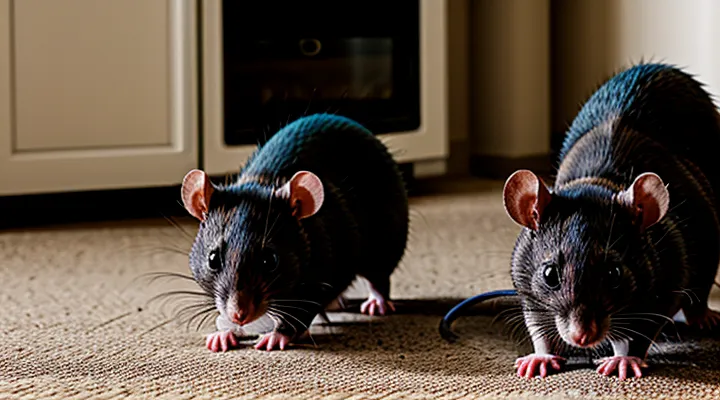
Understanding the Problem: Signs and Dangers of Rats
Identifying a Rat Infestation
Sounds and Noises
Rats concealed beneath floorboards generate distinct acoustic signatures that reveal their presence and activity patterns. Recognizing these signals enables precise targeting of control measures.
Typical rat-generated sounds include:
- Scratching or gnawing on wood, insulation, or piping, often heard as rapid, intermittent clicks.
- Scurrying footfalls, producing light, rapid patters that intensify when rodents move in groups.
- Squeaking vocalizations, high‑pitched chirps emitted when startled or communicating.
- Rattling of stored food containers or loose debris disturbed by foraging behavior.
Variations in volume and frequency indicate different behaviors. Persistent gnawing suggests nesting construction, while sudden bursts of scurrying often precede foraging trips to adjacent rooms. Elevated squeaking at night correlates with increased activity due to reduced human disturbance.
Detection methods:
- Conduct silent inspections during nocturnal hours; pause periodically to listen for the described noises.
- Deploy ultrasonic detectors calibrated to the 2–5 kHz range, where rat vocalizations are most prominent.
- Install contact microphones or vibration sensors beneath floor panels to capture low‑frequency scratching vibrations.
Interpreting acoustic data informs intervention timing. For instance, scheduling bait placement or trap setting shortly after a detected surge in scurrying maximizes encounter probability. Continuous monitoring with sound sensors also verifies the effectiveness of eradication actions, as a decline in noise intensity signals reduced rodent activity.
Droppings and Urine Smells
Rats leave feces and urine that produce a distinct, sharp odor and visible dark specks on flooring, insulation, and surrounding structures. These contaminants indicate active infestation and pose health hazards, including hantavirus, leptospirosis, and salmonella. Immediate identification and removal are essential to prevent disease transmission and further attraction of rodents.
Identification
- Small, dark, cylindrical droppings, 0.3‑0.5 inches long, often found near walls, vents, or along joists.
- Strong, ammonia‑like scent, especially in confined spaces under the floor.
- Stains or discoloration on wood, drywall, or insulation, sometimes accompanied by greasy smears.
Health risks
- Inhalation of aerosolized urine particles can irritate lungs and trigger allergic reactions.
- Direct contact with droppings may cause skin infections or gastrointestinal illness.
- Secondary pests, such as flies and beetles, are drawn to waste, increasing contamination.
Cleaning protocol
- Seal off the area; wear disposable gloves, N‑95 respirator, and protective clothing.
- Ventilate the space by opening windows and using fans to disperse airborne particles.
- Wet droppings with a disinfectant solution (e.g., 10 % bleach) to prevent dust formation.
- Scrape solid waste into a sealed bag; dispose of the bag in a double‑lined trash container.
- Apply disinfectant to all affected surfaces; allow a minimum of 10 minutes contact time.
- Rinse with clean water, then dry thoroughly to inhibit mold growth.
- Replace saturated insulation or damaged wood sections, as they can retain odor and nutrients.
Preventive measures
- Install metal mesh or cement board beneath flooring to block access points.
- Seal cracks and gaps larger than ¼ inch with steel wool and expanding foam.
- Maintain low humidity; moisture attracts rodents and preserves waste residues.
- Conduct regular inspections of subfloor cavities, focusing on droppings, odor, and gnaw marks.
Addressing rat droppings and urine odors promptly eliminates a primary food source, removes disease vectors, and disrupts the conditions that sustain an underground infestation.
Gnaw Marks and Damage
Rats leave distinctive gnaw marks on wooden joists, insulation, and wiring. The bite edges are clean, V‑shaped cuts that differ from the ragged damage caused by insects. Identifying these marks confirms rodent activity beneath the floor and signals the need for immediate intervention.
Gnaw damage compromises structural integrity. Repeated chewing weakens load‑bearing beams, creates gaps that allow further infiltration, and can expose electrical conductors, increasing fire risk. Insulation shredded by teeth reduces thermal efficiency and may harbor droppings that affect indoor air quality.
To assess the extent of damage, follow a systematic inspection:
- Examine joist surfaces for parallel chew lines, especially near support points.
- Probe suspect areas with a thin screwdriver; loosened wood indicates advanced gnawing.
- Check for exposed wires or stripped insulation; replace any compromised components.
- Document all findings with photographs for reference during repair planning.
Prompt repair of gnaw‑induced defects prevents escalation. Replace severely chewed joists, seal entry holes with steel wool or metal flashing, and reinforce vulnerable sections with metal brackets. Restoring the floor’s structural soundness eliminates the habitat that attracts rats and supports long‑term pest‑free conditions.
Visual Sightings
Visual sightings provide the most immediate confirmation of rodent activity beneath floorboards. Direct observation eliminates speculation and guides targeted intervention.
Typical visual indicators include:
- Fresh droppings, dark and granular, found in gaps or behind baseboards.
- Gnaw marks on wood, insulation, or wiring, identifiable by clean, crescent-shaped cuts.
- Small piles of shredded material, such as paper, fabric, or insulation, accumulated near entry points.
- Visible tracks in dust, mud, or loose debris, revealing movement patterns.
- Live or dead rodents, occasionally visible through gaps or after removal attempts.
Inspection should follow a systematic approach. Begin by removing loose floor coverings and exposing joist spaces. Use a high‑intensity flashlight to illuminate dark cavities. Employ a flexible inspection mirror to view concealed corners. Record findings with a camera or notebook, noting location, quantity, and type of evidence.
Documented observations inform the selection of control measures. Evidence of extensive gnawing or large droppings clusters suggests an established population, warranting immediate sealing of entry points and professional extermination. Sparse sightings may be addressed with traps and repellents placed at identified pathways. Continuous visual monitoring after treatment confirms the effectiveness of actions and signals any resurgence.
Risks Associated with Rats
Health Hazards and Diseases
Rats living beneath floorboards expose occupants to a range of serious health threats. Their urine, feces, and saliva contain pathogens that can contaminate air, dust, and food supplies. Direct contact with contaminated surfaces or inhalation of aerosolized particles leads to infection.
Common diseases associated with indoor rodent infestations include:
- Leptospirosis – bacterial infection transmitted through contact with urine; symptoms range from fever to kidney failure.
- Hantavirus pulmonary syndrome – virus carried in droppings; inhalation may cause severe respiratory distress and high mortality.
- Salmonellosis – bacteria found in feces; ingestion causes gastrointestinal illness with diarrhea and fever.
- Rat-bite fever – bacteria spread by bites or contaminated wounds; produces fever, rash, and joint pain.
- Lymphocytic choriomeningitis (LCM) – virus present in rodent excreta; can result in meningitis, encephalitis, or flu‑like illness.
- Plague – Yersinia pestis bacteria occasionally carried by fleas on rats; untreated cases lead to septicemia or pneumonic forms.
Secondary hazards arise from allergenic proteins in rodent dander, which trigger asthma attacks and chronic respiratory irritation. Structural damage caused by gnawing can create gaps that allow mold growth, compounding respiratory risks.
Mitigation requires prompt removal of the infestation, sealing entry points, thorough sanitation of contaminated areas, and medical evaluation for any symptoms consistent with the listed illnesses. Professional pest control and environmental health assessment provide the most reliable protection against these hazards.
Structural Damage to Your Home
Rats living beneath floorboards can compromise a home’s structural integrity. Their constant gnawing weakens wooden joists, reducing load‑bearing capacity and increasing the risk of floor collapse. Chewed insulation loses its ability to regulate temperature and moisture, leading to condensation that rots surrounding timber. When rodents gnaw electrical wiring, they create fire hazards that may cause heat damage to nearby structural members. Accumulated droppings and urine attract mold, which degrades wood fibers and accelerates decay.
Typical manifestations of rat‑induced damage include:
- Visible bite marks on joists, subfloor panels, or support beams.
- Sagging or uneven flooring that shifts under weight.
- Unusual odors, especially a strong ammonia scent from urine.
- Presence of gnaw‑shaped holes in insulation or drywall.
- Frequent tripping of circuit breakers due to damaged wiring.
To mitigate structural damage, follow these steps:
- Conduct a thorough inspection of the crawl space or basement, focusing on joist condition, insulation integrity, and wiring insulation.
- Document all compromised components with photographs and notes for repair planning.
- Remove contaminated insulation and replace it with new, rodent‑resistant material.
- Repair or replace any joists or subfloor sections that show bite marks or loss of strength, using pressure‑treated lumber or metal brackets where appropriate.
- Inspect electrical circuits, replace damaged wiring, and install conduit or protective sleeves to prevent future gnawing.
- Seal all entry points—gaps around pipes, vents, and foundation cracks—to eliminate access for rodents.
- Apply a rodent‑deterrent treatment, such as ultrasonic devices or certified baits, to eradicate the existing infestation before repairs are completed.
Prompt identification and remediation of rat‑related damage preserve load‑bearing capacity, prevent costly collapse, and maintain the overall safety of the residence.
Contamination of Food and Water
Rats living beneath floorboards can introduce pathogens into stored food and household water supplies. Their droppings, urine, and saliva carry bacteria such as Salmonella, Leptospira, and Hantavirus, which contaminate surfaces, containers, and plumbing fixtures. Consumption of contaminated items may cause gastrointestinal illness, kidney damage, or respiratory problems.
Typical contamination routes include:
- Direct contact with food packages left near gaps in the floor or in pantry shelves that rats can reach.
- Dripping water from leaky pipes that rats use as a drinking source, spreading urine and feces into the supply line.
- Transfer of pathogens via rats’ fur and paws onto kitchen utensils, cutting boards, and countertops when they climb onto surfaces.
To mitigate these risks, follow a systematic approach:
- Seal entry points – Install steel mesh or cement around floor joist openings, vents, and utility penetrations.
- Remove attractants – Store dry goods in airtight containers, discard any items showing signs of gnawing or staining.
- Sanitize affected areas – After confirming rat removal, apply a 1:10 bleach solution to floors, walls, and countertops; allow a minimum of 10 minutes contact time before rinsing.
- Inspect water lines – Check for chewed tubing or compromised seals; replace damaged sections and disinfect with an approved water‑safe sanitizer.
- Monitor for recurrence – Place snap traps or electronic monitoring devices in concealed spaces; record any sightings and act immediately.
Implementing these measures reduces the likelihood of foodborne and waterborne infections, protecting the health of occupants while supporting long‑term rat control under floor structures.
Preparation and Safety First
Essential Tools and Materials
Personal Protective Equipment («PPE»)
When confronting a rodent infestation beneath flooring, protective gear is essential to prevent disease transmission, inhalation of dust, and injury from sharp objects.
- Disposable gloves made of nitrile or latex shield hands from droppings, urine, and contaminated surfaces. Replace after each contact with a new area.
- Respiratory protection, such as an N95 or higher‑efficiency mask, filters airborne particles, including rodent droppings, urine crystals, and dust stirred during removal.
- Eye protection, preferably safety goggles with side shields, guards against splashes of debris or cleaning agents.
- Long‑sleeved, water‑resistant coveralls or work shirts with reinforced knees limit skin exposure to contaminants and protect against cuts from nails or broken boards.
- Waterproof boots with steel toes prevent puncture injuries and keep feet dry when standing in damp crawl spaces.
Before entry, inspect the gear for tears, cracks, or compromised seals. Ensure each item fits snugly; gaps defeat protection. After work, remove PPE in the reverse order of dressing to avoid cross‑contamination, place disposable items in sealed bags, and launder reusable components at high temperature.
Proper selection and disciplined use of personal protective equipment reduce health risks while eliminating rats from the subfloor area.
Cleaning Supplies
Cleaning supplies are a critical component of any effort to eliminate rodents hiding beneath floorboards. Proper sanitation removes food residues, dampens scent trails, and prepares the area for sealing and exclusion measures.
- Heavy‑duty degreaser for greasy residue on joists and subfloor
- Enzyme‑based cleaner to break down organic matter and neutralize urine odor
- Disinfectant containing quaternary ammonium or bleach (5 % solution) for surface sanitization
- Absorbent granules or cat litter to soak up moisture in crawl spaces
- Disposable gloves, goggles, and respirator mask for personal protection
- Sealant or expanding foam to close entry points after cleaning
Apply degreaser to all accessible surfaces, scrub with a stiff brush, and rinse thoroughly. Follow with enzyme cleaner to decompose remnants of droppings and urine; allow the product to sit for the manufacturer‑specified contact time. Disinfect the area to eliminate pathogens and deter further visitation. After the floor is dry, use sealant or foam to block holes and gaps identified during inspection.
Wear protective equipment throughout the process to avoid inhalation of fumes and contact with contaminants. Dispose of used rags and cleaning solutions in sealed bags. Maintain a dry environment by addressing leaks and improving ventilation, which reduces the attraction for rodents and supports long‑term control.
Inspection Tools
Effective detection of rodent activity beneath floorboards requires reliable equipment. Visual inspection begins with a high‑luminosity flashlight to expose gaps, droppings, and gnaw marks in low‑light conditions. An infrared inspection camera, preferably with a flexible probe, allows observation of concealed spaces without dismantling flooring. Moisture meters identify damp areas that attract rats, revealing potential entry points. Acoustic detectors amplify squeaks and rustling sounds, confirming presence of live rodents. Thermal imaging devices highlight warm bodies against cooler substrates, pinpointing active nests. Portable air‑sampling kits collect urine‑borne particles for laboratory verification of infestation severity.
Key inspection tools:
- Heavy‑duty flashlight with adjustable focus
- Flexible borescope or endoscopic camera with LED illumination
- Digital moisture meter with pin‑type probes
- Ultrasonic rodent detector with headphones
- Handheld infrared thermometer or thermal camera
- Sample collection vials and sealed bags for odor analysis
Using these instruments in a systematic survey—starting at the perimeter, moving inward, and documenting findings—provides the data necessary to plan targeted removal measures.
Safety Precautions Before Starting
Protecting Children and Pets
Rats living beneath floorboards pose direct health risks to children and pets, including exposure to droppings, urine, and parasites. Effective control must eliminate the rodents while preventing accidental contact with toxic substances or hazardous devices.
- Seal all entry points before treatment; use steel wool or metal mesh to block gaps that rodents can squeeze through.
- Choose non‑chemical methods when children or animals are present: snap traps with covered bait chambers, electronic traps, or live‑catch cages placed in inaccessible locations.
- If rodenticides are required, select products classified for indoor use with child‑ and pet‑resistant packaging, and position them behind appliances or in locked bait stations.
- Keep bait and traps out of reach of curious hands and paws; install them at least 12 inches above floor level or inside wall voids.
- Dispose of dead rodents promptly in sealed bags; sanitize the area with a diluted bleach solution (1 part bleach to 10 parts water) to destroy pathogens.
- Conduct regular inspections after removal; verify that no new activity signs appear and that all safety barriers remain intact.
Supervision during the eradication process reduces the likelihood of accidental injuries. After the rodent problem is resolved, maintain a clean environment by storing food in airtight containers, promptly cleaning spills, and scheduling periodic pest‑monitoring checks. These practices protect vulnerable household members while ensuring long‑term prevention.
Handling Rodenticides Safely
When using rodenticides to control rodents hidden beneath floorboards, strict safety measures protect occupants, pets, and the applicator.
Begin by selecting a product approved for indoor use and appropriate for the target species. Read the label in full; the label constitutes the law. Verify expiration dates and ensure the formulation matches the intended delivery method (e.g., bait stations, pellets, or liquid).
Personal protective equipment (PPE) is mandatory. Wear disposable gloves, eye protection, and a mask rated for particulate matter. Change gloves immediately after handling the poison and wash hands thoroughly with soap and water.
Store rodenticides in their original containers, sealed, and out of reach of children and animals. Keep them in a locked cabinet, separate from food, cleaning supplies, and other chemicals. Record the location and quantity in a logbook.
Apply bait only where rats can access it without exposing non‑target species. Use tamper‑resistant bait stations placed along walls, near entry points, and in concealed gaps. Do not scatter loose bait on the floor or in open areas.
Dispose of unused or expired product according to local regulations. Do not pour chemicals down drains or discard them in regular trash. Use a licensed hazardous‑waste service when required.
In case of accidental exposure, follow these steps:
- Remove contaminated clothing and seal it in a plastic bag.
- Rinse skin or eyes with running water for at least 15 minutes.
- Seek medical attention immediately; provide the product name and label information.
- Notify local poison control center.
Maintain documentation of all actions, including product batch numbers, application dates, and locations. Review the plan regularly and adjust placement if activity persists.
By adhering to these protocols, rodent control can be effective while minimizing risk to humans, pets, and the environment.
Proper Disposal of Contaminated Materials
When rats have been removed from the sub‑floor space, droppings, urine‑soaked insulation, dead rodents and used traps become hazardous waste. These materials must be isolated, packaged, and eliminated according to health‑code requirements to prevent disease transmission and secondary infestations.
- Wear disposable gloves and a mask before handling any contaminated item.
- Place droppings, soiled insulation, and carcasses in sealable, puncture‑resistant bags.
- Label each bag with “biohazard” and the date of collection.
- Store bags in a dedicated, ventilated area away from living spaces until removal.
- Contract a licensed waste‑disposal service authorized to process animal‑related biohazard waste; provide them with the sealed containers and required documentation.
After disposal, clean the work area with a disinfectant approved for rodent pathogens. Allow surfaces to dry completely before restoring flooring or insulation. Compliance with local sanitation ordinances and proper documentation protects occupants and preserves the integrity of the home’s structure.
Non-Lethal Rat Removal Methods
Sealing Entry Points
Inspecting the Foundation and Walls
Inspect the foundation and walls for entry points that allow rodents to access the space beneath the floor. Begin with a visual sweep of the exterior foundation, looking for cracks, gaps around utility penetrations, and deteriorated sealants. Use a flashlight to highlight hairline fractures that may be invisible in daylight.
- Examine joint seams where bricks or concrete blocks meet; pry open any loose mortar.
- Check the area around water pipes, electrical conduits, and vent stacks; ensure sleeves fit tightly.
- Probe the soil against the foundation with a metal rod to detect voids that could serve as burrow entrances.
- Inspect interior wall cavities adjacent to the floor for signs of gnaw marks, droppings, or nesting material.
Document each defect, measure its dimensions, and prioritize repairs based on size and proximity to known rat activity. Seal identified openings with appropriate materials—cement mortar for large cracks, steel wool and expanding foam for smaller gaps—to prevent further intrusion. Regular re‑inspection after repairs confirms the effectiveness of the barrier and reduces the likelihood of re‑infestation.
Repairing Gaps and Cracks
Sealing gaps and cracks eliminates the pathways rats use to travel beneath floorboards. Begin with a thorough inspection: crawl under the floor, probe walls, foundation, and utility penetrations for openings larger than a quarter‑inch. Mark each defect with chalk or tape.
Select appropriate materials. Expandable polyurethane foam works for irregular voids, while cement‑based mortar or hydraulic cement suits larger structural cracks. Steel wool or copper mesh can be placed in openings before applying sealant to provide a secondary barrier.
Apply the repairs in the following order:
- Clean the area to remove dust, debris, and moisture.
- Insert a tight‑fitting piece of steel wool or mesh into the opening.
- Fill the gap with foam or mortar, pressing firmly to embed the filler around the barrier.
- Smooth the surface, allow the material to cure according to manufacturer instructions, then sand or paint to match the surrounding floor.
After sealing, verify integrity by inspecting for any remaining drafts or light penetration. Repeat the process where needed, focusing on entry points around pipes, vents, and foundation seams. Properly repaired gaps deny rats access, reducing the likelihood of re‑infestation beneath the floor.
Installing Exclusion Barriers
Exclusion barriers prevent rodents from accessing crawl spaces, joist voids, and under‑floor cavities. By sealing entry points, the population is cut off from food, shelter, and nesting sites, forcing the animals to leave the structure.
Select durable materials such as galvanized steel mesh (¼‑inch openings), heavy‑duty hardware cloth, or solid metal flashing. Cut each piece to overlap adjacent sections by at least two inches, ensuring a continuous seal. Secure the barrier to joists, studs, and subfloor edges with stainless‑steel screws or nails; avoid using wood or plastic fasteners that rats can gnaw through. Apply a weather‑resistant sealant around all joints and penetrations to block moisture that could weaken the barrier over time.
Installation steps:
- Inspect the entire under‑floor area to locate gaps, cracks, and utility openings larger than ¼ inch.
- Clean debris and remove any existing nests or droppings before fitting the barrier.
- Fit the mesh or flashing over each opening, overlapping edges as described.
- Fasten the material firmly, then seal all seams with appropriate caulk or expanding foam.
- Conduct a final walk‑through to verify that no gaps remain; repair any deficiencies immediately.
Regularly monitor the sealed zone for signs of new activity. If fresh gnaw marks appear, reinforce the affected section promptly to maintain the integrity of the exclusion system.
Natural Deterrents
Peppermint Oil and Other Scents
Peppermint oil is a volatile compound that rats find irritating. When applied to the underside of flooring, it creates a strong, mentholated aroma that overwhelms the rodents’ olfactory receptors, prompting them to leave the area. Use a few drops of pure peppermint essential oil mixed with water or a mild detergent, then spray or wipe the solution onto joist spaces, gaps, and any visible entry points. Reapply every 3–4 days, especially after cleaning or humidity changes, because the scent dissipates quickly.
Other aromatic deterrents can complement peppermint oil:
- Eucalyptus oil – sharp, camphorous odor; apply similarly to peppermint.
- Clove oil – strong, spicy scent; mix with carrier oil for longer persistence.
- Citronella oil – citrus‑like fragrance; effective in confined spaces.
- Ammonia – pungent chemical smell; place shallow dishes near suspected routes, replace regularly.
Effectiveness depends on concentration, coverage, and regular renewal. Scents do not kill rats; they serve only as repellents, so combine them with structural sealing, trapping, or professional extermination for lasting control.
Ultrasonic Repellents
Ultrasonic repellents emit high‑frequency sound waves that rodents cannot tolerate. Devices are typically battery‑ or mains‑powered and generate a continuous or pulsed signal in the 20–70 kHz range, a spectrum beyond human hearing but within the auditory sensitivity of rats.
The emitted waves cause discomfort, disrupt communication, and interfere with the animal’s navigation. Rats exposed to sustained ultrasonic fields tend to avoid the area, seeking quieter habitats. Effectiveness depends on proper placement, uninterrupted line of sight, and the absence of sound‑absorbing obstacles such as thick insulation or dense furniture.
Installation under a floor requires the following steps:
- Locate the primary entry points and pathways used by the rodents.
- Position the repellent unit directly beneath the floorboards or in the crawl space, ensuring the speaker faces the open area.
- Secure the device to prevent displacement by vibration or movement.
- Connect to a reliable power source; consider a model with a built‑in battery backup for power outages.
- Activate the unit and set it to continuous operation; many models include a timer for daytime shutdown to conserve energy.
Performance varies with species, population density, and environmental factors. Ultrasonic devices are most successful when used alongside exclusion methods—sealing gaps, removing food sources, and maintaining sanitation. Regular testing of the unit’s output, replacement of batteries, and cleaning of the speaker surface are essential to preserve efficacy. Inadequate coverage, excessive clutter, or structural barriers can diminish the repellent’s range, necessitating additional units or alternative control measures.
Pet Predators (Cats and Dogs)
Cats and dogs can serve as natural rat deterrents in residential settings where rodents occupy hollow spaces beneath flooring. Their predatory instincts trigger immediate reactions to rodent movement, reducing infestation levels without chemical intervention.
Effective deployment of pet predators requires the following considerations:
- Species selection – Medium‑to‑large cats with strong hunting drive and terrier‑type dogs known for chase behavior are most reliable.
- Health status – Animals must be up‑to‑date on vaccinations and deworming to prevent disease transmission.
- Access points – Ensure pets can reach crawl spaces through safe entryways; install removable panels or pet‑size tunnels.
- Supervision – Monitor interactions to avoid injury to both the pet and the rodent, especially in confined areas.
- Complementary measures – Combine predatory presence with sealing of gaps, removal of food sources, and regular inspection of floor joists.
When pets are consistently present in the sub‑floor environment, rat activity declines sharply. The combination of instinctual pursuit and the psychological deterrent of a known predator creates a hostile habitat for rodents, facilitating long‑term control.
Trapping and Release
Live Traps: Placement and Baiting
Live traps are the most humane method for capturing rats that have entered the space beneath floorboards. Effective use depends on two factors: where the trap is set and what lure is used.
Placement should target the rats’ most frequented routes. Identify signs such as droppings, gnaw marks, and fresh pathways. Position traps directly in these pathways, preferably against walls where rats travel to reach food sources. Place traps a few inches from the wall, with the entry side facing the wall, because rats tend to run parallel to surfaces. If multiple routes are evident, distribute several traps at equal intervals to increase coverage. Ensure traps rest on a stable surface; a flat piece of cardboard or a shallow tray prevents wobbling and encourages entry. In tight spaces, use the trap’s built‑in hinge to slide it under the floorboard edge without disturbing the surrounding structure.
Bait selection influences capture rates. Choose foods with strong odor and high protein or fat content, as rats are attracted to energy‑dense items. Proven baits include:
- Peanut butter mixed with oats
- Small pieces of cooked meat or fish
- Hard‑boiled egg halves
- Commercial rodent bait formulated for live traps
Apply a thin layer of bait to the trigger plate, avoiding excess that could allow the rat to eat without activating the mechanism. Secure the bait with a pinch of dental floss or a small piece of wire to keep it in place when the trap is triggered.
Check traps at least twice daily. Remove captured rats promptly, wearing gloves and following local wildlife regulations. Release should occur far enough from the residence—minimum of five miles—to prevent re‑infestation. After each capture, reset the trap with fresh bait and reassess placement based on any new activity signs. Consistent monitoring and strategic positioning maximize the likelihood of eliminating the rodent problem beneath the floor.
Safe Release Procedures
When a rat is captured beneath floorboards, the release must protect both the animal and the household occupants. Follow a systematic approach to ensure humane handling and prevent re‑entry.
- Wear disposable gloves and a mask to avoid disease transmission.
- Place the live‑catch trap on a stable surface, away from children and pets.
- Cover the trap with a breathable cloth to calm the rodent and reduce stress.
- Transport the trap in a sealed container to a pre‑selected release site at least 2 kilometers from the residence, preferably a wooded area with natural cover and access to water.
- Open the trap gently, allowing the rat to exit on its own; do not force movement.
- Observe the animal briefly to confirm it leaves the area; then retrieve the container and return home.
After release, disinfect the trap and any equipment with a suitable disinfectant. Seal any openings in the floor structure, repair damaged insulation, and install a one‑way exclusion device to block future access. Conduct a final inspection to verify that no additional rodents remain beneath the floor.
Regular Monitoring
Regular monitoring is a cornerstone of any successful effort to eliminate rodents beneath flooring in a residence. Consistent observation provides early detection of activity, allowing prompt intervention before infestations expand.
Implement a schedule that includes weekly visual inspections of exposed joists, crawl spaces, and any access points. During each check, look for fresh droppings, gnaw marks, nesting material, and greasy smears along walls. Use a flashlight and a mirror to examine concealed areas without disturbing potential hiding spots.
Maintain a simple log that records the date, location of signs, and any actions taken. A structured entry might include:
- Date of inspection
- Specific area examined
- Type of evidence observed
- Control measures applied
- Follow‑up recommendations
Supplement visual checks with passive detection devices such as snap traps or electronic monitors placed along known pathways. Replace bait or batteries according to manufacturer guidelines and note any captures in the log. By adhering to a disciplined monitoring routine, homeowners can verify the effectiveness of eradication methods and adjust strategies before a problem escalates.
Lethal Rat Removal Methods
Snap Traps
Choosing the Right Traps
When rats occupy the space beneath a floor, selecting an effective trap is the decisive factor in eliminating the infestation. The decision hinges on three variables: the species’ size, the environment’s accessibility, and the homeowner’s tolerance for contact with the rodents.
- Snap traps: steel bar mechanisms, immediate kill, suitable for tight crawl spaces, require precise bait placement to avoid premature activation.
- Live‑catch cages: wire mesh enclosures, humane capture, ideal for areas where non‑lethal removal is preferred, must be monitored frequently to prevent stress‑induced mortality.
- Electronic traps: battery‑powered plates, rapid electrocution, effective in concealed voids, demand reliable power source and periodic cleaning.
- Glue boards: adhesive surfaces, passive capture, useful for detecting activity patterns, limited to short‑term use due to potential suffering and difficulty of disposal.
Key criteria for choosing a trap:
- Size compatibility – the trigger mechanism must engage with a rat’s weight (approximately 200–300 g). Undersized devices fail to activate; oversized devices may allow escape.
- Bait selection – high‑protein foods such as peanut butter, dried fruit, or canned fish increase lure potency. Rotate bait types to prevent habituation.
- Placement precision – locate traps along established runways, near walls, and at entry points where rats travel. Position devices perpendicular to the wall, with the trigger facing the expected direction of approach.
- Safety considerations – ensure traps are out of reach of children and pets. Use protective gloves when handling bait and disposing of captured rodents.
- Maintenance schedule – inspect traps daily, replace bait, and remove dead or captured rats promptly to avoid secondary infestations and disease spread.
By matching trap type to the specific conditions under the floor and adhering to these selection principles, homeowners can achieve rapid, controlled eradication of the rodent problem.
Strategic Placement and Baiting
Effective rat control beneath floorboards relies on precise trap positioning and appropriate bait selection. Place snap traps or electronic devices directly along known runways, typically the edges of joists, near wall cavities, and behind appliances where rats travel. Space traps 2–3 feet apart to cover the entire area without leaving gaps. Secure each trap to the wood or metal framing to prevent displacement by the animal’s force.
Choose baits that attract nocturnal rodents while resisting spoilage. Preferred options include:
- Fresh peanut butter, applied in a pea‑sized amount.
- Small pieces of dried fruit or nuts, sealed in a foil packet to preserve scent.
- Commercial rodent attractants formulated with protein and fat.
Rotate bait types every few days to maintain curiosity and avoid habituation. Position bait on the trap’s trigger mechanism, ensuring it contacts the trigger plate but does not obstruct movement. Replace any bait that becomes wet or contaminated immediately.
Monitor traps daily. Remove dead rodents promptly, clean the trap surface with disinfectant, and reset with fresh bait. If capture rates decline, reassess placement: shift traps farther into the wall voids, add additional devices near suspected entry points, and verify that no alternative food sources remain accessible to the pests. Consistent adjustment of trap locations and bait composition maximizes removal efficiency and prevents re‑infestation.
Safe Handling of Trapped Rats
When a rodent is captured beneath a floor, immediate and secure handling prevents injury to the animal and protects occupants from disease.
First, wear thick disposable gloves and, if available, a disposable face shield. Gloves create a barrier against bites, scratches, and saliva that may carry pathogens such as leptospira or hantavirus.
Second, place the trapped rat in a sturdy, sealable container. A plastic bucket with a tight‑fitting lid works well; line the bottom with a disposable bag to simplify cleanup. Ensure the container is large enough for the animal to lie flat without folding its limbs.
Third, label the container with the capture date, location, and intended disposition (e.g., humane release, euthanasia, or professional removal). Accurate labeling assists wildlife services or pest‑control professionals in complying with local regulations.
Fourth, store the sealed container in a cool, dark area away from food preparation zones and living spaces. A garage, shed, or utility room is appropriate, provided the temperature does not exceed 20 °C (68 °F) to reduce stress on the animal.
Fifth, arrange disposal within 24 hours. Options include:
- Contacting a licensed wildlife rehabilitator for humane release.
- Engaging a certified pest‑control operator to perform euthanasia following humane standards.
- Delivering the sealed container to a municipal animal control facility that accepts trapped rodents.
Throughout the process, avoid direct contact with the animal’s eyes, mouth, or open wounds. After handling, remove gloves carefully, discard them in a sealed bag, and wash hands thoroughly with soap and hot water. Clean any surfaces touched with a disinfectant effective against bacterial and viral agents, such as a 1 % bleach solution, and allow them to air dry.
By adhering to these steps, homeowners eliminate health risks while managing rodent infestations beneath floor structures responsibly.
Electronic Traps
Advantages and Disadvantages
When addressing rodent intrusion beneath floorboards, each control option presents specific benefits and limitations.
-
Trapping devices
• Immediate reduction of the population; no chemical residues.
• Requires regular inspection and safe disposal of captured animals.
• Limited effectiveness if rats avoid baited stations. -
Snap traps placed in concealed gaps
• Low cost; rapid kill.
• Potential for accidental injury to residents or pets.
• Placement may be difficult in tight crawl spaces. -
Electronic rat killers
• Quick, humane death; no poison.
• Higher purchase price; needs power source and periodic cleaning. -
Rodenticides applied in tamper‑proof bait stations
• Can eliminate hidden individuals over several days.
• Risk of secondary poisoning for non‑target wildlife and children.
• Requires strict compliance with safety regulations. -
Structural sealing (filling holes, installing metal mesh)
• Prevents future entry; long‑term solution.
• Labor‑intensive; may require professional assessment of ventilation and drainage. -
Professional pest‑control services
• Comprehensive inspection, tailored integrated approach.
• Higher expense; reliance on external schedule.
Choosing a method involves weighing rapid population decline against safety, cost, and durability. Combining immediate removal (traps or bait) with preventive sealing often yields the most reliable outcome.
Setup and Maintenance
Effective control of rodents beneath floorboards begins with a systematic setup and continues with disciplined maintenance.
First, conduct a thorough inspection. Identify all possible entry points, such as gaps around utility pipes, cracks in the foundation, and openings at the perimeter of the crawl space. Mark each opening for immediate sealing.
Second, implement physical barriers. Use steel wool, copper mesh, or cement‑based sealants to close gaps no larger than a quarter‑inch. Install a solid floor underlayment where feasible to create an additional obstacle.
Third, establish trapping and baiting stations. Position snap traps or electronic devices along established runways, typically within 12‑18 inches of walls. Deploy tamper‑resistant bait stations containing rodenticide, ensuring compliance with local regulations and safety for non‑target species.
Fourth, configure monitoring tools. Install motion‑activated cameras or infrared sensors to verify activity levels and assess the effectiveness of interventions. Record observations weekly.
Maintenance protocol:
- Inspect seals quarterly; repair any deterioration promptly.
- Replace traps and bait stations every 30 days or after confirmed captures.
- Clean the crawl space regularly to remove debris, droppings, and food residues that attract rodents.
- Conduct a biannual professional audit to validate that no new ingress points have formed.
Consistent adherence to these procedures sustains a rodent‑free environment beneath the floor and prevents re‑infestation.
Disposal of Carcasses
When a rodent dies beneath a floor, immediate removal prevents disease spread and odors. Follow these steps:
- Wear disposable gloves, a mask, and eye protection.
- Seal the carcass in a heavy‑duty plastic bag; double‑bag for added security.
- Place the sealed bag in a rigid container (e.g., a small trash can with a lid).
- Dispose of the container according to local regulations—typically through a licensed hazardous‑waste service or a municipal landfill that accepts animal remains.
After removal, clean the area thoroughly:
- Disinfect the floor cavity with a solution of one part bleach to nine parts water.
- Allow the surface to dry completely before sealing any gaps.
- Apply a rodent‑proof sealant to cracks and openings to block future entry.
Document the disposal process, noting dates, locations, and the method used, to maintain a record for health‑inspection purposes.
Rodenticides (Poisons)
Types of Rodenticides
Rodenticides provide a chemical option for eliminating rats that have established nests beneath floorboards in a residence. Selecting the appropriate product depends on the infestation level, accessibility of bait stations, and safety requirements for occupants and pets.
-
Anticoagulant rodenticides – interfere with blood clotting, causing internal hemorrhage. Available in first‑generation (warfarin, chlorophacinone) and second‑generation (bromadiolone, difenacoum) formulations. Second‑generation compounds act after a single dose, making them suitable for hard‑to‑reach areas, but they require strict placement to prevent non‑target exposure.
-
Bromethalin – a neurotoxic agent that disrupts mitochondrial function, leading to rapid paralysis and death. Effective against resistant rat populations. Bait must be concealed in tamper‑proof stations because of its high toxicity to wildlife and domestic animals.
-
Cholecalciferol (vitamin D3) – induces hypercalcemia, resulting in organ failure. Low acute toxicity to humans, yet lethal to rodents after several ingestions. Suitable for indoor use where long‑term baiting is feasible.
-
Zinc phosphide – releases phosphine gas upon ingestion, causing fatal respiratory failure. Primarily employed in outdoor or semi‑sealed environments; not recommended for indoor floor cavities due to gas accumulation risks.
-
Sodium fluoroacetate (1080) – a metabolic poison that halts the citric acid cycle. Restricted in many jurisdictions because of its extreme toxicity and environmental persistence; generally unsuitable for private homes.
When deploying rodenticides, follow these practices:
- Position bait stations directly above suspected entry points or within the cavity, ensuring they are inaccessible to children and pets.
- Use sealed, tamper‑resistant containers that comply with local regulatory standards.
- Monitor bait consumption daily, replenishing only as needed to maintain effectiveness.
- Combine chemical control with physical measures—sealing gaps, removing food sources, and improving ventilation—to prevent re‑infestation.
Proper identification of the rodenticide type and adherence to safety protocols maximize the likelihood of eradicating rats hidden beneath floor structures while minimizing collateral hazards.
Safe Application Techniques
Effective rodent control beneath floorboards requires methods that protect occupants, pets, and the structure. Select products approved for indoor use and follow label instructions precisely. Wear disposable gloves, a mask rated for particulate matter, and eye protection before handling any bait or chemical. Ensure adequate ventilation by opening windows or using exhaust fans to disperse fumes.
- Choose bait stations with tamper‑resistant designs; place them along walls, behind appliances, and near known entry points.
- Apply liquid rodenticides with a calibrated sprayer, limiting coverage to target zones and avoiding contact with finished surfaces.
- Deploy snap traps or electronic devices in concealed locations; set trigger mechanisms away from children’s reach.
- Seal gaps after removal using steel wool, copper mesh, or expanding foam that resists chewing.
Dispose of used traps and contaminated materials in sealed containers, then place them in a licensed hazardous‑waste collection. Clean the work area with an enzymatic cleaner to eliminate residual odor that could attract survivors. Document all actions, including product names, concentrations, and placement dates, to maintain a record for future inspections or professional follow‑up.
Risks to Non-Target Animals
Rodent‑control actions beneath floorboards can expose pets, wildlife, and beneficial insects to hazardous substances or accidental injury. When chemicals are applied, secondary poisoning occurs if a dog or cat ingests bait, or if a predatory bird consumes a poisoned rat. Many anticoagulant rodenticides persist in the environment, increasing the likelihood of accumulation in non‑target species.
Snap traps and glue boards present physical dangers. Small mammals such as squirrels or hedgehogs may become trapped inadvertently, suffering trauma or death. Live‑capture devices, if left unattended, can cause stress and dehydration in captured non‑target animals, which may later be released into unsuitable habitats.
Biological agents, including rodent‑specific viruses or fungi, risk cross‑infection if they spread to related species. Introducing natural predators, such as barn owls, into a domestic setting can disrupt existing pet dynamics and may lead to predation on household animals.
Mitigation measures:
- Use bait stations with lock‑down mechanisms that restrict access to rodents only.
- Position snap traps in concealed locations unreachable by pets and wildlife.
- Employ rodenticides with low secondary toxicity and follow label instructions precisely.
- Monitor trap activity daily; remove non‑target captures promptly and release them unharmed when possible.
- Conduct a pre‑treatment survey to identify resident non‑target species and adjust methods accordingly.
Adhering to these practices minimizes collateral harm while effectively eliminating the rodent problem under floor structures.
Post-Extermination Cleanup and Prevention
Cleaning Up After Rats
Disinfecting Contaminated Areas
After eliminating a rodent presence beneath a floor, the area must be disinfected to prevent disease transmission and discourage reinfestation. Begin by ventilating the space for at least 30 minutes; open windows and use fans to circulate fresh air. Remove debris, droppings, and nesting material with disposable gloves and a sealed bag. Dispose of waste in a sealed container placed outside the home.
Next, select an appropriate disinfectant. EPA‑registered products labeled for rodent‑borne pathogens, such as quaternary ammonium compounds or bleach solutions (1 part household bleach to 9 parts water), are effective. Apply the disinfectant to all surfaces that contacted the rodents, including joists, subfloor panels, and surrounding walls. Use a spray bottle or pump sprayer to ensure even coverage, then let the solution remain wet for the contact time specified on the label (typically 5–10 minutes).
After the contact period, wipe surfaces with a clean, disposable cloth or mop. Rinse areas that will contact food or pets with plain water, then dry thoroughly. Finally, inspect the treated zone for residual moisture or odors; any lingering dampness can attract pests. Replace any damaged insulation or flooring material with new, rodent‑resistant products before restoring normal use of the space.
Removing Droppings and Nests
The removal of rat droppings and nests is a critical step in eliminating an infestation beneath floorboards. Direct contact with droppings poses health risks, while nests provide shelter that encourages continued activity.
- Wear disposable gloves, N‑95 mask, and eye protection before entering the crawl space.
- Identify all visible droppings and nest material; use a bright flashlight to reveal hidden deposits.
- Collect droppings with a disposable scoop or damp paper towel; place in a sealed plastic bag.
- Disinfect the area with a 10 % bleach solution or a registered rodent‑specific disinfectant; allow a minimum of ten minutes of contact time.
- Remove nests by cutting and bagging the material; discard bags in a sealed outdoor container.
- Clean the floor surface with a vacuum equipped with a HEPA filter, then mop with the same disinfectant solution.
After cleaning, increase ventilation to dry the space completely, then seal any entry points discovered during the process. Proper disposal and thorough disinfection reduce the likelihood of re‑infestation and protect occupants from disease transmission.
Airing Out Your Home
Airing out the house creates an environment that discourages rodents from nesting beneath floorboards. Fresh air lowers indoor humidity, dries damp wood, and eliminates the stale scents that attract rats. When moisture levels drop, the structural integrity of the floor becomes less suitable for burrowing, prompting the pests to seek more favorable conditions elsewhere.
To maximize the effect of ventilation, follow these steps:
- Open all exterior windows and doors on opposite sides of the building to generate cross‑draft.
- Position portable fans near entry points to accelerate air movement through crawl spaces and underfloor cavities.
- Run the ventilation system for several hours each day, especially during warm, damp periods.
- Inspect vents and exhaust fans for blockages; clear debris that could impede airflow.
- Repeat the process after any rainstorm or when indoor humidity exceeds 60 %.
Consistent airflow also helps to disperse any chemical repellents or traps placed in the floor area, increasing their reach. By integrating regular airing with sealing entry points and removing food sources, homeowners create a comprehensive barrier that reduces the likelihood of rats establishing a foothold beneath the floor.
Long-Term Prevention Strategies
Maintaining a Clean Environment
A tidy home deprives rodents of food, shelter, and nesting material, making it the first barrier against infestations beneath floorboards. Regular removal of crumbs, spilled pet food, and garbage eliminates attractants that draw rats into concealed spaces. Store dry goods in sealed containers, and keep pantry shelves free of debris.
Implement a systematic cleaning routine:
- Sweep and vacuum all floor surfaces weekly, paying special attention to corners and gaps where droppings may accumulate.
- Mop with a disinfectant solution to dissolve grease and residue that can mask odors and encourage gnawing.
- Empty trash cans daily, use lids that seal tightly, and place outdoor bins away from the house foundation.
- Clean behind appliances, under furniture, and inside storage closets; these areas often harbor hidden food particles.
By maintaining strict hygiene standards, the environment becomes inhospitable, reducing the likelihood that rats will establish colonies beneath the floor. Continuous vigilance prevents the need for more invasive control measures.
Proper Food Storage
Proper food storage eliminates the primary attraction that draws rodents to concealed spaces beneath flooring. Sealed containers prevent scent diffusion and block access, reducing the likelihood that rats will infiltrate storage areas.
- Use airtight, rodent‑proof containers made of metal or thick plastic for all dry goods, pet food, and bulk purchases.
- Store items on shelves or pallets that keep them off the floor; maintain a minimum clearance of 6 inches from the ground.
- Label containers with purchase dates and rotate stock to avoid stale or spoiled food that emits strong odors.
- Keep the storage area clean; sweep debris daily and dispose of waste in sealed bags promptly.
Maintain a routine inspection schedule. Check for signs of gnawing, droppings, or compromised seals weekly. Replace damaged containers immediately and reinforce any gaps in cabinetry or shelving. Consistent adherence to these practices removes food as a catalyst for rat activity under the floor.
Regular Inspections and Maintenance
Routine inspection of the subfloor area is the first line of defense against rodent intrusion. Inspect the crawl space or basement at least once a month, focusing on visible signs such as droppings, gnaw marks, and nesting material. Use a flashlight and a mirror to reach concealed corners, and record any findings in a log for trend analysis.
Maintain the structural integrity of the floor system to eliminate access points. Seal gaps larger than a quarter inch with steel wool followed by caulk or metal mesh. Repair cracked joists, damaged sheathing, and deteriorated insulation promptly, as these defects provide shelter and travel routes for rats.
Implement a preventive maintenance schedule that includes the following tasks:
- Trim vegetation and remove debris within two meters of the house foundation.
- Ensure gutters and downspouts direct water away from the building to keep soil moisture low.
- Store firewood, compost, and other organic materials at least one meter above ground level.
- Install and regularly clean rodent-proof traps or bait stations in strategic locations.
Consistent adherence to inspection and upkeep procedures reduces the likelihood of infestations, limits damage to the flooring structure, and supports long‑term pest‑free living conditions.
When to Call Professional Pest Control
Persistent Infestations
Persistent rodent activity beneath a home’s flooring signals a failure in exclusion, sanitation, or both. Re‑entry occurs when gaps in subflooring, utility penetrations, or foundation cracks remain unsealed, providing continuous pathways for rats. Food residues, spilled grain, or unsecured trash within crawl spaces sustain the population, while moisture from leaky pipes or condensation offers a reliable water source.
Typical indicators include gnaw marks on joists, droppings in insulation, audible scurrying at night, and fresh burrow entrances near vents or pipe sleeves. Early identification prevents expansion of the colony and reduces the risk of structural damage and disease transmission.
Effective remediation follows a systematic approach:
- Conduct a thorough visual inspection of the subfloor, walls, and utility openings. Document all entry points and signs of activity.
- Seal identified gaps with steel wool, copper mesh, or cement‑based filler; prioritize larger openings around pipes, vents, and joist seams.
- Deploy multiple snap traps or electronic devices along established runways, positioning bait at the rear to encourage entry. Replace traps daily and record captures.
- Place rodenticide stations in concealed locations only if local regulations permit and non‑target species are protected; use tamper‑resistant containers.
- Engage a licensed pest‑control professional for confirmation of eradication and to apply advanced monitoring devices if the infestation persists.
After elimination, maintain a rodent‑free environment by scheduling periodic inspections, repairing water leaks promptly, and storing food in sealed containers. Regularly clean crawl‑space debris and ensure ventilation openings remain fitted with mesh screens. Consistent upkeep disrupts the conditions that enable rats to reestablish colonies beneath the floor.
Large-Scale Problems
Rats nesting beneath floorboards create damage that extends beyond the immediate area. Their gnawing compromises wooden joists, insulation, and wiring, leading to costly repairs and increased risk of electrical fires. Structural weakening can affect the overall stability of the house, requiring professional assessment and reinforcement.
Health concerns arise from droppings, urine, and parasites carried by the rodents. These contaminants contaminate indoor air and surfaces, triggering allergic reactions and spreading diseases such as leptospirosis and hantavirus. Persistent exposure jeopardizes the well‑being of occupants and may necessitate medical intervention.
Property value diminishes when rat infestations become evident. Prospective buyers often reject homes with signs of rodent activity, resulting in lower market prices and longer sale periods. Mitigation efforts must address the infestation comprehensively to restore confidence and preserve investment.
Typical large‑scale issues include:
- Structural degradation of floor systems
- Compromised electrical and plumbing integrity
- Elevated health risks from pathogens and allergens
- Devaluation of real estate and marketability challenges
Effective resolution requires sealing entry points, installing traps or bait stations, and engaging licensed pest control specialists to eliminate the colony and prevent recurrence. Continuous monitoring and maintenance protect against future large‑scale complications.
Health and Safety Concerns
Rats nesting beneath floorboards create direct health hazards and pose immediate safety risks for occupants.
- Rodents carry pathogens such as Leptospira, Salmonella, and hantavirus, which contaminate dust, food, and surfaces through urine, feces, and saliva.
- Allergens from droppings and dander trigger asthma attacks and allergic reactions, especially in children and the elderly.
- Persistent exposure to rodent waste can lead to gastrointestinal infections and skin irritation.
Structural integrity and fire safety are compromised when rats chew electrical wiring, insulation, and wooden supports.
- Damaged wiring raises the probability of short circuits and electrical fires.
- Gnawed wooden joists weaken floor stability, increasing the risk of collapse under load.
- Accumulated debris and nesting material obstruct ventilation, fostering mold growth and reducing indoor air quality.
Mitigation requires protective measures and controlled removal methods.
- Wear disposable gloves, N‑95 respirators, and eye protection while inspecting affected areas.
- Seal entry points with steel wool, metal flashing, or concrete to prevent re‑infestation.
- Apply bait stations or traps in accordance with local regulations, avoiding placement near food preparation zones.
- Engage licensed pest‑control professionals for extensive infestations, ensuring proper disposal of carcasses and contaminated materials.
- Conduct a post‑remediation inspection of electrical systems and structural components; repair or replace compromised elements before restoring normal use.
Adhering to these protocols limits disease transmission, protects structural soundness, and safeguards residents from accidental injury.