
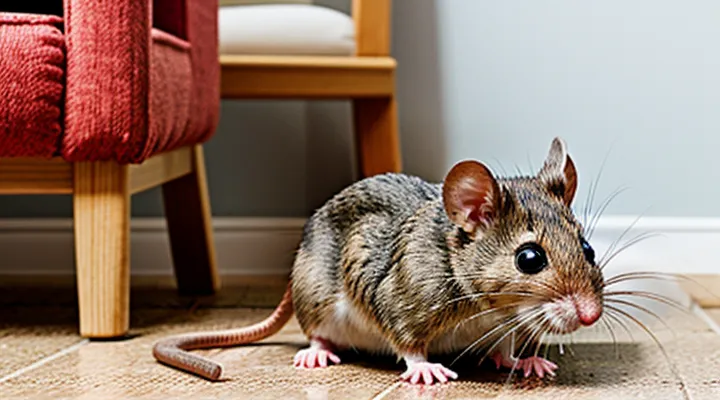
Understanding the Mouse Problem
Signs of a Mouse Infestation
Droppings and Urine Trails
Mice leave droppings and urine trails as primary indicators of infestation. Droppings appear as small, dark, rice‑shaped pellets, typically found along walls, behind appliances, and in concealed areas. Urine stains manifest as amber or reddish spots, often accompanied by a faint, musky odor. Both substances contain pathogens such as Hantavirus, Salmonella, and leptospirosis agents, posing significant health hazards to occupants.
Identifying these signs enables targeted control actions. When droppings are observed, record their locations to map activity zones. Urine trails reveal travel routes, indicating entry points and preferred pathways. This information directs placement of traps, bait stations, and sealing efforts.
Cleaning and disinfection must follow strict protocols to avoid aerosolizing contaminants:
- Wear disposable gloves and a mask rated N95 or higher.
- Ventilate the area for at least 15 minutes.
- Moisten droppings with a 10 % bleach solution; allow 5 minutes to neutralize pathogens.
- Use a disposable paper towel to lift the material; discard in a sealed bag.
- Apply the same bleach solution to urine stains; scrub with a stiff brush.
- Rinse surfaces with clean water and dry thoroughly.
- Dispose of all cleaning materials as hazardous waste.
After decontamination, seal identified entry points with steel wool, caulk, or metal flashing. Replace any compromised food containers and store supplies in airtight containers. Continuous monitoring of droppings and urine trails confirms the effectiveness of eradication measures and alerts to reinfestation.
Gnaw Marks and Damage
Mice leave distinctive gnaw marks that signal the presence of an active infestation. The teeth of a mouse continuously grow, prompting the animal to chew on hard surfaces to maintain proper length. Consequently, gnawing appears on wood, plastic, insulation, and electrical wiring, often forming clean, parallel cuts about 2‑3 mm wide. Recognizing these signs enables early intervention before damage escalates.
Typical damage includes:
- Structural timber: Rounded holes and splintered edges weaken beams, joists, and baseboards.
- Plastic components: Food containers, bottle caps, and pipe fittings develop jagged openings that compromise seal integrity.
- Insulation: Chewed fibers lose thermal efficiency, increasing heating and cooling costs.
- Electrical wiring: Exposed conductors create fire hazards and may cause intermittent power failures.
Inspection should focus on areas where mice travel: wall cavities, attics, under sinks, and behind appliances. Use a flashlight to trace fresh gnaw marks back to entry points; newer cuts retain sharper edges and lack weathering. Document each finding with photographs and note the material type to prioritize repairs.
Once gnaw marks are identified, remedial actions involve sealing entry holes with steel wool and caulk, replacing compromised wiring, and repairing or replacing damaged wood and insulation. Eliminating the source of chewing eliminates the risk of further destruction.
Strange Noises and Odors
Unusual sounds and odors often signal a hidden rodent problem. Recognizing these signs allows rapid intervention before damage escalates.
Typical auditory indicators include:
- Scratching within walls, ceilings, or floorboards, especially at night.
- Rapid, high‑pitched squeaks emitted when mice are startled.
- Repetitive gnawing noises on insulation, wiring, or stored food containers.
Common olfactory clues consist of:
- A sharp, ammonia‑like smell from concentrated urine deposits.
- A faint, musty odor produced by accumulated droppings and nesting material.
- A lingering, greasy scent near areas where food remnants have been chewed.
When either type of evidence appears, follow a systematic response:
- Inspect suspected locations for entry holes, gnaw marks, and droppings.
- Seal gaps larger than ¼ inch with steel wool, caulk, or metal flashing.
- Place snap traps or electronic devices along established travel routes.
- Deploy bait stations containing rodent‑specific attractants, ensuring they are out of reach of children and pets.
- Clean contaminated surfaces with a disinfectant solution to remove scent trails that encourage reinfestation.
Early detection through attentive listening and smelling reduces the need for extensive extermination measures and protects structural integrity and health.
Why Mice Are Attracted to Your Home
Food Sources
Mice are attracted to readily available nourishment; eliminating food sources is the most effective preventive measure. Secure all edible items in airtight containers made of metal or heavy‑wall plastic. Do not leave pantry doors open, and keep cabinets free of crumbs by wiping shelves after each use.
Maintain a clean kitchen environment. Sweep floors and vacuum countertops daily to remove spilled grains, sugar, or pet food. Dispose of garbage in bins with tight‑fitting lids and empty them nightly.
Control outdoor feeding opportunities that can draw rodents inside. Store birdseed, pet feed, and compost in sealed containers. Remove fallen fruit or nuts from gardens promptly.
Key actions to deny mice access to food
- Store dry goods in containers with a 100 µm seal rating.
- Clean under appliances and behind refrigerators weekly.
- Use metal trash cans with foot‑operated lids.
- Keep pet feeding stations away from walls and remove uneaten food after each meal.
- Seal cracks and gaps around doors, windows, and utility entries to prevent rodents from entering from the exterior.
By systematically removing attractive nourishment, the likelihood of infestation declines dramatically, allowing other control methods to work more efficiently.
Shelter and Warmth
Mice enter residential spaces to find protected, insulated locations where they can hide from predators and maintain body temperature. Reducing available shelter directly lowers the likelihood of infestation.
- Seal cracks, gaps, and holes in walls, foundations, and around utility entries; use steel wool combined with caulk for small openings.
- Install tight-fitting door sweeps and weather stripping on exterior doors.
- Store firewood, lumber, and other debris at least three feet from the building’s exterior.
- Keep indoor clutter, especially cardboard boxes and fabric piles, off the floor and away from walls.
Warm environments attract rodents because they conserve energy. Controlling indoor temperature and eliminating heat sources deprives mice of comfortable habitats.
- Repair insulation defects that create warm pockets behind drywall or in attics.
- Turn off unnecessary lights and appliances in unused rooms; unplug devices that generate heat.
- Maintain a consistent indoor temperature between 65‑70 °F (18‑21 °C); avoid localized heating such as space heaters in corners.
- Use vent covers and exhaust fans to vent heat from kitchens, laundry rooms, and basements.
Eliminating shelter and limiting warmth removes the primary incentives for mice to occupy a home, making preventive measures more effective and reducing the need for reactive control.
Entry Points
Mice gain access through any opening larger than a quarter‑inch. Identifying and eliminating these gaps stops new invaders and deprives existing rodents of escape routes.
Typical entry locations include:
- Gaps around doors, windows, and sliding panels.
- Cracks in foundation walls, basement floors, and crawl‑space walls.
- Openings around utility penetrations: plumbing, electrical wiring, gas lines, and HVAC ducts.
- Unsealed vents, dryer exhausts, and chimney flues.
- Gaps beneath cabinets, appliances, and countertops.
- Holes in siding, roof eaves, and soffits.
Inspection should begin with a flashlight and a thin wedge of paper or a piece of steel wool. Run the tool along suspected seams; a slight resistance indicates a possible passage. Press a piece of tissue against the opening; if it moves when the house settles, the gap is active. Conduct the survey during daylight and repeat at night using a low‑intensity lamp to spot rodent activity near the same points.
Sealing methods depend on the size and material of the opening:
- Use steel wool packed tightly into small cracks, then cover with caulk or expanding foam to prevent chewing.
- Apply copper mesh or hardware cloth (¼‑inch gauge) to larger holes before sealing with cement, plaster, or exterior‑grade sealant.
- Install self‑closing door sweeps and weatherstripping on all exterior doors.
- Fit foam backer rods into irregular gaps, then finish with silicone or polyurethane sealant for durability.
- Replace damaged vent covers with metal screens and secure them with screws.
After sealing, maintain a barrier by inspecting high‑traffic areas quarterly, repairing weather damage promptly, and keeping vegetation trimmed away from the building envelope. Regular upkeep preserves the integrity of the closures and reduces the likelihood of future rodent intrusion.
Effective Mouse Removal Strategies
Prevention is Key
Sealing Entry Points
Sealing entry points is the most reliable barrier against indoor mouse infestations. Mice exploit any opening larger than a quarter‑inch, including gaps around pipes, vents, doors, and foundation cracks. Detecting these breaches requires a systematic visual inspection and tactile test: run a flashlight along walls, examine the perimeter, and feel for drafts or loose material.
- Apply steel wool or copper mesh to holes before applying sealant; rodents can gnaw through softer substances.
- Use expanding polyurethane foam for gaps up to two inches; coat the foam with a metal layer after curing.
- Install weatherstripping on exterior doors and windows; replace damaged strips promptly.
- Seal gaps around utility penetrations with silicone or acrylic caulk; ensure the surface is clean and dry before application.
- Repair foundation cracks with hydraulic cement; press the material firmly to achieve a watertight seal.
After sealing, conduct a follow‑up inspection to verify that no new openings have appeared. Maintaining a sealed envelope around the home eliminates the primary avenue for mouse entry, thereby supporting long‑term control without reliance on traps or chemicals.
Maintaining Cleanliness
Maintaining a clean environment eliminates the primary attractants that draw rodents into residential spaces. Food residues, spilled liquids, and accessible waste provide a reliable source of nutrition; removing them reduces the incentive for mice to enter.
- Store dry goods in airtight containers; glass or heavy‑plastic jars prevent gnawing.
- Wipe countertops and tables after each meal; any crumbs left on surfaces become potential bait.
- Clean under appliances and furniture regularly; hidden debris often goes unnoticed.
- Dispose of garbage in sealed bins; empty bins daily and keep lids tightly closed.
- Sweep and vacuum floors weekly; remove pet food, seeds, and other small particles.
- Wash dishes promptly; lingering food particles on dishes or in sinks attract rodents.
Clutter offers shelter and nesting material. Decluttering shelves, basements, and crawl spaces removes hiding places and limits the ability of mice to establish colonies. Keep storage areas organized, using labeled containers and eliminating cardboard boxes that can be shredded for nests.
Routine inspections complement cleanliness. Identify and address minor spills or food drops before they accumulate. Consistent upkeep creates an environment where rodents find no viable resources, significantly lowering the likelihood of infestation.
Proper Food Storage
Proper food storage directly reduces the attraction that mice have for a residence. When food is inaccessible, rodents lose a primary incentive to explore and nest.
- Store dry goods in airtight containers made of metal or thick plastic; seal lids tightly after each use.
- Keep perishable items in the refrigerator or freezer; discard expired products promptly.
- Place pet food in sealed bins; feed pets only for the duration of a meal and remove leftovers.
- Clean countertops and tables after meals; sweep crumbs and wipe spills immediately.
All food items should be placed on shelves away from walls and floor level. Regularly inspect containers for damage and replace compromised seals. Maintaining a clean, sealed environment eliminates the nutritional resources that sustain mouse populations.
Landscaping Considerations
Landscaping can significantly reduce mouse activity around a residence. Proper placement of vegetation, ground cover, and structural elements creates an environment that discourages rodents from seeking shelter and food.
- Keep grass trimmed to a maximum height of 2–3 inches; short turf eliminates hiding places.
- Remove dense shrubs and low‑lying branches that touch the house, preventing mice from using them as bridges.
- Store firewood, lumber, and compost in sealed containers or elevate them on a platform at least 12 inches off the ground.
- Use mulch sparingly and opt for coarse, inorganic materials such as stone or gravel near foundations; fine mulch retains moisture and attracts rodents.
- Install a continuous concrete or metal perimeter barrier at least 4 inches deep and extending 6 inches above ground level to block burrowing.
- Ensure proper drainage to avoid standing water and soggy soil, which create favorable nesting conditions.
Regular maintenance of these landscape features sustains a hostile setting for mice, complementing indoor exclusion and control measures.
Trapping Methods
Snap Traps
Snap traps remain a cornerstone of rodent control in residential settings. Constructed from sturdy plastic or wood, they employ a spring‑loaded bar that delivers an instantaneous, lethal strike when a mouse triggers the baited trigger plate. The mechanism requires no electricity and functions reliably under a wide temperature range.
Key benefits include:
- Immediate kill, eliminating the risk of disease transmission from a living pest.
- Low cost; a pack of twenty traps typically costs less than a few dollars.
- Reusability; the spring can be reset after each capture.
- Minimal maintenance; no batteries or refillable components.
Effective placement follows a simple pattern. Identify high‑traffic zones such as along walls, behind appliances, and near entry points. Position the trap with the trigger end facing the wall, ensuring the bait—peanut butter, cheese, or dried fruit—is centered on the trigger plate. Space traps 1–2 feet apart in each identified area to increase capture probability.
Safety considerations demand careful handling. Wear disposable gloves when setting or disposing of traps to avoid contaminating hands with urine or feces. After a mouse is caught, seal the trap in a plastic bag before discarding it in an outdoor trash container. Keep traps out of reach of children and pets; store unused units in a locked cabinet.
When integrated with sanitation measures—sealing food sources, repairing entry gaps, and maintaining a clutter‑free environment—snap traps provide a rapid, cost‑effective solution for eliminating mouse infestations in the home.
Live Traps
Live traps provide a humane option for removing mice from residential spaces. They capture rodents without killing them, allowing owners to relocate the animals away from the home.
Key features to consider when choosing a live trap:
- Size: interior dimensions of at least 4 × 4 × 4 inches accommodate adult mice.
- Material: sturdy wire mesh or plastic prevents escape and resists gnawing.
- Door mechanism: spring‑loaded or toggle latch closes quickly when the mouse triggers the trigger plate.
- Ventilation: multiple openings ensure adequate airflow and reduce stress for captured rodents.
Effective placement maximizes capture rates:
- Identify high‑traffic zones such as along walls, behind appliances, and near known droppings.
- Position traps with the entry side facing the wall, as mice preferentially run close to surfaces.
- Set traps at night; mice are most active after dark.
Bait selection influences success. Preferred attractants include:
- Small portions of peanut butter, applied to the trigger plate.
- Bits of cheese, sunflower seeds, or dried fruit, secured to prevent removal.
Monitor traps regularly. Check every 12 hours to avoid prolonged confinement, which can cause dehydration or injury. When a mouse is captured:
- Transport the trap to a suitable release site at least two miles from the residence, preferably a wooded or field area.
- Release the animal facing away from structures, allowing it to exit promptly.
- Wear disposable gloves to prevent disease transmission and avoid contaminating the trap.
After each use, clean the trap with a mild detergent solution, rinse thoroughly, and disinfect with a 10 % bleach solution. Dry completely before redeployment.
Live traps, when selected, positioned, baited, and maintained correctly, form a reliable component of a comprehensive mouse‑control strategy that respects animal welfare while protecting the household.
Electronic Traps
Electronic traps provide a rapid, humane solution for indoor rodent control. These devices deliver a high‑voltage shock that immobilizes mice instantly, eliminating the need for poison or snap traps.
Key features of effective electronic models include:
- Battery or mains power: Ensures consistent performance without frequent recharging.
- Multiple entry ports: Allows several mice to be captured simultaneously, reducing repeat visits.
- Safety lock: Prevents accidental discharge while cleaning or handling the unit.
- Easy disposal: Captured rodents fall into a sealed compartment that can be emptied without direct contact.
Installation steps:
- Position the trap along established mouse pathways—near walls, behind appliances, or close to food sources.
- Connect the unit to a power source, following the manufacturer’s voltage specifications.
- Activate the safety lock, then engage the trigger mechanism.
- Monitor the device daily; empty the collection chamber when filled to maintain efficiency.
Maintenance considerations:
- Replace batteries or check power cords weekly to avoid power loss.
- Clean the interior with mild detergent after each emptying to prevent odor buildup.
- Inspect the trigger sensors for debris that could impede activation.
When used correctly, electronic traps achieve rapid population reduction while limiting exposure to toxic substances. Their reliability and low maintenance make them a practical choice for homeowners seeking a controlled, chemical‑free method of mouse eradication.
Trap Placement and Baiting
Effective rodent control hinges on strategic trap placement and appropriate bait selection. Proper positioning maximizes encounter rates, while enticing bait ensures mice enter the device.
Place traps according to these principles:
- Align traps perpendicular to walls, with the trigger side facing the wall; mice travel close to edges.
- Position traps along known runways: behind appliances, under cabinets, near pantry shelves, and in concealed corners.
- Install traps at 2‑4 inches above the floor, matching the typical height of mouse pathways.
- Space multiple traps 10‑15 ft apart in high‑traffic zones to cover broader areas.
- Secure traps on stable surfaces to prevent movement that could deter entry.
Choose baits that stimulate strong feeding responses:
- Peanut butter, applied in a pea‑sized amount, offers high scent and texture.
- Soft cheese, such as cream cheese, provides a moist, aromatic lure.
- Small pieces of cooked bacon or ham deliver strong olfactory cues.
- Commercial rodent attractants, formulated with grain or nut extracts, work reliably when applied sparingly.
Maintain trap efficacy through regular monitoring:
- Inspect traps daily; remove captured mice promptly to prevent scent loss.
- Refresh bait each 2‑3 days, or when it dries, to maintain attractiveness.
- Replace damaged or malfunctioning traps immediately to avoid gaps in coverage.
- Wear gloves when handling traps to protect against disease transmission.
Repellents and Deterrents
Natural Repellents
Natural repellents offer a practical alternative to chemical poisons when addressing mouse infestations. Their effectiveness relies on odors or substances that mice find hostile, discouraging entry and encouraging relocation.
- Peppermint oil: Apply a few drops on cotton balls and place them in corners, behind appliances, and along baseboards. The strong scent interferes with rodents’ sensory receptors.
- Clove oil: Dilute with water and spray around entry points. The volatile compounds act as a deterrent similar to peppermint.
- Ammonia: Mix equal parts ammonia and water in a spray bottle. Light misting near suspected pathways creates an environment mice avoid.
- Cayenne pepper or crushed red pepper: Sprinkle a thin layer in cracks and gaps. The irritant properties trigger discomfort upon contact.
- Steel wool: Pack tightly into holes larger than a quarter inch. Mice cannot chew through the dense fibers, and the metallic scent adds an additional repelling factor.
- Dryer sheets: Position scented sheets in cabinets and drawers. The lingering fragrance repels rodents without requiring frequent reapplication.
For optimal results, combine multiple repellents and rotate them every two weeks to prevent habituation. Maintain a clean environment by sealing food containers, removing crumbs, and repairing structural gaps. Regular inspection of potential entry points ensures that natural deterrents remain effective and that new openings are promptly sealed.
Ultrasonic Devices
Ultrasonic devices emit high‑frequency sound waves that are inaudible to humans but disturb rodent nervous systems. The emitted pulses create an uncomfortable environment, prompting mice to vacate the area.
Effectiveness depends on several factors:
- Frequency range: models operating between 20 kHz and 65 kHz cover the hearing spectrum of most mice.
- Coverage area: each unit typically protects 500–1,200 sq ft; larger spaces require multiple devices positioned strategically.
- Obstructions: walls, furniture, and appliances reflect sound, reducing reach. Place units in open pathways, near entry points, and at ceiling height for optimal dispersion.
Limitations include:
- Adaptation: prolonged exposure may cause mice to become desensitized, diminishing long‑term impact.
- Interference: other ultrasonic sources, such as certain pest repellents or electronic equipment, can alter the signal pattern.
- Species specificity: devices tuned for mice may be less effective against rats or insects.
Safety considerations:
- No known health risks for humans or pets when devices operate within approved frequency limits.
- Verify that the product complies with FCC or equivalent regulatory standards to avoid excessive electromagnetic emissions.
Maintenance guidelines:
- Power the unit continuously; intermittent use reduces efficacy.
- Clean vents quarterly to prevent dust buildup that can attenuate sound output.
- Replace units after the manufacturer‑specified lifespan, usually three to five years, to maintain performance.
Cost analysis shows a typical consumer model priced between $30 and $80. Bulk purchases for extensive infestations can lower per‑unit expense but increase total investment.
Overall, ultrasonic repellents constitute a non‑chemical option that can complement sealing entry points, trapping, and sanitation measures in a comprehensive mouse‑control strategy.
Commercial Repellents
Commercial repellents represent a practical option for homeowners seeking to deter rodents without resorting to poison or trapping. These products are formulated to emit odors, vibrations, or ultrasonic frequencies that mice find unpleasant, prompting them to vacate treated areas.
The most common categories include:
- Ultrasonic emitters – devices that generate high‑frequency sound waves beyond human hearing. Placement near entry points, nesting sites, and food storage areas creates a hostile acoustic environment. Effectiveness diminishes if obstacles block the signal; multiple units may be required for larger homes.
- Rodent‑specific scent repellents – sprays, granules, or plug‑in dispensers containing natural oils such as peppermint, cinnamon, or capsaicin. Application on baseboards, behind appliances, and in cracks establishes a chemical barrier. Scent intensity wanes over weeks, necessitating re‑application according to manufacturer guidelines.
- Electromagnetic field (EMF) devices – units that claim to disrupt the nervous system of rodents through low‑level electromagnetic fields. Independent testing shows mixed results; selection should prioritize products with documented laboratory validation.
- Sealant‑integrated repellents – foam or caulk infused with rodent‑deterrent compounds. When used to seal gaps, the material simultaneously blocks entry and releases an irritant. This dual function reduces the need for separate treatments.
Key considerations when selecting a commercial repellent:
- Coverage area – verify the square‑footage rating and match it to the floor plan. Over‑estimating coverage ensures continuous exposure.
- Safety profile – confirm that the product is non‑toxic to children, pets, and beneficial insects. Look for EPA‑registered formulations or UL certification for electronic devices.
- Longevity – review the manufacturer's recommended replacement interval. Longer‑lasting units lower maintenance costs.
- Evidence of efficacy – prioritize products backed by peer‑reviewed studies or third‑party laboratory results rather than solely marketing claims.
- Installation requirements – assess whether the device needs a power outlet, battery replacement, or periodic cleaning.
Cost analysis typically shows ultrasonic and EMF devices ranging from $30 to $80 per unit, while scent‑based sprays and granules cost $10 to $25 per container. Sealant‑integrated options are priced per tube, comparable to standard caulking products, but include the added benefit of deterrence.
When integrated with complementary measures—such as sealing entry points, eliminating food sources, and maintaining a clean environment—commercial repellents can significantly reduce mouse activity. Regular monitoring, combined with prompt re‑application or device replacement, sustains the deterrent effect and supports long‑term rodent control.
When to Call Professional Pest Control
Large Infestations
A large mouse population signals structural vulnerabilities and abundant food sources. Immediate inspection identifies entry points, nesting sites, and signs of activity such as droppings, gnaw marks, and urine trails. Document findings to prioritize actions and measure progress.
Seal all openings larger than a quarter‑inch with steel wool, copper mesh, or cement. Repair cracks in walls, foundations, and around utility lines. Install door sweeps on exterior doors and close gaps beneath cabinets. Reducing access eliminates the primary cause of expansion.
Implement a coordinated control program that combines mechanical and chemical methods:
- Snap traps placed perpendicular to walls, baited with peanut butter or dried fruit, positioned at known runways.
- Electronic traps set to deliver a lethal shock, useful for monitoring activity without leaving carcasses.
- Bait stations containing anticoagulant pellets, secured in tamper‑proof boxes, deployed in concealed locations.
- Live‑catch traps for humane removal, followed by immediate release far from the residence.
Maintain rigorous sanitation: store food in sealed containers, clean spills promptly, and discard infested waste. Eliminate clutter that provides shelter, especially in basements, attics, and storage areas.
When infestations exceed dozens of individuals or persist despite intensive effort, engage a licensed pest‑management professional. Experts can deploy rodenticides, fumigation, or structural modifications unavailable to homeowners, and they provide a post‑treatment monitoring schedule to confirm eradication.
Persistent Problem
Mice infestations frequently resist single‑method interventions, turning a short‑term fix into a recurring issue. The species’ biological and behavioral traits enable rapid population growth and persistent access to indoor environments.
- Reproductive capacity: a female can produce up to ten litters per year, each containing several offspring.
- Entry points: gaps as narrow as ¼ inch allow entry through walls, foundations, and utility penetrations.
- Food sources: unsecured pantry items, crumbs, and pet feed sustain colonies.
- Trap avoidance: experienced mice learn to bypass snap traps and bait stations, reducing capture rates.
Continued presence leads to structural damage, contamination of food supplies, and elevated risk of disease transmission. The combination of rapid breeding, concealed pathways, and adaptive behavior ensures the problem endures unless addressed comprehensively.
Effective resolution requires simultaneous actions: eliminate attractants, seal all potential ingress, deploy multiple trap types, and monitor activity with periodic inspections. Only an integrated, sustained effort can break the cycle and prevent the issue from reappearing.
Health Concerns
Mice infestations pose several direct health hazards to residents. Their droppings, urine, and saliva can contaminate food surfaces, leading to bacterial growth and foodborne illness. Pathogens commonly associated with rodents include:
- Salmonella – causes gastrointestinal distress and fever.
- Hantavirus – can result in severe respiratory disease.
- Leptospira – transmitted through urine, potentially causing kidney damage.
- Streptobacillus moniliformis – responsible for rat‑bite fever, presenting with fever, rash, and joint pain.
Allergic reactions frequently arise from mouse dander and shed fur, aggravating asthma and triggering sneezing, itching, or skin rashes. In addition, the presence of rodents increases the likelihood of secondary infestations by insects such as cockroaches and flies, which further amplify allergen loads.
Contamination extends to structural components; mouse urine can corrode wiring and damage insulation, creating fire hazards and compromising indoor air quality. Persistent exposure to rodent‑borne microbes may weaken immune response, especially in children, the elderly, and immunocompromised individuals.
Effective mitigation requires immediate removal of food sources, sealing of entry points, and thorough disinfection of affected areas. Using traps or approved baits reduces population density, while professional decontamination ensures elimination of pathogens from surfaces and ventilation systems. Regular monitoring prevents re‑establishment and minimizes ongoing health risks.
Post-Extermination Cleanup and Future Prevention
Sanitization and Disinfection
Cleaning Contaminated Areas
Effective mouse control at home requires thorough sanitation of all areas where rodents have left droppings, urine, or food residue. Contaminated zones attract further activity and can spread disease, so immediate and complete cleaning is essential.
Begin by identifying hotspots: pantry shelves, under appliances, cabinets, and any surface with visible stains. Wear disposable gloves and a mask to prevent exposure to pathogens. Dispose of contaminated material in sealed bags before removal.
Next, apply a disinfectant that is proven against rodent-borne bacteria. Follow the product’s contact time; typically, a minimum of ten minutes ensures microbial kill. For porous surfaces, scrub with a brush to release embedded contaminants before rinsing.
After disinfection, dry the area completely. Moisture encourages mold growth and may retain odors that lure mice. Use fans or dehumidifiers where necessary.
Finally, seal the cleaned space to block re‑entry. Install airtight containers for food, repair cracks, and place steel‑wool plugs in gaps. Regular inspection and prompt cleaning of any new spills will maintain a hostile environment for rodents.
Disposing of Carcasses
Dealing with dead rodents promptly prevents disease spread and discourages remaining mice from scavenging. Follow these steps to remove carcasses safely and effectively.
- Wear disposable gloves and, if available, a face mask.
- Place the mouse in a sealable plastic bag, expelling as much air as possible before tying securely.
- Double‑bag the sealed container to contain odors and fluids.
- Dispose of the double‑bagged carcass in an outdoor trash bin that is collected weekly, or contact local waste services for hazardous‑animal disposal if required.
- Clean the gloves with disinfectant, remove them, and wash hands thoroughly with soap and water.
After removal, sanitize the area where the mouse was found. Apply a solution of one part bleach to nine parts water, let it sit for at least five minutes, then wipe dry. Replace any food sources or water dishes that may have been contaminated. Regularly inspect traps and bait stations to ensure no additional deaths occur unnoticed.
Preventing Reinfestation
Regular Inspections
Regular inspections form the backbone of any successful mouse control program in a residence. By systematically surveying the property, homeowners can detect early signs of infestation, verify the integrity of exclusion measures, and intervene before populations expand.
A practical inspection routine includes the following steps:
- Conduct a visual sweep of the kitchen, pantry, and food storage areas weekly. Look for gnaw marks, droppings, shredded packaging, and grease streaks along walls and counters.
- Examine entry points monthly. Check gaps around pipes, vents, doors, and windows; measure openings and seal any that exceed ¼ inch.
- Inspect attics, crawl spaces, and basements quarterly. Focus on insulation, wiring, and stored items where rodents can nest.
- Use a flashlight and a handheld mirror to view hidden corners, behind appliances, and under cabinets.
- Record findings in a simple log: date, location, type of evidence, and corrective action taken.
Consistent documentation enables trend analysis, helping to prioritize high‑risk zones and allocate resources efficiently. If evidence of activity appears despite sealed openings, increase inspection frequency to twice weekly and consider supplemental measures such as traps or professional evaluation.
By maintaining a disciplined schedule and thorough record‑keeping, homeowners reduce the likelihood of a full‑scale outbreak and preserve the effectiveness of other control tactics.
Continued Maintenance
After the initial removal of mice, sustained vigilance prevents re‑infestation. Seal all entry points promptly; use steel wool, copper mesh, or expanding foam to close gaps around pipes, vents, and foundation cracks. Inspect exterior walls and crawl spaces quarterly, repairing any new openings before rodents can exploit them.
Maintain a clean interior environment. Store food in airtight containers, dispose of waste in sealed bins, and clean crumbs from countertops and floors daily. Keep pantry shelves organized, placing items away from walls to facilitate regular inspection.
Implement a monitoring system. Place snap traps or humane catch‑and‑release devices along known travel routes, checking them weekly. Replace bait as needed and record any captures to identify hotspots.
Schedule routine exterior upkeep. Trim vegetation away from the building’s perimeter, remove debris piles, and keep compost bins secured with tight lids. Ensure that rain gutters and downspouts direct water away from the foundation, reducing moisture that attracts rodents.
Adopt an annual professional assessment. A qualified pest‑control service can conduct a comprehensive inspection, identify hidden vulnerabilities, and apply preventative treatments such as rodent‑resistant sealants or low‑toxicity repellents. This external audit complements homeowner efforts and reinforces long‑term protection.
Educating Household Members
Educating everyone in the household creates a unified front against mouse infestations. Knowledge of rodent habits, entry points, and health hazards reduces actions that attract pests and improves compliance with control measures.
Key information to share:
- Identification – Recognize droppings, gnaw marks, and nesting material.
- Behavior – Mice are nocturnal, travel along walls, and seek food crumbs.
- Health risks – Bacteria, allergens, and disease transmission are linked to rodent presence.
- Prevention – Store food in sealed containers, clean spills promptly, and eliminate clutter.
Effective delivery methods include:
- Brief family meetings to outline responsibilities.
- Printed checklists displayed near kitchen and pantry areas.
- Visual cues such as stickers on trash bins indicating “no food waste”.
Each member’s duties:
- Food handling – Seal packages, avoid leaving leftovers.
- Cleaning – Sweep floors nightly, wipe countertops after use.
- Inspection – Report signs of activity to the designated coordinator.
- Maintenance – Close gaps around pipes, vents, and doors using steel wool or caulk.
Regular reinforcement maintains vigilance:
- Conduct monthly walkthroughs to verify sealed entry points.
- Update reminder materials after seasonal changes.
- Provide feedback on successful actions and address lapses promptly.