
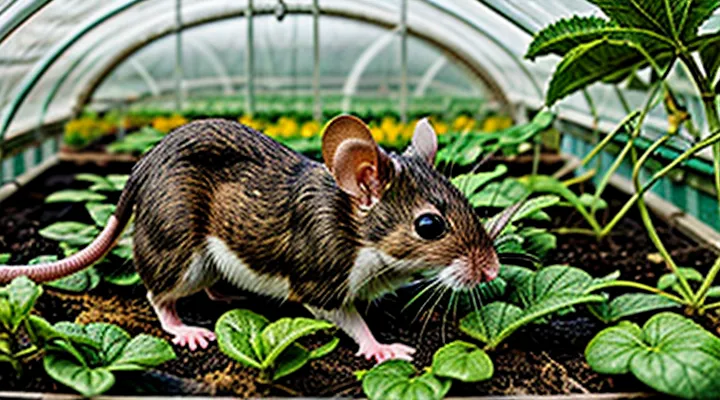
Understanding the Mouse Problem in Greenhouses
«Why Mice are Attracted to Greenhouses»
Mice are drawn to greenhouses because the environment satisfies their basic survival needs. The climate inside a greenhouse provides consistent warmth, which reduces the energy mice must expend to maintain body temperature. This thermal stability is especially appealing during colder months when outdoor conditions are hostile.
Food availability is another strong attractor. Greenhouses host a variety of crops, seedlings, and organic debris that supply carbohydrates, proteins, and fats. Seeds, fruits, and leafy vegetables are easily accessed, and spilled soil or compost can contain hidden morsels that mice quickly locate.
Moisture levels support mouse activity. Irrigation systems, misting devices, and condensation create humid zones that supply drinking water and enhance the palatability of plant material. High humidity also softens soil, facilitating burrowing and nesting.
Structural features of greenhouse construction contribute to rodent ingress. Gaps around ventilation openings, door frames, and pipe penetrations offer entry points. Light‑weight panels and fabric coverings can be chewed or torn, allowing mice to penetrate the interior with minimal resistance.
Protection from predators is inherent to the enclosed space. The solid walls and netting reduce exposure to birds, cats, and snakes, creating a safe refuge where mice can reproduce undisturbed.
The combination of these factors—stable temperature, abundant food, reliable water, accessible entryways, and predator shelter—explains why mice routinely colonize greenhouse environments. Understanding each driver assists in designing targeted exclusion and management measures.
«Signs of a Mouse Infestation»
«Droppings and Urine Smells»
Mice leave droppings and urine that emit a distinct, unpleasant odor. The scent signals an active infestation and attracts additional rodents, worsening the problem.
Droppings appear as small, dark pellets roughly the size of a grain of rice. They accumulate on benches, seed trays, and soil surfaces. Contact with these feces can transmit diseases such as salmonellosis and hantavirus. Urine stains often darken the substrate and release a sharp ammonia-like smell, especially in warm, humid greenhouse conditions.
Effective management requires immediate removal and sanitation:
- Wear disposable gloves and a mask before handling contaminated material.
- Sweep or vacuum droppings using a HEPA‑rated filter; discard the collection bag in a sealed container.
- Soak urine‑soaked areas with a solution of one part white vinegar to three parts water; allow a five‑minute contact time.
- Apply an EPA‑approved disinfectant (e.g., quaternary ammonium compound) to all affected surfaces; follow the manufacturer’s dwell time.
- Rinse with clean water and dry thoroughly to prevent moisture buildup that encourages rodent activity.
Preventive measures reduce future deposition:
- Install sealed storage for seeds and feed; keep containers airtight.
- Maintain a regular cleaning schedule that includes weekly inspection of workstations for fresh droppings.
- Use rodent‑proof barriers—metal mesh or fine‑mesh screens—around vents and access points.
- Monitor humidity levels; lower ambient moisture diminishes urine odor intensity and deters mice.
By promptly eliminating droppings and neutralizing urine odors, greenhouse operators remove attraction cues, limit disease risk, and create an environment less favorable to rodent colonization.
«Gnawed Plants and Structures»
Mice frequently bite foliage, stems, and the supporting framework of greenhouse installations, causing reduced yields, weakened support systems, and increased susceptibility to disease. Their incisors can sever irrigation tubing, damage lighting fixtures, and compromise ventilation panels, creating entry points for additional pests and compromising environmental control.
Visible signs of rodent activity include fresh bite marks on leaves, chewed stems, gnawed wooden frames, and fragmented plastic components. Inspecting plant bases and structural joints daily reveals the extent of damage and helps prioritize intervention.
Effective measures to protect vegetation and infrastructure:
- Install metal mesh or hardware cloth with openings no larger than ¼ inch around vents, doors, and gaps in the glazing.
- Seal cracks in foundation and roof panels using silicone sealant or expanding foam.
- Elevate seed trays and potting benches on reinforced shelving that resists gnawing.
- Apply rodent‑resistant coating to wooden beams and plastic fittings.
- Place removable wire cages around high‑value crops, ensuring tight closure.
- Maintain a clean environment by removing fallen leaves, seed husks, and debris that attract foraging rodents.
- Use bait stations or snap traps positioned away from plant zones, checking and resetting them regularly.
Routine maintenance of structural components, combined with physical barriers and targeted trapping, minimizes gnawed damage and sustains optimal greenhouse performance.
«Nests and Runways»
Mice construct nests from plant debris, fabric scraps, and insulation material. These structures are typically hidden in corners, under benches, or within storage boxes. A nest indicates a breeding site, which can rapidly increase the population if left unchecked. Regular inspection of potential nesting zones and immediate removal of debris reduce shelter availability.
Runways are the shallow grooves left by mouse traffic. They appear as parallel lines of gnawed material, droppings, or smudge marks along walls, shelving, and irrigation lines. Identifying runways helps locate active pathways and points of entry.
Effective management of nests and runways includes:
- Cleaning: Eliminate all organic matter and clutter that could serve as nesting material. Sweep floors, wipe surfaces, and dispose of waste in sealed containers.
- Sealing gaps: Install metal or hardware cloth around vents, pipe penetrations, and door frames to block access points.
- Trapping: Position snap or live traps perpendicular to identified runways, with bait placed at the far end to encourage entry.
- Monitoring: Check traps and runways daily; record activity to assess the effectiveness of interventions.
- Sanitizing: Disinfect areas where droppings are found using a solution of 1% bleach to prevent disease transmission.
By systematically removing nesting resources, obstructing runway networks, and maintaining a rigorous inspection schedule, greenhouse operators can suppress mouse populations and protect crops from damage.
Preventing Mice from Entering Your Greenhouse
«Sealing Entry Points»
«Checking Foundations and Walls»
Inspect the foundation and walls of the greenhouse before implementing any rodent‑control measures. Cracks, gaps, and deteriorated mortar provide direct pathways for mice to enter the structure and access plant material.
- Walk the perimeter at ground level; use a flashlight to reveal hairline fissures.
- Probe joints with a thin steel rod; any resistance indicates a solid seal, while free movement signals an opening.
- Examine the interior wall surfaces for signs of gnaw marks, droppings, or nesting material, which reveal active entry points.
- Verify that drainage systems direct water away from the base; excess moisture softens soil and encourages burrowing under the foundation.
Repair identified weaknesses with appropriate materials:
- Fill cracks wider than ¼ inch using cement‑based mortar or expanding polyurethane foam for smaller gaps.
- Replace damaged brick or stone sections, ensuring tight fit and proper alignment.
- Install metal flashing or a concrete curb around the perimeter to create a physical barrier against burrowing.
- Apply a continuous bead of silicone sealant around doors, windows, and ventilation openings to eliminate residual gaps.
After repairs, conduct a follow‑up inspection to confirm that all potential ingress points are sealed. Re‑evaluate the foundation and walls quarterly, especially after heavy rain or temperature fluctuations, to maintain a rodent‑free environment.
«Securing Doors and Vents»
Securing all openings is essential for keeping rodents out of a greenhouse. Mice exploit gaps around doors and ventilation systems to gain access to warm, sheltered environments where food and water are readily available.
- Install self‑closing hinges on every door; adjust the latch so the door shuts firmly without leaving a gap larger than ¼ inch.
- Fit weatherstripping or silicone caulk around door frames to eliminate cracks.
- Use metal door sweeps that extend to the floor, preventing mice from crawling underneath.
- Verify that any external door handles or locks are tightly attached and do not create additional openings.
Ventilation openings require the same level of protection.
- Cover vent grills with stainless‑steel mesh of at least ¼‑inch aperture; secure the mesh with rust‑resistant screws.
- Seal the perimeter of each vent with expanding foam or high‑temperature silicone to block small gaps.
- Install hinged vent covers that close automatically when not in use, ensuring they latch securely.
- Inspect vent louvers regularly for wear or damage; replace compromised components promptly.
A routine inspection schedule—monthly checks of door seals, sweeps, and vent meshes—detects new gaps before mice can exploit them. Maintaining these barriers reduces the likelihood of infestation and supports a healthier greenhouse environment.
«Using Mesh and Sealants»
Applying tightly woven mesh to all openings prevents rodents from entering the growing area. Choose hardware cloth with a ¼‑inch aperture; finer openings allow ventilation while excluding mice. Secure the material with stainless‑steel staples or screws, overlapping seams by at least two inches and sealing joints with exterior‑grade silicone. Install mesh over vents, fan housings, and any gaps around irrigation lines.
Sealants close residual cracks and gaps that mesh cannot cover. Inspect the greenhouse frame, door frames, and base for minute openings. Use a polyurethane sealant for wood or metal surfaces, and a silicone caulk for glass or plastic components. Apply the sealant in a continuous bead, press it into the crack, and smooth it to ensure full contact. Allow the product to cure according to manufacturer specifications before re‑installing equipment.
Key actions:
- Measure each opening, cut mesh to size, and fasten with corrosion‑resistant fasteners.
- Overlap mesh edges, then seal overlaps with silicone to eliminate hidden entry points.
- Identify all seams, joints, and penetrations; fill with appropriate sealant.
- Re‑check the structure after curing; reinforce any areas where mesh or sealant has shifted.
Regular inspection, at least quarterly, confirms the integrity of both barriers and prevents re‑infestation.
«Maintaining a Clean Environment»
«Removing Food Sources»
Removing food sources is the most immediate method to deter mice from a greenhouse. Mice are attracted by any edible material left accessible, including plant debris, spilled seeds, and organic waste. Eliminate these attractants to break the rodents’ incentive to enter.
- Clear fallen fruit, vegetables, and leaf litter daily; dispose of them in sealed containers.
- Store seeds, feed, and compost in airtight, rodent‑proof bins; use metal or heavy‑wall plastic containers with tight‑fitting lids.
- Keep watering trays free of excess water that can dissolve nutrients and create a moist feeding zone.
- Remove dead plant material promptly; incinerate or compost in a separate, secured area away from the greenhouse.
- Clean work surfaces after each harvesting or planting session; wipe down benches with a mild detergent to remove residue.
Regular sanitation schedules reinforce these practices. Inspect storage areas weekly for signs of gnawing or spillage, and repair any gaps that could allow mice to access food. By denying sustenance, the greenhouse becomes an inhospitable environment, reducing mouse activity without reliance on chemical controls.
«Storing Supplies Properly»
Proper storage of greenhouse materials reduces food sources and shelter for rodents, directly lowering infestation risk.
- Keep seed packets, pet food, and organic mulch in sealed, airtight containers. Plastic bins with locking lids or metal drums prevent mice from accessing contents.
- Store fertilizers, pesticides, and growth media on elevated shelves away from floor level. Rodents cannot climb smooth surfaces, so height creates a physical barrier.
- Arrange tools and equipment in a designated rack, leaving no gaps where mice can hide. Regularly sweep debris from the rack area.
- Use moisture‑proof containers for wet supplies such as compost or soil mixes. Damp environments attract rodents; sealed units keep humidity contained.
- Label each storage unit with its contents and inspection date. Routine checks allow early detection of gnaw marks or droppings before a problem escalates.
Implementing these storage practices eliminates common attractants, making the greenhouse less hospitable to mice.
«Regular Weeding and Debris Removal»
Keeping the greenhouse floor and surrounding beds free of weeds and plant litter removes shelter and food sources that attract rodents. Mice hide in dense vegetation, use fallen leaves and mulch as nesting material, and travel along debris pathways to reach crops. Eliminating these resources reduces the likelihood of infestation.
Effective maintenance includes:
- Inspect beds weekly for emerging weeds; pull them by the root to prevent regrowth.
- Remove all dead plant material, fallen fruit, and excess mulch after each harvest.
- Clear gutters, benches, and storage areas of cardboard, paper, and other soft debris.
- Dispose of collected waste in sealed containers away from the greenhouse structure.
- Schedule a deep clean at the end of each growing season, sweeping floors and disinfecting surfaces.
Consistent execution of these actions limits concealment opportunities, forces mice to seek habitats elsewhere, and supports broader pest‑prevention measures.
«Strategic Placement of Deterrents»
«Natural Repellents»
Natural repellents provide a chemical-free approach to reducing mouse activity in greenhouse structures. Their effectiveness depends on proper selection, concentration, and strategic placement.
- Peppermint essential oil: dilute 10 ml in one liter of water; spray along baseboards, entry points, and shelving edges. The strong menthol scent deters rodents without harming crops.
- Cayenne or chili powder: sprinkle a thin layer around vents, gaps, and near stored feed. Capsaicin irritates rodent sensory receptors, prompting avoidance.
- Garlic extract: blend crushed garlic with water at a 1:5 ratio; apply to soil surfaces and planting trays. Sulfur compounds create an unpleasant environment for mice while enriching soil microbes.
- Predator urine (e.g., fox or ferret): purchase commercial spray; mist around perimeters and low-lying foliage. The presence of predator scent triggers innate fear responses.
- Diatomaceous earth (food‑grade): dust a fine coat on walkways and in crawl spaces. While not a scent repellent, its abrasive particles damage rodent exoskeletons, reducing population pressure.
Application guidelines:
- Test each repellent on a small plant area to confirm no phytotoxic effects.
- Reapply after heavy watering or rainfall, as moisture diminishes volatile compounds.
- Combine multiple agents to create a layered barrier, enhancing overall deterrence.
- Maintain cleanliness by removing food debris and sealing storage containers; repellents work best when attractants are minimized.
Integrating these natural solutions into a comprehensive mouse‑management plan lowers reliance on chemical poisons and supports a sustainable greenhouse ecosystem.
«Electronic Deterrents»
Electronic deterrents emit ultrasonic or electromagnetic signals that disrupt rodent navigation and breeding patterns. Devices are powered by batteries or mains electricity and can be placed near entry points, planting beds, and ventilation ducts.
- Ultrasonic emitters: produce frequencies above 20 kHz, undetectable to humans but uncomfortable for mice. Position at least one unit per 50 sq ft; ensure unobstructed line of sight for optimal coverage.
- Electromagnetic field generators: create low‑frequency fields that interfere with the nervous system of rodents. Install near water lines and metal structures where mice tend to travel.
- Motion‑activated repellers: combine infrared sensors with ultrasonic bursts. Mount at ground level to activate only when movement is detected, conserving energy and reducing habituation.
For reliable performance, follow these guidelines:
- Verify that the greenhouse layout allows signal propagation; dense foliage or metal shelving can block emissions.
- Replace batteries every three months or connect to a continuous power source to avoid interruptions.
- Rotate device locations quarterly to prevent mice from adapting to a fixed pattern.
- Combine electronic deterrents with physical barriers such as mesh screens and regular sanitation to achieve comprehensive control.
Humane Methods for Mouse Control
«Trapping and Relocation»
«Types of Live Traps»
Live traps provide a humane method for removing mice from greenhouse environments while preserving the integrity of plants and soil. Selecting the appropriate trap type enhances capture efficiency and reduces the need for chemical controls.
- Single‑catch cage trap – A sturdy enclosure with a trigger mechanism that closes a door when a mouse enters to reach bait. Easy to set, suitable for low‑density infestations, and allows immediate release at a safe distance.
- Multi‑catch box trap – Features a series‑of chambers that capture successive individuals without resetting the device. Ideal for moderate to high mouse activity, it minimizes handling time and maintains continuous pressure on the population.
- Tube or tunnel trap – A narrow passage that leads to a concealed holding compartment. The design exploits mice’s natural tendency to follow confined routes, delivering high capture rates in tight planting rows.
- Electronic live‑capture unit – Employs a sensor‑activated door that seals shut upon entry. Powered by batteries or solar panels, it offers rapid reset and can be integrated with monitoring systems for real‑time data on capture numbers.
Effective deployment requires placing traps along walls, near seed trays, and adjacent to water sources where mice travel. Bait selection—such as grain, peanut butter, or dried fruit—should match the preferred diet of greenhouse rodents. Check traps at least twice daily to prevent stress and to release captured mice at least 200 meters from the greenhouse, ensuring they do not return. Regular rotation of trap locations disrupts established pathways and sustains pressure on the mouse population.
«Proper Trap Placement»
Effective mouse control in a greenhouse depends on precise trap positioning. Place devices where rodents travel most often: along walls, behind planting benches, and near utility lines. Rats and mice habitually follow the edges of structures, so positioning traps within 2–3 inches of a solid surface increases capture rates.
Key placement guidelines:
- Install traps perpendicular to the wall, with the trigger side facing the baseboard.
- Position traps at a height of 2–4 inches above the soil surface, matching the typical body level of mice.
- Locate baited traps close to known entry points, such as gaps around vents, doors, or irrigation pipes.
- Space multiple traps 6–10 feet apart in high‑traffic corridors to create a continuous barrier.
- Replace or reset traps daily to maintain effectiveness and prevent scavenger interference.
Avoid placing traps in direct sunlight, near strong airflow, or on unstable surfaces, as these conditions can deter rodents and reduce trap reliability. Regular inspection and adjustment of trap locations ensure sustained control throughout the growing season.
«Safe Release Practices»
When mice must be removed from a greenhouse without lethal methods, follow a controlled release protocol that protects the crop, the structure, and the animal.
First, verify that the infestation level justifies relocation rather than extermination. Use live‑catch traps that meet humane standards; avoid glue boards and snap traps. Place traps along walls, near entry points, and close to food sources. Check traps at least twice daily to prevent prolonged confinement.
When a mouse is captured:
- Wear disposable gloves to avoid contaminating the greenhouse and to protect personal health.
- Transfer the animal into a ventilated container with bedding material.
- Keep the container closed during transport to prevent escape.
Select a release site that offers shelter, natural food, and distance from cultivated areas. Ideal locations include uncultivated fields, woodland edges, or designated wildlife corridors at least 500 m from the greenhouse. Release animals during daylight when they are most active, and release them gently onto the ground.
After release, disinfect equipment and gloves with an appropriate sanitizer. Record the date, number of releases, and release coordinates for future monitoring. Conduct weekly inspections of the greenhouse for new activity and adjust exclusion measures accordingly.
By adhering to these steps, growers eliminate rodents while maintaining ecological responsibility and protecting greenhouse production.
«Natural Predators»
«Encouraging Barn Owls and Other Birds of Prey»
Barn owls and other raptors are effective natural predators of rodents that infiltrate greenhouse structures. Their presence reduces mouse populations without chemical interventions, supporting long‑term pest management.
To attract and retain these birds, follow a structured set of actions:
- Install sturdy, predator‑specific nest boxes on the greenhouse perimeter, positioned 10–15 feet above ground and facing away from prevailing winds.
- Provide perching sites such as wooden poles or reclaimed fence posts, spaced 5–10 feet apart to enable easy surveillance of the surrounding area.
- Ensure a reliable water source within 20 feet of the nest boxes; a shallow bird bath with a gentle slope prevents drowning and encourages regular visits.
- Preserve native vegetation along the greenhouse boundary to supply cover and hunting grounds, avoiding excessive mowing that removes essential habitat.
- Limit the use of rodenticides and broad‑spectrum insecticides, which can poison birds of prey and diminish their hunting efficiency.
- Install low‑intensity lighting on the exterior of the greenhouse to deter nocturnal rodents while minimizing glare that could disorient hunting birds.
- Conduct periodic inspections of nest boxes and perches to remove debris, repair damage, and monitor occupancy rates.
Integrating these measures creates a conducive environment for barn owls and allied predators, establishing a self‑sustaining barrier against mouse incursions in greenhouse operations.
«Beneficial Garden Wildlife»
Beneficial garden wildlife can serve as a natural deterrent to rodent incursions in greenhouse settings. Predatory birds such as swifts and sparrows hunt small mammals, while raptors patrol open structures and discourage nesting. Installing perches and open flight paths near greenhouse entrances creates attractive perching sites, increasing avian presence without compromising ventilation.
Invertebrate allies, including ground beetles and centipedes, prey on mouse eggs and juvenile rodents. Maintaining a layer of organic mulch around the greenhouse foundation preserves moisture and provides habitat for these predators. Applying low‑toxicity compost teas supports their populations while avoiding chemical residues that could harm cultivated plants.
Bats contribute night‑time predation, reducing mouse activity after dark. Erecting bat boxes on adjacent structures offers roosting options; regular cleaning ensures hygiene. Bat foraging aligns with greenhouse lighting schedules, delivering continuous pressure on rodent numbers.
Integrating these wildlife allies requires careful habitat management:
- Preserve native vegetation along greenhouse borders to supply food and shelter.
- Avoid broad‑spectrum insecticides that eliminate predator species.
- Provide water sources, such as shallow dishes, to sustain birds and bats.
- Seal cracks and gaps in the greenhouse frame to limit access while allowing wildlife passage through designated openings.
By fostering a balanced ecosystem, greenhouse operators reduce reliance on traps and poisons, achieve sustainable mouse control, and enhance overall plant health.
Eliminating Existing Mouse Infestations
«Effective Trapping Techniques»
«Snap Traps»
Snap traps provide immediate, mechanical control of rodents in greenhouse environments. They require no electricity, produce no chemicals, and can be inspected visually for effectiveness.
Proper placement maximizes capture rates. Position traps along walls, near entry points, and close to plant rows where droppings or gnaw marks are evident. Secure each trap on a stable surface to prevent tipping when a mouse activates the mechanism.
Select bait that appeals to herbivorous rodents yet does not attract beneficial insects. Common options include small pieces of peanut butter, sunflower seed, or fresh fruit. Apply a thin layer to the trigger plate; excess bait can be removed to avoid spillage onto soil or plants.
Maintain traps regularly. Check daily, dispose of captured rodents promptly, and reset the device with fresh bait. Replace broken springs or warped plates to preserve lethal force.
Integrate snap traps with complementary strategies:
- Seal cracks and gaps in the greenhouse structure to limit access.
- Eliminate standing water and reduce clutter that offers shelter.
- Use physical barriers such as mesh screens on ventilation openings.
- Rotate bait types to prevent habituation.
When handling traps, wear gloves to reduce scent transfer and protect against accidental release. Store unused traps in a locked container out of reach of children and non‑target animals.
«Glue Traps (with caution)»
Glue traps provide a rapid method for capturing mice that have entered a greenhouse. The adhesive surface immobilizes rodents when they step onto the trap, allowing for immediate removal. Because the traps are silent and require no electricity, they suit environments where other control methods might disturb plant growth or pollinator activity.
Key considerations for safe and effective use
- Choose traps with a non‑toxic adhesive to avoid contaminating soil or crops.
- Position traps along established mouse pathways: near entry points, along baseboards, and beside water sources.
- Place traps on flat, dry surfaces to maintain adhesive strength; avoid areas with high humidity or condensation.
- Use protective gloves when handling traps to prevent skin contact with the glue.
- Inspect traps daily; remove captured mice promptly to reduce suffering and prevent secondary contamination.
- Dispose of used traps in sealed containers before discarding them in accordance with local pest‑control regulations.
Precautions
- Keep traps out of reach of beneficial insects, seedlings, and non‑target animals.
- Avoid using glue traps in zones where workers handle edible produce without additional barriers.
- Replace traps after a few captures or when the adhesive loses effectiveness, typically after 2–3 weeks under greenhouse conditions.
When integrated with exclusion measures—such as sealing gaps and maintaining cleanliness—glue traps can contribute to a comprehensive mouse management program while minimizing risk to the greenhouse ecosystem.
«Baiting Strategies»
Effective baiting requires precise selection, placement, and management to reduce mouse activity without compromising plant health.
Choose baits that match the dietary preferences of greenhouse rodents. Common options include:
- High‑protein blocks containing fish, meat, or soy
- Grain‑based pellets infused with anticoagulant compounds
- Peanut butter mixed with powdered bait for a strong attractant
Position bait stations near known travel routes, such as along walls, beneath shelving, and adjacent to water sources. Secure stations at least six inches above soil to prevent accidental contact with seedlings and to limit exposure to non‑target species.
Rotate bait types every two to three weeks to prevent habituation. Replace any exhausted or contaminated stations promptly; a depleted station loses efficacy and may encourage alternative foraging.
Implement safety protocols by wearing gloves when handling toxic baits and labeling stations clearly. Store unused bait in sealed containers away from plant material to avoid contamination.
Monitor bait performance by inspecting stations daily for fresh markings, consumption levels, and signs of secondary poisoning in beneficial insects. Record observations to adjust placement density, typically one station per 25 square feet of greenhouse floor space, scaling up in heavily infested zones.
Integrate baiting with complementary measures—such as sealing entry points and maintaining clean work areas—to sustain long‑term rodent control and protect crop yields.
«Chemical Control (as a last resort)»
«Understanding Rodenticides»
Rodenticides are chemical agents specifically formulated to control mouse populations that threaten greenhouse production. Their effectiveness depends on proper selection, dosage, and application methods that consider the unique environment of a greenhouse.
There are three primary categories of rodenticides used in horticultural settings:
- Anticoagulants (first‑generation: warfarin, chlorophacinone; second‑generation: brodifacoum, difethialone). They interfere with blood clotting, causing fatal internal bleeding after a single or multiple feedings.
- Bromethalin. A neurotoxic compound that disrupts mitochondrial function, leading to paralysis and death without visible hemorrhage.
- Zinc phosphide. Generates phosphine gas in the acidic stomach, producing rapid toxicity; typically employed in bait stations to limit exposure to non‑target organisms.
Choosing a product requires evaluating:
- Target species and activity patterns. Second‑generation anticoagulants are preferred for persistent infestations; bromethalin offers an alternative when resistance to anticoagulants is documented.
- Availability of bait stations that protect beneficial insects and pollinators. Enclosed devices prevent accidental consumption by birds, bees, and mammals.
- Legal restrictions. Many jurisdictions mandate registration, label compliance, and documentation of usage in food‑production areas.
Application guidelines for greenhouse environments:
- Place bait stations along mouse pathways, near walls, under benches, and close to entry points. Space stations 10‑15 ft apart to ensure coverage.
- Use the minimum amount of active ingredient required to achieve lethal dosing, as indicated on the product label. Over‑application increases risk of resistance and non‑target exposure.
- Monitor bait consumption daily. Remove stations after the last mouse is captured or when bait is exhausted.
- Rotate active ingredients every 6‑12 months to mitigate resistance development.
Safety considerations:
- Wear gloves and protective eyewear when handling rodenticides. Avoid direct skin contact and inhalation of dust.
- Store products in locked, clearly labeled containers away from plant material and water sources.
- Maintain records of product name, concentration, application date, and location to satisfy regulatory audits and facilitate future pest‑management decisions.
Integrating rodenticides with non‑chemical measures—such as sealing entry gaps, maintaining clean work areas, and employing physical traps—creates a comprehensive control program that reduces reliance on chemicals while protecting crop health and worker safety.
«Safe Application and Storage»
Safe handling of rodenticides and traps is essential for protecting crops, workers, and non‑target wildlife. Apply baits only in sealed stations that prevent access by seedlings, pollinators, and pets. Position stations along walls, under benches, and near known rodent pathways, keeping a minimum distance of 12 inches from any edible plant material. Use gloves and eye protection when loading bait, and wash hands thoroughly after each session.
Store all control products in a locked, ventilated cabinet away from direct sunlight and moisture. Keep containers tightly closed, label them with active ingredient, concentration, and expiration date, and separate them from food, feed, and seed supplies. Maintain an inventory log that records receipt dates, batch numbers, and quantities removed for use. Dispose of empty containers according to local hazardous‑waste regulations.
Key safety practices:
- Inspect bait stations weekly for damage or spillage.
- Replace compromised stations immediately.
- Rotate storage locations to avoid prolonged exposure to heat.
- Train all greenhouse personnel on proper handling procedures.
«Risks to Other Wildlife and Pets»
Effective mouse control in a greenhouse can unintentionally affect non‑target wildlife and household pets. Chemical rodenticides, when applied to soil or plant surfaces, may be ingested by pollinators, predatory insects, or small reptiles that share the environment. Residues can also be transferred to pets that roam the greenhouse, leading to secondary poisoning. Physical traps pose a similar threat; snap traps and glue boards can capture beneficial insects, birds, or small mammals that accidentally enter the structure. Introducing natural predators such as barn owls or feral cats may reduce mouse populations but can increase predation pressure on native bird species and other small fauna.
Key risks include:
- Secondary poisoning: Pets or wildlife consume poisoned mice or contaminated bait, resulting in illness or death.
- Non‑target capture: Traps indiscriminately catch insects, amphibians, or small mammals, disrupting ecological balance.
- Habitat disturbance: Frequent disturbance of mulch, soil, or plant debris can destroy nesting sites for ground‑dwelling insects and reptiles.
- Chemical runoff: Excess rodenticide can leach into irrigation water, affecting aquatic organisms and downstream ecosystems.
- Predator imbalance: Encouraging predators may suppress mouse numbers while increasing predation on beneficial species.
Mitigation measures—such as using bait stations with restricted access, selecting snap traps with protective covers, and applying rodenticides only in sealed, non‑public areas—reduce these hazards while maintaining effective mouse management.
Long-Term Mouse Management
«Regular Inspections and Monitoring»
Regular inspections form the cornerstone of an effective mouse‑control program in a greenhouse. Systematic walks through all aisles, seedbeds, and storage zones reveal entry points, gnaw marks, droppings, and nesting material before infestations expand.
Inspections should occur at least twice weekly during warm months and once weekly when temperatures drop. Focus on vulnerable locations: door thresholds, ventilation openings, pipe penetrations, and gaps around irrigation equipment. Use a flashlight to illuminate dark corners and a handheld mirror to view concealed crevices.
Monitoring relies on objective evidence rather than speculation. Deploy snap‑type or live‑catch traps along walls, near plant bases, and adjacent to identified gaps. Check traps each morning and record captures, trap condition, and any new signs of activity. Supplement traps with non‑chemical detection devices such as infrared motion sensors or chew‑sensitive wires placed around high‑risk zones.
Maintain a simple log that captures:
- Date and time of each inspection.
- Areas examined and observations recorded.
- Number and location of traps set, plus results.
- Immediate corrective actions taken (e.g., sealing a gap, relocating a trap).
Analyzing this data weekly highlights trends, confirms the effectiveness of interventions, and guides adjustments to inspection frequency or trap placement. Consistent monitoring thus prevents small mouse populations from reaching damaging levels in greenhouse environments.
«Integrated Pest Management (IPM) for Greenhouses»
Integrated Pest Management (IPM) provides a systematic framework for reducing rodent activity in greenhouse environments while preserving crop health and minimizing chemical reliance. The approach combines monitoring, cultural adjustments, physical barriers, biological controls, and targeted chemical interventions, each applied only when evidence indicates a need.
Effective monitoring begins with regular inspections of floors, storage areas, and plant benches for droppings, gnaw marks, and live sightings. Traps positioned along walls, near entry points, and around feed stations generate data on population trends, enabling timely escalation or de‑escalation of control measures.
Key cultural practices that deter mice include:
- Maintaining a clean floor free of spilled seed, debris, and organic waste.
- Storing feed and compost in sealed containers away from plant zones.
- Reducing clutter and removing unnecessary structures that offer shelter.
- Controlling humidity and temperature to create an environment less attractive to rodents.
Physical barriers consist of sealing cracks, installing door sweeps, and fitting mesh screens over ventilation openings. When barriers and sanitation fail to keep populations below economic thresholds, targeted use of snap traps or electronic devices provides immediate reduction without broad‑spectrum pesticides. Chemical options should be limited to rodenticides approved for greenhouse use, applied in tamper‑proof bait stations placed out of reach of non‑target organisms.
Biological contributions are limited for rodents, but encouraging predator presence—such as barn owls or domestic ferrets—can add pressure on mouse numbers when compatible with greenhouse operations. The IPM cycle repeats: monitor, evaluate, and adjust tactics to maintain rodent levels below damaging thresholds while supporting sustainable greenhouse production.
«Educating Greenhouse Staff and Users»
Training greenhouse personnel directly affects mouse‑control effectiveness. Knowledgeable staff recognize signs of infestation, maintain conditions that deter rodents, and respond promptly to breaches.
Key elements of an education program include:
- Species identification and behavior patterns.
- Sanitation standards: waste removal, debris clearance, and food‑source protection.
- Monitoring procedures: placement of inspection stations, frequency of checks, and documentation of findings.
- Reporting protocol: immediate notification of supervisors, use of standardized forms, and escalation steps.
- Corrective actions: trap deployment, exclusion techniques, and environmental adjustments.
- Record‑keeping: log entries for sightings, control measures, and outcomes.
Delivery methods should combine practical workshops, visible signage, concise manuals, and periodic digital reminders. Workshops provide hands‑on demonstration of trap setting and exclusion sealing; signage reinforces daily practices such as sealing entry points and storing produce in sealed containers.
Program success requires regular assessment. Conduct quarterly quizzes, review inspection logs, and adjust content based on observed gaps. Continuous reinforcement sustains staff competence and minimizes mouse activity throughout the greenhouse.